




3D PRINTING-ENABLED PERSONALIZED DRUG DELIVERY FOR BIOAVAILABILITY ENHANCEMENT OF BCS CLASS II ANTICANCER DRUGS: ADVANCES, CHALLENGES, AND FUTURE PERSPECTIVES
HTML Full Text3D PRINTING-ENABLED PERSONALIZED DRUG DELIVERY FOR BIOAVAILABILITY ENHANCEMENT OF BCS CLASS II ANTICANCER DRUGS: ADVANCES, CHALLENGES, AND FUTURE PERSPECTIVES
Musham Vijaya Sri and P. Naga Haritha *
Department of Pharmaceutics, St. Pauls College of Pharmacy, Turkyamjal, Rangareddy, Telangana, India.
ABSTRACT: The oral delivery of many anticancer drugs is significantly limited by poor aqueous solubility, resulting in inadequate dissolution and variable bioavailability. A large proportion of these agents belong to the Biopharmaceutics Classification System (BCS) Class II, where dissolution is the rate-limiting step for drug absorption. Recent advances in three-dimensional (3D) printing have created new opportunities for the fabrication of patient-specific dosage forms with controlled drug release characteristics, making this technology highly relevant to personalized cancer therapy. The present study critically discusses the prospect of pharmaceutical 3D printing to increase the oral bioavailability of BCS Class II anticancer medicines via formulation design and tailored drug administration. A complete literature search was conducted in major scientific databases (PubMed, Scopus, Web of Science, ScienceDirect, Google Scholar and SpringerLink) for articles in the period 2015–June 2026 as well as landmark research related to pharmaceutical 3D printing and drug delivery. This review highlights the advantages, limitations and suitability of major 3D printing technologies, such as fused deposition modelling, stereolithography, selective laser sintering, semi-solid extrusion and inkjet printing, for pharmaceutical applications and poorly soluble anticancer drugs. Special focus was given to encapsulate nanotechnology-based strategies including nanoparticles, liposomes, nanoemulsions, solid lipid nanoparticles, nanostructured lipid carriers, polymeric nanoparticles and solid dispersion systems to enhance drug dissolution, intestinal absorption and oral bioavailability. In addition, current regulatory considerations, quality-by-design principles, manufacturing challenges, and the emerging role of artificial intelligence in formulation optimization, dose individualization, and printability prediction are critically discussed. In summary, the convergence of cutting-edge formulation techniques with pharmaceutical 3D printing offers a promising pathway towards the development of personalized dosage forms that have the potential to improve therapeutic outcomes in the treatment of cancer. However, many challenges remain in terms of material choice, process validation, scale-up manufacturing and regulatory approval, but continuous technical development is expected to foster the future clinical translation of personalized 3D-printed anticancer therapies.
Keywords: 3D printing, Personalized medicine, BCS Class II drugs, Anticancer drug delivery, Bioavailability enhancement, Additive manufacturing nanotechnology
INTRODUCTION: Cancer remains one of the leading causes of morbidity and mortality worldwide, posing a significant public health challenge despite substantial advances in diagnosis and treatment.
The increasing availability of orally administered anticancer agents has transformed cancer management by improving patient convenience, treatment adherence, and long-term therapeutic outcomes 1.
However, the clinical success of many oral anticancer drugs is often compromised by poor aqueous solubility, which limits their dissolution in gastrointestinal fluids and results in low and variable oral bioavailability. Consequently, achieving consistent therapeutic drug concentrations remains a major challenge in oncology, particularly for drugs intended for long-term oral administration. Improving the oral delivery of these agents has therefore become an important focus of pharmaceutical formulation research 2. A considerable proportion of currently marketed and newly developed anticancer drugs belong to Biopharmaceutics Classification System (BCS) Class II, which is characterized by low aqueous solubility and high intestinal permeability. In these drugs, dissolution is the rate-limiting step governing oral absorption, making solubility enhancement a critical factor for improving therapeutic efficacy 3-5.
Poor solubility typically results in poor drug absorption, variable pharmacokinetic profiles, high inter-patient variability and unpredictable therapeutic effects. Many of the clinically important anticancer drugs like paclitaxel, docetaxel, etoposide, gefitinib, erlotinib, sorafenib, lapatinib and nilotinib suffer from formulation problems due to their poor aqueous solubility. New drug delivery strategies are therefore needed to improve the dissolution without compromising the therapeutic efficacy 6.
There are many formulation techniques that have been employed to address the solubility constraints of BCS Class II medicines. Traditional approaches such as decrease in particle size, solid dispersions, complexation with cyclodextrins, drug delivery systems based on lipids, polymeric carriers and nanotechnology-based formulations have been shown to be successful to different extents in improving drug solubility and bioavailability. However, these techniques generally suffer from disadvantages such as physical instability, difficulty in large scale production, poor repeatability, fixed-dosage formulation and lack of flexibility to tailor the dose for individual patients. As precision medicine develops, there is a rising demand for manufacturing systems that can integrate formulation optimization with personalized medication delivery 7. Three-dimensional (3D) printing or additive manufacturing is a potential pharmaceutical method for making complex dosage forms with exact control of the geometry, internal architecture, drug distribution and release properties. 3D printing, as opposed to conventional manufacturing processes, enables to manufacture patient-specific dosage forms with configurable medication dosages and customized release patterns, and hence supports the concepts of personalized medicine. Pharmaceutical 3D printing technologies like fused deposition modelling (FDM), stereolithography (SLA), selective laser sintering (SLS), semi-solid extrusion (SSE) and inkjet printing have shown great potential in the development of oral dosage forms with improved dissolution behaviour and controlled drug release 8-10.
New breakthroughs have made pharmaceutical 3D printing even more helpful. It can work with nanotechnology-based medication delivery systems. Nanoparticles, liposomes, nanoemulsions, solid lipid nanoparticles, nanostructured lipid carriers, polymeric nanoparticles and other nanoscale carriers can enhance medication dissolution, protect pharmaceuticals from degradation and improve drug absorption in the gut. Loading these nanocarriers into 3D-printed dosage forms appears to be a promising strategy to enhance medication bioavailability and target drug delivery to particular sites in the body. New technologies, like artificial intelligence (AI), machine learning and quality by design (QbD) will also help to optimize formulas, forecast how well they will print, develop individualized dosages and ensure that production requirements are fulfilled. This will accelerate the introduction of tailored medicinal items into clinical practice 6-8.
Although several review articles have reported pharmaceutical 3D printing, nanotechnology-based drug delivery or bioavailability enhancement strategies for poorly soluble drugs, there are few complete reviews that deal specifically with the integration of these approaches for BCS Class II anticancer drugs. Moreover, current improvements in regulatory expectations, quality assurance and AI assisted formulation design have not been reviewed completely in one study. This present review critically discusses the use of pharmaceutical 3D printing technologies for the enhancement of oral bioavailability of BCS Class II anticancer drugs through advanced formulation strategies, with a focus on the incorporation of nanotechnology, personalized drug delivery, regulatory aspects, and future directions for precision oncology 7.
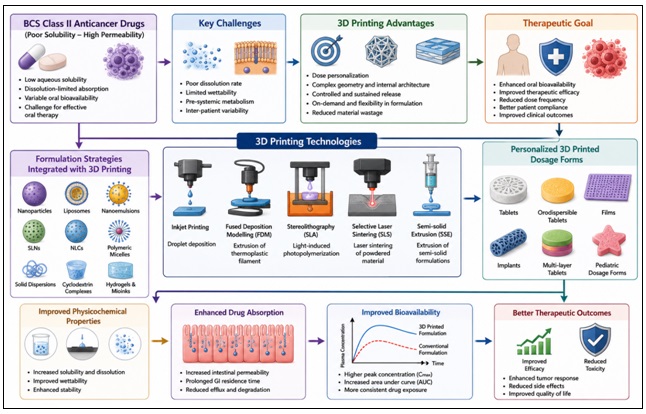
FIG. 1: CONCEPTUAL FRAMEWORK ILLUSTRATING THE APPLICATION OF PHARMACEUTICAL THREE-DIMENSIONAL (3D) PRINTING FOR IMPROVING THE ORAL BIOAVAILABILITY OF BCS CLASS II ANTICANCER DRUGS THROUGH PERSONALIZED DRUG DELIVERY
Review Methodology: A comprehensive literature search was performed to locate and critically assess published publications related to three dimensional (3D) printing technologies for enhancing bioavailability of Biopharmaceutics Classification System (BCS) Class II anticancer medicines. A comprehensive search of the electronic databases such as PubMed, Scopus, Web of Science, ScienceDirect, Google Scholar, and SpringerLink was performed to identify the relevant literature published between 2015 and June 2026. As needed, classical and landmark papers published before 2015 were also included to offer background information on the Biopharmaceutics Classification System, pharmaceutical 3D printing and drug delivery technologies. The search strategy included combinations of keywords and Boolean operators such as “3D printing”, “additive manufacturing”, “BCS Class II”, “anticancer drugs”, “poor aqueous solubility”, “bioavailability enhancement”, “personalized medicine”, “fused deposition modelling”, “stereolithography”, “selective laser sintering”, “semi-solid extrusion”, “inkjet printing”, “nanotechnology”, “nanoparticles”, “solid lipid nanoparticles”, “nanostructured lipid carriers”, “liposomes”, “polymeric nanoparticles”, “artificial intelligence”, “pharmaceutical manufacturing” and “regulatory perspectives”. Additional relevant papers were also carefully checked in reference lists of chosen publications. Only original research papers that were peer-reviewed, systematic and narrative reviews and regulatory publications that were available in English language were evaluated for inclusion. The studies included were those on pharmaceutical applications of 3D printing, oral administration of poorly soluble anticancer medicines, drug delivery methods supported by nanotechnology, formulation development, regulatory issues and personalized medicine. Conference abstracts, editorials, duplicate publications, patents with poor scientific validation, papers not in English and research not linked to drug transport in pharmaceuticals were eliminated. The retrieved literature was screened by title, abstract and full text assessment for ensuring the relation with the aims of this study. Special attention was given to research combining formulation techniques for enhanced dissolution, solubility, oral absorption and bioavailability of BCS Class II anticancer drugs with 3D printing. The emphasis was placed on current breakthroughs in artificial intelligence-assisted formulation optimization, quality-by-design techniques, regulatory expectations and future views in customized pharmaceutical production. The selected literature was then grouped into subject parts to offer a complete overview of the present advancements, extant difficulties, and future potential in this rapidly growing discipline.
Biopharmaceutics Classification System (BCS) Class II Anticancer Drugs: Formulation Challenges and Clinical Implications: The rising development of oral anticancer medicines has greatly improved the care of numerous cancers by boosting patient comfort, reducing hospital visits and improving treatment adherence . However, the low water solubility of many oral anticancer drugs sometimes limits their therapeutic effectiveness, leading to partial breakdown in the gastrointestinal tract and variable systemic drug exposure. Introduction a significant number of targeted anticancer medications are classified as Biopharmaceutics Classification System (BCS) Class II, i.e., poor water solubility and high intestinal permeability. Once dissolved, these medicines rapidly pass through biological membranes, hence drug dissolution is the primary factor influencing total oral bioavailability 11-13.
Several therapeutically relevant anticancer medicines have similar physicochemical properties to BCS Class II substances. Paclitaxel and docetaxel are very strong chemotherapy drugs but are exceedingly poorly water soluble, which hampers the development of efficient oral formulations. Similarly, oral tyrosine kinase inhibitors (TKIs) such as gefitinib, erlotinib, lapatinib, sorafenib, nilotinib and dasatinib are characterized by poor dissolving properties and variable gastrointestinal absorption and hence have varying pharmacokinetics among individuals. Etoposide is another extensively used anticancer medication that likewise has variable oral absorption due to its low solubility and formulation problems. Such constraints frequently need greater therapeutic dosages, increase pharmacokinetic variability and lead to uncertain clinical outcomes 11-15. The oral absorption of BCS Class II anticancer medicines is affected by various physiological and formulation parameters, such as pH of the gastrointestinal tract, gastric emptying time, composition of intestinal fluid, food intake, precipitation during gastrointestinal transit and first-pass metabolism.
Formulations based on supersaturation can transiently enhance the dissolved drug concentration, but fast precipitation often decreases the quantity of medication accessible for absorption. Therefore, just enhancing the water solubility is usually not enough unless the formulation is able to maintain supersaturation and facilitate prolonged medication absorption throughout the gastrointestinal system 14, 17.
Therefore, several formulation solutions have been studied to tackle these issues. Micronization, nanonization, amorphous solid dispersions, cyclodextrin inclusion complexes, lipid based formulations, self-emulsifying drug delivery systems (SEDDS), solid lipid nanoparticles (SLNs), nanostructured lipid carriers (NLCs), polymeric nanoparticles and liposomal formulations are some of the traditional techniques which have been successful in improving dissolution and oral bioavailability to varying degrees. However, there are various drawbacks such as physical instability, drug recrystallization, manufacturing complexity, scale-up issues and limited flexibility for customized dosage customization.
The increasing need for individualized cancer therapy has changed the focus to innovative technologies of pharmaceutical manufacture that can combine formulation improvement with patient-specific medication delivery. Three-dimensional (3D) printing offers a unique possibility for the manufacture of personalized dosage forms, with fine control over drug loading, shape, internal architecture and release behavior. Together with nanotechnology-based solubility enhancement technologies, pharmaceutical 3D printing can result in simultaneous improvements in dissolving, oral bioavailability and dosage customisation. An integrated strategy such as this holds promise to address the formulation issues associated with BCS Class II anticancer medicines and supports the future development of precision oncology 12-17.
TABLE 1: REPRESENTATIVE BCS CLASS II ANTICANCER DRUGS AND THEIR FORMULATION CHALLENGES
| Drug | Therapeutic Class | Major Solubility Challenge | Oral Bioavailability Issue | Common Formulation Strategies |
| Paclitaxel | Taxane | Extremely poor aqueous solubility | Negligible oral absorption | Nanoparticles, liposomes, polymeric micelles |
| Docetaxel | Taxane | Low water solubility | Extensive first-pass metabolism | Lipid carriers, nanoparticles |
| Gefitinib | EGFR inhibitor | pH-dependent solubility | Variable gastrointestinal absorption | Amorphous solid dispersions, nanoparticles |
| Erlotinib | EGFR inhibitor | Poor aqueous solubility | Food- and pH-dependent absorption | Solid dispersions, lipid systems |
| Sorafenib | Multikinase inhibitor | Low dissolution rate | Low and variable bioavailability | NLCs, SNEDDS, nanoparticles |
| Lapatinib | HER2 inhibitor | Poor aqueous solubility | Significant food effect and poor dissolution | Solid dispersions, lipid-based carriers |
| Nilotinib | BCR-ABL inhibitor | Poor dissolution | Variable oral absorption | Amorphous formulations, lipid carriers |
| Dasatinib | BCR-ABL inhibitor | pH-dependent solubility | Reduced absorption with acid suppressants | Nanoformulations, pH-modifying systems |
| Etoposide | Topoisomerase inhibitor | Limited aqueous solubility | Variable oral bioavailability | Liposomes, nanoparticles |
Biopharmaceutics Classification System and Solubility Challenges in Anticancer Drug Delivery: The Biopharmaceutics Classification System (BCS) groups pharmacological drugs based on water solubility and intestinal permeability that has been scientifically established. It enables the prediction of oral drug absorption, informs formulation development and supports regulatory decision-making throughout the pharmaceutical product development process. BCS classifies drugs into four groups such as Class I (high solubility and high permeability), Class II (low solubility and high permeability), Class III (high solubility and low permeability) and Class IV. BCS Class II drugs are difficult to synthesize, due to their poor solubility in water, limiting their absorption of the medication, nevertheless, once in solution form they easily permeate the intestinal barrier 14-16.
For BCS Class II anticancer medicines, drug dissolution is the rate-limiting step for oral absorption rather than membrane permeability. The medicine must dissolve in gastrointestinal fluids and then traverse the intestinal epithelium to be administered orally. The Noyes–Whitney equation states that dissolving rate depends on the surface area of the particle, diffusion coefficient, diffusion layer thickness and the concentration gradient between the surface of the drug and the surrounding dissolution media. Thus, poor water-soluble medicines have sluggish dissolution and slow, delayed and partial absorption despite high membrane permeability 17. Several physicochemical, physiological and formulation parameters influence the oral bioavailability of BCS Class II anticancer medicines. Low water solubility reduces the concentration of the dissolved drug in the gastrointestinal fluids, hence decreasing the concentration gradient that drives passive diffusion across the intestinal barrier. Supersaturating drug delivery systems get a transient rise in the drug concentration in solution and absorption. But these supersaturated molecules are thermodynamically unstable and precipitate or recrystallize fast, which limits absorption of the drug in the intestine. Good formulations increase solubility of the drug and sustain supersaturation to facilitate absorption 17-19.
Several physiological parameters further modulate the oral absorption of BCS Class II anticancer medicines. Gastrointestinal pH, gastric emptying time, intestinal transit, bile salt content, food consumption and presence of intestinal transporters may all impact medication solubility and absorption. Many tyrosine kinase inhibitors have pH-dependent solubility, and hence food or acid suppressing agents that elevate the stomach pH can decrease absorption. Furthermore, the extent of first-pass metabolism is variable and gastrointestinal physiology varies from patient to patient, leading to variable plasma drug concentrations and unexpected treatment responses. These variables together explain the wide interpatient variability in systemic medication exposure and clinical response for the same oral dosage 20-22. Many pharmacological techniques have been designed to circumvent the dissolution-limited absorption of BCS Class II anticancer medicines. Decreasing particle size improves the surface area and thus the rate of dissolution. Amorphous solid dispersions increase the perceived solubility of a medication by decreasing crystalline order. Lipid-based drug delivery systems, self-emulsifying drug delivery systems (SEDDS), cyclodextrin inclusion complexes, polymeric nanoparticles, solid lipid nanoparticles (SLNs), nanostructured lipid carriers (NLCs), liposomes and polymeric micelles have all been shown to improve drug solubilization and oral bioavailability. However, some of these methods have disadvantages including physical instability, drug recrystallization, low drug loading, manufacturing complexity and scale-up difficulties 21. Recent breakthroughs in the pharmaceutical production have focused on the development of these formulation methodologies with three-dimensional (3D) printing. Whereas traditional manufacturing methods do not allow for the exact control of the dose form shape, internal structure, drug distribution, and release behavior, 3D printing does, and it permits the integration of sophisticated solubility enhancement systems into individualized dose forms. Such integration has the potential to increase dissolving, supersaturation, controlled drug release and enhanced oral bioavailability, while allowing for personalized dosing techniques. Therefore, the combination of formulation science and additive manufacturing seems to be a potential approach to tackle the persisting bioavailability difficulties associated with BCS Class II anticancer medicines.
TABLE 2: RELATIONSHIP BETWEEN PHYSICOCHEMICAL PROPERTIES AND ORAL BIOAVAILABILITY OF BCS CLASS II ANTICANCER DRUGS
| Parameter | Role | Effect on Bioavailability | Formulation Strategy |
| Solubility | Drug dissolution | Low solubility ↓ bioavailability | Nanoparticles, solid dispersions |
| Dissolution Rate | Drug enters solution | Slow dissolution ↓ absorption | Particle size reduction |
| Permeability | Membrane transport | High in BCS II | Not limiting |
| Supersaturation | Increases dissolved drug | Improves absorption if maintained | Polymers, lipid systems |
| Precipitation | Drug recrystallization | Reduces absorption | Stabilizers, nanocarriers |
| GI Environment | pH, bile salts, transit | Affects dissolution | pH modifiers |
| Oral Bioavailability | Drug reaching circulation | Determines efficacy | Integrated 3D printing |
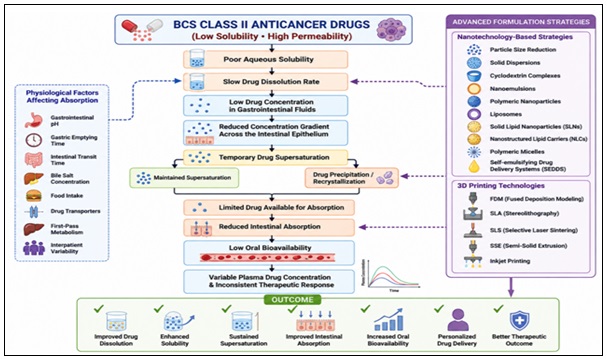
FIG. 2: MECHANISTIC OVERVIEW OF THE FACTORS INFLUENCING THE ORAL BIOAVAILABILITY OF BCS CLASS II ANTICANCER DRUGS AND THE ROLE OF ADVANCED FORMULATION STRATEGIES IN IMPROVING DRUG DISSOLUTION AND ABSORPTION
3D Printing Technologies in Pharmaceutics: Three-dimensional (3D) printing, also known as additive manufacturing, has become one of the exciting technologies in the context of pharmaceutical sciences, able to form complex dosage forms with stringent control of structure and composition. Unlike conventional manufacturing methods, 3D printing enables layer-by-layer construction of drug delivery systems that can modify drug release via variations in geometry, porosity, and internal architecture. Various 3D printing methods have been proposed and shown to be suitable for pharmaceutical applications (inkjet printing, FDM, SLA, SLS, SSE). The processing conditions, compatibility with the materials, resolution, and the suitability for thermolabile drugs vary for each technique. Hence, proper selection of printing method is significant since formulation stability and dissolution behaviour are determinants of bioavailability especially as it relates to BCS Class II anticancer drugs 21-24.
Inkjet Printing: Inkjet printing is a non-contact, droplet-based additive manufacturing technique that precisely deposits small volumes of drug-containing solutions or suspensions onto a substrate in a layer-by-layer manner. Depending on the mode of operation, inkjet printing can be classified into continuous inkjet and drop-on-demand systems, with the latter being more widely employed for pharmaceutical applications due to its superior dosing accuracy. Since the process is generally performed at room temperature, it is particularly suitable for incorporating thermolabile drugs, biological molecules, and temperature-sensitive pharmaceutical excipients.
Drug loading in inkjet printing is generally low because the printable formulations require low viscosity and adequate surface tension to ensure consistent droplet formation. However, the method offers great printing resolution with extremely precise dosage deposition and may be used for tailored low-dose pharmaceuticals and quick formulation screening. The drug release profile may be modified by modifying the printing pattern, the quantity of deposited layers and the characteristics of the substrate. Important advantages of this method are seen. However, it is connected with some drawbacks such as nozzle clogging, restricted drug loading capacity, long printing time for high dosage formulations and strict criteria for ink rheological qualities. Thus, inkjet printing is very suitable to produce individualized low dosage pharmaceutical items where the precision of the dose is very critical 25.
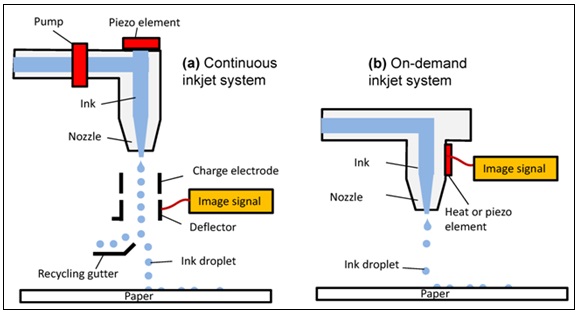
FIG. 3: SCHEMATIC REPRESENTATION OF THE INKJET PRINTING PROCESS USED FOR PHARMACEUTICAL DOSAGE FORM FABRICATION
Fused Deposition Modelling (FDM): Fused Deposition Modeling (FDM) among the several three-dimensional (3D) printing technologies, Fused Deposition Modelling (FDM) is one of the most explored in the pharmaceutical industry because of its simplicity, cost-effectiveness and ability to fabricate unique solid dosage forms with complicated designs. The drug loaded thermoplastic filaments are first manufactured, often by hot-melt extrusion (HME) and then supplied to the printer. They are heated above their melting point and extruded layer by layer through a heated nozzle to construct the appropriate dosage form.
Various pharmaceutical polymers such as polyvinyl alcohol (PVA), polyvinylpyrrolidone (PVP), hydroxypropyl methylcellulose (HPMC), polylactic acid (PLA), polyethylene oxide (PEO), and Eudragit® polymers have been investigated for FDM-based drug delivery systems. The processing temperature is usually between 150 and 250°C depending on the characteristics of the polymer and stability of the medication. This technology is therefore more appropriate for thermally stable active medicinal ingredients whereas thermolabile medications might deteriorate during filament preparation or the printing process.
FDM may provide moderate to high drug loading capacity and can be utilized for precise control of drug release by altering the geometry of the tablet, infill density, shell thickness and internal architecture. Such design factors can have substantial influence on drug solubility, diffusion paths and release kinetics. This makes FDM extremely ideal for the creation of immediate release, sustained release, delayed release and multi-drug dosage forms. Additionally, the technique may be utilized to make patient-specific drugs on demand with personalized dosages and dosage forms.
However, FDM has other drawbacks such as the necessity of drug loaded filaments which is an extra step in manufacturing and the higher processing temperature that might harm heat sensitive medications and excipients. Filament brittleness, limited availability of pharmaceutical-grade printable polymers, and variability in filament mechanical properties may also affect printability and dosage uniformity. Nevertheless, continuous advances in polymer development, filament engineering, and process optimization have established FDM as one of the most promising technologies for personalized pharmaceutical manufacturing 26.
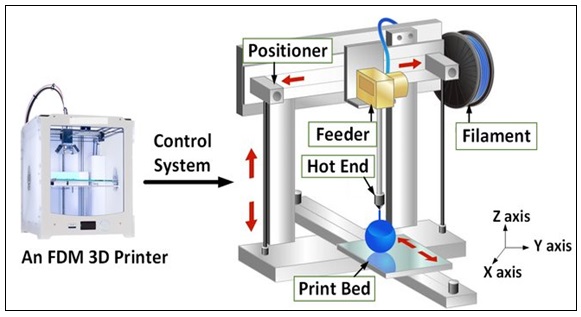
FIG. 4: SCHEMATIC ILLUSTRATION OF THE FUSED DEPOSITION MODELLING (FDM) PROCESS FOR PHARMACEUTICAL THREE-DIMENSIONAL PRINTING
Stereolithography: Stereolithography (SLA) is a vat photopolymerization-based three-dimensional (3D) printing technique that fabricates dosage forms through the selective curing of liquid photopolymer resins using an ultraviolet (UV) laser or other suitable light source. Using a laser, successive layers of photocurable resin are selectively solidified based on a computer-aided design (CAD) model, enabling the manufacture of dosage forms that are extremely precise, possess smooth surface morphology and exhibit complicated interior structures. Because of its great print, SLA may be carried out at room temperature (as opposed to thermal extrusion methods) and allows for the integration of thermolabile medicines, proteins, peptides and other temperature sensitive medications. The method enables the manufacture of dosage forms with a carefully regulated drug distribution and release kinetics by the availability of high printing resolution, excellent dimensional precision and reproducible layer creation. Medication concentration is modest and depends on physicochemical parameters of the formulation and solubility of the medication in the photocurable resin. However, the medicinal use of SLA is restricted by the availability of pharmaceutically approved photocurable resins. Many commercially available photopolymer materials are not designed for pharmaceutical use and may be harmful due to residual photoinitiators or unpolymerized resin constituents. Furthermore, printed dosage forms often need post-print curing to attain full polymerization and acceptable mechanical strength. Additional obstacles are low medication compatibility with photocurable resins, limited variety of materials and regulatory issues about the safety of the photopolymerized excipients. However, the current study on the synthesis of biocompatible photocurable polymers is likely to enhance the pharmaceutical uses of SLA for customized medicine 27, 28.
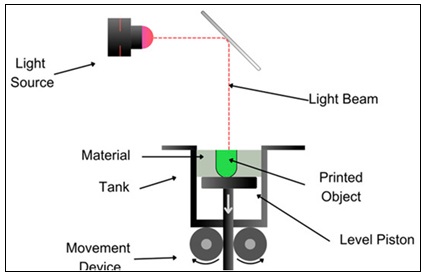
FIG. 5: SCHEMATIC REPRESENTATION OF STEREOLITHOGRAPHY (SLA)-BASED PHARMACEUTICAL THREE-DIMENSIONAL PRINTING
Selective Laser Sintering (SLS): Selective Laser Sintering (SLS) Selective Laser Sintering (SLS) is a powder bed fusion based three-dimensional (3D) printing method that constructs pharmaceutical dosage forms by selectively fusing powdered materials with the use of a high-energy laser beam. In the printing process, a thin coating of powder is placed uniformly over the build platform and the laser sinters the particles accordingly to a specified computer-aided design (CAD) model. This layer-by-layer technique enables for the creation of complicated geometrically shaped and extremely porous dosage forms without the use of solvents or supporting materials.
SLS gives good control over porosity, internal architecture and mechanical characteristics of the tablets, together with great printing precision and modest drug-loading capacity. The porous structures generated by SLS allow the quick penetration of the dissolving media resulting in the drug dissolution and boosting the oral bioavailability of poorly water-soluble medicines. Consequently, SLS has gained considerable attention for developing immediate-release dosage forms and formulations intended to improve the dissolution behaviour of BCS Class II drugs.
The processing temperature and laser energy employed during SLS depend on the physicochemical properties of the powder formulation and the selected polymeric carrier. Although the technique avoids the use of organic solvents, exposure to high laser energy may result in thermal degradation of heat-sensitive drugs and excipients. Therefore, SLS is generally more suitable for thermally stable pharmaceutical compounds.
SLS has potential medicinal uses, but has limits. However, the availability of pharmaceutically acceptable powder materials for laser sintering is currently restricted and the optimization of powder flowability, particle size distribution and laser processing parameters is crucial to achieve consistent print quality. Moreover, the high cost of equipment, energy consumption and process optimisation needs might restrict its extensive industrial applicability. SLS is a potential technique for enhanced pharmaceutical manufacture and tailored medication delivery due to solvent-free processing, high dimensional precision and fabrication of porous dosage forms 29, 30.
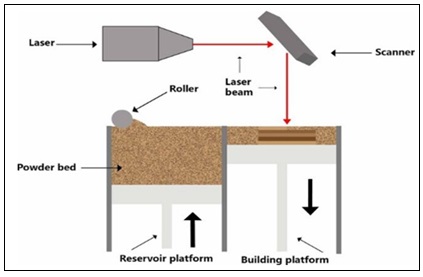
FIG. 6: SCHEMATIC ILLUSTRATION OF THE SELECTIVE LASER SINTERING (SLS) PROCESS USED FOR PHARMACEUTICAL DOSAGE FORM FABRICATION
Semi-solid Extrusion (SSE): Semi-solid extrusion (SSE) Semi-solid Extrusion (SSE) is an extrusion-based 3D printing method for the production of dosage forms by depositing semi-solid formulations such as gels, pastes, hydrogels, and viscous polymeric dispersions via a syringe or extrusion nozzle in a layer-wise manner.
Unlike thermal extrusion procedures, SSE is often carried out at room temperature or mild processing conditions, which is especially beneficial for the integration of thermolabile medicines, proteins, peptides, probiotics and other temperature-sensitive pharmaceutical constituents.
A major advantage of SSE is its capacity to accommodate a wide range of pharmaceutical excipients including hydrophilic polymers, lipid based formulations, hydrogels, bioinks and nanoparticle loaded dispersions. This method also offers a reasonably high medication loading capacity since the active medicinal ingredient may be immediately included into the printable semi-solid formulation without the requirement for filament preparation. The drug release properties can be effectively modulated by tuning the formulation viscosity, the polymer composition, the printing parameters, the internal architecture and the dosage form geometry, thus enabling the development of immediate-releasing, sustained-releasing and site-specific drug delivery systems.
SSE has attracted considerable interest for the fabrication of personalized medicines because of its flexibility in dose adjustment, compatibility with multiple drug delivery systems, and ability to incorporate advanced solubility-enhancing formulations such as solid lipid nanoparticles (SLNs), nanostructured lipid carriers (NLCs), liposomes, nanoemulsions, and polymeric nanoparticles into printable matrices. These characteristics make SSE particularly attractive for improving the dissolution and oral bioavailability of poorly water-soluble BCS Class II anticancer drugs.
SSE has many advantages but it also brings some challenges. Printability of semi-solid formulations is highly dependent on rheological properties such as viscosity, yield stress and extrusion behavior. Inadequate optimization may result in poor dimensional accuracy, structural collapse, or inconsistent drug distribution. In addition, printed formulations often require post-print drying or curing to achieve adequate mechanical strength and long-term stability. Nevertheless, because of its low-temperature processing conditions, formulation flexibility, and compatibility with nanotechnology-based drug delivery systems, SSE is currently regarded as one of the most promising pharmaceutical 3D printing technologies for personalized drug delivery 31.
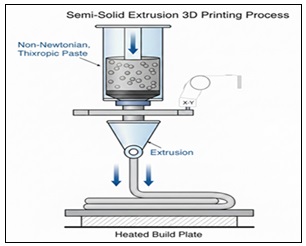
FIG. 7: SCHEMATIC REPRESENTATION OF SEMI-SOLID EXTRUSION (SSE)-BASED PHARMACEUTICAL THREE-DIMENSIONAL PRINTING
TABLE 3: COMPARATIVE EVALUATION OF PHARMACEUTICAL 3D PRINTING TECHNOLOGIES FOR ORAL DRUG DELIVERY
| Technology | Printing Principle | Printable Materials | Processing Temperature | Drug Loading | Resolution | Suitability for Thermo-labile Drugs | Drug Release Control | Advantages | Limitations |
| Inkjet Printing | Droplet-based deposition | Drug solutions, suspensions | Room temperature | Low | Very High | Excellent | Layer thickness and deposition pattern | High precision, accurate dosing | Low drug loading, nozzle clogging |
| Fused Deposition Modelling (FDM) | Melt extrusion of drug-loaded filaments | PVA, PVP, PLA, HPMC, Eudragit® | 150–250°C | Moderate–High | Moderate | Poor | Geometry, infill density, shell thickness | Strong tablets, controlled release | High processing temperature, filament preparation |
| Stereo-lithography (SLA) | UV-induced photo polymerization | Photocurable resins | Room temperature | Moderate | Very High | Good | Internal architecture and polymer composition | Excellent precision and surface finish | Limited biocompatible resins, post-curing, resin toxicity |
| Selective Laser Sintering (SLS) | Laser sintering of powder bed | Polymeric powders, drug-polymer blends | High | Moderate | High | Moderate | Tablet porosity and internal structure | Solvent-free process, porous dosage forms | Expensive equipment, thermal degradation |
| Semi-solid Extrusion (SSE) | Extrusion of gels and pastes | Hydrogels, lipid gels, bioinks, polymeric dispersions | Room temperature | High | Moderate | Excellent | Polymer composition, viscosity, geometry | Suitable for thermolabile drugs, high formulation flexibility | Poor mechanical strength, post-print drying required |
There is, however, no one optimal 3D printing method for all drug delivery applications. The type of suitable method determined by drug characteristics, particularly thermal stability, desired release profile and formulation needs, is required to be chosen. Among these, semi-solid extrusion is the most promising candidate with BCS Class II anticancer drugs as the following candidate because of its suitability in terms of solubility boosting strategies and temperature sensitive molecules processing.
Role of 3D Printing in Personalized Medicine and Precision Oncology: Oncology is an area where the interpatient variation in drug response can be pronounced with genetic, physiological, and disease-specific factors and personalized medicine is an attractive approach. Standard dosage forms are usually developed based on average population specifications, which often leads to suboptimal results and higher risk of toxicity in cancer patients. To this end, three-dimensional (3D) printing has shown a transformative nature for creating drug delivery systems that are personalized for patients. 3D printing makes it possible to configure therapy for personalized care and its dose, spatial distribution, and interior structure through controlled drug distribution and dosage form formulation. The tablet geometry, infill density, and type of compound used, as well as the composition, can all be adjusted to achieve the desired drug release profile, including immediate, sustained or pulsatile release. This is especially advantageous in the case of BCS Class II anticancer medications, because minute differences in dissolution kinetics can drastically affect bioavailability and therapeutic activity. Through the optimization of structure, 3D printing could further increase the drug dissolution process, as well as modulate the doses while control solubility and response to specific needs 12, 16, 32, 34. 3D printing also supports the advancement of multi-drug formulation so the inclusion of multiple drug active ingredients in one drug dosage form is possible. This is especially relevant in oncology where combinations are frequently used to improve the effectiveness of cancer treatment. Because that spatially separates drugs inside of the same structure, we can decrease the amount of drug-drug interaction and thus can better control the release. One other important benefit for 3D printing is on-demand manufacturing, which allows the manufacturing of medicines at or close to the point of care. It enables us to reduce reliance on large-scale manufacturing and adjust treatment plans according to the individual response of a patient—whether it be disease progression or differences in drug absorption. AI, together with machine learning and 3D printing, makes such personalized medicine. AI models can use patient specific data (genomic information, disease character and pharmacokinetic parameters) to propose better dosing strategies 33-36. These predictions can be converted into customised 3D-printed dosage forms that have specific drug release behavior settings. Such improvements enable swift and flexible treatments, especially in oncology, in which treatments change in effectiveness with patients over time. Nonetheless, barriers of data integration, model validation, and regulatory approval need to be dealt with before their implementation on a large clinical scale. However, the clinical implementation of personalized 3D-printed medications is still low, mainly due to uncertainties surrounding regulatory regimes, an absence of established manufacturing methodology, and problems of reproducibility and quality assurance. These issues will be critical in facilitating the successful incorporation of 3D printing in mainstream clinical application 32-37.
Advanced Strategies for Bioavailability Enhancement of BCS Class II Anticancer Drugs: Integration with 3D Printing: The bioavailability improvement of BCS Class II anticancer drugs is still a challenge related to the poor aqueous solubility properties. As these have grown into multiple formulations, strategies have evolved to ameliorate the dissolution and absorption curve. Nevertheless, these methods are too frequently constrained by stability, scalability and limited dose customization flexibility. Traditional approaches including particle size reduction, solid dispersions, lipid-based systems, and complexation have performed remarkable for better solubility. However, these approaches are usually based on a standardized formulation method and lack adequate consideration of individual patient variability, which is extremely important in the field of oncology. Consequently, it has been investigated recently whether these techniques can be combined with advanced manufacturing technologies like 3D printing, so that it can achieve both solubility enhancement and personalization.
Nanotechnology Based Approaches: Nanotechnology has emerged as a promising strategy for improving the oral delivery of poorly water-soluble BCS Class II anticancer drugs by enhancing drug solubility, dissolution, stability, and intestinal absorption. The reduced particle size of nanocarriers increases the surface area available for dissolution, while the incorporation of drugs within nanoscale delivery systems improves their apparent solubility and protects them from chemical and enzymatic degradation during gastrointestinal transit. Moreover, nanocarriers have the capacity to boost drug residence duration, mucosal adhesion, lymphatic transport, diminish first pass metabolism in order to raise the oral bioavailability.
Nanotechnology based medication delivery systems for oral cancer therapy have been explored in several research. Polymeric nanoparticles are encapsulated by biodegradable polymers to stabilize their release. Nanoemulsions enhance solubility by dispersing lipophilic medicines in nanosized oil droplets. This promotes intestinal absorption. Liposomes consist of phospholipid bilayer compartments for the storage of drugs that are a fan of both fat and water. They prevent drug breakdown and reduce systemic toxicity. SLNs are stabilized by solid lipid matrices and control the release of drugs. However, nanostructured lipid carriers (NLCs) use both solid and liquid lipids to entrap more quantity of drugs and to avoid their escape. Amphiphilic core-shell structure of polymeric micelles may be useful to dissolve water-insoluble anticancer drugs. The use of these nanocarrier systems in pharmaceutical three-dimensional (3D) printing has unveiled new possibilities for the design of tailored medication delivery systems. Nanoparticles, nanoemulsions, liposomes, SLNs, NLCs and polymeric micelles can be added into printable hydrogels, semi-solid formulations, bioinks or drug laden filaments prior to printing. The printed dosage forms after manufacturing enable fine control over drug dose, shape, internal architecture, release kinetics and retain the solubility-enhancing features of the integrated nanocarriers.
The combination method can provide prolonged supersaturation, better dissolution, higher intestinal absorption, and increased oral bioavailability compared with standard dose forms.
Among the available pharmaceutical 3D printing technologies, Semi-solid Extrusion (SSE) has demonstrated particular promise for integrating nanotechnology-based formulations because of its low-temperature processing conditions and compatibility with hydrogels, lipid dispersions, and nanoparticle-containing formulations. Similarly, drug-loaded filaments prepared for Fused Deposition Modelling (FDM) have been explored for incorporating nanocrystals and amorphous solid dispersions to improve dissolution characteristics. The convergence of nanotechnology and additive manufacturing therefore represents an important step toward personalized oncology by enabling patient-specific dosage forms that combine enhanced bioavailability with individualized dose optimization 12, 14, 18.
TABLE 4: NANOTECHNOLOGY-BASED SOLUBILITY ENHANCEMENT STRATEGIES INTEGRATED WITH PHARMACEUTICAL 3D PRINTING
| Strategy | Mechanism of Bioavailability Enhancement | Integration with 3D Printing | Advantages | Limitations |
| Polymeric Nanoparticles | Controlled drug release and improved solubility | Incorporated into printable hydrogels and bioinks | Improved stability and sustained release | Complex manufacturing |
| Nanoemulsions | Enhanced drug solubilization through nanosized oil droplets | Mixed with semi-solid printable formulations | Rapid dissolution and improved absorption | Physical instability |
| Liposomes | Encapsulation within phospholipid bilayers | Incorporated into printable gels | Reduced toxicity and improved drug protection | Limited storage stability |
| Solid Lipid Nanoparticles (SLNs) | Improved dissolution and controlled drug release | Embedded within printable matrices | Enhanced stability | Limited drug loading |
| Nanostructured Lipid Carriers (NLCs) | Improved drug loading and prevention of drug expulsion | Compatible with semi-solid extrusion formulations | High bioavailability | Formulation complexity |
| Polymeric Micelles | Solubilization of hydrophobic drugs | Incorporated into printable polymer systems | Improved oral absorption | Stability during storage |
Solid Dispersions and Polymer-Based Systems: Solid dispersion strategies rely on integrating poorly soluble medicines in hydrophilic polymer matrices for faster dissolution. Although such methods may improve solubility markedly, problems like recrystallization and long-term stability often present ongoing challenges. 3D printing is used here to fabricate better dosage formulations that incorporate solid dispersions in a more precise way, optimizing dissolution properties without destroying structural integrity. Furthermore, the selection of polymers and the optimization of the printing parameters can be fine-tuned for a specific release profile 36, 39.
Lipid-Based Drug Delivery Systems: Lipid-based approaches with the use of self-emulsifying drug delivery systems (SEDDS) and nanostructured lipid carriers (NLCs), are promising strategies to improve the oral bioavailability of BCS Class II pharmaceuticals. These approaches enhance drug solubility in gastrointestinal fluids and enhance lymphatic transport, efficiently bypassing first-pass metabolism. The integration of lipid-based systems with 3D printing technology has enabled the development of hybrid dosage forms for better drug loading and controlled release characteristics. However, it is crucial to address formulation stability and printing media compatibility challenges 32, 38.
Hydrogels and Advanced Drug Delivery Systems: Hydrogels are water-loving polymer networks that can accommodate relatively large quantities of liquid, and are of particular interest for controlled drug delivery applications.
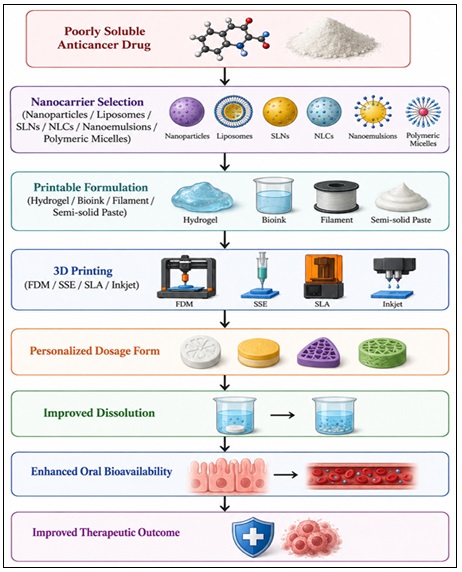
FIG. 8: INTEGRATION OF NANOTECHNOLOGY WITH PHARMACEUTICAL THREE-DIMENSIONAL (3D) PRINTING FOR ENHANCING THE ORAL BIOAVAILABILITY OF BCS CLASS II ANTICANCER DRUGS
Also, stimuli-responsive hydrogels can enhance drugs' liberation by modifying the response to different environmental conditions like pH value and temperature. The recent development of 3D printing technology allows to design and fabricate hydrogel-based structures with accurate geometry and porosity for precise drug release kinetics. The systems allow to target drug releases and deliver it on an implantable basis in a cancer therapy context. Individually, each of the strategies is promising in boosting solubility; however, their synergy with 3D printing enables a more comprehensive approach for personalized dosages based on the combination of improved dissolution of the drug and advanced manufacturing techniques. This collaborative approach will benefit both bioavailability and drug release rates and dosing due to the fact that traditional formulations have limitations.
TABLE 5: SOLUBILITY ENHANCEMENT STRATEGIES FOR BCS CLASS II ANTICANCER DRUGS AND THEIR INTEGRATION WITH PHARMACEUTICAL 3D PRINTING
| Solubility Enhancement Strategy | Mechanism | Representative Drugs | Formulation Approach | Role of 3D Printing | Limitations |
| Nanoparticles | Increased surface area and dissolution | Paclitaxel, Docetaxel | Polymeric nanoparticles | Incorporated into printable hydrogels and bioinks | Stability issues |
| Nanoemulsions | Improved drug solubilization | Sorafenib, Erlotinib | Oil-in-water nanoemulsions | Printable semi-solid formulations | Physical instability |
| Liposomes | Encapsulation and membrane fusion | Doxorubicin, Paclitaxel | Phospholipid vesicles | Printable gel formulations | Limited storage stability |
| Solid Lipid Nanoparticles (SLNs) | Controlled drug release | Lapatinib, Gefitinib | Solid lipid matrices | Embedded within printable matrices | Limited drug loading |
| Nanostructured Lipid Carriers (NLCs) | Improved drug loading and stability | Sorafenib, Lapatinib | Mixed solid-liquid lipids | Compatible with SSE formulations | Formulation complexity |
| Solid Dispersions | Amorphization and improved wettability | Erlotinib, Gefitinib | Hydrophilic polymer matrices | Printable filaments and tablets | Drug recrystallization |
| Cyclodextrin Complexes | Inclusion complex formation | Paclitaxel, Etoposide | Cyclodextrin complexes | Printable polymer systems | Limited complexation efficiency |
| Polymeric Micelles | Solubilization of hydrophobic drugs | Docetaxel, Paclitaxel | Amphiphilic polymers | Printable hydrogels | Stability during storage |
Challenges, Regulatory Considerations, and Future Perspectives of 3D Printing in Pharmaceutical Applications: To translate pharmaceutical three-dimensional (3D) printing successfully into the clinic, a thorough regulatory framework is needed to assure quality, safety, effectiveness and repeatability of individualized dosage forms. However, the application of additive manufacturing in pharmaceutical manufacture brings new variables in digital design, printing settings, material qualities and post-processing procedures that need to be carefully regulated as opposed to traditional pharmaceutical manufacturing. As a result, regulatory authorities are putting more emphasis on the use of risk-based methods and quality management systems across the product life cycle 18, 32. Quality-by-Design (QbD) offers a systematic approach to the development of robust 3D-printed pharmaceutical products, which includes the definition of the Quality Target Product Profile (QTPP), the identification of Critical Quality Attributes (CQAs), Critical Material Attributes (CMAs) and Critical Process Parameters (CPPs), and the establishment of a suitable design space.
Important CQAs for 3D printed dosage forms include dose accuracy, drug content uniformity, dimensional accuracy, mechanical strength, friability, disintegration time, dissolving profile, and stability. CMAs are physicochemical qualities of polymers, excipients, printable filaments, hydrogels, and bioinks. CPPs include nozzle temperature, extrusion rate, printing speed, layer height, laser intensity, infill density, and post-processing conditions. It is important to optimize these parameters to keep the product quality uniform 18-21.
Printer certification and process validation are both equally as critical regulatory criteria. The pharmaceutical 3D printers have to be qualified for installation (IQ), operation (OQ) and performance (PQ) to show reliability and reproducibility of operation. Moreover, process validation should demonstrate that repeated production results in dosage forms with consistent quality, dose homogeneity and mechanical qualities. Reproducibility from batch-to-batch remains a difficulty, especially in the case of patient-specific formulations generated in small quantities. Standardized operating procedures and regular process monitoring are necessary 36, 38.
Dose constancy is a critical quality attribute of customized pharmaceuticals since each dosage form might have an individualized pharmacological dose. Thus, proper distribution of the drug in printable formulations, careful control of the printing parameters and validation of the drug content were required. Moreover, stability tests under the conditions recommended by the International Council for Harmonisation (ICH) should be done to evaluate the physical, chemical and microbiological stability of the printed formulations during storage to guarantee the product quality during the indicated shelf life 39.
Real-time release testing (RTRT) and Process Analytical Technology (PAT) are now needed tools for pharmaceutical 3D printing as they allow for the continuous monitoring of critical production parameters and reduce the need for testing of the finished product. When combining Process analysis Technology with current analysis methods and digital production systems it could be possible to quickly check the quality of a product, make production more efficient and make sure that all regulations are met 33. Regulatory bodies, notably the United States Food and Drug Administration (FDA) and the European pharmaceuticals Agency (EMA), are still developing recommendations for additive manufacturing and customized pharmaceuticals. Regulatory pathways for pharmaceutical 3D printing are still being developed, but likely future regulations will include digital workflow validation, cybersecurity of design files, traceability, data integrity, patient-specific dose verification and Good Manufacturing Practice (GMP)-compliance. The establishment of common guidelines for the proper clinical use of customized 3D-printed drugs will require the continued cooperation of regulators, academic investigators, healthcare providers, and the pharmaceutical sector.
TABLE 6: REGULATORY CONSIDERATIONS FOR PHARMACEUTICAL 3D-PRINTED DOSAGE FORMS
| Regulatory Aspect | Importance | Examples/Considerations |
| Quality-by-Design (QbD) | Systematic product development | QTPP, CQAs, CMAs, CPPs |
| Printer Validation | Ensures reliable performance | IQ, OQ, PQ |
| Dose Uniformity | Accurate individualized dosing | Drug content uniformity |
| Batch-to-Batch Reproducibility | Product consistency | Standardized printing parameters |
| GMP Compliance | Regulatory approval | Documentation, traceability, quality systems |
| Process Analytical Technology (PAT) | Real-time process monitoring | In-line quality assessment |
| Real-Time Release Testing (RTRT) | Faster product release | Continuous quality verification |
| Stability Studies | Product shelf life | ICH stability guidelines |
| Digital File Security | Prevents design alteration | Data integrity and cyber security |
CONCLUSION: Three-dimensional (3D) printing has emerged as a promising pharmaceutical manufacturing technology for developing personalized drug delivery systems. Its robustness in dose form design, control of drug distribution and release characteristics are particularly useful to overcome the bioavailability issues of BCS Class II anticancer drugs. Adopting innovative formulations such as nanotechnology, lipid-based and polymeric carrier systems in 3D-printed structures, drug dissolution and absorption can be significantly improved. Most importantly, 3D printing can allow tailor-made dosage to each patient, which is very important in oncology since there will be varying therapeutic responses and toxicity profiles for different patients. Even though these features represent advantages, difficulties in terms of materials, scalability and its regulatory acceptance should be considered for its widespread clinical application. The advent of decentralized production, the continuous advancement of artificial intelligence, and the development of intelligent medicine delivery systems are expected to improve this technology. Overall, 3D printing looks to be a fascinating and new subject that might link formulation research and customized medicine and may be able to bring great progress to the modalities of cancer therapy.
This work underscores the significance of an integrated strategy blending new formulation methodologies in pharmaceutical technology with state-of-the-art manufacturing technologies to increase bioavailability and facilitate patient-centric medication administration.
ACKNOWLEDGEMENTS: Nil
CONFLICTS OF INTEREST: Nil
REFERENCES:
- Amidon GL, Lennernäs H, Shah VP and Crison JR: A theoretical basis for a biopharmaceutic drug classification: the correlation of in vitro drug product dissolution and in-vivo bioavailability. Pharm Res [Internet]. 1995; 12(3): 413–20. Available from: http://dx.doi.org/10.1023/a:1016212804288
- Reddy BBK and Karunakar A: Biopharmaceutics classification system: A regulatory approach. Dissolut Technol [Internet] 2011; 18(1): 31–7. Available from: http://dx.doi.org/10.14227/dt180111p31
- Shekhawat BP and Pokharkar BV: Understanding peroral absorption: regulatory aspects and contemporary approaches to tackling solubility and permeability hurdles. Acta Pharm Sin B [Internet] 2017; 7(3): 260–80. Available from: http://dx.doi.org/10.1016/j.apsb.2016.09.005
- Dahlgren D and Lennernäs H: Intestinal permeability and drug absorption: predictive experimental, computational, and in-vivo approaches. Pharmaceutics 2019; 11(8).
- Michael B, Jayaprakash N, Munivel N and Jaisankar D: 3D printing in drug delivery: emerging technologies, clinical translation, and the future of personalized medicine. Med Drug Discov 2025; 100242.
- Mathew E, Pitzanti G, Larrañeta E and Lamprou DA: 3D Printing of pharmaceuticals and drug delivery devices. Pharmaceutics 2020; 12(3): 266.
- Hemanth KG, Hemamanjushree S, Abhinaya N, Pai R and Pai GK: 3D Printing: A review on technology, role in novel dosage forms and regulatory perspective. Res J Pharm Technol 2021; 14(1): 562–72.
- Khadka P, Ro J, Kim H, Kim I, Kim JT and Kim H: Pharmaceutical particle technologies: an approach to improve drug solubility, dissolution, and bioavailability. Asian J Pharm Sci 2014; 9(6): 304–16.
- Göke K, Lorenz T, Repanas A, Schneider F, Steiner D and Baumann K: Novel strategies for the formulation and processing of poorly water-soluble drugs. Eur J Pharm Biopharm [Internet]. 2018; 126: 40–56. Available from: http://dx.doi.org/10.1016/j.ejpb.2017.05.008
- Patel M, Ahmed MH, Saqib M and Shaikh SN: Chemical modification: a unique solution to solubility problems. J Drug Deliv Ther 2019; 9(3): 542–6.
- Coltescu A-R, Butnariu M and Sarac I: The importance of solubility for new drug molecules. Biomed Pharmacol J [Internet]. 2020; 13(02): 577–83. Available from: http://dx.doi.org/10.13005/bpj/1920
- Mandloi N, Keservani RK and Sharma AK: 3D printing for drug delivery and its pharmaceutical applications. Int J Pharm Sci Nanotechnol 2022.
- Poovi G and Damodharan N: Lipid nanoparticles: A challenging approach for oral delivery of BCS Class-II drugs. Futur J Pharm Sci [Internet]. 2018; 4(2): 191–205. Available from: http://dx.doi.org/10.1016/j.fjps.2018.04.001
- Zhang X, Xing H, Zhao Y and Ma Z: Pharmaceutical dispersion techniques for dissolution and bioavailability enhancement of poorly water-soluble drugs. Pharmaceutics [Internet]. 2018; 10(3): 74. Available from: http://dx.doi.org/10.3390/pharmaceutics10030074
- Pawar SR and Barhate SD: Solubility enhancement (solid dispersions): a novel boon to increase bioavailability. J Drug Deliv Ther 2019; 9(4): 583–90.
- Paipa-Jabre-Cantu SI, Rodriguez-Salvador M and Castillo-Valdez PF: Revealing three-dimensional printing technology advances for oral drug delivery: Application to central-nervous-system-related diseases. Pharmaceutics [Internet]. 2025; 17(4): 445. Available from: http://dx.doi.org/10.3390/pharmaceutics17040445
- Alvaro Goyanes, Buanz ABM, Basit AW and Gaisford S: Fused-filament 3D printing (3DP) for fabrication of tablets. Int J Pharm 2014.
- Peng H, Han B, Tong T, Jin X, Peng Y and Guo M: 3D printing processes in precise drug delivery for personalized medicine. Biofabrication [Internet]. 2024; 16(3). Available from: http://dx.doi.org/10.1088/1758-5090/ad3a14
- Kajol Echale, Mahevish Shaikh, Vaishnavi Chauthe and Anil Jadhav: Customization of drug delivery using 3D printing technologies: A material driven review. Int J Pharm Sci [Internet]. 2026 [cited 2026 May 8]; 04(01). Available from: https://www.ijpsjournal.com/article/Customization+of+Drug+Delivery+using+3D+Printing+Technologies+A+Material+Driven+Review
- Schilsky RL: Personalized medicine in oncology: the future is now. Nat Rev Drug Discov [Internet]. 2010; 9(5): 363–6. Available from: http://dx.doi.org/10.1038/nrd3181
- Dokoumetzidis A, Valsami G and Macheras P: Modelling and simulation in drug absorption processes. Xenobiotica [Internet]. 2007; 37(10–11): 1052–65. Available from: http://dx.doi.org/10.1080/00498250701502114
- Goyanes A, Martinez PR, Buanz A, Basit AW and Gaisford S: Effect of geometry on drug release from 3D printed tablets. Int J Pharm 2015.
- Bangeas P, Tsioukas V, Papadopoulos VN and Tsoulfas G: Role of innovative 3D printing models in the management of hepatobiliary malignancies. World J Hepatol [Internet]. 2019; 11(7): 574–85. Available from: http://dx.doi.org/10.4254/wjh.v11.i7.574
- Prasad LK and Smyth H: 3D Printing technologies for drug delivery: a review. Drug Dev Ind Pharm [Internet]. 2016; 42(7): 1019–31. Available from: http://dx.doi.org/10.3109/03639045.2015.1120743
- Wang J, Goyanes A, Gaisford S and Basit AW: Stereolithographic (SLA) 3D printing of oral modified-release dosage forms. Int J Pharm [Internet]. 2016; 503(1–2): 207–12. Available from: http://dx.doi.org/10.1016/j.ijpharm.2016.03.016
- Naseri N: Polymeric nano-emulsions: recent developments in formulation, characterization, and applications. Soft Matter 2021; 17: 3816–50.
- Sharma R: Recent advances and future prospects of nanoemulsions in drug delivery. Journal of Controlled Release 2021; 340: 108–28.
- Kumar P: Recent advances in green synthesis of nanoemulsions for drug delivery and biomedical applications. RSC Advances 2021; 11: 28301–25.
- Singh G: Multifunctional nanoemulsions: A novel approach to overcome challenges associated with drug delivery systems. Critical Reviews in Therapeutic Drug Carrier Systems 2021; 38: 563–96.
- Rastogi R: Nanoemulsions: A contemporary approach for targeted drug delivery. Journal of Drug Delivery Science and Technology 2021; 64.
- Nanotechnology in phytotherapy: A promising approach for herbals. Phytotherapy Research 2018; 32: 2323–40.
- Komaiko J, Mcclements DJ and Li Y: Low-energy formation of edible nanoemulsions: factors influencing droplet size produced by emulsion phase inversion. Journal of Colloid and Interface Science 2014; 434: 88–97.
- Banik B and Banerjee DK: Nanoscale drug delivery systems: A thorough review. Journal of Drug Delivery Science and Technology 2018; 44: 177–87.
- Abbasi E: Nanoemulsions: Preparation, stability, and application in drug delivery. Journal of Cellular Physiology 2019; 234: 10951–62.
- Multisource (generic) pharmaceutical products: guidelines on registration requirements to establish interchangeability. WHO Expert Committee on Specifications for Pharmaceutical Preparations 2015; 134–84.
- Lau GK and Shrestha M: Ink-jet printing of micro-electro-mechanical systems (MEMS). Micromachines (Basel) [Internet]. 2017; 8(6): 194. Available from: http://dx.doi.org/10.3390/mi8060194
- Li Z, Rathore AS, Song C, Wei S, Wang Y and Xu W: PrinTracker: Fingerprinting 3D Printers using Commodity Scanners. In: Proceedings of the 2018 ACM SIGSAC Conference on Computer and Communications Security. New York, NY, USA: ACM 2018; 1306–23.
- Meyerson M, Gabriel S and Getz G: Advances in understanding cancer genomes through second-generation sequencing. Nat Rev Genet [Internet] 2010; 11(10): 685–96. Available from: http://dx.doi.org/10.1038/nrg2841
- Bhamare VG and Kamble RK: Solubility enhancement of etodolac using hot melt extrusion. Eur J Biomed Pharm Sci 2020; 7(6): 300–6.
How to cite this article:
Sri MV and Haritha PN: 3D printing-enabled personalized drug delivery for bioavailability enhancement of BCS class ii anticancer drugs: advances, challenges, and future perspectives. Int J Pharm Sci & Res 2026; 17(11): 3249-66. doi: 10.13040/IJPSR.0975-8232.17(11).3249-66.
All © 2026 are reserved by International Journal of Pharmaceutical Sciences and Research. This Journal licensed under a Creative Commons Attribution-NonCommercial-ShareAlike 3.0 Unported License.
Article Information
2
3249-3266
2297 KB
8
English
IJPSR
Musham Vijaya Sri and P. Naga Haritha *
Department of Pharmaceutics, St. Pauls College of Pharmacy, Turkyamjal, Rangareddy, Telangana, India.
harithasunilp@gmail.com
01 June 2026
07 July 2026
08 July 2026
10.13040/IJPSR.0975-8232.17(11).3249-66
01 November 2026
 Download