




A COMPREHENSIVE REVIEW OF TAGARA (VALERIANA WALLICHII): BOTANICAL DESCRIPTION, TRADITIONAL USES, PHYTOCHEMICAL CONSTITUENTS, AND THERAPEUTIC POTENTIAL
HTML Full TextA COMPREHENSIVE REVIEW OF TAGARA (VALERIANA WALLICHII): BOTANICAL DESCRIPTION, TRADITIONAL USES, PHYTOCHEMICAL CONSTITUENTS, AND THERAPEUTIC POTENTIAL
K. V. Shahena *, Lahamge Gayatri Satish, Siddharth Shankar and Dev Nath Singh Gautam
Department of Rasa Shastra Evam Bhaishajya Kalpana, Faculty of Ayurveda, I.M.S, Banaras Hindu University, Varanasi, Uttar Pradesh, India.
ABSTRACT: Valeriana wallichii DC. (Valerianaceae), known as Tagara, is a slightly hairy, tufted perennial herb growing 15-45 cm tall. It has a thick, horizontal rhizome with many fibrous roots and bears small white to pale pink flowers in compact terminal corymbs. It is valued for sedative, anxiolytic, antioxidant, and antidepressant properties. This review aims to provide a detailed and updated overview of the pharmacological properties, therapeutic potential, and mechanisms of action of Valeriana wallichii, focusing on its traditional uses and recent experimental evidence. A systematic literature review was conducted, scrutinizing classical Ayurvedic texts alongside contemporary scientific databases such as SciFinder, Google Scholar, PubMed, and Scopus. Evidence indicates that methanolic and aqueous extracts of Valeriana wallichii exhibit significant anti-inflammatory effects. Extracts derived from roots and rhizomes demonstrate sedative, anxiolytic, antioxidant, and antidepressant activities. Leaf extracts show antimicrobial and additional anti-inflammatory properties. Mechanistically, these biological effects are attributed to potentiation of GABAergic neurotransmission, modulation of monoaminergic systems (serotonin, dopamine, norepinephrine), enhancement of antioxidant defenses to mitigate oxidative stress, and stabilization of neurochemical homeostasis. These activities collectively suggest promising applications in managing neurological disorders, improving cognitive function, and preventing neurodegeneration. Valeriana wallichii exhibits diverse pharmacological effects supporting its traditional use and potential in neurological therapy. To realize its clinical benefits, well-designed multicenter trials using standardized extracts are essential to clarify the pharmacokinetics, pharmacodynamics, safety, and efficacy of its active compounds.
Keywords: Valeriana wallichii, phytoconstituents, Nighantu description, Samhita description, toxicology, Therpaeutic applications, Classical preparations, Pharmacological studies
INTRODUCTION: Tagara (Valeriana wallichii DC.), family Valerianaceae, erect, perennial, herbaceous plant. The Valerianaceae family comprises approximately 13 genera and around 360 species, primarily consisting of herbaceous plants, with a few exceptions, including shrubs.
The genus Valeriana alone includes more than 200 species. It prefers moist, shaded, and hilly areas. Tagara grows in the temperate regions of the Himalayas, from Kashmir to Bhutan, at an altitude of 1000-3000 meters 1.
Valeriana wallichii is a slightly pubescent, tufted perennial herb that attains a height of approximately 15 to 45 cm. It features a thick, horizontally growing rhizome from which numerous fibrous roots descend. The foliage is predominantly basal, with leaves often densely clustered, measuring between 2.5 and 7.5 cm in diameter.
These leaves are long-petioled, deeply cordate to ovate, typically toothed or sinuate along the margins, and terminate in a sharp apex. The cauline leaves resemble the basal ones in form 2.
The plant produces delicate white to pale pink flowers, arranged in compact terminal corymbs ranging from 2.5 to 7.5 cm in width. It is dioecious, bearing male and female flowers on separate plants. The fruits are oblong, laterally compressed, and may be either glabrous or covered with fine hairs. The flowering and fruiting period extends from March to June 3.
Tagara is used in various consecratory ceremonies, such as the fire ritual (Homa). The rationality may be due to its role in purifying the environment, its antimicrobial property and its effectiveness in psychological disorders. Its utility is practised in the treatment of Bhoota Roga (psychological disorders), Visharoga (poisonous conditions), Apasmara (epilepsy) and Shiroroga (diseases related to the head) too 4.
This plant contains compounds such as esters that produce isovaleric acid, as well as alkaloids, iridoids, sesquiterpenes, and around 0.5–2.0 % Essential oils (Valerenic acid, borneol, isovaleric acid). Valepotriates (valtrate, didrovaltrate) are particularly characteristic of the Valerianeae tribe 5.
Traditionally revered as a Rasayana (rejuvenative) for the nervous system and a potent sedative, Tagara is clinically employed to enhance cognitive function, mitigate anxiety, and manage conditions such as insomnia, neurological disturbances, muscular spasms, and gastrointestinal irregularities. Furthermore, its detoxifying and blood-purifying (Raktashodhana) properties, coupled with its efficacy in topical formulations for musculoskeletal pain and dermatological afflictions, underscore its therapeutic versatility in Ayurveda. Characterised by a distinctive pharmacological profile encompassing bitter, pungent, and astringent rasas (tastes), laghu (light) and snigdha (unctuous) gunas (qualities), ushna (heating) virya (energy), and katu (pungent) vipaka (post-digestive effect), it exhibits a pronounced pacifying effect on Vata and Kaphadoshas 6. Several studies have highlighted the diverse biological activities of Tagara (Valeriana wallichii), attributed to its rich array of bioactive phytoconstituents. This review seeks to compile and critically evaluate the available information on its ethnopharmacology, phytochemistry, mechanisms of action, drug formulations, Ayurvedic literature, and pharmacological properties. This comprehensive assessment aims to deepen the understanding of the plant’s characteristics, bioactivities, and underlying mechanisms, while also highlighting promising avenues for future research.
Methodology: A comprehensive search was performed across major scientific databases, including SciFinder, Google Scholar, PubMed and Scopus. This extensive literature exploration focused on gathering data concerning the plant's ethnomedicinal uses, geographical distribution, phytochemistry, pharmacology, and applications in biomedicine by employing specific keywords: Valeriana wallichii, Tagara, Phytochemistry, Neuroprotective, Antioxidant, Antidepressant, Sedative with their corresponding medical subject headings (MeSH) terms using conjunctions OR/AND. In addition, classical Ayurvedic texts (e.g., Charaka Samhita, Susruta Samhita, Ashtanga Hridaya) and Nighatu were manually searched for “Tagara”. The literature search was conducted between November 2024 and November 2025, and results were strictly limited to publications in the English language. Studies were included if they met any of the following criteria: biological systems (in-vitro, in-vivo, or human subjects) relevant to neurological or metabolic disorders; preparations of V. wallichii; ethnomedical uses; phytochemical composition; pharmacological effects; and toxic profiles. A narrative synthesis was planned due to anticipated heterogeneity in study designs, plant preparations, and outcome measures.
Review Findings:
Plant Description: Binomial name Valeriana Wallichii DC.
TABLE 1: TAXONOMICAL CLASSIFICATION 7
| Kingdom | Plantae |
| Class | Dicotyledons |
| Order | Asterales |
| Family | Valerianaceae |
| Genus | Valeriana |
| Species | Wallichii |
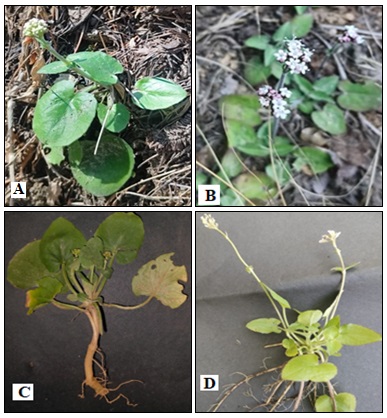
FIG. 1: PHOTOGRAPHS OF VALERIANA WALLICHII. (A): white or tinged with pink flowers, long-stalked and ovate leaves & Flower Stalk, (B): Small, white to pale pink flowers grouped in a cluster, Leaves & Stalk, (C): Small clusters of white or pale pink flowers grouped at the top of the stalk, Leaves, Stem, & Root, D: Inflorescence, leaves, stem, & root)
Vernacular Name 7:
English: Indian valerian
Hindi: Tagar
Kannada: Mushkabala
Malayalam: Tagara
Marathi: Kalavala, Tagar
Rasa Panchaka or Pharmacodynamics
TABLE 2: RASA PANCHAKA OF VALERIANA WALLICHI 8, 9
| Rasa (Taste) | Tikta, Katu, Kashaya |
| Guna (Quality) | Laghu, Snigdha or Sneha |
| Virya (Potency) | Ushna, Sheeta |
| Vipaka (Bio-transformation) | Madhura |
| Prabhava | Nidrajanana, Manonukulya |
| Dosha Karma | Kapha-vatashamaka |
Due to its Tiktha Rasa, Tagara pacifies Pitta and Kapha doshas, supports detoxification, and enhances digestion while cooling the body and aiding liver health. While Kashaya rasa helps tighten tissues, it reduces excess moisture, making it effective for conditions like diarrhoea and promoting wound healing. While assessing qualities, the Laghu guna ensures it is easy to digest without burdening Agni and helps clear kapha-related heaviness and respiratory congestion. Meanwhile, its Snigdha Guna provides a mildly lubricating and nourishing effect that calms Vata-related dryness, anxiety, and restlessness.
Veerya of Tagara:
TABLE 3: VEERYA OF TAGARA
| Texts | Veerya | Reference |
| Bhava Prakash | Ushna (hot) | (10) |
| Raj Nighantu & Nighantu Ratnakar | Shita (cold) | (11,12) |
Here, Bhava Prakash focuses on the ability of Tagara in pacifying Vata and Kapha, and its Teekshna Gandha. While by describing Tagara as a shitaveerya drug, Raj Nighandu and Nighatu Ratnakar highlight Dahaprasamana (Relieve burning sensation), Raktapittashamana (cure blood disorders) and soothing effect on the mind.
Phytoconstituents of Valeriana wallichii 13:
Dominant Class: Sesquiterpenes (94.8% in essential oil) with major compounds like α-bulnesene (13.8%) and α-guaiene (8.7%).
Pharmacologically Active Compounds:
- Valepotriates (e.g., valtrate, dihydrovaltrate) - key sedative agents.
- Flavonoids (6-methylapigenin, hesperidin)- anxiolytic and antioxidant properties.
- Lignans (podophyllotoxin) - potential anticancer effects.
Volatile Compounds: Isovaleric acid (characteristic odour), bornylisovalerate, and camphene.
E.g. The Essential Oil from the Root 14: Calarene, a-santalene,α-curumene, xanthorrhizol, valeranone, α, β, and γ -γ-patchoulene, α-fenchene, patchouli alcohol, maalilol, β-sitosterol, maali-oxide, valerenic acid, isovaleric and β-methylvaleric acid, formic, propionic, butyric, palmitic acid and stearic acids, and isovaleryl ester of D-α-hydroxyisovaleric acid.
α-valene, β-bisabolene, β-elemene, β-phellandrene, β-pinene, β-valene, borneol, bornyl acetate, bornyl formate, camphene, limonene, myrcene, caryophyllene.
Essential Oil Composition of V. wallichii:
TABLE 4: ESSENTIAL OIL COMPOSITION OF V. WALLICHII (GC-MS ANALYSIS) 15
| Compound Class | Percentage (%) | MajorIdentified Compounds | Relative Abundance |
| Sesquiterpenes | 94.8 | α-Bulnesene, α-Guaiene, Patchoulol | α-Bulnesene (13.8%), α-Guaiene (8.7%) |
| Monoterpenoids | 7.0 | Camphene, Pinene, Borneol | Minor constituents |
| Organic Acids | - | Isovaleric acid, 3-Methylvaleric acid | Isovaleric acid (12.9%) |
Methanol Extract of V. wallichii Leaves 16: Major phytocompounds found to be present were dimethylpalmitamine, gamma sitosterol, hexadecanoicacid, trans-sesquisabinene hydrate, octadecanoic acidmethylester, neophytadiene, bis (2-ethyl hexyl) phthalate, phosphoric acid, dioctadecyl ester, 1-azabicyclo (2,2,2) octan-2-ol, 4-phenyl, 1-heptacosanol.
Chemical Composition of Valeriana wallichii Chemotypes 17:
Chemotype-I
TABLE 5: CHEMICAL COMPOSITION OF CHEMOTYPE-I OF V. WALLICHII
| Compound Class | Chemotype-I (%) | Major Components (Chemotype-I) |
| Oxygenated Sesquiterpenes | 73.6 | Maaliol (48–67%), Viridiflorol (3.6–7.8%) |
| Sesquiterpene Hydrocarbons | 19.2 | β-Caryophyllene, α-Humulene |
| Oxygenated Monoterpenes | 1.6 | Linalool, Terpinen-4-ol |
| Monoterpene Hydrocarbons | 1.4 | α-Pinene, β-Pinene |
| Other Compounds | 4.2 (Unidentified) | - |
Chemotype-II:
TABLE 6: CHEMICAL COMPOSITION OF CHEMOTYPE-II OF V. WALLICHII
| Compound Class | Chemotype-II (%) | Major Components (Chemotype-II) |
| Oxygenated Sesquiterpenes | 8.4 | Patchoulol, Maaliol (trace) |
| Sesquiterpene Hydrocarbons | 42.1 | β-Caryophyllene, α-Copaene |
| Oxygenated Monoterpenes | 4.3 | Borneol, Camphor |
| Monoterpene Hydrocarbons | 2.9 | α-Pinene, Limonene |
| Other Compounds | 42.3 (Ketones, Esters, etc.) | Valeranone, Bornyl acetate |
Key Phytochemicals and Their Structures in Valeriana wallichii by Author:
TABLE 7: STRUCTURE AND DETAILS OF MENTIONED PHYTOCHEMICALS
| S. no. | Structure | Phytochemical Name and Formula | Plant Part |
| 1 | 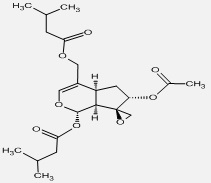 |
Dihydrovaltrate C22H32O8 | Roots and Rhizomes |
| 2 | 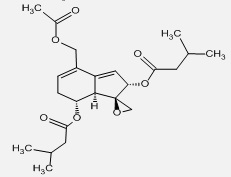 |
Valtrate
C22H30O8 |
Roots and Rhizomes |
| 3 | 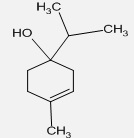 |
Terpinen-4-ol
C10H18O
|
Essential oil from Roots and Rhizomes |
| 4 | 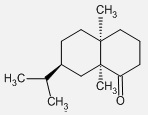 |
Valeranone
C15H26O |
Root |
| 5 | 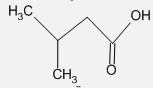 |
Isovaleric acid
C5H10O2
|
Roots and Rhizomes |
| 6 | 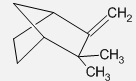 |
Camphene
C10H16
|
Root |
| 7 | 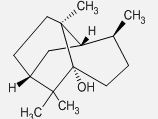 |
Patchoulol C15H26O
|
Root |
| 8 | 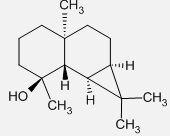 |
Maalialcohol C15H26O
|
Root |
| 9 | 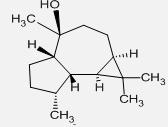 |
Viridiflorol C15H26O
|
Roots and Rhizomes |
| 10 | 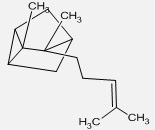 |
Santalene
C15H24
|
Root |
| 11 | 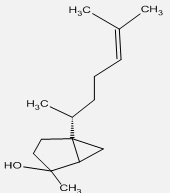 |
Trans-Sesquisabinene hydrate
C15H26O |
Leaf |
Classical Ayurvedic Description of Tagara (Valeriana wallichii) in Nighantus:
TABLE 8: DESCRIPTION OF TAGARA IN NIGHANTUS
| Nighantu | Description | References |
| Priya Nighantu | Mentioned its medicinal properties and particular habitat in the Himalayan region, commonly known as Sugandhabala, Vidyatagar, and Granthikandak. | (18) |
| Shaligram Nighantu | Describes Tagara as Laghu (light) and beneficial in nervous unrest, emotional troubles, epilepsy, insanity, poisoning, eye trouble, skin diseases, and complexion dullness. | (19) |
| Madanpal Nighantu | Made its existence in two forms- Tagara, Varhima, Jihma, Wakrava, Nahusa, and Nata are the synonyms for the first variety of Tagara, while Pindtagar, Cheen, Katu, and Mahoroga are the synonyms for the second variety. | (20) |
| Bhava prakasha
Nighantu |
Mentioned Tagara synonyms Kalanusarya, Tagar, Kutil, Nahush, and Nata for the first variety of Tagara and Pindtagar; DandhasthaandVarhina are named for the other type. Both types of Tagara are meant for curing diseases due to cold, skin diseases, obesity, insanity, and poisoning. | (21) |
| Kaiydev Nighantu and Raj Nighantu | Indicated Tagara for eyes, head troubles, epilepsy, psychiatric illness, intoxication, and poisoning conditions. | (11,22) |
Primary Actions (Karma) of Tagara in the Brhatrayī:
TABLE 9: DESCRIPTION OF TAGARA IN SAMHITA
| Charak Samhita 23 | Shirahshoolshamaklepa (headache reliever), Sheetshamaklepa, Sheetaprashamna Mahakshaya (pacifies cold and chills), Jwaraghna (pacifies fever), Vedanasthapana (analgesic), Rajyakshmachikitsa (tuberculosis), Ardit (facial paralysis), Pakshaghata (hemiparalysis), Unmada (psychosomatic disorder), Vrana, Urusthmbha, Vatarakta (gout), Vatavyadhi (nerve disorders), Yonishool (vaginal pain), Visha (snake and scorpion poisoning) |
| Sushruta Samhita 24 | Vranaropana (wound healer), Bhagna Chikitsa (fracture), Vatavyadhi, Visha (poisoning), Netraroga or Abhishandya (conjunctivitis) |
| Ashtanga Hridya 25 | Vedanasthapana (analgesic), Vranya, Rajyakshma (pulmonary tuberculosis), Jwaraghna (pacifies fever), Sandhivata (osteoarthritis), Amavata (rheumatoid arthritis), Vatarakta (gout), Raktavikara (blood disorders), Shrotoshodhka (purifies the channels), Netraroga or Abhishandya (conjunctivitis), Yonishoola (vaginal pain), Visha (poisoning), Rasayana and Vajeekarana (immunomodulator). |
Parts Used 26: The plant possesses roots and rhizomes with stolons. Fresh roots are approximately three times more potent, while drying at 40°C helps retain activity. However, drying at temperatures above 82°C leads to the destruction of the active compounds in the root.
Drug Doses: The therapeutic dose of Tagara is 1-3 gm in powder form and decoction-10-15ml 27.
Toxicology 28:
Acute Toxicity Test: The acute oral toxicity of Valeriana wallichii rhizome hydroethanolic extract (VWRHEE) was evaluated in Swiss albino mice (n=6; 3 males, 3 females) at a limit dose of 2000 mg/kg, in accordance with OECD 425 guidelines. No signs of toxicity, behavioural abnormalities, morbidity, or mortality were observed during the 14-day observation period.
Chronic Toxicity Study: A 90-day repeated oral toxicity study of Valeriana wallichii rhizome hydroethanolic extract (200, 600, 1800 mg/kg/day) in Swiss albino mice showed no significant toxic effects. Minor behavioural changes occurred, but biochemical, haematological, necropsy, and histopathological analyses confirmed safety, with only dose-dependent sedation and no motor impairment observed.
Nephrotoxicity Effects of V. wallichii 29: Ethanolic (70%) extract of V. wallichii rhizomes 200mg/kg/day) was given in rabbits with gentamicin-induced renal toxicity. This daily dose prevented changes in blood urea nitrogen (BUN), serum creatinine, and serum calcium induced by gentamicin.
However, it did not show protective effects against alterations in creatinine clearance, serum uric acid levels, urinary protein excretion, urine volume, or urinary LDH (Lactate dehydrogenase) excretion.
Evidence-Based Dosing and Therapeutic Applications of Tagara:
TABLE 10: RESEARCH-BASED THERAPEUTIC ADMINISTRATION OF TAGARA
| Dosage form | Sample Size | Study Design | Dose | Improvement | Ref. |
| Tagara churna | 30 Patients Group A (Tagara-15 patients) was compared against GroupB (Jatamansi-15 patients) | Randomised, open-label, comparative clinical trial | 4gm/ 3 times a day with milk for 1 month | Initiation of sleep (76.00%; P < 0.001), duration of sleep (55.17%; P < 0.001), disturbed sleep (69.58%; P < 0.001), and disturbances in routine work (73.95%; P < 0.001). | (30) |
| Tagara capsule (hydro alcoholic extract) | 20 patients
Group 1- 10 patients undergoing surgery – (Tagara capsule) Group 2- 10 patients undergoing surgery – (Diazepam 10 mg) |
A prospective, randomised clinical study | 250 mg and 500 mg for children (up to 13 years) and adults / 2 times a day before surgery at bed time(10 pm) | Significant reduction of anxiety (t=7.285, p<0.001 with 46 percentage reduction)
reduction of 25.0% on respiratory rate |
(31) |
| Sarpagandha and Tagara siddha Shirodhara [Godugdha (1.5lit), water (1.5lit), Sarpagandha churna (15gm) and Tagara churna (15gm) were mixed and heated till the mixture remains ¼] | 10 patients | Interventional, open-label study | Morning 30 min/day for 7 days | Moderately reduced Angamard, Akshigaurav, Shirogaurav, Jrumbhaand Sleep Efficacy Index (SEI)
|
(32) |
| Tagaradi yoga [roots of Tagara (Valeriana jatamansi Jones syn. Valeriana wallichi DC.), rhizome of Jatamansi [Nardostachysjatamansi (D. Don) DC.], and rhizome of Vacha (Acorus calamus L.) in capsule form in the ratio of 2:1:1] | 24 patients(18-75 years old, primary insomnia) | Open labelled, randomised clinical trial | Patients with body weight below 40kg were give capsule of 500mg; Patients with body weight between 40-50kg were give capsule of 750mg; and Patients with body weight greater than 50kg were give capsule of 1g, at bedtime with water | Significant increase in duration of sleep with p<0.001, reduction in time taken for initiating sleep (p < 0.001), improvement in quality of sleep and status of dreams (p < 0.001), decreased Irritability during waking hours (p < 0.001). | (33) |
Classical Ayurvedic Medicines of Tagara (V. wallichii):
TABLE 11: CLASSICAL PREPARATIONS OF V. WALLICHII
| Classical medicine | indication | Reference |
| Pippalyasava | Abdominal pain, abdominal distension, heartburn, flatulence, gastroesophageal reflux disease, constipation, peptic ulcer, heartburn, anaemia, and piles. | (34) |
| Phala Ghrita | Uterine diseases, ovarian diseases, and infertility. | (35) |
| Maha Sudarshana Choorna | Fever, Respiratory conditions, anaemia, heart ailments, and body pain. | (34) |
| ShadbindhuTailam | All types of shiroroga, hairfall, hairthinning, eruption of teeth, vision, and vision-related issues. | (36) |
| SahacharadiTailam | Weakness, tremors, convulsions, psychosis, muscle wasting, muscle cramps | (37) |
| Dhanwantari Tailam | arthritis, neuralgia, facial palsy, paralysis, psychosis, urination-related issues | (37) |
| Balaguduchyadikashayam | Rheumatoid arthritis, bleeding disorders, hypertension, headache | (37) |
| Lodhrasava | Diabetes Mellitus, Anaemia, Piles, and skin diseases | (38) |
| Dashanga Lepa | Skin diseases, ulcers | (34) |
Pharmacological Studies:
Anti-inflammatory Effects: Both leaf and rhizome extracts of Valeriana wallichii have demonstrated notable anti-inflammatory potential. In studies on the plant’s leaves, a topical cream formulated with its methanolic extract produced a dose-dependent and statistically significant reduction (P < 0.001) of carrageenan-induced paw oedema in rats, with the 10% formulation showing anti-inflammatory activity comparable to standard piroxicam gel at 3- and 5-hours post-injection. Complementary in-vitro tests further revealed that the ethyl acetate fraction exhibited strong lipoxygenase inhibition, with an IC₅₀ value of 73 ± 0.36 µg/mL compared to 6.11 ± 0.02 µg/mL for the reference standard 39. Similarly, research by Subhan Fazal, Nasiara Karim, and Muhammad Ibrar (2007) on V. wallichii rhizome showed that both methanolic and aqueous extracts, administered orally at doses of 100, 150, and 200 mg/kg, significantly inhibited carrageenan-induced inflammation in rats (p < 0.05), with observable effects from the first hour and peaking at 3 hours, comparable to the reference drug aspirin 40.
Sleep-enhancing Activity: In Sahu et al. (2012), aqueous root extract of Valeriana wallichii administered to rats at 200 and 300 mg/kg produced a dose-dependent reduction in sleep latency and wakefulness, accompanied by increased NREM sleep duration, total sleep time, and enhanced EEG slow-wave activity; at 200 mg/kg, it also significantly lowered NE and 5-HT levels in the frontal cortex and brainstem, reduced DA and HIAA levels in the cortex, and left DOPAC unchanged, indicating monoaminergic modulation underlying its sleep-promoting action 41.
Anxiolytic Properties: Administration of V. wallichii extract (100mg/kg) to albino Swiss mice exposed to chronic alcohol showed a significant reduction in anxiety-like behaviours, as evidenced by increased time spent in open arms in the elevated plus maze and increased exploratory activity. These effects are attributed to modulation of central neurotransmitter systems, particularly enhancement of GAB Aergic transmission, which is typically suppressed during alcohol withdrawal. The extract helped normalise the heightened anxiety state induced by ethanol dependence, suggesting a calming effect on the CNS. However, the anxiolytic action was dose-dependent and more prominent in behavioural parameters rather than complete reversal of all withdrawal-associated changes 42.
Antioxidant Activity: Subhashree Sridharan et al. (2015) showed that oral administration of Valeriana wallichii rhizome extract (VWE) at 50, 100, and 200 mg/kg in an MPTP-induced Parkinson’s disease model in C57BL/6 mice significantly improved behavioural impairments and restored key dopaminergic markers, including striatal dopamine levels, midbrain TH⁺ cell counts, and TH protein expression, with the strongest effects seen at 100 and 200 mg/kg. VWE also reduced oxidative stress (lowering ROS and lipid peroxidation), enhanced antioxidant status and related enzyme activities, and decreased inflammatory cytokines as well as GFAP expression, indicating reduced astrocytic activation. Histopathological damage in the midbrain was similarly alleviated, supporting the extract’s potential to counteract oxidative and inflammation-driven dopaminergic neurodegeneration 43.
Antimicrobial Activity: Solvent extracts of the rhizome (or whole plant) of Valeriana wallichii contain a broad spectrum of phytochemicals, flavonoids, phenolics, tannins, saponins and glycosides, with the methanolic extract showing particularly high levels. The extracts demonstrated antibacterial activity against both Gram-positive and Gram-negative bacteria, with nonpolar fractions being the most effective; some minimum inhibitory concentrations (MICs) were in the low mg/mL or even sub-mg/mL range. These findings suggest that V. wallichii is a promising source of bioactive compounds and deserves further investigation to isolate active agents and refine extraction methods 44. Certain solvent-fractions of the leaf extract of Valeriana wallichii exhibited significant antimicrobial activity for instance, the chloroform fraction (VW-2) showed a minimum inhibitory concentration (MIC) of 0.27 mg/mL against Staphylococcus aureus and the hexane fraction (VW-3) had an MIC of 0.31 mg/mL against Bacillus subtilis; VW-3 also inhibited Microsporumcanis by ~70% at 0.19 mg/mL. Additionally, the crude methanolic extract demonstrated a strong anti-inflammatory effect, significantly reducing carrageenan-induced paw oedema in rats at 200 mg/kg. Together, these findings suggest that V. wallichii leaf extract may be a promising source of bioactive antimicrobial and anti-inflammatory agents 45.
Antidepressant Activity: In two studies by S. P. Sah et al. (2011) examining the patchouli-alcohol chemotype of Valeriana wallichii, the dichloromethane extract given orally to mice at 10–40 mg/kg produced significant antidepressant-like effects, with a single 40 mg/kg dose reducing immobility in the forced-swim test and two weeks of treatment at 20 and 40 mg/kg yielding sustained reductions alongside increased forebrain norepinephrine and dopamine levels 46.
Likewise, the essential oil at the same dose range (10–40 mg/kg) markedly decreased immobility by nearly 47–58% at 20 and 40 mg/kg without affecting locomotion; after 14 days at 20 mg/kg, immobility was reduced by almost 70%, accompanied by rises in brain norepinephrine and serotonin. Importantly, this antidepressant-like effect depended on nitric oxide signalling: pretreatment with L-arginine or sildenafil abolished the response, whereas L-NAME or methylene blue enhanced it, highlighting a key role for the NO/cGMP pathway in mediating the essential oil’s activity 47 Subhan et al. (2010) examined the rhizome extracts of Valeriana wallichii using three different solvent fractions: aqueous, methanolic, and aqueous ethanolic to assess their terpenoid composition and antidepressant-like effects in mice through the forced-swim and tail-suspension tests.
All extracts significantly reduced immobility time in both tests, indicating antidepressant-like activity. The aqueous–ethanolic fraction, however, showed a biphasic dose–response, with an increased effect up to 200 mg/kg followed by a decline at 250 mg/kg, and also caused reduced spontaneous locomotor activity at the highest dose, suggesting possible sedative or motor effects. Phytochemical analysis revealed terpenoids only in the aqueous–ethanolic extract, while the other two fractions lacked them, leading the researchers to infer that the antidepressant-like properties of V. wallichii are not solely dependent on its terpenoid components 48.
Fatigue Reduction in Cancer Patients: In the phase III randomised, double-blind, placebo-controlled NCCTG Trial (N01C5), cancer patients received 450 mg of valerian nightly for eight weeks. Although the primary outcome (change in sleep quality measured by the Pittsburgh Sleep Quality Index) showed no significant difference from placebo (AUC 51.4 vs. 49.7; P = 0.6957), several exploratory secondary measures indicated notable benefits: participants taking valerian reported fewer sleep difficulties, less daytime drowsiness, and improvements in mood and fatigue on the Brief Fatigue Inventory and Profile of Mood States. Importantly, adverse events were comparable between the valerian and placebo groups 49.
Perspectives and Future Directions: Offering a detailed overview, the review covers ethnomedicinal usage, available formulations, research-based administration, chemical makeup, description in Nighantus and pharmacological actions.
Analyses of the extracts and active compounds of Valeriana walichii suggested Anti-inflammatory, Sleep-enhancing, Anxiolytic, Antioxidant, Antimicrobial, Antidepressant and Fatigue Reduction in Cancer Patients.
V. wallichii contains a dominant class of sesquiterpenes about 94.8 % of the essential oil with major constituents such as α-bulnesene (≈ 13.8 %) and α-guaiene (≈ 8.7 %). α-Bulnesene is a sesquiterpene that acts as a potent antagonist at the platelet-activating factor (PAF) receptor (IC₅₀ ≈ 17.6 µM), inhibiting PAF‑ and arachidonic acid–induced platelet aggregation by blocking PAF binding, preventing intracellular Ca²⁺ mobilisation, and suppressing cyclooxygenase-mediated thromboxane formation. Meanwhile, α-guaiene has been reported to exhibit antifungal activity against several human-pathogenic fungi. However, the remaining compounds warrant thorough scientific investigation to elucidate their biological activities and molecular mechanisms; such work could reveal promising leads for therapeutic development. More rigorous, well-designed, and multicentred clinical studies are needed to assess standardised Valeriana wallichii extracts therapeutically and to elucidate the pharmacokinetics and pharmacodynamics of their bioactive compounds. Based on the available evidence, it appears that this plant could serve as an adjuvant alongside established therapies for neurological disorders. Cultivation of Valeriana wallichii in different geographic regions may lead to variation in its chemical composition and therapeutic properties, which complicates quality control and raises concerns about toxicity and safety. Moreover, potential contamination with heavy metals, mycotoxins, or pesticide residues should be assessed in all toxicity evaluations.
CONCLUSION: Substantial in-vitro, in-vivo, and clinical data indicate that the therapeutic potential of V. wallichii for neurological disorders could be due to its richness in diverse bioactive phytoconstituents. V. wallichii exhibits a broad spectrum of bioactivities across different types of extracts. Methanolic and aqueous preparations have demonstrated anti-inflammatory effects; while aqueous root and rhizome extracts show sedative, anxiolytic, antioxidant, and antidepressant potential. Leaf extracts display antimicrobial and additional anti-inflammatory properties.
These findings support the traditional uses of V. wallichii and highlight its promise as a multipurpose medicinal plant. However, despite encouraging preclinical and limited clinical data, more rigorous and standardised investigations, including well-designed controlled clinical trials, are required to confirm efficacy, ensure safety, define optimal dosing regimens, and establish pharmacokinetic and pharmacodynamic profiles for active constituents.
ACKNOWLEDGEMENTS: Nil
CONFLICTS OF INTEREST: Nil
REFERENCES:
- Tripti Tyagi, Sakshi Sharma and Rajesh Sharma: Pharmacological Actions of Valeriana wallichii (Tagara): A Fundamental Analysis Supporting Traditional Benefits. International Journal of Ayurveda and Pharma Research 2022; 1–7. doi:10.47070/ijapr.v10isuppl1.2468
- Asgher M, Verma S, Khan NA, Vyas D, Kumari P and Rashid S: Physiological, Biochemical and Reproductive Studies on Valeriana wallichii, a Critically Endangered Medicinal Plant of the Himalayan Region Grown under In-situ and Ex-situ Plants 2020; 9: 131. 2020; 9(2): 131. doi:10.3390/PLANTS9020131
- Patil R, Hebbar C and Ballal M: A review on vishagna karma of tagara (Valeriana wallichii) [Internet]. doi:10.46607/iamj3110022022
- Mathela CS, Chanotiya CS, Sammal SS, Pant AK and Pandey S: Compositional diversity of terpenoids in the Himalayan Valeriana genera. Chem Biodivers 2005; 2(9): 1174–82. doi:10.1002/CBDV.200590087 PubMed PMID: 17193199.
- Ayyathan DM, Chandrasekaran R and Thiagarajan K: Neuroprotective effect of Tagara, an Ayurvedic drug against methyl mercury induced oxidative stress using rat brain mitochondrial fractions. BMC Complementary and Alternative Medicine 2015 15:1. 2015; 15(1): 1–8. doi:10.1186/S12906-015-0793-2 PubMed PMID: 26264039.
- Amandeep Kaur, AN, NKG and SJ: Medicinal uses of nahush (Valeriana wallichii): a review article. Open Journal Systems Demonstration Journal [Internet]. [cited 2025 Nov 5]; 2019 (Volume 5, June Issue 6). Available from: https://www.wjpmr.com/download/article/47052019/1559281071.pdf
- Hegde PL & HA: A text book of Dravyaguna vijñana. Vol. 3. Varanasi: Chaukhambha Publications 2014; 758.
- LN. Sastry and TMN: A Text Book of Dravyaguna vijnana. Varanasi: Chaukhambha Orientalia 2005.
- Sharma Acharya Priyavrat: Dravyaguna vigyan Part-II. Varanasi: Chaukhambha Bharati Academy 2006.
- Acharya Bhavamishra: Bhavaprakasha commentary by Dr. Bulusu Sitaram. First. Varanasi: Chaukhamba Orientalia. First edition 1976; 1.
- Tripathi I and Raja Nighantu: Varanasi: Chowkhamba Krishnadas Academy 2010.
- Sri Dattaram Sri Krishna Lal: Brihad Nighantu Mumbai: Khemaraja Sri Krishnadas.
- Jamal G, Parveen R, Khan MA, Srivastava V, Mustafa S and Ahmad S: A Review on Valeriana wallichii: Chemical Composition and Pharmacological Research. Current Traditional Medicine 2022; 9(4): 55–71. doi:10.2174/2215083808666220914123526
- Saklani N, Purohit VK, Andola HC, Rana M, Chauhan RS and Nautiyal AR: Biological activities of Valeriana wallichii Medicinal Plants 2012; 4(3): 115–20. doi:10.5958/J.0975-4261.4.3.012
- Liu XC, Zhou L and Liu ZL: Identification of Insecticidal Constituents from the Essential Oil of Valeriana jatamansi Jones against Liposcelis bostrychophila J Chem 2013; 2013(1): 853912. doi:10.1155/2013/853912
- Sharma N, Rawat R and Lalremruati F: Science ASP, 2020 undefined. Complete plant regeneration of Valeriana wallichii on auxin enriched medium and phytochemical analysis. elibrary.ruN Sharma, R Rawat, F Lalremruati, A Singh Plant Science, 2020•elibrary.ru [Internet]. [cited 2026 Apr 22]. Available from: https://elibrary.ru/item.asp?id=75541147
- Mathela CS, Tiwari M, Sammal SS and Chanotiya CS: Valeriana wallichii DC, a new chemotype from northwestern himalaya. Journal of Essential Oil Research 2005; 17(6): 672–5. doi:10.1080/10412905.2005.9699029
- Sharma PV: Priyanighantu. Varanasi: Chaukhamba Surbharati Prakashan 2004.
- Vaisya S: Śaligrama-Nighaṇṭu-Bhuṣaṇam (Parts 7 & 8; Jan. 2011 ed.). Mumbai: Khemraj Shrikrishnadass, Shri Venkateshwar Press 2011.
- Madanapala Nṛpati. Madanapala Nighaṇṭu. MS: Ghoṣavidyādhana Pacakavarga 1861.
- Bhavamisra S: Bhavaprakasa Nighaṇṭu (Indian Materia Medica). Varanasi: Chaukhambha Bharati Academy 2010.
- Sharma P (Ed. & Trans), & SGP (Trans.). Kaiyadeva-Nighaṇṭuḥ (Pathyāpathyavibodhaka) (Reprint ed.). Varanasi: Chaukhambha Orientalia 2009.
- Sri Dattaram Sri Krishna Lal: Brihad Nighantu Mumbai: Khemaraja Sri Krishnadas.
- Sushruta Samhita (K. K. Bhishagratna, Trans.; Vol. 1, Sutra Sthana). Vol. 1. Varanasi: Chowkhamba Sanskrit Series Office 2005.
- Ashtanga Hridaya (K. R. Srikantha Murthy, Trans.; Vol. 1, Sutra Sthana). varanasi: Chowkhamba Krishnadas Academy 1991.
- The Ayurvedic Pharmacopoeia of India. I–VII. New Delhi.: Ministry of AYUSH, Department of AYUSH, Government of India 2008.
- Rana D, Kumar D, Singh J, S DP, Tiwari D and Byadgi PS: Standarization & Identification of Tagara (Valeriana wallichii).
- Joseph L, Puthallath RE and Rao SN: Acute and chronic toxicity study of Valeriana wallichii rhizome hydro-ethanolic extract in Swiss albino mice. Asian J Med Sci 2015; 7(2): 49–54. doi:10.3126/ajms.v7i2.13326
- Ullah N, Khan M and Rauf A: TKPJ of, 2018 undefined. Nephrotoxic effects of Valeriana wallichii. researchgate. Net N Ullah, MA Khan, A Rauf, T Khan, G Murtaza, S Khan, I ShahPakistan Journal of Pharmaceutical Sciences, 2018•researchgate.net [Internet]. [cited 2026 Apr 23]. Available from: https://www.researchgate.net/profile/Salimullah-Khan-3/publication/323453817_Nephrotoxic_effects_of_Valeriana_wallichii/links/5a96adcfaca272140569f642/Nephrotoxic-effects-of-Valeriana-wallichii.pdf
- Toolika E, Bhat N and Shetty S: A comparative clinical study on the effect of Tagara (Valeriana wallichii) and Jatamansi (Nardostachysjatamansi DC.) in the management of Anidra (primary insomnia). AYU (An international quarterly journal of research in Ayurveda) 2015; 36(1): 46. doi:10.4103/0974-8520.169008
- Sharma S, Dutt A and Katwal S: Clinical evaluation of tagara (Valeriana jatamansi jones) as a premedication agent in dissociative anesthesia. World Journal of Pharmaceutical Research www.wjpr.net 2019; 8: 843. doi:10.20959/wjpr20194-14566
- Bhujbal P and Chavan D: Clinical evaluation of sarpagandha and tagar churna sidha kshiradhara in nidranash w.s.r primary insomnia. International Ayurvedic Medical Journal 2017; 5(9): 2320–5091.
- Sharma Y, Upadhyay A, Sharma YK and Chaudhary V: A randomized clinical study to evaluate the effect of Tagara diyoga in the management of insomnia. Indian Journal of Traditional Knowledge 2017.
- Edited by Dr. Asha Kumari & Dr. Premvati Tiwari. Sharangdhara-saṃhitā. Varanasi: Chaukhamba Vishvabharti 2013.
- Murthy KRS translator. Vāgbhaṭa’sAṣṭāṅgaHṛdayam Varanasi: Chowkhamba Krishnadas Academy 2018; 3.
- Rajeshwara Dutta Shastri ADS: Bhaishajya Ratnavali. 14th ed. Varanasi: Chaukambha Sanskrit Samsthana; 2001.
- Cikitsāsārasamuccayamathavā Sahasrayogam (Sujanapriya Vyākhyānam). Alappuzha: Vidyārambham Publications 2013.
- Sharma RK & DB: Caraka Samhita (Text with English Translation & Critical Exposition based on Cakrapani Datta’s Ayurveda Dipika). Reprint Edition. Varanasi: Chowkhamba Sanskrit Series Office 2019; 3.
- Khuda F, Iqbal Z, Profile Zakiullah S and Shah Y: Anti-inflammatory activity of the topical preparation of Valeriana wallichii and Achyranthes aspera leaves [Internet]. 2013 [cited 2025 Nov 23]. Available from: https://www.researchgate.net/publication/236460562
- Subhan F, Karim N and Ibrar M: Anti-inflammatory activity of methanolic and aqueous extracts of Valeriana wallichii dc rhizome. Pak J Pl Sci 2007.
- Sahu S, Ray K, Yogendra Kumar MS, Gupta S, Kauser H and Kumar S: Valeriana wallichii root extract improves sleep quality and modulates brain monoamine level in rats. Phytomedicine 2012; 19(10): 924–9. doi:10.1016/j.phymed.2012.05.005 PubMed PMID: 22766307.
- Biswas AA and Banerjee SS: Effect of Valeriana wallichii on alcohol addiction in mice. [Internet] 2018. doi:10.5555/20193119787
- Sridharan S, Mohankumar K, Jeepipalli SPK, Sankaramourthy D, Ronsard L and Subramanian K: Neuroprotective effect of Valeriana wallichii rhizome extract against the neurotoxin MPTP in C57BL/6 mice. Neurotoxicology 2015; 51: 172–83. doi:10.1016/J.NEURO.2015.10.012 PubMed PMID: 26522450.
- MS Udgire GP: Evaluation of antimicrobial activities and phytochemical constituents of extracts of Valeriana wallichii. Asian Journal of Plant Science & Research 2011.
- F Khuda ZIAKFN: Antimicrobial and anti-inflammatory activities of leaf extract of Valeriana wallichii Pak J Pharm Sci 2012.
- Sah SP, Mathela CS and Chopra K: Antidepressant effect of Valeriana wallichii patchouli alcohol chemotype in mice: Behavioural and biochemical evidence. J Ethnopharmacol 2011; 135(1): 197–200. doi:10.1016/J.JEP.2011.02.018 PubMed PMID: 21354297.
- Sah SP, Mathela CS and Chopra K: Involvement of nitric oxide (NO) signalling pathway in the antidepressant activity of essential oil of Valeriana wallichii Patchouli alcohol chemotype. Phytomedicine 2011; 18(14): 1269–75. doi:10.1016/J.PHYMED.2011.06.009 PubMed PMID: 21795033.
- Subhan F, Karim N, Gilani AH and Sewell RDE: Terpenoid content of Valeriana wallichii extracts and antidepressant-like response profiles. Phytotherapy Research 2010; 24(5): 686–91. doi:10.1002/PTR.2980;JOURNAL:JOURNAL:10991573;WGROUP:STRING:PUBLICATION PubMed PMID: 19943315.
- Barton DL, Atherton PJ, Bauer BA, Moore DF, Mattar BI and LaVasseur BI: The Use of Valeriana officinalis (Valerian) in Improving Sleep in Patients Who Are Undergoing Treatment for Cancer: A Phase III Randomized, Placebo-Controlled, Double-Blind Study (NCCTG Trial, N01C5). Journal of Supportive Oncology 2011; 9(1): 24–31. doi:10.1016/j.suponc.2010.12.008 PubMed PMID: 21399726.
How to cite this article:
Shahena KV, Satish LG, Shankar S and Gautam DNS: A comprehensive review of Tagara (Valeriana wallichii): botanical description, traditional uses, phytochemical constituents, and therapeutic potential. Int J Pharm Sci & Res 2026; 17(9): 2595-06. doi: 10.13040/IJPSR.0975-8232.17(9).2595-06
All © 2026 are reserved by International Journal of Pharmaceutical Sciences and Research. This Journal licensed under a Creative Commons Attribution-NonCommercial-ShareAlike 3.0 Unported License.
Article Information
4
2595-2606
2451 KB
7
English
IJPSR
K. V. Shahena *, Lahamge Gayatri Satish, Siddharth Shankar and Dev Nath Singh Gautam
Department of Rasa Shastra Evam Bhaishajya Kalpana, Faculty of Ayurveda, I.M.S, Banaras Hindu University, Varanasi, Uttar Pradesh, India.
shahenakv1999@gmail.com
28 March 2026
22 April 2026
24 April 2026
10.13040/IJPSR.0975-8232.17(9).2595-06
01 September 2026
 Download