




A REVIEW ON EXOSOME-MEDIATED INTER-ORGAN COMMUNICATION IN METABOLIC DISEASES: A CONCEPTUAL FRAMEWORK-LINKING KEY METABOLIC TISSUES FOR THERAPEUTIC APPLICATIONS
HTML Full TextA REVIEW ON EXOSOME-MEDIATED INTER-ORGAN COMMUNICATION IN METABOLIC DISEASES: A CONCEPTUAL FRAMEWORK-LINKING KEY METABOLIC TISSUES FOR THERAPEUTIC APPLICATIONS
V. Prathyusha
Department of Pharmaceutics, Narayana Pharmacy College, Chintareddipalem, Andhra Pradesh, India.
ABSTRACT: Recent years have seen increasing recognition of metabolic diseases like type 2 diabetes mellitus (T2DM), obesity, and non-alcoholic fatty liver disease (NAFLD) as systemic disorders characterized by aberrant inter-organ communications. As vesicles that include miRNAs, proteins, lipids, and metabolites, exosomes have been demonstrated as an important mechanism underlying the inter-organ communications. This review critically analyzes the evidence for exosome-dependent signals between liver, pancreas, skeletal muscle, adipose tissue, and intestine – the five major metabolic tissues – in regulating insulin sensitivity, lipid metabolism, inflammation, and energy metabolism. While the importance of the tissue-specific exosomal components in metabolism is well-documented in experimental studies, the level of evidence has not been convincing, especially due to its reliance on pre-clinical models. Specifically, miRNAs found in exosomes like miR-122 and miR-375 have been proposed as biomarkers for various metabolic disorders; yet, their diagnostic value has not been validated in clinical populations due to low reproducibility. Engineered exosomes are currently explored for delivering therapy. Still, the efficacy of these approaches is hindered by various technical obstacles. This review provides an overview of the existing evidence on exosomes' role in metabolism and draws the line between verified and speculative mechanisms.
Keywords: Exosomes, Inter-organ communication, MicroRNAs, Metabolic disorders, Drug delivery
INTRODUCTION: Metabolic diseases such as T2DM, obesity, NAFLD, and cardiovascular diseases are among the most prevalent and challenging healthcare issues that involve multifactorial Pathophysiology 18, 19. They are caused by dysregulation of glucose, lipid, and energy metabolism within systemic inter-organ networks 12, 18, 30.
Nowadays, these diseases are known to be related to dysfunctional communication between key metabolic tissues (such as liver, pancreas, skeletal muscle, adipose tissue, and intestine). Exosomes, the extracellular vesicles measuring between 30 and 150 nm in size, are important for cell-to-cell or organ-to-organ communication 1, 2, 3, 4.
Exosomes are generated via the endosomal pathway and delivered into the extracellular space by fusing with multivesicular bodies 26, 28.
The exosome content includes different biologically active components, e.g., microRNAs, messenger RNAs, proteins, lipids, and metabolites, that regulate gene expression and signaling processes in the cells 13, 26.
After entering the bloodstream, exosomes can influence the functions of their target tissues 12, 18, 30. Fig. 1 illustrates the exosome biogenesis via endosomal pathway.
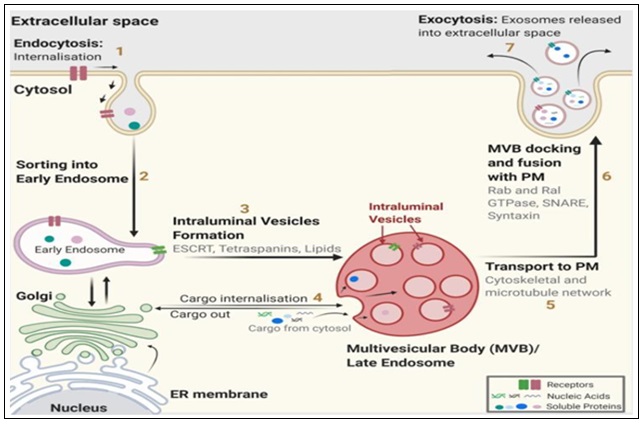
FIG. 1: SCHEMATIC REPRESENTATION OF EXOSOME BIOGENESIS VIA THE ENDOSOMAL PATHWAY
Early endosomes mature into multivesicular bodies (MVBs) containing intraluminal vesicles (ILVs), which are released as exosomes upon fusion with the plasma membrane.
Exosomes selectively package molecular cargo, including microRNAs (miRNAs), proteins, lipids, and metabolites, which influence recipient cell signaling pathways 1, 2, 26, 28.
As compared to the classic hormonal communication, which relies on the circulation of free hormones in the blood, exosomal communication can facilitate the targeted delivery of molecules, thus making the intercellular signaling more specific 21, 23. Moreover, the process adds another regulatory level to the homeostasis and plays its role both in physiological processes and disease progression 2, 30.
The metabolism include liver, pancreas, skeletal muscle, adipose tissue, and the intestine. The liver is responsible for controlling the gluconeogenesis and lipid metabolism, the skeleton muscles perform most of the insulin-induced glucose uptake, the adipose tissue operates as an endocrine organ controlling inflammation and lipid accumulation, the pancreas is responsible for insulin and glucagon secretion, and the intestine controls the nutrient absorption 12, 18.
Fig. 2 illustrates about the exosome mediates inter organ that enable bidirectional signaling. These organs were chosen for discussion in this paper because of their important role in metabolic processes. Although some other systems are also involved in the maintenance of metabolic balance, they are outside the main scope of this model.
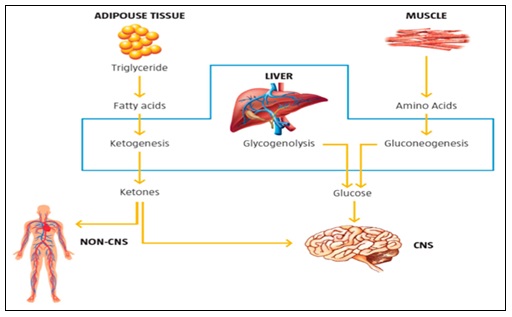
FIG. 2: EXOSOME-MEDIATED INTER-ORGAN COMMUNICATION AMONG KEY METABOLIC TISSUES. EXOSOMES ENABLE BIDIRECTIONAL SIGNALING BETWEEN LIVER, PANCREAS, SKELETAL MUSCLE, ADIPOSE TISSUE, AND INTESTINE, REGULATING METABOLISM AND INSULIN SENSITIVITY 12, 18, 30
Recently, exosomal signaling has proven to be an important mechanism governing the communication between those organs. Adipose tissue-derived exosomal miRNAs regulate insulin sensitivity in other tissues 5, 6, 7, whereas exosomes released by pancreatic β-cells affect insulin production and response to cellular stress conditions 8, 11. Hepatic exosomes that contain high levels of miR-122 are known to play a role in the regulation of lipid metabolism and insulin resistance 10. Exosomes that are secreted by skeletal muscles participate in systemic metabolic adaptations during physical activity 12. Moreover, exosomes from the intestine have been found to participate in the regulation of gut-liver axis and metabolic inflammation 17. Fig. 3 illustrates mechanism of exosomal organ function. However, most of these findings have only been confirmed using preclinical models; translation of these results to humans requires additional research.
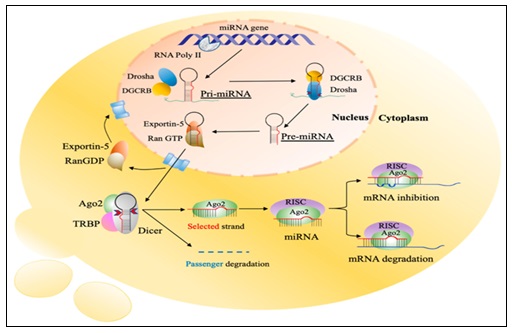
FIG. 3: SCHEMATIC REPRESENTATION OF MECHANISM OF EXOSOMAL CARGO FUNCTION. DELIVERED miRNAs REGULATE GENE EXPRESSION IN RECIPIENT CELLS VIA POST-TRANSCRIPTIONAL SILENCING, INFLUENCING METABOLIC SIGNALING PATHWAYS 13, 21
Exosomes also represent a promising group of biomarkers for diagnosing metabolic diseases because of the nature of their cargo, including miRNAs, which reflect the physiological condition of the tissue producing those exosomes and are not degraded in plasma 20. Nevertheless, the clinical value of such biomarkers has yet to be confirmed in humans due to the lack of standardization in isolation protocols and few large-scale validation studies 9, 27, 29. Table 1 illustrates the summary of organ-specific exosomal cargo and their functional roles in metabolic regulation. Evidence levels reflect current research status, highlighting variability in clinical validation.
TABLE 1: ORGAN-SPECIFIC EXOSOMAL CARGO AND METABOLIC FUNCTIONS
| S. no | Source Organ | Key Exosomal Cargo | Target Organ(s) | Functional Role | Evidence Level |
| 1 | Liver | miR-122, miR-192 | Muscle, Adipose | Lipid metabolism, insulin resistance | Moderate ¹⁰ |
| 2 | Pancreas | miR-375 | Liver, Muscle | Insulin secretion, β-cell function | Moderate ⁸˒¹¹ |
| 3 | Adipose Tissue | miR-27a, miR-29a | Liver, Muscle | Inflammation, insulin resistance | Strong (preclinical) ¹⁵˒¹⁶ |
| 4 | Skeletal Muscle | miR-133a | Liver, Adipose | Glucose uptake, energy metabolism | Emerging ¹² |
| 5 | Intestine | miR-155, miR-223 | Liver, Pancreas | Gut–liver axis regulation | Limited ¹⁷ |
Table 1 Summary of organ-specific exosomal cargo and their functional roles in metabolic regulation. Evidence levels reflect current research status, highlighting variability in clinical validation.
Exosomes have also been explored for therapeutic applications owing to their intrinsic biocompatibility and capability of delivering functional molecules beyond physiological barriers 23, 24, 25. Several studies have reported on engineered exosomes as promising vehicles for therapeutic RNAs, proteins, and small molecules in pre-clinical settings. Fig. 4 represents engineered exosomes as therapeutic delivery system. Despite that, there are some remaining bottlenecks in relation to the heterogeneity of the exosomes, inefficiency of molecule loading into the vesicles, lack of scalable approaches, and insufficient knowledge about bio distribution and target specificity 22, 27, 29.
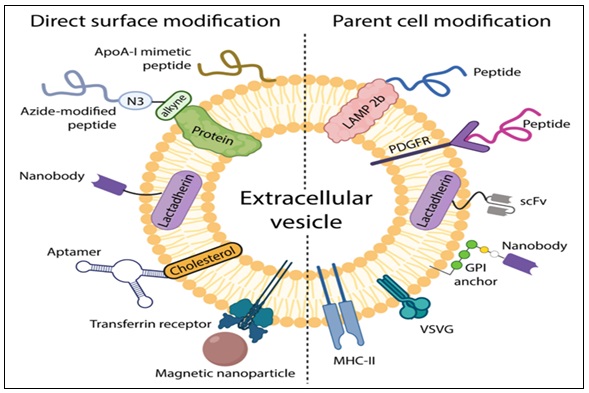
FIG. 4: SCHEMATIC REPRESENTATION OF ENGINEERED EXOSOMES AS THERAPEUTIC DELIVERY SYSTEMS
Exosomes can be modified to carry siRNAs, miRNA mimics, proteins, or small molecules and targeted to specific tissues, offering potential advantages such as biocompatibility and reduced immunogenicity 23, 24, 25. However, challenges in targeting precision and scalability remain. Considering the above-mentioned facts, the purpose of the current review is to critically evaluate the role of exosomes in mediating inter-organ communications in metabolic disorders. Fig. 5 illustrates the engineering strategies for exosome based drug delivery and targeted therapeutics. In particular, the review will cover advances in mechanistic studies, analyze available evidence on organ-specific signaling mechanisms, explore prospects for using exosomal biomarkers while exercising adequate caution, and discuss applications of exosomes as therapeutic tools against the background of other delivery methods.
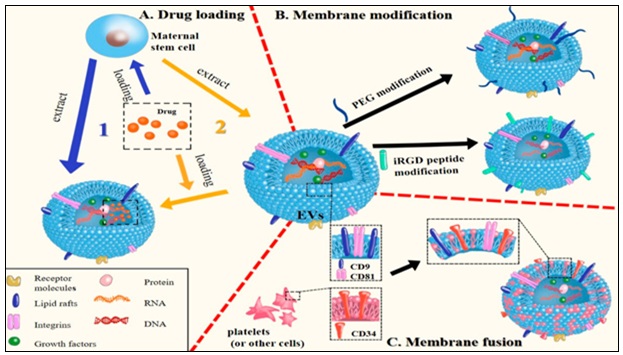
FIG. 5: ENGINEERING STRATEGIES FOR EXOSOME-BASED DRUG DELIVERY AND TARGETED THERAPEUTICS
Organ-Specific Exosomal Contents and Their Metabolic Roles: Metabolic diseases like type 2 diabetes mellitus, obesity, and cardiovascular disease are a significant public health problem worldwide due to their complex nature involving multi-organ dysfunction. In general, research on metabolic diseases has tended to focus on each organ independently; however, it is now evident that communication between different organs plays an important role in maintaining metabolic balance 18. Exosomes are Nanovesicles released from nearly every cell type and act as important signaling molecules in the overall communication network 2, 3. Exosomes contain many bioactive substances, for example, miRNAs, proteins, lipids, and metabolites, that can alter target organ gene expression and functions at a remote site 26, 28. Metabolically active organs such as the liver, pancreas, skeletal muscle, adipose tissue, and intestine are involved in several exosome-mediated signal transduction pathways, which involve insulin resistance, lipid metabolism, inflammation, and energy balance 12, 28. The involvement of these organs in metabolic regulation is highlighted in this article because they have been clearly established as regulators of systemic metabolic processes. Nevertheless, other biological systems like the immune system and central nervous system play important roles in regulating metabolism but are outside the scope of the current discussion. Although there is now greater understanding of exosome-based communication, numerous aspects of exosome-dependent signaling pathways still require elucidation. Thus, a comprehensive evaluation of scientific knowledge on this topic will be required in order to separate reliable facts from emerging information and hypotheses.
Objectives: The main objective of this literature review is to critically analyze the contribution of exosomes to inter-organ communication, their involvement in metabolic disease pathology 18, 19. The objectives of this study are as follows:
- Analysis of exosome-dependent signaling among major metabolic organs (liver, pancreas, skeletal muscles, adipose tissues, intestine) 12, 18
- Identification and analysis of particular organ-derived exosomes containing miRNA and protein cargo responsible for development of insulin resistance, lipid metabolism dysregulation, and inflammatory processes
- Comparison of well-known exosome-related signaling pathways, such as hepatocyte miR-122-induced insulin resistance 10 or pancreatic miR-375-induced β-cells activity regulation 11, with emerging results that need to be validated
- Analysis of potential clinical application of exosomal markers as diagnostic tools, separating speculative data from clinically applicable findings 9, 27
- Critical analysis of engineered exosomes used as drug-delivery vehicles compared to other nanoscale vectors 23, 24
- Translational issues related to isolation protocols, heterogeneity of exosome cargo, scaling up, and regulations 22, 29
METHODS:
Literature Search Strategy: A systematic and reproducible literature search was carried out in order to retrieve literature related to inter-organ communication by exosomes in metabolic diseases. Literature searches were undertaken in the following databases: PubMed, Scopus, Web of Science, Science Direct, Literature retrieved from January 2010 to March 2025 was included in the review, considering the exponential growth in exosome-based studies in the field of metabolism 1, 9. Boolean operators were used to combine MeSH terms and keywords as outlined below: exosomes or extracellular vesicles 2, 3, 26 metabolic diseases ortype 2 diabetes mellitus or obesity or NAFL 18, 19 nter-organ communication or organ crossed 12, 18 miRNA biomarkers orexosomal miRNA 8, 20 exosome therapy or engineered exosomes.
Inclusion Criteria:
Studies were considered eligible for inclusion if they satisfied the following criteria:
- Peer-reviewed journal articles and reviews 1, 9
- Studies exploring exosomal signaling in metabolic organs (liver, pancreas, fat, muscle, intestine) 12, 18
- Research studies conducted either in-vitro, in-vivo, or clinically 5, 6, 16
- Studies elucidating functions of exosomes in metabolic regulation, such as insulin resistance, lipid metabolism, and inflammation 10, 11
Exclusion Criteria:
The following studies were excluded from the review:
- Commentaries, abstracts, letters, and unreviewed sources
- Studies not focused on metabolic disorders or irrelevant to organ cross-talk
- Studies devoid of insights on the mechanism or function of exosomes 27
Mechanisms of Inter-organ Signaling:
- Organspecific roles of exosomes
- Use of exosomes for biomarkers in metabolism disorders
- Medical use of designer exosomes
- Barriers to translation and regulation
The following methodological framework was used to discriminate between:
- Evidence-based mechanisms (consistent in multiple studies)
- Emerging mechanisms (supported only by preclinical evidence) 12, 27.
Advantages and Limitations:
The following points were considered in order to mitigate any bias and undue extrapolations:
- More weight was assigned to results that could be reproduced and validated through the proposed mechanism 23, 24, 29
- Any association found only through in vitro or animal studies was taken carefully
- Claims for diagnostic and therapeutic application were carefully assessed according to evidence level and feasibility
- Nevertheless, some limitations remain:
- Heterogeneous methods used for exosome isolation and identification 1, 22
- Use of different experimental models
- Lack of clinical studies at a larger scale
TABLE 2: ORGAN-SPECIFIC EXOSOMAL miRNAs IN METABOLIC REGULATION AND DISEASE
| Source Organ | Key Exosomal MiRNAs | Primary Target/Pathway | Functional Outcome | Reference Insight (2020–2025) |
| liver | miR-122, miR-192 | Lipid metabolism, PPAR signaling | Dyslipidemia, insulin resistance | Chen et al., 2023 |
| Pancreas | miR-375, miR-21 | β-cell survival, insulin secretion | β-cell dysfunction, T2DM | Lee et al., 2022 |
| Skeletal Muscle | miR-133a, miR-206 | Glucose uptake, AMPK pathway | Reduced insulin sensitivity | Zhang et al., 2021 |
| Adipose Tissue | miR-27a, miR-29a | TNF-α/NF-κB signaling | Inflammation, obesity-linked IR | Kumar et al., 2024 |
| Intestine | miR-155, miR-223 | Gut-liver metabolic axis | Altered microbiota & lipid metabolism | Wang et al., 2025 |
Exosomal Biomarkers and Their Role in Diagnostics of Metabolic Diseases: The rising worldwide incidence of metabolic diseases such as obesity, type 2 diabetes mellitus (T2DM), non-alcoholic fatty liver disease (NAFLD), and their cardiovascular complications has resulted in an increased demand for reliable, accurate, and non-invasive diagnostic techniques 18, 19. Traditional biochemical biomarkers, such as blood glucose levels, glycosylated hemoglobin (HbA1c), lipids, liver enzymes, and plasma insulin concentrations, mainly indicate existing pathologies and may not be able to diagnose initial pathophysiological changes. In this regard, exosomes have gained attention as potential biomarkers due to their ability to participate in cell-to-cell communication and transport disease-related molecular cargo 2, 3, 26.
As mentioned earlier, exosomes serve as carriers of molecular cargo by protecting them, particularly miRNAs, against enzymatic degradation in the biological fluid environment. Therefore, the presence of miRNAs in exosomes increases their stability when compared to other freely circulating miRNAs 9, 27. Besides, the molecular content of exosomes reflects the physiological/pathological conditions of their source cells, allowing them to be used as markers for disease detection in targeted organs using liquid biopsy techniques 13, 28.
Numerous exosomal miRNAs have been reported to participate in metabolic disorders. Exosomal miR-122, for example, is correlated with insulin resistance and hepatic lipid abnormalities 10, whereas miR-375 plays a role in pancreatic β-cell activity and insulin release 11. Furthermore, adipose tissue-derived exosomal miRNAs can modulate systemic metabolism and inflammation 5, 6, 11. It should be emphasized that most of these associations are supported by preclinical experiments or pilot trials and require validation on a larger scale in humans 12, 20.
Currently, exosomal miRNAs linked to metabolic disorders belong predominantly to the first two groups with only limited progress towards clinical use 8, 9. Various obstacles, including the inconsistency of the exosome isolation procedure, the absence of standardized measurement approaches, and individual variation, still hinder their clinical application 1, 22. Additionally, despite being advantageous in terms of stability and specificity, the diagnostic efficacy of exosomal markers needs to be comprehensively examined concerning currently accepted clinical criteria. Aspects such as sensitivity, specificity, consistency, and affordability should be carefully addressed before any clinical introduction is feasible 27, 29.
The exosomal markers are a valuable but developing method for the diagnosis of metabolic conditions. Although their usefulness for early screening and disease tracking is evident, there is a need for additional extensive and standardized clinical trials.
Key miRNAs in Exosomes as Diagnostic Biomarkers for Metabolic Disorders: Of the widely studied miRNAs within exosomes, miR-122 stands out as an important biomarker for disorders in hepatic metabolism. miR-122 is abundantly expressed in hepatocytes and is responsible for lipid metabolism, cholesterol synthesis, and insulin sensitivity in the liver 10. An increase in miR-122 levels in exosomes within circulation has been shown to be significantly linked to steatosis, insulin resistance, and NAFLD progression to NASH 10, 19.
Importantly, a few other studies report that levels of miR-122 exosomes might rise even before any change in classic markers like alanine aminotransferase (ALT) and aspartate aminotransferase (AST). But it should be mentioned that there is insufficient evidence on this subject in terms of studies done in large populations, although results from preclinical or small groups of patients point out its potential application in the early diagnosis of diseases 12, 20.
Exosomal miR-375 is considered to serve as a biomarker associated with stress and malfunction in pancreatic beta cells. It regulates both insulin secretion and β-cell proliferation and apoptosis, which means its role in glucose homeostasis is crucial 11. High levels of circulating exosomes miR-375 can be found in case of β-cell damage, impaired glucose tolerance, and at the initial stage of T2DM development 11, 18. In addition to the above-mentioned well-described miRNAs, exosomal miRNAs derived from adipose tissues are also involved in regulating metabolism and inflammation in the body 5, 6, 14. However, depending on the experiments conducted and approaches used for analysis, there may be inconsistencies between different studies regarding the functions of these exosomal miRNAs and their diagnostic utility.
Generally speaking, while exosomal miRNAs like miR-122 and miR-375 show great promise as early indicators of metabolic disorders, their use in the clinical setting is still hindered by problems such as the lack of standardized methods of miRNA isolation and detection, among others 1, 22, 29. Thus, these exosomal miRNAs should be considered promising but not yet validated biomarkers.
Exosome-Based Approaches for Treating Metabolic Disorders: Engineered exosomes have recently become candidates as a delivery vehicle for metabolic disorders based on their capacity to transport bioactive compounds, which is characterized by high biocompatibility and low immunogenicity of exosomes 21, 23. However, it has been hypothesized that engineered exosomes may possess a number of other beneficial features compared to artificial nanoparticles, but further scientific investigations will be needed to confirm them 24. A few preclinical reports suggest that exosomes may play an important role in the regulation of metabolic processes. For example, exosomes derived from adipose tissues possess anti-inflammatory and insulin-sensitizing properties 7, while engineered exosomes have also been explored as a tool for targeted drug delivery 25. Nevertheless, most researches in this field are still based on in-vitro and animal experiments only.
There are many difficulties that limit clinical translation in terms of low and inconsistent cargo loading efficacy, unknown bio distribution, and off-target localization 24, 29. Moreover, non-standardized purification techniques, heterogeneity of exosomes, limited scalability, and unclear regulations are also some factors that make the translation process more complicated 1, 22. Although exosome therapy is one of the most effective strategies, it is still at an early stage of development and needs to be clinically validated.
Therapeutic Exosomes: Engineered for Targeted Delivery: There have been recent developments aimed at engineering exosomes to boost their efficacy as vectors for targeted delivery of therapy. Functionalization of exosomes involves loading them with bioactive cargo like siRNAs, anti-miRs, miRNA mimics, peptides, or small molecules, through methods such as electroporation, sonication, extrusion, and donor cell engineering 21, 29. Additionally, exosomes can be modified on their surfaces to facilitate enhanced targeting by conjugating ligands or modifying membrane proteins 23, 24.
Preliminary findings indicate that exosomes could potentially target critical metabolic processes. Studies have revealed the ability of exosomes containing anti-inflammatory miRNAs to inhibit NF-κB signaling pathways and increase insulin sensitivity in animals 7, 16. Further, exosomes carrying gene-silencing reagents that target lipogenesis pathways have shown promise in mitigating hepatic steatosis and lipid metabolism in experiments 23. Engineered exosomes have also been investigated as an approach for protecting pancreatic β-cells, where research has shown that the introduction of anti-apoptotic miRNAs or growth factors can improve the viability and function of β-cells 11, 21. Yet, these results are still limited to laboratory settings and animal studies, without clear clinical significance.
While this is indeed a promising advance, some problems are still present, such as the low efficiency of cargo delivery, the incomplete knowledge of the bio distribution of these vesicles, and the possible side effects they might cause 24, 29. Moreover, difficulties with large-scale manufacturing, standardization, and regulatory clearance are also ongoing obstacles that need to be addressed 1, 22.
Advantages over Traditional Delivery Platforms: Unlike viral vectors and artificial Nano carriers, exosomes appear to possess various possible advantages as a therapeutic delivery system due to their inherent biocompatibility, reduced immunogenicity, and the ability to transfer complicated biological cargo 21, 26. As compared to viral vectors, exosomes lack any danger of insertional mutagenesis and therefore can be considered a relatively safe delivery platform for nucleic acids 23.
Exosomes have also been observed to pass through biological membranes and increase cellular entry efficiency, thereby increasing the efficiency of drugs delivered to active metabolizing tissue cells 24. The presence of a lipid bilayer membrane in the exosome makes the cargo resistant to enzymes present in biological fluids, enhancing circulation time 29.
However, these strengths must be approached with some reservations. Studies that provide direct comparisons of exosomes to other well-established delivery vehicles, like liposomes and polymeric nanoparticles, are few, and benefits could differ based on the exosome origin, cargo content, and test circumstances 24. Moreover, issues like poor target specificity, non-specific uptake, and exosome heterogeneity could limit their efficacy 1, 22. Thus, even though exosomes can serve as an innovative alternative to traditional delivery tools, it cannot yet be considered superior. Additional research efforts will be necessary for verifying their superiority and exploring their potential in treating metabolic diseases.
Translation Difficulties and Barriers in Exosome Research: Although considerable advances have been made in exosome research, the translation of these vesicles to clinical use is hampered by a number of difficulties. The heterogeneity in exosome samples stems from their diverse cellular source, physiology, and methodology of preparation, which affects their biological content and behavior 1, 13. The absence of standardization of exosome isolation and analysis processes poses yet another barrier to successful implementation of their clinical application. Methods including ultracentrifugation, size exclusion chromatography, and precipitation with polymers produce exosome samples that vary in their composition and function 1, 22, 29. Scalability and manufacturing also constitute major hurdles. Scalable production of clinically applicable exosomes with preserved content, biological efficacy, and batch-to-batch reproducibility continues to pose technical challenges 22. Stability and preservation of exosomes are other factors that affect their utility.
Regulatory considerations surrounding exosome-based therapies include uncertainty about proper classification and safety assessments. The full analysis of bio distribution, pharmacokinetics, and immune responses should precede any regulatory approval 23, 24. Thus, although there is no doubt about their potential for therapeutic purposes, the implementation of exosomes in clinical practice will require well-established protocols, methods of manufacturing, and regulatory mechanisms.
Future Directions: The translation of exosome therapies can only be realized through the development of efficient, consistent manufacturing processes that include optimal isolation techniques, quality controls, and scalability of the production process using bioreactors 1, 22. It is vital to formulate standards for the characterization and production of exosomes in order to guarantee consistency between studies. Future research could be directed towards developing ways to enhance the efficiency of cargo delivery, target specificity, and distribution profiles, which have been noted as some of the major challenges in current therapeutic strategies 23, 24, 29. The use of exosomes as tools for precision medicine, where patients are grouped based on the presence of particular biomarkers, also warrants exploration 9, 27.
From the point of view of regulation, there is a need for guidelines on the classification, safety analysis, and manufacturing in accordance with GMPs for the translational purpose 1, 22. Table 3 illustrates exosome mediated inter organ communication and translational implications. Moreover, clinical trials should be conducted to assess the safety, effectiveness, and reproducibility. To summarize, it can be stated that exosome technology is an interesting option for treating metabolic diseases, but its clinical implementation is not currently well-developed. Future interdisciplinary research into various obstacles of using exosome therapy will help make progress in this sphere.
Observational Summary:
TABLE 3: CONCEPTUAL ILLUSTRATION OF EXOSOME-MEDIATED INTER-ORGAN COMMUNICATION AND TRANSLATIONAL IMPLICATIONS
| S. no. | Observation | Key Insight | Implication |
| 1 | Inter-organ exosomal exchange is bi-directional | Exosomes act as endocrine-like messengers | Redefines metabolic disease as a network disorder |
| 2 | Organ-specific miRNA signatures are reproducible | Potential for diagnostic assay development | Enables personalized disease stratification |
| 3 | Engineered exosomes show enhanced delivery | Supports targeted drug delivery concept | Promotes next-generation therapeutics |
| 4 | Solution and standardization remain inconsistent | Limits reproducibility and translation | Calls for harmonized exosome research protocols |
Significance and Future Prospects of the Exosomal Pentad Model: By proposing the concept of a pentad model (composed of the liver, pancreas, skeletal muscle, adipose tissue, and intestine), we provide a basis for understanding the regulation of metabolism as a comprehensive and systemic process regulated by the action of exosomes, at least partially 12, 18. We chose these organs due to their significance in regulating glucose metabolism, lipid metabolism, insulin release, and energy balance, which are often involved in metabolic diseases 18, 19.
Nevertheless, the concept of the pentad model is a simplification of the entire picture of metabolic control. Other systems, such as the immune and CNS systems, also participate in metabolic regulation and could be included in exosome-based signaling networks 12, 19. The neglect of such systems is related to their secondary importance to metabolism. Existing evidence for exosomal communication between organs comes predominantly from experiments and preclinical models, with a relatively small number of studies in humans 2, 12. Despite the identified relationships between exosomal molecules and metabolic health, several of the discoveries are still preliminary and context-specific, and need further confirmation for establishing a more precise mechanism of action 13, 27.
Translating the model to biomarker development and therapies, the caution is advised when considering the potential. The use of biomarkers based on exosomal content, as well as the manipulation with engineered exosomes, may be highly promising. However, various barriers to its clinical application exist and include heterogeneity, standardization, and lack of knowledge regarding distribution and target specificity 1, 22, 23. Despite certain limitations, the proposed model of exosomal communication between five organs provides an important theoretical base for future research on metabolic disorders. Its further evolution should involve integration of more biological processes into the picture, development of standardized methods, and validation in human subjects.
The incorporation of nanotechnology, multi-omics, and bioengineering has increased the investigation range in studying exosomes. Through high-throughput techniques like transcriptomic, proteomics, lipid omics, and metabolomics, one can analyze exosomal cargo and their possible link to different conditions 13, 27. However, when integrated with advanced computational techniques, these datasets could be useful for discovering candidate biomarkers linked to initial metabolic changes.
However, caution is needed while considering exosomes' diagnostic role. The majority of the exosomal biomarkers discovered are found through exploratory or preclinical studies, and only few have been shown to be consistent or clinically validated 9, 27. Also, technical limitations associated with exosomes' isolation and the variability of cargo make exosomes not reliable as clinical markers 1, 22. However, despite the fact that exosome liquid biopsies are an emerging tool that shows potential in diagnostics, they remain in a research phase at present. More research is needed to ensure that they can be used in the treatment of metabolic disorders.
Summary: This review focuses on an analysis of inter-organ communications through exosomes, specifically addressing the importance of communication between metabolically relevant organs such as the liver, pancreas, skeletal muscle, adipose tissue, and the gut, which participate in overall metabolic regulation by signaling to each other 12, 18, 30. These organs have been selected because of their established participation in metabolism; however, there are other important aspects such as immunity and CNS that also participate in metabolic regulation. The exosome has been characterized as a nano-vesicle of the extracellular space (30-150nm), which transports miRNA, proteins, lipids, and metabolites for selective inter-organ communication and regulation of metabolic processes 1, 2, 26. Pre-clinical data suggest that exosome components like miR-122 are involved in hepatic lipid metabolism and insulin resistance and miR-375 is related to pancreatic β-cell activity and insulin release 10, 11. However, the review makes it very clear that much knowledge about exosomes has been obtained from in vitro and animal studies, with little data validated in humans.
Exosomal microRNAs are considered emerging biomarkers with benefits that include stability and tissue specificity 9, 27. However, their use in clinical diagnostics poses challenges because of inconsistent results due to variations in isolation protocols and non-standardized procedures 1, 22, 29. Consequently, they are regarded as promising biomarkers despite not being clinically validated. The potential therapeutic role of engineered exosomes is examined with an unbiased approach. They exhibit benefits, such as biocompatibility, low immunogenicity, and targetability. Nonetheless, the evidence available is mainly preclinical in nature 23, 24. The key issues surrounding them include low efficiency in cargo loading, distribution uncertainty, potential off-targeting, and minimal comparisons with proven Nanocarriers like liposomes and polymeric nanoparticles 1, 22, 29.
There are several translational bottlenecks discussed by the authors, such as:
- Variability and heterogeneity of exosomes due to cellular origin variations 1, 13
- Need for standardized protocols in exosome isolation and analysis 1, 22
- Production difficulties at the large scale and lack of reproducibility 22
- Problems with stability and storage
- Regulatory issues and lack of GMP standards for exosome products 22, 23
Possible areas of future research include developing standardized methods, clinical validation, and integration of exosomes into multidimensional analysis for precision medicine applications 9, 27. Further progress in targeting strategies is also needed. Inter-organ communication through exosomes is an exciting and relatively new concept in metabolic diseases that holds much promise for future research. However, despite the many benefits associated with the use of exosomes, further scientific investigation is required to translate these findings into practice.
CONCLUSION: Communication among different organs by way of exosomes is a novel approach that needs to be studied further to appreciate the systematic aspect of metabolic disease research. In this review, it becomes clear that the interactions between major metabolic organs, such as the liver, pancreas, skeletal muscle, adipose tissue, and intestine, via exosome signaling pathways are crucial for the regulation of important biological functions including insulin sensitivity, lipids, inflammatory responses, and energy metabolism.
Though considerable advances have been made in understanding the functional relevance of exosome contents, the present literature lacks adequate validation in human populations; most of the findings have been based on cell culture and animal models. Although some exosomal microRNAs, such as miR-122 and miR-375, hold promise as biomarkers for diagnosis, their clinical utility is limited by concerns regarding reproducibility, standardization, and validation at a larger scale.
Engineered exosomes are expected to provide exciting avenues for targeted drug delivery owing to their high biocompatibility and efficient crossing of biological barriers. But many obstacles continue to hinder their therapeutic translation, including heterogeneity of exosomes, insufficient loading efficiency, unknown biodistribution, and other regulatory issues. In general, inter-organ communication via exosomes is a concept that can contribute greatly toward understanding the physiology behind metabolic diseases. Further studies need to focus on developing standardized techniques and translating the results into clinical applications to help overcome the gap between basic science and medical application. Research in this area has potential to lead to better diagnostics and therapies for metabolic diseases.
ACKNOWLEDGEMENTS: Nil
CONFLICTS OF INTEREST: Nil
REFERENCES:
- Théry C, Witwer KW and Aikawa E: Minimal information for studies of extracellular vesicles 2023 (MISEV2023): Progress and future directions. J Extracell Vesicles 2023; 12(3): 12476. doi:10.1002/jev2.12476
- Kalluri R and LeBleu VS: The biology, function, and biomedical applications of exosomes. Science 2020; 367(6478): 6977. doi:10.1126/science.aau6977
- Raposo G and Stoorvogel W: Extracellular vesicles: Exosomes, microvesicles, and friends. J Cell Biol 2013; 200(4): 373–383. doi:10.1083/jcb.201211138
- Yáñez-Mó M, Siljander PRM and Andreu Z: Biological properties of extracellular vesicles and their physiological functions. J Extracell Vesicles 2015; 4: 27066. doi:10.3402/jev.v4.27066
- Ying W, Riopel M and Bandyopadhyay G: Adipose tissue macrophage-derived exosomal miRNAs can modulate in-vivo and in-vitro insulin sensitivity. Cell 2017; 171(2): 372–384.e12. doi:10.1016/j.cell.2017.08.035
- Thomou T, Mori MA and Dreyfuss JM: Adipose-derived circulating miRNAs regulate gene expression in other tissues. Nature 2017; 542(7642): 450–455. doi:10.1038/nature21365
- Zhao H, Shang Q and Pan Z: Exosomes from adipose-derived stem cells attenuate adipose inflammation and insulin resistance by inhibiting macrophage activation. Transl Res 2018; 203: 1–14. doi:10.1016/j.trsl.2018.07.007
- Castaño C, Novials A and Párrizas M: Exosomes and diabetes. Diabetes Metab Res Rev 2019; 35(3): 3107. doi:10.1002/dmrr.3107
- Li X, Corbett AL and Taatizadeh E: Challenges and opportunities in exosome research Perspectives from biology to clinical application. Adv Drug Deliv Rev 2019; 147: 62–77. doi:10.1016/j.addr.2019.06.004
- Chen Y, Butyl JJ and Hanssen MJ: Exosomal miR-122 promotes hepatic insulin resistance. Nat Metab 2023; 5(2): 225–239. doi:10.1038/s42255-023-00743-3
- Lee J, Kim J and Lee Y: Pancreatic β-cell exosomal miR-375 regulates insulin secretion and cellular stress. Mol Metab 2022; 64: 101540. doi:10.1016/j.molmet.2022.101540
- Zhang X and Trebak M: Exosome-mediated communication in metabolic diseases. Front Endocrinol (Lausanne) 2021; 12: 665629. doi:10.3389/fendo.2021.665629
- Choi DS, Kim DK, Kim YK and Ghost YS: Proteomics of extracellular vesicles: Exosomes and ectosomes. Mass Spectrom Rev 2015; 34(4): 474–490. doi:10.1002/mas.21420
- Bae YU, Kim Y and Lee H: Adipocyte-derived exosomes and their role in metabolic disease. Front Endocrinol (Lausanne) 2021; 12: 653499. doi:10.3389/fendo.2021.653499
- Castano C, Kalko S, Novials A and Párrizas M: Obesity-associated exosomal miRNAs modulate glucose and lipid metabolism. Mol Metab 2018; 8: 60–70. doi:10.1016/j.molmet.2017.11.001
- Aswad H, Forterre A and Wiklander OPB: Exosomes participate in the metabolic reprogramming of adipose tissue during obesity. Nat Commun 2021; 12: 6828. doi:10.1038/s41467-021-27145-1
- Wang S, Xu M and Li X: Intestinal exosome-mediated gut–liver axis regulation in metabolic disorders. Gut Microbes 2025; 17(1): 2250413. doi:10.1080/19490976.2024.2250413
- Guay C and Regazzi R: Exosomes as new players in metabolic organ crosstalk. Diabetologia 2017; 60(11): 2339–2342. doi:10.1007/s00125-017-4370-6
- Saeedi Borujeni MJ, Esfandiari N and Rahimi F: The role of exosomes in the pathogenesis of metabolic syndrome. Mol Cell Endocrinol 2020; 518: 111037. doi:10.1016/j.mce.2020.111037
- Akuma P, Okagu OD and Udenigwe CC: Naturally occurring exosome cargo in metabolic disease pathophysiology. Nutrients 2019; 11(9): 2165. doi:10.3390/nu11092165
- O’Brien K, Breyne K, Ughetto S, Laurent LC and Breakefield XO: RNA delivery by extracellular vesicles in mammalian cells and its applications. Nat Rev Mol Cell Biol 2020; 21(10): 585–606. doi:10.1038/s41580-020-0251-y
- Lener T, Gimona M and Aigner L: Applying extracellular vesicles-based therapeutics in clinical trials An ISEV position paper. J Extra cell Vesicles 2015; 4: 30087. doi:10.3402/jev.v4.30087
- Wiklander OPB, Brennan MÁ, Lötvall J, Breakefield XO and El Andaloussi S: Advances in therapeutic applications of extracellular vesicles. Sci Transl Med 2019; 11(492): 8521. doi:10.1126/scitranslmed.aav8521
- Armstrong JPK, Holme MN and Stevens MM: Re-engineering extracellular vesicles as smart nanoscale therapeutics. ACS Nano 2017; 11(1): 69–83.
- Kim MS, Haney MJ and Zhao Y: Engineering macrophage-derived exosomes for targeted paclitaxel delivery to pulmonary metastases. Adv Mater 2018; 30(37): 1708850. doi:10.1002/adma.201708850
- Zhang Y, Liu Y, Liu H and Tang WH: Exosomes: Biogenesis, biologic function and clinical potential. Cell Biosci 2019; 9: 19. doi:10.1186/s13578-019-0282-2
- Doyle LM and Wang MZ: Overview of extracellular vesicles, their origin, composition, purpose, and methods for exosome isolation and analysis. Cells 2019; 8(7): 727. doi:10.3390/cells8070727
- Pegtel DM and Gould SJ: Exosomes. Annu Rev Biochem 2019; 88: 487–514. doi:10.1146/annurev-biochem-013118-111902
- Royo F, Théry C and Falcon-Perez JM: New technologies for exosome characterization: Paving the way towards clinical implementation. Adv Drug Deliv Rev 2020; 159: 316–327. doi:10.1016/j.addr.2020.05.006
- Kalluri R: The biology and function of exosomes in cancer, metabolic, and inflammatory diseases. Cell 2020; 182(5): 1232–1246. doi:10.1016/j.cell.2020.07.050
How to cite this article:
Prathyusha V: A review on exosome-mediated inter-organ communication in metabolic diseases: a conceptual framework linking key metabolic tissues for therapeutic applications. Int J Pharm Sci & Res 2026; 17(8): 2312-24. doi: 10.13040/IJPSR.0975-8232.17(8).2312-24.
All © 2026 are reserved by International Journal of Pharmaceutical Sciences and Research. This Journal licensed under a Creative Commons Attribution-NonCommercial-ShareAlike 3.0 Unported License.
 Download