




A REVIEW ON MAJOR HISTOCOMPATIBILITY: IMPLICATIONS IN TRANSPLANTATION AND GRAFT REJECTION
HTML Full TextA REVIEW ON MAJOR HISTOCOMPATIBILITY: IMPLICATIONS IN TRANSPLANTATION AND GRAFT REJECTION
V. Prathyusha * and Aravind Sreevatsava
Department of Pharmaceutics, Narayana Pharmacy College, Chintareddypalem, Nellore, Andhra Pradesh, India.
ABSTRACT: The Major Histocompatibility Complex (MHC), which can also be known as the Human Leukocyte Antigen (HLA) system in humans, is one of the significant elements in transplantation immunobiology due to their role in antigen presentation and immunity tolerance. Polymorphism in particular is one of the main characteristics of MHC that determines its role in donor-recipient matching, affecting the outcome of the transplantation process, which includes both solid organ transplantation and HSCT procedures. In regard to solid organ transplantation, for example, during kidney transplantation procedure, HLA incompatibility is a source of alloreactivity in the recipient's immune system via either the direct, indirect, and semi-direct pathways leading to the rejection of transplanted organs in an acute and chronic manner. Another form of rejection that is mediated by antibody response to donor HLAs, as well as other antigens like MICA, is strongly related to the development of DSAs, particularly in case of prior sensitization. HLA compatibility is critical for successful transplantation in HSCT in order to avoid Graft-versus-host Disease (GVHD), where even small degrees of disparity may affect the outcome. Progress made in developing more accurate approaches, such as high resolution typing and epitope-matching, has played a critical role in enhancing the compatibility between patients and donors. Prospective approaches, which include Treg cell therapy, immune tolerance induction, and gene editing, among others, show great promise in this respect, although their effectiveness is yet to be confirmed by experiments/clinical trials. Finally, advanced diagnostic tools, including crossmatch, PRA, and DSAs, have proven highly valuable in identifying possible dangers. In conclusion, this paper summarizes the existing knowledge concerning MHC in terms of its involvement in transplantation from molecular, immunological, and clinical perspectives.
Keywords: MHC, HLA, Transplantation, Donor-specific antibodies, Antibody-mediated rejection, Graft-versus-host disease
INTRODUCTION: Major Histocompatibility Complex (MHC), in humans called HLA, is a highly polymorphic region in the genome and plays an important part in transplantation immunobiology. It is located in the region of chromosome 6p21 and comprises cell surface glycoproteins which present antigens to
T-lymphocytes thus triggering adaptive immune responses. Though such high polymorphism leads to proper surveillance of various pathogens, it poses a significant obstacle to transplantation because of being one of the factors determining donor-recipient incompatibility 1, 5, 10.
Within the scope of transplantation medicine, slight differences in HLA structure have been found to induce highly reactive all immunity. All recognition takes place mainly through three clearly established pathways of alloreactivity. Direct all recognition entails the identification of whole HLA molecules complexed with peptides by recipient T lymphocytes that are processed by donor APCs, resulting in early immune activation. Indirect recognition is the consequence of the recipient's APC presentation of donor peptide-HLA molecules, playing a predominant role in inducing chronic rejection and alloantibodies. Semi-direct all recognition refers to the transfer of donor HLA antigens through extracellular vesicles or trogocytosis, combining the characteristics of the two former pathways to amplify all immunity 4, 10, 21.
In solid organ transplantation (SOT) with special reference to kidney transplantation, the level of HLA mismatches is an important factor that impacts both forms of transplant rejection, which include both acute and chronic types of organ rejection. Besides T-cell mediated response, humoral immunity too plays an equally important role. The formation of antibodies targeted towards HLA antigens and other non-HLA antigens like MICA has been reported in association with ABMR. Antibody Mediated Rejection is the most common cause of graft dysfunction as well as death following transplantation 3, 11, 20. It could be pre-formed due to some kind of sensitization caused by either pregnancy, transfusion, or any previous transplants. However, sometimes DSA develops post-transplantation and has a different significance altogether 2, 8.
On the other hand, HSCT involves an entirely different immunological situation wherein the graft is composed of immunologically competent cells. Thus, a slight mismatch in HLA alleles may already result in the development of GVHD, poor engraftment, and higher complications related to the procedure 1, 13. With the use of high-resolution HLA typing through next generation sequencing, there have been great advancements in the process of selecting the best donor and improving clinical outcomes by avoiding allelic mismatches 12, 22. Aside from HLA matching, other immunogenic parameters including the minor histocompatibility antigens and KIR interactions are now recognized as critical determinants that influence post-transplantation immune response and graft-versus-leukemia activity 18, 23.
Modern innovations within the field of transplantation science also include the development of treatments to induce immune tolerance and reduce alloimmunity-induced injury. The administration of post-transplant cyclophosphamide, Treg cell therapy, co-stimulation blockade has been found to hold some potential in clinical practice, while genome editing to target HLA molecules has been demonstrated only experimentally 19, 25. Moreover, a combination of measurements of antibodies against HLA and MICA molecules helps predict the onset of ABMR and chronic graft failure 7, 17. The MHC locus still plays a decisive role for the effectiveness of the transplant, being related both to cellular and humoral immunity. Innovations in terms of high-resolution typing, epitope matching, and modulation of the immune response help implement the concept of precision transplantation 9, 14.
Genotyping Procedures of MHC in Non-model Organisms using Next Generation Sequencing: There are several crucial stages in genotyping of MHC in non-model organisms using next generation sequencing. Firstly, the amplification of the loci is carried out in a manner that makes it possible to amplify as many variants of the locus as possible using specific design of PCR primers that target highly polymorphic regions. The next stage includes the sequencing of the amplified fragments using next generation sequencing. However, the sequencing generates great volumes of sequences but faces such problems as generation of the PCR chimera, artefacts, and other sequencing errors. In order to deal with these issues, it has been suggested to use special criteria for checking the quality of data gained from next generation sequencing in terms of eliminating artefacts and finding the true alleles instead of the false ones. Also, there might be allelic drop-outs due to uneven amplification of alleles. Finally, it is important to analyse the results of genotyping by calculating the confidence levels of the genotypes thus being able to choose the proper alleles and animals for further investigation.
Inclusion Criteria:
- Original scientific research articles
- Clinical/translational studies involving solid organs and HSCT
- Research published in English
- Research focusing on immune mechanisms, diagnosis, and therapy
Exclusion Criteria:
- Non-peer reviewed literature
- Case reports with low generalizability
- Research not relevant to immune response
Major Histocompatibility Complex: Structural and Functional Overview: The Major Histocompatibility Complex (MHC), otherwise referred to as the Human Leukocyte Antigen system (HLA), is an important factor in defining the fate of the immune response and transplantation. The genes encoding MHC class I (HLA-A, HLA-B, HLA-C) and class II (HLA-DR, HLA-DQ, HLA-DP) molecules, which display antigenic peptides presented to the T cells, reside on chromosome 6p21 1, 5, 10.
Despite playing a crucial role in immune defence against pathogens, the extensive polymorphism of HLA molecules creates obstacles for transplantation. Variability in structures within the peptide-binding region can elicit alloreactivity even with slight mismatches 10, 16. In transplantation medicine, HLA disparity plays an important role in T cell activation and consequently in solid organ transplant rejection 4, 21, it also plays an important role in the development of donor-specific antibodies that cause antibody-mediated rejection and transplant loss 11, 20.
In bone marrow transplantation, the lack of compatibility results in the graft-versus-host reaction and failure of engraftment 1, 13. Recent advancements in HLA high-resolution typing and epitopic matching have improved the choice of donor; however, other factors also affect the process, including minor HLA differences and KIR–HLA interactions 12, 18, 22, 23. MHC structure and functions play a fundamental role in both humoral and cellular alloimmunity.
MHC Molecular Structure: The two main categories of Major Histocompatibility Complex molecules are MHC Class I and MHC Class II. Both types present peptides to T-lymphocytes and are major factors in making transplantation immunogenic 4, 5. The diversity of structure makes recognition of antigens possible but also causes the incompatibility between donor and recipient.
MHC Class I molecules include a combination of the α chain and β2-microglobulin and offer endogenous peptides (8-10 amino acids) to CD8+ T-cells. This type of MHC molecules is found on all nucleated cells, playing an important role in immune surveillance; yet, diversity of the peptide binding groove accounts for the severe cytotoxic alloimmune reactions 4, 10, 23.
MHC Class II molecules are made up of the α and β chains and present exogenous peptides (13-25 amino acids) to CD4+ T-cells. Being mostly found on antigen presenting cells, they assist in helper T-cell activation, secretion of cytokines, and the formation of antibodies, including donor-specific antibodies 4, 16. Clinical Relevance in Transplantation. The structural features of the peptide-binding grooves determine antigen specificity and play an essential role in the recognition of the antigen by T cells and production of alloantibodies. In practice, these features are the key elements in determining the process of graft rejection 4, 11, 21.
From the standpoint of transplantation, this means that even slight differences in the HLA structure may cause powerful immune reactions. Solid organ transplantation involves T-cell damage to tissues and antibody-mediated rejection, while hematopoietic stem cell transplantation involves graft-versus-host disease and poor engraftment 1, 13. Therefore, the overall structure of the MHC molecule plays a decisive role in the process of antigen presentation and alloimmunization.
The clinical relevance of MHC molecules can be best elucidated with respect to transplant immunology since accurate matching of HLA molecules is crucial for a successful transplant. High-resolution HLA matching through allele level and epitope-based matching has greatly decreased the occurrence of acute and chronic rejection due to minimization of T-cell and antibody response to mismatched donor HLA molecules 1, 9, 22, 12, 14. The epitope-driven approach looks at the immune-stimulating part of the HLA molecule and not the whole molecule, thereby providing a finer analysis of immunologic compatibility without the risk of AMR 8, 11, 20. AMR, which involves DSA development against mismatched HLA epitopes and activates the complement system and causes endothelial injury leading to chronic allograft dysfunction 24, 17, 20, A major roadblock in the survival of the graft long term. Differences in MHC molecules, particularly those in polymorphic loci, play a role in causing both acute and chronic rejection cases that emphasize the clinical significance of studying MHC molecules 5, 19, 23. Recent advancements in the field of epitope and sequence analysis have led to patient-specific matching during transplantation procedure improving survival and reducing immunosuppression 11, 12.
In addition to the process of transplantation, understanding of MHC structures and functions contributes to our understanding of pathogen recognition, autoimmunity, and tumor immunity. It is therefore very critical when conducting research on immunology 4, 16, 23. The Major Histo compatibility Complex is a complicated system that is of great importance structurally and functionally in the field of immunology and transplantation. MHC class I and class II molecules differ in their binding properties, expression levels, and reactions with T cells, but all are equally significant in terms of allo recognition, immune surveillance, and tolerance. The polymorphism, reactions with T cell receptors and Natural Killer cell receptors, as well as immune regulatory systems, are critical factors influencing MHC and immune functions. It is of critical importance to have detailed knowledge of MHC structures, peptide-binding specificities, and immune functions in order to facilitate organ donation and minimize graft rejection 4, 5, 6, 8, 9, 11, 12.
MHC Polymorphism and Histocompatibility: The MHC, or Human Leukocyte Antigen (HLA) system, is one of the most polymorphic regions in the human genome, playing a crucial role in immune protection and histocompatibility 5, 19. On the one hand, polymorphism is essential for recognizing a large number of antigens, but on the other hand, it makes transplantation challenging by creating a higher probability of alloimmunity. This polymorphism affects the peptide-binding region of both Class I (HLA-A, HLA-B, HLA-C) and Class II (HLA-DR, HLA-DQ, HLA-DP) antigens 4, 16.
A slight variation in the amino acid structure can produce alloimmune reactions and affect immune recognition. The MHC class I molecules, which are made up of a polymorphic α chain linked with β2-microglobulin, bind endogenous peptides and present them to CD8⁺ T cells. Diversity within these MHC molecules' peptide-binding grooves defines the types of peptides presented and hence impacts cytotoxic T-cells responses and consequently acute rejection 4, 23.
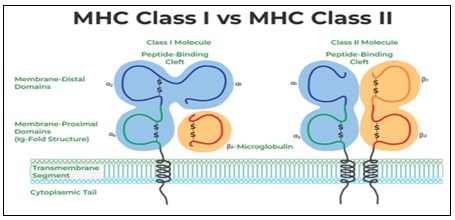
FIG. 1: STRUCTURAL DIFFERENCE BETWEEN MHC I AND MHC II
The MHC Class II molecules, made up of α and β chains, bind to extracellular peptides and present them to CD4⁺ T cells. The MHC diversity within this group impacts the binding of these antigens, cytokine signalling, and activation of B-cells, therefore contributing to alloantibodies and chronic rejection 4, 16, 19. Medically speaking, MHC polymorphisms are the basis of the necessity for careful compatibility testing during transplantation. Mismatches in solid organ transplantation led to T-cell mediated rejection and production of donor-specific antibodies while even minor incompatibilities in hematopoietic stem cell transplantation led to graft-versus-host diseases. High resolution HLA typing and epitope matching have made compatibility testing more accurate although complete immunological compatibility is yet to be attained 1, 13. Fig. 1 shows the difference in the structure of MHC Class I & II molecules and their modes of presentation of antigens.
Histocompatibility and Clinical Impact of MHC Polymorphism: Despite tremendous progress made in high-resolution HLA typing and epitope-matching algorithms, histocompatibility or compatibility of donors and recipients at the immunogenetic level continues to be an important factor in determining transplant outcomes. High-resolution typing, combined with epitope-matching algorithms, helps achieve better risk stratification by assessing compatibility at the level of alleles and even amino acid sequences that are more predictive than traditional antigen-matching 1, 9, 12, 22. HLA mismatches in solid organ transplantation induce a humoral immune response as well as cellular immune responses. Donor-specific antibodies (DSAs) against non-self-HLA epitopes increase the risk of developing an antibody-mediated rejection (AMR), which involves complement activation and damage to endothelium and small vessels. Chronic dysfunction and delayed graft loss due to AMRs constitute the main cause of allograft dysfunction and failure 17, 20, 24. Nevertheless, DSAs can vary in their specificity, avidity, and complement-fixing capacity.
Allorecognition Pathways in Transplant Immunology: The immunologic event of allorecognition is the key to the success or failure of organ and hematopoietic transplantation and encompasses the mechanisms by which the recipient's immune cells recognize and respond to non-self-major histocompatibility complex (MHC) molecules expressed on the graft 1, 4, 5, 19. Allorecognition triggers the cascade of cellular and humoral immune responses leading to graft rejection and is thus critical in determining both short- and long-term transplant outcomes. At a mechanistic level, allorecognition is mediated by three distinct but interconnected pathways: direct, indirect, and semi-direct, each uniquely contributing to the activation of alloreactive T cells and the production of donor-specific antibodies (DSAs) 4, 21. An appreciation of these pathways at the cellular, molecular, and genetic levels has informed strategies aimed at optimizing donor-recipient matching, modulating immunosuppressive therapy, and improving long-term graft survival.
Pathways of Allorecognition: Allorecognition plays an important role as the primary mechanism for graft rejection, occurring via three major mechanisms, namely the direct, indirect, and semidirect Allorecognition pathways 4, 21. The first mechanism, that is, direct Allorecognition, entails the interaction between the HLA peptide complex of the donor with T-cells in the recipient. The pathway takes place due to the migration of the donor antigen-presenting cells (APCs) to the lymphoid tissues of the recipient. Given that there are many alloreactive T cells, direct allorecognition causes rapid and strong immunogenic reaction, resulting in the development of acute rejection, which is usually characterized by the secretion of cytotoxic molecules and inflammatory cytokines 15, 21, 23.
Molecular and Cellular Modulators of Allorecognition: Indirect allorecognition happens when the recipient's APCs take up the donor-derived antigens and present them via their own HLA molecules for the recognition by CD4⁺ T cells. The indirect pathway becomes effective more gradually compared to others, and it is significantly linked to the development of chronic graft damage, namely production of DSA, remodelling of vessels, and fibrosis 4, 11, 20. It is important for maintaining humoral immune responses and long-term graft dysfunction. The semi-direct pathway is the combination of both acute and chronic pathways since the recipient's APCs are able to take up the whole donor HLA molecules as well as present them via peptides. Considering the clinical aspect, the significance of these pathways varies depending on the type of transplantation being considered. In SOT, for instance, allorecognition is a dominant factor, while the semi-indirect and indirect pathways account for chronic graft dysfunction and humoral rejection. On the other hand, in the case of HSCT, the involvement of these pathways becomes more profound because of the additional involvement of donor immune cells 1, 13.
All these pathways have a complementary effect on each other, resulting in a delicate balance between acute and chronic graft rejection and transplantation outcomes in general.
Allorecognition Modifiers and their Clinical Relevance: Apart from the conventional HLA mismatches, other immunogenetics play an important role in modifying the intensity and nature of allorecognition. The minor histocompatibility antigens, which originate from the intracellular protein polymorphism, can elicit considerable reactions by the T cells even when there is HLA compatibility; hence, they cause graft rejection and graft versus host disease (GVHD) 18, 23. Likewise, the interaction between KIR (killer-cell immunoglobulin-like receptors) and HLA controls the function of natural killer (NK) cells; the missing self-recognition by the NK cells leads to the induction of cytotoxicity affecting both graft rejection and the graft versus leukaemia response 18, 23.
Furthermore, there are other mechanisms that play an important role in regulating T cell activation, such as co-stimulation, adhesion and the cytokine signalling network. In terms of clinical implications, proper prediction of graft rejection is dependent on combined analysis of HLA antigen disparity, epitopes of mismatches, and DSA levels 8, 11, 20. Technological advancements in immune monitoring, which include single antigen bead analysis, epitope-based antibody screening, among others, have aided in the detection of patients at increased risks and allowed for personalized treatment methods 17, 20, 24. From a therapeutic point of view, blocking of allorecognition mechanisms has enhanced transplant success. Interventions including costimulatory pathway blockade, Treg therapy, and post-transplantation cyclophosphamide have shown clinical and translational relevance in the prevention or mitigation of alloimmune reactions including GVHD 19, 25. Nonetheless, heterogeneity in response to these treatments underscores the need for further study.
Allorecognition and Its Role in Precision Transplant Medicine: The allorecognition process is complex, with factors like MHC variability, epitope differences, and immune regulation playing critical roles. With advances in high-resolution HLA typing, epitope profiling, and DSA evaluation, precision medicine for transplant patients has been developed 4, 8, 9, 11, 12. There are various types of graft rejection, each with unique pathogenesis and timeframes. Hyper acute rejection, which is uncommon today thanks to better pre-transplant testing, is characterized by pre-formed DSAs that trigger complement activation and rapid endothelial damage and thrombosis 2, 3, 8, 11. Even with modern advancements in cross-matching and desensitization, non-HLA antibodies like anti-MICA antibodies might still play a role in early graft damage, but their significance can vary based on context 17, 20.
Acute rejection, which takes place in a few days to months after the transplant, involves T-cell activation and is caused by cellular infiltration and cytokine-induced damage, which can be reversed using immunosuppression 7, 16. On the other hand, chronic rejection occurs due to sustained immune activation, indirect allorecognition, and continuous production of donor-specific antibodies (DSAs), causing vascular changes, fibrosis, and ultimately, graft failure 11, 17, 24. Their relative importance varies depending on the type of transplantation. For instance, in solid organ transplantation (SOT), chronic rejection and antibody-mediated injury play key roles in graft failure. In hematopoietic stem cell transplantation (HSCT), the immune system is activated through alloreactivity and donor immune cells, causing graft-versus-host disease (GVHD) while offering beneficial anti-leukemic effects 1, 13, 18, 23.
Precision advances in immunology have helped in improved management in clinics. Epitope-based HLA matching is more accurate at predicting immunogenicity than the traditional methods, and the use of DSA profiling and single-antigen bead assay helps detect potential risks in patients before transplant surgery 8,1 1, 20. The use of these techniques allows clinicians to formulate customized immunosuppressive protocols with reduced toxicity.
New treatment modalities targeting the alloimmune pathway using co-stimulation blockade, post-transplant cyclophosphamide, and regulation T-cell therapies among others are already in place or in advanced stages of development 19, 25. Nonetheless, some novel strategies like genome editing and tolerance induction are still in the experimental stages. The integration of molecular matching, immune monitoring, and immunomodulation strategies has led to a new era in the field of transplantation. Despite these advancements in the field, immune variability and unpredictable rejection remain critical issues in achieving complete donor antigen tolerance.
Role of HLA Compatibility in Transplantation: HLA matching continues to play a pivotal role in transplantation, playing key roles in transplant acceptance and survival 1–3. Human leukocyte antigen (HLA) is found in chromosome 6 and consists of HLA class I (HLA-A, -B, -C) and class II (HLA-DR, -DQ, -DP) alleles, which control antigen presentation and T-cell function 4, 5, 9, 12, 22.
Changes in HLA Matching Strategy: Techniques of HLA matching have moved from serotyping techniques to modern technologies such as high-resolution sequencing, which can distinguish alleles 12, 14, 22. Although HLA-A, -B, and -DR antigens were considered crucial for matching because of their high immunogenic properties 5, 9, 16, 18, 19, information regarding the immunogenic differences of mismatched alleles is lacking. More recently, the epitope (or eplet) matching technique has been introduced as an advanced method that analyses specific amino acid combinations that are recognized by B- and T-cell receptors 11, 12, 15, 22, 23. Epitope matching can better stratify patients into high-risk mismatches and permissive mismatches, thus improving prediction outcomes for the development of antibodies and rejection compared to traditional allele matching.
Comparison of Clinical Usefulness: While each method is advantageous, it also has its own drawbacks. The serology-based and low-resolution techniques are relatively accessible, but their accuracy in identifying clinically significant mismatches is questionable. Molecular high-resolution typing offers advantages in selecting the most suitable donor, especially in HSCT, where precise allele matching is needed to minimize GVHD 1, 13, 22. Epitope-based matching holds promise, but there remains no standardization in practice and it needs more validation before application 11, 20, 22. Extended Compatibility transplant success cannot be predicted by HLA matching only. Immunogenicity due to minor histocompatibility antigens, MICA/MICB, and KIR-HLA mismatching also affects grafts' outcome but might be responsible for rejection even with HLA matching 1, 6, 7, 20, 24. Yet, the application of non-HLA markers in clinical practice is still limited and varies 17, 20.
Implementation in Clinical Practice: Modern compatibility testing employs a multifactorial approach, involving HLA testing, antigen-epitope profiling, and immunologic risk stratification, with DSA being an integral part of the process 8, 11, 20. It allows better donor selection and individualized immunosuppressive therapy especially in difficult cases. But predictive validity and inconsistency of criteria used remain the significant issues.
Role of HLA-A, HLA-B, and HLA-DR Loci: Class I HLA molecules (HLA-A and HLA-B) typically present peptides derived from intracellular proteins to CD8⁺ T-cells, leading to cellular damage against the transplanted organ, whereas class II HLA molecules (HLA-DR) present extracellular peptides to CD4⁺ T-helper cells, coordinating both humoral and cellular immune reactions 4, 5, 16, 19, 21. Collectively, these loci are critical for the initiation of alloimmunity and the development of both acute and chronic rejections. While HLA-A, -B, and -DR mismatches predispose patients to develop acute rejection, generation of DSAs, and allograft dysfunction, recent studies suggest that not all mismatches are created equally. In other words, it is no longer considered accurate to associate risk with a specific mismatch between two alleles. Risk is more dependent on epitope-based differences, molecular exposure in the binding groove, and immunogenic dominance 12, 14, 22, 23. The advent of high-resolution HLA typing has been useful in recognizing important mismatches in highly polymorphic loci like HLA-B and HLA-DRB1, where mismatches may be minor but have substantial impact on recognition by T-cells and B-cells due to differences in amino acids 12, 15, 22, 23, 25. This has made donor selection more effective in situations where perfect matches may not be possible.
Permissible Mismatches and Tolerance Thresholds: Because of limitations in donors, there is a need to accept acceptable mismatches when performing transplants. Acceptable mismatches are those that will not cause significant alloimmunization and are now based on epitopes rather than just alleles 12, 13, 15, 22, 23. Acceptable mismatches should be determined through consideration of several factors, namely immunogenicity of the epitope, sensitization state of the patient, DSA profile, and medical history 11, 12, 15, 22. This method is beneficial for sensitized patients, wherein epitope matching is useful to avoid antibody-mediated rejection 11, 15.
Other non-HLA determinants also have an effect on the tolerance limits. The role of KIR-HLA interaction is important for natural killer cells, while minor histocompatibility antigen has an effect on T-cell activation despite good matching 1, 6, 8, 18, 23, 24, 25. Nevertheless, incorporating these indicators into clinical practice is still problematic because of their inconsistency.
Relevance to Clinical Practice: HLA compatibility continues to play an important role in transplant success, but the clinical utility of HLA matching varies depending on the type of transplantation. For HSCT, absolute matching at HLA-A, B, C, and DRB1 (8/8 or 10/10) is required to minimize the risks of GVHD while maintaining graft-versus-leukaemia activity 1, 13, 18, 23, 25. However, SOT can tolerate some level of mismatch; nonetheless, greater mismatches, especially at highly polymorphic loci, increase the likelihood of rejection and shorten graft survival 5, 7, 9, 11, 12, 14. Recent developments in immune monitoring and molecular matching have enhanced our ability to evaluate immunological risks. Epitope matching and DSA identification offer more precise predictions of immunogenicity than traditional allele matching 11, 12, 15, 22. Such technologies are especially useful in sensitized individuals, children, and transplantations, where immunological challenges are more pronounced 11, 15, 22, 23, 25. Despite all these developments, however, the clinical value of new methods, including those involving immunogenetic models and predictions, is yet to be fully established and standardized. Therefore, at present, an integrated approach is used, taking into account the HLA compatibility, DSA presence, and specific clinical settings for personalized immunosuppression 1, 9.
Modern Methods for Diagnosing MHC Compatibility: Assessment of MHC (HLA) compatibility is one of the key factors for both pre- and post-transplant assessment of risks. The modern diagnostic algorithm uses a multistep and mutually-complementary approach involving molecular and serological typing along with functional studies.
Molecular HLA Typing: Resolution and Clinical Importance:
- Serological CDC typing: Rapid but low-resolution approach; poor ability to detect clinically important mismatches 6, 7, 15.
- Molecular typing using SSO/SSP PCR: Higher resolution and routine clinical application 9, 12, 22-24.
- Next Generation Sequencing (NGS): The highest resolution possible; indispensable in HSCT where one mismatch can play a crucial role 1, 13, 18.
Crossmatch Testing: Rapid Risk Assessment:
- CDC crossmatch test: Identifies complement-binding antibodies; helpful in detecting hyperacute rejection risks 2, 8.
- Flow cytometry crossmatch (FCXM): More sensitive; can detect weak antibodies not detected by CDC method 9, 11, 17.
- Sensitivity may cause identification of clinically irrelevant antibodies, thus, proper interpretation is necessary is the limitation.
Panel Reactive Antibody (PRA) and Sensitization:
- The level of panel reactive antibody (PRA) indicates the percentage of donors that the recipient has developed preformed antibodies against 2, 5, 7, 17.
- A high PRA value is indicative of a higher likelihood of cross matching positivity and rejection.
- Facilitates selection of donors and desensitization strategy when necessary.
Monitoring of Donor-Specific Antibodies (DSAs):
- Single-antigen bead assay tests provide a highly sensitive and specific detection of DSAs 3, 8, 11, 20.
- Antibodies that bind complement are strongly correlated with acute injury, whereas those that do not bind complement may result in chronic injury 3, 8, 9, 20, 24.
- Important consideration: All DSAs are not pathogenic; proper interpretation of results is essential.
Integrated Precision Approach:
- A combination of HLA typing, cross matching, PRA, and DSA testing provides an integrated immunological evaluation during donor selection and follow-up after transplantation 9, 12, 19, 21, 23, 25. Functional assays (e.g., ELISPOT, MLR test), as well as computer algorithms, also provide important information but still serve as complementary tools and lack standardization (4,7,22,25)
Major Histocompatibility Complex (MHC) and Graft-Versus-Host Disease (GVHD): High-resolution MHC/HLA match in selected loci (HLA-A, HLA-B, HLA-C, HLA-DRB1) is the most important predictor of graft-versus-host disease (GVHD) and overall survival 1, 13, 18. A mismatch in even one allele markedly increases the risk of GVHD and transplant-related death.
Immunopathogenesis: GVHD occurs due to recognition by donor T lymphocytes of non-self-antigen on the host, occurring via:
- Direct allorecognition: donor T cells recognize complete recipient HLA complex
- Indirect pathway: presentation of recipient antigens on donor HLA complex
- This causes T-cell activation and release of cytokines (IL-2, IFN-γ, TNF-α), leading to organ damage, particularly skin, liver, and gut damage 16, 19.
- Non-HLA Factors Influencing Risk of GVHD
- Besides classical HLA incompatibility:
- In addition to HLA incompatibility, MHAs may lead to GVHD development in fully matched patients 21, 16
- KIRs interacting with HLAs modulate activity of NK cells, balancing GVHD and beneficial graft versus leukaemia response 23
- Thus, the importance of the above non-HLA factors demonstrates that GVHD etiology is more complex than simply HLA-related.
Diagnostic and Mismatching Methods:
- Classical serological typing (CDC): fast but with lower resolution
- Modern molecular typing (SSP/SSO, NGS): allele-level matching with higher resolution (current gold-standard) 18, 22
- Epitope/eplet mismatching: newer strategy that enhances immunogenicity predictions although still underdeveloped as a standard clinical practice
Management and Prevention:
- Appropriate donor selection with high-resolution HLA testing
- Post-transplant cyclophosphamide treatment (PTCy): efficient for haploidentical HSCT
- Calcineurin inhibitors combined with antimetabolites: gold standard preventive measures 7, 1
Chronic GVHD: The development of chronic GVHD is associated with immune dysregulation, fibrosis, and B-cell stimulation, which has similarities with autoimmune disorders.
Chronic GVHD includes much more than just alloimmunity but also faulty tissue remodeling 16, 20.
Clinical Application:
- Overview of Graft-versus-host disease
- Acute and Chronic diseases
- Clinical Features
- Diagnosis
- Treatment and Management
- Complications
Current Transplantation Utilizes:
- HLA matching (donor–recipient compatibility)
- Immunosuppressive prophylaxis (e.g., calcineurin inhibitors ± methotrexate)
- Peripheral blood stem cell transplantation (PBSC)
- Bone marrow transplantation (BMT)
- Umbilical cord blood transplantation.
Strategies of Therapy for the Rejection of Grafts Associated with Mismatch in MHC: HLA-driven rejection constitutes one of the main obstacles to allograft acceptance in solid organs transplants as well as in HSCT patients.
T and B cells of the recipient recognize mismatched antigens leading to damage through cellular or humoral mechanisms, which demands dual immune therapy strategies 1, 2, 11.
Traditional Approach of Immunosuppression: Currently used therapies include combination therapies consisting of:
- Calcineurin inhibitors (cyclosporine, tacrolimus): inhibit T-cell response mediated by NFAT pathways 7, 16
- Anti-metabolites (mycophenolate, methotrexate): inhibit lymphocyte proliferation
- Corticosteroids: anti-inflammatory effect 16, 17
Such therapies decrease the risk of rejection; however, their use is restricted due to complications like infection or malignancy.
Targeted and Biological Agents:
Targeted methods focus on reducing off-target effects of immune suppression:
- Monoclonal antibodies (anti-CD3, anti-CD20) → depletion/mobilization of lymphocytes
- Co Stimulation blockade (such as CTLA-4-Ig) → inhibition of T-cell activation
- Complement inhibitors → used for antibody-mediated rejection (AMR)
Despite their utility in practice, their clinical relevance depends on the clinical context, while cost and toxicity issues limit their use 4, 21, 20.
Desensitization Methods (High-Risk Cases):
In sensitized patients:
- Plasmapheresis / immune adsorption → elimination of DSA in circulation
- IVIG and rituximab → modulation of B-cell activity
- Proteasome inhibitors → inhibit activity of plasma cells
Induction of Tolerance:
One of the main targets is donor-specific tolerance induction:
- Mixed Chimerism (HSCT & Organ Transplantation)
- Treg Cell Therapy
- Tolerogenic DCs
They are promising techniques that are mostly experimental or confined to special centers 25, 10.
Future Directions (Experimental):
- Cellular Therapy (Tregs, MSCs): alloimmune suppression
- CAR-Treg Cells: antigen-specific immune regulation
- Gene Therapy Using CRISPR/Cas9 Editing: manipulation of HLA expression or immunogenicity
They focus on generating “universal” or low-immunogenic allografts, which are still at a preclinical/early clinical stage and need further evaluation for efficacy and safety 12, 22
Precision Immunomodulation and Monitoring:
- Advanced HLA typing and epitope mapping
- DSA surveillance using single-antigen bead assays
- Biological markers (cytokines, immune signatures)
Allows for tailored treatment approaches, especially in sensitized or incompatible transplants 9, 11, 22, though their predictive power and uniformity continue to develop.
Clinical Implementation:
- Acute rejection: predominantly mediated by T-cells, therefore sensitive to traditional immunosuppressive agents
- Chronic rejection: mainly caused by DSAs and chronic inflammation, hence relatively resistant to existing treatments
- Hence, a dual approach addressing both cell-mediated and antibody-based processes is necessary 16, 19, 20
Current Strategies and Key Limitations: MHC-mediated rejection is being managed using various methods ranging from general immunosuppression to more layered and precise approaches involving pharmacology, biology, and cell-based therapy. Although novel approaches like regulatory T cells (Tregs), gene modification techniques, and epitope-specific therapies hold significant promise, their translation to clinical application remains in its infancy. The future will be contingent upon developing tolerogenic immunity without excessive toxicities 1, 11. Although present-day treatments of rejection via MHC include generalized immunosuppressive approaches as well as new techniques such as Treg treatment, gene editing, and epitope-specific methods still in experimental stages the following sections outline crucial issues that must be addressed to attain tolerogenic immunity.
Limitations of Immuno-Compatibility Prediction Models:
Serology and high-resolution typing remain important but inadequate predictors of immunogenicity 1, 2, 9, 13, 18. They rely heavily on assessing allele mismatch and ignore:
- Minor histocompatibility antigens (mHAs) (HA-1, HA-2)
- Epitope variation (eplets)
- Non-HLA antigens
- Fully HLA matched HSCT still carries a risk of GVHD due to mHAs 4, 12, 21.
Epitope matching is better than allele matching in predicting risk but still falls short because of variations in antigen presentation, TCR response, and immune environment of the recipient 12, 9, 22. Use of multi-omics (genomics, transcriptomics, proteomics, immune repertoire sequencing) for development of precise personalized compatibility modelling.
Limitations in the Prediction of AMR:
- AMR continues to be a significant cause of graft loss and can happen without any evidence of HLA disparity 11, 20, 24.
- Pre-existing DSAs -> lead to hyperacute/rejection in early stages
- New DSAs -> contribute to chronic injury
- Despite advancements in solid-phase testing and complement-fixing DSA measurement, the field still lacks adequate progress in other areas including:
- Doubts about the pathogenic nature of identified antibodies
- Minimal consideration of non-HLA antibodies (MICA, AT1R etc.) in risk assessment models 17, 11, 20
- Identification of potentially dangerous from neutral antibodies is the significant gap.
Inadequacies of Established Biomarkers and Possible Approaches to Overcome Them: Traditionally used biomarkers (creatinine, liver enzyme levels, and troponin) provide information only after late graft injury 11, 20, 24.
Novel biomarkers:
- Donor-derived cell-free DNA (dd-cfDNA) -> for early graft injury identification
- Gene expression and/or protein-based and microRNAs profiles -> immune response signatures
- Combination of biomarkers (DSA + dd-cfDNA + cytokines) -> increased prediction precision 11, 23
Translation and Emerging Methods:
Potential methods are:
- Matching using epitopes and modeling for immunogenetics
- Regulatory T-cell therapy
- Gene editing via CRISPR technology for HLA editing
- AI predictive analytics
However, most remain experimental, lacking solid clinical evidence, proven safety, and feasible large-scale production.
Future Trends in Precision Transplantation: Precision medicine is key by integrating:
- Advanced HLA + epitope matching
- DSA surveillance
- Biomarker-assisted immunosuppression
- Multi-omics analysis
With goals to enhance:
- Rejection prediction early on
- Personalized immunosuppression therapy
- Donor availability expansion
The transplantation process at present is limited due to lack of sufficient immuno-prediction ability and late identification of any damage to the graft. Although advancements like use of multiomics approach, novel biomarkers, and gene editing techniques are hopeful, these need to be clinically proven for practical application. The way forward will be dependent upon evidence-based implementation of these techniques for reliable prediction and intervention 1, 24.
Fig. 2 illustrates early biomarker alterations in relation to clinical manifestations of rejection.
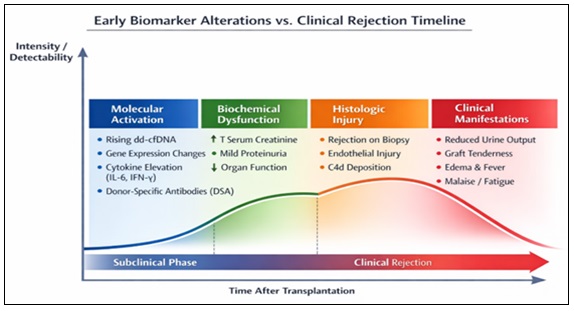
FIG. 2: SCHEMATIC REPRESENTATION OF EARLY BIOMARKER ALTERATIONS IN RELATION TO CLINICAL MANIFESTATIONS OF REJECTION
Immunosuppressive Limitations and Complications: Pharmacologic immuno-suppression remains the mainstay in the prevention of allograft rejection, but its non-specific mechanism is associated with significant risks 16, 7, 17, 25. Calcineurin inhibitors, corticosteroids, and antimetabolites are effective in preventing acute rejection, but chronic use is associated with nephrotoxicity, susceptibility to infection, malignancy, and metabolic disturbances. Biologic agents that modulate co-stimulatory signals (CTLA-4-Ig, anti-CD28) and lymphocyte-depleting antibodies provide more specific immunosuppression, but their high cost, lack of efficacy, and risk of non-specific immune suppression are major drawbacks. Individualized immunosuppressive regimens based on biomarker monitoring and immune profiling are now considered the best approach to prevent allograft.
Cellular and Tolerance-Inducing Therapies: The induction of donor-specific tolerance is still a major focus in the field of transplant immunology. Approaches such as regulatory T cell (Treg) therapy, tolerogenic dendritic cells, and mixed chimerism are designed to promote long-term allograft tolerance with less systemic Immunosuppression 25, 10, 4, 21. Mixed chimerism, induced by the infusion of hematopoietic stem cells together with organ transplantation, has demonstrated long-term tolerance in selected human studies, especially in kidney transplantations. Adoptive Treg therapies, such as antigen-specific CAR-Tregs, represent an attractive strategy to selectively inhibit alloreactive T cells without globally suppressing the immune system. Nevertheless, issues such as ex-vivo expansion, stability, trafficking, and antigen specificity need to be resolved prior to their broader application. Fig. 3 might offer a conceptual framework for understanding cellular tolerance approaches and their incorporation into the field of transplant immunology.
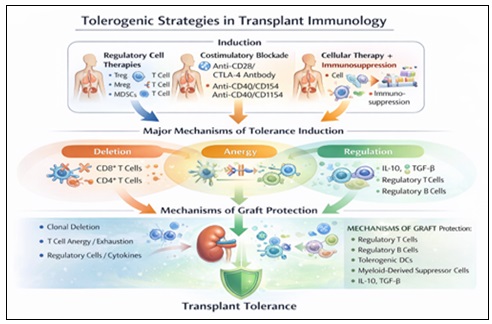
FIG. 3: SCHEMATIC REPRESENTATION OF TOLEROGENIC STRATEGIES IN TRANSPLANT IMMUNOLOGY
Gene editing using CRISPR/Cas9 technology can create universal or low-immunogenic donor organs through genetic modification of HLA expression 12, 22, 23. This involves:
- HLA knockout or gene silencing to diminish T-cell reactions
- Introduction of complement regulatory genes to minimize antibody-mediated injury.
- Preclinical studies in animal models show decreased T- and B-cell reactions with increased organ longevity. The deletion of all HLA genes could also cause missing self-recognition by NK cells, which would need further refinement.
- Caveats: While universal donor organs are promising, they are still only in a preclinical/ translational phase, plagued by several problems.
- Xenotransplantation: Possibilities and Problems – Balanced Perspective
- Xenotransplantation presents an alternative approach to address organ shortage by employing genetically modified pigs. Breakthroughs in xenotransplantation include:
- Utilization of CRISPR technology to knockout xenogeneic antigens (such as α-Gal, CMAH, B4GALNT2)
- Incorporation of human genes responsible for complement and coagulation
- These breakthroughs have considerably minimized hyperacute rejection and complement activation in animal studies 23, 18, 24. The initial attempts to perform xenotransplantation clinically show that the process is feasible; however, scientific data is insufficient.
Key problems:
- Continuous activation of innate and adaptive immune systems
- Compatibility issues related to coagulation resulting in thrombosis
- Zoonosis
- Future Prospects
- Universal donor organ engineering and xenotransplantation are both highly innovative yet highly experimental approaches. Clinical application of either technique would require:
- Long-term safety and efficacy trials
- Improved regulation of NK and innate immune cells
- Regulatory and ethical protocols.
Emerging Technologies in Histocompatibility and Transplantation: Universal organs and xenotransplantation have the potential to revolutionize the field of donation, but at present, there is limited clinical research available on either technique.
Successful implementation of either technique in the clinical setting requires the resolution of many immunological and infectious obstacles 12, 18, 22, 24.
Fig. 4 illustrates xenotransplantation pipelines, focusing on gene editing approaches and immunological hurdles.
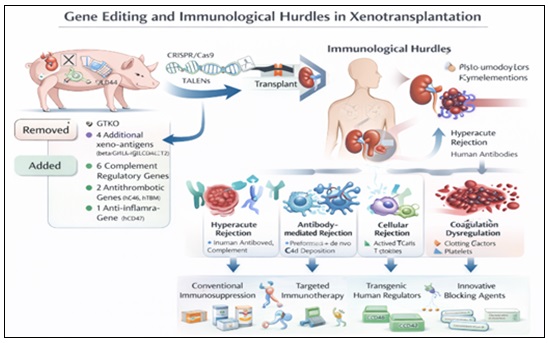
FIG. 4: SCHEMATIC REPRESENTATION OF XENOTRANSPLANTATION PIPELINES, FOCUSING ON GENE EDITING APPROACHES AND IMMUNOLOGICAL HURDLES
Computational Techniques and Artificial Intelligence in Transplantation Risk Stratification: AI and machine learning are now being recognized as tools that complement traditional methods of predicting rejection risk rather than as independent methods 9, 22, 23. Present methods incorporate:
- HLA/epitope mismatch information
- DSA profile
- Immune repertories and other clinical variables
In this way, these technologies can develop individual risk scoring models that assist in donor selection and personalized immune suppression. AI is able to discover new epitopes and biomarkers; however, its application in clinics is hampered by heterogeneous data, poor standardization, and external validation.
Regulatory and Ethical Aspects: The application of advanced methods (CRISPR/Cas9, cellular therapy, and xenotransplantation) brings numerous difficulties:
- Potential dangers: unintended DNA editing and prolonged immune consequences
- Issues relating to biology: zoonosis in case of xenotransplantation
- Deficiencies in regulatory approaches: new regulation concerning gene edited cells or biologically engineered organs
- Ethical issues may involve questions related to availability, consent, and acceptance of genetically modified or foreign tissues and organs.
- Future Perspectives – Critical and Balanced Viewpoint
- The future of transplantation is expected to involve precision medicine involving:
- Precise HLA and epitope matching
- Monitoring through biomarkers (e.g., detection of DSA)
- Targeting cells (Tregs, CAR-Tregs)
- Use of artificial intelligence to predict patient outcomes
- Whereas ideas like the use of gene-edited organs with reduced immunogenicity and antigen-specific tolerance are innovative and promising, there is still need for validation through long-term clinical trials and evidence from practice.
CONCLUSION: The emergence of the use of technologies in transplantation through the use of artificial intelligence, immunogenetics, and advanced therapeutics is a step towards making transplantation medicine personal and effective. However, at the moment, there is need for a cautious approach due to existing validation and ethical issues 1, 10.
| Transplantation Setting | Primary Allogeneic Risk | Key Rejection Phenotypes | Donar Specific Antigen Role & Monitoring | Survival Impact |
| Solid Organ (Renal, Heart, Liver) | MHC mismatch → T/B cell activation | Acute Cellular Rejection: interstitial infiltrates, tubulitis; Chronic Active ABMR: transplant glomerulopathy, C4d+; Hyperacute: preformed DSAs | Dominant: Anti-HLA/MICA/AT1R DSAs cause endothelial injury, complement activation, NK recruitment. DSA mean fluorescence intensity (MFI) >10,000 predicts failure | 10-year graft survival: 0 mismatch = 80%; 4+ mismatches = 40% |
| HSCT | Bidirectional: Host-vs-Graft + Graft-vs-Host | GVHD: skin/GI/liver; Graft failure; Relapse (GVT benefit) | Secondary: DSAs exacerbate poor engraftment; monitor anti-HLA in haploidentical | 8/8 match: 60% overall survival; mismatch: 40% (GVHD risk ↑) |
| Islet/Pancreas | Vascular endothelium MHC | Instant blood-mediated reaction, ABMR | Emerging DSA role | N/A (no standard survival benchmarks.) |
This review emphasizes the importance of MHC/HLA as the primary immune recognition element. Although MHC polymorphism is necessary for self-recognition by the immune system, MHC continues to be the single biggest impediment to transplant success since MHC is capable of eliciting robust alloresponses through T cells, B cells, and DSAs 1, 5.
Instead of reviewing immunology basics, this review focuses on MHC incompatibility and explains how acute rejection, chronic antibody-mediated damage, and graft-versus-host disease (GVHD) are caused by the interaction between the three different Allorecognition pathways in HSCT 6, 9. However, it should be noted that MHC interactions play a different role in solid organ transplantation compared to HSCT; therefore, separate treatment and donor selection criteria must be considered for each case.
However, the shortcomings of these techniques, especially with regard to their failure to take into account minor histocompatibility antigens and anti-HLA antibodies, point out the necessity of more sophisticated approaches to the compatibility issue 10-15. The existing diagnostic approach that encompasses crossmatch tests, PRA tests, and solid phase assays should be viewed in this light as an integral part of the precision immunogenetics.
In terms of therapeutic advances, transplant therapy is moving on from a generalized immunosuppressive strategy to an individually targeted approach that includes costimulation blockade and desensitization programs, as well as innovative treatment modalities such as regulatory T-cell (Treg) infusion 16, 20. Nevertheless, the problem of chronic rejection and long-term graft survival remains an unresolved issue.
Potential future directions should be considered carefully but nonetheless hold promise. New technologies, such as gene editing (CRISPR-based HLA editing), artificial intelligence for predicting risk, biomarker-based follow-up (such as dd-cfDNA), and xenotransplantation are emerging translational approaches and not established clinical standards ²¹⁻²⁵. Clinical implementation of these technologies would require proper validation and safety assessment.
It is clear that MHC represents more than just a physical barrier; rather, MHC acts as a regulator of the immune response following organ transplantation. The trend towards precision medicine, which includes transplant immunogenetics, biomarker testing, and therapies targeting specific mechanisms, holds the greatest potential for improving outcomes without compromising patient well-being 1, 25.
ACKNOWLEDGEMENTS: None
Ethical Considerations: There are no ethical issues.
Funding/Support: None
CONFLICT OF INTERESTS: All authors declared that there is no conflict of Interests.
REFERENCES:
- Admiraal R, Nierkens S, de Witte MA, Petersen EJ, te Boome LC and Boelens JJ: The emerging role of HLA typing in hematopoietic stem cell transplantation. Blood 2019; 134(9): 775-784.
- Al-Meshari K and Al-Masri M: HLA sensitization in kidney transplantation: Pathophysiology and management. Clin Transplant 2021; 35(2): 14158.
- Aubert O, Loupy A and Hidalgo L: Antibody-mediated rejection due to preexisting vs. de novo donor-specific antibodies in kidney allograft recipients. J Am Soc Nephrol 2017; 28(6): 1912-1923.
- Basu A and Pioli P: Direct and indirect pathways of allorecognition: Implications for transplant rejection. Front Immunol 2019; 10: 1887.
- Bettens F, Rizzello V and Middleton D: HLA diversity and transplantation outcomes. Hum Immunol 2021; 82(5): 343-354.
- Billingham RE, Brent L and Medawar PB: Actively acquired tolerance of foreign cells. Nature 1953; 172(4379): 603-606.
- Chapman JR: What are the key challenges we face in kidney transplantation today Transplantation 2016; 100(9): 1771-1776.
- Colvin RB and Smith RN: Antibody-mediated organ-allograft rejection. Nat Rev Immunol 2005; 5(10): 807-817.
- Courtin A and Lescoat A: High-resolution HLA genotyping and allograft survival. Am J Transplant 2022; 22(4): 1125-1136.
- DeWolf S and Sykes M: Alloimmune T cells in transplantation. Annu Rev Immunol 2017; 35: 539-573.
- D’Orsogna LJ, Roelen DL and Claas FHJ: The clinical relevance of donor-specific HLA antibodies. Nat Rev Nephrol 2021; 17(12): 794-808.
- Duquesnoy RJ: Epitope-based HLA matching for transplantation. Hum Immunol 2017; 78(1): 5-9.
- Eapen M: HLA matching and outcomes after unrelated donor hematopoietic cell transplantation. Lancet Haematol 2021; 8(4): 299-309.
- El-Awar N, Terasaki PI and Cai J: Human leukocyte antigen antigenicity and epitopes. Clin Transplant 2017; 31(5): 12908.
- Gebel HM and Bray RA: The evolution and clinical impact of HLA testing in solid organ transplantation. Clin Transplant 2014; 28(1): 9-20.
- Halloran PF: Immunologic mechanisms in allograft rejection. Cold Spring Harb Perspect Med 2021; 11(4): 037085.
- Higgins R, Hathaway M and Lowe D: MICA antibodies and kidney transplant rejection. Kidney Int 2014; 85(2): 485-493.
- Horowitz MM: HLA matching in HSCT: Clinical implications. Blood Advances 2019; 3(12): 1892-1904.
- Lechler RI, Sykes M, Thomson AW and Turka LA: Organ transplantation How much of the promise has been realized. Nat Med 2005; 11(6): 605-613.
- Loupy A and Lefaucheur C: Antibody-mediated rejection of solid-organ allografts. N Engl J Med 2018; 379(12): 1150-1160.
- Mackenzie KS: The immunobiology of direct and indirect allorecognition. Nat Rev Nephrol 2020; 16(3): 135-151.
- Mancini N: High-resolution sequencing for HLA typing. J Transl Med 2020; 18(1): 479.
- Müller CR: KIR–HLA interactions and transplantation. Front Immunol 2022; 13: 861774.
- Ott U: Chronic antibody-mediated rejection in kidney transplants. Clin Nephrol 2013; 80(5): 320-330.
- Schiffer L, Herzberg M and Reinke P: Regulatory T cells in transplantation tolerance. Trans Int 2021; 34(3): 472-84.
- Sommer S, Courtiol A and Mazzoni C: MHC genotyping of non-model organisms using next-generation sequencing: A new methodology to deal with artefacts and allelic dropout. BMC Genomics 2013; 14: 542.
How to cite this article:
Prathyusha V and Sreevatsava A: A review on major histocompatibility: implications in transplantation and graft rejection. Int J Pharm Sci & Res 2026; 17(8): 2325-41. doi: 10.13040/IJPSR.0975-8232.17(8).2325-41.
All © 2026 are reserved by International Journal of Pharmaceutical Sciences and Research. This Journal licensed under a Creative Commons Attribution-NonCommercial-ShareAlike 3.0 Unported License.
Article Information
7
2325-2341
1233 KB
317
English
IJPSR
V. Prathyusha * and Aravind Sreevatsava
Department of Pharmaceutics, Narayana Pharmacy College, Chintareddypalem, Nellore, Andhra Pradesh, India.
prathyv.9@gmail.com
10 March 2026
22 April 2026
23 April 2026
10.13040/IJPSR.0975-8232.17(8).2325-41
01 August 2026
 Download