




ADVANCED HERBAL HAIR THERAPY: A NANOPARTICLE-DRIVEN MODERN APPROACH
HTML Full TextADVANCED HERBAL HAIR THERAPY: A NANOPARTICLE-DRIVEN MODERN APPROACH
Dayamoy Kar Modak, Chanchal Ghosh *, Manami Dhibar and Arnab Roy
Department of Pharmaceutics, Dr. B. C. Roy College of Pharmacy and Allied Health Sciences, Durgapur, West Bengal, India.
ABSTRACT: Hair disorders, including alopecia, dandruff, scalp inflammation, and hair thinning, are among the most common conditions affecting hair and scalp health, often impacting both physical appearance and psychological well-being. Increasing consumer preference for natural and plant-derived products has renewed interest in herbal hair-care formulations, while advances in nanotechnology have provided innovative strategies to improve the delivery and performance of herbal bioactive compounds. This narrative review highlights recent developments in herbal hair-care products and examines the potential of nanoparticle-based delivery systems in modern hair-care applications. The review discusses hair structure and physiology, the hair-growth cycle, common hair disorders, therapeutic herbal ingredients, conventional herbal formulations, and emerging nanotechnological approaches, including nanoemulsions, liposomes, solid lipid nanoparticles, and nanostructured lipid carriers. Available evidence suggests that herbal bioactives possess antioxidant, antimicrobial, anti-inflammatory, and conditioning properties that may contribute to improved scalp and hair health. Furthermore, nanoparticle-based systems have demonstrated potential to enhance the solubility, stability, follicular deposition, scalp retention, and controlled release of selected phytoconstituents. Despite these promising advances, current evidence is largely derived from experimental and formulation-based studies, with limited clinical validation. Challenges related to standardization, quality control, safety assessment, and regulatory considerations remain important barriers to broader application. Overall, the integration of herbal therapeutics with nanotechnology represents a promising direction for the development of next-generation hair-care products; however, further well-designed clinical studies are required to establish their long-term safety, efficacy, and practical relevance.
Keywords: Herbal hair care, Hair disorders, Phytoconstituents, Nanotechnology, Nanoemulsions, Follicular delivery, Scalp health
INTRODUCTION: Hair serves several important functions beyond aesthetics, including protection of the scalp, regulation of body temperature, and contribution to an individual's self-image and psychological well-being.
Consequently, hair disorders such as androgenetic alopecia, alopecia areata, telogen effluvium, and dandruff can have a considerable impact on both physical appearance and quality of life 1, 2, 3.
Although conventional treatments, such as minoxidil and finasteride, are widely prescribed for certain hair-loss conditions, their use may be limited by adverse effects, the need for prolonged treatment, and inconsistent patient adherence 1, 3. As a result, there has been growing interest in herbal hair-care products and natural alternatives that are perceived as safer and more acceptable for long-term use 4, 5.
A variety of medicinal plants, including Aloe vera, Rosmarinus officinalis, Hibiscus rosa-sinensis, Eclipta alba, and Trigonella foenum-graecum, have been extensively studied for their potential benefits in scalp care and hair maintenance. These herbal ingredients possess properties such as antioxidant activity, conditioning effects, and support for overall hair health 4, 5. In recent years, nanotechnology-based delivery systems have attracted significant attention as innovative approaches for enhancing the effectiveness of herbal bioactives. Such systems may improve the stability of active compounds, increase scalp retention, promote follicular targeting, and enable controlled release 4, 6, 7. Nevertheless, the potential benefits of herbal nanoformulations must be supported by comprehensive scientific evidence, including detailed formulation characterization, skin and follicular penetration studies, safety assessments, and well-designed clinical investigations to establish their efficacy and safety 4, 6.
METHODOLOGY:
Review Methodology: This review was conducted as a narrative review using a structured literature-search strategy to ensure a transparent and systematic approach to article selection and data synthesis. The methodology was developed in accordance with widely accepted principles for narrative review preparation and reporting 8.
A comprehensive literature search was performed using the PubMed, Scopus, ScienceDirect, and Google Scholar databases. Publications released between January 2000 and March 2025 were considered for inclusion. The search strategy incorporated a combination of keywords and phrases related to hair care, hair disorders, herbal therapeutics, and nanotechnology-based delivery systems, including “herbal hair care,” “hair loss,” “alopecia,” “nanoparticles,” “nanoemulsion,” “liposomes,” “solid lipid nanoparticles,” “nanostructured lipid carriers,” “follicular targeting,” “scalp delivery,” “herbal nanoformulation,” and “nanotechnology-based hair care.” Eligible studies included peer-reviewed articles published in English that focused on herbal hair-care products, scalp delivery systems, nanocarrier-based formulations, follicular targeting strategies, alopecia, and other hair or scalp disorders. Duplicate records, non-English publications, promotional cosmetic literature, non-scientific online sources, conference abstracts without accessible full texts, and studies unrelated to herbal or nanotechnology-based hair-care systems were excluded.
The selection process involved an initial screening of titles and abstracts, followed by a detailed evaluation of the full text of potentially relevant articles. Studies were chosen based on their relevance to hair biology, hair-growth disorders, herbal bioactive ingredients, nanocarrier-mediated delivery approaches, scalp retention, follicular targeting, formulation development, safety evaluation, and available clinical evidence. The collected information was synthesized narratively, with particular emphasis on current scientific findings, formulation challenges, safety considerations, research limitations, and future directions in the development of herbal nanotechnology-based hair-care products.
Hair Biology: Hair is a specialized keratinized structure that originates from the skin and grows from microscopic organs called hair follicles. These follicles are highly active biological units located within the epidermis and dermis of the skin. Each hair follicle is closely associated with sebaceous glands, arrector pili muscles, blood vessels, and nerve endings, forming a complex microenvironment that supports hair growth and maintenance. Hair follicles are responsible not only for the production of hair fibers but also for regulating hair growth and renewal through continuous cycles of growth, regression, and rest 9, 10.
Structurally, the hair follicle can be divided into three major regions: the infundibulum, isthmus, and inferior segment. The infundibulum extends from the skin surface to the opening of the sebaceous gland, while the isthmus is located between the sebaceous gland duct and the attachment site of the arrector pili muscle. The inferior segment forms the deepest part of the follicle and contains the hair bulb, which houses rapidly proliferating matrix keratinocytes responsible for hair shaft formation. At the base of the hair bulb lies the dermal papilla, a highly vascularized connective tissue structure that supplies nutrients and molecular signals essential for hair growth and follicular function 9, 10.
The portion of hair visible above the skin surface is known as the hair shaft, which is primarily composed of hard keratin proteins. The hair shaft consists of three concentric layers: the cuticle, cortex, and medulla. The cuticle forms the outer protective covering and is made up of overlapping flattened cells arranged in a scale-like pattern. This layer protects the inner regions of the hair from physical, chemical, and environmental damage. Beneath the cuticle lies the cortex, the thickest layer of the hair shaft, which contains densely packed keratin fibers and melanin pigments. The cortex largely determines the hair's strength, elasticity, texture, and color. The innermost layer, known as the medulla, may be continuous, fragmented, or completely absent depending on the type and thickness of the hair. Although its exact function is not fully understood, the medulla contributes to the overall structural properties of the hair and is generally more prominent in thicker hair fibers 9, 11.
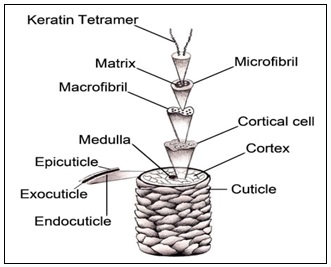
FIG. 1: HIERARCHICAL STRUCTURE OF A HAIR FIBER. REPRINTED FROM GUBITOSA ET AL. (2019) UNDER CC BY 4.0 LICENSE 5
Hair Cycle: Hair follicles undergo a continuous and highly regulated cycle of growth, regression, rest, and shedding throughout an individual's life. This cyclical process is essential for maintaining normal hair density and ensuring regular hair renewal. The hair cycle is influenced by multiple factors, including genetic predisposition, hormonal balance, nutritional status, immune function, and environmental conditions. It consists of four distinct phases: anagen, catagen, telogen, and exogen. Alterations in the duration or regulation of these phases can disrupt normal hair growth and contribute to hair thinning, excessive shedding, or various forms of alopecia 12, 13.
Anagen Phase: The anagen phase represents the active growth stage of the hair cycle. During this period, matrix keratinocytes located within the hair bulb undergo rapid proliferation and differentiation, leading to the formation and continuous elongation of the hair shaft.
The duration of the anagen phase largely determines the maximum length that a hair fiber can achieve and varies according to factors such as age, genetics, hormonal influences, and overall health. In scalp hair, the anagen phase typically lasts between two and seven years. A shortened anagen phase is often associated with reduced hair length, decreased hair density, and progressive hair thinning 12, 13.
Catagen Phase: The catagen phase is a brief transitional stage that marks the end of active hair growth. During this phase, cell proliferation within the hair matrix gradually ceases, and the lower portion of the follicle undergoes controlled regression. Simultaneously, the dermal papilla moves upward toward the permanent region of the follicle. The catagen phase generally lasts for approximately two to three weeks and serves as a critical transition between the growth and resting phases of the hair cycle 12, 13.
Telogen Phase: The telogen phase is the resting stage of the hair cycle, during which active hair production is temporarily suspended. The fully formed club hair remains retained within the follicle while the follicular structures remain relatively inactive. On the scalp, the telogen phase typically persists for about three to four months.
At the completion of this phase, the follicle reactivates and re-enters the anagen stage, initiating the growth of a new hair fiber. An increased proportion of follicles entering the telogen phase prematurely can result in excessive hair shedding, a condition commonly referred to as telogen effluvium 12, 13.
Exogen Phase: The exogen phase is the shedding stage of the hair cycle, during which the old club hair is released from the follicle. This process often occurs simultaneously with the emergence of a new anagen hair from the same follicular unit. Shedding a limited number of hairs each day is considered a normal physiological event and reflects the natural renewal process of the hair cycle. However, excessive shedding may indicate an underlying disturbance in follicular cycling or the presence of a hair or scalp disorder 12, 13.
Causes of Hair Loss: Hair loss is a multifactorial condition and may occur due to genetic, hormonal, nutritional, inflammatory, infectious, psychological, drug-induced or traumatic factors. In many cases, more than one factor may contribute to excessive shedding or progressive thinning. Therefore, causes of hair loss should be presented scientifically rather than as general lifestyle assumptions. The major causes are summarized in Fig. 2 1, 3, 14.
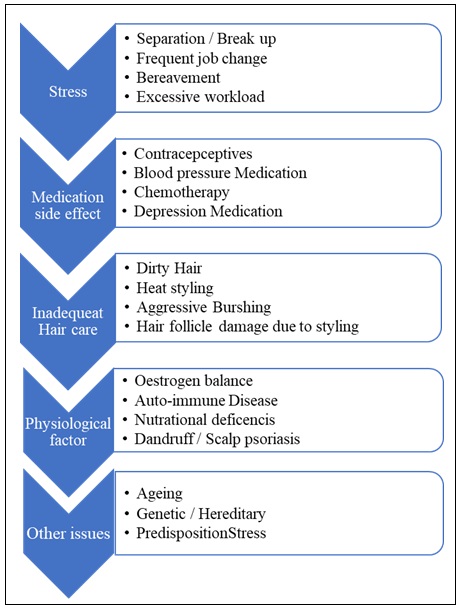
FIG. 2: CAUSES OF HAIR LOSS
Hair Problems:
Androgenetic Alopecia: Androgenetic alopecia (AGA), commonly referred to as male- or female-pattern hair loss, is the most prevalent form of non-scarring alopecia. The condition is characterized by progressive miniaturization of hair follicles, resulting in the gradual transformation of thick terminal hairs into finer, shorter, and less pigmented hairs. Genetic predisposition and increased sensitivity to androgens, particularly dihydrotestosterone (DHT), play central roles in its pathogenesis. Clinically, men typically present with bitemporal hairline recession and thinning at the vertex, whereas women often experience diffuse thinning over the crown while maintaining the frontal hairline 1, 3.
Alopecia Areata: Alopecia areata is an autoimmune, non-scarring hair-loss disorder in which the immune system mistakenly targets hair follicles, particularly those in the active growth (anagen) phase. The condition most commonly presents as well-circumscribed patches of hair loss on the scalp but may also involve other hair-bearing regions of the body. Its development is associated with genetic susceptibility, immune dysregulation, and various environmental triggers. Disease severity ranges from small localized patches to complete loss of scalp or body hair 15.
Chemotherapy Induced Alopecia: Chemotherapy-induced alopecia occurs as a consequence of the cytotoxic effects of anticancer drugs on rapidly dividing cells, including matrix keratinocytes within hair follicles. Patients may experience partial or complete hair loss affecting the scalp, eyebrows, eyelashes, and other body regions. The extent of hair loss depends on the chemotherapeutic agent, dosage, treatment duration, and individual susceptibility. Hair regrowth typically occurs after completion of therapy, although changes in hair texture, thickness, or color may sometimes be observed 16, 17.
Trichotillomania: Trichotillomania is a psychiatric disorder characterized by recurrent and irresistible urges to pull out one's own hair. Repeated hair pulling may result in irregular patches of hair loss, broken hairs of varying lengths, scalp irritation, and emotional distress. The condition is often associated with psychological factors such as stress, anxiety, tension, or boredom. Accurate diagnosis is important because successful management generally requires a multidisciplinary approach involving both dermatological and psychological interventions 18.
Telogen Effluvium: Telogen effluvium is a common cause of diffuse, non-scarring hair shedding resulting from the premature transition of a large number of hair follicles into the telogen phase of the hair cycle. Potential triggers include severe emotional stress, febrile illness, surgery, childbirth, nutritional deficiencies, endocrine abnormalities, systemic diseases, and certain medications. In most cases, the condition is reversible once the underlying cause is identified and appropriately managed. Clinical evaluation is necessary to differentiate telogen effluvium from other forms of diffuse hair loss 3, 14, 19.
Tinea Capitis: Tinea capitis is a fungal infection of the scalp and hair shafts caused by dermatophytes. Although it predominantly affects children, adults may also develop the condition. Common clinical manifestations include scalp scaling, itching, broken hairs, patchy alopecia, and inflammatory lesions. In severe cases, patients may develop a kerion, a painful inflammatory mass that can potentially lead to scarring. Early diagnosis and prompt antifungal therapy are essential to prevent permanent follicular damage 3.
Scalp Psoriasis: Scalp psoriasis is a chronic immune-mediated inflammatory disorder characterized by erythematous plaques covered with thick, silvery scales. Patients frequently experience itching, irritation, and excessive flaking. Temporary hair shedding may occur due to inflammation, scratching, or forceful removal of scales. Hair loss associated with scalp psoriasis is generally reversible; however, prolonged inflammation may occasionally contribute to more significant follicular damage 3.
Folliculitis: Folliculitis refers to inflammation of hair follicles resulting from bacterial, fungal, viral, or non-infectious causes. It commonly presents with follicular papules, pustules, tenderness, itching, and scalp discomfort. While most cases respond well to appropriate treatment and hygiene measures, persistent or recurrent folliculitis may contribute to temporary hair shedding and, in rare instances, permanent follicular damage 3.
Central Centrifugal Cicatricial Alopecia: Central centrifugal cicatricial alopecia (CCCA) is a progressive form of scarring alopecia that typically originates at the crown or vertex of the scalp and gradually expands outward.
The condition is reported most frequently among women of African ancestry. Because CCCA leads to irreversible destruction of hair follicles, early diagnosis and timely therapeutic intervention are crucial for slowing disease progression and preserving remaining hair 20.
Frontal Fibrosing Alopecia: Frontal fibrosing alopecia (FFA) is a primary scarring alopecia characterized by progressive recession of the frontal hairline, often accompanied by partial or complete eyebrow loss. The condition is most commonly observed in postmenopausal women, although cases have also been reported in men and younger individuals. As follicular destruction is permanent, early recognition and appropriate dermatological management are essential to minimize further hair loss and improve long-term outcomes 3.
Modernized Herbal Hair Care for Prevent Hair Disease:
Herbal Hair-Care Formulations and Their Scientific Limitations: Herbal hair-care formulations incorporate plant-derived extracts, oils, and bioactive phytoconstituents that have long been used in traditional systems of medicine and personal care. These products are commonly formulated as shampoos, oils, serums, conditioners, hair masks, and scalp treatments intended to support scalp health and improve the cosmetic appearance of hair. Frequently used botanical ingredients include amla (Phyllanthus emblica), aloe vera (Aloe barbadensis), neem (Azadirachta indica), rosemary (Rosmarinus officinalis), hibiscus (Hibiscus rosa-sinensis), bhringraj (Eclipta alba), fenugreek (Trigonella foenum-graecum), coconut oil, and tea tree oil. Depending on their phytochemical composition and formulation characteristics, these ingredients may exhibit antioxidant, antimicrobial, anti-inflammatory, moisturizing, or conditioning properties 4, 5, 21.
Growing consumer preference for natural and plant-based products has increased the popularity of herbal hair-care formulations. However, their potential benefits should be interpreted cautiously, as scientific evidence supporting many traditional claims remains limited. Claims related to hair-growth stimulation, prevention of alopecia, follicular regeneration, or superior therapeutic efficacy should only be made when supported by robust preclinical and clinical studies. Furthermore, the effectiveness of herbal products may be influenced by factors such as plant source, cultivation conditions, extraction procedures, formulation design, and product stability 4, 5.
In addition to efficacy-related concerns, herbal products are not inherently free from adverse effects. Some botanical ingredients may cause allergic reactions, contact dermatitis, scalp irritation, photosensitivity, or interactions with other topical or systemic treatments. Variability in phytochemical composition, contamination with microorganisms, pesticide residues, heavy metals, or adulterants may further affect product quality and safety. Consequently, proper botanical authentication, extract standardization, quality control testing, and safety evaluation are essential for ensuring product consistency and supporting any therapeutic claims 4, 5.
Advantages:
- Herbal hair-care products may provide cleansing, conditioning, moisturizing, and scalp-soothing effects depending on the selected ingredients and formulation type 4, 5.
- Several medicinal plants contain bioactive compounds with antioxidant, antimicrobial, and anti-inflammatory properties that may contribute to maintaining scalp health and protecting the hair shaft from environmental stress 4, 5, 21.
- Plant-derived oils, mucilage-rich extracts, and natural conditioning agents may improve hair softness, shine, smoothness, and manageability by reducing friction and enhancing moisture retention 4, 5, 21.
- Herbal formulations are generally well accepted by consumers seeking natural alternatives and may serve as supportive cosmetic products for routine hair and scalp care 4, 5.
- Certain herbal ingredients show promising biological activities in experimental studies; however, their clinical effectiveness requires further scientific validation 4, 5, 6.
Limitations and Safety Concerns:
- The efficacy of herbal hair-care products may vary considerably due to differences in plant species, geographical origin, harvesting conditions, extraction methods, formulation composition, and individual user response 4, 5.
- Herbal ingredients may cause allergic reactions, irritation, photosensitivity, or contact dermatitis, particularly in susceptible individuals 4, 5.
- Lack of adequate standardization may result in significant batch-to-batch variability in phytochemical content and product performance 4, 5, 21.
- Poor-quality raw materials may be affected by contamination, adulteration, microbial growth, pesticide residues, or heavy-metal accumulation, potentially compromising safety 4, 5.
- Many herbal products lack large-scale, well-controlled clinical studies to substantiate therapeutic claims related to hair growth and hair-loss prevention 4, 5, 6.
- Herbal products should not automatically be considered safer or more effective than conventional products without comprehensive toxicological and clinical evaluation 4, 5, 6.
Available Formulation:
- Herbal Shampoo
- Herbal Conditioners
- Herbal Hair Masks
- Herbal Hair Oils
- Herbal Hair Serums
- Herbal Hair Tonics
- Herbal Hair Sprays
- Herbal Hair Pomades
- Herbal Hair Gels
- Herbal Hair Creams
- Herbal Hair Rinses
- Herbal Hair Powders
- Herbal Hair Capsules
- Herbal Hair Mist
Herbal Shampoo: Herbal shampoos are commonly used by people as natural hair care products in lieu of their chemical counterparts. Herbal shampoos usually contain natural herbs like aloe vera, neem, shikakai, bhringraj, hibiscus, and fenugreek that have been used in traditional medicine systems since long ago. The use of herbal shampoo helps in achieving various purposes. Firstly, herbal shampoo acts as an excellent cleanser of scalp and skin of head. Moreover, herbal shampoo acts as a moisturizer as well. In addition, herbal shampoos act as agents of preventing dandruff from occurring in the scalp. Neem is useful in its antimicrobial actions that can prevent the occurrence of dandruff 5, 21.
TABLE 1: HERBAL SHAMPOO
| Product category | Active ingredients | Proposed mechanism | Limitations | Ref. |
| Herbal Shampoo | Amla, neem, shikakai, reetha, aloe vera | Cleansing, sebum removal, mild antimicrobial and scalp-soothing action | Product-specific clinical evidence is limited | 5, 21 |
| Rosemary, peppermint | Cleansing, sensory cooling and scalp freshness | Mainly cosmetic benefit; therapeutic effect not proven | 22, 23 |
Advantages:
- Herbal shampoos are generally formulated with natural ingredients such as plant extracts and essential oils, which may be gentler on the hair and scalp than products containing synthetic chemicals.
- Due to their relatively mild composition, herbal shampoos are often considered suitable for individuals with sensitive scalps or those prone to irritation and allergic reactions.
- Herbal shampoos may help support scalp health by assisting in the regulation of oil production, reducing dandruff, and providing soothing effects on scalp inflammation.
- The herbal ingredients present in these formulations may nourish both the hair and scalp, contributing to improved hair strength, shine, and overall hair health 5, 22.
Disadvantages:
- Some herbal shampoos may be less effective in deep cleansing or in addressing specific hair and scalp concerns when compared with conventional shampoos containing synthetic active ingredients.
- Herbal shampoos may not always be readily available in regular retail outlets, requiring consumers to purchase them from specialty stores or online platforms 5, 23.
Herbal Hair Conditioners: Herbal conditioners are natural hair care products infused with botanical extracts, essential oils, and plant-based ingredients known for their nourishing, moisturizing, and strengthening properties.
These conditioners are formulated with a blend of herbs such as aloe vera, hibiscus, rosemary, and fenugreek, each offering unique benefits for hair health.
From promoting hydration and reducing frizz to strengthening hair strands and preventing breakage, herbal conditioners cater to a variety of hair types and concerns 22, 23.
TABLE 2: HERBAL CONDITIONERS
| Product category | Active ingredients | Proposed mechanism | Limitations | Ref. |
| Herbal Conditioner | Aloe vera, argan oil, coconut oil, shea butter | Hair coating, detangling, cuticle smoothing and moisturization | Mainly cosmetic effect | 23 |
| Honey, coconut oil, plant oils | Humectant and emollient action; improves softness and manageability | “Repair” claim requires product-specific validation | 23, 11 |
Advantages:
- Herbal conditioners can help nourish and moisturize the hair without stripping away its natural oils.
- Herbal conditioners tend to be gentler on the hair and scalp compared to commercial conditioners that may contain harsh chemicals like sulfates and parabens.
- They can help alleviate itching, dryness, and dandruff, promoting a healthier scalp environment conducive to hair growth 23.
Disadvantages
- Herbal conditioners may have a shorter shelf life compared to commercial conditioners because they generally contain fewer preservatives.
- Herbal conditioners may not offer the same level of intensive treatment as specialized hair masks or deep conditioning treatments 11.
Herbal Hair Masks: Herbal hair masks are potent treatments infused with the goodness of natural herbs and botanical extracts to nourish, repair, and rejuvenate the hair and scalp.
These masks offer a luxurious and holistic approach to hair care, harnessing the power of plant-based ingredients to address a wide range of hair concerns.
From dryness and damage to dullness and hair loss, herbal hair masks provide intensive conditioning and hydration while promoting overall hair health and vitality.
Common herbal ingredients found in these masks include aloe vera, hibiscus, fenugreek, bhringraj, neem, and coconut oil, among others.
Each herb brings its own set of nutrients, vitamins, and antioxidants to the mask, offering a comprehensive solution for various hair issues 11.
TABLE 3: HERBAL HAIR MASKS
| Product category | Active ingredients | Proposed mechanism | Limitations | Ref. |
| Herbal Hair Mask | Argan oil, shea butter, jojoba oil, plant oils | Hydration, conditioning and temporary smoothness | Does not prove hair-regrowth activity | 23, 11 |
| Hydrolyzed protein, plant oils | Hair-shaft coating and reduction of surface roughness | Effect is temporary and hair-type dependent | 11 |
Advantages:
- Herbal ingredients in hair masks have antibacterial and anti-inflammatory properties that promote a healthy scalp environment, reducing issues like dandruff and itchiness.
- Herbal hair masks are often packed with vitamins, minerals, and antioxidants that nourish the hair and scalp, promoting overall hair health and growth.
- Herbal hair masks are usually made from natural and biodegradable ingredients, making them more environmentally friendly compared to synthetic products.
- They provide deep conditioning benefits, penetrating the hair shaft to moisturize and strengthen the hair from within 11.
Disadvantages:
- Herbal hair masks may require more time to prepare compared to ready-to-use commercial products.
- The efficacy of herbal hair masks may vary depending on the quality and freshness of the ingredients used 23.
Herbal Hair Oils: Herbal hair oils have been treasured for centuries across cultures for their nourishing, strengthening, and therapeutic properties. These oils are crafted using a blend of natural plant extracts, herbs, and botanicals, carefully selected for their specific benefits to hair and scalp health.
From ancient Ayurvedic traditions to modern holistic beauty practices, herbal hair oils offer a natural solution to promote hair growth, prevent hair loss, and enhance overall hair vitality. Common herbs found in these oils include amla, bhringraj, neem, hibiscus, fenugreek, rosemary, and coconut, among others.
These herbs are known for their abilities to nourish the scalp, stimulate hair follicles, strengthen hair strands, and improve the overall condition of the hair 24, 25, 26.
TABLE 4: HERBAL HAIR OILS
| Product category | Active ingredients | Proposed mechanism | Limitations | Ref. |
| Herbal Hair Oil | Rosemary oil | Antioxidant and possible follicular stimulation | Evidence is limited and not applicable to all alopecia types | 24 |
| Bhringraj, amla, coconut oil | Lubrication, scalp massage support and traditional nourishment | Hair-growth claim requires clinical validation | 25, 26 |
Advantages:
- Herbal oils may improve hair softness, shine and manageability by forming a lubricating film on the hair shaft and reducing friction.
- Certain herbal oils have properties that stimulate hair growth by improving blood circulation to the scalp and promoting the health of hair follicles 26.
- Many herbal oils have soothing properties that can alleviate scalp irritation and inflammation, providing relief from conditions like dandruff and eczema.
- Herbal oils can help reduce hair loss by strengthening the hair shaft and preventing breakage and split ends 24, 25.
Disadvantages:
- Certain herbal oils have strong, pungent odors that may not be appealing to everyone.
- To see noticeable results, herbal oils often need to be applied regularly over an extended period, which may be inconvenient for some individuals 26.
Herbal Hair Serums: Herbal hair serums are lightweight leave-on cosmetic formulations prepared with plant oils, botanical extracts, vitamins or other conditioning agents. They are mainly used to improve hair smoothness, shine, frizz control and manageability by forming a thin protective film on the hair shaft. Ingredients such as argan oil, jojoba oil and green tea extract may support hair-shaft smoothing, emollient action and antioxidant protection. Some ingredients, such as caffeine, ginseng and saw palmetto, have also been studied for possible scalp or follicular-support activity; however, claims related to hair growth or alopecia treatment require product-specific clinical evidence 23, 11, 27, 28.
TABLE 5: HERBAL HAIR SERUMS
| Product category | Active ingredients | Proposed mechanism | Limitations | Ref. |
| Herbal Serum | Argan oil, jojoba oil, green tea extract | Hair-shaft smoothing, antioxidant support and reduction of frizz | Mainly cosmetic action; product-specific therapeutic evidence is limited | 23, 11 |
| Caffeine, ginseng, saw palmetto | Antioxidant, anti-inflammatory and possible follicular-support activity | Hair-growth claim requires clinical validation | 27, 28 |
Advantages:
- Many herbal serums contain ingredients that repair damaged hair, such as split ends and breakage, and help restore the hair's natural strength and elasticity.
- Herbal serums are usually lightweight and non-greasy, making them suitable for all hair types, including oily hair.
- Some herbal serums provide heat protection, shielding the hair from damage caused by styling tools like flat irons and curling irons.
- Herbal serums can help control frizz and flyaway, keeping the hair smooth and manageable 11, 27.
Disadvantages:
- While herbal serums are generally suitable for all hair types, certain formulations may not be ideal for extremely fine or thin hair.
- Certain herbal ingredients in serums may interact with other hair care products or treatments, leading to undesirable effects 27, 28.
Herbal Hair Tonics: Herbal hair tonics are natural formulations infused with potent botanical extracts, vitamins, and minerals designed to nourish the scalp, strengthen hair follicles, and promote healthy hair growth. Derived from centuries-old herbal remedies and traditional medicinal practices, these tonics harness the therapeutic properties of herbs to address a wide range of hair concerns, from hair loss and thinning to scalp irritation and dandruff. Herbal hair tonics typically contain a blend of herbs known for their hair-stimulating and scalp-soothing properties, such as Bhringraj, amla, Brahmi, rosemary, and nettle. These herbs are rich in antioxidants, vitamins, and minerals that help improve blood circulation to the scalp, support scalp health and maintain normal hair-follicle function, and nourish the hair from root to tip 28, 29.
TABLE 6: HERBAL HAIR TONICS
| Product category | Active ingredients | Proposed mechanism | Limitations | Ref. |
| Herbal Hair Tonic | Tea tree oil, witch hazel, willow bark | Antimicrobial, astringent and scalp-soothing action | May cause irritation in sensitive individuals | 29 |
| Bhringraj, amla, rosemary, nettle | Traditional scalp nourishment, antioxidant and scalp-conditioning effect | Product-specific clinical evidence is usually lacking | 5,28 |
Advantages:
- While synthetic hair care products may provide temporary results, herbal hair tonics offer long- term benefits for hair health.
- Herbal hair tonics are less likely to cause adverse reactions or side effects compared to products containing harsh chemicals.
- Herbal hair tonics are generally suitable for all hair types, including curly, straight, thick, and thin hair.
- Herbal hair tonics are often free from harsh chemicals and synthetic fragrances, making them suitable for those with sensitive scalps 28.
Disadvantages:
- The scent of herbal hair tonics may vary depending on the specific ingredients used, which may not appeal to everyone.
- Finding the right herbal hair tonic that works for individual hair concerns may require some trial and error, as not all formulations may be equally effective for everyone 29.
Herbal Hair Sprays: Herbal hair sprays are innovative hair care products infused with natural herbal extracts, essential oils, and botanical ingredients.
With a focus on harnessing the power of nature, herbal hair sprays offer a holistic approach to hair care, free from harsh chemicals and synthetic fragrances.
Instead, they utilize the nourishing properties of herbs like rosemary, lavender, chamomile, and aloe vera to promote healthy, vibrant hair. They can also help protect the hair from environmental damage, tame frizz, and add shine without weighing it down or leaving behind a sticky residue 23.
TABLE 7: HERBAL HAIR SPRAYS
| Product category | Active ingredients | Proposed mechanism | Limitations | Ref. |
| Herbal Hair Spray | Aloe vera, rosemary, chamomile | Light film formation, fragrance, shine and scalp freshness | Cosmetic effect only; not a therapeutic treatment | 23, 11 |
| Shea butter, marula oil, plant extracts | Hair coating, frizz control and temporary smoothness | May cause buildup or heaviness on fine hair | 23, 11 |
Advantages:
- Unlike many conventional hair sprays that may contain harmful chemicals like parabens and sulfates, herbal hair sprays are free from such toxins.
- Herbal hair sprays typically do not leave behind a sticky or heavy residue on the hair, allowing for natural movement and preventing build-up over time.
- Many herbal hair sprays have pleasant natural scents derived from their herbal ingredients, offering a refreshing alternative to synthetic fragrances.
- Some herbal hair sprays contain hydrating ingredients that help moisturize the hair, preventing dryness and improving overall hair texture 23, 11.
Disadvantages:
- Some herbal ingredients used in hair sprays may cause allergic reactions in sensitive individuals, although this is less common than reactions to synthetic chemicals.
- Herbal hair sprays may not provide as strong or stiff of a hold as conventional hair sprays, which may be a disadvantage for those seeking maximum hold 11.
Herbal Hair Pomades: Herbal hair pomades are formulated with natural ingredients such as botanical extracts, essential oils, and plant-based waxes, offering a chemical-free alternative to conventional styling products.
The herbal ingredients in pomades provide nourishment to the hair and scalp, promoting hair health and vitality. These botanicals often contain vitamins, minerals, and antioxidants that strengthen hair follicles, reduce breakage, and improve overall hair condition. Herbal pomades help seal moisture into the hair shaft, preventing dryness and brittleness.
This helps to maintain hair elasticity, reduce frizz, and enhance hair shine and manageability. The natural fragrances of herbal pomades provide aromatherapy benefits, promoting relaxation, stress relief, and a sense of well-being during hair styling 23, 29.
TABLE 8: HERBAL HAIR POMADES
| Product category | Active ingredients | Proposed mechanism | Limitations | Ref. |
| Herbal Pomade | Beeswax, aloe vera, panthenol, plant extracts | Hair coating, hold, shine and styling control | May cause greasiness or product buildup | 23, 11 |
| Coconut oil, argan oil, tea tree oil, rosemary extract | Emollient action, frizz control and scalp freshness | Mainly cosmetic; therapeutic benefit not established | 23, 11, 29 |
Advantages:
- Herbal pomades provide hold and control without the stiffness or crunchiness associated with some other styling products.
- Herbal pomades add shine to the hair, leaving it looking healthy and vibrant.
- Herbal hair pomades offer versatility in styling, allowing for various looks from sleek and polished to textured and tousled.
- Herbal pomades can act as a conditioning treatment, leaving the hair soft, smooth, and manageable 23, 11.
Disadvantages:
- Herbal pomades can weigh down fine or thin hair, making it look greasy or limp.
- Herbal pomades may melt in warm temperatures, making them messy to use in hot climates 23, 11.
Herbal Hair Gels: Herbal hair gels are innovative styling products that combine the power of natural botanical extracts with modern formulation techniques to offer a unique blend of hold, nourishment, and styling versatility. Herbal hair gels are formulated with natural ingredients such as aloe vera, coconut oil, herbal extracts, and essential oils. These ingredients are often gentler on the scalp and hair compared to synthetic chemicals found in conventional hair gels. Herbal extracts and oils present in these gels can nourish the hair follicles and scalp, promoting healthier hair growth. Ingredients like hibiscus, rosemary, and lavender are known for their nourishing properties. In recent years, there has been a growing trend towards natural and herbal hair gels, which offer the benefits of traditional styling while also providing nourishment and care for the hair and scalp. With its ability to provide hold, control, and versatility, hair gel remains a popular choice for individuals seeking to express their personal style through their hair 23, 11.
TABLE 9: HERBAL HAIR GELS
| Product category | Active ingredients | Proposed mechanism | Limitations | Ref. |
| Herbal Hair Gel | Aloe vera, vitamin E, plant gums | Film formation, hydration, hold and styling support | Styling effect is temporary; not therapeutic | 23, 11 |
| Honey, ginger, babassu oil, marshmallow root | Moisturization, curl definition and frizz control | Product effect varies with hair type and humidity | 23, 11 |
Advantages:
- Herbal hair gels contain ingredients that soothe and nourish the scalp, promoting a healthy environment for hair growth.
- Herbal hair gels typically contain fewer synthetic chemicals, reducing exposure to potentially harmful ingredients found in conventional hair gels.
- Herbal hair gels have non-sticky or lightweight formulas that provide hold without leaving residue or buildup on the hair.
- Herbal hair gels can offer various levels of hold, allowing for different styling options ranging from soft waves to sleek updos.23
Disadvantages:
- Herbal hair gels made with natural ingredients may have a shorter shelf life compared to commercial products containing synthetic preservatives.
- The effectiveness of herbal hair gels may vary depending on factors such as hair type, environmental conditions, and individual preferences, leading to less predictable results 23.
Herbal Hair Creams: Herbal hair creams are a blend of botanical extracts, essential oils, and other natural ingredients carefully formulated to provide a holistic approach to hair care. Herbal hair creams are formulated with natural ingredients such as herbs, botanical extracts, and essential oils. These ingredients are often chosen for their beneficial properties, such as promoting hair growth, strengthening hair follicles, and nourishing the scalp. Herbal hair creams are designed to provide nourishment and hydration to the hair and scalp. They can help moisturize dry hair, prevent split ends, and improve overall hair health. Additionally, some herbal ingredients have moisturizing properties that can help restore moisture balance to the hair.
Herbal hair creams are believed to stimulate hair growth by improving blood circulation to the scalp and promoting the health of hair follicles. Ingredients like rosemary, peppermint, and ginseng are commonly used for their purported hair growth-promoting properties 23, 11.
TABLE 10: HERBAL HAIR CREAMS
| Product category | Active ingredients | Proposed mechanism | Limitations | Ref. |
| Herbal Hair Cream | Shea butter, coconut oil, aloe vera | Moisturization, cuticle smoothing and reduction of dryness | May weigh down fine or oily hair | 23, 11 |
| Argan oil, hydrolyzed vegetable protein, plant extracts | Hair-shaft coating, conditioning and improved manageability | “Repair” is mainly cosmetic unless clinically validated | 23, 11 |
Advantages:
- Herbal ingredients often have antioxidant properties that help protect the hair from environmental damage and free radicals.
- Many herbal hair creams contain natural ingredients that impart shine to the hair, giving it a healthy and lustrous appearance.
- Regular use of herbal hair creams can improve the texture of the hair, making it softer, smoother, and more manageable.
- They can act as a styling aid, providing hold and manageability to the hair without the stiffness or stickiness often associated with synthetic styling products 11.
Disadvantages:
- Certain herbal hair creams may leave a greasy residue on the hair, especially if applied in excess or if the formulation is heavy.
- Some herbal hair creams may weigh down fine or thin hair, making it look flat or limp 11.
Herbal Hair Rinses: Herbal hair rinses are used to promote scalp health while enhancing hair shine, softness, and manageability, herbal hair rinses offer a holistic approach to hair care that resonates with those seeking gentler, more sustainable beauty practices. With a vast array of herbs to choose from, each with its unique properties and benefits, herbal hair rinses can be tailored to address specific hair concerns and preferences, making them a versatile and customizable addition to any hair care routine.
Herbal hair rinses act as natural conditioners, softening and detangling the hair without the use of harsh chemicals. They leave the hair feeling smooth and silky. Herbal rinses contain ingredients that promote scalp health, such as soothing herbs like chamomile or calendula, which can help alleviate itchiness and irritation. One of the significant benefits of herbal hair rinses is the ability to customize them according to individual hair needs. Different herbs can be combined to address specific concerns such as dryness, dandruff, or oily scalp 5, 23.
TABLE 11: HERBAL HAIR RINSES
| Product category | Active ingredients | Proposed mechanism | Limitations | Ref. |
| Herbal Hair Rinse | Apple cider vinegar, rosemary, nettle | pH adjustment, cleansing, shine and conditioning | Excess use may cause dryness or scalp irritation | 5, 23 |
| Black tea, walnut hull, chamomile, herbal extracts | Temporary colour enhancement, conditioning and scalp freshness | Effect is temporary and preparation-dependent | 5, 22, 23 |
Advantages:
- Herbal rinses can help detangle hair, making it easier to manage and style.
- Some herbal rinses, such as chamomile for blondes or henna for redheads, can enhance natural hair color.
- Certain herbal rinses have antifungal properties that help reduce dandruff and scalp irritation.
- Herbal rinses help balance the pH of the scalp, promoting a healthy environment for hair growth 5, 23.
Disadvantages:
- Applying herbal rinses may be messy, especially if using powdered herbs that can be difficult to dissolve completely.
- Excessive use of herbal rinses may lead to product buildup or scalp irritation 5, 22.
Herbal Hair Powders: Herbal hair powders, often referred to as herbal hair masks or hair packs, are formulations made from a blend of natural ingredients such as herbs, flowers, roots, and other plant-based substances. These powders have been used for centuries in various cultures around the world as a holistic approach to hair care. The ingredients found in herbal hair powders are carefully selected for their specific properties that benefit the hair and scalp. They may include herbs like henna, amla, neem, fenugreek, Brahmi, and shikakai, each known for its unique therapeutic effects on hair. These ingredients are rich in vitamins, minerals, antioxidants, and other nutrients that nourish the hair and promote growth, strength, and shine 5, 23.
TABLE 12: HERBAL HAIR POWDERS
| Product category | Active ingredients | Proposed mechanism | Limitations | Ref. |
| Herbal hair powder | Henna leaves | Natural colouring and hair-shaft coating | May cause dryness or allergic reaction | 5, 23 |
| Amla, shikakai, reetha | Mild cleansing, conditioning and shine improvement | Quality and efficacy vary with source and preparation | 5, 22, 23 |
Advantages:
- Some herbal ingredients in hair powders are believed to stimulate hair growth by improving blood circulation to the scalp.
- Herbal hair powders typically have a longer shelf life compared to liquid hair care products, as they do not contain water and are less prone to bacterial growth.
- Some herbal ingredients have detoxifying properties that can help remove buildup from the scalp and hair.
- Herbal hair powders are often cruelty-free, as they are made from plant-based ingredients and do not involve animal testing 5, 23.
Disadvantages:
- Herbal hair powders can be messy to apply, especially if they are in powdered form, and may require some cleanup afterward.
- Proper storage of herbal hair powders is essential to maintain their freshness and potency, which may require airtight containers and cool, dark spaces 5, 23.
Herbal Hair Capsule: Herbal hair capsules are dietary supplements formulated with a blend of natural herbs and nutrients specifically targeted to support hair health. These capsules are designed to provide essential vitamins, minerals, and herbal extracts that nourish the hair follicles from within, promoting stronger, healthier hair growth. They are often used by individuals experiencing hair thinning, hair loss, or those looking to improve the overall condition of their hair. Herbal hair capsules offer a convenient way to incorporate herbal remedies into one's daily routine and are typically free from synthetic additives and chemicals, making them a popular choice for those seeking natural solutions for their hair care needs 14, 28.
TABLE 13: HERBAL HAIR CAPSULE
| Product category | Active ingredients | Proposed mechanism | Limitations | Ref. |
| Herbal Capsule | Biotin, vitamins, minerals | Nutritional support when deficiency is present | Not useful for all hair-loss cases | 14 |
| Saw palmetto, botanicals, vitamins | Possible antiandrogen-related support | Interaction risk and limited clinical proof | 14, 28 |
Advantages:
- Herbal hair capsules are ingested orally, eliminating the need for external application to the scalp or hair, which may be preferable for individuals with sensitive skin or scalp conditions.
- Encapsulation technology can enhance the bioavailability and absorption of herbal extracts, ensuring that the body effectively utilizes the nutrients for optimal hair health.
- Herbal hair capsules can complement topical hair care treatments by nourishing hair from within, promoting holistic hair health.
- Herbal hair capsules can be formulated to target specific hair concerns, such as hair loss, thinning, or dandruff, providing a tailored approach to individual needs. 14
Disadvantages
- The bioavailability of herbal extracts in capsules can vary depending on factors such as individual metabolism, absorption rate, and interactions with other nutrients or medications.
- Herbal hair capsules cannot be applied directly to the scalp or hair for localized treatment, limiting their efficacy for addressing certain hair concerns such as scalp irritation or dryness 14.
Herbal Hair Mists: Herbal hair mists are lightweight, liquid formulations infused with herbal extracts and other natural ingredients designed to hydrate, nourish, and refresh the hair and scalp. They offer a quick and convenient way to provide moisture and nutrients to the hair without weighing it down or leaving a greasy residue.
Herbal hair mists can be used as a leave-in conditioner, a styling aid, or a refreshing pick-me-up between washes. They often contain botanical extracts known for their beneficial properties, such as aloe vera, rose water, lavender, chamomile, and green tea, among others.
Herbal hair mists are suitable for all hair types and can help improve the overall health and appearance of the hair while providing a pleasant, natural scent 5, 23, 25, 28.
TABLE 14: HERBAL HAIR MISTS
| Product category | Active ingredients | Proposed mechanism | Limitations | Ref. |
| Herbal Hair Mists | Rosemary, aloe vera, green tea | Light hydration, fragrance and scalp freshness | Mainly cosmetic effect | 5, 23 |
| Onion extract, bhringraj, plant extracts | Conditioning and scalp support | Hair-growth claim requires clinical proof | 25, 28 |
Advantages:
- Herbal hair mists are easy to use and can be applied quickly, making them a convenient option for busy individuals.
- Herbal hair mists are typically lightweight and non-greasy, making them suitable for all hair types, including fine hair.
- Since herbal hair mists are often free from harsh chemicals, they are suitable for those with sensitive scalps or allergies.
- Herbal hair mists can be easily made at home using natural ingredients, allowing users to customize them according to their specific hair needs 5, 23, 28.
Disadvantages:
- Certain herbal ingredients in hair mists may interact with hair dyes or alter the color of chemically treated hair.
- While herbal hair mists can be beneficial for many hair concerns, they may not address all issues, such as severe damage or hair loss 5, 25.
Nanoparticle Innovative Herbal Hair Care: In recent years, the application of nanotechnology in personal care has emerged as a promising approach for improving the performance of cosmetic and hair-care products. Among these advances, nanoparticle-based delivery systems have attracted considerable attention due to their potential to enhance the delivery and effectiveness of active ingredients. Nanoparticles are nanosized carrier systems that may improve the stability, scalp retention, follicular deposition, and controlled release of bioactive compounds used in hair-care formulations. By encapsulating herbal extracts, oils, or other active ingredients within these carriers, it may be possible to enhance formulation performance and improve the localization of active compounds at the desired site of action.
The unique physicochemical properties of nanoparticles, including their small size and large surface area, enable the development of advanced delivery systems such as liposomes, polymeric nanoparticles, nanoemulsions, solid lipid nanoparticles, and nanostructured lipid carriers. These systems may facilitate improved deposition of active ingredients on the scalp and around hair follicles while protecting sensitive compounds from premature degradation. In addition, nanoparticle-based formulations have been investigated for their potential to improve moisture retention, provide antioxidant protection, and support controlled release of bioactive ingredients. However, the extent of these benefits depends on the formulation design, active ingredients used, and the quality of available scientific evidence 4, 6, 7, 9, 10.
Importance:
- Nanoparticles, due to their extremely small size, can penetrate deeply into the hair shaft, delivering active ingredients directly to the target areas.
- Nanoparticles can be engineered to carry specific compounds or molecules, allowing for precise targeting of various hair concerns, including damage from heat styling, chemical treatments, environmental factors, and aging.
- This targeted delivery ensures that the active ingredients reach the areas where they are needed most, optimizing results.
- Incorporating nanoparticles into hair care formulations can enhance the stability of active ingredients, protecting them from degradation due to environmental factors or interactions with other components in the product.
- Nanoparticle-based hair care products can reduce the need for harsh chemicals or excessive use of resources, making them more environmentally friendly.
- By improving the efficiency of active ingredients and reducing waste, nanoparticle technologies contribute to sustainability efforts within the personal care industry 6, 9, 10.
Advantages:
- Nanoparticles may enhance the stability, local scalp retention and follicular deposition of active ingredients, supporting controlled release in hair-care formulations.
- Nanoparticles enable precise targeting of specific hair concerns, such as damage repair, moisture retention, or color protection.
- Nanoparticles facilitate the repair of hair damage at a molecular level, restoring strength, elasticity, and overall health.
- Nanoparticles can provide UV protection, shielding the hair from the harmful effects of sunlight and environmental stressors.
- Encapsulation of active ingredients within nanoparticles ensures controlled release, prolonging their efficacy over time 4, 9, 10.
Disadvantages:
- Some nanoparticles used in hair care products may raise concerns about toxicity.
- Over time, hair strands may develop resistance or tolerance to nanoparticles or the active ingredients 4, 9, 10.
Nanotechnology-Based Carriers for Herbal Hair-Care: Nanotechnology-based carriers are used in herbal hair-care formulations to improve the solubility, stability, scalp retention, follicular deposition and controlled release of herbal bioactives. Hair follicles may act as reservoir sites for particulate delivery; however, follicular targeting depends on particle size, surface charge, carrier composition, deformability and formulation base. Therefore, nanocarriers should be discussed as delivery-enhancing systems rather than as guaranteed deep-penetrating or hair-regrowth systems 9, 10.
TABLE 15: NANOCARRIER SYSTEMS USED IN HERBAL HAIR-CARE
| Carrier | Composition | Advantages | Scalp delivery mechanism | Limitation
/Safety issue |
Ref. |
| Liposomes | Phospholipid vesicles | Carry hydrophilic/lipophilic actives | Fusion with skin lipids and follicular deposition | Instability and leakage | 4, 30, 35 |
| Niosomes | Non-ionic surfactant vesicles | Stable and economical | Vesicle–skin interaction and follicular retention | Surfactant irritation possible | 4, 30, 35 |
| Nanoemulsions | Oil-water-surfactant droplets | Suitable for herbal oils | Small droplets spread on scalp and enter follicular openings | High surfactant may irritate | 31, 38 |
| SLN | Solid lipid particles | Controlled release and stability | Lipid particles deposit in follicles and release actives slowly | Low drug loading; drug expulsion | 31, 36, 37 |
| NLC | Solid + liquid lipid particles | Higher loading than SLN | Lipid matrix improves follicular retention and sustained release | Needs lipid optimization | 7, 31, 37, 38 |
| Polymeric nanoparticles | PLGA, chitosan, alginate polymers | Controlled release | Nanosized particles act as follicular reservoirs | Polymer toxicity/residual solvent risk | 6, 30 |
| Dendrimers | Branched polymeric carriers | High loading and surface modification | Nanosize and surface groups enhance scalp interaction | Cytotoxicity concern | 30, 31, 39 |
| Cyclodextrin complexes | Cyclic oligosaccharide complexes | Improve solubility and stability | Increase availability of actives on scalp; may support follicular uptake | Limited loading capacity | 32, 40 |
Nano-CarrierBased Scalp Delivery: Penetration, Follicular Targeting, Retention and Safety: Nanoparticle penetration into the hair shaft and scalp should be stated cautiously. In topical delivery, the stratum corneum remains the major barrier, and nanoparticles usually enhance surface deposition, follicular accumulation, local retention and controlled release, rather than guaranteed deep penetration into viable scalp layers. Hair follicles can act as reservoir sites for particulate systems, but delivery depends on particle size, surface charge, carrier composition, deformability and vehicle/formulation base. Reported studies showed that particles around 320 nm penetrated hair follicles better than non-particulate dye after massage, while particles of approximately 643–646 nm showed deeper follicular penetration in porcine skin compared with smaller or larger particles. More recent evidence with nanostructured lipid carriers suggested that around 400 nm may be suitable for human hair follicular delivery, indicating that the optimum size may vary with carrier type and model. Surface modification also affects delivery; thiolated silica nanoparticles mainly bound to hair and the outer stratum corneum, whereas PEGylated silica nanoparticles showed follicular penetration, confirming the importance of surface chemistry. Therefore, review articles should distinguish cosmetic deposition on the hair/scalp surface from true therapeutic delivery to biologically active follicular or dermal targets. Claims should be supported by particle size, zeta potential, release profile, follicular penetration/retention, irritation and toxicity data 30, 31.
TABLE 16: NANO-TECHNOLOGY BASED MODERN HAIR CARE PRODUCT
| Product category | Active ingredients / system | Proposed mechanism | Limitations | Ref. |
| Liposomal herbal serum | Rosemary, ginseng or saw palmetto in liposomes | Improves scalp retention, vesicular delivery and controlled release of herbal actives | Product-specific clinical data are limited | 4, 30, 35 |
| Herbal nanoemulsion | Rosemary oil, peppermint oil or lavender oil in nanoemulsion | Improves dispersion, solubility and scalp residence of volatile oils | Surfactant-related irritation and stability issues possible | 31, 38 |
| Essential-oil nanoemulsion | Rosemary, lavender and peppermint oil blend | May improve delivery of lipophilic oils and support local follicular deposition | Human clinical evidence is limited; animal/formulation studies dominate | 31, 38 |
| Solid lipid nanoparticle herbal gel | Fenugreek seed extract in SLN gel | Enhances stability, lipid-based retention and gradual release on scalp | Requires irritation, toxicity and clinical validation | 31, 36, 37 |
| Nanostructured lipid carrier herbal system | Herbal oils/extracts in NLC | Improves loading capacity, stability, follicular deposition and sustained release | Requires particle-size, zeta-potential and safety studies | 7, 36, 37, 38 |
| Polymeric herbal nanoparticles | Herbal extracts in chitosan, PLGA or natural polymer carriers | Protects unstable phytoconstituents and supports controlled release | Polymer toxicity, residual solvent and biodegradation issues must be assessed | 6, 30, 35 |
| Cyclodextrin herbal complex | Poorly soluble herbal constituents or essential oils in cyclodextrin complex | Improves solubility, stability, odor masking and topical availability | Limited drug loading; may need gel or carrier base | 40 |
| Nano-herbal scalp formulation | Herbal extracts/oils incorporated into nanocarrier-based topical gel | Improves local retention and may reduce dose frequency | Therapeutic claim requires clinical evidence | 4, 30, 31, 35 |
Herbs Use in Hair Care and Treatment: In recent years, there has been a significant resurgence in the use of herbs in modernized hair care and treatment, driven by a growing awareness of natural alternatives and a desire for sustainable beauty practices. Herbs have been traditionally valued for their therapeutic properties, and their incorporation into hair care products aligns with the trend towards clean, green beauty with advancements in scientific research, there is a renewed understanding of the specific benefits herbs offer for hair health. Ingredients such as aloe vera, rosemary, lavender, and hibiscus are gaining popularity for their ability to nourish the scalp, strengthen hair follicles, and promote hair growth. Furthermore, herbs are rich sources of antioxidants, vitamins, and minerals, which help combat free radical damage and support overall scalp health. This holistic approach to hair care addresses various concerns, including dryness, dandruff, and hair loss, while minimizing reliance on synthetic chemicals. Formulations integrating herbs often prioritize sustainability and eco-consciousness, appealing to environmentally conscious consumers. Moreover, the versatility of herbs allows for customization, catering to diverse hair types and concerns. Incorporating herbs into modern hair care and treatment not only embraces traditional wisdom but also taps into the growing demand for natural, plant-based solutions in the beauty industry. As research continues to uncover the therapeutic potential of herbs, their role in hair care is expected to expand, offering consumers effective and sustainable alternatives for maintaining healthy, beautiful hair 5, 23.
TABLE 17: HERBS USE IN HAIR CARE AND TREATMENT
| Herb | Botanical name | Family | Plant part used | Major constituents | Hair-care relevance | Ref. |
| Amla | Phyllanthus emblica L. | Phyllanthaceae | Fruit | Vitamin C, emblicanin A/B, gallic acid, ellagic acid, tannins | Antioxidant support; used in hair oils, powders and scalp-care products | 5, 23 |
| Shikakai | Acacia concinna (Willd.) DC. | Fabaceae | Pods | Saponins, flavonoids, tannins | Natural cleansing and foaming agent in herbal shampoos | 5, 22 |
| Reetha | Sapindus mukorossi Gaertn. | Sapindaceae | Fruit pericarp | Saponins, sugars, flavonoids | Natural surfactant; used in shampoos and hair washes | 5, 22, 41 |
| Henna | Lawsonia inermis L. | Lythraceae | Leaves | Lawsone, flavonoids, tannins, phenolics | Natural colouring and hair-shaft coating | 42 |
| Bhringraj | Eclipta prostrata (L.) L. | Asteraceae | Whole plant/ leaves | Wedelolactone, ecliptine, flavonoids, coumestans | Traditionally used in hair oils; preclinical hair-growth data available | 25 |
| Rosemary | Salvia rosmarinus Spenn. syn. Rosmarinus officinalis L. | Lamiaceae | Leaves/essential oil | 1,8-cineole, camphor, rosmarinic acid, carnosic acid | Antioxidant and antimicrobial support; limited clinical evidence in androgenetic alopecia | 24, 28 |
| Aloe vera | Aloe barbadensis Miller | Asphodelaceae | Leaf gel | Acemannan, polysaccharides, vitamins, enzymes, phenolics | Moisturizing, soothing and conditioning effect | 5, 23 |
| Neem | Azadirachta indica A. Juss. | Meliaceae | Leaves/seed oil | Azadirachtin, nimbin, nimbidin, flavonoids | Antimicrobial and scalp-care support | 5, 23 |
| Hibiscus | Hibiscus rosa-sinensis L. | Malvaceae | Flowers/ leaves | Anthocyanins, flavonoids, mucilage, organic acids | Conditioning and mucilage-based softening | 5, 23 |
| Fenugreek | Trigonella foenum-graecum L. | Fabaceae | Seeds | Saponins, flavonoids, proteins, mucilage, trigonelline | Conditioning and scalp-soothing support | 5, 23 |
| Coconut | Cocos nucifera L. | Arecaceae | Kernel oil | Lauric acid, capric acid, triglycerides | Hair-shaft lubrication and reduction of protein loss | 26 |
| Tea tree | Melaleuca alternifolia (Maiden & Betche) Cheel | Myrtaceae | Essential oil | Terpinen-4-ol, gamma-terpinene, alpha-terpinene | Antifungal and anti-dandruff support | 29 |
| Walnut | Juglans regia L. | Juglandaceae | Leaves/fruit hull | Juglone, phenolics, flavonoids, tannins | Natural colouring/dyeing support | 23 |
| Arnica | Arnica montana L. | Asteraceae | Flowers | Helenalin, flavonoids, sesquiterpene lactones | Traditionally used in scalp tonics; anti-inflammatory potential | 23 |
| Basil | Ocimum basilicum L. | Lamiaceae | Leaves | Linalool, eugenol, rosmarinic acid, flavonoids | Scalp soothing and antioxidant support | 23 |
| Banajwain | Thymus serpyllum L. | Lamiaceae | Whole herb | Thymol, carvacrol, linalool, p-cymene | Antimicrobial support in scalp formulations | 5, 23 |
| Bargad | Ficus benghalensis L. | Moraceae | Aerial root/bark | Beta-sitosterol, flavonoids, tannins | Traditional hair oil/scalp-care use | 23 |
| Behera | Terminalia bellirica (Gaertn.) Roxb. | Combretaceae | Fruit/seed | Gallic acid, ellagic acid, tannins | Used in traditional hair powders/oils | 23 |
| Birch | Betula pendula Roth | Betulaceae | Leaves/ bark | Betulin, flavonoids, phenolic acids | Scalp cleansing and conditioning support | 23 |
| Harra | Terminalia chebula Retz. | Combretaceae | Fruit | Chebulinic acid, chebulagic acid, gallic acid, tannins | Traditional cleansing and scalp-care preparations | 23 |
| Kuth | Saussureacostus (Falc.) Lipsch. | Asteraceae | Roots | Costunolide, dehydrocostus lactone, sesquiterpenes | Traditionally used in herbal formulations | 23 |
| Mustard | Brassica juncea (L.) Czern. | Brassicaceae | Seeds/oil | Fatty acids, glucosinolates, allyl isothiocyanate | Hair oil base and scalp massage support | 23 |
| Safflower | Carthamus tinctorius L. | Asteraceae | Seeds/ flowers | Linoleic acid, flavonoids, carthamin | Conditioning and oil-based hair-care support | 23 |
| Sage | Salvia officinalis L. | Lamiaceae | Leaves | Thujone, camphor, rosmarinic acid, carnosic acid | Antioxidant and scalp-care support | 23 |
| Sesame | Sesamum indicum L. | Pedaliaceae | Seeds/oil | Sesamin, sesamolin, linoleic acid, oleic acid | Hair oil base; lubrication and conditioning | 23 |
| Marigold | Calendula officinalis L. | Asteraceae | Flowers | Flavonoids, triterpenoids, carotenoids | Soothing and conditioning support | 23 |
Future Prospect of Innovative Herbal Hair Care Product: Herbal nanoparticle-based hair-care products may improve solubility, stability, scalp retention, follicular deposition and controlled release of herbal bioactives; however, therapeutic benefits in dryness, dandruff or hair loss should be confirmed through penetration, safety and clinical studies. Nanotechnology-based systems may allow formulation optimization for specific scalp and hair-care applications; however, personalized treatment approaches require further scientific and clinical validation. This targeted delivery system can maximize the benefits of herbal extracts while minimizing potential side effects. Nano-formulated herbal hair care products may offer prolonged release of active ingredients, providing longer-lasting benefits compared to traditional formulations. This sustained release mechanism can help maintain healthy hair and scalp over extended periods. Nano-formulation can enhance the stability of herbal extracts, protecting them from degradation due to environmental factors such as light, heat, and oxidation. This improved stability ensures the preservation of the potency and efficacy of the herbal ingredients. Nanotechnology enables the development of innovative product formats such as nanogels, nanofibers, and nanocrystals, offering consumers a wider range of options for herbal hair care. These novel formats can enhance user experience and convenience 4, 30, 31, 38.
CONCLUSION: Herbal hair-care products continue to attract interest because of their traditional use, consumer acceptance and possible benefits in scalp care, conditioning, antioxidant protection and selected hair-related concerns. However, the scientific evidence is still variable, and many claims made for marketed herbal products need stronger product-specific clinical validation. Nanotechnology-based delivery systems may help improve the solubility, stability, scalp retention, follicular deposition and controlled release of herbal bioactives. However, claims related to deep penetration through the stratum corneum or direct delivery into the hair shaft should be made carefully. The performance of nanocarriers depends on particle size, surface charge, carrier composition, formulation base, scalp barrier properties and safety profile. Although herbal ingredients are often considered safe because of their natural origin, they may still cause allergic reactions, irritation, contamination-related toxicity, batch-to-batch variation and herb–drug interactions. Therefore, proper botanical authentication, extract standardization, quality control, stability testing, safety evaluation and clinical studies are necessary before making therapeutic claims. Overall, herbal nanoparticle-based hair-care systems are a promising but still developing area. Future research should focus on standardized herbal extracts, optimized nanocarriers, validated follicular penetration and retention studies, long-term safety assessment and well-designed clinical trials to establish safe, effective and evidence-based hair-care formulations.
ACKNOWLEDGEMENTS: Authors are grateful to Dr. B. C. Roy College of Pharmacy & A.H.S., Durgapur for providing all the facilities for this work.
CONFLICT OF INTEREST: The author(s) confirm that this article content has no conflicts of interest.
REFERENCES:
- Franca K, Rodrigues TS, Ledon J, Savas J and Chacon A: Comprehensive overview and treatment update on hair loss. J Cosmet Dermatol Sci Appl 2013; 3(1): 1-8.
- Cash TF: The psychology of hair loss and its implications for patient care. Clin Dermatol 2001; 19(2): 161-6.
- Mubki T, Rudnicka L, Olszewska M and Shapiro J: Evaluation and diagnosis of the hair loss patient: part I. History and clinical examination. J Am Acad Dermatol 2014; 71(3): 415.e1-15.
- Padule K, Shinde S, Chitlange S, Giram P and Nagore D: The advancement of herbal-based nanomedicine for hair. Cosmetics 2022; 9(6): 118.
- Gubitosa J, Rizzi V, Fini P and Cosma P: Hair care cosmetics: from traditional shampoo to solid clay and herbal shampoo—a review. Cosmetics 2019; 6(1): 13.
- Aljuffali IA, Sung CT, Shen FM, Huang CT and Fang JY: Anti-PDGF receptor β antibody-conjugated squarticles loaded with minoxidil for alopecia treatment by targeting hair follicles and dermal papilla cells. Nanomedicine 2015; 11(6): 1321-30.
- Roque LV, Dias TC, Cruz N, Pinto J, Pais J and Fernandes A: Design of finasteride-loaded nanoparticles for potential treatment of alopecia. Skin Pharmacol Physiol 2017; 30(4): 197-204.
- Baethge C, Goldbeck-Wood S and Mertens S: SANRA—a scale for the quality assessment of narrative review articles. Research Integrity and Peer Review 2019; 4: 5.
- Schneider MR, Schmidt-Ullrich R and Paus R: The hair follicle as a dynamic miniorgan. Curr Biol 2009; 19(3): R132-42.
- Anastassakis K: The morphology and structure of the hair shaft. In: Androgenetic alopecia from A to Z. Vol 1. Springer International Publishing; 2022: 59-76.
- Fernández-Peña L and Guzmán E: Physicochemical aspects of the performance of hair-conditioning formulations. Cosmetics 2020; 7(2): 26.
- Stenn KS and Paus R: Controls of hair follicle cycling. Physiol Rev 2001; 81(1): 449-94.
- Paus R and Cotsarelis G: The biology of hair follicles. N Engl J Med 1999; 341(7): 491-7.
- Almohanna HM, Ahmed AA, Tsatalis JP and Tosti A: The role of vitamins and minerals in hair loss: a review. Dermatol Ther (Heidelb) 2019; 9(1): 51-70.
- Sibbald C: Alopecia areata: an updated review for 2023. J Cutan Med Surg 2023; 27(3): 241-59.
- Gude D: Tackling chemotherapy-induced alopecia. Int J Trichology 2012; 4(1): 47-8.
- American Cancer Society: Hair loss. Available from: https://www.cancer.org/treatment/treatments-and-side-effects/physical-side-effects/hair-loss.html. Accessed March 2, 2024.
- The TLC Foundation for Body-Focused Repetitive Behaviors: Hair pulling. Available from: https://www.bfrb.org/hair-pulling. Accessed 2024.
- American Academy of Dermatology Association: Telogen effluvium. Available from: https://www.aad.org/public/diseases/hair-loss/types/telogen-effluvium. Accessed March 2, 2024.
- Gathers RC and Lim HW: Central centrifugal cicatricial alopecia: past, present, and future. J Am Acad Dermatol 2009; 60(4): 660-8.
- Fernandes C, Medronho B, Alves L and Rasteiro MG: On hair care physicochemistry: from structure and degradation to novel biobased conditioning agents. Polymers 2023; 15(3): 608.
- Nipurte DS, Datir MB and Apeksha SF: A review on formulation and evaluation of herbal shampoo. World J Pharm Res 2022; 11(3): 412-18.
- Dias MFRG: Hair cosmetics: an overview. Int J Trichology 2015; 7(1): 2-15.
- Panahi Y, Taghizadeh M, Marzony ET and Sahebkar A: Rosemary oil vs minoxidil 2% for the treatment of androgenetic alopecia: a randomized comparative trial. Skinmed 2015; 13(1): 15-21.
- Datta K, Singh AT, Mukherjee A, Bhat B, Ramesh B and Burman AC: Eclipta alba extract with potential for hair growth promoting activity. J Ethnoph 2009; 124(3): 450-6.
- Rele AS and Mohile RB: Effect of mineral oil, sunflower oil and coconut oil on prevention of hair damage. J Cosmet Sci 2003; 54(2): 175-92.
- Herman A and Herman AP: Caffeine’s mechanisms of action and its cosmetic use. Skin PharmacolPhysiol 2013; 26(1): 8-14.
- Rubaian NFB, Alzamami HFA and Amir BA: Natural alternatives for androgenetic alopecia, with special emphasis on rosemary oil. Clin CosmetInvestig Dermatol 2024; 17: 2495-2503.
- Satchell AC, Saurajen A, Bell C and Barnetson RS: Treatment of dandruff with 5% tea tree oil shampoo. J Am Acad Dermatol 2002; 47(6): 852-5.
- Fang CL, Aljuffali IA, Li YC and Fang JY: Delivery and targeting of nanoparticles into hair follicles. Ther Deliv 2014; 5(9): 991-1006.
- Gupta V, Mohapatra S and Mishra H: Nanotechnology in cosmetics and cosmeceuticals: latest advancements. Gels 2022; 8(3): 173.
- Konrádsdóttir F, Loftsson T and Sigurdsson HH: Drug targeting to the hair follicles: a cyclodextrin-based drug delivery. AAPS Pharm Sci Tech 2009; 10(1): 266-9.
- Patzelt A, Richter H, Knorr F, Schäfer U, Lehr CM, Dähne L, Sterry W and Lademann J: Selective follicular targeting by modification of the particle sizes. J Control Release 2011; 150(1): 45-8.
- Lademann J, Richter H, Schanzer S, Meinke MC, Darvin ME, Schleusener J, Carrer V and Patzelt A: Penetration and storage of particles in human skin: perspectives and safety aspects. European Journal of Pharmaceutics and Biopharmaceutics 2011; 77(3): 465-8.
- Verma A, Jain A, Hurkat P and Jain SK: Transfollicular drug delivery: current perspectives. Res Rep Transdermal Drug Deliv 2016; 5: 1-17.
- Akombaetwa N and Ilomuanya MO: Current advances in lipid nanosystems intended for topical and transdermal delivery. Pharmaceutics 2023; 15(2): 656.
- Chutoprapat R and Chaichompoo W: A mini-review on solid lipid nanoparticles and nanostructured lipid carriers: topical delivery perspectives. Pharmaceutics 2022; 14(6): 1178.
- Montenegro L: From nanoemulsions to nanostructured lipid carriers: development in dermal delivery. J Drug Deliv Sci Technol 2016; 32: 100-12.
- Kirkby M: PAMAM dendrimers as mediators of dermal and transdermal drug delivery. J Pharm Pharmacol 2024; 76(10): 1284-98.
- Konrádsdóttir F, Loftsson T and Sigurdsson HH: Drug targeting to the hair follicles: a cyclodextrin-based drug delivery. Ame Assoc of Pharma Scie 2009; 10(1): 266-9.
- Sochacki M: Triterpenoid saponins from washnut (Sapindus mukorossi Gaertn.): isolation, structure elucidation and biological activity. Molecules 2022; 27: 6173.
- Trojan V, Musilova M, Klejdus B, Luqman S and Mathur AK: Lawsonia inermis L.—a commercially important primaeval dying and medicinal plant with diverse pharmacological activity: a review. Ind Crops Prod 2015; 65: 269-86.
How to cite this article:
Modak DK, Ghosh C, Dhibar M and Roy A: Advanced herbal hair therapy: a nanoparticle-driven modern approach. Int J Pharm Sci & Res 2026; 17(10): 2884-04. doi: 10.13040/IJPSR.0975-8232.17(10).2884-04.
All © 2026 are reserved by International Journal of Pharmaceutical Sciences and Research. This Journal licensed under a Creative Commons Attribution-NonCommercial-ShareAlike 3.0 Unported License.
Article Information
6
2884-2904
811 KB
6
English
IJPSR
Dayamoy Kar Modak, Chanchal Ghosh *, Manami Dhibar and Arnab Roy
Department of Pharmaceutics, Dr. B. C. Roy College of Pharmacy and Allied Health Sciences, Durgapur, West Bengal, India.
chanchalg159@gmail.com
24 April 2026
10 June 2026
20 June 2026
10.13040/IJPSR.0975-8232.17(10).2884-04
01 October 2026
 Download