




ASSESSMENT OF KNOWLEDGE, ATTITUDE AND PRACTICE REGARDING PREGNANCY-INDUCED HYPERTENSION AMONG HYPERTENSIVE ANTENATAL MOTHERS IN KALLAKURICHI DISTRICT, TAMIL NADU: A CROSS-SECTIONAL STUDY
HTML Full TextASSESSMENT OF KNOWLEDGE, ATTITUDE AND PRACTICE REGARDING PREGNANCY-INDUCED HYPERTENSION AMONG HYPERTENSIVE ANTENATAL MOTHERS IN KALLAKURICHI DISTRICT, TAMIL NADU: A CROSS-SECTIONAL STUDY
K. R. Radheka, S. Srinath *, S. Anusha, M. K. Keirthanaa and K. Kaviyazhini
Government Medical College, Kallakurichi, Kallakurichi, Tamil Nadu, India.
ABSTRACT: Background: Pregnancy-induced hypertension (PIH) is one of the leading causes for maternal mortality and morbidity among pregnant mothers in India. PIH is characterized by elevated blood pressure at or above 140/90 mmhg during pregnancy. Adequate knowledge, positive attitude and practises are at most important among the hypertensive mothers for proper management and prevention of maternal and neonatal complications during pregnancy. Objective: To assess the level of knowledge, attitude and practise (KAP) regarding pregnancy-induced hypertension (PIH) among hypertensive antenatal mothers attending Antenatal clinics in OG department, Government Medical College, Kallakurichi district, Tamil Nadu. Methods: A hospital based cross sectional study was conducted to assess the Knowledge, Attitude, and Practice among hypertensive antenatal mothers attending antenatal clinics in OG department, regarding PIH using a pre-tested semi-structured questionnaire for a period of 3months from October to December 2024. The present was done using convenience sampling technique and the final sample size calculated was 101 participants. Data was analysed using SPSS software version 21. Results: A total of 101 antenatal mothers participated in the study, achieving a response rate of 100% with majority of the study participants were more than 20 years of age. Only 27.7% of the respondents had a good level of knowledge while 47.7% were had moderate level of knowledge regarding pregnancy-induced hypertension (PIH). However, 61.4% were showing positive attitude towards PIH and only 31.7% were having good at practise level among the study participants. There was a significant association between level of education and knowledge about PIH and level of knowledge with practise with p value <0.05. Conclusion: This study showed that there was a substantial gap in the knowledge, attitude and practise among the antenatal mothers with pregnancy induced hypertension visiting tertiary care centre, Kallakurichi district, Tamil Nadu. Most of the mothers don’t have adequate awareness about the warning signs of PIH, complications of PIH during pregnancy with moderate level of attitude and minimal level of practise.
Keywords: Pregnancy-induced hypertension (PIH), Knowledge, Attitude and Practise
INTRODUCTION: Pregnancy induced hypertension (PIH) is a wide spectrum of hypertensive disorders encompassing gestational hypertension, pre-eclampsia, eclampsia and superimposed preeclampsia on chronic hypertension usually occurring after 20 weeks of period of gestation.
It is clinically diagnosed by elevated blood pressure of ≥140/90mmhg on at least 2 occasions, 4 hours apart in a previously normotensive mother 1. PIH is recognized as one of the major public health concern in both developed and developing countries, accounts for 14% of maternal deaths globally and 16% of all maternal deaths among the South Asian countries 2.
In Indian scenario, PIH affects around 5-15% of all pregnancies and it is the leading cause for nearly one third of all severe maternal outcomes in the country. Even though, the maternal mortality rate was relatively low in Tamil Nadu, still PIH continues to report in rural and semi-urban districts 1. Kallakurichi being a newly formed district in Tamil Nadu previously merged with Villupuram district with a predominant rural culture with agricultural background faces significant challenges for health care because of geographical barriers, low literacy, different cultural practises, tribal populations in Kalvarayan hills do have transportation barriers and limited health care infrastructure 3.
According to the World Health Organization (WHO), the three leading causes of maternal death often referred to as the "lethal triad" which includes Haemorrhage PIH and Infection. Together, these conditions account for the death of at least one woman for every seven minutes 4. Studies on the global impact of Preeclampsia and Eclampsia also reveals that they contribute not only poor maternal outcomes but also associated with increased rates of preterm birth, small-for-gestational-age infants, stillbirth and low birth weight 5. Foetal morbidity and mortality are substantially higher in women with preeclampsia, making it one of the primary causes of stillbirth and neonatal death 6.
The concept of KAP study i.e. Knowledge, Attitude and practise have been widely used in public health department to assess the knowledge gaps about the health information that every individual having and their attitudes and practises they adopt. Many pregnant women experience fear and anxiety related to their pregnancy, which is often compounded by difficulties in communicating their concerns with healthcare professionals. Antenatal health education about the pregnancy and the common dander signs among the pregnant mothers during antenatal visits or wherever possible by the trained healthcare professionals will alleviate these fear and anxiety and able to have a positive attitude during pregnancy and childbirth. The psychological and communication barriers may adversely affect both maternal and perinatal outcomes. Therefore, it’s pivotal to understand the knowledge, attitude and practise about PIH among hypertensive antenatal mothers is crucial for the prevention and management of related complications and for reducing maternal mortality 7. The present study aims to addresses this gap by assessing the awareness of PIH among hypertensive pregnant women attending a tertiary centre and their attitude and practise towards the disease during pregnancy to improve the maternal and neonatal outcomes.
Objective: This study aims to assess the knowledge, attitude, and practice (KAP) regarding pregnancy-induced hypertension (PIH) among hypertensive mothers attending antenatal clinics in OG department, government medical college, Kallakurichi District, Tamil Nadu.
MATERIALS AND METHODS:
Study Design: A hospital based cross-sectional study design was employed for the present study using a pre-tested semi-structured questionnaire to assess the level of knowledge, attitude and practice (KAP) regarding pregnancy induced hypertension (PIH) among hypertensive mothers attending antenatal clinics in OG Department, government medical college, Kallakurichi district, Tamil Nadu.
Study Settings: the present study was carried out in the OG Department, government medical college, Kallakurichi district, Tamil Nadu.
Study Duration: 3 months
Study Population: The study population comprised of antenatal mothers diagnosed with hypertensive disorders during pregnancy which including mothers who was a known case of PIH on treatment and newly diagnosed PIH by having blood pressure >140/90mmhg during routine antenatal visit was included.
Inclusion Criteria: The study included all the eligible antenatal mothers aged between 18 to 40 years with a period of gestation (POG) more than 20 weeks and having blood pressure reading > 140/90 mmHg or higher willing to give consent to participate in the study.
Exclusion Criteria: Known case of chronic hypertension diagnosed before pregnancy or before 20 weeks of gestation were excluded.
Age <18 years and >40 years were excluded
Patients with imminent eclampsia and eclampsia who need immediate medical attention were excluded from the study. Women with acute medical or obstetric emergencies requiring immediate medical or surgical treatment were excluded.
Mothers who were seriously ill and mentally challenged, not able to respond were excluded from the present study.
Sample size: With reference to the study done by Ramesh et al, 2 sample size was calculated using the formula
n = Z2pq / d2
Where, n = required sample size, Z = Z value at 95% confidence interval (1.96), p = prevalence (55%), q = 1-p (0.45%), d = 10% (0.1)
Applying in the formula:
n = (1.96*1.96) × 0.55 × 0.45 / (0.1)2
n = 96
Adding 5% non-response rate, 96+5 = 101 is the final sample size.
Sampling Technique: A convenience sampling technique was adopted for the current study. All eligible mothers who gave consent to participate in the study were enrolled consecutively till to attain the calculated sample size.
Study Procedure:
Data Collection: After getting approval from the Institutional Ethics Committee (IEC) from government Kallakurichi medical college, data collection was initiated to all eligible hypertensive mothers using a pre-tested semi-structured questionnaire. The purpose of the study was explained clearly in the local language to all eligible mothers and written informed consent was obtained to all the participants prior to the data collection. Data was collected by direct face to face interview method in a private setting to ensure privacy and confidentiality. The questionnaire consists of 4 sections which including regarding socio-demographic characteristics, questions related to assess the knowledge, attitude and practise among the hypertensive mothers. All the questions were read out in the local language in the same order mentioned in the questionnaire and adequate time was given to the participants to respond without probing. If any participant did not give consent, successive candidates were interviewed until to reach the maximum calculated sample size.
Ethical Consideration: This study was conducted after obtaining approval from the Institutional Ethical Committee of the Government Medical College, Kallakurichi (IEC No. GMCK/IEC/29/2024). Written informed consent was obtained from each participant in Tamil after explaining the purpose, procedures, risks, and benefits of the study. Participant confidentialities were strictly maintained throughout the study.
Data Analysis: The collected data was compiled and entered in Microsoft Excel Sheet. Analysis was done using SPSS software version 21. Continuous variables were expressed as Mean and Standard Deviation. All Categorical variables were expressed as Frequencies and Proportions. Any significant association between the various and KAP was tested using chi-square test and the P value <0.05 was considered as statistically significant.
Operational Definition for Pregnancy Induced Hypertension: Pregnancy induced hypertension (PIH) is clinically diagnosed as Blood pressure of ≥140/90 mmHg on at least two occasions, four hours apart, in a previously normotensive woman.
RESULTS:
TABLE 1: SOCIODEMOGRAPHIC CHARACTERISTICS OF STUDY PARTICIPANTS (N = 101)
| Variable | Category | Frequency (n) | Percentage (%) |
| Age (years) | <20 | 8 | 7.9 |
| 21–25 | 32 | 31.7 | |
| 26–30 | 27 | 26.7 | |
| >30 | 34 | 33.7 | |
| Residence | Rural | 63 | 62.4 |
| Urban | 38 | 37.6 | |
| Education | Illiterate | 18 | 17.8 |
| Primary | 29 | 28.7 | |
| Secondary | 35 | 34.7 | |
| Graduate & above | 19 | 18.8 | |
| Occupation | Homemaker | 72 | 71.3 |
| Employed | 29 | 28.7 | |
| Socioeconomic status | Class I & II | 21 | 20.8 |
| Class III | 46 | 45.5 | |
| Class IV & V | 34 | 33.7 |
Table 1 shows the socio-demographic characteristics of all the study participants. A total of 101 study participants was enrolled in this study. Around 33.7 % belonged to age group more than 30 years of age, 62.4% were rural by origin, 34.7% were educated till secondary level of schooling, 71.3% were homemakers by occupation and 45.5% belonged to class III socio economic status i.e. middle class according to modified BG Prasad classification.
TABLE 2: OBSTETRIC PROFILE OF PARTICIPANTS (N = 101)
| Variable | Category | Frequency (n) | Percentage (%) |
| Gravida | Primigravida | 53 | 52.5 |
| Multigravida | 48 | 47.5 | |
| Trimester | First | 11 | 10.9 |
| Second | 33 | 32.7 | |
| Third | 57 | 56.4 | |
| Family history of HTN | Yes | 30 | 29.7 |
| No | 71 | 70.3 | |
| Previous PIH (among multigravida, n=48) | Yes | 19 | 18.8* |
| No | 29 | 28.7* |
(*percentage calculated over total sample for uniformity)
Table 2 shows the obstetric profile of the study participants. Around 52.5% were primi mothers and around 56.4% were in 3rd trimester of pregnancy. Most of the study participants around 7.3% had no family history of hypertension. Among the multigravidas, around 18.8% had history of PIH in their previous pregnancy.
TABLE 3: KNOWLEDGE REGARDING PREGNANCY-INDUCED HYPERTENSION (N = 101)
| Knowledge Variable | Correct Response (n) | Percentage (%) |
| Heard about PIH | 69 | 68.3 |
| Knows PIH = high BP in pregnancy | 55 | 54.5 |
| Aware of warning signs | 42 | 41.6 |
| Aware of complications | 39 | 38.6 |
| Importance of ANC visits | 45 | 44.5 |
Table 3 shows the knowledge about PIH. Even though 68.3% of participants have heard about PIH, only 54.5% were aware that PIH means increased blood pressure during pregnancy. Only 41.6% and 38.6% were aware about warning signs and complications of PIH respectively. Around 44.5% were aware about the importance of ANC visits during pregnancy.
TABLE 4: OVERALL, KNOWLEDGE SCORE DISTRIBUTION (N = 101)
| Knowledge Level | Frequency (n) | Percentage (%) |
| Good | 28 | 27.7 |
| Moderate | 47 | 46.5 |
| Poor | 26 | 25.8 |
Table 4 shows the knowledge score. Among the study participants, 46.5% were having moderate knowledge, followed by 27.7% were having good knowledge and 25.8% were having poor knowledge about PIH.
TABLE 5: ATTITUDE TOWARDS PIH (N = 101)
| Attitude Statement | Agree (n) | Percentage (%) |
| PIH is serious | 83 | 82.2 |
| BP monitoring is important | 79 | 78.2 |
| Will follow medical advice | 75 | 74.3 |
| Preference for traditional remedies | 22 | 21.8 |
Table 5 showing the attitude towards PIH. Majority of the study participants around 82.2% have agreed that PIH is serious complication during pregnancy. Around 78.2% of the participants were agreed that blood pressure monitoring is important, 74.3% were agreed to follow the medical advice while 21.8% were preferred to use traditional remedies.
TABLE 6: OVERALL ATTITUDE SCORE (N = 101)
| Attitude Category | Frequency (n) | Percentage (%) |
| Positive | 62 | 61.4 |
| Neutral/Negative | 39 | 38.6 |
Table 6 shows the attitude score among the study participants. Around 61.4% were having positive attitude towards PIH.
TABLE 7: PRACTICES RELATED TO PIH (N = 101)
| Practice Variable | Yes (n) | Percentage (%) |
| Regular ANC visits | 73 | 72.3 |
| Regular BP monitoring | 65 | 64.4 |
| Medication adherence | 60 | 59.4 |
| Dietary modification | 43 | 42.6 |
| Adequate rest/exercise | 37 | 36.6 |
Table 7 shows the practises related to PIH. Around 72.3% were going for regular ANC visits, 64.4% were doing regular BP monitoring, 59.4% were having good adherence to medication, 42.6% were following dietary modification and 32.6% were taking adequate rest during pregnancy.
TABLE 8: OVERALL PRACTICE SCORE (N = 101)
| Practice Level | Frequency (n) | Percentage (%) |
| Good | 32 | 31.7 |
| Moderate | 45 | 44.6 |
| Poor | 24 | 23.7 |
Table 8 showing the practise score. Around 44.6% were having moderate level followed by 31.7% were having good and 23.7% were having poor level of practises during PIH.
TABLE 9: ASSOCIATION BETWEEN EDUCATION AND KNOWLEDGE LEVEL
| Education | Good | Moderate | Poor | Total | χ² | p-value |
| Illiterate | 2 | 7 | 9 | 18 | ||
| Primary | 5 | 15 | 9 | 29 | ||
| Secondary | 12 | 17 | 6 | 35 | ||
| Graduate+ | 9 | 8 | 2 | 19 | 8.72 | 0.03 |
Table 9 shows the association between education and knowledge level of PIH. There was a statistically significant association between higher education and knowledge level with p value of <0.05.
TABLE 10: ASSOCIATION BETWEEN KNOWLEDGE AND PRACTICE
| Knowledge Level | Good Practice | Moderate | Poor | Total | χ² | p-value |
| Good | 18 | 8 | 2 | 28 | ||
| Moderate | 11 | 25 | 11 | 47 | ||
| Poor | 3 | 12 | 11 | 26 | 10.45 | 0.01 |
Table 10 shows the association knowledge and practise during PIH. There was a statistically significant association between knowledge and practise with p value of <0.05.
This figure shows that obesity is the commonly presented risk factor for PIH, followed by primigravida mothers and then complications during previous pregnancies and age factor.
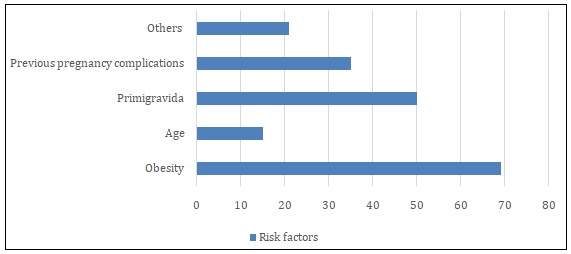
FIG. 1: RISK FACTORS FOR PIH DURING PREGNANCY
DISCUSSION: The purpose of the present study is to assess the level of awareness regarding pregnancy induced hypertension among antenatal mothers diagnosed with PIH attending the tertiary care hospital, Kallakurichi, Tamil Nadu. Around 101 antenatal mothers with PIH were enrolled in this study. Among the study participants, only 27.7% were had good knowledge, 61.4% were having positive attitude towards PIH during pregnancy and only 31.7% were having good practise levels. There was a significant association between education and knowledge level as well with knowledge and practise among the study participants with p value of <0.05.
Socio-Demographic Charecteristics and Responses: Most of the study participants were more than 20 years of age and only 7.9% were less than 20 years of age. More than half of the study participants (62.4%) were belonging to rural origin and around 71.3% were homemakers by occupation. Almost half of the antenatal mothers were primigravida (52.5%) and 56.4% were in the 3rd trimester of pregnancy. A similar study was conducted in Mizan-Tepi University Teaching Hospital, Southwest, Ethiopia 8 which has rural area antenatal mother reporting to the tertiary care hospital is about 51.4% and the percentage of primigravida is about 46.2% and modal gestational age 37-42 weeks.
Knowledge of Antenatal Mothers towards PIH: In the present study, around 68.3% were heard about PIH and only 54.5% were aware that PIH means increase in blood pressure during pregnancy. This study findings were almost like the study conducted by ESIMC PGIMSR, Bengaluru, Karnataka, India 9 whose percentage of antenatal mothers have knowledge about PIH is 71.15%. Around 41.5% were aware about the warning signs of PIH and 38.6% were aware about the complications of PIH during pregnancy. This is almost similar to a study conducted by Kumari et al in Bihar where only 34.6% of the antenatal mothers were aware about the warning signs of PIH during pregnancy 10. A study done by Abadi Kidanemarian Behre et al, also indirectly supports the current study that around 41.8% of pregnant women were having poor knowledge about PIH 11.
Fig. 1 showing the risk factors for PIH during pregnancy. Around 70% of the mothers had Obesity and 50% of the study participants were primi gravida. This was supported by the study done by Pooja Singh et al, in Chhattisgarh, India also shows that around 67.2% of the PIH were common among primi gravida 12. 0nly 27.7% of the study participants had good knowledge score which was supported by the study done by Dennis Francis Mrosso et al, that only 13.8% were having high knowledge about PIH during pregnancy 10.
Attitude and Practice of Antenatal Mothers towards PIH: Attitude assessment of the hypertensive mothers towards pregnancy revealed that majority of the mothers (82.2%) were agreed that PIH is serious during pregnancy and most of the antenatal mothers (78.2%) have agreed that BP monitoring is essential. Around 74.3% of the antenatal mothers were agreed to take the medications regularly. This is comparably higher than the study conducted in ESIMC PGIMSR, Bengaluru, Karnataka, India 9 where only 37.5% of them were ready to take the medications. There was a positive attitude among 61.4% of mothers towards PIH. Regarding practise, around 72.3% were doing regular ANC visits and 64.4% were following regular BP monitoring. The moderate level of practise in Kallakurichi district can be due to their occupation (daily wage worker), lack of home-based monitoring of blood pressure equipment, lack of support from the family members to take the mother regularly to health care facility to check blood pressure. There was significant association between education and knowledge of PIH as well as knowledge and practise levels among the study participants. This findings of maternal educational level is one of the key determinants in health awareness and heath seeking behaviour is supported by many studies 3.
CONCLUSION: The present study showed that there was a substantial gap in the knowledge, attitude and practise among the antenatal mothers with pregnancy induced hypertension visiting tertiary care centre, Kallakurichi district, Tamil Nadu. Most of the mothers don’t have adequate awareness about the warning sings of PIH, complications of PIH during pregnancy with moderate level of attitude and minimal level of practise. Female literacy and knowledge about healthcare problems plays a strong determinant for KAP regarding PIH. Recommendations: Various awareness programmes in the remote areas of the Kallakurichi district should be initiated by the health care providers to improve the knowledge about PIH among rural mothers especially to the lower socio-economic status groups and illiterate women and adolescent girls. Future studies should be focussed more on the impact of health educational interventions and level of KAP among the antenatal mothers.
ACKNOWLEDGEMENTS: Nil
CONFLICTS OF INTEREST: Nil
REFERENCES:
- Zhang J, Zeisler J, Hatch M and Berkowitz G: Epidemiology of pregnancy-induced hypertension. Epidemiol Rev 1997; 19(2): 218–232.
- Magee LA, von Dadelszen P, Stones W and Mathai M: The FIGO textbook of pregnancy hypertension: an evidence-based guide to monitoring, prevention and management. London: Global Library of Women’s Medicine 2017.
- National High Blood Pressure Education Program Working Group on High Blood Pressure in Pregnancy. Report of the national high blood pressure education program working group on high blood pressure in pregnancy. Am J Obstet Gynecol 2000; 183(1): 1–22.
- World Health Organization. Maternal health [Internet]. Geneva: World Health Organization; [cited 2026 Apr 17]. Available from: https://www.who.int/health-topics/maternal-health
- Duley L: The global impact of pre-eclampsia and eclampsia. Semin Perinatol 2009; 33(3): 130–137.
- World Health Organization. WHO recommendations for prevention and treatment of pre-eclampsia and eclampsia. Geneva: WHO 2011.
- Wang W, Xie X, Yuan T, Wang Y, Zhao F and Zhou Z: Epidemiological trends of maternal hypertensive disorders of pregnancy at global, regional, and national levels: a population-based study. BMC Pregnancy Childbirth 2021; 21(1): 364.
- Meh C, Sharma A, Ram U, Fadel S and Correa N: Trends in maternal mortality in India over two decades in nationally representative surveys. BMC Public Health 2022; 22: 364.
- Thomas R, Sunitha L, Saluja J, Ghasemidehkordi P, Nair MM and Sreelatha S: Assessment of knowledge, attitude and practice in patients with hypertensive disorders in pregnancy. J Pharm Pract Res 2020; 50(3): 1–6.
- Mrosso DF, Dominick B, Machimu A, Mwasi H, Ramadhani R and Mnyoro DT: Assessing knowledge about pregnancy-induced hypertension among pregnant women attending antenatal care at Makole Health Center. Med Rxiv [Preprint]. 2024. doi:10.1101/2024.07.24.24310928
- Gudeta TA and Regassa TM: Pregnancy-induced hypertension and associated factors among women attending delivery service at Mizan-Tepi University Teaching Hospital, Southwest Ethiopia. Ethiop J Health Sci 2019; 29(1): 85–92.
- Berhe AK, Ilesanmi AO, Aimakhu CO and Bezabih AM: Awareness of pregnancy-induced hypertension among pregnant women in Tigray Regional State, Ethiopia. Pan Afr Med J 2020; 36: 132.
How to cite this article:
Radheka KR, Srinath S, Anusha S, Keirthanaa MK and Kaviyazhini K: Assessment of knowledge, attitude and practice regarding pregnancy-induced hypertension among hypertensive antenatal mothers in Kallakurichi district, Tamil Nadu: a cross-sectional study. Int J Pharm Sci & Res 2026; 17(1): 2536-42. doi: 10.13040/IJPSR.0975-8232.17(1).2536-42.
All © 2026 are reserved by International Journal of Pharmaceutical Sciences and Research. This Journal licensed under a Creative Commons Attribution-NonCommercial-ShareAlike 3.0 Unported License.
Article Information
31
2536-2542
567 KB
295
English
IJPSR
K. R. Radheka, S. Srinath *, S. Anusha, M. K. Keirthanaa and K. Kaviyazhini
Government Medical College, Kallakurichi, Kallakurichi, Tamil Nadu, India.
srinathsamraj@gmail.com
17 April 2026
07 May 2026
08 May 2026
10.13040/IJPSR.0975-8232.17(8).2536-42
01 August 2026
 Download