




BIOACTIVITY AND SAFETY EVALUATION OF LYOPHILIZED HYDROETHANOLIC CISSUS QUADRANGULARIS EXTRACT
HTML Full TextBIOACTIVITY AND SAFETY EVALUATION OF LYOPHILIZED HYDROETHANOLIC CISSUS QUADRANGULARIS EXTRACT
T. Kamsoko, J. Chifamba, S. Zengeni and R. J. Magadza *
Department of Pharmacy and Pharmaceutical Sciences, Faculty of Medicine and Health Sciences, University of Zimbabwe, P.O. Box MP167, Mt Pleasant, Harare, Zimbabwe.
ABSTRACT: This study examined the phytochemical composition, bioactivity, and biosafety of the hydroethanolic extract of Cissus quadrangularis, a plant traditionally employed in the management of diabetes mellitus. Phytochemical analysis identified a rich presence of alkaloids, flavonoids, glycosides, and phenolic compounds, with the ethanolic fraction yielding a high total phenolic content (60.96 mg GAE/g). The in-vitro anti-inflammatory potential of the extract was assessed via the egg albumin denaturation assay across concentrations up to 1000 µg/mL and benchmarked against Diclofenac, a standard non-steroidal anti-inflammatory drug. In parallel, acute oral toxicity and biosafety were evaluated in female Sprague-Dawley rats over a 14-day period, with dosage escalation up to 5000 mg/kg body weight. The hydroethanolic extract exhibited significant, concentration-dependent anti-inflammatory activity, attaining a maximum inhibition of69.30±1.57% at 1000 µg/mL, which was comparable to the 83.45±1.27% inhibition observed with Diclofenac. Acute toxicity evaluation indicated an excellent safety profile, with no mortality or adverse clinical signs, and normal behavior, food and water intake, and weight gain observed across all groups, including the highest dose cohort. In summary, the hydroethanolic extract of Cissus quadrangularis demonstrates marked anti-inflammatory efficacy and a high safety margin, supporting its traditional use and potential for development as a safe, effective therapeutic agent.
Keywords: Cissus quadrangularis, Antioxidant, Anti-inflammatory, Acute oral toxicity
INTRODUCTION:
Cissus quadrangularis: Cissus quadrangularis is widely adapted to arid conditions prevalent in tropical and subtropical regions, with its natural distribution notably encompassing coastal and lowland ecosystems 1.The species has been extensively documented throughout Africa and India, where it holds significant ethnomedicinal value 1.
Cissus quadrangularisis frequently encountered in thickets, open forests, scrub jungles, forest peripheries, riverbanks, and wastelands situated at low to moderate elevations 2. This resilient climbing plant is referred to by a range of vernacular and international names, such as veldt grape, adamant creeper, cactus vine, kangaroo vine, stemmed vine, and winged tree bine 3.
Cissus quadrangularis is classified as a perennial herbaceous climber distinguished by its robust, succulent, quadrangular stems, which are deep green in color, glabrous, and exhibit constrictions at the nodes 4. The aerial components of the plant comprise tendrils, leaves, inflorescences, flowers, and fruits 1. The leaves are simple, displaying ovate or reniform shapes with serrulate or dentate margins and variable lobation. Flowers, which emerge from the stem, are pink to white in coloration, cup-shaped, and possess four well-defined ovate-oblong petals. The fruit is represented by globose, red, acidic berries, each containing a single, smooth, obovoid seed 3. The principal flowering and fruiting phases occur during June and July, delineating the reproductive period of the species in its natural habitat 1.
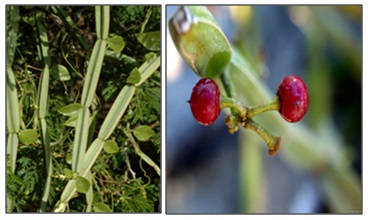
FIG. 1: CISSUS QUADRANGULARIS PLANT AND FRUIT
Traditional uses of Cissus quadrangularis: A comprehensive review of traditional literature regarding Cissus quadrangularis reveals its widespread use in managing various health conditions affecting both humans and animals across different regions 1. The plant is commonly employed in the treatment of conditions such as fractures, pain, inflammation, osteoporosis, rheumatoid arthritis, and osteoarthritis 5. The plant has been claimed to treat a range of conditions, such as diabetes, swelling, hemorrhage, anorexia, flatulence, dyspepsia, colic, chronic ulcers, hemoptysis, convulsions, skin diseases, leprosy, and helminthiasis 4.
Anti-inflammatory and Antioxidant Secondary Metabolites: The plant extracts of Cissus ouadrangularis show the presence of several notable secondary metabolites 3. These include alkaloids, flavones and flavonoids, saponins, phytosterols, steroids, stilbenes, triterpenoids, tannins, carotene, cardiac glycosides, and vitamins, with an emphasis on vitamin C 4. The secondary metabolites present in Cissus quadrangularis encompass a diverse range of bioactive compounds, many of which are recognized for their significant roles in diabetes management 5. Alkaloids are a diverse group of naturally occurring compounds recognized for their substantial antidiabetic effects. Through multiple biochemical pathways, they enhance insulin secretion, facilitate glucose uptake, and suppress the process of gluconeogenesis 6. Glycosides exert hypoglycemic effects by enhancing insulin sensitivity and inhibiting carbohydrate conversion. Compounds such as myrciacitrins and myrciaphenones inhibit both aldose reductase and α-glucosidase, key enzymes in glucose metabolism 4. Flavonoids, a major group of polyphenolic compounds, contribute to diabetes management by mimicking insulin, stimulating its secretion, and slowing down glucose digestion 3.
MATERIALS AND METHODS:
Materials, Equipment and Facilities: All chemicals, equipment, associated reagents and facilities for the in-vitro and bioactivity assays were obtained from the laboratories at the University of Zimbabwe, Faculty of Medicine and Health sciences, Pharmacy and Pharmaceutical Sciences Department in 2026. This study was conducted with approval from the Joint Research and Ethics Committee of the University of Zimbabwe College of Health Sciences and Parirenyatwa Group of Hospitals (JREC/484/2025).
Cissus ouadrangularis Plant Material Collection, Identification and Authenticationl: The fresh plant of Cissus quadrangularis was collected from Makoni District, Rusape 18° 32' 7" S (Latitude) and 32° 8' 6" E (Longitude), during the month of November 2025 after carefully examining the location’s surrounding. Samples of the plants were authenticated on 4 November 2025 and identified at the National Herbarium and Botanical Garden, by the Research Officer and was identified as Cissus quadrangularis. The stem of the plant was used for this study. The plant was stored under the shed at room temperature.
Plant Preparation: The stem was sun dried for at least three weeks and were later pulverized with a mortar and pestle. The materials were then grounded into fine powder using a coffee grinder (Hamilton Beach Coffee Grinder Model- 80410). For phytochemical screening, 500g of the powdered plant material were macerated into 1000ml of 70% hydroethanolic solution in a sterile bottle. The mixture was macerated for 3 days with constant continuous shaking for 3 minutes, twice daily. Primary filtration was performed using a muslin cloth, followed by secondary filtration (vacuum pressure filtration), using a Whatman number 1 filter paper. The filtrate was then concentrated using the rotary vapor, (Rotavapor R300, Buchi, Switzerland) under reduced pressure, 56Pa, to remove excess ethanol. This was followed by lyophilization at low pressure of 177 mTorr and ultra-low temperature of -52 °C using a Heto Freeze dryer model three 3. The dried extract was stored in an airtight, sterile amber bottle at 4 °C. Method by Chifamba et al 2025 was used as a guide 7. The percentage yield obtained was calculated using the following equation.
Equation 1:
Yield (%w/w) = Obtained mass of plant extract (g) / Amount of plant material soaked (g) × 100
Phytochemical Screening of Cissus ouadrangularis: 3g of the hydroethanolic extract of Cissus ouadrangularis was dissolved in 50ml distilled water and subjected to various phyto-chemical screening techniques to confirm the presence or absence of the important phytoconstituents of pharmacological interest.
TABLE 1: PHYTOCHEMICAL SCREENINGTESTS
| Test | Procedure | Reference |
| Test for flavonoids | To 2ml of the plant extract solution, 2mls of dilute ammonia solution was added, followed by a few drops of concentrated sulphuric acid | [7] |
| Test for alkaloids | To 2mls of the extract, a few drops of Wagner’s reagent were added along the sides of a test tube | [8] |
| Test for tannins | To 3mls of Cissus quadrangularis extract, added 4 drops of 10% ferric chloride solution | [8] |
| Test for glycosides | To 2ml of Cissus quadrangularis, 1.5ml of glacial acetic acid was added followed by 1 drop of 5% ferric chloride and 2 drops of concentrated sulphuric acid alongside of the test tube | [8] |
| Test for phenols | A few drops of ferric chloride were added to 2mls Cissus quadrangularis extract | [7] |
| Test for Saponins | To 2ml of the extract, 5mls of distilled water were added, the mixture was then shaken in a granulated cylinder for 10 minutes | [7] |
Acute Oral Toxicity: The acute oral toxicity assessment of Cissus ouadrangularis was conducted following a modified version of OECD Guidelines 425 and study methods by Chifamba, et al., 2025 with a few modifications 7, 9. This modification was done to estimate LD50 while using fewer animals. Six healthy, nulliparous and non-pregnant female Sprague Dawley rats aged 8- 10 weeks and weighing 215g-220g were selected for the acute oral toxicity assessment. The rats were individually housed and acclimatized to the laboratory conditions for 10 days 7. They were maintained in well-ventilated cages with free access to commercial rodent feed and water to ensure nutritional adequacy. Their welfare was monitored by a professional throughout the study.
Study Design: The animals were fasted overnight with access to drinking water to ensure accurate absorption assessment 7. Each rat was dosed individually via oral gavage using a fixed volume of plant extract. The doses ranged from 50, 500, 1000, 2500 and 5000mg/kg body weight at 48-hour interval. The dose range follows a logarithmic escalation starting at a conservatively “sighting limit” level and a progressively increasing to a limit dose to efficiently and ethically identify the toxicological threshold and LD50 while minimizing unnecessary animal exposure. If the rate survived, the dose for the next rat was increased and if the animal died, the next dose was reduced. The doses were prepared by dissolving the lyophilised hydroethanolic Cissus ouadrangularis extracts in distilled water to achieve the desired concentration. The control animal received an equivalent volume of distilled water.
Post Dosing Observations and Toxicity Monitoring: Post administration, each animal was closely monitored for the initial 30mins for any acute signs of toxicity, including tremor, convulsions, salivation, diarrhoea, drowsiness and urination frequency 9. Subsequent observations were made twice daily for 14 days, during which clinical parameters including skin and fur, ocular and mucous membrane appearance, respiratory patterns, locomotor activity and food and water consumption were monitored and recorded. Body weights were measured on day 1, 7 and 14 7. A veterinary specialist oversaw these observations to promptly identify and document any adverse clinical signs or mortality. This protocol allowed for the ethical assessment of the acute oral toxicity of Cissus ouadrangularis.
Euthanasia and Post-Study Handling: All surviving animals were humanly euthanised by cervical dislocation, adhering to AVMA guidelines for the ethical euthanasia of laboratory animals, at the end of the study period.
Anti-inflammatory Assay: The egg albumin test was used to determine the anti-inflammatory activities of lyophilizedhydroethanolic Cissus ouadrangularis extracts. Methods by Onyeka, et al 2022 and HDT 2023 were used as a guide 10, 9. Stock solution of the plant extracts were prepared at a concentration of 10mg/ml in 0.4% dimethyl sulfoxide (DMSO). Diclofenac stock solution was prepared at an equivalent concentration using the same solvent. The diclofenac stock solution was used as the positive control. Serial dilutions of both solutions were then performed to attain final concentration of 50, 100, 250, 500, 750 and 1000µg/ml in the reaction mixture. Test tubes were labelled and each test tube was allocated 0.4 ml of the fresh egg albumin, 0.5ml of either 0.5ml of either the lyophilizedhydroethanolic Cissus ouadrangularis extract or diclofenac, in addition to 3ml of phosphate-buffer saline (PBS). The negative control test tubes were prepared with 0.4ml of egg albumin, 0.5ml of 0.4% DMSO and 3ml of PBS. Following preparation, the mixtures were incubated at 37°C for 20 minutes and then subjected to a water bath at 65°C for 30 minutes to induce protein denaturation. After cooling, absorbance readings were obtained at 660nm using a UV/Vis spectrophotometer with 0.4% DMSO employed as the blank. The percentage inhibition of protein denaturation was then calculated using the equation below:
Equation 2:
Inhibition% = (Abs(control) - Abs(sample) / (Abs(control) × 100
Abs (control) - The absorbance of the negative control (Reaction mixture containing phosphate-buffered saline and egg albumin). Abs (sample) -The absorbance of the test sample (Reaction mixture containing phosphate-buffered saline, egg albumin and the plant extract/Standard drug).
Anti-oxidation Assay:
Total Phenolic Content:The quantification of total phenolic content in the extracts was conducted using the Folin-Ciocalteu reagent assay, following established protocols with slight modifications 11. A gallic acid stock solution was prepared at a concentration of 5 mg/mL by dissolving 5 mg of gallic acid in 1 mL of distilled water. Serial dilutions of this stock solution were then performed to generate five different concentrations of gallic acid standard solutions: 0.04, 0.08, 0.12, 0.16, and 0.2 mg/mL. The lyophilizedhydroethanolic Cissus ouadrangularis extract was reconstituted in distilled water to a concentration of 10 mg/mL. Immediately prior to use, the Folin-Ciocalteu reagent was diluted 10-fold with deionized water. Aliquots of 0.25 mL of each gallic acid standard solution and 0.25 mL of each plant extract solution were transferred into separate test tubes.
To each test tube, 1.25 mL of the 10-fold diluted Folin-Ciocalteu reagent was added, and the mixture was allowed to react for 5 minutes at room temperature. Subsequently, 2 mL of 7.5% sodium carbonate combined with folin solution was added to each test tube, and the final volume in each test tube was adjusted to 5 mL with distilled water. The test tubes were then incubated in the dark at room temperature for 60 minutes to facilitate color development. After incubation, the absorbance at 760 nm was measured spectrophotometrically, using the Folin-Ciocalteu reagent combined with sodium carbonate solution as a blank. All experiments were performed in triplicate. A calibration curve was generated by plotting the absorbance values of the gallic acid standard solutions against their corresponding concentrations. This calibration curve was used to determine the total phenolic content in lyophilizedhydroethanolic Cissus ouadrangularis extract by comparing the absorbance of the extract solution to the gallic acid calibration curve. The results were expressed as milligrams of gallic acid equivalents per gram of the sample. The total phenolic content was calculated using the formula derived from the gallic acid calibration curve:
Equation 3:
Total Phenolic Content (mg GAE/g) = C × V/M
Where, C is the concentration of gallic acid determined from the calibration curve (mg/mL), V is the volume of the extract in mL, M is the weight of the dry plant extract in grams.
RESULTS AND DISCUSSIONS:
Percentage Yield of the Hydroethanolic Extract of Cissus ouadrangularis: In this study, hydro-ethanolic extraction of Cissus quadrangularis produced a yield of 15 grams from 500 grams of dried plant material, corresponding to a 3% extraction efficiency. This result is lower than previously reported extraction yields for Cissus quadrangularis, which typically range from about 4% to 24%, depending on the solvent system and extraction methods employed 12. The elevated yield observed in the present work may be attributed to methodological optimizations such as refined maceration periods, controlled extraction temperatures, and carefully adjusted solvent-to-solid ratios. Additionally, the yield of plant extract is substantially influenced by the geographical origin of the collected material. Environmental parameters including soil composition, climate conditions, altitude, and seasonal changes play a crucial role in determining the biosynthetic capacity of the plant to produce secondary metabolites 11.
The qualitative phytochemical screening of the hydro-ethanolic extract of Cissus quadrangularis revealed a notably dense concentration of secondary metabolites, including alkaloids, flavonoids, glycosides, and phenolic compounds, all demonstrating a strong presence (+++) Table 2. The effectiveness of the hydro-ethanolic solvent system is particularly significant in this context, as it efficiently partitioned both polar and semi-polar phytochemicals. This comprehensive phytochemical profile underscores the extract’s substantial pharmacological potential 1. The high concentration of glycosides (+++) in the extract is aligned with mechanisms by which glycosides exert hypoglycemic effects, namely through the inhibition of carbohydrate conversion and the reduction of intestinal glucose absorption 13. Similarly, the substantial presence of flavonoids (+++) and phenolic compounds (+++) indicates a strong potential for insulin-mimetic activity. Flavonoids such as quercetin and rutin are well-documented for their ability to enhance insulin signaling and decrease hepatic glucose output 13.
TABLE 2: PHYTOCHEMICAL ANALYSIS OF CISSUS QUADRANGULARIS
| Test | Presence in Hydro-ethanolic extract |
| Alkaloids | +++ |
| Flavonoids | +++ |
| Saponins | ++ |
| Phenols | +++ |
| Tannins | ++ |
| Glycosides | +++ |
Key (+) present, (-) absent, (++) Present in moderate amounts, (+++) Present in abundance.
While this study focuses on qualitative phytochemical screening to identify the presence of bioactive classes such as flavonoids, tannins, and saponins, it is acknowledged that quantitative analysis such as the determination of total phenolic or flavonoid content and marker-based chromatographic profiling would provide a more granular understanding of the extract's composition. Within the scope of this research, the qualitative screening serves as a foundational step to confirm the existence of known therapeutic metabolites, which provides a basis for future bio-guided fractionation and quantitative characterization.
Acute Oral Toxicity Evaluation: The acute oral toxicity assessment was conducted in accordance with the OECD Technical Guideline 425. All observations and interpretations were performed under the supervision of a qualified veterinary expert from the Department of Animal Sciences. An initial dose of 250 mg/kg was selected based on existing toxicological data, ensuring it remained below the estimated LD50 threshold. Following administration, rats were monitored twice daily for signs of mortality and morbidity. In addition, clinical manifestations of toxicity were recorded every hour for the first 12 hours post-dosing. Body weight was measured daily to identify any physiological changes. This systematic protocol provided a comprehensive evaluation of the extract’s safety profile and maintained adherence to ethical standards for animal experimentation. The results demonstrated that administration of the extract at doses up to 5000 mg/kg body weight did not produce observable signs of toxicity or cause mortality in rats, indicating a favorable safety profile. Consistent increases in body weight throughout the study period suggest that the extract does not induce systemic toxicity or disrupt normal metabolic processes, even at high concentrations Fig. 2 Table 3. Notably, no animals were withdrawn from the study for any reason during the observation period. Although no mortality occurred, pre-defined humane endpoints including excessive weight loss (>20%), prolonged lethargy, or failure to access food and water were established to ensure ethical intervention if adverse clinical signs had appeared. These findings are consistent with those reported by Kavitha et al., who also estimated the LD50 of Cissus quadrangularis extract to be more than 5000 mg/kg body weight 5. Therefore, the results of this study indicate that even high concentrations of the extract can be used to achieve desired bioactive effects in Cissus quadrangularis L.-based treatments without posing a toxicity risk. Consequently, the safety profile of the lyophilized hydroethanolic Cissus quadrangularis extract was determined based on clinical observations, behavioral monitoring, and mortality rates over the 14-day observation period. While these clinical findings provide robust evidence of the extract's high margin of biosafety at the tested doses, future studies incorporating detailed histopathological examinations are recommended to confirm the absence of sub-acute or sub-chronic tissue-level changes.
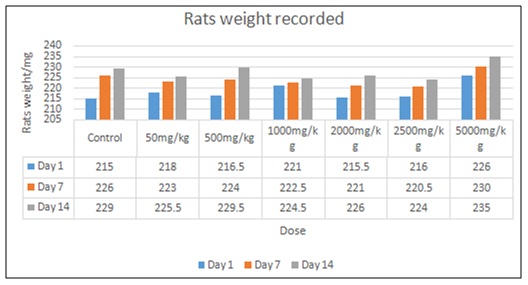
FIG. 2: WEIGHT GAIN RECORDED ON DAY 1, DAY 7 AND DAY 14
TABLE 3: BEHAVIOURAL OBSERVATIONS
| Observed Parameter | Dose of Cissus ouadrangularis L. in mg/kg body weight | ||||||
| Control | 50mg/kg | 500mg/kg | 1000mg/kg | 2000mg/kg | 2500mg/kg | 5000mg/kg | |
| Water intake | Normal | Normal | Normal | Normal | Normal | Normal | Normal |
| Death | Alive | Alive | Alive | Alive | Alive | Alive | Alive |
| Breathing | Normal | Normal | Normal | Normal | Normal | Normal | Normal |
| defecation | Normal | Normal | Normal | Normal | Normal | Normal | Normal |
| Erection of fur | Not observed | Not observed | Not observed | Not observed | Not observed | Not observed | Not observed |
| Urination | Normal | Normal | Normal | Normal | Normal | Normal | Normal |
| Skin color | Normal | Normal | Normal | Normal | Normal | Normal | Normal |
Anti-inflammatory Evaluations: The anti-inflammatory efficacy of the Cissus quadrangularis extract was evaluated and compared against the standard reference drug, Diclofenac, across a concentration gradient ranging from 50 to 1000 µg/mL Table 4 and Table 5. Both substances exhibited a clear, dose-dependent increase in percentage inhibition. Diclofenac demonstrated superior inhibitory activity at all tested concentrations, yielding an IC50 of 271 µg/mL, whereas Cissus quadrangularis showed an IC50 of 492 µg/mL. At the maximum tested concentration of 1000 µg/mL, Cissus quadrangularis achieved 69.30 ± 1.57% inhibition, whereas Diclofenac reached 83.45 ± 1.27%. Furthermore, a two-way ANOVA revealed a statistically significant difference between the inhibition profiles of Cissus quadrangularis and Diclofenac (p < 0.05), with Sidak’s post-hoc analysis confirming that the standard drug significantly outperformed the plant extract across the dose range (p < 0.001).The findings of this study demonstrate that Cissus quadrangularis extract possesses notable, dose-dependent anti-inflammatory activity, achieving up to nearly 70% inhibition at the highest concentration tested. Although Diclofenac exhibited a lower IC50 and greater overall potency due to its status as a purified, single-entity pharmaceutical agent, the moderate IC50 of the Cissus extract underscores its pharmacological relevance. In the broader context of Cissus quadrangularis research, its anti-inflammatory potential is well-documented; studies have shown that specific constituents can modulate complex biological processes, including the inhibition of cyclooxygenase enzymes and the downregulation of pro-inflammatory cytokines such as IL-6 and TNF-alpha 4. The protein-stabilizing capacity observed in this study serves as a preliminary, non-cellular indication of the extract's bioactivity, which, when considered alongside the established phytochemical profile of Cissus quadrangularis, warrants further investigation using cell-based assays to confirm direct pathway modulation and therapeutic efficacy.
TABLE 4: RESULTS FOR CISSUS QUADRANGULARIS
| Concentration ug/ml | % Inhibition Cissus ouadrangularis Reps | Mean ± SD | |||
| 1 | 2 | 3 | 4 | ||
| 50 | 7.2 | 8.1 | 8.5 | 9.5 | 8.33±1.59 |
| 100 | 20.5 | 21.4 | 22.0 | 23.1 | 21.75±1.58 |
| 250 | 34.2 | 35.0 | 35.5 | 36.4 | 35.28±1.46 |
| 500 | 49.9 | 50.7 | 51.3 | 52.2 | 51.03±1.58 |
| 750 | 61.2 | 62.1 | 62.7 | 63.6 | 62.40±1.55 |
| 1000 | 68.1 | 69.0 | 69.6 | 70.5 | 69.30±1.57 |
TABLE 5: RESULTS FOR DICLOFENAC
| Concentration ug/ml | % Inhibition Diclofenac Reps | Mean ± SD | |||
| 1 | 2 | 3 | 4 | ||
| 50 | 14.4 | 15.0 | 15.5 | 16.2 | 15.27±1.24 |
| 100 | 28.2 | 28.9 | 29.5 | 30.2 | 29.20±1.42 |
| 250 | 46.6 | 47.4 | 48.0 | 48.4 | 47.61±1.32 |
| 500 | 64.7 | 65.5 | 66.1 | 66.5 | 65.69±1.32 |
| 750 | 76.4 | 77.2 | 77.8 | 78.0 | 77.35±1.26 |
| 1000 | 82.5 | 83.3 | 83.9 | 84.1 | 83.45±1.27 |
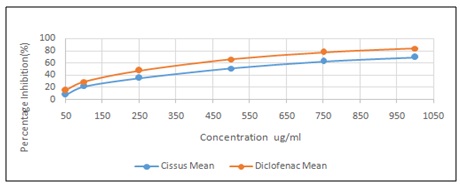
FIG. 3: DOSE-RESPONSE CURVE OF CISSUS QUADRANGULARIS AND DICLOFENAC
Antioxidation Evaluation: The substantial phenolic content quantified in Cissus quadrangularis extracts supports the plant’s traditional use in managing Diabetes Mellitus 3. The high concentration of aromatic hydroxyl groups in the phenolics of Cissus quadrangularis extracts enables these compounds to act as electron donors and neutralize free radicals, thus disrupting oxidative stress pathways 14. Additionally, polyphenols in Cissus quadrangularis may protect vascular endothelial walls from advanced glycation end-products 15. The hydroethanolic extract of Cissus quadrangularis yielded a total phenolic content of 60.96 mg GAE/g extract.
CONCLUSION: This study shows that hydroethanolic stem extract of Cissus quadrangularis contains a variety of important phytochemicals, including alkaloids, flavonoids, glycosides, and phenolics, with a total phenolic content of 60.96 mg GAE/g.
The extract demonstrated moderate concentration-dependent in-vitro anti-inflammatory activity, reaching 69.30±1.57% inhibition at 1000 µg/mL, comparable to Diclofenac's 83.45±1.27%, suggesting its promise as a natural alternative for chronic inflammation. Acute oral toxicity tests in female rats revealed no negative effects or mortalities even at doses up to 5000 mg/kg, confirming high biosafety. Overall, the extract is potent and non-toxic, supporting its future pharmaceutical development for inflammatory and metabolic disorders.
ACKNOWLEDGEMENT: We wish to acknowledge the provision of laboratory facilities, equipment and study animals by the University of Zimbabwe, department of pharmacy and pharmaceutical sciences.
Authors’ Contributions: This work was carried out in collaboration among all authors. Authors TK, SZ and RJM participated in data collection and drafting of the manuscript. Author JC reviewed the study design and approved the final manuscripts. All authors read and approved the final manuscript.
Ethical Approval: Prior to the investigations, animal use and research ethics approvals were obtained from the Joint Parirenyatwa Research Ethics Committee (JREC/484/2025) which is the local research Institutional Review board for the University of Zimbabwe.
CONFLICTS OF INTERESTS: Authors have declared that they have no known competing financial interests or non-financial interests or personal relationships that could have appeared to influence the work reported in this paper.
REFERENCES:
- Hamid HS and Patil SA: "Phytochemical and Pharmacological review of an Indian plant: Cissus quadrangularis." Medical Sciences forum 2023; 21: 20.
- Robert GW, Qing-feng W, Yong W and You-hao G: "A taxonomic Investigation of Variation within Cissus quadrangularis L (Vitaceae) in Kenya." Wuha University J Nat Scie 2001; 6: 715-724.
- Komal S, Rani S and Mahato RB: "Ethnobotanical review and therapeutic potential of Cissus quadrangularis in metabolic disorders." Journal of Herbal Medicine 2019; 16: 100251.
- Chidambaram J and Carani V: "Protective effects of Cissus quadrangularis on pancreatic islet cells in streptozotocin-induced diabetic rats." Journal of Ethnopharmacology 2010; 129(3): 320-326.
- Kavitha A, Babu NA, Nadendla RR and Sekhar C: "Acute toxicity study of Cissus ouadrangularis in swiss albino mice." Panacea Journal of Pharmacy and Pharmaceutical Sciences 2018; 7: 3.
- Onyeka C: "Phytochemical screening and in-vitro anti-inflammatory activities of medicinal plant extracts." Journal of Ethnophamacology 2022; 285: 114-122.
- Chifamba J, Chimbaira BM, Magadza RJ, Chipato WE and Zengeni S: "Eco-friendly biosynthesis of anti-mycobcterium silver nanoparticles using Ficus ingens for pontential use in tuberculosis and leprosy." Journals of Materials Science Research and Reviews2025; 8(3):529-544.
- Silva G, Abeysundara AT and Aponso M: "Extraction methods, qualitative techniques for screening of phytochemicals from plants." American Journal of Essential Oils and Natural Products 2017; 5(2): 29-32.
- OECD, "Guidelines for the testing of new chemicals revised draft guideline; acute oral toxicity 2001.
- HDTM: "In-vitro anti-inflammatory egg albumin denaturation assay: An Enhanced Approach 2023; 7(3): 1-6.
- Zengeni S, Chifamba JM, Mutingwende I and Manyarara T: "Investigation of the phytochemistry and antioxidant activity of Pterocarpus angolensis (Mubvamaropa) from Mupandawara." International Journal of Biochemistry Research and Review 2021; 5(30): 29-36.
- Jainu M, Vijaimohan K and Kannan K: "Cissus quadrangularis extract attenuates chronic ulcer by possible involvement of polyamines and proliferating cell nuclear antigen." Pharmacognosy Magazine 2010; 6(23): 225-233.
- Shihab AM, Abir AA, Saleh AK, Maha A, Hussein S, Mohamed-Rachid B, Khalid MAK, Rahma AH, Ammar B and Jumana S: "Evidence based human clinical trials on antidiabetic herbal remedies commonly used in the Middle East." Sultan Qaboos University Medical Journal 2025; 25: 418-425.
- Joan R, Jennifer S and Kumar A: "Antioxidant capacity and free radical scavenging activity of aromatic hydroxyl groups in medicinal plant extracts." Free Radical Research 2021; 55(4): 412-421.
- Jakimiuk K, Tomczyk M and Wink M: "Polyphenols from Vitaceae family protecting vascular endothelial walls against advanced glycationend-products." Phytomedicine 2022; 98: 153940.
How to cite this article:
Kamsoko T, Chifamba J, Zengeni S and Magadza RJ: Bioactivity and safety evaluation of lyophilized hydroethanolic Cissus quadrangularis extract. Int J Pharm Sci & Res 2026; 17(10): 2976-84. doi: 10.13040/IJPSR.0975-8232.17(10).2976-84.
All © 2026 are reserved by International Journal of Pharmaceutical Sciences and Research. This Journal licensed under a Creative Commons Attribution-NonCommercial-ShareAlike 3.0 Unported License.
Article Information
12
2976-2984
283 KB
7
English
IJPSR
T. Kamsoko, J. Chifamba, S. Zengeni and R. J. Magadza *
Department of Pharmacy and Pharmaceutical Sciences, Faculty of Medicine and Health Sciences, University of Zimbabwe, P.O. Box MP167, Mt Pleasant, Harare, Zimbabwe.
ropamagadza01@gmail.com
10 June 2026
08 August 2026
25 September 2026
10.13040/IJPSR.0975-8232.17(10).2976-84
01 October 2026
 Download