




BIOACTIVITY AND SAFETY OF HYDRO-ETHANOLIC ZANTHOXYLUM HUMILE
HTML Full TextBIOACTIVITY AND SAFETY OF HYDRO-ETHANOLIC ZANTHOXYLUM HUMILE
F. J. Takavarasha * and J. Chifamba
Department of Pharmacy and Pharmaceutical Sciences, Faculty of Medicine and Health Sciences, University of Zimbabwe, P. O. Box MP167, Mt Pleasant, Harare, Zimbabwe.
ABSTRACT: Introduction: Zanthoxylum humile, a medicinal plant belonging to the Rutaceae family, has been used for many years in traditional medicine to treat various illnesses. Zanthoxylum plants have been used to treat infections caused by parasites (malaria, leishmaniasis, trypanosomiasis, and other parasitic diseases), as well as sickle cell disease, tumors, and bacterial, fungal, and viral infections. However, there is very little scientific research on the ethnomedical claims around Z. humile. The present study aims to explore the phytoconstituents of the hydroethanolic bark extract, screen for antioxidant activity, and determine the plant's safety. Methods: Zanthoxylum humile bark was subjected to maceration using hydroethanolic solvent to obtain an extract. Phytochemical screening was performed using gas chromatography–mass spectrometry (GC–MS) to identify bioactive compounds. The antioxidant activity was evaluated using the DPPH assay. Acute oral toxicity was evaluated in accordance with the OECD 425 guideline to determine the safety profile of the extract. Results: GC–MS analysis revealed multiple bioactive phytochemicals, including 2-Methoxy-4-vinylphenol, resorcinol, and copaene, supporting the therapeutic relevance of Zanthoxylum humile. The extract exhibited strong antioxidant activity, with an IC50 value of 8.59 µg/ml in the DPPH antioxidant assay. The OECD 425 acute toxicity study demonstrated an LD₅₀ greater than 2500 mg/kgBW with no mortalities or observable clinical signs of toxicity, indicating a favourable safety profile. Conclusion: Zanthoxylum humile bark extract demonstrated strong antioxidant activity and a good safety profile, indicating its potential as a source of therapeutic agents.
Keywords: Zanthoxylum humile, Phytochemical screening, GC-MS, Antioxidant, Acute Oral Toxicity
INTRODUCTION: Zanthoxylum humile (E.A. Bruce) P.G. Waterman belongs to the Rutaceae family. It is commonly known as Hairy knob-wood (E) and Monokwane in Sotho. The roots and bark are traditionally used to treat bacterial infections 1.
Z. humile roots are used in Zimbabwean traditional medicine to treat chest pains and flu 2. The plant is covered in short grey hairs and thorns along the branches. The tree is deciduous and grows to a height of 3 meters.
Z. humile grows in different places, from KwaZulu-Natal, Limpopo, and Mpumalanga provinces in South Africa to Mozambique and the southern parts of Zimbabwe. The plant can be male or female, with males producing only flowers while females produce both flowers and fruits 3.
Zanthoxylum Genus in Traditional Medicine: The genus Zanthoxylum has gained attention for demonstrating strong antibacterial properties across multiple studies 4. Zanthoxylum species decoctions have long been used to treat a variety of infections, particularly parasitic infections (malaria, leishmaniasis, trypanosomiasis, and other parasitic diseases), as well as sickle cell disease, tumours, and bacterial, fungal, and viral infections. A lot of medicinal properties have been reported for members of the Zanthoxylum genus 5. Papo 3 mentioned that, traditionally, decoctions of the root bark are used to treat flu, colds, sore throat, diarrhoea, diabetes, hypertension, wound healing, and toothaches in areas of Limpopo, Zimbabwe, and Mozambique.
The Zanthoxylum genus has many plants that are used in food and traditional medicine. The Z. species are found in many places across Asia, America, and Africa. Phytochemicals isolated from Z. species have been reported to have many pharmacological properties, such as anti-inflammatory, anti-diabetic, antibacterial, anti-tumour, anti-viral, anti-malarial, anti-fungal, and anti-parasitic effects 3. Decoctions of the leaves, roots, seeds, and bark are used in traditional medicine. The plant may also be chewed raw or ground into a powder and applied directly to wounds. Seeds and fruit are also used in Asia as a spice for cooking 3. In a study by Wekesa et al. 6 on the drug-likeness and Absorption, Distribution, Metabolism, Excretion, and Toxicity (ADMET) properties of 406 secondary metabolites isolated from the genus Zanthoxylum, they reported that 81% of the phytochemicals met Lipinski’s rule of five and exhibited very high oral bioavailability. It was also predicted that 9.1% of the secondary metabolites were lead-like, making them promising candidates for drug development.
Plant Secondary Metabolites: Secondary metabolite synthesis occurs during periods of stress, and since ancient times, they have been used to treat various ailments 7. Phytochemicals are secondary metabolites that possess antibacterial, antiviral, anti-inflammatory, antioxidant, antifungal, anthelminthic and antitumour properties 7, 8. The classes into which various phytochemicals fall include polyphenols, saponins, and phytosterols. Their natural origin may confer less toxicity as compared to synthetic drugs 8. The pharmacological value of phytochemicals arises from their diverse chemical structures, which allow them to interact with several biochemical pathways 9. A major contributor to the pharmacological utility of phytochemicals is their potent antioxidant activity. Phenolics and terpenoids are effective radical scavengers that protect cellular machinery from oxidative damage by neutralizing reactive oxygen species 10. They can also activate endogenous defence mechanisms, such as the Nrf2-HO-1 signalling pathway, which upregulates antioxidant enzymes to maintain cellular redox homeostasis. These properties are crucial for the prevention and management of chronic conditions that are caused by oxidative stress 11.
Many studies have noted the potential that phytochemicals have as antimicrobial agents. Phytochemicals, alone or in combination with antibiotics, can enhance antibacterial activity against several bacteria 12. Phytochemicals possess antibacterial properties and employ various mechanisms such as inhibition of drug efflux pumps and inhibition enzymes responsible for drug degradation; restraining bacteria DNA and RNA synthesis 13. They also kill bacterial cells by increasing membrane permeability and binding to DNA phosphate groups e.g. P -coumaric phenolic compound 14; interference with microbial DNA synthesis and respiration (Naphthaquinolone), disruption of microbial membrane and interfering with biofilm formation (emodin and rhein), interfering with microbial cell signalling metabolism and mycelian structure 15. Resperpine alkaloid has the effect to reverse multidrug resistance by altering efflux pumps. Michellamine B another alkaloid, functions by inhibiting vital enzymes resulting in poor cellular metabolism and eventually death 16. Terpenes also exhibit activity against a range of bacterial and mycobacteria. α-terpineol, terpinen-4-ol, δ-terpineol, and 1,8-cineole function by destabilizing the cytoplasmic membrane 17.
Secondary Metabolites in Zanthoxylum Plants: Zanthoxylum plants possess a wide variety of phytochemicals, including alkaloids, terpenes, flavonoids, lignans, amides, and coumarins, with alkaloids constituting the largest group.
Among the alkaloids that have been found in the Z. species are Sanguinarine, Fagarine I (Z. gilletii), Skimmianine (Z. zanthoxyloides), Zanthoxyline (Z. fagara), N–Methylcanadine, Zanthosimuline, Zanthobugeanine (Z. bungeanum), Oxychelerythrine (Z. nitidum), and Bocconoline (Z. davyi). The Z. species is rich in flavonoids, namely Quercitrin (Z. zanthoxyloides), Hesperidin, Eriocitrin, Datiscin, and Quercetin-3-O-Glucopyranoside (Z. zanthoxyloides) 6. Coumarins that have been found in the Z.species include 8-Formylalloxanthoxyletin, Avicennol, Xanthoxyletin, Scopoletin (Z. avicennae), Hydrangetin, and Amottianamide (Z. schinifolium). Phenols and phenolic compounds that have been found in the Z. species include 2-Methoxy-4-hydroxylphenyl - 1 - O -α - L - rhamnopyranosyl-(100→6 0)- β-D-glucopyranoside (Z. armatum), Cuspidiol, Caffeic acid, Chlorogenic acid, Hydrocuspidiol (F. zanthoxyloides). The Z. species are rich in secondary metabolites 5.
This study focuses on screening phytochemicals, evaluating the antioxidant activity, and assessing the safety of the Z. humile bark extracts.
MATERIALS AND METHODS:
Materials, Equipment and Facilities: Ethanol (99.9%, Sigma Aldrich); Orbital shaker (Stuart Scientific Orbital shaker SO1); Whatman filter paper (Number 1); Rotar evaporator (Rotavapor® R-300, Buchi, Switzerland); Distiller (A20, BIOBASE, China); Sulphuric acid (98%, Sigma Aldrich); Glacial acetic acid (Sigma Aldrich); Ferric chloride (Sigma Aldrich); Sodium chloride; Gelatin solution; Wagner’s reagent ; Ammonia (Sigma Aldrich); Methanol (Sigma Aldrich); Gas Chromatography Mass Spectrometer (Agillent 5977B MSD); ThermoScientific Microplate photometer (Multiskan FC, China). The chemicals and equipment used to carry out extraction, in-vitro bioactivity assays, and in-vivo toxicity tests were obtained from the University of Zimbabwe Faculty of Medicine and Health Sciences Laboratory and the University Animal House.
Zanthoxylum humile Plant Material Collection and Preparation: The plant material was collected from Zvishavane (20°19’36” S, 30°03’59” E). Collection was done from 5 different plants in observance of the rules of Zimbabwe’s sustainable Harvest of Traditional Medicinal plants. Plant authentication was conducted at the National Herbarium on 15 October 2025 by KB Mutasa at Botanical Garden in Harare, Zimbabwe. The Specimen was deposited at SRGH as voucher specimen FT0001. The Z. humile bark was thoroughly washed to remove debris and shade-dried at room temperature (approximately 25-30°C) until a constant weight for three weeks.
Extraction of Phytochemical Constituents: The dried bark was then pulverized in a mortar and pestle and sifted to a coarse powder. Phytochemical extraction was carried out by adding 450g of powdered bark to 2300ml hydro-ethanolic solvent (70% ethanol and 30 % distilled water v/v) in a clean flat-bottomed flask at a plant-to-solvent ratio of 1:5 and macerated for 72 hours, with constant shaking on an orbital shaker (Stuart Scientific Orbital shaker SO1). Extraction was carried out with a single maceration cycle, and the marc was not subjected to further extraction.
The mixture was initially filtered through muslin cloth to remove coarse particles; further clarification was achieved by filtration through Whatman No. 1 filter paper. The filtrate was then concentrated under reduced pressure at 50°C (Rotavapor® R-300, Buchi, Switzerland), followed by air-drying in a fume hood. The extract was then stored in a sample bottle, wrapped in parafilm, and kept at 4±0.2 °C in a refrigerator until required and used within 2 months for all subsequent tests. The percentage yield of phytochemicals was calculated using Equation 1,
Percentage yield % = (Mass of extract / g) / (Mass of coarse plant powder / g) × 100............1
Qualitative Phytochemical Screening of Zanthoxylum humile: The presence of pharmacologically active phytochemical constituents was confirmed by conducting qualitative phytoscreening tests. A stock solution was prepared by dissolving 10g of the extract in 100ml of distilled water. The following qualitative tests were carried out:
Determination of Tannins using Braymer’s Test: The Braymer’s test was carried out by adding 3 ml of 10% ferric chloride solution to 1 ml of the extract. The presence of Tannins was confirmed by the appearance of a blue green colour 18.
Determination of Glycosides using Keller-Killani Test: The Keller-Killani test was carried out by adding to 1 ml of the extract, 1.5 ml glacial acetic acid and a few drops of 5% ferric chloride were added as well as conc. H2SO4. Presence was confirmed by a reddish-brown ring at the interface 18.
Determination of Saponins by the Simplified Foam Test: The foam test was performed by adding 1 ml of the extract to 10 ml of distilled water in a stopped test tube and shaking vigorously for 30 seconds. The presence of saponins would be confirmed by the formation of form with a height of at least 1cm 19.
Determination of Phenolic Compounds by Gelatin Test: The Gelatin test was done by adding 5 ml of 1% gelatin solution and 5 drops of 10% NaCl to 2ml of the extract. The presence of the phenolic compounds was identified by the appearance of a precipitate 20.
Determination of Alkaloids by Wagner’s Test: Wagner’s test was done by adding a few drops of Wagner’s reagent to 3 ml of the extract. The presence of alkaloids was confirmed by the appearance of a brown precipitate 18.
Determination of Flavonoids by Alkaline Test: The alkaline test was carried out by adding a few drops of 20% NaOH to 2 ml of plant extract. The presence of flavonoids was confirmed by the emergence of a yellow colour which disappeared upon addition of HCl 18.
Phytochemical Screening with Gas Chromatography Mass Spectrometry (GC-MS): GC-MS was carried out using an Agilent Technologies 7890B gas chromatograph coupled to a 5977A mass selective detector (MSD) equipped with a 7693 autosampler. Separation was carried out using a capillary column (HP-5MS, 30 m × 0.250 mm internal diameter, 0.25 µm film thickness). The injector temperature was maintained at 250 and 1 µl of sample was injected in split mode (split ratio 5:1). Helium was used as the carrier gas at a flow rate of 1.0 mL/min. The oven temperature was programmed from 40 °C (1-minute hold) to 280 °C (5-minute hold) at 4 °C/min, then to 300 °C (5-minute hold) at 10 °C/min. The mass spectra were acquired at 70 eV, and data were acquired over an m/z range of 35 to 550. The National Institute of Standards and Technology (NIST) library was used as a reference for compound identification.
The GC-MS report provided data on retention time (RT, min), area, CAS number, match score (%), and chemical formula. The area was used to calculate the % area as shown in Equation 2,
Area (%) = Area / (Total area) × 100............2
Where, Total area is the sum of all the areas for chemical species obtained from the plant by GC-MS. The retention index (I) was obtained from the NIST Chemistry WebBook, SRD 69, using the CAS number, instrument name, and analysis parameters. Values were selected if they match or are close to the capillary column characteristics, polarity (non-polar column), and testing conditions.
Acute Oral Toxicity Evaluation of Zanthoxylum humile: The OECD test guidelines 425 21 with modifications were used to evaluate the oral toxicity of hydroethanolic Zanthoxylum humile bark extract. Evaluation was performed using female nulliparous Sprague-Dawley rats, 5 in total, at8 weeks of age. The rats had been left to acclimatize for 6 days prior. The rats were divided into groups: the control group, which received only distilled water, and the test groups. The plant extracts were dissolved in water and administered by oral gavage to rats that had been fasted overnight.
The first animal was given a starting dose of 250 mg/kg body weight, which was doubled when the animal survived after 48 hours following the study by Chifamba et al.22. The rats were then observed for any visible changes and signs and symptoms of toxicity every hour for the first 24 hours. Monitoring was then continued for the next 14 days. The weight of the rats was weight using an analytical balance. The initial weight of the rats (at day 0) was 215.4±21.6, and the weight of all animals was within the ±20% difference. The rats were kept on recommended conditions, temperature 25±5°C and lighting (12 hrs dark and 12 hours light) as recommended by OECD 425 guidelines 21. The rats were only separated shortly after drug administration and were placed back in the group when they did not show elevated signs of distress after being administered plant extract doses.
Main test was carried out since there were no established limit LD50 values regarding that Z. humile extract. Nevertheless, the maximum dose was set at 2500 mg/kg BW (slightly above the standard 2000 mg/kg BW), then reduced to 1000, 500, and lastly 250 mg/kg BW as the minimum in accordance to Chifamba et al.22. The OECD 425 21 likelihood function was used to determine the LD50 by observing the number of mortalities at each concentration using functions in Julia programming language (v1.12.6). The overall mortality was estimated by multiplying the probability of individual animals’ outcome,
L = L1 × L2 × ⋅⋅⋅ × L5...............3
The individual likelihood (Li) of each rat (i) depend on whether it lived or died. Thus, Equation 4 (if the rat died) and Equation 4 (if it lived):
Li = F(Z) ..............3
Li = 1 - F(Zi) ..............4
Where, F is the standard normal cumulative distribution function, and Zi = (log di-μ) ⁄ σ with di as the dose concentration and μ as the LD50 value. The Equation 4 is usually converted to logarithmic expression for easy computation, Equation 5,
In L = ∑ln (Li) = ∑ln (1-F(Zi)............5
The weight (W) of the rats was also monitored at day 1, 7, and 14. The Overall gain, Average weight gain (AWG) and Relative gain (%), were calculated as shown in Equations 6–8, respectively.
Overall gain (g) = (W14 - W1)...............6
Average weekly weight gain (AWG, g) = (week 1 gain + week 2 gain) / 2...................7
and,
Realtive gain (%) = (W14 - W1) / W1) × 100%.....8
Antioxidants Activity: The antioxidant activity of Z. humile was evaluated using the DPPH radical-scavenging assay, a simple and widely used method for assessing the antioxidant activity of natural products. The assay is based on the changes in colour of DPPH following reduction through donation of a hydrogen from an antioxidant compound, from an intense violet colour to a pale yellow. The change in colour corresponds to a decrease in absorbance, signalling the antioxidant nature of the compound 23. The antioxidant activity of Z. humile used in this study was obtained from Yazdani et al. 24 with slight modifications. Z. humile extract concentrations ranging from 100 µg/ml to 0.78 µg/ml were tested using a freshly prepared 1,1-diphenyl-2-picryl-hydrazil (DPPH) solution in methanol in a 96-well plate. The assay was carried out by adding 200 µl of DPPH to 20µl of Z. humile extract. Ascorbic acid was used as a positive control. Control wells for DPPH (200 µl DPPH and 20 µl methanol) and plant control wells (20 µl of plant extract and 200 µl of DPPH) were also prepared. The plate was left to incubate in the dark for 30 mins, and absorbance was measured using an ELISA plate reader (Thermo Scientific Multiskan FC, China) at 492nm. The analysis was done at 492nm in the present while it is normally carried out at 517mn mainly since an older model of Elisa reader was used which only had the filter 492nm however, according to literature when 517 or 520nm filters analysis can still be reliably done at 492nm to determine antioxidant activity as shown by studies by (Ellen et al. 25 and Ravipati et al. 26. Each test was replicated 3 times for Z. humile plant extract and twice ascorbic acid. Percentage radical-scavenging activity (RSA) was calculated (Equation 9),
%RSA = (Acontrol – Asample) / Acontrol × 100 ........9
Where Acontrol is absorbance of DPPH and methanol and Asample is absorbance of DPPH and extract or ascorbic acid.
The concentration required to scavenge 50% of the radicals (IC50) was estimated by determine the model that fits well with our experimental data based on the value of coefficient of determination, R2. Fraser-Spears et al. 27 and Olugbam et al. 28 indicated that most concentrations response models either follows linear models for low range concentrations and sigmoid (saturation or S -shaped) curve for wider concentration range. This study considered both the linear model and sigmoid curve as the starting point.
The linear regression model assumes monotonic relationship between independent variable concentration or log concentration (for a semi-log model) and % RSA (dependent variable) as illustrated in Equation 1028,
%RSA = G × Concentration + I ................10
Where G is the gradient and I is the intercept. The IC50 was then calculated from Equation 11 as follows,
IC50 = (%RSA50 - I) / G .................11
Where, %RSA50 is 50% radical scavenging percentage.
Fraser-Spears et al. 27 explains the sigmoid curve as a 4 -parameter logistic curve (4PL), Equation 12,
%RSA = p1+(p2 - p1) / (p3 / concentration) × p4.....12
Where, p1 –is the bottom plateau (minimum %RSA), p2 – is the top plateau (maximum %RSA), p3 – is the inflection point (IC50) and p4 – is the hill slope (steepness of the curve). Thus, p3 = IC50 value.
Statistical Analysis: Calculations of variables such as % Radical scavenging activity (%RSA) was done in Excel (version 2605, Microsoft 365). The comparison between 3 or more groups was done using generalised linear models (GLM) for all data with replicates, Equation 13 31,
Yij = μ + Kpi + Bfj + (Fp × Bf)ij + rij...........13
Where Yij-is the response variable (%RSA, %Inhibition, % Deviation, weights) for treatment i and j, μ-is the overall mean, Kp -is the effect of the ith treatment (dose level, antioxidant type, form ulation), Bf-is the blocking factor (concentration). The term (Fp×Bf)ij is the interaction term between treatment and blocking factor.
In cases where there was no blocking factor (Bfj), GLM procedure was conducted using the treatment and interaction term was not expected. The GLM procedure gives results for the least-squares mean (LS Mean), standard error, ANOVA, and post hoc analysis using Tukey HSD. The comparison of at least 2 groups was performed using Welch’s t-test, which assessed significant differences between means of %RSA values of Z. humile plant extract and ascorbic acid. Statistical significances were considered at 95% confidence interval. Data analysis, manipulation and graph plotting was done in Julia programming language (version 1.12.6). The RC all. jl interface was utilized to execute functions form the R (version 4.6.0) ecosystem.
RESULTS AND DISCUSSION:
Extraction of Phytochemicals: A weight of 60.1 g of Zanthoxylum humile extract was obtained per 450.0 g, corresponding to a yield of 13.4% Table 1. The percentage yield of the extract obtained in this study was within the range compared with values for Zanthoxylum species. For instance, Ayangla et al.30 mentioned that the crude phytochemical extract from Zanthoxylum species ranges from 10.0 – 25.0 % of plant dry weight. In a study on Zanthoxylum zanthoxyloides (Lam.) Zepernick and Timler in Burkina Faso, Ouédraogo et al.31 obtained a slightly lower % yield of 10.78±1.1% from stem and root bark using methanol extraction. In another study on five Zanthoxylum species, Ayangla et al.30 obtained percentage yields with the range of 7.78 – 14.21% in leaves and seeds using ethanol solvent.
TABLE 1: SUMMARY OF PHYTOCHEMICAL EXTRACTION OF HYDROETHANOLIC Z. HUMILE EXTRACT
| Solvent system | Plant part | Initial weight (g) | Extract weight (g) | % yield | Colour | Consistency |
| Hydroethanolic | Bark | 450 | 60.1 | 13.4% | Reddish- brown | Solid |
The slight % yield difference comparison with other Zanthoxylum speciesc an be attributed to species, the area in which the plants were obtained, and the extraction methods used 30, 31. For instance, Tourabi et al.32 and Cendrowski et al.33 showed that extraction with a hydroethanolic solvent often yields more phenolic compounds and other phytochemicals as compared to absolute solvents.
Phytochemical Screening:
Qualitative Profiling: Phytochemical screening of Zanthoxylum humile showed the presence of various classes of phytochemicals, namely flavonoids, alkaloids, phenols, glycosides, tannins, and saponins Table 2. The results showed the presence of tannins, alkaloids, saponins, and flavonoids, phenols, and glycosides Table 2. These compounds are pharmacologically active and act as antioxidants, antibacterial, antifungal, antiviral, antitumour, antidiabetic 5, 22.
TABLE 2: QUALITATIVE PHYTOCHEMICAL PROFILE OF ZANTHOXYLUM HUMILE
| Phytochemical class | Presence in hydroethanolic extract |
| Flavonoids | + |
| Tannins | + |
| Phenols | + |
| Alkaloids | + |
| Glycosides | + |
| Saponins | + |
(-) Indicating absence, (+) indicating presence,
Ayangla et al. 30 studies on Zanthoxylum species (Zanthoxylum armatum, Zanthoxylum oxyphyllum, Zanthoxylum oxyphyllum, Zanthoxylum rhetsa and Zanthoxylum rhetsa) also showed the presence of flavonoids, phenols, tannins and glycosides using ethanol extract. However, Ayangla et al.30 indicated the presence of coumarins in the Zanthoxylum species above, which were not detected in this study; rather, we found saponins. Other studies 5 showed the presence of saponins (10– 500 µg/ml) in bark, fruits, and leaves of Zanthoxylum species, e.g., Zanthoxylum armatum, after ethanol extraction.
GC-MS Profiling: The GC-MS results revealed the various compounds in Zanthoxylum humile, which are responsible for the pharmacological activity of Z. humile. The compounds detected included various polyphenols, terpenes, alkaloids, and phytosterols. Table 3 shows a summary of some of the compounds identified using the NIST library as a reference with match scores above 80.0%.
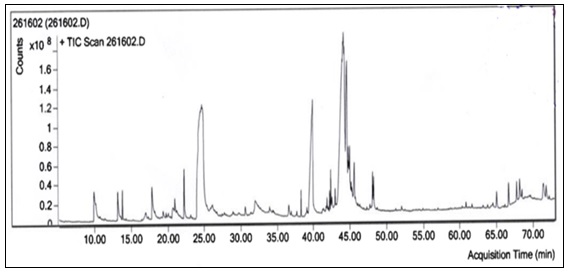
FIG. 1: GC-MS CHROMATOGRAM OF Z. HUMILE BARK EXTRACT
According to the results obtained, the extract had a variety of terpenes as shown by the presence of compounds such as delta.-Elemene (sesquiterpene), Guaiazolene (sesquiterpene), Lup-20(29)-en-3-one (pentacyclic triterpene), Copaene (sesquiterpene), Phenol, and 4-ethyl-2-methoxy- (sesquiterpene). The present findings were also consistent with previous studies on phytochemical screening of plants of the genus Zanthoxylum. For instance, compounds such as Lup-20(29)-en-3-one has been identified in Z. gilleti 42 and Z. rhetsa 43. Calacorene has also be reported in Z. schinifolium 44. The presence of terpenes supports the antioxidant activity of Z. humile extract due to their ability to directly and indirectly scavenge for free radicals. Terpenes with conjugated double bonds act by electron delocalisation 45 or hydroxyl group substitution 44. Z. humile extract also showed the presence of alkaloids 1H-Indole, 1-methyl- and 3-methyl- indole. The findings were consistent with literature, where 1H-Indole, 1-methyl- was identified in Z. nitidum 47.
The nitrogen atoms in alkaloids act as hydrogen bond acceptors and electron donors. Alkaloids mainly function via direct radical scavenging, inhibiting prooxidant enzymes, and transition metal chelation 48, 49.
TABLE 3: SUMMARY OF SOME OF THE COMPOUNDS DETECTED FROM GC-MS
| Retention time | Compound name | Class | Match score % | %Area | Cas number | Chemical Formula | RINIST |
| 44.052 | Geranyl Acetate | Monoterpenoid ester | 95.2 | 2.163 | 2000188-26-9 | C12H20O2 | NA |
| 20.960 | 2-Methoxy-4-vinylphenol | Phenol | 96.2 | 0.42 | 7786-61-0 | C9H10O2 | 131532 |
| 34.479 | Guaiazolene | Sesquiterpene | 89.5 | 0.03 | 489-84-9 | C15H18 | 177533 |
| 21.191 | Resorcinol | Phenol | 90 | 0.78 | 108-46-3 | C6H6O2 | 118034 |
| 20.406 | 1H-Indole, 1-methyl- | Alkaloid | 95.9 | 0.05 | 120-72-9 | C9H9N | 129235 |
| 21.577 | .delta.-Elemene | Sesquiterpene | 82.3 | 0.008 | 20307-84-0 | C15H24 | 133636 |
| 63.763 | Stigmasterol | Phytosterol | 88.2 | 0.14 | 83-48-7 | C29H48O | 328637 |
| 66.124 | Lup-20(29)-en-3-one | Terpene | 86.0 | 0.13 | 1617-70-5 | C30H48O | 104838 |
| 23.370 | 3-methyl- indole | Alkaloid | 80.4 | 0.02 | 2000041-11-6 | C9H9N | NA |
| 25.994 | Copaene | Sesquiterpene | 87.6 | 0.01 | 3856-25-5 | C15H24 | 137638 |
| 27.725 | 4 - vinyl - syringol | Phenol | 85.7 | 0.09 | 2000148-84-2 | C10H12O3 | NA |
| 27.997 | Calacorene | Sesquiterpene | 96.7 | 0.02 | 2000125-38-3 | C13H16 | NA |
| 60.306 | .beta.-Tocopherol | Diterpene | 87.8 | 0.02 | 148-03-8 | C28H48O2 | 297438 |
| 19.764 | Phenol, 4-ethyl-2-methoxy- | Phenol | 96.1 | 0.17 | 2785-89-9 | C9H12O2 | 127539 |
| 31.953 | 2,5-dimethoxybenzene-1,4-diol | Phenol | 87.2 | 0.85 | 2000117-49-3 | C8H10O4 | NA |
*NA – the retention index was not available in NIST registry.
The extract was particularly rich in phenolic compounds, as exhibited by the presence of compounds such as 2-Methoxy-4-vinylphenol, resorcinol, 4 - vinyl – syringol, Phenol, 4-ethyl-2-methoxy-, and 2,5-dimethoxybenzene-1,4-diol with 2-Methoxy-4-vinylphenol having been previously identified in Z. bangeanum and Z. schinifolium 50. The GC-MS analysis of Z. humile extract showed a diverse profile of phytochemicals; however, most of the pharmacologically active phytochemicals, as shown in Table 3, had peak areas of less than 1%. These findings are consistent with literature, where nearly half of the pharmacologically active phytochemicals in medicinal plantsare frequently found to be minor components with chromatographic abundance of less than 1% 51. The presence of these minor compounds suggests that the biological activity of the plant was a result of the multitarget interactions and synergism of the compounds instead of the effect of a single compound 52,5 3. Hence, the minor constituents identified in Z. humile should considered as significant contributors to Z. humile’s therapeutic potential.
Oral Acute Toxicity: Despite the widespread use of Z. humile in traditional medicine, there is limited information regarding the safety of the plant. Female rats were used as they are more sensitive due to their limited capacity to detoxify compounds as compared to males 21, 54. The doses used in this study (0 – 2500 mg/kg) did not show any detrimental effect on the behaviour or health of animals used for a 14-day period Table 4.
All animals showed normal food and water intakes, normal respiration, faeces consistency, urination, skin colour, and respiration. There were no mortalities observed for rats treated at all doses. Since no mortality was observed, the likelihood that the rat will die, F(Zi) term in Equation 4, tends to 0, as the likelihood for survival (1-F(Zi) at that dose tends to 1.
This consequently means that the maximum dose at which the rats experience mortality was beyond the range of concentrations used in this study. Thus, LD50> 2500 mg/kg. It was impossible to obtain the confidence interval (CI) since the variance boundary used in calculating CI used the observed death rate. That is, Variance boundary∝ ln0, where ln 0 →-∞. These results are consistent with studies that have been done on its sister plant Zanthoxylum chalybeum that has been studied extensively. In a study by Obakiro et al.55 on the acute oral toxicity of Z. chalybeum root bark extract on Wistar albino rats, they reported an LD50> 2000 mg/kg bodyweight.
TABLE 4: BEHAVIOURAL PATTERNS OBSERVED IN RATS FOLLOWING ACUTE ORAL TESTING WITH HYDROETHANOLIC ZANTHOXYLUM HUMILE BARK EXTRACT
| Doses of Z. humile in mg/kg body weight | |||||
| Parameter observed | 250 | 500 | 1000 | 2500 | Control |
| Food intake | Nl | Nl | Nl | Nl | Nl |
| Water intake | Nl | Nl | Nl | Nl | Nl |
| Mortality | Nf | Nf | Nf | Nf | Nf |
| Respiration | Nl | Nl | Nl | Nl | Nl |
| Faeces Consistency | Nl | Nl | Nl | Nl | Nl |
| Urination | Nl | Nl | Nl | Nl | Nl |
| Skin colour | Nl | Nl | Nl | Nl | Nl |
| Drowsiness | Nb | Nb | Nb | Nb | Nb |
| Erection of fur | Nb | Nb | Nb | Nb | Nb |
Nl – normal, Nb – not observed, Nf – not found
The results showed that, in general, body weight linearly increased as the number of days increases from day 1 to 14 Fig. 2. This indicates that the animals were gaining weight as the number of days increase. Morita et al.56 and Ha et al.57 showed that increase in weight for animals under toxicity evaluation is a rough confirmation that food intake and nutrition utilization was not affected by the plant extract. Morita et al.56 indicates weight gains may be a result of fluid retention or organ sweeling and hypertrophy (fat accumulation).
However, in these cases the animals should have shown respiratory difficulties, for example, fluid retention usually results in dyspnoea, rattling, wheezing, porphyrin staining and faeces become soft stools or diarrhoea or mucoid stools 58. Table 5 indicated that there was a positive change in weight of rats treated with all doses. Nevertheless, 1000 mg/kg showed relative higher weekly gains (+11.0 g), total gain (+22.0 g) and relative gain (+9.73%) as compared to other treatments.
TABLE 5: WEIGHT DISTRIBUTION OF RATS AS NUMBER OF DAYS INCREASED
| Weight per day | |||||||
| Dose (mg/kg) | Rat ID | 1 | 7 | 14 | AWG (g) | Total gain (g) | Relative gain (%) |
| 0 | 1 | 201 | 208 | 214 | +6.50 | +13.00 | +6.47 |
| 250 | 2 | 186 | 188 | 194 | +4.00 | +8.00 | +4.30 |
| 500 | 3 | 240 | 246 | 253 | +6.50 | +13.00 | +5.42 |
| 1000 | 4 | 226 | 232 | 248 | +11.00 | +22.00 | +9.73 |
| 2500 | 5 | 224 | 230 | 235 | +5.50 | +11.00 | +4.91 |
*AWG -Average weight gain
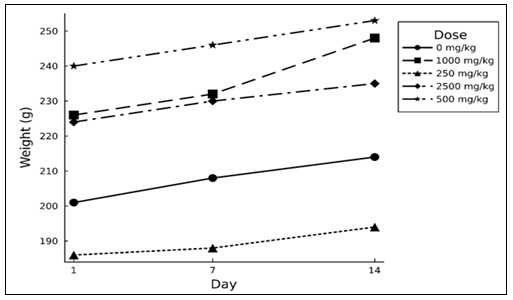
FIG. 2: CHANGES OF FEMALE RATS’ BODY WEIGHT WITH TIME
Antioxidant Assay: The antioxidant activity of Zanthoxylum humile bark extract in comparison to ascorbic acid was investigated by firstly determining if the antioxidant type, concentration and their interaction have effect on the radical scavenging activity percentage (%RSA). The results in Table 6 indicates that all factors antioxidant type (p < 0.05), concentration (p < 0.001) and their interaction (p < 0.01, Antioxidant * Concentration) have significant effect on % RSA.
TABLE 6: SIGNIFICANCE OF ANTIOXIDANT TYPE AND CONCENTRATION ON THE % RSA
| Factor | % RSA |
| Antioxidant Type | * |
| Concentration | *** |
| Antioxidant * Concentration | ** |
RSA -radical scavenging activity. Significant levels: p < 0.05 (*), p < 0.01 (*), p < 0.001 (**). ns -not significant (p > 0.05).
Table 6 suggest that the radical scavenging activity for ascorbic acid (control) and Z. humile behaves differently, either performance (radical scavenging power) or unique chemical difference as noted by Christodoulou et al.59. Fig. 3 shows that the distribution of Z. humile curve showed lower %RSA values from concentrations between 6.25 –25.0 µg/ml.
This may suggest lower radical scavenging power as compared to ascorbic acid. The %RSA for both antioxidants increases significantly as the concentration increases Table 7.
The results for pair wise differences (Weich’s T -test) between ascorbic acid and Z. humile showed that most %RSA values per each concentration were significantly the same at 95.0% confidence interval Table 7.
Statistical differences (p < 0.05) between ascorbic acid and Z. humile %RSA values were observed at a concentration of 12.5 µg/ml.
TABLE 7: MEAN VALUES FOR %RSA FOR ASCORBIC ACID AND Z. HUMILE AND VARIOUS CONCENTRATIONS
| Radical scavenging activity (% RSA) | ||
| Ascorbic Acid | Z. Humile | |
| Concentration | Mean±SE | Mean±SE |
| 100.0 | 67.97±1.1a | 68.98±0.6a |
| 50.0 | 66.97±1.1a | 66.89±1.6a |
| 25.0 | 66.94±0.6a | 64.23±3.1a |
| 12.5 | 65.85±0.9a | 52.72±3.1b |
| 6.25 | 65.53±0.08a | 48.39±6.6a |
| 3.12 | 46.73±3.2a | 40.16±1.1a |
| 1.56 | 32.02±1.5a | 36.19±0.8a |
| 0.78 | 25.93±1.3a | 32.03±0.5a |
| Group means | 54.7±4.2a | 51.20±2.6a |
| Number of observations | 16 | 32 |
a, b values in the same row differ significantly (p < 0.05) using Welch’s t-test.
The mathematical modelling results for estimating IC50 showed lower R2 values for the linear models, i.e., 0.31 for ascorbic acid and 0.57 for Z. humile Table 8. Changing the concentration to a logarithmic scale (log Concentration, base 10) increases the prediction power. Table 8 showed that the semi-log model has slightly higher R2 values of 0.781 and 0.875, respectively. However, the R2 for ascorbic acid was slightly lower than the 0.80 recommendation. Moreover, Fraser-Spears et al.27 indicated that the R2 for the control should be above 90% for better IC50 estimation.
TABLE 8: MODEL PARAMETERS FOR LINEAR REGRESSION BETWEEN %RSA AND CONCENTRATION
| Model parameters | |||||||
| Model | Antioxidant | Intercept ( ) | Slope ( ) | IC50 (µg/mL) | CI (LB, UB) | ||
| Linear | Ascorbic acid | 47.70 | 0.28 | 8.09 | 0.311 | ||
| Z. humile | 42.80 | 0.34 | 21.34 | 0.572 | |||
| Semi-log | Ascorbic acid | 34.92 | 20.95 | 5.25 | 0.781 | ||
| Z. humile | 32.92 | 19.32 | 7.58 | 0.875 | |||
| p1 | p2 | p3 (IC50) | p4 | ||||
| Logistic | Ascorbic acid | 26.51 | 67.33 | 3.05 | 3.30 | 0.987 | (2.69, 3.41) |
| Z. humile | 29.64 | 72.37 | 8.59 | 1.08 | 0.871 | (3.08, 14.10) | |
*Units -intercept (%), slope (%/(µg/mL), IC50 (µg/mL). *Abbreviations – CI -confidence interval at 95.0%, LB -lower boundary, UP -upper boundary.
The results, Table 8, indicated that the 4-parameter logistic model (4PL) was the best fit model with higher R2 values for both ascorbic (pseudo R2 = 0.987) and Z. humile (pseudo R2 = 0.871). Thus, further evaluation of IC50 were done using results obtain from the logistic model. Fig. 3 shows that for both antioxidants, %RSA increased rapidly at lower concentration (<6.5 µg/mL) and flattens out as concentration increases to 100 µg/mL. The %RSA values showed less change after reaching about 65.53±0.08% (ascorbic acid) and 48.39±6.6% (Z. humile), Table 8.
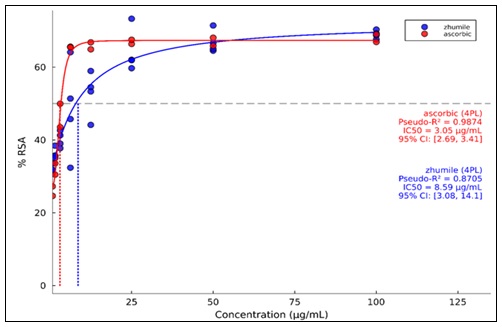
FIG. 3: CONCENTRATION RESPONSE CURVE FOR ASCORBIC ACID AND Z. HUMILE RADICAL SCAVENGING ACTIVITY
The estimated inhibitory concentration at 50.0% RSA (IC50) for ascorbic acid and Z. humile were 3.05 and 8.59 µg/mL, respectively Table 8, Fig. 3. According to a commonly used classification, compounds with IC50 values of 50 µg/ml or lower are considered highly potent. Activity in the range of 50-100 µg/ml is classified as strong, 101-250 µg/ml is moderate, 250-500 µg/ml is weak, and greater than 500 µg/ml is inactive 60. The results suggests that Z. humile demonstrated considerable high potent antioxidant activity. This indicates that relatively low amounts of the extract were required to scavenge 50% of the radicals. As expected, the positive control, ascorbic acid, produced very low IC50 values of 3.05 µg/mL, significantly lower than that of Z. humile extracts. The difference in the IC50 values can also be attribute to purity difference instead of just molecular differences. While the results show that the positive control was more efficient at scavenging free radicals, the plant extract's antioxidant activity can still be very high. The present findings were also consistent with previous studies on related plants. In a study by Kaigongi et al. 61 they reported IC50 values of 10 µg/ml or lower for Z. chaylbeum, Z. gilleti, Z. holtzianum, Z. paracanthum, and Z. usambarense stem bark extracts. The strong antioxidant activity of Z. humile is attributed to the presence of phytochemicals that can donate electrons or hydrogen, thereby stabilizing free radicals. Antioxidant activity is particularly desirable as it counters the effects of oxidative stress, which has been linked to cellular damage, aging, neurodegenerative diseases, inflammation, and cardiovascular disease 23. Hence, supporting the potential medicinal value of Z. humile. Moreover, GS-MS indicated the presence of resorcinol, calacorene, stigmasterol, Lup-20(29)-en-3-one, copaene, betatocopheroland 2-methoxy-4-vinylphenolmolecules, which are active radical scavenging molecules.
CONCLUSION: The present study provided a comprehensive preliminary evaluation of Zanthoxylum humile’s phytochemical profile, antioxidant activity, and acute oral toxicity, creating a strong foundation for further pharmacological exploration. GC-MS revealed some interesting compounds already known for their antioxidant and therapeutic activity. Antioxidant activity screening further confirmed the bioactivity of the extract’s phytochemicals, as evidenced by a favourable IC50, reinforcing the plant’s potential as a source of pharmacologically active compounds. The acute oral toxicity showed that there was no treatment-related toxicity in the rats during the study, indicative of a favourable preliminary acute oral toxicity profile. However, our study did not include other studies, such as hematological evaluation, histopathological examination of major organs, etc., necessary to fully characterise Z. humile’s toxicological profile. Further studies should include isolating bioactive compounds and exploring mechanisms of action. Studies must be extended to antimicrobial and anti-inflammatory evaluation to explore the full extent of the extract’s therapeutic activity. A more comprehensive toxicity evaluation expanding to histopathology, hematology, subacute, subchronic, and chronic toxicity studies should also be explored in further studies.
ACKNOWLEDGMENTS: The research was supported by UZ, Department of Pharmacy and Pharmaceutical Science. We appreciate the Environmental Management Agency lab for providing the GC-MS facility.
Animal use Approval: Before commencing the study, animal use and research ethics approvals were obtained from the Joint Parirenyatwa Research Ethics Committee (JREC), the local research Institutional Review board for the University of Zimbabwe.
CONFLICT OF INTEREST: No conflict to declare.
REFERENCES:
- Cock IE, Ndlovu NA and Van Vuuren SF: The traditional use of southern African medicinal plants to treat oral pathogens, and studies into their relevant antimicrobial properties. South African Journal of Botany 2023; 153: 258-79.https://doi.org/10.1016/j.sajb.2023.01.003
- Nyagumbo E, Pote W, Shopo B, Nyirenda T, Chagonda I, Mapaya RJ, Maunganidze F, Mavengere WN, Mawere C, Mutasa I and Kademeteme E: Medicinal plants used for the management of respiratory diseases in Zimbabwe: Review and perspectives potential management of COVID-19. Physics and Chemistry of the Earth, Parts A/B/C 2022; 128:103232.https://doi.org/10.1016/j.pce.2022.103232
- Papo L: Zanthoxylum humile, Zanthoxylum humile. Plant Z Africa 2021. Available at: https://pza.sanbi.org/zanthoxylum-humile.
- Mguni S, Mashinya F, Khabo-Mmekoa C and Shai LJ: A review of Zanthoxylum chalybeum Engl: Ethnomedicinal uses, pharmacology, phytochemistry and toxicology. Journal of Medicinal Plants for Economic Development 2023;7(1): 202.https://doi.org/10.4102/jomped.v7i1.202
- Okagu IU, Ndefo JC, Aham EC and Udenigwe CC: Zanthoxylum species: a comprehensive review of traditional uses, phytochemistry, pharmacological and nutraceutical applications. Molecules 2021; 26(13): 4023.https://doi.org/10.3390/molecules26134023
- Wekesa EN, Kimani NM, Kituyi SN, Omosa LK and Santos CB: Therapeutic potential of the genus Zanthoxylum phytochemicals: A theoretical ADME/Tox analysis. South African Journal of Botany 2023; 162: 129-41.https://doi.org/10.1016/j.sajb.2023.09.009
- Álvarez-Martínez FJ, Barrajón-Catalán E, Herranz-López M and Micol V: Antibacterial plant compounds, extracts and essential oils: An updated review on their effects and putative mechanisms of action. Phytomedicine 2021; 90: 153626.https://doi.org/10.1016/j.phymed.2021.153626
- Pawase PA, Goswami C, Shams R, Pandey VK, Tripathi A and Rustagi S: A conceptual review on classification, extraction, bioactive potential and role of phytochemicals in human health. Future Foods 2024; 9:100313.https://doi.org/10.1016/j.fufo.2024.100313
- Wink M: Current understanding of modes of action of multicomponent bioactive phytochemicals: potential for nutraceuticals and antimicrobials. Annual Review of Food Science and Technology 2022; 13(1): 337-59.https://doi.org/10.1146/annurev-food-052720-100326
- Shailin K and Ilango K: Preliminary phytochemical studies, GC-MS analysis and in-vitro antioxidant activity of selected medicinal plants and its polyherbal formulation. Pharmacognosy Journal 2021; 13(3): 648-659.https://doi.org/10.5530/pj.2021.13.83
- Nwachukwu KC, Aloh GS, Egbachukwu SI, Ijioma SN, Alli LA, Ugwuanyi KC, Onwuchekwa BU and Okoh MP: Phytochemical composition, GC-MS analysis and toxicological profiling of Gouanialongipetala leaf extract in rats. Afr J Biotechnol 2023; 22(9): 192-201.https://doi.org/10.5897/AJB2023.17594
- Khameneh B, Iranshahy M, Soheili V and Fazly Bazzaz BS: Review on plant antimicrobials: a mechanistic viewpoint. Antimicrobial Resistance & Infection Control 2019; 8(1): 118.https://doi.org/10.1186/s13756-019-0559-6
- Huang W, Wang Y, Tian W, Cui X, Tu P, Li J, Shi S and Liu X: Biosynthesis investigations of terpenoid, alkaloid, and flavonoid antimicrobial agents derived from medicinal plants. Antibiotics 2022; 11(10): 1380.https://doi.org/10.3390/antibiotics11101380
- Hochma E, Yarmolinsky L, Khalfin B, Nisnevitch M, Ben-Shabat S and Nakonechny F: Antimicrobial effect of phytochemicals from edible plants. Processes 2021; 9(11): 2089.https://doi.org/10.3390/pr9112089
- De Rossi L, Rocchetti G, Lucini L and Rebecchi A: Antimicrobial potential of polyphenols: Mechanisms of action and microbial responses—A narrative review. Antioxidants 2025; 14(2): 200.https://doi.org/10.3390/antiox14020200
- Thawabteh AM, Ghanem AW, AbuMadi S, Thaher D, Jaghama W, Karaman R, Scrano L and Bufo SA: Antibacterial activity and antifungal activity of monomeric alkaloids. Toxins. 2024; 16(11): 489.https://doi.org/10.3390/toxins16110489
- Wiart C, Kathirvalu G, Raju CS, Nissapatorn V, Rahmatullah M, Paul AK, Rajagopal M, Sathiya Seelan JS, Rusdi NA, Lanting S and Sulaiman M: Antibacterial and antifungal terpenes from the medicinal angiosperms of Asia and the Pacific: Haystacks and gold needles. Molecules 2023; 28(9): 3873.https://doi.org/10.3390/molecules28093873
- Singh A, Kaur J and Kapoor M: Phytochemical Screening and Antibacterial Potential of Methanol, Ethanol and Aqueous Extracts from Seed, Bark and Leaf of Bauhinia tomentosa L. Agricultural Science Digest 2023; 43(1): 10-17.https://doi.org/10.18805/ag.D-5579
- Dubale S, Kebebe D, Zeynudin A, Abdissa N and Suleman S: Phytochemical screening and antimicrobial activity evaluation of selected medicinal plants in Ethiopia. Journal of Experimental Pharmacology 2023; 51-62.https://doi.org/10.2147/JEP.S379805
- Rahimah SB, Djunaedi DD, Soeroto AY and Bisri T: The phytochemical screening, total phenolic contents, and antioxidant activities in-vitro of white oyster mushroom (Pleurotus ostreatus) preparations. Open access Macedonian journal of medical sciences 2019; 7(15): 2404.https://doi.org/10.3889/oamjms.2019.741
- OECD and Organisation for Economic Co-operation and Development (Eds.): Test No. 425: Acute Oral Toxicity: Up-and-Down Procedure. OECD Publishing. 2008. https://doi.org/10.1787/9789264071049-en
- Chifamba J, Zhou TK, Michael H & Chitambira P: Phytochemical Screening and Evaluation of Pharmaceutical Activity of Nymphaea nouchali. South Asian Research Journal of Natural Products 2025; 8(2): 357–369. https://doi.org/10.9734/sarjnp/2025/v8i2203.
- Gulcin İ and Alwasel SH: DPPH radical scavenging assay. Processes 2023; 11(8): 2248. https://doi.org/10.3390/pr11082248
- Yazdani E, Talebi M, Zarshenas MM and Moein M: Evaluation of possible antioxidant activities of barberry solid formulation, a selected formulation from Traditional Persian Medicine (TPM) via various procedures. Biointerface Res Appl Chem 2019; 9(6): 4517-21.https://doi.org/10.33263/BRIAC96.517521
- Ellen MSB, Tamires GDS, Adriele SDOC, Marcos DCS, Edson DJM and Vera LCV: Antimicrobial, antioxidant and cytotoxic activites and chemical profile of species of Miconia Ruiz Pav., Clidemia D. Don and Tibouchina Aubl. (Melastomataceae). J Med Plants Res 2020; 14(1): 1–6. doi:10.5897/JMPR2019.6846
- Ravipati AS, Zhang L, Koyyalamudi SR, Jeong SC, Reddy N and Bartlett J: Antioxidant and anti-inflammatory activities of selected Chinese medicinal plants and their relation with antioxidant content. BMC Complement Altern Med 2012; 12(1): 173. doi:10.1186/1472-6882-12-173
- Fraser-Spears R, Krause-Heuer AM, Basiouny M, Mayer FP, Manishimwe R, Wyatt NA, Dobrowolski JC, Roberts MP, Greguric I, Kumar N and Koek W: Comparative analysis of novel decynium-22 analogs to inhibit transport by the low-affinity, high-capacity monoamine transporters, organic cation transporters 2 and 3, and plasma membrane monoamine transporter. European Journal of Pharmacology 2019; 5(842): 351-64.https://doi.org/10.1016/j.ejphar.2018.10.028.
- Olugbami JO, Gbadegesin MA and Odunola OA: In-vitro evaluation of the antioxidant potential, phenolic and flavonoid contents of the stem bark ethanol extract of Anogeissusleiocarpus. African Journal of Medicine and Medical Sciences 2014; 43(1): 101.https://pmc.ncbi.nlm.nih.gov/articles/PMC4679201/.
- Nyagato RD, Hamandishe V, Muyambo S, Mutibvu T and Saidi PT: Physicochemical, Microbial and Sensory Attributes of a Cultured Cereal-sweet Whey Beverage. International Journal of Agriculture Environment and Food Sciences 2025; 9(4): 1316-29.https://doi.org/10.31015/2025.4.32.
- Ayangla NW, Singh NE and Kumar AJ: Phytochemical analysis of plant species of genus Zanthoxylum. International Journal of Medicine and Pharmaceutical Science 2016; 6(1): 1-8. https://www.academia.edu/download/44115211/1._IJMPS_-_PHYTOCHEMICAL_ANALYSIS_OF_PLANT.pdf.
- Ouédraogo L, Nacoulma A, Compaoré M, Meda N, Rouamba V and Kiendrebeogo M: Botanical, Physicochemical, And Phytochemical Studies of Zanthoxylum Zanthoxyloides (Lam.) Zepernick and Timler (Rutaceae) Stem and Root Bark. American Journal of Applied Sciences 2024; 21(1): 57-66. https://thescipub.com/pdf/ajassp.2024.57.66.pdf.
- Tourabi M, Metouekel A, Ghouizi AE, Jeddi M, Nouioura G, Laaroussi H, Hosen ME, Benbrahim KF, Bourhia M, Salamatullah AM and Nafidi HA: Efficacy of various extracting solvents on phytochemical composition, and biological properties of Mentha longifolia L. leaf extracts. Scientific Reports 2023; 13(1): 18028. https://doi.org/10.1038/s41598-023-45030-5
- Cendrowski A, Studnicki M and Kalisz S: Impact of different solvents and temperatures on the extraction of bioactive compounds from rose fruits (Rosa rugosa) pomace. Applied Sciences 2024; 14(2): 691. https://doi.org/10.3390/app14020691
- Asuming WA, Beauchamp PS, Descalzo JT, Dev BC, Dev V, Frost S and Ma CW: Essential oil composition of four Lomatium Raf. species and their chemotaxonomy. Biochemical Systematics and Ecology 2005; 33(1): 17-26.https://doi.org/10.1016/j.bse.2004.06.005.
- Formisano C, Senatore F, Bruno M, Rosselli S, Bellone G and Spadaro V: Essential oil composition of Tanacetum vulgare subsp. siculum (Guss.) Raimondo et Spadaro (Asteraceae) from Sicily. Natural Product Communications 2009; 4(4): 567-570. https://doi.org/10.1177/1934578X0900400425.
- Faix O, Meier D and Fortmann I: Thermal degradation products of wood: gas chromatographic separation and mass spectrometric characterization of monomeric lignin derived products. Holz als Roh-und Werkstoff 1990; 48(7): 281-285.https://doi.org/10.1007/BF02626519.
- Miyazawa M, Nishiguchi T and Yamafuji C: Volatile components of the leaves of Brassica rapa L. var. perviridis Bailey. Flavour and Fragrance Journal 2005; 20(2): 158-60. https://doi.org/10.1002/ffj.1335.
- Tanoh EA, Boué GB, Nea F, Genva M, Wognin EL, Ledoux A, Martin H, Tonzibo ZF, Frederich M and Fauconnier ML: Seasonal effect on the chemical composition, insecticidal properties and other biological activities of Zanthoxylum leprieuriiguill. & perr. essential oils. Foods 2020; 9(5): 550.https://doi.org/10.3390/foods9050550.
- Isidorov VA, Lech P, Żółciak A, Rusak M and Szczepaniak L: Gas chromatographic–mass spectrometric investigation of metabolites from the needles and roots of pine seedlings at early stages of pathogenic fungi Armillaria ostoyae attack. Trees 2008; 22(4): 531-542.https://doi.org/10.1007/s00468-008-0213-z.
- Goodner KL: Practical retention index models of OV-101, DB-1, DB-5, and DB-Wax for flavor and fragrance compounds. LWT-Food Science and Technology 2008; 41(6): 951-958.https://doi.org/10.1016/j.lwt.2007.07.007.
- Thammarat P, Kulsing C, Wongravee K, Leepipatpiboon N and Nhujak T: Identification of volatile compounds and selection of discriminant markers for elephant dung coffee using static headspace gas chromatography Mass spectrometry and chemometrics. Molecules 2018; 23(8): 1910.https://doi.org/10.3390/molecules23081910.
- Dzouemo LC, Happi EN, Happi GM, Tsopgni WD and Wansi JD: Benzo [c] phenanthridine alkaloids and glycosylated flavonoids from the roots of Zanthoxylum gilletii (Rutaceae).Natural Resources for Human Health 2022; 3(1): 127–131. https://doi.org/10.53365/nrfhh/154598.
- Santhanam RK, Ahmad S, Abas F, Safinar Ismail I, Rukayadi Y, Tayyab Akhtar M and Shaari K: Bioactive constituents of Zanthoxylum rhetsa bark and its cytotoxic potential against B16-F10 melanoma cancer and normal human dermal fibroblast (HDF) cell lines. Molecules 2016; 21(6): 652. https://doi.org/10.3390/molecules21060652
- Yuan R, Shi Y, Zhang J, Hu Q, Wei X, Luo C, Wu Y, Yang J, Yang M, Wang F and Zheng C: Study on the chemical constituents and anti-migraine activity of supercritical CO2 extracts of Zanthoxylum schinifolium. Frontiers in Pharmacology 2021; 12: 744035.https://doi.org/10.3389/fphar.2021.744035
- Molole GJ, Gure A and Abdissa N: Determination of total phenolic content and antioxidant activity of Commiphora mollis (Oliv.) Engl. resin. BMC Chemistry 2022; 16(1): 48.https://doi.org/10.1186/s13065-022-00841-x.
- Chen Z, Tan L, Li L, Wang H, Feng X, Liu X, Rao C: Sanshools from Zanthoxylum genus and their antioxidant properties in-vitro and in-vivo. Frontiers in Sustainable Food Systems 2024; 8: 1256568.https://doi.org/10.3389/fsufs.2024.1256568.
- Xuan Nhiem N, Minh Quan P and Thi Hong Van N: Alkaloids and Their Pharmacology Effects from Zanthoxylum Genus. Bioactive Compounds in Nutraceutical and Functional Food for Good Human Health, Intech Open, 2021. https://doi.org/10.5772/intechopen.91685.
- Chaudhary P, Janmeda P, Docea AO, Yeskaliyeva B, Abdull Razis AF, Modu B, Calina D and Sharifi-Rad J: Oxidative stress, free radicals and antioxidants: potential crosstalk in the pathophysiology of human diseases. Frontiers in Chemistry 2023; 11: 1158198.https://doi.org/10.3389/fchem.2023.1158198.
- Verma S, Verma SS, Sharma N, Kumar J, Verma A and Gupta PC: Alkaloids as antioxidants: implications for health and disease prevention. alkaloids from medicinal plants and their transformative applications, CRC Press, Boca Raton, First Edition 2026; 184-20). https://doi.org/10.1201/9781003539179-11.
- Zhou XL, Le Chen L and Wang JF: Study on the antipruritic mechanism of Zanthoxylum bungeanum and Zanthoxylum schinifolium volatile oil on chronic eczema based on H1R and PAR-2 mediated GRPR pathway. Allergologia et Immunopathologia 2022; 50(4): 83-96.https://doi.org/10.15586/aei.v50i4.486.
- Caesar LK and Cech NB: Synergy and antagonism in natural product extracts: when 1+ 1 does not equal 2. Natural Product Reports 2019; 36(6): 869-88.https://doi.org/10.1039/C9NP00011A.
- Efferth T and Koch E: Complex interactions between phytochemicals. The multi-target therapeutic concept of phytotherapy. Current Drug Targets 2011; 12(1): 122-32.https://doi.org/10.2174/138945011793591626.
- Vaou N, Stavropoulou E, Voidarou C, Tsakris Z, Rozos G, Tsigalou C and Bezirtzoglou E: Interactions between medical plant-derived bioactive compounds: Focus on antimicrobial combination effects. Antibiotics 2022; 11(8): 1014.https://doi.org/10.3390/antibiotics11081014.
- Hafiz Mail M, Seeni A, Anis Shafie F and Abdul Samad N: Acute Oral Toxicity Assessment of Aqueous Extract of Streblus asper Root in Sprague Dawley Rats according to OECD 420 TG. J of Pioneering Medical Sciences 2025; 14(8): 48-52. https://doi.org/10.47310/jpms2025140808
- Obakiro SB, Nabitandikwa C, Kiyimba K, Ocan M, Gavamukulya Y, Andima M, Lukwago TW, Maseruka R, Mercy C, Opio M and Hokello J: In-vitro antiplasmodial activity, acute toxicity and phytochemical quantification of selected medicinal plants used for the management of uncomplicated malaria in eastern Uganda. Journal of Ethnopharmacology 2025; 121015.https://doi.org/10.1016/j.jep.2025.121015.
- Morita J, Izumi T, Sunouchi M, Arima K and Tsutsumi S: Effects of reduced food intake on the parameters of toxicity evaluation in dogs. The Journal of Toxicological Sciences 2015; 40(4): 523-33.https://doi.org/10.2131/jts.40.523.
- Ha AW, Kang HJ, Kim SL, Kim MH and Kim WK: Acute and subacute toxicity evaluation of corn silk extract. Preventive Nutrition and Food Science 2018; 23(1): 70.https://doi.org/10.3746/pnf.2018.23.1.70.
- Snellings WM, Nachreiner DJ and Pottenger LH: Ethylene Oxide: Acute Four‐Hour and One‐Hour Inhalation Toxicity Testing in Rats. Journal of Toxicology 2011; 2011(1): 910180.https://doi.org/10.1155/2011/910180.
- Christodoulou MC, Orellana Palacios JC, Hesami G, Jafarzadeh S, Lorenzo JM, Domínguez R, Moreno A and Hadidi M: Spectrophotometric methods for measurement of antioxidant activity in food and pharmaceuticals. Antioxidants 2022; 11(11): 2213.https://doi.org/10.3390/antiox11112213.
- Alzahrani AY, Shehab WS, Amer AH, Assy MG, Mouneir SM, Abdelaziz M and Hamid AM: Design, synthesis, pharmacological evaluation, and in silico studies of the activity of novel spiro pyrrolo [3, 4-d] pyrimidine derivatives. RSC advances 2024; 14(2): 995-1008.https://doi.org/10.1039/D3RA07078F
- Kaigongi MM, Lukhoba CW, Musila FM, Taylor M, Mbugua RW, Githiomi J, Yenesew A and Makunga NP: A versatile untargeted metabolomics-driven technology for rapid phytochemical profiling of stem barks of Zanthoxylum species with antioxidant and antimicrobial activities. Advances in Traditional Medicine 2023; 23(3): 929-45.https://doi.org/10.1007/s13596-022-00676-w.
How to cite this article:
Takavarasha FJ and Chifamba J: Bioactivity and safety of hydro-ethanolic Zanthoxylum humile. Int J Pharm Sci & Res 2026; 17(10): 2962-75. doi: 10.13040/IJPSR.0975-8232.17(10).2962-75.
All © 2026 are reserved by International Journal of Pharmaceutical Sciences and Research. This Journal licensed under a Creative Commons Attribution-NonCommercial-ShareAlike 3.0 Unported License.
Article Information
11
2962-2975
7692 KB
6
English
IJPSR
F. J. Takavarasha * and J. Chifamba
Department of Pharmacy and Pharmaceutical Sciences, Faculty of Medicine and Health Sciences, University of Zimbabwe, P. O. Box MP167, Mt Pleasant, Harare, Zimbabwe.
fari.takavarasha@gmail.com
03 June 2026
04 August 2026
25 September 2026
10.13040/IJPSR.0975-8232.17(10).2962-75
01 October 2026
 Download