




COMPARATIVE IN-VITRO ANTICANCER EFFICACY EVALUATION: CASSIA ABBREVIATE MEDIATED COPPER-DOPED MAGNESIUM OXIDE NANOPARTICLES VSCRUDE AQUEOUS BARK EXTRACT.
HTML Full TextCOMPARATIVE IN-VITRO ANTICANCER EFFICACY EVALUATION: CASSIA ABBREVIATE MEDIATED COPPER-DOPED MAGNESIUM OXIDE NANOPARTICLES VSCRUDE AQUEOUS BARK EXTRACT.
T. Jakata* and J. Chifamba
Department of Pharmacy and Pharmaceutical Sciences, University of Zimbabwe, P O Box MP617, Mt Peasant, Harare, Zimbabwe.
ABSTRACT: Background: In Zimbabwe, green synthesis of nanoparticles has recently drawn much attention due to its eco-friendliness, biocompatibility, and capability to augment the healing properties of medicinal plants. Cassia abbreviata (Muremberembe) is a cardinal Zimbabwean traditional medicinal plant used to manage various conditions. However, there is limited scientific evidence on the antiproliferative activity of both C. abbreviata extracts and C. abbreviata-mediated nanoparticles against cancer cell lines. Therefore, this study compared the in-vitro antiproliferative efficacy of an aqueous bark extract of C. abbreviata and biosynthesized copper-doped magnesium oxide nanoparticles mediated by C. abbreviata against the human breast cancer cell line HCC1937. Methods: Cytotoxicity assays were performed using the well-known and standardized Sulforhodamine B (SRB) colorimetric assay method over a concentration range (1). IC50 values were calculated using dose-response curve trend-line equations. Results: Both treatments significantly inhibited proliferation of HCC1937 breast cancer cells in a concentration-dependent manner (P < 0.0001). Cu₂O–MgO NPs showed higher antiproliferative activity than the aqueous bark extract with a lower IC₅₀ value (35.08 μg/mL vs. 61.43 μg/mL). Conclusion: Cassia abbreviata-mediated Cu₂O–MgO nanoparticles demonstrated significantly greater antiproliferative activity than the crude aqueous bark extract against HCC1937 breast cancer cells, highlighting their potential as promising candidates for further anticancer development.
Keywords: Cassia abbreviate, Copper-doped magnesium oxide nanoparticles, Breast cancer, HCC1937, Antiproliferative activity, cytotoxicity, SRB assay, IC₅₀
INTRODUCTION: Cassia abbreviata Oliv. (Muremberembe) is one of the medicinal plants widely used in Zimbabwean traditional medicine.
It contains various bioactive phytochemicals, namely flavonoids, tannins, phenolics, alkaloids, and anthraquinones, all of which have been reported to possess anticancer activities 2.
On the other hand, the application of plant-synthesized metal oxide nanoparticles has recently gained significant attention as an eco-friendly method to enhance the therapeutic potential of medicinal plants. The Copper-doped Magnesium oxide nanoparticles (Cu₂O–MgO NPs) exhibit specific physicochemical properties, including a larger surface area 3, improved uptake by cells, as well as the ability to generate reactive oxygen species, which may be beneficial for their anticancer effects.
Cassia abbreviata: Cassia abbreviata Oliv. is a member of family Caesalpiniaceae, and one of the 600 species in the genus Cassia 2. This genus has been of scientific interest because of its wide range of biological, pharmacological and medicinal properties reported from various parts of the world. C. abbreviata is known in Zimbabwe as Muremberembe and has been used for the treatment of many ailments for many years 4. Ethnobotanical information suggests that the roots are usually crushed and boiled in water to make medicines to treat diarrhoea, constipation, sexually transmitted diseases and as an aphrodisiac 5. The bark is also extensively used, especially in the treatment of abdominal pain by soaking it in water and giving it orally for a number of days. However, the use of leaf infusions for fever and other symptoms in malaria control has been reported in several communities in Africa, and the species continued to play an important role in traditional healthcare systems. Cassia abbreviata is a shrub or medium sized tree, up to 10 metres in height, botanically. Features yellowish green compound leaves with 5-12 pairs of leaflets, and a light brown bark with a rounded crown. It has large, sweetly scented yellow flowers which turn brown with age. The fruit is in the form of a dark-brown, cylindrical and hanging pod, when mature 6.
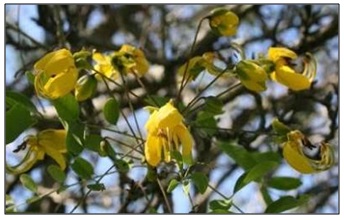
FIG. 1: FLOWERING CASSIA ABBREVIATA PLANT
Green Synthesis: Among green synthesis strategies, the most extensively studied and versatile is plant-mediated synthesis. Secondary metabolites in plants include a wide range of compounds such as alkaloids, flavonoids, terpenoids, phenols, tannins, and saponins 7. These compounds can reduce metal ions to nanoparticles and also provide stability to prevent aggregation of the particles formed. The process is usually as simple as adding a plant extract to an aqueous metal salt solution, at room temperature, and observing nanoparticle formation minutes to hours later, usually signaled by a color change 8. Subsequent studies have proved that almost all parts of the plant can be used as a bio-reducing agent leaves, roots, stems, fruits, seeds, flowers, or bark.
The mechanisms of plant-mediated synthesis are rather intricate and species-dependent. Generally, in most cases, more than one phytochemical takes part in the process of reduction and capping; different compounds are responsible for size, shape, and surface properties. The flavonoids and terpenoids are mainly responsible for the primary reduction; proteins and polysaccharides play the role of capping agents in most cases, which does not allow nanoparticle aggregation and gives stability for a long time 9. The plant-mediated synthesis can be said to be a highly flexible process because nanoparticle properties can be adjusted with ease by simply changing the plant species.
In-vitro Cytotoxicity Bioassays using Human Cell Lines: Researchers frequently use in vitro bioassays with human cell lines in pharmaceuticals, biomedicine, toxicology, and nanotechnology to determine the safety and biological activity of drugs, natural products, and nanomaterials and study their possible effectiveness in controlled experimental conditions. Human cell lines refer to cell aggregate systems developed from human tissue that are capable of being cultured in the laboratory 10. Cancer-derived human cell lines are used for the determination of cytotoxicity, proliferation or apoptosis of cells, uptake of compounds by cells, oxidative stress, and other important biological responses since they provide a reliable and cost-effective alternative to such studies on normal cells and tissues as well as animals 11. This testing can replace animal experiments. The most common human cell lines are cancer cell lines, such as MCF-7, HCC1937 HeLa, HepG2, A549, and Caco-2, and normal lines like HEK293 and HDF 12. In-vitro bioassays involve treating a cultured monolayer of cells with various concentrations of the test substance and subsequently measuring the response of the cells 13. Parameters that can be determined, depending on the objective of the study, are as follows: cell survival, growth, membrane integrity, metabolic activity, oxidative stress, gene expression, and modes of cell death 14.
Most popular tests for cell toxicity include Sulforhodamine B (SRB), MTT, XTT, Alamar Blue, and Neutral Red Uptake. Most popular tests for cell toxicity include Sulforhodamine B (SRB), MTT, XTT, Alamar Blue, and Neutral Red Uptake 15. These are commonly used in cancer research to determine the IC₅₀, the concentration required to inhibit cell growth by 50%. Other assays include measurement of lactate dehydrogenase (LDH) release for cell membrane damage, Annexin V/Propidium Iodide staining for cell death, assays for reactive oxygen species (ROS) for oxidative stress, and flow cytometry for the cell cycle 16.
Suphordamine Assay: The Suphorhodamine B (SRB) assay is a quantitative colorimetric assay used to assess the in-vitro anticancer activity of the target analyte by quantifying cytotoxicity in cultured cancer cell lines 17. The Suphorhodamine B (SRB) assay relies on the capability of the SRB dye to attach to electrostatically and in a pH-dependent manner to positively charged amino acids in protein chains. Under mildly acidic conditions, SRB binds to positively charged amino acids in protein chains in cells fixed with trichloroacetic acid (TCA) 18. The dye can then be quantitatively extracted from the cells and solubilized for optical density (OD) measurement with weak bases such as Tris.As the binding of SRB occurs in stoichiometric ratios, the quantity of dye extracted from stained cells is directly proportional to the cell mass 19.
METHODS AND MATERIALS:
Plant Collection: Cassia abbreviata commonly known as sjambok pod were collected from Murehwa Mashonaland East, Zimbabwe (Coordinates: 17.464˚S, 31.802˚E) during the month of October-November 2025 after thorough examination of the surroundings. Samples of the plants were authenticated and identified at the National Herbarium and Botanical Gardens, by the Research Officer and was identified as Cassia abbreviata which belongs to the Fabaceae-Caesalpinioideae family.
Plant Preparation and Extraction: The tree bark of Cassia abbreviata was carefully washed to remove soil and dirt, and then dried in the shade at room temperature to a constant weight. No direct sunlight was exposed to avoid degradation of heat and light-sensitive phytochemicals. The dried bark was then ground to fine powder by a laboratory Termarmill.
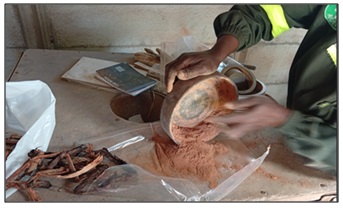
FIG. 2: FINE CASSIA ABBREVIATA TREE BARK POWDER FROM THE TERMARMILL
200 g of the powdered material was placed in 1 L of purified reverse osmosis (RO) water and heated in a water bath for 8 hours. The mixture was cooled and equilibrated to the room temperature after extraction. Particulate matter was removed from the extract by filtering through sterile 0.45 μm membrane filters into a 500 mL volumetric flask. The filtrate was centrifuged for 5 minutes to remove any remaining debris. The supernatant was then freeze-dried to yield a dry extract powder. The lyophilized extract was kept in airtight amber glass containers at −15°C for future studies 5.
Initial Cell Recovery and Expansion: Initial Cell Recovery and Expansion was executed as recommended by 20. Take the cryovial containing frozen cells out of the liquid nitrogen or the −80 °C freezer while making sure to wear appropriate PPE and using tweezers. Immediately thaw the vials in a preheated water bath at 37 °C for around 2 minutes or until there is a small ice crystal remaining. Place the contents of the vial inside a sterile 20 mL conical tube with 11 mL of pre-warmed complete media. Centrifuge for 3 minutes at room temperature at a speed of 1500 rpm. Gently aspirate the supernatant to remove the DMSO. Redisperse the pellet in 10 mL of appropriate complete media and transfer to a tissue culture-treated 10 cm dish. Incubate in a 37 °C, 7% CO₂ incubator. Monitor cell attachment and morphology every day. When the culture reaches 95% confluence, proceed to the assay protocol.
Procedure for Sulforhodamine B (SRB) Cytotoxicity Assay: The human breast cancer cell line HCC1937 (Catalogue No. 305064 from Cytion) was used to determine the cytotoxic activity of the extracts of the bark of Cassia abbreviata and the synthesized Cu₂O–MgO nanoparticles using the Sulforhodamine B (SRB) assay 21. The HCC1937 cells were grown in triplicate in sterile 96-well microplates at a seeding density of 2 × 10³ cells/mL in RPMI-1640 culture medium (supplemented with 1 mM L-glutamine and sodium bicarbonate) and 10% heat-inactivated fetal bovine serum (FBS). Cell attachment was allowed by incubating the cells overnight at 37°C in a 7% CO₂ humidified atmosphere.
After the incubation, the cells were treated with different concentrations (0.1–100 μg/mL) of Cassia abbreviata extracts and Cu₂O–MgO nanoparticles in 1% (v/v) dimethyl sulfoxide (DMSO). Wells containing cells treated with 1% DMSO only served as the negative control. The treated cells were then cultured for 96 hours in the same conditions.Cells were fixed at the end of the treatment with 50% (w/v) trichloroacetic acid (TCA) and incubated at 4°C for 1 hour. The plates were then gently dipped in purified RO water and washed four times to remove excess TCA and medium residues and then dried on sterile filter paper at room temperature. After that, 100 μL of 0.4% (w/v) of Sulforhodamine B (SRB) solution was added to each well and the plates were stained with the solution for 1 hour at room temperature. A 1% (v/v) acetic acid washing of the plates four times was followed by air drying to remove excess dye.For solubilisation of protein-bound dye, 100 μL of 10 mM Tris base solution (pH 10.7) was added to each well and the plates shaken on an orbital shaker for 15 minutes at room temperature. The absorbance measurements were performed at 510 nm with Agilent Synergy HTX Microplate Reader. Cell viability was obtained as a percentage of the untreated control cells and half-maximal inhibitory concentration (IC₅₀) values were calculated by non-linear regression analysis using scatter regression analysis with exponential trendline.
The % inhibition of cell growth was calculated using the formula:
% Cell Growth = Absorbance of Sample / Absorbance of Negative Control x 100%
% Inhibition = 100 - / Cell Growth
Objectives of the Study: To assess the comparative in-vitro antiproliferative efficacy evaluation of aqueous Cassia abbreviata pulp bark extract versus biosynthesized Copper-doped Magnesium Oxide nanoparticles (Cu2O–MgO NPs) in human cancer cell lines, in terms of cell viability inhibition (IC₅₀).
Statistical Analysis: Data are presented as mean, standard deviation from 3 independentexperiments. Variance analysis was determined by one-way ANOVA at a P value of <0.05; analysis of the dose-dependent activity of the drug extracts was performed by regression scatter with an exponential trend line at 95% confidence interval.
RESULTS AND DISCUSSION: Table 1 and 2 show the mean absorbance values for HCC1937 breast cancer cells treated with Cassia abbreviata bark extracts and Cu₂O–MgO nanoparticles, respectively. The average absorbance values for untreated control, extract from Cassia abbreviata bark and Cu₂O–MgO nanoparticles are presented in Table 3. Absorbance (measured by Sulforhodamine B (SRB) assay) is directly proportional to the number of viable cells, therefore lower values of absorbance are indicative of increased cytotoxic activity.
Absorbances of Cassia abbreviata Treated wells:
TABLE 1: ABSORBANCES AT 510NM OF CASIA ABBREVIATA EXTRACT-TREATED WELLS CONTAINING HCC1937 CELLS
| Concentrations (µg/ml) | 0.1 | 10 | 20 | 30 | 40 | 60 | 80 |
| 0.2905 | 0.2456 | 0.2403 | 0.2199 | 0.2149 | 0.1789 | 0.0701 | |
| 0.2911 | 0.25 | 0.2315 | 0.2208 | 0.2167 | 0.1792 | 0.0698 | |
| 0.2954 | 0.2483 | 0.2363 | 0.2216 | 0.218 | 0.1758 | 0.0697 | |
| Average Absorbance | 0.2923 | 0.2480 | 0.2360 | 0.2208 | 0.2165 | 0.1780 | 0.0699 |
p-Value < 0.0001
Absorbances of Cu2O-MgO NPs Treated wells:
TABLE 2: ABSORBANCES AT 510NM OF CU2O-MGO NPS EXTRACT-TREATED WELLS CONTAINING HCC1937 CELLS
| Concentrations (µg/ml) | 0.1 | 10 | 20 | 30 | 40 | 60 | 80 |
|
|
0.2102
0.2194 0.2156 |
0.1998
0.2004 0.1985 |
0.1907
0.19 0.1905 |
0.1573
0.1499 0.1502 |
0.1319
0.1322 0.133 |
0.1201
0.1194 0.1198 |
0.078
0.0773 0.0772 |
| Average Absorbance | 0.2151 | 0.1996 | 0.1904 | 0.1525 | 0.1324 | 0.1198 | 0.0775 |
p-Values < 0.0001
Average Absorbances for the Control, Cu2O-MgO NPs and Cassia abbreviata Extracts:
TABLE 3: AVERAGE ABSORBANCES AT 510NM OF CU2O-MGO NPS, CASSIA ABBREVIATA AND CONTROL EXTRACT-TREATED WELLS CONTAINING HCC1937 CELLS
| Concentration(ug/ml) | 0.1 | 10 | 20 | 30 | 40 | 60 | 80 |
| Cu2O-MgO NPs | 0.2151 | 0.1996 | 0.1904 | 0.1525 | 0.1324 | 0.1198 | 0.0775 |
| Cassia abbreviata | 0.2923 | 0.2480 | 0.2360 | 0.2208 | 0.2165 | 0.1780 | 0.0699 |
| Control | 0.3137 | 0.3137 | 0.3137 | 0.3137 | 0.3137 | 0.3137 | 0.3137 |
% Inhibition Results:
TABLE 4:% INHIBITION RESULTS
| Concentration(ug/ml) | 0.1 | 10 | 20 | 30 | 40 | 60 | 80 |
| Cu2O-MgO NPs | 68.56 | 63.62 | 60.69 | 48.60 | 42.20 | 38.18 | 24.71 |
| Cassia abbreviata | 87.00 | 79.05 | 75.24 | 70.38 | 69.03 | 56.73 | 22.27 |
% Cell Growth:
TABLE 5: %CELL GROWTH RESULTS
| Concentration(ug/ml) | 0.1 | 10 | 20 | 30 | 40 | 60 | 80 |
| Cu2O-MgO NPs | 31.44 | 36.38 | 39.31 | 51.40 | 57.80 | 61.82 | 80.74 |
| Cassia Abbreviata | 13.00 | 20.95 | 24.76 | 29.62 | 30.97 | 43.27 | 77.73 |
Cytotoxicity Results for Cassia abbreviata Bark Extracts:
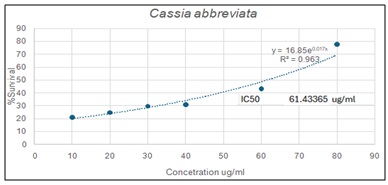
FIG. 3: CYTOTOXICITY OF CASSIA ABBREVIATA BARK EXTRACTS IN HCC1937 TRIPLE-NEGATIVE BREAST CANCER CELL LINE
Cytotoxicity Results for Copper-doped Magnesium Oxide Nanoparticles:
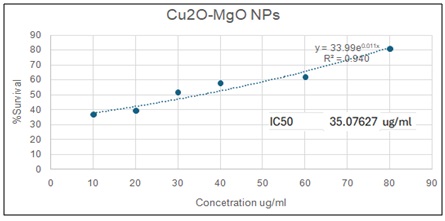
FIG. 4: CYTOTOXICITY OF CASSIA ABBREVIATA BARK EXTRACTS IN HCC1937 TRIPLE NEGATIVE BREAST CANCER CELL LINE
The cells treated with Cu₂O-MgO nanoparticles had significantly lower absorbance values at all the concentrations tested when compared to the cells treated with Cassia abbreviata bark extract, showing that cell viability was greatly inhibited by the nanoparticles. The differences among the treatment groups were statistically significant (P < 0.0001) using one-way analysis of variance (ANOVA) to determine whether any effects were due to random variation. The absorbance values were used to determine the percentage inhibition of cell growth. The bark extract of Cassia abbreviata and Cu₂O–MgO nanoparticles showed concentration-dependent cytotoxic activity against the breast cancer cell line (HCC1937). As the concentration of the cells increased, the cell proliferation was increasingly inhibited; and as the concentration of the cells decreased, the inhibitory effect also decreased. This dose-dependent response is shared by many anti-cancer drugs and implies that treatments have a cytotoxic effect that is dose-dependent.
Nevertheless, Cu₂O–MgO nanoparticles always generated more growth inhibition than the bark extract of Cassia abbreviata at all the concentrations evaluated. The increased cytotoxic effect of these nanoparticles could be explained by their nanoscale size and large surface area, their ability to penetrate cells, and their capacity to generate reactive oxygen species (ROS) that induce oxidative stress, DNA damage, mitochondrial dysfunction, and apoptosis in cancer cells. Half-maximal inhibitory concentration (IC₅₀) values were estimated from computer-generated dose-response curves using the equations of the fitted trend lines in Microsoft Excel. The aqueous bark extract of Cassia abbreviata had an IC₅₀ value of 61.43 μg/mL, while the Cu₂O–MgO nanoparticles had an IC₅₀ value of 35.08 μg/mL against the breast cancer cells HCC1937. The cytotoxicity of the nanoparticles was found to be much higher than that of the crude extract, as lower IC50 values indicate greater potency in promoting cytotoxicity. The enhanced biological activity of the active ingredients in the nanoparticles is attributed to the synthesis method, which is more effective for the Cu₂O–MgO nanoparticles. In addition, the observed cytotoxicity of the Cassia abbreviata extract may be attributable to bioactive phytochemicals, including flavonoids, tannins, phenolic compounds, alkaloids, and anthraquinones, which have been reported to exert antiproliferative and pro-apoptotic effects against cancer cell lines 22. All in all, the results suggest that both treatments exhibit anticancer activity in the human breast cancer cell line HCC1937, with Cu₂O–MgO nanoparticles being highly effective compared to the crude aqueous bark extract.
CONCLUSION: The biosynthesized Cu₂O–MgO nanoparticles showed much higher antiproliferative activity against the HCC1937 human breast cancer cell line compared to the aqueous bark extract of Cassia abbreviata as indicated by their lower IC₅₀ value (35.08 μg/mL vs. 61.43 μg/mL). This proves that green-synthesized nanoparticles are better in inhibiting the growth of breast cancer cells than the crude plant extract. Most probably, the enhanced anticancer activity is due to a synergistic effect between copper, magnesium oxide, and the bioactive phytochemicals from C. abbreviata that participated in the synthesis. This study, therefore, brings to light the potential of green nanotechnology to improve bioactivity and pharmacological efficacy of traditional medicinal plants, such as Cassia abbreviata, and make them better sources of effective low-cost remedies in rural and resource-limited settings in Zimbabwe.
ACKNOWLEDGMENTS: We extend our gratitude to Professor Allen Chaparadza of Austin Peay University, USA, for providing the triple negative breast cancer cell line for free and the Department of Microbiology at Varichem Pharmaceuticals for providing technical support. Atric Biosciences for providing the green-synthesized copper-doped magnesium oxide nanoparticles.
CONFLICTS OF INTEREST: None
REFERENCES:
- Bauer JA, Sysel AM, Heston AJ and Dunphy MJ: Standardized sulforhodamine b colorimetric cell proliferation assay for anticancer activity screening in educational and research laboratories. MethodsX. 2025;15:103469. doi:10.1016/j.mex.2025.103469
- Mongalo N and Mafoko B:Cassia abbreviata A review of its ethnomedicinal uses, toxicology, phytochemistry, possible propagation techniques and Pharmacology. Afr J Pharm Pharmacol 2013;7(45):2901–6.
- Rajendran V, Deepa B and Mekala R: Studies on structural, morphological, optical and antibacterial activity of Pure and Cu-doped MgO nanoparticles synthesized by co-precipitation method. Mater Today Proc. 2018;5(2):8796–803.
- Nyagumbo E, Nyirenda T, Mawere C, Mutaramutswa A, Kapanga D and Ngorima G: Medicinal plants used for the treatment and management of malaria in Zimbabwe–review and perspectives. Ethnobot Res Appl 2025;30:1–41.
- Mwenda NS: In-vitro Antiproliferative activity of aqueous root bark extract of Cassia abbreviata (Holmes) Brenan. 2016.
- Jones M: Flowering plants of the Gambia. CRC Press; 1994.
- Bhatla SC and Lal MA: Secondary metabolites. In: Plant physiology, development and metabolism. Springer 2023; 765–808.
- El Shafey AM: Green synthesis of metal and metal oxide nanoparticles from plant leaf extracts and their applications: A review. Green Process Synth 2020;9(1):304–39.
- Sidhu AK, Verma N and Kaushal P: Role of biogenic capping agents in the synthesis of metallic nanoparticles and evaluation of their therapeutic potential. Front Nanotechnol 2022;3:801620.
- Geraghty R, Capes-Davis A, Davis J, Downward J, Freshney R and Knezevic I: Guidelines for the use of cell lines in biomedical research. Br J Cancer 2014;111(6):1021–46.
- Hernandes C, Miguita L, de Sales RO, Silva E de P, Mendonça POR de and Lorencini da Silva B: Anticancer activities of the quinone-methide triterpenes maytenin and 22-β-hydroxymaytenin obtained from cultivated Maytenusilicifolia roots associated with down-regulation of miRNA-27a and miR-20a/miR-17-5p. Molecules 2020;25(3):760.
- Luitel A, Pant LM, Thapa N, Shrestha M, Adhikari A and Shrestha R: Anticancer Activity of Phytochemicals from Nepalese Plants: A Review of Active Phytochemicals and Screening Methods. Nat Prod Commun 2025;20(3):1934578X251327230.
- Joris F, Manshian BB, Peynshaert K, De Smedt SC, Braeckmans K and Soenen SJ: Assessing nanoparticle toxicity in cell-based assays: influence of cell culture parameters and optimized models for bridging the in-vitro, in-vivo Chem Soc Rev 2013;42(21):8339–59.
- Fulda S, Gorman AM, Hori O and Samali A: Cellular stress responses: cell survival and cell death. Int J Cell Biol 2010;2010(1):214074.
- AC Wahab NF, Kannan TP, Mahmood Z, Rahman IA and Ismail H: Methods in cytotoxicity testing: A review. Recent Pat Mater Sci 2017;10(1):50–9.
- Kabakov AE and Gabai VL: Cell death and survival assays. In: Chaperones: methods and protocols. Springer 2017; 107–27.
- Vichai V andKirtikara K:Sulforhodamine B colorimetric assay for cytotoxicity screening. Nat Protoc 2006;1(3):1112–6. doi:10.1038/nprot.2006.179
- Shakil MS, Rana Z, Hanif M and Rosengren RJ: Key considerations when using the sulforhodamine B assay for screening novel anticancer agents. Anticancer Drugs 2022;33(1):6–10.
- Faundes-Gandolfo N, Jara-Gutiérrez C, Párraga M, Montenegro I, Vera W and Escobar M:Kalanchoe pinnata (Lam.) Pers. Leaf ethanolic extract exerts selective anticancer activity through ROS-induced apoptotic cell death in human cancer cell lines. BMC Complement Med Ther 2024;24(1):269.
- Skehan P, Storeng R, Scudiero D, Monks A, McMahon J andVistica D: New colorimetric cytotoxicity assay for anticancer-drug screening. JNCI J Natl Cancer Inst 1990;82(13):1107–12.
- Baird D, Nordmann A and Schummer J:Editors. Discovering the nanoscale. Amsterdam ; Washington, DC: IOS Press 2004; 321.
- I. N. Cassia abbreviata Oliv. A review of its ethnomedicinal uses, toxicology, phytochemistry, possible propagation techniques and Pharmacology. Afr J Pharm Pharmacol 2013;7(45):2901–6. doi:10.5897/AJPP12.1017
How to cite this article:
Jakata T and Chifamba J:Comparative in-vitro anticancer efficacy evaluation: Cassia abbreviate mediated copper-doped magnesium oxide nanoparticles vs crude aqueous bark extract. Int J Pharm Sci & Res2026; 17(10): 3214-20. doi: 10.13040/IJPSR.0975-8232.17(10).3214-20.
All © 2026 are reserved by International Journal of Pharmaceutical Sciences and Research. This Journal licensed under a Creative Commons Attribution-NonCommercial-ShareAlike 3.0 Unported License.
Article Information
33
3214-3220
515 KB
6
English
IJPSR
T. Jakata* and J. Chifamba
Department of Pharmacy and Pharmaceutical Sciences, University of Zimbabwe, P O Box MP617, Mt Peasant, Harare, Zimbabwe.
tinashehj@gmail.com
11 June 2026
18 July 2026
25 September 2026
10.13040/IJPSR.0975-8232.17(10).3214-20
01 October 2026
 Download