




CONVENTIONAL AND EMERGING MUCOADHESIVE POLYMERS FOR DRUG DELIVERY SYSTEMS: BIOADHESIVE PROPERTIES, STRUCTURAL CHARACTERISTICS, AND PHARMACEUTICAL APPLICATIONS
HTML Full TextCONVENTIONAL AND EMERGING MUCOADHESIVE POLYMERS FOR DRUG DELIVERY SYSTEMS: BIOADHESIVE PROPERTIES, STRUCTURAL CHARACTERISTICS, AND PHARMACEUTICAL APPLICATIONS
Mehak Gupta, Shivyanshi Saxena and Nayyar Parvez *
School of Pharmacy, Sharda University, Greater Noida, Uttar Pradesh, India.
ABSTRACT: Mucoadhesive drug delivery systems represent an advanced strategy in pharmaceutical formulation design, utilizing polymers that enable prolonged contact between the drug delivery system and mucosal surfaces. The term mucoadhesion refers to the ability of a formulation containing a suitable natural or synthetic polymer to adhere to mucus layers or epithelial tissues. These systems have gained considerable attention owing to the high permeability and extensive vascularization of mucosal membranes, which facilitate rapid drug absorption into systemic circulation. Certain mucoadhesive routes such as buccal and nasal delivery may partially avoid hepatic first-pass metabolism and improve bioavailability depending on the physicochemical characteristics of the drug and the site of administration. Mucoadhesive polymers are employed in a wide range of pharmaceutical dosage forms, including tablets, gels, patches, powders, films, tapes, and semisolid preparations, to enable both local and systemic drug delivery through various mucosal routes. Polymers such as polyethylene glycol, hydroxypropyl methylcellulose, sodium alginate, sodium carboxymethylcellulose, guar gum, tragacanth, acacia, and related cellulose derivatives have been extensively explored due to their strong mucoadhesive potential. An ideal mucoadhesive polymeric system should exhibit rapid adhesion to the mucosal surface, maintain structural integrity without altering the physicochemical properties of the formulation, and allow controlled drug release. In addition, such polymers should be biodegradable, non-toxic, and capable of enhancing drug permeation while minimizing enzymatic degradation at the site of administration. The present review aims to provide a comprehensive overview of novel and emerging mucoadhesive polymers, with emphasis on their bioadhesive characteristics, structural features, mechanisms of adhesion, and applications in modern drug delivery systems.
Keywords: Mucoadhesion, Mucoadhesive mechanism, Mucoadhesive polymers, Chitosan, Guar gum
INTRODUCTION: Mucoadhesion is a multifaceted phenomenon that plays a critical role in polymer-based drug delivery systems designed for mucosal administration. The mucoadhesive process involves a sequence of physicochemical interactions between the polymeric carrier and the mucus layer, including wetting, adsorption, and the formation of chemical or physical bonds.
The efficiency of mucoadhesion is strongly dependent on polymer-specific parameters such as molecular weight, degree of cross-linking, chain flexibility, and the presence of functional groups capable of interacting with mucin.
Mucoadhesive drug delivery systems have been widely investigated for application to various mucus-lined tissues, enabling both localized therapeutic action and systemic drug delivery. The concept of mucoadhesion was first introduced into controlled drug delivery research during the early 1980s and has since evolved into an important platform technology. In pharmaceutical sciences, bioadhesion broadly describes the attachment of a drug carrier to a biological surface, whereas mucoadhesion specifically denotes adhesion to mucus-covered epithelial tissues. This approach enhances drug retention at the site of application and improves therapeutic performance by maintaining close contact with the absorption surface 1.
Mucosal Routes of Drug Delivery: Mucoadhesive systems have been successfully developed for drug administration through several mucosal pathways, including:
- Buccal and oral mucosa
- Gastrointestinal tract
- Nasal cavity
- Ocular tissues
- Vaginal mucosa 2, 3, 4
Advantages of Mucoadhesive Drug Delivery Systems:
- Prolongs the residence time of the dosage form at the site of absorption by adhering to the mucosal surface.
- Enhances drug absorption and therapeutic efficacy due to prolonged contact with the mucosal membrane 5.
- Provides easy and direct access to various mucosal tissues, enabling non-invasive drug administration.
- Allows rapid onset of action because mucosal tissues are highly vascularized and possess high blood flow rates.
- Improves systemic bioavailability by bypassing hepatic first-pass metabolism 6.
- Protects drugs from enzymatic and acidic degradation, particularly within the gastrointestinal environment.
- Reduces dosing frequency, which contributes to improved patient compliance.
- Enables both local and systemic drug delivery depending on formulation design and site of application.
- Minimizes dose-related side effects by maintaining controlled and localized drug release.
- Offers versatility in formulation, allowing incorporation into tablets, films, gels, patches, and semisolid systems 7, 8.
Mechanism of Mucoadhesion: Mucoadhesion can be defined as the process by which a drug delivery system adheres to a mucosal surface through the action of a polymeric carrier. This phenomenon involves a combination of physical and chemical interactions, including hydration, polymer swelling, adsorption, and interpenetration of polymer chains into the mucus network 9. Typically, the natural residence time of conventional dosage forms on mucosal surfaces is limited to less than one hour due to physiological clearance mechanisms. Incorporation of mucoadhesive polymers significantly enhances retention by anchoring the formulation to the mucous membrane. Although the precise mechanism of mucoadhesion has not been completely elucidated, it is widely accepted that initial contact between the polymer and mucin is followed by chain interpenetration and formation of secondary bonds. Hydrogen bonding, electrostatic attractions, and van der Waals forces play a dominant role in stabilizing the adhesive interface 10, 11.
Stages of Mucoadhesion: The mucoadhesion process generally occurs in two distinct stages:
Contact Stage: This initial phase involves close contact between the mucoadhesive formulation and the mucosal surface. It is facilitated by wetting, swelling, and spreading of the polymer, which enables intimate interaction with the mucus layer 12.
Consolidation Stage: In this stage, the polymer chains become activated in the presence of moisture, leading to increased flexibility and mobility. This allows deeper interpenetration of polymer chains into the mucin network and the formation of adhesive bonds through hydrogen bonding and weak intermolecular forces, thereby strengthening the mucoadhesive interaction 13. These stages of mucoadhesion are schematically represented in Fig. 1.
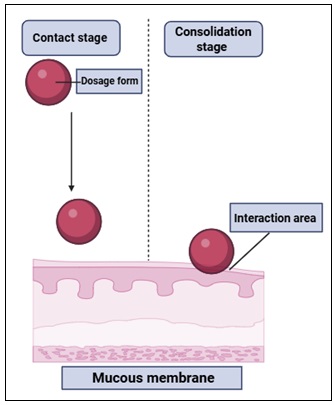
FIG. 1: MECHANISM OF MUCO-ADHESION
Theories of Mucoadhesion: Bioadhesion is a multifactorial process governed by several physicochemical interactions between the adhesive material and the biological surface. Depending on the nature of the interacting surfaces and the surrounding environment, adhesion can occur through different mechanisms. To explain the underlying principles of bioadhesion and mucoadhesion, several theoretical models have been proposed. These theories collectively provide insight into how polymeric systems adhere to mucosal surfaces and are widely used to describe the mechanism of mucoadhesion 14, 15.
Wetting Theory: The wetting theory describes adhesion as a consequence of the ability of a liquid or semi-solid adhesive to spread uniformly over the surface of a substrate. Effective spreading indicates strong affinity between the adhesive and the surface.
The degree of wetting is quantified by the contact angle; a lower contact angle corresponds to better wetting and stronger adhesive interaction. When two surfaces come into close contact in the presence of a liquid medium, adhesion occurs due to intimate contact facilitated by the spreading behavior of the adhesive phase 16.
Mechanical Theory: According to the mechanical theory, adhesion arises from the physical interlocking of the adhesive material within surface irregularities of the substrate. The adhesive penetrates into microscopic cracks, pores, and cavities present on the surface, leading to the formation of a mechanically interlocked structure. This interpenetration enhances adhesive strength by increasing the surface area available for interaction 16, 17.
Diffusion Theory: The diffusion theory explains adhesion based on the mutual interpenetration of polymer chains across the interface between the adhesive system and the substrate. Polymer chains from the adhesive diffuse into the mucosal layer and vice versa, resulting in the formation of an entangled network. The extent of diffusion depends on factors such as polymer chain mobility, molecular weight, and contact time, which collectively influence the strength of adhesion 18.
Electronic Theory: The electronic theory proposes that adhesion occurs due to electron transfer between the adhesive and substrate surfaces upon contact. This transfer results in the formation of an electrical double layer at the interface, generating electrostatic attractive forces that contribute to adhesive bonding. These electrostatic interactions play a supportive role in stabilizing the adhesive interface 19, 20.
Cohesive Theory: The cohesive theory attributes bioadhesion primarily to the internal strength of the adhesive material rather than interactions with the substrate surface. According to this concept, strong intermolecular forces within the adhesive itself are responsible for maintaining adhesion. The cohesive strength of the polymer matrix therefore plays a crucial role in determining the overall adhesive performance 21.
The mechanisms associated with these theories of mucoadhesion are schematically illustrated in Fig. 2.
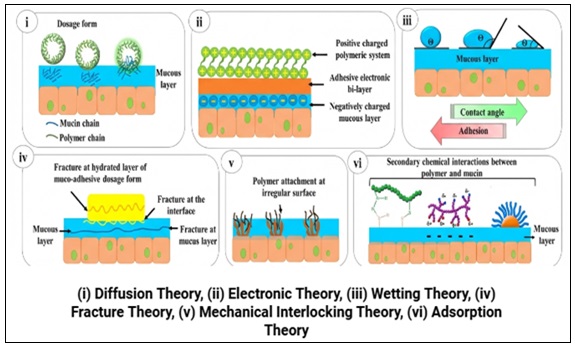
FIG. 2: THEORIES OF MUCOADHESION
Based on the established theories of adhesion, the bioadhesion process can broadly be divided into two main approaches:
Chemical Approach: This approach includes the electronic and adsorption theories, where adhesion is primarily governed by chemical interactions such as electron transfer and intermolecular forces between the adhesive polymer and the biological surface.
Physical Approach: This approach encompasses wetting, diffusion, and cohesive theories, which emphasize physical contact, polymer chain movement, interpenetration, and mechanical interactions as the dominant factors influencing adhesion 22, 23.
The Mucoadhesion Process: Mucoadhesion generally proceeds through two sequential and interrelated stages. The initial phase is known as the contact stage, during which the mucoadhesive polymer comes into direct contact with the mucosal surface. At this stage, the polymer undergoes wetting, spreading, and swelling, allowing it to establish intimate contact with the mucus layer and cover a larger surface area of the mucous membrane. This initial interaction is essential for initiating the adhesion process 24.
Following this is the consolidation stage, during which the adhesive interaction is strengthened through various physicochemical mechanisms. These include hydrogen bonding, electrostatic interactions, and interpenetration of polymer chains into the mucus network. Together, these interactions stabilize the adhesive interface and significantly increase the residence time of the dosage form at the site of administration, thereby enhancing drug absorption and therapeutic efficacy 25. Mucoadhesion can be defined as the ability of a polymeric material to adhere to the surface of a mucosal layer. Mucus is a complex biological secretion primarily composed of water and mucin, an anionic glycoprotein, along with smaller amounts of proteins, lipids, and mucopolysaccharides. Water and mucin together constitute more than 99% of the total mucus composition, with water alone accounting for over 95%. The characteristic gel-like structure of mucus arises from an entangled network of mucin glycoproteins, which is stabilized by non-covalent interactions such as hydrogen bonding, electrostatic forces, and hydrophobic interactions. These interactions impart viscoelastic properties to mucus and play a crucial role in facilitating effective mucoadhesion 26.
Polymers Used in Mucoadhesive Drug Delivery Systems: Mucoadhesive drug delivery systems have attracted significant attention due to their capacity to localize drug delivery at specific sites, thereby improving therapeutic outcomes. Polymers are central to the design of these systems, as they enhance the residence time of the drug at the target site. Mucoadhesive polymers may be either water-soluble or water-insoluble and typically form swellable networks through cross-linking. These polymers possess suitable polarity to allow efficient wetting by mucus and sufficient chain mobility to promote adsorption and interpenetration between polymer chains and mucin molecules 27. An ideal polymer intended for use in a mucoadhesive drug delivery system should possess several desirable attributes.
- The polymer and its degradation products should be non-toxic, non-irritant, and preferably biodegradable 28.
- It should form strong non-covalent interactions with the mucosal surface 29.
- The polymer should allow easy incorporation of the drug without affecting its release profile and should remain stable throughout the shelf life of the dosage form 30.
- Economic feasibility is also an important consideration to ensure the commercial viability of the formulation 31.
- High molecular weight polymers, generally up to 100,000 Da, are preferred for effective mucoadhesion 32.
- Adequate chain length is required for polymer–mucus interpenetration, while excessively long chains may hinder diffusion.
- Higher viscosity enhances mucoadhesive strength.
- Chain flexibility promotes better penetration into the mucus network.
- Degree of cross-linking influences swelling behavior and chain mobility.
- Highly cross-linked polymers swell without dissolving, supporting sustained drug release.
- Excessive cross-linking may reduce mucoadhesive strength by restricting chain mobility 33.
- Polymer concentration affects adhesive performance and must be optimized.
- In solid dosage forms, increased polymer concentration generally enhances mucoadhesion.
- In semi-solid systems, adhesion may decrease beyond an optimal polymer concentration 34.
- Charged polymers exhibit stronger mucoadhesion than non-ionic polymers.
- Mucoadhesive strength typically follows the order: non-ionic < cationic < anionic polymers 35.
- Hydration level plays a crucial role; excessive hydration can reduce adhesion by forming a slippery gel layer 36.
- pH influences polymer ionization and conformation.
- Mucoadhesion is generally favored at lower pH values.
- Certain cationic polymers, such as chitosan, show enhanced adhesion at higher pH due to polyelectrolyte complex formation with mucus 37.
Advantages of Mucoadhesive Polymers:
- Mucoadhesive polymers are biodegradable, non-toxic, and non-irritant 38.
- They possess suitable flow properties for tableting and oral administration.
- Prolonged residence time enhances drug bioavailability.
- They enable sustained drug release comparable to conventional polymers such as Carbopol® 971P NF 39.
- Improved handling characteristics facilitate formulation development.
- Many mucoadhesive polymers are approved by international pharmacopoeias.
- These systems protect proteins and peptides from enzymatic degradation.
- Enhanced stability improves bioavailability of peptide-based formulations 40, 41.
Classification of Mucoadhesive Polymers: Mucoadhesive polymers can be classified based on their ionic nature. Cationic polymers, such as chitosan, exhibit strong mucoadhesive properties due to electrostatic interactions with negatively charged mucin. These polymers are biocompatible and biodegradable, making them highly suitable for mucosal applications. Anionic polymers, including carboxymethyl cellulose and polyacrylic acid, form strong hydrogen bonds with mucin and are widely used in mucoadhesive drug delivery systems. Non-ionic polymers, although comparatively weaker in adhesion, are hydrophilic and form viscous solutions that increase drug residence time; common examples include hydroxypropyl methylcellulose, poloxamer, microcrystalline cellulose, polyvinyl pyrrolidone, and polyvinyl alcohol. In general, polyelectrolytes exhibit superior mucoadhesive performance compared to neutral polymers.
Hydrogels represent an important class of mucoadhesive materials and consist of three-dimensionally cross-linked polymeric networks capable of retaining large amounts of water due to the presence of hydrophilic functional groups such as hydroxyl, carboxyl, and amino groups. Polyacrylic acid-based hydrogels are among the most commonly used materials in mucoadhesive drug delivery systems. Lectin-based polymers form a specialized category of mucoadhesive materials derived from plant or animal sources. Lectins possess the unique ability to reversibly bind to specific carbohydrate residues on cell surfaces, providing targeted cytoadhesive properties. Legumes are a major source of lectins, and these polymers are increasingly explored for site-specific and targeted drug delivery applications.
Thiolated polymers, also known as thiomers, represent an advanced generation of mucoadhesive materials in which free thiol groups are introduced along the polymer backbone. These thiol groups are capable of forming covalent disulfide bonds with cysteine-rich regions of mucin glycoproteins, resulting in significantly enhanced and more durable mucoadhesion compared to conventional non-covalent interactions. The formation of inter- and intramolecular disulfide bonds increases cross-linking within the polymer matrix, thereby influencing drug release behavior and promoting sustained or controlled release. Common examples include chitosan–thioglycolic acid, chitosan–iminothiolane, poly (acrylic acid)–cysteine, sodium carboxymethyl cellulose–cysteine, and alginate–cysteine derivatives 42.
Evaluation of Mucoadhesive Systems: Mucoadhesive performance is commonly evaluated using both in-vitro and ex-vivo techniques. Tensile strength and detachment force studies are widely used to quantify adhesive strength between the polymer and biological tissue.
Rheological synergism studies evaluate interactions between mucin and polymeric systems by monitoring viscosity enhancement. Wash-off tests and ex-vivo residence-time studies are employed to determine the ability of dosage forms to remain attached under physiological conditions. Swelling index measurements provide information regarding hydration and polymer expansion, which directly influence mucoadhesion and drug release. In addition, texture analysis, mucin particle methods, and in-vivo residence studies are increasingly used to establish correlations between laboratory performance and therapeutic outcomes 41, 42.
Characteristics of an Ideal Mucoadhesive Polymer
- Should be biocompatible, non-toxic, and pharmaceutically safe.
- Should degrade without producing harmful or absorbable by-products.
- Must be chemically inert and non-irritating to mucosal tissues.
- Rapid adhesion with site specificity is desirable.
- Should form strong non-covalent interactions with mucin.
- Must remain stable during storage and shelf life.
- Should be cost-effective for large-scale production 43.
Robinson and co-workers investigated polymer–mucus interactions using fluorescence-based techniques and reported that both anionic and cationic polymers exhibit stronger adhesion to mucosal surfaces than neutral polymers. Among anionic polymers, those capable of interacting with sulfate groups in mucus showed stronger binding compared to polymers interacting primarily with carboxyl groups. Their findings also indicated that water-insoluble polymers offer greater formulation flexibility than water-soluble ones. Overall, polyanionic polymers demonstrated stronger mucoadhesive interactions than polycationic systems, and the extent of polymer–mucus binding was directly related to polymer charge density. Polymers such as gelatin, carbopol, polycarbophil, carboxymethyl cellulose, and hyaluronic acid exhibited particularly high mucoadhesive strength 44.
Route-Specific Considerations in Mucoadhesive Drug Delivery: Different mucosal routes exhibit distinct physiological and formulation-related characteristics that significantly influence mucoadhesive performance. Buccal mucosa offers relatively low enzymatic activity and good accessibility, making it suitable for films and tablets requiring prolonged residence.
Nasal mucosa possesses rapid mucus turnover and limited residence time; therefore, fast-gelling and highly adhesive polymers are preferred. Ocular delivery systems require transparent, non-irritating, and highly hydrated polymers because of continuous tear turnover. Vaginal mucosa exhibits pH variability and hormonal influence, demanding polymers with adequate hydration and compatibility. Gastrointestinal mucoadhesive systems must withstand variable pH, enzymatic activity, and mucus renewal, while rectal formulations require polymers capable of maintaining adhesion under limited fluid conditions. Therefore, polymer selection must be tailored according to mucus composition, pH, permeability, and residence-time requirements associated with each route 45, 46.
Molecular Characteristics Influencing Mucoadhesion: The mucoadhesive performance of a polymer is strongly governed by its molecular characteristics, which determine the nature and strength of interactions with the mucosal surface. Polymers intended for mucoadhesive applications generally possess functional groups capable of forming hydrogen bonds with mucin, such as hydroxyl (–OH) and carboxyl (–COOH) groups. These groups facilitate intimate interaction with the mucus layer and contribute significantly to adhesive strength. In addition, polymers exhibiting an anionic character tend to show enhanced mucoadhesion due to electrostatic attraction with the negatively charged components of mucin.
Polymer chain flexibility is another critical factor influencing mucoadhesion. Flexible polymer chains are better able to penetrate into the mucus network and conform to the surface topology of the mucosal tissue, resulting in improved interpenetration and stronger adhesive interactions. Proper surface tension and wetting behavior further support effective initial contact between the polymer and the mucosal surface, which is essential for the establishment of adhesion.
Molecular weight also plays a significant role in determining mucoadhesive strength. In general, polymers with higher molecular weight demonstrate improved adhesion due to increased chain length and greater availability of interaction sites.
However, excessively high molecular weight may limit polymer chain mobility and diffusion into the mucus layer, thereby reducing adhesive efficiency. Therefore, an optimal balance between molecular weight and chain mobility is required for effective mucoadhesion. Although anionic polymers are often preferred for mucoadhesive drug delivery systems because of their strong interactions with mucin, cationic polymers such as chitosan have also shown effective mucoadhesive properties through electrostatic attraction and hydrogen bonding. In addition, non-ionic polymers, particularly cellulose derivatives, are widely employed due to their hydrophilicity, safety, and ability to enhance drug residence time on mucosal surfaces. Collectively, these molecular attributes determine the suitability of polymers for mucoadhesive drug delivery applications 45, 46.
TABLE 1: MUCOADHESIVE POLYMERS WITH NATURE AND THEIR BIOADHESIVE PROPERTY
| S. no. | Polymer | Bio-adhesive property | Types of Polymer | Structure |
| 1. | Acacia gum | Gum acacia is a hydrophilic natural polysaccharide that swells upon hydration, exhibits strong tissue affinity, maintains a moist wound environment, and provides haemostatic support, thereby enhancing adhesion and wound healing47. | Natural | 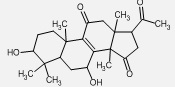 |
| 2. | Alignate-chitosan proelectrolyte complexes | Alginate–chitosan polyelectrolyte complexes exhibit strong, biocompatible bioadhesion through electrostatic interactions, forming stable swollen networks suitable for wound dressing and mucosal applications48.
|
Natural, hydrophilic polymers | 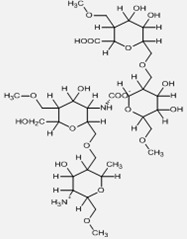 |
| 3. | Carbopol 934 | Carbopol 934P is a hydrophilic poly(acrylic acid) polymer with strong mucoadhesive and gel-forming properties that enhance residence time, mechanical stability, and safe prolonged adhesion on mucosal tissues49,50. | Synthetic | 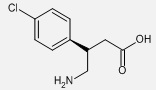 |
| 4. | Chitosan | Chitosan is a biocompatible polycationic polymer with strong mucin-binding, swelling, and film-forming properties that provide durable, safe, and flexible mucoadhesion in buccal drug delivery systems51. | Natural | 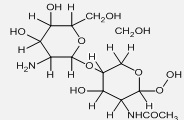 |
| 5. | CMC Sodium | Sodium carboxymethylcellulose is a biocompatible anionic polysaccharide whose rapid hydration and hydrogen-bond-mediated mucoadhesion enable safe and prolonged contact with mucosal tissues52. | Semi-synthetic | 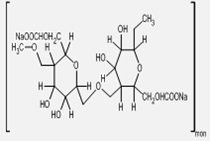 |
| 6. | Gelatin | Gelatin is a natural protein-based amphoteric biopolymer with pH-dependent surface charge arising from its amino acid residues, but it exhibits weak inherent mucoadhesive strength and therefore requires chemical modification or functionalization to achieve effective mucoadhesion53. | Natural | 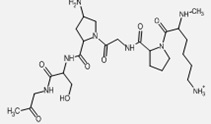 |
| 7. | Guar gum | Guar gum is a natural polysaccharide derived from Cyamopsis tetragonolobus seeds that exhibits mucoadhesion primarily through hydration and polymer chain entanglement, providing sustained drug release and enhanced bioavailability, with its bioadhesive efficiency governed by polymer concentration and degree of hydration rather than covalent interactions.
Natural polysaccharide obtained from Cyamopsis tetragonolobus seeds54. |
Hydrophilic | 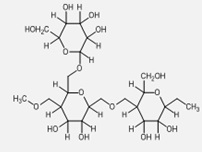 |
| 8. | Gum karaya | Gum is a natural acidic polysaccharide obtained from Sterculia urens exudates that exhibits pH-responsive, noncovalent mucoadhesion primarily through polymer hydration and swelling due to its carboxyl-rich backbone.
Natural acidic polysaccharide obtained from Sterculia urens exudates55. |
Natural | 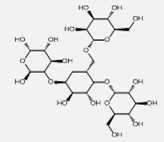 |
| 9. | HPMC | This polymer rapidly hydrates and swells under physiological conditions to establish intimate mucosal contact, exhibits strong and stable mucoadhesion dominated by secondary interactions, maintains adhesion even at high drug loading, but shows fast swelling and dissolution when used alone due to its high water solubility.
Rapidly hydrates and swells in physiological conditions, enabling close mucosal contact56. |
Semi-synthetic | 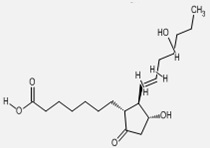 |
| 10. | Hydroxy ethyl cellulose | Hydroxyethyl cellulose is a non-ionic, water-soluble polymer that safely swells and retains water to enable effective drug entrapment and controlled release on mucosal surfaces, while its charge-neutral nature minimizes ionic incompatibilities and pH-dependent variability in drug release57. | Semi-synthetic | 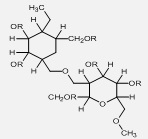 |
| 11. | Hydroxy propyl cellulose | Hydroxypropyl cellulose is a non-ionic, biocompatible polymer that adheres to buccal mucosa via hydrogen bonding and chain entanglement, maintains adhesion under dynamic oral conditions, and enhances local retention of active agents for sustained and effective mucosal drug delivery58. | Semi-synthetic | 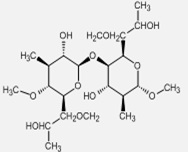 |
| 12. | Pectin | Pectin is a naturally derived, carboxyl-rich polysaccharide composed of galacturonic acid units that is safe for oral and buccal use, exhibits excellent swelling, gelling, and film-forming properties, and shows improved mucosal retention when crosslinked due to reduced solubility59. | Hydrophilic | 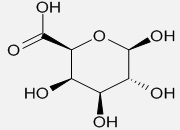 |
| 13. | Polycarbophil | This polymer exhibits exceptionally strong mucoadhesion by forming a highly swollen gel at pH values above its pKa (~6.0), is GRAS-classified and well tolerated on mucosal tissues, effectively resists physiological clearance, and retains its adhesive performance when blended with thermoresponsive polymers such as Poloxamer 40760. | Synthetic | 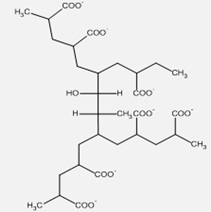 |
| 14. | Psyllium | Psyllium is a highly swellable, gel-forming natural polysaccharide whose strong water-binding ability and hydrogen-bonding interactions with mucin impart effective mucoadhesive properties suitable for prolonged and site-specific drug delivery61. | Natural |  |
| 15. | PVP | Polyvinylpyrrolidone (PVP) enhances mucoadhesion in oral delivery systems by improving hydration, hydrogen bonding with mucin, mechanical strength, and drug retention, particularly when blended with chitosan for RAS treatment62. | Hydrogel | 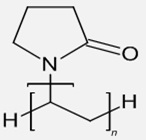 |
| 16. | Sodium alginate | Sodium alginate is a biocompatible, biodegradable anionic polysaccharide that exhibits effective mucoadhesion through secondary interactions, possesses good swelling and film-forming properties, and is well suited for buccal film formulations requiring prolonged mucosal contact and uniform drug distribution63. | Natural | 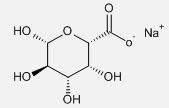 |
| 17. | Thermo-responsive polymer
(Poloxamer-Based Mucoadhesive Systems) |
This natural polysaccharide is a safe and biodegradable material that forms stable polymeric matrices with enhanced stability after thermal treatment, enabling controlled drug retention and sustained release64. | Synthetic, amphiphilic | 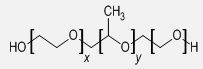 |
| 18. | Thermally modified starch | Thermally modified porous starch, especially when chitosan-modified, offers a biocompatible and biodegradable mucoadhesive platform with enhanced oral retention and resistance to salivary washout for effective oral drug and probiotic delivery65. | Natural | 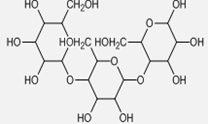 |
| 19. | Tragacanth | Tragacanth is a high-molecular-weight anionic polysaccharide exhibiting strong mucoadhesive properties due to its polyelectrolyte nature and hydrogel-forming ability, enabling prolonged adhesion to intestinal mucosa. Its capacity to formpolyelectrolyte complexes and entrap proteins within a hydrated matrix enhances mucosal residence time, protects peptides from degradation, and supports sustained release for improved oral bioavailability66. | Natural | 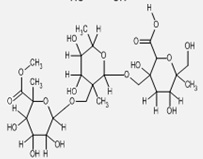 |
| 20. | Zwitterionic polymer | Zwitterionic polymers exhibit charge-balanced, strongly hydrated surfaces that minimize nonspecific bioadhesion and provide stable, low-immunogenic antifouling behavior, making them highly suitable for biomedical hydrogel and drug delivery applications67. | primarily synthetic, highly hydrophilic | 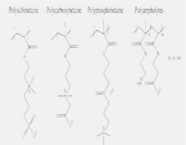 |
Natural Mucoadhesive Polymers:
Chitosan: Chitosan is a naturally occurring polymer obtained by the deacetylation of chitin. Commercially, it is isolated from the shells of shrimp and other marine crustaceans, including Pandalus borealis. Chemically, chitosan is a linear polysaccharide composed of randomly distributed β-(1→4)-linked D-glucosamine (deacetylated units) and N-acetyl-D-glucosamine (acetylated units) 51.
Properties:
- Exhibits strong mucoadhesive characteristics
- Widely used in transdermal and transmucosal drug delivery systems
- Possesses a positive charge under acidic conditions, enhancing interaction with mucosal surfaces
- Insoluble in neutral and alkaline environments
- Capable of forming complexes with various transition metal ions
- Shows potential for site-specific cellular targeting of drugs
- Demonstrates bacteriostatic and fungistatic activity
- Has the ability to bind or conjugate with other molecules
Advantageof Chitosan: Chitosan shows excellent biocompatibility and low toxicity, making it a suitable pharmaceutical excipient for both conventional and advanced drug delivery applications 68.
Pectins: Pectins are complex polysaccharides obtained mainly from plant sources such as citrus peels and apple pomace, which are by-products of the fruit juice industry. Apple pomace contains approximately 10–15% pectin, while citrus peels contain about 20–30% on a dry weight basis. Structurally, pectin consists predominantly of D-galacturonic acid units linked by α-(1→4) glycosidic bonds.
The carboxyl groups of these units may exist as free acids, methyl esters, or carboxamide derivatives following industrial processing 59.
Properties:
- Soluble in water
- Alkali metal salts of pectic acid are water soluble
- Salts formed with di- and tri-valent cations are poorly soluble or insoluble
- Dry pectin powder tends to form lumps when dispersed in water
Pharmaceutical Applications:
- Used as a binding agent in tablet formulations
- High-methoxy pectin is employed in monolithic bioerodible systems
- Utilized in directly compressed tablets in combination with HPMC
- Low-methoxy pectin is used for bead preparation by ionotropic gelation
- Applied in sustained-release drug delivery systems 69, 70.
Tragacanth: Tragacanth is a natural gum obtained from the dried exudates of various Astragalus species such as A. gummifer, A. ascenders, A. tragacanthus, and A. brachycalyx. It is an odorless, tasteless, highly viscous polysaccharide that swells in water 71.
Pharmaceutical Applications:
- Used as an adhesive or binding agent in tablets and pills.
- Functions as a thickening agent in pharmaceutical formulations.
- Acts as an emulsifying agent for stabilizing oil droplets in creams, pastes, and lotions 72.
Sodium Alginate: Alginic acid is an anionic polysaccharide present in the cell walls of brown algae. It has a high water-binding capacity and forms viscous gels upon hydration.
Alginic acid can absorb approximately 200–300 times its own weight in water. It is primarily extracted from seaweed and can also be biosynthesized by bacterial genera such as Azotobacter and Pseudomonas. Sodium alginate is the sodium salt of alginic acid with the molecular formula NaC₆H₇O₆ 59, 73.
Properties:
- Extracted from brown algae
- Soluble in water
- Insoluble in ethanol and ether
Pharmaceutical Applications
- Used as a viscosity-enhancing agent
- Acts as an emulsifying agent
- Utilized in indigestion formulations and dental impression materials
- Functions as a chelating agent for binding metal and radioactive ions
- Employed in enzyme immobilization techniques 73.
Guar Gum: Guar gum is a naturally occurring galactomannan polysaccharide obtained from the endosperm of guar seeds. It contains approximately 80% galactomannan, along with small amounts of water, protein, fat, and ash. The polymer has a very high molecular weight (around one million), which contributes to its high viscosity in aqueous systems 74, 75.
Properties:
- Composed of galactose and mannose units
- Soluble in both cold and hot water
- Insoluble in most organic solvents
Pharmaceutical Applications:
- Used as a binder or disintegrant in tablet formulations
- Employed in bulk-forming laxatives
- Utilized in cosmetic and toiletry products
- Acts as a thickening agent in toothpaste and as a conditioning agent in shampoos
- Functions as an emulsifying, stabilizing, and film-forming agent
- Applied in colon-targeted drug delivery due to its release-retarding properties 74, 75.
Isapghula Husk (Psyllium): Psyllium, also known as isabgol or ispaghula, is obtained from the seed husks of Plantago ovata. The gel-forming fraction consists mainly of alkali-extractable polysaccharides composed of arabinose, xylose, and trace amounts of other sugars 76.
Properties:
- Highly hydrophilic with excellent water uptake and swelling capacity
- Forms a viscous, mucilaginous gel upon hydration
- Biodegradable, biocompatible, and non-toxic
- Swelling behavior governs diffusion- and erosion-controlled drug release 76.
Pharmaceutical Applications:
- Used as a binder and matrix-forming agent in oral tablet formulations
- Acts as a release-retarding polymer in sustained and controlled drug delivery systems 76
- Applied in pulsatile drug delivery systems due to predictable swelling behaviour 76
- Utilized in colon-targeted drug delivery because of microbial degradation in the colon77
- Enhances matrix integrity and modulates drug release when combined with HPMC 77
Gelatin: Gelatin is a mixture of peptides and proteins produced by the partial hydrolysis of collagen obtained from animal bones, connective tissues, skin, and organs. Based on the method of processing, gelatin is classified into two types.
Types of Gelatin:
- Soft gelatin: obtained by acid hydrolysis
- Hard gelatin: obtained by alkaline hydrolysis78
Properties:
- It possesses both acidic and basic functional groups, giving it amphoteric behavior that varies with environmental pH.
- The polymer forms thermoreversible gels as a result of partial reorganization of collagen chains.
- Gelatin films exhibit good flexibility and mechanical integrity but limited inherent mucoadhesion.
- It is biodegradable, biocompatible, and generally well tolerated by biological tissues78.
Pharmaceutical Applications:
- Widely used in food and non-food products
- Acts as a stabilizing and thickening agent
- Commonly employed as a shell material for hard and soft capsule dosage forms.
- Used as a film former and binding agent in solid oral formulations.
- Applied for taste masking and stabilization of sensitive drug molecules.
- Modified gelatin systems are explored for sustained and localized drug release.
- Functions as an adhesive agent79.
Gum Karaya: Gum Karaya is a natural, partially acetylated polysaccharide obtained from Sterculia species, known for its high swelling capacity and mucoadhesive nature 80.
Key Properties:
- Highly hydrophilic polymer with substantial water absorption capacity.
- Rich in hydroxyl and carboxyl groups, facilitating mucoadhesion.
- Exhibits rapid swelling, forming viscous gels.
- Biodegradable, biocompatible, and non-toxic.
- Exhibits improved mucoadhesion after chemical modification
- Capable of forming polyelectrolyte complexes with other polymers 80.
Pharmaceutical Applications:
- Used in mucoadhesive tablets and hydrogels.
- Applied in controlled and sustained release formulations.
- Utilized in buccal and gastroretentive drug delivery systems.
- Investigated for nanocomposite and dual drug delivery systems.
- Employed in colon-targeted drug delivery due to swelling behaviour 80, 81.
Thermally Modified Starch: Thermally modified starch is produced by subjecting native starch to controlled heat treatment, leading to altered molecular organization and enhanced functional performance in drug delivery systems 82.
Key Properties:
- Derived from native starch subjected to controlled heat treatment
- Increased amorphous regions enhance hydration and swelling
- Improved mechanical strength compared to native starch
- Biodegradable, biocompatible, and naturally derived
- Chemically inert and cost-effective
- Exhibits moderate mucoadhesive behavior after thermal modification 82, 83.
Pharmaceutical Applications:
- Used as a matrix former in controlled release tablets.
- Applied in mucoadhesive oral films and patches.
- Utilized in gastroretentive drug delivery systems.
- Investigated for prolonged release of hydrophilic drugs
- Used as a natural alternative to synthetic release retardants 83.
Acacia (Gum Arabic): Acacia gum is a natural polysaccharide exudate obtained from Acacia species, traditionally used as an excipient and increasingly explored for mucoadhesive drug delivery applications 84.
Key Properties:
- Rich in hydroxyl groups enabling mucosal interaction.
- Highly water-soluble and biodegradable84.
- Exhibits good film-forming and emulsifying properties.
- Shows improved mucoadhesion upon chemical modification.
- Biocompatible and non-toxic.
- Stable over a wide pH range 85, 86.
Pharmaceutical Applications:
- Used in buccal and oral mucoadhesive formulations.
- Applied in controlled release tablets and microspheres.
- Utilized in nanocomposite drug delivery systems85.
- Employed in nanocomposite and nanoparticulate drug delivery systems 86.
- Investigated for improving drug bioavailability and mucosal retention 86.
Synthetic Polymer:
Carbopol: Carbopol is a high-molecular-weight synthetic polymer of acrylic acid that is cross-linked with either divinyl glycol or polyalkenyl ethers. It undergoes gel formation when exposed to a pH range of approximately 4–6 and exhibits an exceptional swelling capacity, absorbing water up to nearly 1000 times its original volume 87.
Pharmaceutical Applications:
- Exhibits good flow characteristics, making it suitable for use in tablet formulations
- Possesses strong mucoadhesive properties, which help in prolonging drug residence time and controlling drug release
- Capable of providing drug release profiles comparable to Carbopol® 971 NF, while offering improved handling properties
- Enhances bioavailability due to its pronounced mucoadhesive behavior
- Non-toxic, safe, and effective for oral drug delivery applications
- Protects proteins and peptides from enzymatic degradation, thereby improving the bioavailability of protein- and peptide-based formulations 87, 88.
Polycarbophil: Polycarbophil is a high-molecular-weight, cross-linked poly (acrylic acid) polymer widely investigated as a mucoadhesive excipient due to its strong interaction with mucosal glycoproteins and prolonged residence at mucosal surfaces 89.
Key Properties:
- High density of carboxyl functional groups, enabling extensive hydrogen bonding with mucin.
- Exhibits pH-dependent swelling, with maximal hydration under neutral to slightly alkaline conditions.
- Forms viscous gels upon hydration, enhancing drug retention.
- Demonstrates excellent bioadhesive strength compared to non-ionic polymers.
- Non-toxic, non-irritant, and pharmaceutically stable.
- Capable of sustained and controlled drug release due to its cross-linked structure 89, 90.
Pharmaceutical Applications:
- Used extensively in buccal and vaginal mucoadhesive tablets and gels to prolong drug contact time.
- Applied in ocular formulations to enhance precorneal residence.
- Employed in controlled release oral dosage forms for drugs with short biological half-life.
- Utilized in local delivery systems for antifungal and antimicrobial agents.
- Incorporated in bioadhesive patches and films to improve therapeutic efficacy 90.
Semi-Synthetic Mucoadhesive Polymers:
Sodium Carboxymethyl Cellulose (Sod. CMC): Sodium carboxymethyl cellulose is a water-soluble polymer that rapidly swells upon contact with water and subsequently dissolves completely, forming a viscous solution 91.
Pharmaceutical Applications:
- Sodium CMC is widely used as a mucoadhesive excipient due to its ability to form hydrogen bonds with mucin, enabling strong adhesion to mucosal surfaces.
- Selected grades of sodium CMC exhibit high mucoadhesive strength, making them suitable for mucoadhesive drug delivery systems requiring prolonged mucosal residence.
- Its viscosity-dependent retention properties support its application in formulations designed for controlled localization on mucosal tissues.
- Owing to its water solubility and gel-forming ability, sodium CMC is suitable for mucoadhesive gels and semi-solid dosage forms intended for local drug delivery 92.
Hydroxypropyl Cellulose (HPC): Hydroxypropyl cellulose is a non-ionic, water-soluble cellulose ether that exhibits pH-independent behaviour 93.
Pharmaceutical Applications
- Used as a thickening agent in various dosage forms
- Serves as an effective binder in tablet formulations, imparting cohesiveness and aiding tablet integrity.
- Applied as a release-retarding polymer in controlled drug delivery systems
- Used to create ophthalmic matrices and inserts, where its water solubility and film properties facilitate sustained ocular drug release.
- Utilized in film-coating applications
- Widely used in mucoadhesive drug delivery systems for different drugs 93.
Hydroxypropyl Methylcellulose (HPMC): Hydroxypropyl methylcellulose is a water-soluble, non-ionic cellulose ether that forms a viscous gel upon hydration. It is widely employed in controlled drug delivery systems, where polymer viscosity plays a key role in regulating drug release 94.
Pharmaceutical Applications:
- Primarily used in the formulation of controlled-release tablet dosage forms
- Functions as a viscosity-enhancing agent to control the drug release rate
- Acts as a matrix-forming polymer due to its hydration and gel-forming properties
- Utilized in ophthalmic formulations to increase residence time on the ocular surface, supporting sustained drug action.
- Used as a binder and film-forming agent in oral dosage forms
- Employed in mucoadhesive drug delivery systems to prolong drug residence time 94.
Hydroxyethyl Cellulose (HEC): Hydroxyethyl cellulose is a non-ionic, water-soluble cellulose ether derived from cellulose, commonly used in pharmaceutical formulations for its mucoadhesive, thickening, and film-forming properties 95.
Key Properties:
- Contains multiple hydroxyl groups that promote hydrogen bonding with mucus.
- Exhibits high water retention and hydration capacity.
- Forms clear, stable, and uniform gels over a wide pH range.
- Shows good rheological compatibility with mucosal secretions.
- Chemically stable and compatible with a wide range of drugs.
- Non-toxic, non-ionic, and biodegradable 95.
Pharmaceutical Applications:
- Used as a thickening and gelling agent in pharmaceutical formulations to enhance viscosity and mechanical stability of dosage forms.
- Used in buccal and oral mucoadhesive gels and films.
- Applied in ocular drug delivery systems to enhance retention time.
- Employed as a matrix former in sustained-release dosage forms.
- Applies in mucoadhesive formulations where gel networks can interact with mucus layers to prolong residence time.
- Utilized in topical and transdermal formulations for viscosity enhancement.
- Used in nasal and vaginal delivery systems to improve bioavailability 92, 95.
Hydrogels:
Polyvinyl Pyrrolidone (PVP): Polyvinyl pyrrolidone is a water-soluble synthetic polymer with molecular weights typically ranging from 40,000 to 360,000. It is produced by the polymerization of vinylpyrrolidone in aqueous media or in solvents such as isopropanol. PVP is commercially available in various grades depending on its molecular weight 96.
Pharmaceutical Applications:
- Commonly used as a binder in tablet formulations
- During wet granulation, PVP grades with molecular weights between 25,000 and 90,000 produce granules with higher hardness, good flow properties, strong binding capacity, and reduced friability compared to many conventional binders
- Improves dissolution characteristics of the active pharmaceutical ingredient in solid dosage forms
- Tablets formulated with 4% PVP (MW ~90,000) as a binder have shown faster drug release compared to formulations containing gelatin or hydroxypropyl cellulose as binders
- Enhances the bioavailability of poorly water-soluble drugs by acting as a solubilizing agent
- Forms water-soluble complexes with several active substances, thereby improving their dissolution and oral bioavailability
- Reported to increase the bioavailability of orally administered drugs such as gidazepam
- Soluble grades of PVP and PVP-vinyl acetate (PVP-VA) copolymers are widely used to enhance the bioavailability of poorly soluble drugs including tolbutamide, nifedipine, and indomethacin 96, 97.
Novel Polymers:
Zwitterionic Polymers: Zwitterionic polymers are synthetic polymers containing both positive and negative charges within the same monomer unit, providing strong hydration and controlled mucoadhesive interactions. Recent studies have explored their tunablemucoadhesion for mucosal drug delivery applications98, 99.
Key Properties:
- Exhibit strong hydration layers, improving mucosal interaction.
- Show pH-responsive mucoadhesive behavior.
- Excellent resistance to nonspecific protein adsorption.
- High chemical stability and biocompatibility.
- Tunable adhesion by adjusting ionic balance.
- Suitable for surface modification of drug carriers.
Pharmaceutical Applications:
- Used in mucoadhesive nanoparticles and microparticles.
- Applied in intestinal and colon-targeted drug delivery.
- Utilized for controlled release of hydrophilic drugs.
- Investigated for oral delivery of macromolecules.
- Employed as surface-modifying polymers for drug carriers to improve mucosal residence time and penetration 98, 99.
Poloxamer-Based Mucoadhesive Systems (Thermoresponsive Polymers): Poloxamers are triblock copolymers of polyethylene oxide and polypropylene oxide that exhibit thermoreversible gelation, forming gels at physiological temperatures and enhancing mucoadhesion when combined with secondary polymers 100, 101.
Key Properties:
- Exhibit temperature-dependent sol–gel transition.
- Good compatibility with mucosal tissues.
- Enhance drug retention through in situ gel formation.
- Can be combined with mucoadhesive polymers to improve adhesion.
- Non-toxic and FDA-approved excipients.
- Provide sustained and localized drug release.
Pharmaceutical Applications:
- Used in nasal and vaginal in-situ gelling systems.
- Applied in ocular mucoadhesive gels.
- Utilized in thermoresponsive buccal formulations.
- Investigated for controlled release of antimicrobials and hormones.
- Used in site-specific mucosal drug delivery 100, 101.
Alginate–Chitosan Polyelectrolyte Complexes (Novel Hybrid Systems): Alginate–chitosan polyelectrolyte complexes are hybrid mucoadhesive systems formed through electrostatic interaction between anionic alginate and cationic chitosan, providing enhanced mucoadhesion and controlled drug release102, 103, 104.
Key Properties:
- Strong electrostatic interaction with mucin.
- Improved mechanical stability over single polymers.
- Biodegradable and biocompatible.
- pH-sensitive swelling behavior.
- Enhanced encapsulation efficiency.
- Reduced burst drug release 102.
Pharmaceutical Applications:
- Used in buccal and oral mucoadhesive tablets.
- Applied in gastroretentive drug delivery systems.
- Utilized in nanoparticles for mucosal delivery.
- Investigated for colon-targeted formulations.
- Used for delivery of proteins and probiotics 102, 103, 104.
CONCLUSION: Mucoadhesive polymers continue to play an important role in the development of advanced drug delivery systems because of their ability to improve mucosal residence time and support localized or controlled drug release. Conventional polymers such as chitosan, carbopol, alginate, HPMC, and sodium CMC remain widely utilized due to their safety, accessibility, and established pharmaceutical performance. At the same time, emerging systems including thiolated polymers, thermoresponsive polymers, zwitterionic materials, and alginate–chitosan hybrid complexes demonstrate enhanced adhesion, improved stability, and better control over drug release behavior. The effectiveness of these systems is strongly influenced by structural and physicochemical parameters such as molecular weight, charge density, hydration behavior, chain flexibility, and degree of cross-linking. Despite promising research progress, challenges related to mucus variability, long-term safety, reproducibility, large-scale manufacturing, and regulatory acceptance continue to limit widespread clinical translation. Future investigations should therefore focus on optimizing polymer structure–function relationships and developing reproducible, patient-friendly mucoadhesive formulations with improved translational potential.
Mucoadhesive polymers are widely employed in mucoadhesive drug delivery systems due to their ability to prolong the residence time of the active pharmaceutical ingredient at the site of administration. By adhering to the mucosal surface, these polymers facilitate improved localization and retention of the drug. Mucoadhesive polymers have been explored for drug delivery through various administration routes, including nasal, buccal, oral, gastrointestinal, ocular, vaginal, and rectal pathways. The key advantages offered by these polymers include strong mucoadhesion, extended contact time at the absorption site, enhanced drug permeation, and protection of the drug from enzymatic degradation 41, 42, 45.
Consequently, mucoadhesive polymers represent an effective approach for enhancing drug delivery across different mucosal routes such as the gastrointestinal tract, nasal cavity, ocular surface, buccal mucosa, and vaginal and rectal tissues. Numerous mucoadhesive systems are currently under investigation and are expected to be translated into commercially available products in the near future. This class of polymers holds significant promise for the delivery of therapeutic macromolecules, genes, and vaccines, highlighting the considerable potential of mucoadhesive dosage forms in improving drug transport and bioavailability 98-104.
ACKNOWLEDGEMENTS: Nil
CONFLICTS OF INTEREST: Nil
REFERENCES:
- Hassan N, Khar RK and Ali M: Mucoadhesive drug delivery systems: A review. International Journal of Biological Macromolecules 2019; 124: 1009–1024.
- Lai SK, Wang YY and Hanes J: Mucus-penetrating nanoparticles for drug delivery. Advanced Drug Delivery Reviews 2016; 124: 62–75.
- Peppas NA and Sahlin JJ: Hydrogels as mucoadhesive materials. European Journal of Pharmaceutics and Biopharmaceutics 2016; 97: 1–13.
- Dünnhaupt S and Bernkop-Schnürch A: Mucoadhesive polymers in drug delivery. European Journal of Pharmaceutics and Biopharmaceutics 2018; 81: 463–469.
- Bravo-Osuna I, Ponchel G and Vauthier C: Polymer characteristics influencing mucoadhesion. International Journal of Pharmaceutics 2017; 524: 16–23.
- Shatabayeva EO: Enhancing mucoadhesive properties of polymers. Biomacromolecules 2024; 25: 1612–1628.
- Liu S, Tang J and Chen S: Zwitterionic hydrogels for biomedical applications. Gels 2022; 8: 46.
- Pamlényi K, Kristó K and Regdon G: Sodium alginate buccal mucoadhesive films. Pharmaceutics 2021; 13: 619.
- Sizílio RH: Chitosan/PVP mucoadhesive membranes. Carbohydrate Polymers 2018; 190: 339–345.
- Yuan X: Guar gum-based mucoadhesive hydrogels. Carbohydrate Polymers 2019; 206: 1–10.
- Laha B: Karaya gum nanogels for drug delivery. Colloids and Surfaces B: Biointerfaces 2019; 180: 263–272.
- Saadatzade A: HPC-based mucoadhesive films. Microbial Pathogenesis 2024; 196: 106967.
- Zaheer M: Thiolated HEC hydrogels. Journal of Molecular Liquids 2025; 127940.
- Syed MA: Carbopol-based mucoadhesive gels. Molecules 2022; 27: 7004.
- Mahmood A: Carbopol 934P hydrogels. Polymers 2023; 15: 311.
- Conzatti G: Alginate–chitosan polyelectrolyte complexes. Carbohydrate Polymers 2017; 172: 142–151.
- Andrews GP, Laverty TP and Jones DS: Mucoadhesive polymeric platforms. European Journal of Pharmaceutics and Biopharmaceutics 2016; 102: 96–106.
- Menchicchi B: Chitosan–mucin interactions. Carbohydrate Polymers 2018; 190: 68–75.
- Goycoolea FM and Valle-Gallego A: Chitosan as a mucoadhesive polymer. Polymers 2020; 12: 121.
- Mortazavi SA and Smart JD: Evaluation of mucoadhesive properties. J of Controlled Release 2017; 116: 212–218.
- Sosnik A and das Neves J: Mucoadhesive polymers in oral drug delivery. Advanced Drug Delivery Reviews 2016; 124: 1–2.
- Thirawong N et al.: Role of hydrogen bonding in mucoadhesion. International Journal of Pharmaceutics 2017; 523: 184–193.
- Andrews GP: Polymer chain flexibility and bioadhesion. J of Pharmacy and Pharmacology 2016; 68: 123–134.
- Nafee N: Mucoadhesive dosage forms. Drug Development and Industrial Pharmacy 2017; 43: 1773–1794.
- Rossi S: Buccal films based on cellulose derivatives. International J of Pharmaceutics 2018; 550: 280–289.
- Kamel R: Mucoadhesive buccal films. Pharmaceutics 2021; 13: 162.
- Puri V: Buccal films as drug delivery systems. Asian Journal of Pharmaceutical Sciences 2019; 14: 132–143.
- Agnihotri SA and Mallikarjuna NN: Polysaccharides in mucoadhesive delivery. Carbohydrate Polymers 2016; 147: 360–371.
- Dudhani AR and Kosaraju SL: Bioadhesive chitosan nanoparticles. Carbohydrate Polymers 2017; 164: 37–45.
- Bernkop-Schnürch A and Dünnhaupt S: Chitosan-based drug delivery systems. European Journal of Pharmaceutics and Biopharmaceutics 2016; 102: 1–2.
- Al-Dhubiab BE: Pharmaceutical applications of carbopol polymers. Saudi Pharmaceutical Journal 2020; 28: 1–8.
- Huang Y, Leobandung W, Foss A and Peppas NA: Molecular aspects of muco-and bioadhesion: Tethered structures and site-specific surfaces. Journal of Controlled Release 2000; 65(1-2): 63-71.
- Khutoryanskiy VV and Morrison PWJ: Advances in mucoadhesive materials. Journal of Materials Chemistry B 2017; 5: 164–173.
- Choonara YE: Design of mucoadhesive systems. Journal of Pharmaceutical Sciences 2016; 105: 1240–1256.
- Bassi da Silva J: Mucoadhesive hydrogels. Polymers 2018; 10: 1105.
- Mahajan HS: Formulation of mucoadhesive gels. Journal of Drug Delivery Science and Technology 2017; 39: 183–191.
- Tekade RK (Ed.): Basic Fundamentals of Drug Delivery. Academic Press, Elsevier 2019.
- Ahmed TA: Recent advances in bioadhesive systems. International Journal of Pharmaceutics 2019; 572: 118735.
- Awasthi R: Thiolated polymer-based drug delivery. Journal of Drug Delivery Science and Technology 2022; 67: 102984.
- Xu J: Disulfide bond formation in thiolated polymers. International Journal of Biological Macromolecules 2021; 183: 1072–1082.
- Iqbal J: Thiomer-based oral drug delivery. Pharmaceutics 2023; 15: 1027.
- Bruschi ML: (Ed.): Strategies to Modify the Drug Release from Pharmaceutical Systems. Woodhead Publishing, Elsevier 2016.
- Abbas Z and Sachin SN: Indian Journal of Novel Drug Delivery. Indian Journal of Novel Drug Delivery 2012; 4(1): 2-16.
- Patil SB, Murthy RS, Mahajan HS, Wagh RD and Gattani SG: Mucoadhesive polymers: Means of improving drug delivery. Pharma Times 2006; 38(4): 25-8.
- Park K and Robinson JR: Bioadhesive polymers as platforms for oral-controlled drug delivery: method to study bioadhesion. International Journal of Pharmaceutics 1984; 19(2): 107-27.
- Lee JW, Park JH and Robinson JR: Bioadhesive‐based dosage forms: The next generation. Journal of Pharmaceutical Sciences 2000; 89(7): 850-66.
- Singh B, Sharma S and Dhiman A: Acacia gum polysaccharide based hydrogel wound dressings: Synthesis, characterization, drug delivery and biomedical properties. Carbohydrate Polymers 2017; 165: 294-303.
- Conzatti G, Faucon D, Castel M, Ayadi F, Cavalie S and Tourrette A: Alginate/chitosan polyelectrolyte complexes: A comparative study of the influence of the drying step on physicochemical properties. Carbohydrate Polymers 2017; 172: 142-51.
- Syed MA, Hanif S, Ain NU, Syed HK, Zahoor AF, Khan IU, Abualsunun WA, Jali AM, Qahl SH, Sultan MH and Madkhali OA: Assessment of binary agarose–carbopol buccal gels for mucoadhesive drug delivery: ex-vivo and in-vivo characterization. Molecules 2022; 27(20): 7004.
- Mahmood A, Mahmood A, Ibrahim MA, Hussain Z, Ashraf MU, Salem-Bekhit MM and Elbagory I: Development and evaluation of Sodium Alginate/Carbopol 934P-Co-poly (Methacrylate) hydrogels for localized drug delivery. Polymers 2023; 15(2): 311.
- Fithri AN, Wijaya DP and Taher T: Optimization of chitosan–tapioca starch composite as polymer in the formulation of gingival mucoadhesive patch film for delivery of gambier (Uncaria gambir Roxb) leaf extract. Int J of Biological Macromolecules 2020; 144: 289-95.
- Lee CA, Kim BS and Cho CW: Quantitative evaluation of mucoadhesive polymers to compare the mucoadhesion. J of Pharmaceutical Investigation 2016; 46(2): 189-94.
- Shatabayeva EO, Kaldybekov DB, Ulmanova L, Zhaisanbayeva BA, Mun EA, Kenessova ZA, Kudaibergenov SE and Khutoryanskiy VV: Enhancing mucoadhesive properties of gelatin through chemical modification with unsaturated anhydrides. Biomacromolecules 2024; 25(3): 1612-28.
- Yuan X, Praphakar RA, Munusamy MA, Alarfaj AA, Kumar SS and Rajan M: Mucoadhesive guargum hydrogel inter-connected chitosan-g-polycaprolactone micelles for rifampicin delivery. Carbohydrate Polymers 2019; 206: 1-0.
- Laha B, Das S, Maiti S and Sen KK: Novel propyl karaya gum nanogels for bosentan: In-vitro and in-vivo drug delivery performance. Colloids and Surfaces B: Biointerfaces 2019; 180: 263-72.
- Laoasoke W, Choipang C, Chaiarwut S, Suwantong O, Chuysinuan P, Techasakul S, Sangsanoh P and Supaphol P: Preparation and characterization of hydroxypropyl methylcellulose/polyvinyl alcohol mucoadhesive buccal film of cannabidiol. Journal of Polymers and the Environment 2024; 32(7): 3061-70.
- Zaheer M, Waqas MK, Arshad S, Ijaz M, Asim MH, Rabbani I, Hussain T, Murtaza G, Batool N, Mahmood A and Jalil A: Mucoadhesive hydrogel film based on cyclodextrin cross-linked with thiolated hydroxyethyl cellulose for mucosal delivery of cisplatin. Journal of Molecular Liquids 2025; 127940.
- Saadatzade A, Shabaninezhad K, Handali S and Moghimipour E: A novel mucoadhesive film containing probiotic extract for oral candidiasis treatment: Formulation and antifungal evaluation. Microbial Pathogenesis 2024; 196: 106967.
- Szekalska M, Czajkowska-Kośnik A, Maciejewski B, Misztalewska-Turkowicz I, Wilczewska AZ, Bernatoniene J and Winnicka K: Mucoadhesive alginate/pectin films crosslinked by calcium carbonate as carriers of a model antifungal drug—Posaconazole. Pharmaceutics 2023; 15(10): 2415.
- Ferreira SB, Da Silva JB, Borghi-Pangoni FB, Junqueira MV and Bruschi ML: Linear correlation between rheological, mechanical and mucoadhesive properties of polycarbophil polymer blends for biomedical applications. Journal of the Mechanical Behavior of Biomedical Materials 2017; 68: 265-75.
- Sharma P and Singh B: Fabricating psyllium polysaccharide derived mucoadhesive hydrogels by covalent functionalization: Drug delivery and biomedical assessment. Next Materials 2026; 10: 101487.
- Sizílio RH, Galvão JG, Trindade GG, Pina LT, Andrade LN, Gonsalves JK, Lira AA, Chaud MV, Alves TF, Arguelho ML and Nunes RS: Chitosan/pvp-based mucoadhesive membranes as a promising delivery system of betamethasone-17-valerate for aphthous stomatitis. Carbohydrate Polymers 2018; 190: 339-45.
- Pamlényi K, Kristó K, Jójárt-Laczkovich O and Regdon G: Formulation and optimization of sodium alginate polymer film as a buccal mucoadhesive drug delivery system containing cetirizine dihydrochloride. Pharmaceutics 2021; 13(5): 619.
- Lemos PV, Cardoso LG, da Silva JB, de Souza CO and Druzian JI: Structural and thermal investigations of starch polymers as matrices for retention of rhynchophorol aggregation pheromone. Journal of Thermal Analysis and Calorimetry 2021; 146(3): 1157-70.
- Shi Q, Meng J, Zhuang X, Ren N, Chen D, Lu F, Huang Z, He X and Zhao H: Enhancing Stability and Mucoadhesive Properties of Porous Starch Through Chitosan Surface Modification for Potential Oral Mucosal Probiotic Delivery. Food Hydrocolloids 2025; 112318.
- Nur M, Ramchandran L and Vasiljevic T: Tragacanth as an oral peptide and protein delivery carrier: Characterization and mucoadhesion. Carbohydrate Polymers 2016; 143: 223-30.
- Liu S, Tang J, Ji F, Lin W and Chen S: Recent advances in zwitterionic hydrogels: Preparation, property, and biomedical application. Gels 2022; 8(1): 46.
- Saunders G and MacCreath B: Biodegradable Polymers Analysis of Biodegradable Polymers by GPC-SEC. Application Compendium. Agilent Technologies 2010.
- Munarin FA, Tanzi MC and Petrini PA: Advances in biomedical applications of pectin gels. International Journal of Biological Macromolecules 2012; 51(4): 681-9.
- Ciriminna R, Fidalgo A, Delisi R, Ilharco LM and Pagliaro M: Pectin production and global market. Agro Food Ind. Hi-Tech 2016; 27(5): 17-20.
- Nazemi Z, Sahraro M, Janmohammadi M, Nourbakhsh MS and Savoji H: A review on tragacanth gum: A promising natural polysaccharide in drug delivery and cell therapy. International Journal of Biological Macromolecules 2023; 241: 124343.
- Dogra S, Yadav D, Koul B and Rabbee MF: Plant-based polysaccharide gums as sustainable bio-polymers: focus on tragacanth gum and its emerging applications. Polymers 2025; 17(23): 3163.
- Pamlényi K, Kristó K, Jójárt-Laczkovich O and Regdon G: Formulation and optimization of sodium alginate polymer film as a buccal mucoadhesive drug delivery system containing cetirizine dihydrochloride. Pharmaceutics 2021; 13(5): 619.
- Amjed N, Zeshan M, Farooq A and Naz S: Applications of guar gum polysaccharide for pharmaceutical drug delivery: A review. International Journal of Biological Macromolecules 2024; 257: 128390.
- Verma D and Sharma SK: Recent advances in guar gum based drug delivery systems and their administrative routes. International Journal of Biological Macromolecules 2021; 181: 653-71.
- Jagtap RS, Jagtap SR, Chavan SD, Shinde VR, Desai SR, Sagavkar SR and Alkunte A: Psyllium husk, carbohydrate polymer based novel plug-in capsule device for pulsatile release from meloxicam-β-cyclodextrin-pectin ternary complex. Carbohydrate Research 2025; 109614.
- Kaialy W, Emami P, Asare-Addo K, Shojaee S and Nokhodchi A: Psyllium: a promising polymer for sustained release formulations in combination with HPMC polymers. Pharmaceutical Development and Technology 2014; 19(3): 269-77.
- Milano F, Masi A, Madaghiele M, Sannino A, Salvatore L and Gallo N: Current trends in gelatin-based drug delivery systems. Pharmaceutics 2023; 15(5): 1499.
- Madkhali OA: Drug delivery of gelatin nanoparticles as a biodegradable polymer for the treatment of infectious diseases: perspectives and challenges. Polymers 2023; 15(21): 4327.
- Verma A, Kumar P, Rastogi V and Mittal P: Preparation and evaluation of polymeric beads composed of Chitosan–Gellan Gum–Gum Ghatti/-Gum Karaya polyelectrolyte complexes as polymeric carrier for enteric sustained delivery of Diclofenac sodium. Future Journal of Pharmaceutical Sciences 2021; 7(1): 196.
- Luanda A, Anjar R, KJ D and Badalamoole V: Recent Trend in Biomedical and Environmental Applications of Gum Arabic-Based Hydrogels: Benefits, Challenges and Opportunities. Polymer Reviews 2025; 1-45.
- BeMiller JN: Physical modification of starch. In Starch in food. Woodhead Publishing 2018; 223-253.
- Putro JN, Soetaredjo FE, Lunardi VB, Irawaty W, Yuliana M, Santoso SP, Puspitasari N, Wenten IG and Ismadji S: Polysaccharides gums in drug delivery systems: A review. Int J of Biological Macromolecules 2023; 253: 127020.
- Munot N, Kandekar U, Rikame C, Patil A, Sengupta P, Urooj S and Bilal A: Improved mucoadhesion, permeation and in-vitro anticancer potential of synthesized thiolated acacia and karaya gum combination: A systematic study. Molecules 2022; 27(20): 6829.
- Patel R, Khumkar R and Suvarna V: Gum arabic in drug delivery systems: A route-specific overview and functional insights. Carbohydrate Polymers 2025; 124139.
- Mohamed SA, Elsherbini AM, Alrefaey HR, Adelrahman K, Moustafa A, Egodawaththa NM, Crawford KE, Nesnas N and Sabra SA: Gum Arabic: a commodity with versatile formulations and applications. Nanomaterials 2025; 15(4): 290.
- Hamdi NA, Azmi NA, Sabari NH, Harun AF and Haris MS: An insight into the use and advantages of Carbopol in topical mucoadhesive drug delivery system: A systematic review. Journal of Pharmacy 2023; 3(1): 53-65.
- Ambarish S, Shirsand S, Anandkumar Y and Shirsand S: To study the effect of HPMC and Carbopol in mucoadhesive buccal tablets of Meclizine hydrochloride using Central Composite Design: In-vitro Characterization. German Journal of Pharmaceuticals and Biomaterials 2024; 3(1): 3-18.
- Zhu Z, Zhai Y, Zhang N, Leng D and Ding P: The development of polycarbophil as a bioadhesive material in pharmacy. Asian J of Pharma Sciences 2013; 8(4): 218-27.
- Wasnik MN, Godse RD and Nair HA: Development and evaluation of buccoadhesive tablet for selegiline hydrochloride based on thiolated polycarbophil. Drug Development and Industrial Pharmacy 2014; 40(5): 632-8.
- Kadajji VG and Betageri GV: Water soluble polymers for pharmaceutical applications. Polymers 2011; 3(4): 1972-2009.
- Bakhrushina E, Anurova M, Demina N, Kashperko A, Rastopchina O, Bardakov A and Krasnyuk I: Comparative study of the mucoadhesive properties of polymers for pharmaceutical use. Open access Macedonian Journal of Medical Sciences 2020; 8(A): 639-45.
- Derina P, Okta A, Karjawan P, Musa M, Banon R, Arni S, Meidiawati DP, Putra ON, Sigit PY, Yassaroh Y and Frita Y: Hydroxypropyl cellulose research over two decades (2005–2024): a systematic review with bibliometric analysis and translational insights. Polysaccharides 2025; 6(4): 104.
- Vlad RA, Pintea A, Pintea C, Rédai EM, Antonoaea P, Bîrsan M and Ciurba A: Hydroxypropyl methylcellulose—a key excipient in pharmaceutical drug delivery systems. Pharmaceutics 2025; 17(6): 784.
- Hartzke D, Pössl A, Schlupp P and Runkel FE: Evaluation of hydroxyethyl cellulose grades as the main matrix former to produce 3D-printed controlled-release dosage forms. Pharmaceutics 2022; 14(10): 2103.
- Józó M, Simon N, Yi L, Móczó J and Pukánszky B: Improved release of a drug with poor water solubility by using electrospun water-soluble polymers as carriers. Pharmaceutics 2021; 14(1): 34.
- Doan VK, Tran CM, Ho TT, Nguyen LK, Nguyen YN, Tang NT, Luong TD, Dang NN, Tran NM, Vu BT and Nguyen HT: Optimization of oligomer chitosan/polyvinylpyrrolidone coating for enhancing antibacterial, hemostatic effects and biocompatibility of nanofibrous wound dressing. Polymers 2022; 14(17): 3541.
- Moayedi S, Xia W, Lundergan L, Yuan H and Xu J: Zwitterionic polymers for biomedical applications: Antimicrobial and antifouling strategies toward implantable medical devices and drug delivery. Langmuir 2024; 40(44): 23125-45.
- Shao J, Zaro J and Shen Y: Advances in exosome-based drug delivery and tumor targeting: from tissue distribution to intracellular fate. Int Jl of Nanomedicine 2020; 9355-71.
- Dumortier F, Roussarie R, Sotomayor J and Zoladek H: Bifurcations of planar vector fields: nilpotent singularities and Abelian integrals. Springer 2006.
- Giuliano E, Fresta M and Cosco D: Development and characterization of poloxamine 908-hydrogels for potential pharmaceutical applications. Journal of Molecular Liquids 2021; 337: 116588.
- Stoica R, Somoghi R, Doncea SM and Ion RM: Preparation of alginate-chitosan polyelectrolyte complexes for encapsulation of natural polyphenols. Optoelectronics and Advanced Materials, Rapid Communications 2017; 11(1-2): 113-8.
- Yudishter, Shams R and Dash KK: Polysaccharide nanoparticles as building blocks for food processing applications: A comprehensive review. Food Science and Biotechnology 2025; 34(3): 527-46.
- Wang S, Gao Z, Liu L, Li M, Zuo A and Guo J: Preparation, in-vitro and in-vivo evaluation of chitosan-sodium alginate-ethyl cellulose polyelectrolyte film as a novel buccal mucosal delivery vehicle. European Journal of Pharmaceutical Sciences 2022; 168: 106085.
How to cite this article:
Gupta M, Saxena S and Parvez N: Conventional and emerging mucoadhesive polymers for drug delivery systems: bioadhesive properties, structural characteristics, and pharmaceutical applications. Int J Pharm Sci & Res 2026; 17(9): 2574-94. doi: 10.13040/IJPSR.0975-8232.17(9).2574-94.
All © 2026 are reserved by International Journal of Pharmaceutical Sciences and Research. This Journal licensed under a Creative Commons Attribution-NonCommercial-ShareAlike 3.0 Unported License.
Article Information
3
2574-2594
4322 KB
6
English
IJPSR
Mehak Gupta, Shivyanshi Saxena and Nayyar Parvez *
School of Pharmacy, Sharda University, Greater Noida, Uttar Pradesh, India.
nparvez2013@gmail.com
25 March 2026
09 May 2026
07 July 2026
10.13040/IJPSR.0975-8232.17(9).2574-94
01 September 2026
 Download