




DIPEPTIDYL PEPTIDASE-4 (DPP4) IN DIABETES MELLITUS: MOLECULAR MECHANISMS, PATHOPHYSIOLOGICAL SIGNIFICANCE, THERAPEUTIC APPLICATIONS AND EMERGING PERSPECTIVES
HTML Full TextDIPEPTIDYL PEPTIDASE-4 (DPP4) IN DIABETES MELLITUS: MOLECULAR MECHANISMS, PATHOPHYSIOLOGICAL SIGNIFICANCE, THERAPEUTIC APPLICATIONS AND EMERGING PERSPECTIVES
Gudladona Raghava Ravali *, G. Indhu and Naveen Kumar Rajappa
Department of Pharmaceutical Chemistry, Sri Raghavendra College of Pharmacy, Bangalore, Karnataka, India.
ABSTRACT: Diabetes mellitus is a major metabolic disorder characterised by chronic hyperglycaemia resulting from impaired insulin secretion, insulin action or both, leading to progressive systemic complications. Dipeptidyl peptidase-4 (DPP4/CD26) has emerged as a key regulator of glucose homeostasis through the degradation of incretin hormones, particularly glucagon-like peptide-1 (GLP-1) and glucose-dependent insulinotropic polypeptide (GIP), thereby influencing insulin secretion and glucagon regulation. This review aimed to comprehensively evaluate the molecular biology, physiological functions, pathological roles and therapeutic significance of DPP4 in diabetes mellitus. Relevant literature was retrieved from PubMed, Scopus, Web of Science and Google Scholar, with emphasis on peer-reviewed experimental studies, clinical investigations and recent review articles. The available evidence demonstrates that DPP4 contributes not only to impaired incretin activity but also to insulin resistance, β-cell dysfunction, chronic inflammation, oxidative stress and the development of diabetic complications, including nephropathy, retinopathy, neuropathy, cardiovascular disease and metabolic dysfunction-associated fatty liver disease. Clinically, DPP4 inhibitors have become an established class of oral antidiabetic agents with favourable efficacy and safety profiles, while emerging evidence suggests additional anti-inflammatory and tissue-protective effects. Latest investigations also highlight the potential involvement of DPP4 in immunometabolism, gut microbiota interactions, extracellular vesicle signalling and precision medicine; however, these applications require further clinical validation. Overall, DPP4 represents a central therapeutic target in diabetes mellitus and continues to provide important opportunities for improving disease management and guiding future translational research.
Keywords: DPP4, CD26, Diabetes Mellitus, GLP-1, Incretins, Insulin Resistance, DPP4 Inhibitors, Diabetic Complications
INTRODUCTION: Diabetes mellitus remains one of the most significant global health challenges owing to its increasing prevalence, long-term complications and substantial healthcare burden 1-3.
It comprises a group of metabolic disorders characterised by chronic hyperglycaemia resulting from impaired insulin secretion, reduced insulin sensitivity or both 1, 4.
Persistent hyperglycaemia progressively damages multiple organ systems, particularly the kidneys, eyes, nerves, heart and blood vessels 4, 5. Despite advances in diagnosis and treatment, the global incidence of diabetes continues to rise because of population ageing, urbanisation, sedentary lifestyles and increasing obesity 1-3.
The pathogenesis of diabetes involves complex interactions among metabolic, endocrine and inflammatory pathways that disrupt glucose homeostasis ⁴⁻⁶. In addition to pancreatic β-cell dysfunction and insulin resistance, increasing attention has focused on the incretin system as an important regulator of glucose metabolism ⁵⁻⁹. The incretin hormones glucagon-like peptide-1 (GLP-1) and glucose-dependent insulinotropic polypeptide (GIP) enhance glucose-dependent insulin secretion following nutrient ingestion, but their biological activity is rapidly terminated by dipeptidyl peptidase-4 (DPP4), a widely distributed serine protease responsible for their enzymatic degradation ⁸⁻¹³.
Beyond its role in incretin metabolism, DPP4 (also known as cluster of differentiation 26, CD26) is now recognised as a multifunctional glycoprotein involved in immune regulation, inflammation, cellular signalling and metabolic homeostasis ¹¹⁻¹⁵. Elevated DPP4 activity has been associated with obesity, insulin resistance, β-cell dysfunction, oxidative stress and chronic inflammation, thereby contributing to the initiation and progression of diabetes mellitus ¹⁵⁻¹⁹. Moreover, increasing evidence indicates that DPP4 participates in the development of diabetic complications affecting multiple organ systems, including the kidney, retina, nervous system and cardiovascular system ¹⁹⁻²¹. The successful clinical development of DPP4 inhibitors has established the enzyme as an important therapeutic target because these agents improve glycaemic control while maintaining a favourable safety profile 12, 22-24.
Although numerous studies and reviews have examined the enzymatic role of DPP4 and the clinical application of DPP4 inhibitors, new advances linking DPP4 with immunometabolism, adipokine biology, metabolic dysfunction-associated fatty liver disease, gut microbiota interactions, extracellular vesicle signalling and precision medicine have not been comprehensively integrated within a single review. An updated synthesis of these rapidly evolving concepts is therefore warranted to provide a broader understanding of the biological and clinical significance of DPP4 in diabetes mellitus 15, 32, 33, 68, 75-78. Accordingly, this review comprehensively examines the molecular structure, physiological functions and pathological roles of DPP4, with particular emphasis on its contribution to diabetes pathogenesis, diabetic complications and current therapeutic strategies. In addition, the review highlights upcoming translational research, including biomarker development and precision medicine applications, while critically discussing future opportunities and areas that require more clinical validation.
Search Strategy and Literature Selection: A comprehensive literature search was conducted to identify relevant publications on the biological functions, pathological significance and therapeutic applications of dipeptidyl peptidase-4 (DPP4) in diabetes mellitus. Electronic databases, including PubMed, Scopus, Web of Science and Google Scholar, were systematically searched for studies published from January 2000 to December 2025, with the final literature search completed and verified on 30 June 2026. The search strategy combined Medical Subject Headings (MeSH) and free-text terms using Boolean operators. The principal search combinations included ("DPP4" or "CD26" or "dipeptidyl peptidase-4") and ("diabetes mellitus" or "type 2 diabetes" or "type 1 diabetes" or "gestational diabetes"), together with additional terms such as "GLP-1", "GIP", "incretin hormones", "insulin resistance", "β-cell dysfunction", "obesity", "DPP4 inhibitors", "diabetic complications", "metabolic dysfunction-associated fatty liver disease", "gut microbiota", "extracellular vesicles" and "precision medicine".
Original research articles, clinical studies, systematic reviews, meta-analyses and high-quality review articles published in English were considered for inclusion. Publications unrelated to diabetes mellitus or DPP4 biology, conference abstracts, editorials, duplicate publications, non-English articles and studies with insufficient scientific relevance were excluded. Titles and abstracts were initially screened for relevance, followed by full-text evaluation of potentially eligible publications 25. Additional references were identified through manual screening of the reference lists of selected articles 25.
A total of 1,248 records were identified through database searching. After removing duplicates and screening titles and abstracts, 211 full-text articles were assessed for eligibility, of which 76key references were finally included based on scientific quality, relevance and contribution to the objectives of the present review.
Molecular Structure and Biology of DPP4: Dipeptidyl peptidase-4 is a membrane-associated serine protease classified within the S9B subgroup of prolyl oligopeptidases and is recognised for its diverse physiological functions 10, 11, 31. It is encoded by the DPP4 gene and exists as both a membrane-bound and soluble protein 11, 31. Structurally, DPP4 is a type II transmembrane glycoprotein consisting of a short intracellular domain, a transmembrane segment and a large extracellular catalytic region 11, 26, 31. Enzymatic activity is achieved through the formation of functional homodimers, while enzymatic cleavage is mediated by a catalytic triad comprising serine, histidine and aspartate residues 31–33. The enzyme preferentially cleaves N-terminal dipeptides from peptides possessing proline or alanine residues adjacent to the amino terminus 10, 31. This substrate specificity enables the enzyme to regulate numerous biologically active peptides involved in glucose metabolism and tissue repair 11,31. Among these substrates, GLP-1 and GIP are particularly important because of their central role in glucose homeostasis 7–10.
Expression of DPP4 has been documented across multiple organs and cell types, reflecting its broad physiological relevance 11, 15, 31. Particularly high expression is observed in the intestine, kidney, liver and pancreas 11, 31. Significant expression is also observed in endothelial cells, adipocytes and immune cells including T lymphocytes, B lymphocytes and macrophages 11, 15. Such broad tissue distribution reflects the diverse biological functions of DPP4 and explains its involvement in multiple aspects of metabolic regulation 11, 15, 31.
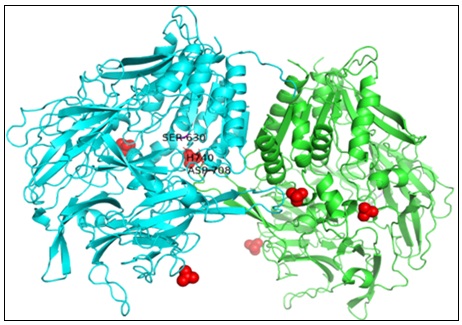
FIG. 1: THREE-DIMENSIONAL MOLECULAR STRUCTURE OF HUMAN DIPEPTIDYL PEPTIDASE-4 (DPP4/CD26) ILLUSTRATING ITS HOMODIMERIC ARCHITECTURE AND THE CATALYTIC TRIAD (SER630, ASP698 AND HIS730) WITHIN THE SERINE PROTEASE DOMAIN. Source: Adapted from the RCSB Protein Data Bank (PDB ID: 4A5S). Molecular visualization and residue labelling were performed by the authors using PyMOL
In addition to the membrane-bound form, DPP4 is present in circulation as a soluble protein generated through proteolytic shedding of its extracellular domain 15, 35. Soluble DPP4 retains full enzymatic activity and substantially leads to systemic peptide metabolism 15, 35. Elevated circulating DPP4 concentrations have been reported in obesity, metabolic syndrome and type 2 diabetes, suggesting an important role in metabolic dysfunction 16–18, 35.
Beyond its enzymatic actions, DPP4 possesses several non-catalytic functions. As CD26, it participates in immune regulation through interactions with adenosine deaminase, caveolin-1 and various extracellular matrix proteins 11, 36. These interactions influence immune activation and cytokine production 11, 36. Consequently, DPP4 functions not only as a metabolic enzyme but also as an important mediator of immune responses 11, 15, 36.
DPP4 activity is dynamically regulated by metabolic conditions. Hyperglycaemia, obesity, lipotoxicity and inflammatory stimuli increase DPP4 expression in several tissues 15–18, 43. Adipose tissue has emerged as a particularly important source of circulating DPP4, leading to its classification as a novel adipokine 16, 17, 43. Current studies have also identified the liver as a significant contributor to circulating DPP4 levels, supporting its role as a hepatokine involved in inter-organ metabolic communication 32, 33.
In addition to incretins, DPP4 acts on several other physiologically important substrates including stromal cell-derived factor-1 (SDF-1), neuropeptide Y (NPY), peptide YY (PYY) and substance P 10, 11, 29. Through regulation of these peptides, DPP4 influences processes such as stem cell recruitment, appetite regulation, vascular function and inflammation 11, 29. These observations highlight the broad biological significance of DPP4 beyond glucose metabolism alone 6, 11, 29.
TABLE 1: MAJOR PHYSIOLOGICAL SUBSTRATES OF DPP4 AND THEIR BIOLOGICAL SIGNIFICANCE
| Substrate | Primary Biological Function | Effect of DPP4 Cleavage |
| GLP-1 | Stimulates insulin secretion and suppresses glucagon release | Inactivation |
| GIP | Enhances glucose-dependent insulin secretion | Inactivation |
| SDF-1 (CXCL12) | Stem cell recruitment and tissue repair | Reduced biological activity |
| NPY | Appetite regulation and vascular function | Altered receptor selectivity |
| PYY | Satiety signalling and energy balance | Modified physiological activity |
| Substance P | Neural signalling and inflammation | Reduced biological activity |
The multifunctional nature of DPP4 positions it at the intersection of endocrine, immune and metabolic pathways. Understanding these diverse biological functions provides the foundation for appreciating its central role in diabetes mellitus and its complications 6, 11, 15, 29.
DPP4 in Incretin Biology, Glucose Homeostasis and Diabetes Development: The physiological significance of DPP4 in glucose homeostasis and diabetes is primarily attributed to its role in incretin metabolism 7–10, 12, 13. The incretin phenomenon describes the enhanced insulin secretion observed following oral glucose intake compared with intravenous glucose administration at comparable glycaemic levels 40, 41. This phenomenon is mediated largely by the gut-derived hormones glucagon-like peptide-1 (GLP-1) and glucose-dependent insulinotropic polypeptide (GIP), which are released following nutrient ingestion and enhance glucose-dependent insulin secretion 7–9, 40, 41.
Following nutrient ingestion, GLP-1 is released predominantly from intestinal L-cells while GIP originates primarily from K-cells located in the proximal small intestine 8, 9, 40. Pharmacological inhibition of DPP4 prolongs the activity of endogenous incretins, thereby increasing their circulating bioavailability 5, 6, 12, 23. Both hormones amplify insulin secretion in response to elevated blood glucose concentrations and contribute significantly to postprandial glucose regulation 7–9, 40. In addition, GLP-1 suppresses glucagon secretion, delays gastric emptying and promotes satiety, thereby exerting multiple beneficial effects on glucose homeostasis 8, 9, 18.
The biological activity of incretin hormones is tightly regulated by DPP4 10, 12, 13. Following secretion, GLP-1 and GIP are rapidly degraded through enzymatic cleavage by DPP4, resulting in a plasma half-life of only a few minutes 10, 12, 13. Consequently, only a small proportion of newly released incretin hormones remains biologically active in the circulation 10, 12.
Under physiological conditions, DPP4-mediated incretin degradation ensures appropriate control of endocrine signaling 10, 12. However, increased DPP4 activity may reduce incretin effectiveness and contribute to impaired glucose regulation 15, 16, 23. Elevated DPP4 concentrations observed in obesity, prediabetes and type 2 diabetes can accelerate incretin degradation, resulting in diminished insulin secretion and inadequate suppression of glucagon release 16–18, 23.
The role of DPP4 in glucose homeostasis extends beyond incretin metabolism 6, 15, 19. Through its effects on insulin secretion and glucagon regulation, DPP4 indirectly influences hepatic glucose production and peripheral glucose utilisation 5, 6, 18, 23. Increased DPP4 activity favours conditions that promote hyperglycaemia,while DPP4 inhibition enhances endogenous incretin action and improves glycaemic control 5, 22–24.
Alterations in DPP4 activity appear early during disease development. Elevated circulating DPP4 levels have been reported in individuals with obesity and prediabetes before the onset of overt diabetes 16–18, 21. Increased enzyme activity adds to progressive deterioration of glucose tolerance and places additional stress on pancreatic β-cells 15, 16, 18. Over time, these changes promote transition from prediabetes to established type 2 diabetes mellitus 5, 6, 15.
The association between elevated DPP4 activity and future diabetes risk has been demonstrated in numerous clinical studies 18, 21, 42. Individuals with higher circulating DPP4 concentrations frequently exhibit greater insulin resistance, impaired glucose tolerance and an increased likelihood of developing diabetes 17, 18, 42. These observations indicate that DPP4 may contribute to both the initiation and progression of metabolic dysfunction 6, 15, 19. Available data establishes DPP4 as a central regulator of incretin biology and glucose homeostasis. Through modulation of endocrine signalling and metabolic regulation, DPP4 significantly marks the initiation and progression of diabetes mellitus 6, 15, 23.
DPP4 and Insulin Resistance: Insulin resistance represents one of the defining characteristics of type 2 diabetes mellitus and is characterised by a reduced biological response to insulin in peripheral tissues5,6. Under normal physiological conditions, insulin promotes glucose uptake in skeletal muscle and adipose tissue while suppressing hepatic glucose production 5. Impairment of these actions results in chronic hyperglycaemia and compensatory hyperinsulinaemia, both of which contribute to disease progression 5, 6. Accumulating clinical investigations indicate that DPP4 contributes to the development of insulin resistance 15–19, 37. Elevated circulating DPP4 concentrations have been consistently reported in obesity, metabolic syndrome and type 2 diabetes and correlate positively with markers of insulin resistance 16–18, 37, 42. These observations suggest that DPP4 is closely associated with the metabolic abnormalities underlying disease development 15, 17, 37.
Adipose tissue is a major source of circulating DPP4 in insulin-resistant states 16, 17, 37. Enlarged adipocytes release increased quantities of soluble DPP4, leading to elevated systemic enzyme activity 17, 37. This discovery led to the recognition of DPP4 as a metabolically active adipokine capable of influencing glucose regulation beyond its role in incretin degradation 16, 17, 37. Skeletal muscle, which accounts for the majority of insulin-mediated glucose disposal, is particularly vulnerable to metabolic disturbances 5, 44. Increased DPP4 activity has been associated with impaired insulin responsiveness in muscle tissue, resulting in reduced glucose utilisation and diminished glycogen synthesis 17, 44.
The liver also plays a critical role in insulin resistance. In healthy individuals, insulin suppresses hepatic glucose production following meals 5. However, insulin resistance diminishes this inhibitory effect, leading to excessive gluconeogenesis and fasting hyperglycaemia 5, 44. DPP4 indirectly supports these abnormalities through effects on incretin signalling and glucagon regulation 6, 15, 19, 37. Investigational studies have demonstrated that inhibition of DPP4 improves insulin sensitivity and enhances metabolic homeostasis 23, 25, 37. These observations support the concept that DPP4 functions not merely as an incretin-degrading enzyme but also as an important mediator of insulin resistance and metabolic dysfunction 6, 15, 17, 25.
DPP4 and Pancreatic Β-Cell Dysfunction: Progressive deterioration of pancreatic β-cell function is a hallmark of diabetes mellitus and represents a critical event in disease progression 5, 6. Although insulin resistance often precedes clinical diagnosis, overt diabetes develops when pancreatic β-cells can no longer compensate adequately for increasing metabolic demands 5, 6, 44. Preservation of β-cell function is therefore essential for maintaining glucose homeostasis 45.
Pancreatic β-cells continuously monitor blood glucose concentrations and adjust insulin secretion accordingly 45. In addition to reducing incretin activity, DPP4 contributes to β-cell dysfunction 6, 15, 23. Reduced GLP-1 bioavailability limits β-cell survival, insulin biosynthesis and glucose-stimulated insulin secretion 23, 25, 48.
Fresh investigations have demonstrated that DPP4 is expressed within pancreatic islets themselves, suggesting that local enzyme activity may directly influence endocrine function 50. Increased islet DPP4 expression has been associated with impaired insulin secretion and reduced endocrine efficiency 50, 51. Chronic hyperglycaemia and lipotoxicity aggravate β-cell dysfunction by inducing mitochondrial injury and endoplasmic reticulum stress 46, 47. DPP4-related pathways appear to exacerbate these pathological processes, thereby accelerating β-cell decline 15, 25, 50.
Apoptosis of pancreatic β-cells is another important feature of diabetes progression 46. Some studies have demonstrated reduced apoptotic signalling and improved β-cell survival following DPP4 inhibition 23, 25, 48. Although the extent of β-cell preservation in humans remains under investigation, these findings suggest an important role for DPP4 in regulating endocrine cell survival 25, 48. During the early stages of insulin resistance, pancreatic β-cells compensate by increasing insulin secretion 5, 44, 45. However, sustained metabolic stress eventually overwhelms this adaptive response 46. Elevated DPP4 activity may accelerate compensation failure by limiting incretin-mediated support and impairing endocrine resilience 15, 23, 25.
DPP4 as an Adipokine in Obesity-Associated Diabetes: Obesity is one of the strongest risk factors for the development of type 2 diabetes mellitus 5, 6, 44. Contemporary research has established that adipose tissue functions not merely as an energy storage organ but also as an active endocrine tissue that secretes a variety of biologically active molecules known as adipokines 37, 49. Among these, DPP4 has emerged as an important mediator linking obesity with metabolic disease 16, 17, 37. Adipose-derived DPP4 leads to insulin resistance while also functioning as an endocrine adipokine that promotes systemic metabolic dysfunction 16, 17, 37. Visceral adipose tissue appears to be a particularly important source of circulating DPP4 37, 50. Compared with subcutaneous fat, visceral adipose tissue demonstrates greater DPP4 expression and substantial systemic enzyme activity 37, 50. Since visceral obesity is strongly associated with diabetes risk, increased DPP4 production from this depot may represent an important mechanistic link between obesity and impaired glucose regulation 16, 17, 37, 50.
DPP4, Inflammation and Oxidative Stress: Chronic low-grade inflammation and oxidative stress are central features of diabetes mellitus and contribute significantly to disease progression and complication development 46, 47, 51. It is also proved that DPP4 participates in both processes, thereby linking metabolic dysfunction with tissue injury 15, 19, 36, 43.
The inflammatory actions of DPP4 are closely linked to its function as CD26, a cell-surface glycoprotein expressed on immune cells including T lymphocytes, macrophages and natural killer cells. Through interactions with immune signalling pathways, DPP4 regulates cytokine production, immune-cell activation and inflammatory responses. Elevated DPP4 activity has been associated with increased concentrations of pro-inflammatory mediators, including tumour necrosis factor-α, interleukin-6 and interleukin-1β. These inflammatory pathways contribute to the insulin resistance and β-cell dysfunction as described earlier. In addition, studies also suggest that DPP4 may modulate activation of the NLRP3 inflammasome, further amplifying inflammatory responses involved in diabetes pathogenesis 14, 36, 43, 52, 53.
Oxidative stress develops when the production of reactive oxygen species exceeds the capacity of endogenous antioxidant systems 51, 54. Persistent hyperglycaemia stimulates this kind of stress through multiple pathways, resulting in mitochondrial dysfunction, DNA damage and cellular injury 46, 51, 54. Pancreatic β-cells are particularly susceptible because of their relatively limited antioxidant defences 46, 47. The oxidative stress and inflammation reinforce one another, creating a self-perpetuating cycle of cellular injury and metabolic dysfunction 46, 51.
Experimental studies have demonstrated that DPP4 inhibition reduces damage while improving antioxidant capacity 25, 43, 55. These observations suggest that some benefits of DPP4 inhibitors may extend beyond glycaemic control and involve modulation of fundamental pathogenic mechanisms 25, 55.
Thus, DPP4 amplifies the situation by providing a mechanistic link between metabolic dysregulation and the diabetic complications discussed throughout this review 15, 19, 43, 46.
DPP4 and Diabetic Complications: The long-term clinical burden of diabetes arises primarily from its complications, which affect multiple organ systems and significantly increase morbidity and mortality 4, 51. The mechanisms involved in these processes extend beyond glucose homeostasis and contribute to the development of both microvascular and macrovascular diabetic complications 15, 19, 36, 43, 51, 55.
However, the available proof is heterogeneous and includes findings from cellular, animal, observational and clinical studies. Consequently, the role of DPP4 and the therapeutic benefits of DPP4 inhibition varies among different diabetic complications.
Diabetic Nephropathy: Diabetic nephropathy is a leading cause of chronic kidney disease and end-stage renal failure worldwide 56, 57. The condition is characterised by albuminuria, declining renal function and progressive fibrosis ⁵⁶. DPP4 is highly expressed in renal tissue, particularly within proximal tubular cells 57, 58. Increased renal DPP4 activity promotes profibrotic signalling, accelerating progressive kidney injury ⁵⁸⁻⁶⁰. Preclinical studies in diabetic animal models have demonstrated that DPP4 inhibition reduces albuminuria, attenuates renal swelling and slows the progression of diabetic kidney injury. Clinical trials have confirmed glycaemic efficacy and renal safety; however, the glucose-independent renoprotection remains inconclusive 58-60.
Diabetic Retinopathy: Diabetic retinopathy is a major cause of visual impairment among individuals with diabetes and results from chronic microvascular damage within the retina 56, 57. Chronic metabolic injury disrupts retinal vascular integrity, leading to vascular leakage and pathological neovascularisation 51, 61. Increased DPP4 expression has been reported in diabetic retinal tissues and appears to contribute to endothelial dysfunction and inflammatory activation 59, 61. Evidences from cellular and animal studies suggests that DPP4 inhibition may preserve retinal structure and reduce inflammatory injury. However, convincing clinical evidence demonstrating prevention or reversal of diabetic retinopathy in humans remains limited ⁶¹⁻⁶³.
Diabetic Neuropathy: Diabetic neuropathy is one of the most common chronic complications of diabetes and affects both peripheral and autonomic nervous systems 56, 57. Persistent hyperglycaemia promotes microvascular dysfunction resulting in progressive nerve injury ⁵¹. Elevated DPP4 activity has been associated with increased neural stress⁵⁵. models suggest a potential neuroprotective effect of DPP4 inhibition; however, translation into clinical practice remains uncertain 64, 65.
Cardiovascular Disease: Cardiovascular disease remains the principal cause of death among individuals with diabetes 56, 57. Accelerated atherosclerosis, endothelial dysfunction contributes significantly to increased cardiovascular risk ⁵⁷. DPP4 participates in several of these pathological processes through effects on vascular homeostasis 19, 36, 55.
Among the proposed mechanisms, endothelial dysfunction appears to play a central role in DPP4-mediated cardiovascular injury. Chronic hyperglycaemia impairs endothelial function through reduced nitric oxide bioavailability ⁵⁷. Elevated DPP4 activity further aggravates these abnormalities and promotes vascular injury 19, 36, 55. Large randomized cardiovascular outcome trials have established the cardiovascular safety of DPP4 inhibitors, although they have generally not demonstrated significant reductions in major adverse cardiovascular events 57, 66-32. The broader role of DPP4 in cardiovascular pathology therefore remains an area of active investigation ⁶⁹.
Diabetic Cardiomyopathy: Diabetic cardiomyopathy refers to structural and functional abnormalities of the myocardium that occur independently of hypertension or coronary artery disease 69, 70. Diabetic cardiomyopathy is characterised by myocardial fibrosisand impaired cardiac function occurring independently of hypertension or coronary artery disease ⁷⁰. Increased cardiac DPP4 expression has been observed in diabetic conditions and is associated with oxidative injury ⁷¹. Current indications supporting cardioprotective effects of DPP4 inhibition awaits confirmation in clinical trials ⁷¹⁻⁷³.
Impaired Wound Healing: Delayed wound healing is a frequent complication of diabetes and impacts diabetic foot ulceration ⁷⁴. It results from impaired angiogenesis, defective immune responses and reduced tissue regeneration ⁷⁴. DPP4 influences wound repair throughregulation of inflammatory responses and stem cell recruitment 73, 74.
Cognitive Dysfunction: Individuals with diabetes have an increased risk of cognitive decline and dementia ⁷⁷ Preliminary investigations indicates that DPP4 may influence cognitive function through effects on neuronal insulin signalling also ⁶⁵. Animal studies suggest potential neuroprotective effects of DPP4 inhibition. Although observational studies have explored associations between DPP4 activity and cognitive impairment, convincing clinical confirmations demonstrating cognitive benefit with DPP4 inhibitors is currently lacking ⁶⁵.
TABLE 2: ROLE OF DPP4 IN THE PATHOGENESIS OF DIABETIC COMPLICATIONS
| Diabetic complication | Major DPP4-related mechanisms | Highest level of evidence |
| Nephropathy | Inflammation, fibrosis, oxidative stress | Preclinical + Clinical |
| Retinopathy | Endothelial dysfunction | Mostly Preclinical |
| Neuropathy | Neuroinflammation | Mostly Preclinical |
| Cardiovascular disease | Endothelial dysfunction | Large Clinical Trials |
| Cardiomyopathy | Fibrosis | Preclinical |
| Wound healing | Stem-cell recruitment | Preclinical |
| Cognitive dysfunction | Neuroinflammation | Preclinical + Observational |
Collectively, current evidences indicates that DPP4 influences multiple diabetic complications through shared inflammatory, oxidative and metabolic pathways. While experimental findings are consistently encouraging, clinical recommendations for organ-protective effects independent of glucose lowering remains limited. Future mechanistic studies and adequately powered prospective clinical trials are required to establish the therapeutic potential of DPP4 inhibition beyond glycaemic control 15, 19, 36, 43, 57, 58.
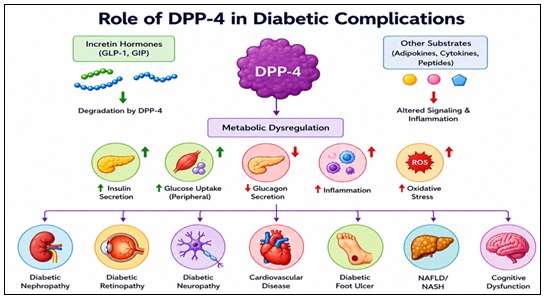
FIG. 2: SIMPLIFIED ILLUSTRATION SHOWING HOW DPP4–MEDIATED METABOLIC DYSREGULATION, INFLAMMATION AND OXIDATIVE STRESS CONTRIBUTE TO THE DEVELOPMENT OF MAJOR DIABETIC COMPLICATIONS. Source: Original figure prepared by the authors with the assistance of Open AI ChatGPT (GPT-5.5) for graphical design and layout
DPP4 in Metabolic Dysfunction-Associated Fatty Liver Disease, Type 1 Diabetes and Gestational Diabetes:
DPP4 and Metabolic Dysfunction-Associated Steatotic Liver Disease: Metabolic dysfunction-associated steatotic liver disease (MASLD), formerly known as non-alcoholic fatty liver disease (NAFLD),is one of the most common comorbidities associated with type 2 diabetes mellitus and is characterised by excessive lipid accumulation within hepatocytes 57. The coexistence of diabetes and MASLD substantially increases the risk of hepatic fibrosis, cirrhosis and cardiovascular complications 32, 33. Modern studies suggests that DPP4 plays an important role in the pathogenesis of hepatic metabolic dysfunction 32, 33.
The liver is a major site of DPP4 expression, so majority of circulating DPP4 concentrations can be seen 37, 38. Under conditions of obesity, insulin resistance and hepatic steatosis, hepatocellular DPP4 expression is markedly increased 32, 33. Elevated hepatic DPP4 activity has been associated with enhanced inflammation, lipid accumulation and impaired insulin signalling, all of which contribute to disease progression 32, 33.
The recognition of DPP4 as a hepatokine has further expanded understanding of its biological significance 37, 38. Increased hepatic release of DPP4 may influence distant tissues including adipose tissue, skeletal muscle and pancreatic islets, thereby contributing to systemic metabolic dysfunction 37, 38. This liver–adipose–pancreas communication network is increasingly recognised as an important component of diabetes pathophysiology 32, 33.
There are demonstrations that DPP4 inhibition can reduce hepatic steatosis, attenuate inflammatory responses and improve metabolic parameters 32, 33. Although further clinical evidence is required, these findings suggest that DPP4 shows a close relationship between diabetes and fatty liver disease 32, 33.
DPP4 and Type 1 Diabetes Mellitus: While DPP4 has been studied extensively in type 2 diabetes, its role in type 1 diabetes mellitus has also attracted increasing interest 11,3 6. Type-1 diabetes is an autoimmune disorder characterised by immune-mediated destruction of pancreatic β-cells resulting in absolute insulin deficiency. The immunological functions of DPP4 are particularly relevant in this context. As CD26, DPP4 participates in T-cell activation, cytokine production and regulation of immune responses 11, 36. Increased DPP4 activity may contribute to autoimmune processes that promote β-cell destruction and disease progression 11, 36.
Studies have shown that DPP4 inhibition can modulate inflammatory responses and preserve residual β-cell function in animal models of autoimmune diabetes 23, 25. The enhancement of endogenous GLP-1 activity may provide additional support for surviving β-cells and improve metabolic control 23, 25.
Although DPP4 inhibitors are not currently considered standard therapy for type 1 diabetes, continued investigation of DPP4-mediated immune mechanisms may reveal novel opportunities for preserving β-cell function and delaying disease progression 11, 36.
DPP4 and Gestational Diabetes Mellitus: Gestational diabetes mellitus (GDM) is defined as glucose intolerance first recognised during pregnancy and is associated with adverse maternal and fetal outcomes 70. Pregnancy is characterised by progressive physiological insulin resistance and successful adaptation requires adequate β-cell compensation. Failure of this compensatory response results in gestational diabetes 70.
Several studies have reported increased circulating DPP4 activity in women with gestational diabetes compared with normoglycaemic pregnancies 71. Enhanced DPP4-mediated degradation of incretin hormones may contribute to impaired insulin secretion and worsening glucose regulation during pregnancy 6, 7, 22, 71.
The placenta has also been identified as a source of DPP4 expression. Placental DPP4 may influence maternal metabolic adaptations through effects on incretin signalling and inflammatory pathways. Also, the elevated DPP4 activity has been associated with markers of metabolic dysfunction and adverse pregnancy outcomes.
Although DPP4 inhibitors are not recommended during pregnancy because of limited safety data, investigation of DPP4-related mechanisms continues to provide valuable insight into gestational diabetes Pathophysiology 22, 70, 71.
Therapeutic Importance of DPP4 Inhibitors: The identification of DPP4 as the principal enzyme responsible for incretin degradation led to the development of DPP4 inhibitors, representing one of the most important therapeutic advances in the management of type 2 diabetes mellitus 6, 7, 10, 12, 13. These agents improve glycaemic control by preventing the rapid inactivation of endogenous GLP-1 and GIP, thereby enhancing physiological incretin activity 7-10, 12, 22, 23. Because these effects occur primarily in the presence of elevated blood glucose concentrations, the risk of hypoglycaemia is considerably lower than that associated with several conventional antidiabetic therapies ²²⁻²⁵. Added to this, DPP4 inhibitors are generally weight neutral, making them suitable for long-term treatment in a broad range of patients ²²⁻²⁵.
Sitagliptin was the first DPP4 inhibitor introduced into clinical practice and remains one of the most extensively studied agents ²³. Other clinically available inhibitors, including vildagliptin, saxagliptin, alogliptin, linagliptin, teneligliptin and omarigliptin, demonstrate broadly comparable glucose-lowering efficacy while differing in regulatory approval, pharmacokinetic characteristics, elimination pathways and dosing recommendations ²²⁻²⁵. Importantly, approval status differs among regulatory authorities 22-25. Sitagliptin, saxagliptin, alogliptin and linagliptin are approved by multiple regulatory agencies, including the United States Food and Drug Administration (FDA) and the European Medicines Agency (EMA), whereas vildagliptin is approved in several countries but not by the FDA. Teneligliptin and omarigliptin are approved primarily in Asian countries, including Japan and India, and therefore their global clinical availability is more limited.
Linagliptin possesses a distinct clinical advantage in patients with chronic kidney disease because it is eliminated predominantly via the hepatobiliary route and generally does not require dose adjustment in renal impairment ⁵⁸⁻⁶⁰.
Incontrast, sitagliptin, saxagliptin, alogliptin and vildagliptin undergo substantial renal elimination and require dose modification in patients with reduced renal function.
Although DPP4 inhibitors share a common mechanism of action, important differences exist regarding regulatory approval, elimination pathways, renal dose adjustment and cardiovascular safety. Linagliptin is unique in that it does not generally require dose adjustment in patients with renal impairment, whereas sitagliptin, saxagliptin, alogliptin and vildagliptin require dose modification according to renal function. Furthermore, approval status differs among regulatory agencies, with vildagliptin, teneligliptin and omarigliptin not being universally approved worldwide. Large cardiovascular outcome trials have demonstrated an overall neutral cardiovascular profile for this drug class; however, saxagliptin has been associated with an increased risk of hospitalization for heart failure, warranting careful patient selection 22-25, 58-60, 66-69.
In clinical practice, DPP4 inhibitors provide modest but clinically meaningful reductions in glycated haemoglobin (approximately 0.5–1.0%), while maintaining a favourable safety profile, low risk of hypoglycaemia and good tolerability ²²⁻²⁵. Their oral administration and compatibility with combination therapy have established them as valuable components of contemporary diabetes management.
Beyond glycaemic control, it has been suggested that potential pleiotropic effects of DPP4 inhibition, including improvements in inflammatory status, oxidative stress, endothelial function and tissue protection 19, 25, 43, 55. However, these observations originate largely from early clinical trials and convincing evidence demonstrating clinically meaningful organ-protective effects remains limited 19, 25, 43.
Large cardiovascular outcome trials, including TECOS (sitagliptin), SAVOR-TIMI 53 (saxagliptin), EXAMINE (alogliptin), CARMELINA and CAROLINA (linagliptin), have generally demonstrated cardiovascular safety without significant reductions in major adverse cardiovascular events ⁶⁶⁻⁶⁹.
Nevertheless, the SAVOR-TIMI 53 trial reported an increased risk of hospitalisation for heart failure among patients receiving saxagliptin, leading to continued caution when prescribing this agent in patients at high risk of heart failure 66, 69.
Although DPP4 inhibitors are generally well tolerated, rare adverse effects including acute pancreatitis, severe arthralgia, bullous pemphigoid and hypersensitivity reactions have been reported. Appropriate patient selection and consideration of renal function, cardiovascular status and regulatory recommendations remain essential when choosing an individual DPP4 inhibitor.
In summary, DPP4 inhibitors represent an effective and well-tolerated therapeutic option for patients with type 2 diabetes mellitus. Their clinical success has validated the importance of incretin biology while reinforcing the central role of DPP4 in metabolic regulation 6, 7, 15-22.
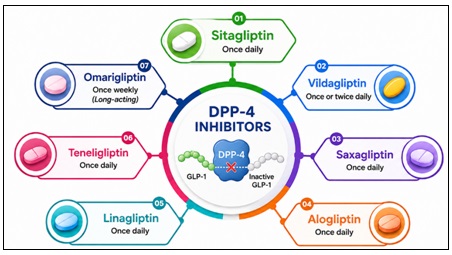
FIG. 3: SCHEMATIC ILLUSTRATION OF THE MAJOR DPP4 INHIBITORS CURRENTLY USED IN THE MANAGEMENT OF TYPE 2 DIABETES MELLITUS. Source: Original figure prepared by the authors with the assistance of OpenAI ChatGPT (GPT-5.5) for graphical design and layout.
TABLE 3: COMPARATIVE CHARACTERISTICS OF CLINICALLY APPROVED DPP4 INHIBITORS
| Drug | Regulatory approval* | Renal dose adjustment | CV outcome | Major consideration |
| Sitagliptin | FDA, EMA | Required | TECOS: CV neutral | Widely prescribed |
| Vildagliptin | EMA, India (not FDA) | Required | Limited data | Not approved in USA |
| Saxagliptin | FDA, EMA | Required | SAVOR-TIMI 53 | Increased HF hospitalization |
| Alogliptin | FDA, Japan | Required | Examine | CV neutral |
| Linagliptin | FDA, EMA | Not required | Carmelina/Carolina | Preferred in CKD |
| Teneligliptin | Japan, India | Usually not required | Limited data | Mainly Asian countries |
| Omarigliptin | Japan | Usually not required | Limited data | Once-weekly dosing |
Emerging Areas in DPP4 Research: The expanding understanding of DPP4 biology has revealed several novel areas of investigation that extend beyond traditional concepts of incretin metabolism and glucose regulation. Advances in molecular biology, systems medicine and high-throughput technologies have identified previously unrecognised functions of DPP4 that may influence disease susceptibility, therapeutic responsiveness and long-term clinical outcomes. These research directions are expected to shape future approaches to diabetes prevention and treatment; however, many of these applications remain at the preclinical or early translational stage and require further experimental and clinical validation 6, 15.
Gut Microbiota–DPP4 Axis: The intestinal microbiota plays a critical role in metabolic homeostasis and has been implicated in obesity, insulin resistance and type 2 diabetes mellitus. Some confirmations suggests a complex bidirectional relationship between gut microbial communities and DPP4 activity. DPP4 is highly expressed within the gastrointestinal tract, where it influences incretin metabolism and nutrient signaling ⁷⁻¹¹.
Alterations in gut microbiota composition may affect intestinal inflammation, incretin secretion and DPP4 expression, whereas DPP4 inhibition has been shown to modify microbial diversity and improve intestinal metabolic function in experimental models. Microbial metabolites, particularly short-chain fatty acids, may further regulate DPP4 activity and glucose homeostasis.
Although several animal studies support the existence of a gut microbiota–DPP4 axis, evidence from human clinical studies remains limited and causality has not yet been firmly established. Consequently, modulation of this pathway should currently be regarded as an improving therapeutic concept rather than an established clinical strategy.
Extracellular Vesicles and Exosomal DPP4: Extracellular vesicles are membrane-bound structures that facilitate communication between cells and tissues through the transfer of proteins, lipids and nucleic acids. Advanced studies have identified DPP4 within extracellular vesicles released from adipose tissue, hepatocytes and immune cells.
Exosomal DPP4 may contribute to inter-organ communication by transporting enzymatically active protein to distant tissues, thereby influencing inflammation, insulin resistance and tissue injury 17, 19.
However, current evidence is derived predominantly from in vitro and animal studies. Standardised methods for the isolation, quantification and clinical evaluation of exosomal DPP4 are still lacking, and its diagnostic or therapeutic utility has not yet been validated in large prospective clinical studies.
Pharmacogenomics and Personalised Therapy: Interindividual variability in therapeutic response is a recognised challenge in diabetes management. Although many patients respond favourably to DPP4 inhibitors, others demonstrate more modest improvements in glycaemic control, suggesting that genetic variation may contribute to therapeutic responsiveness. Polymorphisms affecting DPP4 expression, incretin signalling pathways and drug metabolism may influence treatment outcomes and may help identify patient populations most likely to benefit from DPP4-targeted therapies.
Nevertheless, available pharmacogenomic evidence is limited, with many studies involving relatively small patient cohorts and inconsistent findings across different populations. Consequently, pharmacogenomic testing is not currently incorporated into routine clinical decision-making for DPP4 inhibitor therapy.
DPP4 as a Biomarker: Increasing attention has focused on the potential utility of DPP4 as a biomarker for metabolic disease 17, 18, 42. Elevated circulating DPP4 levels have been associated with obesity, insulin resistance, prediabetes and type 2 diabetes, while increased DPP4 activity has also been correlated with the severity of diabetic nephropathy and cardiovascular disease 17, 18, 42, 58, 69.
Measurement of circulating DPP4 activity may therefore provide information regarding disease progression, therapeutic responsiveness and the risk of diabetic complications ⁴². Despite these encouraging findings, there are currently no standardised reference ranges or guideline recommendations supporting routine clinical measurement of circulating DPP4. Further large-scale prospective studies are required before DPP4 can be established as a validated biomarker in diabetes management.
Multi-Omics and Precision Medicine: Modern omics technologies, including genomics, transcriptomics, proteomics and metabolomics, have transformed biomedical research. Application of these approaches has revealed complex molecular networks involving DPP4 and numerous pathways implicated in diabetes pathogenesis. Multi-omics investigations are improving understanding of interactions between DPP4, inflammatory mediators and metabolic signalling pathways, thereby facilitating the identification of novel therapeutic targets. Although these approaches provide valuable mechanistic insights, their translation into routine clinical practice remains limited by challenges related to data integration, cost, standardisation and prospective clinical validation. Therefore, precision medicine strategies incorporating DPP4-related molecular profiles remain investigational and require confirmation through large multicentre clinical studies before widespread implementation.
TABLE 4: EMERGING RESEARCH DIRECTIONS IN DPP4 BIOLOGY AND DIABETES
| Research Area | Potential Significance |
| Gut microbiota–DPP4 axis | Regulation of metabolic homeostasis and incretin activity |
| Extracellular vesicles | Inter-organ communication and biomarker development |
| Pharmacogenomics | Prediction of therapeutic response |
| DPP4 biomarkers | Disease monitoring and risk stratification |
| Multi-omics approaches | Identification of novel molecular pathways |
| Precision medicine | Individualised diabetes management |
Future Perspectives: Although considerable progress has been made in understanding DPP4 biology, important questions remain unanswered. Future investigations should focus on clarifying the relative contributions of membrane-bound and soluble DPP4 to metabolic dysfunction and diabetic complications. A deeper understanding of these mechanisms may facilitate development of more selective therapeutic strategies.
The identification of DPP4 as an adipokine, hepatokine and immunoregulatory molecule has broadened its significance beyond glucose metabolism. Consequently, future therapeutic approaches may target both enzymatic and non-enzymatic functions of DPP4. Combination therapies integrating DPP4 inhibition with complementary metabolic pathways may also enhance clinical outcomes.
Current investigations including single-cell sequencing, multi-omics analyses and advanced biomarker discovery platforms are expected to reveal additional dimensions of DPP4 biology. These approaches may uncover novel disease mechanisms and facilitate the development of personalised treatment strategies.
The increasing link of DPP4 with inflammation, oxidative stress and tissue remodelling suggests potential applications beyond glycaemic control. Future research should explore whether modulation of DPP4 can meaningfully influence diabetic complications and improve long-term patient outcomes. Continued investigation of DPP4 biology is therefore likely to provide valuable insights into diabetes pathogenesis and contribute to the development of innovative therapeutic interventions.
CONCLUSION: Dipeptidyl peptidase-4 (DPP4) is a multifunctional serine protease that plays a central role in glucose homeostasis through the regulation of incretin hormones while also participating in immune, inflammatory and metabolic signalling pathways. Extensive experimental and clinical evidence has established that increased DPP4 activity causes to insulin resistance, β-cell dysfunction and the progression of type 2 diabetes mellitus. DPP4 is also implicated in the pathogenesis of several diabetic complications, including nephropathy, retinopathy, neuropathy and cardiovascular disease.
The successful clinical development of DPP4 inhibitors has validated the therapeutic importance of this enzyme and established these agents as effective oral antidiabetic drugs that improve glycaemic control with a favourable safety profile and a low risk of hypoglycaemia. In conclusion, DPP4 represents an important molecular link between endocrine, metabolic and immune regulation in diabetes mellitus. Continued translational and clinical research will be essential to further define its biological significance and to determine whether these emerging applications can be translated into improved strategies for the prevention, diagnosis and treatment of diabetes mellitus.
Author Contributions: Mrs. Gudladona Raghava Ravali conceived the review topic, designed the study, performed the comprehensive literature search, critically evaluated and synthesized the published literature, prepared the figures and tables, drafted the manuscript and revised the manuscript. Ms. Indhu G and Mr. Naveen Kumar Rajappa contributed to literature collection, reference management, data compilation and manuscript preparation. All authors reviewed the manuscript, approved the final version and agreed to be accountable for all aspects of the work.
ACKNOWLEDGEMENTS: The authors sincerely acknowledge their respective institutions for providing the necessary academic resources and facilities to carry out this review. The authors also thank the researchers whose published work contributed to the development of this review.
Funding: This research received no specific grant from any funding agency in the public, commercial or not-for-profit sectors.
CONFLICT OF INTEREST: The authors declare that there are no conflicts of interest regarding the publication of this review article.
AI Use Declaration: The authors used OpenAI's ChatGPT (GPT-5.5) solely to assist with language editing, improvement of grammar and sentence structure, enhancement of readability and manuscript organization, and refinement of scientific writing. The authors independently verified the scientific accuracy of all information, critically reviewed and edited the generated text, and accept full responsibility for the content of the manuscript.
REFERENCES:
- American Diabetes Association. Standards of Care in Diabetes—2024. Diabetes Care 2024; 47(1): 1–320. doi: 10.2337/dc24-SREV.
- International Diabetes Federation. IDF Diabetes Atlas. 10th ed. Brussels, Belgium: International Diabetes Federation 2021.
- World Health Organization. Diabetes. Geneva, Switzerland: World Health Organization; 2024. Available from: who.int [Accessed on July 16, 2024].
- American Diabetes Association. 2. Classification and Diagnosis of Diabetes: Standards of Care in Diabetes—2024. Diabetes Care 2024; 47(Suppl 1): S19–S40. doi: 10.2337/dc24-S002.
- DeFronzo RA: From the triumvirate to the ominous octet: a new paradigm for the treatment of type 2 diabetes mellitus. Diabetes 2009; 58(4): 753–795.
- Mulvihill EE and Drucker DJ: Pharmacology, physiology, and mechanisms of action of dipeptidyl peptidase-4 inhibitors. Endocr Rev 2014; 35(6): 992–1019. doi: 10.1210/er.2014-1035.
- Drucker DJ: The biology of incretin hormones. Cell Metab 2006; 3(3): 151–159. doi: 10.1016/j.cmet.2006.01.004.
- Holst JJ: The physiology of glucagon-like peptide-1. Physiol Rev 2007; 87(4): 1109–1139. doi: 10.1152/physrev.00015.2006.
- Nauck MA and Meier JJ: Incretin hormones: Their role in health and disease. Diabetes Obes Metab 2018; 20(1): 5–21. doi: 10.1111/dom.13122.
- Mentlein R: Dipeptidyl-peptidase IV (CD26): Role in the inactivation of regulatory peptides. Regul Pept 1999; 85(1): 9–24. doi: 10.1016/S0167-0115(99)00089-0.
- Lambeir AM, Durinx C, Scharpé S and De Meester I: Dipeptidyl-peptidase IV from bench to bedside. Crit Rev Clin Lab Sci 2003; 40(3): 209–294. doi: 10.1080/703609354.
- Deacon CF: What do we know about the secretion and degradation of incretin hormones? Regul Pept 2005; 128(2-3): 117–124. doi: 10.1016/j.regpep.2004.06.002.
- Holst JJ and Deacon CF: Inhibition of the activity of dipeptidyl-peptidase IV as a treatment for type 2 diabetes. Diabetes 1998; 47(11): 1663–1672. doi: 10.2337/diabetes.47.11.1663.
- Röhrborn D, Wronkowitz N and Eckel J: DPP4 in diabetes. Front Immunol 2015; 6: 386. doi: 10.3389/fimmu.2015.00386.
- Sell H, Blüher M, Klöting N, Schlich R, Willems M, Ruppe F and Eckel J: Adipose dipeptidyl peptidase-4 and obesity: Correlation with insulin resistance and depot-specific release from adipose tissue in-vivo and in-vitro. Diabetes Care 2013; 36(12): 4083–4090. doi: 10.2337/dc13-0968.
- Wronkowitz N, Görgens SW, Romacho T, Villalobos-Labra SN, Sell H and Eckel J: Soluble DPP4 induces inflammation and proliferation of human smooth muscle cells via protease-activated receptor 2. Biochim Biophys Acta 2014; 1842(9): 1544–1550. doi: 10.1016/j.bbadis.2014.06.004.
- Lee SA, Kim YR, Yang EJ, Kwon EJ, Kim SH and Lee SH: Circulating DPP4 levels in obesity and metabolic syndrome. Clin Endocrinol (Oxf) 2014; 80(2): 256–262. doi: 10.1111/cen.12217.
- Zhong J, Maiseyeu A and Rajagopalan S: DPP4 in cardiometabolic disease. Atherosclerosis 2015; 241(1): 305–313. doi: 10.1016/j.atherosclerosis.2015.04.011.
- Muskiet MHA, Smits MM, Morsink LM and Diamant M: The gut–renal axis and DPP4 inhibition. Nat Rev Nephrol 2014; 10(2): 80–94. doi: 10.1038/nrneph.2013.271.
- Fadini GP and Avogaro A: Cardiovascular effects of DPP-4 inhibition: Beyond GLP-1. Vasc Pharmacol 2011; 55(1-3): 10–16. doi: 10.1016/j.vph.2011.05.001.
- Gallwitz B: Clinical use of DPP-4 inhibitors. Front Endocrinol (Lausanne) 2019; 10: 389. doi: 10.3389/fendo.2019.00389.
- Deacon CF: DPP-4 inhibitors in the treatment of type 2 diabetes: A comparative review. Diabetes Obes Metab 2011; 13(1): 7–18. doi: 10.1111/j.1463-1326.2010.01306.x.
- Scheen AJ: The safety of gliptins. Expert Opin Drug Saf 2018; 17(4): 387–405. doi: 10.1080/14740338.2018.1444027.
- Omar B and Ahrén B: Pleiotropic mechanisms for the glucose-lowering action of DPP-4 inhibitors. Diabetes 2014; 63(7): 2196–2202. doi: 10.2337/db14-0052.
- Page MJ, McKenzie JE, Bossuyt PM, Boutron I, Hoffmann TC and Mulrow CD: The PRISMA 2020 statement: An updated guideline for reporting systematic reviews. BMJ 2021; 371: n70. doi: 10.1136/bmj.n70.
- Rasmussen HB: The structure and function of dipeptidyl peptidase IV (CD26): A review. APMIS 1999; 107(1): 19–56. doi: 10.1111/j.1699-0463.1999.tb01428.x.
- Engel M, Hoffmann T, Wagner L, Wermann M, Heiser U and Kiefersauer R: The crystal structure of dipeptidyl peptidase IV (CD26) reveals its functional regulation and enzymatic mechanism. Proc Natl Acad Sci USA 2003; 100(9): 5063–5068. doi: 10.1073/pnas.0139700100.
- Thoma R, Löffler B, Stihle M, Huber W, Ruf A and Hennig M: Structural basis of proline-specific exopeptidase activity as observed in human dipeptidyl peptidase IV. Structure 2003; 11(8): 947–959. doi: 10.1016/S0969-2126(03)00160-6.
- Deacon CF: Physiological substrates and metabolic actions of dipeptidyl peptidase-4. Best Pract Res Clin Endocrinol Metab 2009; 23(4): 387–398. doi: 10.1016/j.beem.2009.01.006.
- Durinx C, Lambeir AM, Bosmans E, Falmagne JB, Berghmans R, Haemers A, Scharpé S and De Meester I: Molecular characterization of dipeptidyl peptidase activity in serum: Soluble CD26/dipeptidyl peptidase IV is responsible for the release of X-Pro dipeptides. Eur J Biochem 2000; 267(17): 5608–5613. doi: 10.1046/j.1432-1327.2000.01638.x.
- De Meester I, Korom S, Van Damme J and Scharpé S: CD26, let it cut or cut it down. Immunol Today 1999; 20(8): 367–373. doi: 10.1016/S0167-5699(99)01486-3.
- Baumeier C, Schlüter L and Saussenthaler S: Elevated hepatic DPP4 activity promotes insulin resistance and non-alcoholic fatty liver disease. Mol Metab 2017; 6(10): 1254–1263. doi: 10.1016/j.molmet.2017.07.016.
- Ghorpade DS, Ozcan L, Zheng Z, Nicoloro SM, Shen Y and Chen E: Hepatocyte-secreted DPP4 in obesity promotes adipose inflammation and insulin resistance. Nature 2018; 555(7498): 672–675. doi: 10.1038/nature26138.
- Nauck MA, Heimesaat MM, Orskov C, Holst JJ, Ebert R and Creutzfeldt W: Preserved incretin activity of glucagon-like peptide 1 [7-36 amide] but not of synthetic human gastric inhibitory polypeptide in patients with type 2 diabetes mellitus. J Clin Invest 1993; 91(1): 301–307. doi: 10.1172/JCI116186.
- Lee SA, Kim YR, Yang EJ, Kwon EJ, Kim SH and Kang SH: CD26/DPP4 levels in peripheral blood and T cells in patients with type 2 diabetes mellitus. J Clin Endocrinol Metab 2013; 98(6): 2553–2561. doi: 10.1210/jc.2012-4228.
- Shah Z, Kampfrath T, Deiuliis JA, Zhong J, Pineda C and Ying Z: Long-term dipeptidyl-peptidase 4 inhibition reduces atherosclerosis and inflammation via effects on monocyte recruitment and chemotaxis. Circulation 2011; 124(21): 2338–2349. doi: 10.1161/CIRCULATIONAHA.111.041418.
- DeFronzo RA and Tripathy D: Skeletal muscle insulin resistance is the primary defect in type 2 diabetes. Diabetes Care 2009; 32(Suppl 2): 157–163. doi: 10.2337/dc09-S302.
- Prentki M and Nolan CJ: Islet β-cell failure in type 2 diabetes. J Clin Invest 2006; 116(7): 1802–1812. doi: 10.1172/JCI29103.
- Donath MY and Shoelson SE: Type 2 diabetes as an inflammatory disease. Nat Rev Immunol 2011; 11(2): 98–107. doi: 10.1038/nri2925.
- Cnop M, Welsh N, Jonas JC, Jörns A, Lenzen S and Eizirik DL: Mechanisms of pancreatic β-cell death in type 1 and type 2 diabetes: Many differences, few similarities. Diabetes 2005; 54(2): 97–107. doi: 10.2337/diabetes.54.suppl_2.S97.
- Mu J, Woods J, Zhou YP, Roy RS, Li Z, Zycband E, Feng Y, Zhu L, Li C, Howard AD, Moller DE, Thornberry NA and Zhang BB: Chronic inhibition of dipeptidyl peptidase-4 with a sitagliptin analog preserves pancreatic β-cell mass and function in a rodent model of type 2 diabetes. Diabetes 2006; 55(6): 1685–1694. doi: 10.2337/db05-1602.
- Kershaw EE and Flier JS: Adipose tissue as an endocrine organ. J Clin Endocrinol Metab 2004; 89(6): 2548–2556. doi: 10.1210/jc.2004-0395.
- Lamers D, Famulla S and Wronkowitz N: Dipeptidyl peptidase 4 is a novel adipokine that links obesity to the metabolic syndrome. Diabetes 2011; 60(7): 1917–1925. doi: 10.2337/db10-1697.
- Giacco F and Brownlee M: Oxidative stress and diabetic complications. Circ Res 2010; 107(9): 1058–1069. doi: 10.1161/CIRCRESAHA.110.223545.
- Zhong J, Rao X and Rajagopalan S: An emerging role of dipeptidyl peptidase-4 in immune regulation and inflammation. Trends Endocrinol Metab 2013; 24(9): 438–446. doi: 10.1016/j.tem.2013.06.003.
- Lee HM, Kim JJ, Kim HJ, Shong M, Ku BJ and Jo EK: Upregulated NLRP3 inflammasome activation in patients with type 2 diabetes. Diabetes 2013; 62(1): 194–204. doi: 10.2337/db12-0420.
- Evans JL, Goldfine ID, Maddux BA and Grodsky GM: Oxidative stress and stress-activated signaling pathways: A unifying hypothesis of type 2 diabetes. Endocr Rev 2002; 23(5): 599–622. doi: 10.1210/er.2001-0039.
- Tuttle KR, Bakris GL, Bilous RW, Chiang JL, de Boer IH and Goldstein-Fuchs J: Diabetic kidney disease: A report from an ADA Consensus Conference. Diabetes Care 2014; 37(10): 2864–2883. doi: 10.2337/dc14-1296.
- Forbes JM and Cooper ME: Mechanisms of diabetic complications. Physiol Rev 2013; 93(1): 137–188. doi: 10.1152/physrev.00045.2011.
- Kanasaki K, Shi S, Kanasaki M, He J, Nagai T and Nakamura Y: Linagliptin-mediated DPP-4 inhibition ameliorates kidney fibrosis in streptozotocin-induced diabetic mice by inhibiting endothelial-to-mesenchymal transition in a therapeutic regimen. Diabetes 2014; 63(6): 2120–2131. doi: 10.2337/db13-1029.
- Kodera R, Shikata K, Kataoka HU, Takatsuka T, Miyamoto S and Sasaki M: Dipeptidyl peptidase-4 inhibition ameliorates early renal injury through its anti-inflammatory action in a rat model of type 1 diabetes. J Am Soc Nephrol 2014; 25(7): 1475–1490. doi: 10.1681/ASN.2013020138.
- Groop PH, Cooper ME, Perkovic V, Emser A, Woerle HJ and von Eynatten M: Linagliptin lowers albuminuria on top of recommended standard treatment in patients with type 2 diabetes and renal dysfunction. Diabetes Care 2013; 36(11): 3460–3468. doi: 10.2337/dc13-0323.
- Antonetti DA, Klein R and Gardner TW: Diabetic retinopathy. N Engl J Med 2012; 366(13): 1227–1239. doi: 10.1056/NEJMra1005072.
- Hernández C and Simó R: Neuroprotection as a therapeutic target in diabetic retinopathy. J Diabetes Res 2017; 2017: 9504185. doi: 10.1155/2017/9504185.
- Simó R and Hernández C: Novel approaches for treating diabetic retinopathy based on DPP-4-related mechanisms. Prog Retin Eye Res 2015; 45: 154–171. doi: 10.1016/j.preteyeres.2014.10.002.
- Calcutt NA: Diabetic neuropathy and oxidative stress. Handb Clin Neurol 2014; 126: 287–301. doi: 10.1016/B976-0-444-53480-4.00021-2.
- Ahrén B: Beyond glycemic control: Potential neuroprotective effects of dipeptidyl peptidase-4 inhibitors. Diabetes Obes Metab 2011; 13(1): 24–30. doi: 10.1111/j.1463-1326.2011.01448.x.
- Green JB, Bethel MA, Armstrong PW, Buse JB, Engel SS and Garg J: Effect of sitagliptin on cardiovascular outcomes in type 2 diabetes. N Engl J Med 2015; 372(3): 232–242. doi: 10.1056/NEJMoa1501352.
- Scirica BM, Bhatt DL, Braunwald E, Steg PG, Davidson J and Hirshberg B: Saxagliptin and cardiovascular outcomes in patients with type 2 diabetes mellitus. N Engl J Med 2013; 368(14): 1317–1326. doi: 10.1056/NEJMoa1307484.
- White WB, Cannon CP, Heller SR, Nissen SE, Bergenstal RM and Bakris GL: Alogliptin after acute coronary syndrome in patients with type 2 diabetes. N Engl J Med 2013; 368(14): 1327–1335. doi: 10.1056/NEJMoa1305889.
- Jia G, Hill MA and Sowers JR: Diabetic cardiomyopathy: An update of mechanisms contributing to this clinical entity. Circ Res 2018; 122(4): 624–638. doi: 10.1161/CIRCRESAHA.117.311518.
- Sauvé M, Ban K, Momen MA, Zhou YQ, Henkelman RM, Husain M and Drucker DJ: Genetic deletion or pharmacological inhibition of dipeptidyl peptidase-4 improves cardiovascular outcomes after myocardial infarction in mice. Diabetes 2010; 59(4): 1063–1072. doi: 10.2337/db09-1063.
- Falanga V: Wound healing and its impairment in the diabetic foot. Lancet 2005; 366(9498): 1726–1733. doi: 10.1016/S0140-6726(05)67500-8.
- Gallagher KA, Liu ZJ and Xiao M: Diabetic impairments in NO-mediated endothelial progenitor cell mobilization are reversed by hyperoxia and stromal cell-derived factor-1α. J Clin Invest 2007; 117(5): 1249–1259. doi: 10.1172/JCI29700.
- Biessels GJ and Despa F: Cognitive decline and dementia in diabetes mellitus: Mechanisms and clinical implications. Nat Rev Endocrinol 2018; 14(10): 591–604. doi: 10.1038/s41573-018-0048-7.
- Arnold SE, Arvanitakis Z and Macauley-Rambach SL: Brain insulin resistance in type 2 diabetes and Alzheimer disease: Concepts and conundrums. Nat Rev Neurol 2018; 14(3): 132–143. doi: 10.1038/nrneurol.2017.185.
- Rizzo MR, Barbieri M, Marfella R and Paolisso G: Reduction of oxidative stress and inflammation by blunting daily acute glucose fluctuations in patients with type 2 diabetes: Role of dipeptidyl peptidase-IV inhibition. Diabetes Care 2012; 35(10): 2076–2082. doi: 10.2337/dc12-0199.
- Aroor AR, Habibi J and Ford DA: Dipeptidyl peptidase-4 inhibition ameliorates Western diet-induced hepatic steatosis and insulin resistance through hepatic lipid remodeling and modulation of hepatic mitochondrial function. Diabetes 2015; 64(6): 1988–2001. doi: 10.2337/db14-1173.
- Wang Q, Long M, Qu H, Shen R, Zhang R and Xu J: DPP-4 inhibitors as treatments for type 1 diabetes mellitus: A systematic review and meta-analysis. J Diabetes Res 2018; 2018: 5307219. doi: 10.1155/2018/5307219.
- American Diabetes Association Professional Practice Committee. 15. Management of diabetes in pregnancy: Standards of Care in Diabetes—2024. Diabetes Care 2024; 47(Suppl 1): S295–S311. doi: 10.2337/dc24-S015.
- Niebrzydowska M: Association of DPP-4 concentrations with the occurrence of gestational diabetes mellitus and excessive gestational weight gain. Int J Mol Sci 2024; 25(3): 1735. doi: 10.3390/ijms25031735.
- McGill JB, Sloan L, Newman J, Patel S, Sauce C, von Eynatten M and Woerle HJ: Long-term efficacy and safety of linagliptin in patients with type 2 diabetes and renal impairment. Diabetes Obes Metab 2013; 15(8): 742–748. doi: 10.1111/dom.12091.
- Cani PD: Human gut microbiome: Hopes, threats and promises. Nat Rev Endocrinol 2018; 14(10): 557–571. doi: 10.1038/s41573-018-0056-7.
- Théry C, Witwer KW and Aikawa E: Minimal information for studies of extracellular vesicles 2018 (MISEV2018): A position statement of the International Society for Extracellular Vesicles and update of the MISEV2011 guidelines. J Extracell Vesicles 2018; 7(1): 1535730. doi: 10.1080/20013076.2018.1535730.
- Pearson ER: Personalized medicine in diabetes: The role of 'omics' and biomarkers. Diabet Med 2016; 33(6): 702–707. doi: 10.1111/dme.13073.
- Hasin Y, Seldin M and Lusis A: Multi-omics approaches to disease. Genome Biol 2017; 18(1): 83. doi: 10.1186/s13059-017-1215-1.
How to cite this article:
Ravali GR, Indhu G and Rajappa NK: Dipeptidyl peptidase-4 (DPP4) in diabetes mellitus: molecular mechanisms, pathophysiological significance, therapeutic applications and emerging perspectives. Int J Pharm Sci & Res 2026; 17(11): 3324-39. doi: 10.13040/IJPSR.0975-8232.17(11).3324-39.
All © 2026 are reserved by International Journal of Pharmaceutical Sciences and Research. This Journal licensed under a Creative Commons Attribution-NonCommercial-ShareAlike 3.0 Unported License.
Article Information
5
3324-3339
1080 KB
10
English
IJPSR
Gudladona Raghava Ravali *, G. Indhu and Naveen Kumar Rajappa
Department of Pharmaceutical Chemistry, Sri Raghavendra College of Pharmacy, Bangalore, Karnataka, India.
raghava72@gmail.com
27 June 2026
21 July 2026
25 July 2026
10.13040/IJPSR.0975-8232.17(11).3324-39
01 November 2026
 Download