




DRUG CLASSES USED IN FORMULATION DESIGN AND DEVELOPMENT OF HIV PREVENTION MICROBICIDES
HTML Full TextDRUG CLASSES USED IN FORMULATION DESIGN AND DEVELOPMENT OF HIV PREVENTION MICROBICIDES
T. Manyarara *, I. Mutingwende and J. Chifamba
Department of Pharmacy and Pharmaceutical Sciences, Faculty of Medicine and Health Sciences, University of Zimbabwe, Mt Pleasant, Harare, Zimbabwe.
ABSTRACT: Topical microbicides have proved to be an important tool for prevention of HIV transmission in women of reproductive age. Large populations studies including CAPRISA 004, VOICE, DREAM and FACTS001 proved 50-60% efficacy could be achieved with good adherence. These studies have shown the success of microbicides to be largely dependent of patient adherence, partner consent, multiple dosing requirement, aesthetic feel and retention in the cervicovaginal mucosa. To improve efficacy and adherence to microbicides, long-acting formulations are now more actively designed and considered in product development. Formulation design has evolved to provide low cost, scalable, discreet and easy to use multipurpose prevention technologies that provide protection against multiple sexual reproductive health issues. Active pharmaceutical ingredients used for microbicides have also evolved from small molecules and first-generation surfactants to large molecules including antimicrobial peptides and neutralising antibodies with broad spectrum efficacy and reduced viral resistance. The ability of novel molecules to inhibit and disrupt multiple sites in the HIV life cycle have shown potential to increase microbicide efficacy from the preclinical and clinical research work done. Good safety profile, sustained drug release and localized effect have been achieved. Controlled drug delivery greatly improves outcomes in HIV prevention but clinical data on safety and efficacy in pregnancy are still lagging. As more innovative intravaginal delivery systems and active molecules are designed the science on their interaction in vaginal microenvironment and microbiome has also led to areas and opportunity for research to improve therapeutic outcomes and drug development for microbicides.
Keywords: Microbicides, Intravaginal drug Delivery, Formulation development, Vaginal microbiome
INTRODUCTION: The concept of using a microbicide in a vaginal delivery dosage form for HIV prevention, started gaining traction in the early 90’s. As a product category that catered specifically for women it has the potential to promote HIV prevention.
Numerous studies have shown women to opt for prevention products designed and suited for personal use without consent of a sexual partner 1-3. This has led to much interest in the development of microbicides for vaginal delivery.
On average, 4,000 adolescent girls and young women acquire HIV every week incidence in Sub-Saharan Africa, only 42% of districts with an inflated HIV incidence rate are currently covered with dedicated prevention programs for adolescent girls and young women 4, 5. Adolescent and young women have at least three to five times higher infection rates than the male counterparts 4. The vaginal route has several distinct advantages for localised or systemic drug delivery. With a large surface area, vasculature, a lymphatic drainage system and the ability to bypass the first pass effect makes it a valuable route for drug delivery 2, 6, 7. When products are formulated for this route, design considerations have to be made, these include the drug release profile (immediate/controlled), compatibility with vaginal microbiota, environment pH, small volume, anatomical space, safety and tolerability of drug formulation as well as excipients of choice used in product formulation 7, 8.
Traditional dosage form designs like gels, creams and pessaries for vaginal drug delivery are associated with poor retention and distribution caused by drug properties or the self-cleaning mechanisms of the vagina 8. They have an inability to protect active moieties once they are released into the cervicovaginal mucus. Active moieties are now optimized to achieve sustained drug delivery in vaginal films, intravaginal rings (IVRs) or hydrogels for better efficacy, retention, mucoadhesion.
Microbicide technology targets potential targets for drugs in the HIV life cycle and successfully prevent HIV infection in the vaginal lumen and spreading to the regional lymph nodes and systemic circulation via the epithelial cell lining 2. Formulations that improve retention, mucoadhesion and reduce rapid drug clearance are key for product development. Active pharmaceutical ingredients employed maybe small or large molecules that are highly potent, with low toxicity and penetrate the cervicovaginal mucosa to prevent HIV infections.
Women still require tailor made products that provide protection from reproductive health risks that are interlinked, these include unintended pregnancies, HIV and other sexually transmitted infections (STIs). Multipurpose prevention technologies (MPTs) have become an evolution from HIV only prevention microbicides to products with combined protection from female sexual reproductive health risks. Acceptance of contraceptive technologies provides an opportunity to increase the uptake of HIV prevention products. The potential challenges for MPTs are the stigma associated by drugs indicated for HIV or STIs in a contraceptive product and the formulation design complexity required for an MPT to achieve efficacy similar to existing contraceptive products while remaining user friendly 2. This narrative review covers preclinical and clinical work done in developing microbicides from different type of API classes used for HIV prevention.
METHODOLOGY: This paper used a structured literature search format to formulate a narrative review that also leveraged personal knowledge on the development of topical microbicides with anti-HIV activity. The majority of these products are developed with a direct acting anti-retroviral agents for vaginal delivery in prevention of HIV acquisition alone or in combination for additional clinical indications as MPTs. To identify the specific topical microbicides the authors searched The Initiative for Multipurpose Prevention Technologies (IMPT), the International Partnership for Microbicides (IPM), PubMed, NIAID: National Institute of Allergy and Infectious Diseases databases from 2009 to 2026 using the key search terms: microbicides, multipurpose prevention technologies, pre-exposure prophylaxis, intravaginal delivery and the specific drug class.
The authors also reviewed NIH reporter and ClinicalTrials.gov and analysed information available on any ongoing or recently completed studies not yet published. The inclusion criteria for the work reviewed was analysis of the preclinical/clinical stage of prevention products with anti-HIV activity only or in combination as an MPT used intravaginally. Products under development without any anti-HIV prevention indications were excluded. All authors collated and reviewed research papers and their abstracts, deliberated on the study designs, population samples, objectives and outcomes of each study. The key findings were condensed and tabulated to give brief study description and outcomes.
HIV Life Cycle and Drug Target Sites: The HIV life cycle as depicted in Fig. 1 consists several from viral entry to replication to new mature virion budding of the host’s immune cells and presents potential targets for new drug candidates to be discovered that can prevent or treat infection. Drug development was pioneered from small molecules with zidovudine becoming the first successful antiretroviral candidate. The science has evolved to different classes of antiretroviral drugs with complex molecules (peptides, antibodies, vaccines) also being developed that can successfully stop viral replication.
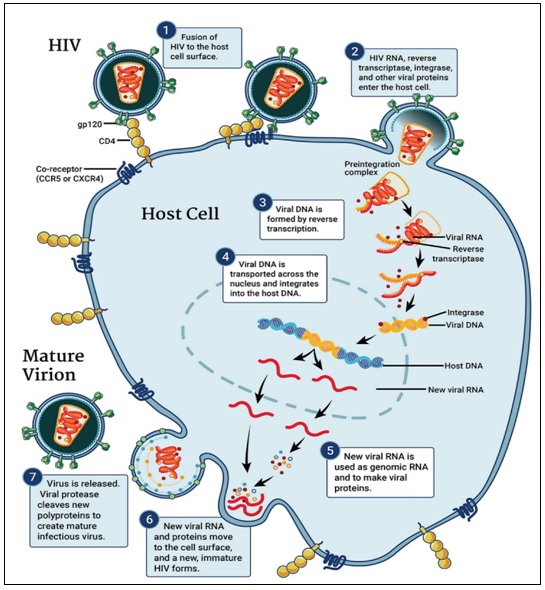
FIG. 1: HIV REPLICATION CYCLE (ADAPTED FROM THE NATIONAL INSTITUTE OF ALLERGY AND INFECTIOUS DISEASES, NIAD) 9
Data from drug development work done in developing anti-HIV molecules has shown several potential drug target sites for the inhibition of the retrovirus replication cycle. The molecules may act on one or more steps in the cycle thereby disrupting successful viral replication. This includes inhibition of virus fusion and entry into immune cell, transcription with host RNA, integration into host DNA, assembly of viral proteins and formation of mature virion that released and can infect other target immune cells.
Antiretroviral Drug Classes:
TABLE 1: DRUG CLASSES AND MECHANISMS OF ACTION AGAINST HIV 10
| Class | Mode of action | Examples |
| Nucleoside reverse transcriptase inhibitors (NRTIs) | Target the action of an HIV enzyme called reverse transcriptase inhibit viral DNA synthesis and lead to chain termination. | Tenofovir, Abacavir, Didanosine, Lamivudine,
Stavudine, Zalcitabine, Zidovudine |
| Non-nucleoside reverse transcriptase inhibitors (NNRTIs) | Interfere with the reverse transcriptase enzyme by binding directly to it, blocking the
reverse transcription process. |
Dapivirine, Doravirine, Efavirenz, Etravirine, Nevirapine, Rilpivirine |
| Nucleoside reverse transcriptase
translocation inhibitors |
Inhibits HIV reverse transcription by binding to viral DNA and blocking reverse transcriptase translocation on the primer template | Islatravir (EFdA), MK-8527 |
| Integrase inhibitors | Target and block integrase enzymekey to integration and replication of viral DNA in host DNA and inhibit maturation of virion. | Bictegravir, Dolutegravir, Elvitegravir, Raltegravir, Cabotegravir, MK-2048 |
| Entry inhibitors | Stop HIV from entering human cells. There are two types: CCR5 inhibitors and fusion inhibitors | Maraviroc, AMD3100, Enfuvirtide |
| Protease inhibitors (PIs) | Block the activity of the protease enzyme, which HIV uses to break up large polyproteins into the smaller pieces required for assembly of new viral particles. | Atazanavir, Darunavir, Lopinavir |
| Capsid inhibitors | Interferes with HIV capsid, a protein shell that protects HIV's genetic material and enzymes needed for replication. | Lenacapavir |
| Post-attachment inhibitors | Bind to the gp120 portion of the HIV envelope protein that makes up the spikes on the surface of the virus. | Fostemsavir, Ibalizumab, DS003 |
| Booster | ‘Boost’ the effects of protease inhibitors (ritonavir) and other antiretroviral drugs | Ritonavir, Cobicistat |
Formulation Development of Microbicides from Different Drug Classes:
NRTIs and NNRTIs: Tenofovir (TFV) has been formulated into different intravaginal products that have under human trials and preclinical development as HIV and multipurpose prevention products as shown in Table 2. The drug terminates chain elongation of HIV-1 virus by competitive inhibition of deoxyadenosine 5'-triphosphate stopping viral replication and has activity against hepatitis B virus as well 11. Low toxicity and safety are dependent on a low affinity for the hosts DNA polymerase 12. The molecule is available in pro-drug forms of tenofovir disoproxil (TDF) or alafenamide (TAF) that increase oral bioavailability, and is phosphorylated into tenofovir diphosphate via a bi-phosphorylation process 11.
A microbicidal product was formulated with tenofovir intravaginal gel that generated great interest but the drug had limited efficacy in inflamed conditions around the genital area and unpredictable mucosal penetration and pharmacokinetics 13. A case control analysis that tested topical tenofovir in women (CAPRISA 004, VOICE, and FACTS001) showed that protection against HIV ranged from 50-60%, when product adherence was high 13, 14. Product efficacy was largely dependent on patient adherence that was affected by leakiness, required multiple dosing, and vaginal wetting that caused discomfort for sexual partner. This work showed great potential and impact and sparked interest in development of HIV prevention microbicides that empower the end user with a localized product tailor made for their use.
TABLE 2: PIPELINE OF NRTIS AND NNRTIS FOR KEY MICROBICIDES DEVELOPED
| Product type | Drug development stage | Reference |
| Tenofovir vaginal film | Preclinical assessment in non-human primates for prevention of HIV-1 and HSV-2 infection. Safe in macaques with repeated exposure for 2 weeks as evidenced by minimal perturbation to tissues, microbiome, neutrophil influx, and pH. Higher TFV prodrug and bisphosphate form concentrations in vaginal tissues were achieved with the film in comparison to the gel | Patel et al., 202315
|
| Tenofovir/acyclovir intravaginal ring (IVR) | Preclinical assessment in-vivo PK studies in rabbits and sheep for dual prevention of HIV-1 and HSV-2 infection. The devices showed preliminary safety and exhibited sustained release of both drugs independently and in a controlled fashion over the 28-day studies. Pod design used for IVR achieved target drug levels for potential prevention of HIV-1 and HSV | Moss et al., 201216
|
| Tenofovir/DS003 vaginal gel | Limited information available. Early preclinical work. Potential dual HIV prevention mechanism. | Rosenberg and Devlin, 201217 |
| mAb 2C7 + TDF IVR | Proposed long acting MPT for dual prevention of HIV and gonorrhoea (mAb 2C7) early preclinical. Monoclonal antibody (MAb) 2C7 recognizes a lipooligosaccharide epitope expressed by most clinical Neisseria gonorrhoeae isolates and mediates complement-dependent bactericidal activity. Rapid and prolonged MAb 2C7 expression attenuated gonococcal colonization at 8 days as well as 65 days post administration providing protection against gonococcal infection in a mouse model | Parzych et al.., 202118 |
| Novel mAb contraceptive + TDF IVR | Preclinical phase non-hormonal polyvalent mAb for prevention of pregnancy blocks sperms motility and movement through vaginal mucous and access to egg fertilization. MPT for prevention of HIV and pregnancy | Shrestha et al., 202019 |
| TAF+ acyclovir (ACV) + etonogestrel (ENG) + ethinyl estradiol (EE) long acting IVR pod | Preclinical phase pharmacokinetic evaluation, product designed for prevention HIV, HSV and hormonal contraception. Prolonged release over 5 weeks in pigtailed macaques achieved systemic levels of ENG and EE to suppress reproductive cycle and vaginal tissue concentrations of TAF and ACV to inhibit HIV and HSV infections | Smith et al., 201720 |
| TAF + elvitegravir vaginal insert | Phase 1 PK, PD and safety study for MPT developed for HIV and HSV prevention. Topical delivery achieved high drug concentrations in vaginal mucosa for up to 24 hours and 7 days post-dosing. Safe and highly acceptable | Thurman etal., 202321 |
| Tenofovir/
dapivirine IVR |
Preclinical phase. Segmented polyurethane IVR formulation for dual action of 2 anti-HIV drugs with different hydrophobic properties for 30 day sustained intravaginal drug release | Johnson et al., 201022
|
| Tenofovir+ levonorgestrel IVR | Clinical Phase 2a studies evaluating safety, PK and pharmacodynamics. Phase 1 studies with 138 participants showed 90-day PK window ring delivered high concentration of TFV, LNG caused changes in cervical mucus, sperm penetration, and ovulation compatible with contraceptive efficacy | Thurman et al., 202223 |
| Dapivirine 25mg IVR | Long-acting intravaginal ring made from flexible silicone polymer for once-a-month use. Recommended by WHO for preexposure prophylaxis of HIV acquired vaginal intercourse for women. A main study conducted in almost 2,000 women from 18 years of age in sub-Saharan Africa showed that 4.2% of women who used Dapivirine Vaginal Ring 25 mg became infected after two years of treatment, compared with 6.4% of women who used placebo (a vaginal ring not releasing any medicine). This means that Dapivirine. Vaginal Ring 25 mg lowered the chances of being infected with HIV-1 by over a third (35.1%) | Nel et al., 201624 |
Fusion and Entry Inhibitors: This class has small molecules and peptides that stop entry of HIV into human cells by inhibition of CCR5 receptors, targetHIV-1 envelope glycoprotein gp120/gp41, or fusion into host’s cells. Topical microbicides designed should be applied topically within minutes to hours of the virus crossing the vaginal lumen to achieve maximum efficacy. Combination with other ARV drug classes can potentially extend the therapeutic window. Griffithsin (GRFT) an algae derived lectin shows effective broad-spectrum activity in blocking viral entry to host cells, through crosslinking and aggregation to terminal mannose residues on viral glycoprotein (gp120) 7. It is also active against HSV-2 and HCV. Maraviroc is a broad spectrum CCR5 receptor inhibitor with in vitro anti-HIV activity displayed against many clinical isolates and resistant strains. Entry inhibitors include polyanions that are negatively charged showed good in-vitro anti-HIV efficacy but are much more effective against the positively charged CXCR4 mechanism than CCR5-using (R5-tropic) viruses that are used for HIV infection and transmission into host cells 25. Polyanions include cellulose sulfate, dextran sulfate, carageenan and PRO-2000 are capable of binding to the HIV envelope and preventing cellular infection but have not improved effective in HIV prevention clinical trials for the topical microbicides 25, 26. Lectins including GRFT and cyanovirin are high effective against HIV infections in-vitro with similar mechanism as highlighted before. Cyanovirin is a 101 amino-acid protein produced by the cyanobacterium Nostoc ellipsosporum 25 and was developed as topical gel microbicide in preclinical stages in NHP models for potential prevention of rectal and vaginal HIV transmission 27. Table 3 gives a brief summary of the work done in developing microbicides and MPTs in this class.
TABLE 3: VAGINAL PRODUCTS WITH FUSION INHIBITORS DEVELOPED FOR HIV PREVENTION
| Product type | Drug development stage | Reference |
| Griffithsin (GRFT) + carrageenan fast dissolving insert | Preformulation stage, insert displays good physicochemical properties for friability, osmolality, disintegration, hardness, low moisture content, and viscosity on dissolving in simulated vaginal fluid. Product stable over 6 months. IC50 for antiviral activities against HIV and HPV retained in vitro for anti-HIV (TZM-bl) and anti-HPV cell-based assays. | Lal et al., 201828 |
| GRFT
+ carrageenan vaginal gel |
Phase 1 clinical trial a (0.1% GRFT in a carrageenan (CG) gel investigation of PK, PD, safety, immunogenicity after single dose and daily dosing for 2 weeks. GRFT concentrations in cervicovaginal fluids achieved inhibit HIV and HPV activity from lavage samples in-vitro. No significant adverse events and cervicovaginal proinflammatory responses were recorded | Teleshova et al., 2022 29
|
| Dapivirine/maraviroc vaginal gel | Preformulation stage, physicochemical testing for pH, viscosity, osmolality and in-vitro drug release. In-vitro TZM-bl assays confirmed improved anti-HIV synergistic effect for combination product. Effectively blocked HIV infection in explant challenge using human ectocervical and colorectal tissue and safe. | Dezzuti et al., 201530 |
| Dapivirine/maraviroc IVR | Phase 1 safety, PK and PD study done. Tissue dapivirine concentrations were 1,000 times greater than plasma concentrations and single drug rings had more stable pharmacokinetics. Dapivirine, and not maraviroc, demonstrated concentration-dependent inhibition of HIV-1 infection in cervical tissue. Formulation improvement required for increased maraviroc drug concentrations in tissue and achieve sustained drug release | Chen et al.,201531 |
| DS003 IVR | Preformulation stage, ethylvinylacetate IVR with 40% drug loading changes in drug crystallinity or polymer structure affected drug release rate on storage at low temperatures, macaque animal study could not differentiate drug released in-vivo, from loaded concentration in IVR on insertion and after removal | Malcolm et al., 202132 |
| Theaflavin derivatives (TFmix) vaginal gel | Late stage preformulation, >50% in-vitro drug release in 3 hours peaking at 9 hours low in-vitro cytotoxicity, low cervicovaginal irritation and inflammation in rabbit vaginal tissue, concentrations higher than 105-fold over its in-vitro anti-HIV IC50 value, did not cause significant vaginal irritation in the rabbit model, once daily intravaginal application for 14 days achieved tissue drug concentration>6 hours/application potentially for once daily application or 12 h before/after sexual intercourse in human use | Yang et al., 201233 |
| Carrageenan-based gel (Carraguard) | In the Phase 3 randomised, double-blind, placebo-controlled trial done in South Africa the microbicide was not effective in HIV prevention, it was safe, acceptable and was used in 42.1% of the sexual acts by study participants. A total of 6202 participants, who were randomly assigned by a block randomisation scheme to Carraguard (n=3103) or placebo (methylcellulose [n=3099]), were instructed to use one applicator of gel plus a condom during each vaginal sex act | Skoler-Karpoff et al., 200834
|
Integrase Inhibitors: Integrase inhibitors are highly effective in blocking viral replication in treatment naïve and drug-resistant strains by inhibiting the integrase enzyme viral DNA strand transfer and integration into host DNA 35. They can also bind to a non-active site of the enzyme and block conformational changes required to catalyse the strand transfer process 36. In addition, integrase enzymes play an important role in proper virion maturation as it interacts with the viral RNA genome to ensure encapsulation of ribonucleoprotein complexes within the protective capsid core that can also be inhibited 37, 38. The barrier to drug resistance, safety and efficacy of this class has led to development of drugs used in current combination oral tablets prevention and treatments based on dolutegravir, bictegravir and long-acting injectables with cabotegravir. Interest has also been generated in investigating their potential topical use for HIV prevention as summarised in Table 4.
TABLE 4: PHASE 1 AND PRECLINICAL STUDIES OF MICROBICIDES WITH INTEGRASE INHIBITORS
| Product type | Drug development stage | Reference |
| MK-2048 IVR | Phase 1 safety and PK study of MK-2048/MK-2048a, formulations were safe and tolerated over 28-day use. Drug concentrations in cervical tissue did not inhibit HIV in ex-plant tissue challenge test in a dose dependent manner due to poor drug penetration or efflux transport out of tissue, inadequate loading dose in the IVR and drug concentration for dose-response curve | Hoesley et al., 201939 |
| MK-2048 vaginal films | Phase 1 safety and PK study for two vaginal formulations, proof of concept study to determine whether an extended-release vaginal film can deliver drug for seven days | Bunge, 202340 |
| MK-2048 nanoparticle in vaginal film | Preclinical study for formulation development, drug release, in-vitro toxicity, ex-vivo permeability and in-vivo PK study in macaques, safe in in-vitro and in-vivo, prolonged drug release for NPs, penetration, retention and reduced efflux in ex-vivo permeability model | Tong et al., 202241 |
| Raltegravir vaginal gel | -Macaques animal PK study (Preclinical), maximum drug concentration in vaginal fluid and tissue achieved with 3-5 hours of administration. Drug concentrations achieved potentially provide protection from HIV infection in vaginal and rectal tissue | Nishiura et al., 202142 |
Broadly Neutralizing Antibodies (bNAbs): The mechanism action for bNAbs targets and binds to conserved epitopes on the HIV viral envelope proteins and fusion to host cell thereby neutralizing the virus and activating immune mediated to engulf and destroy infected cells 43. The antigen binding fragments of bNAbs can be designed to target different virus strains to give broad spectrum activity and increased potency against HIV 44, 45. Extensive preclinical work is currently being done for different therapeutics applications including passive immunisation, treatment and prevention in HIV. The most commonly used drug delivery method investigated is for intravenous use, but emergence of novel delivery systems is an area of interest for localized intravaginal delivery 47. Different bioengineering techniques used to antigen surface and bNAbs can extend half-life for prolonged circulation (8-12 weeks), improve potency and increase safety 43, 44. Research on bNAbs has not provided evidence of superior efficacy compared to small molecules used in ART or prevention 45.
TABLE 5: MICROBICIDE FORMULATIONS DEVELOPED FOR INTRAVAGINAL DELIVERY OF BROADLY NEUTRALIZING ANTIBODIES
| Product type | Drug development stage | Reference |
| Single-chain aerosolised mRNA-encoded bnAbs | Preclinical work on vaginal explant tissue of macaques, protection against SHIV/HIV strains observed. IgM multimers potent against multiple SHIV strains and viral neutralization | Joo et al., 2025b48 |
| VRC01 vaginal gel | Preclinical study in humanised mouse model, Protection observed in HIV challenge test when gel was applied an hour before viral exposure | Veselinovic et al., 201249 |
| Anti-N-glycans/V3 loop HIV-1 bNAb 10-1074 vaginal gel | Repeated cell-associated SHIV162P3 vaginal challenge in non-human primates, low infection rate and transmission in vaginal mucosa achieved | Suphaphiphat et al., 202350 |
| Ovine immunoglobulin G (ov-IgG) IVR | Sustained drug delivery of IgG and IgA mAbs over 2 weeks, ovine immunoglobulin G (ov-IgG) as a model for IgG and IgA human monoclonal antibodies. In-vitro release studies showed potential delivery of mAbs using IVRs | Gunawardana et al., 201451 |
| VRC01-N IVR | PK and safety study for intravaginal delivery in macaques’ model, controlled drug delivery over 21 days with no adverse reactions. Concentration range of 0.3 to 10 μg ml−1 IgG achieved in vaginal fluid over 21 days | Zhao et al., 201752 |
| MABGEL (2F5, 4E10 and 2G12) | A randomized, double-blind, placebo-controlled clinical phase 1 trial with 28 women. Gel (2.5g) applied day for 12 days and sufficient concentrations to prevent HIV infection observed up to 8 hours after administration, formulations were safe and compatible with vaginal flora, the bNAb 2G12 exhibited more rapid elimination from the human vagina than 4E10 and 2F5, likely due to poor stability of 2G12 in acidic human vaginal secretions | Morris et al., 201453
|
| MB66 film | A Phase I clinical trial to assess the safety, pharmacokinetics (PK), and ex vivo efficacy of single and repeated doses (once daily) of MB66 was done, antibody concentration reached maximum at level an hour after dosing in vaginal secretions and remained high after 24 hours, repeated dosing maintained elevated concentration for the antibodies, the product was safe and well tolerated | Politch et al., 202154 |
| 2G12 vaginal gel | Double-blind, placebo-controlled, randomized, dose-escalation phase I safety study of a single vaginal administration of P2G12 was carried out in healthy female subjects. P2G12 was detectable in vaginal secretions 8 hours after administration though potential degradation to samples occurred during cold chain transport and handling. No systemic levels of antibody were detected. The product was safe and well tolerated | Ma et al., 201555
|
Antimicrobial Peptides: Antimicrobial peptides (AMPs) are found in the mucosal lining of the female reproductive tract and play an important in immunomodulation and antimicrobial effect against different pathogens. Peptides typically contain short chain length amino-acid sequence synthesized through chemical or biological pathways for development of therapeutics or vaccines 56. Their physiological role is associated with different conditions including pelvic inflammatory disease, fertility and spermicidal effects, shaping microbiota, maintaining normal reproduction and pregnancy. Naturally occurring AMPs also occur in bacteria, plants, breast milk and animals and can be used as a template to develop designed AMPs for topical delivery for HIV prevention and for MPTs 57. Several mechanisms of action exist that explain AMP activity against HIV, which include viral entry inhibition due to AMPs membrane active properties, lipid clustering of the HIV envelope, binding to glycoproteins to stop viral entry and inhibit cDNA viral replication 12 hours after infection 57, 58. Designed AMPs are able to block different mechanisms in the HIV life cycle most notable is LL-37 a human cathelicidin that damages the viral envelope, is a competitive inhibitor for CCR5 and CXCR4 viral binding and the HIV reverse transcriptase enzyme. It also shows activity against other pathogens that affect the female reproductive tract and is spermicidal potentially working as an MPT 59.
Lactobacillus Biotherapeutics: Lactobacilli occur in vaginal milieu that regulate the microbiome and maintain ideal pH (<4.5) by releasing lactic acid and hydrogen peroxide as a chemical barrier to infection, and provide a physical barrier to prevent dysbiosis, vaginosis and pathogens from infecting the vaginal mucosa 60. The main substrate for lactobacilli is glycogen produced by epithelial cells in response oestrogen stimulation. Lactobacilli biotherapeutics contain microorganism from the lactobacillus family that are modified for application in prevention or treatment of infections. A vaginal tablet MucoCept-CVN© was formulated from recombinant Lactobacillus jensenii strain that can produce modified cyanovirin-N (mCV-N) an effective HIV entry inhibitor. In animal studies using macaques a fast-dissolving tablet of the formulation achieved 83% colonization after administration at day 14 and day 61.
A phase 1 study has been designed for dosing scale, safety, colonization, change in microbiota and PK with a randomized double-blind placebo-controlled study 62.
CONCLUSION: Microbicides have been developed from the 1990s for prevention of HIV transmission and multipurpose use in contraception and pathogens that affect the female reproductive tract. The field was pioneered with the development of detergents and acidifiers that failed to show safety and efficacy in phase 3 trials. Pivotal success for use of antiretrovirals in microbicides was discovered with the development of tenofovir 1% gel that reduced HIV acquisition by 39% in women under CAPRISA 004 trial. Tenofovir showed good efficacy in gel formulation but poor adherence to daily dosing for the gel changed formulation strategy to products that improve retention, sustained drug delivery, and are user friendly with the emergence of IVRs and films among other dosage forms. The Dapivirine IVR has been developed for once-a-month use and showed a 56% reduction in HIV acquisition in real world settings when consistently used among women 21 years or older in the ASPIRE trial 24. MPTs have expanded to address sexual and reproductive health challenges other than HIV transmission in combination products and represent majority of microbicides in the drug development pipeline.
Active pharmaceutical ingredients developed for microbicides has evolved from small molecules and first-generation surfactants, to repurposing ARVs used in treatment, antimicrobial peptides, and neutralising antibodies with broad spectrum efficacy and reduced viral resistance. The ability of novel molecules to inhibit and disrupt multiple sites in the HIV life cycle have shown potential to increase microbicide efficacy from preclinical and phase 1 clinical work, good safety profile and localized effect has been achieved. Product design and testing consider safety in pregnant women if they are to use the product as well in special study post approval stages as in the case dapivirine IVR. Low-cost scalable formulations have the potential to improve accessibility to user populations for MPTs with controlled intravaginal drug delivery for APIs in sufficient vaginal fluid and tissue concentrations that exhibit protective action against HIV infections and other pathogens in the female reproductive tract. The challenges faced in drug development, formulation science and human use of microbicides continue to innovation in the drug class for products with better safety profiles, efficacy, microbiome compatibility and user friendliness.
ACKNOWLEDGEMENT: Nil
CONFLICTS OF INTEREST: Nil
REFERENCES:
- Cutler B and Justman J: Vaginal microbicides and the prevention of HIV transmission. Lancet Infect Dis 2008; 8(11): 685–97. doi:10.1016/S1473-3099(08)70254-8 PubMed PMID: 18992405; PubMed Central PMCID: PMC2627483.
- Baeten JM, Hendrix CW and Hillier SL: Topical Microbicides in HIV Prevention: State of the Promise. Annu Rev Med 2020; 71: 361–77. doi:10.1146/annurev-med-090518-093731 PubMed PMID: 31613684; PubMed Central PMCID: PMC8038211.
- Irungu E, Khoza N and Velloza J: Multi-level Interventions to Promote Oral Pre-exposure Prophylaxis Use Among Adolescent Girls and Young Women: a Review of Recent Research. Curr HIV/AIDS Rep 2021; 18(6): 490–9. doi:10.1007/s11904-021-00576-9 PubMed PMID: 34719745; PubMed Central PMCID: PMC8557703.
- UNAIDS. UNAIDS 2023 epidemiological estimates, UNAIDS [Internet]. UNAIDS; 2023 [cited 2024 Apr 16]. Available from: https://thepath.unaids.org/wp-content/themes/unaids2023/assets/files/2023_report.pdf
- van Schalkwyk C, Mahy M, Johnson LF and Imai-Eaton JW: Updated Data and Methods for the 2023 UNAIDS HIV Estimates. J Acquir Immune Defic Syndr 2024; 95(1): 1–4. doi:10.1097/QAI.0000000000003344 PubMed PMID: 38180734; PubMed Central PMCID: PMC10769173.
- Gosecka M and Gosecki M: Antimicrobial Polymer-Based Hydrogels for the Intravaginal Therapies-Engineering Considerations. Pharmaceutics 2021; 13(9). doi:10.3390/pharmaceutics13091393 PubMed PMID: 34575468; PubMed Central PMCID: PMC8469626.
- Kramzer LF, Hamorsky KT, Graebing PW, Wang L, Fuqua JL and Matoba N: Preformulation Characterization of Griffithsin, a Biopharmaceutical Candidate for HIV Prevention. AAPS Pharm Sci Tech 2021; 22(3): 83. doi:10.1208/s12249-021-01931-0 PubMed PMID: 33625602; PubMed Central PMCID: PMC7903873.
- Leyva-Gómez G, Piñón-Segundo E, Mendoza-Muñoz N, Zambrano-Zaragoza ML, Mendoza-Elvira S and Quintanar-Guerrero D: Approaches in Polymeric Nanoparticles for Vaginal Drug Delivery: A Review of the State of the Art. Int J Mol Sci 2018; 19(6). doi:10.3390/ijms19061549 PubMed PMID: 29882846; PubMed Central PMCID: PMC6032388.
- NIAD. HIV Replication Cycle [Internet]. NIAD; 2018 [cited 2024 Apr 16]. Available from: https://www.niaid.nih.gov/diseases-conditions/hiv-replication-cycle
- aidsmap.com [Internet]. 2024 [cited 2026 Apr 15]. Types of antiretroviral medications. Available from: https://www.aidsmap.com/about-hiv/types-antiretroviral-medications
- Ray AS, Fordyce MW and Hitchcock MJM: Tenofovir alafenamide: A novel prodrug of tenofovir for the treatment of Human Immunodeficiency Virus. Antiviral Research 2016; 125: 63–70. doi:10.1016/j.antiviral.2015.11.009
- Margolis AM, Heverling H, Pham PA and Stolbach A: A Review of the Toxicity of HIV Medications. J Med Toxicol 2014; 10(1): 26–39. doi:10.1007/s13181-013-0325-8 PubMed PMID: 23963694; PubMed Central PMCID: PMC3951641.
- McKinnon LR, Liebenberg LJ, Yende-Zuma N, Archary D, Ngcapu S and Sivro A: Genital inflammation undermines the effectiveness of tenofovir gel in preventing HIV acquisition in women. Nat Med 2018; 24(4): 491–6. doi:10.1038/nm.4506 PubMed PMID: 29480895; PubMed Central PMCID: PMC5893390.
- Karim SSA, Kashuba ADM, Werner L and Karim QA: Drug concentrations after topical and oral antiretroviral pre-exposure prophylaxis: implications for HIV prevention in women. Lancet 2011; 378(9787): 279–81. doi:10.1016/S0140-6736(11)60878-7 PubMed PMID: 21763939; PubMed Central PMCID: PMC3652579.
- Patel SK, Agashe H, Patton DL, Sweeney Y, Beamer MA and Hendrix CW: Tenofovir vaginal film as a potential MPT product against HIV-1 and HSV-2 acquisition: formulation development and preclinical assessment in non-human primates. Frontiers in Reproductive Health [Internet] 2023; 5-2023. Available from: https://www.frontiersin.org/journals/reproductive-health/articles/10.3389/frph.2023.1217835
- Moss JA, Malone AM, Smith TJ, Kennedy S, Kopin E and Nguyen C: Simultaneous Delivery of Tenofovir and Acyclovir via an Intravaginal Ring. Antimicrobial Agents and Chemotherapy 2012; 56(2): 875–82. doi:10.1128/aac.05662-11
- Rosenberg ZF and Devlin B: Future strategies in microbicide development. Best Practice & Research Clinical Obstetrics & Gynaecology Microbicides in Obstetrics and Gynaecology 2012; 26(4): 503–13. doi:10.1016/j.bpobgyn.2012.02.001
- Parzych EM, Gulati S, Zheng B, Bah MA, Elliott STC and Chu JD: Synthetic DNA Delivery of an Optimized and Engineered Monoclonal Antibody Provides Rapid and Prolonged Protection against Experimental Gonococcal Infection. mBio 2021; 12(2): 00242-21. doi:10.1128/mBio.00242-21 PubMed PMID: 33727348; PubMed Central PMCID: PMC8092225.
- Shrestha B, Schaefer A, Chavez EC, Kopp AJ, Jacobs TM and Moench TR: Engineering tetravalent IgGs with enhanced agglutination potencies for trapping vigorously motile sperm in mucin matrix. Acta Biomaterialia 2020; 117: 226–34. doi:10.1016/j.actbio.2020.09.020
- Smith JM, Moss JA, Srinivasan P, Butkyavichene I, Gunawardana M and Fanter R: Novel multipurpose pod-intravaginal ring for the prevention of HIV, HSV, and unintended pregnancy: Pharmacokinetic evaluation in a macaque model. PLoS One 2017; 12(10): 0185946. doi:10.1371/journal.pone.0185946 PubMed PMID: 28982161; PubMed Central PMCID: PMC5628903.
- Thurman AR, Ouattara LA, Yousefieh N, Anderson PL, Bushman LR and Fang X: A phase I study to assess safety, pharmacokinetics, and pharmacodynamics of a vaginal insert containing tenofovir alafenamide and elvitegravir. Front Cell Infect Microbiol 2023; 13: 1130101. doi:10.3389/fcimb.2023.1130101 PubMed PMID: 37153145; PubMed Central PMCID: PMC10154607.
- Johnson TJ, Gupta KM, Fabian J, Albright TH and Kiser PF: Segmented polyurethane intravaginal rings for the sustained combined delivery of antiretroviral agents dapivirine and tenofovir. Eur J Pharm Sci 2010; 39(4): 203–12. doi:10.1016/j.ejps.2009.11.007 PubMed PMID: 19958831.
- Thurman AR, Brache V, Cochon L, Ouattara LA, Chandra N and Jacot T: Randomized, placebo controlled phase I trial of the safety, pharmacokinetics, pharmacodynamics and acceptability of a 90 day tenofovir plus levonorgestrel vaginal ring used continuously or cyclically in women: The CONRAD 138 study. PLoS One 2022; 17(10): 0275794. doi:10.1371/journal.pone.0275794 PubMed PMID: 36215267; PubMed Central PMCID: PMC9550080.
- Nel A, Niekerk N van, Kapiga S, Bekker LG, Gama C and Gill K: Safety and efficacy of a dapivirine vaginal ring for HIV prevention in women. New England Journal of Medicine 2016; 375(22): 2133–43. doi:10.1056/NEJMoa1602046
- Lederman MM, Jump R, Pilch-Cooper HA, Root M and Sieg SF: Topical application of entry inhibitors as “virustats” to prevent sexual transmission of HIV infection. Retrovirology 2008; 5: 116. doi:10.1186/1742-4690-5-116 PubMed PMID: 19094217; PubMed Central PMCID: PMC2637900.
- Karim SSA, Richardson BA, Ramjee G, Hoffman IF, Chirenje ZM and Taha T: Safety and Effectiveness of BufferGel and 0.5% PRO2000 Gel for the Prevention of HIV Infection in Women. AIDS 2011; 25(7): 957–66. doi:10.1097/QAD.0b013e32834541d9 PubMed PMID: 21330907; PubMed Central PMCID: PMC3083640.
- Tsai CC, Emau P, Jiang Y, Agy MB, Shattock RJ and Schmidt A: Cyanovirin-N inhibits AIDS virus infections in vaginal transmission models. AIDS Res Hum Retroviruses 2004; 20(1): 11–8. doi:10.1089/088922204322749459 PubMed PMID: 15000694.
- Lal M, Lai M, Ugaonkar S, Wesenberg A, Kizima L and Rodriguez A: Development of a vaginal fast-dissolving insert combining griffithsin and carrageenan for potential use against sexually transmitted infections. J Pharm Sci 2018; 107(10): 2601–10. doi:10.1016/j.xphs.2018.06.002 PubMed PMID: 29902477.
- Teleshova N, Keller MJ, Fernández Romero JA, Friedland BA, Creasy GW and Plagianos MG: Results of a phase 1, randomized, placebo-controlled first-in-human trial of griffithsin formulated in a carrageenan vaginal gel. PLoS One 2022; 17(1): 0261775. doi:10.1371/journal.pone.0261775 PubMed PMID: 35051209; PubMed Central PMCID: PMC8775213.
- Dezzutti CS, Yandura S, Wang L, Moncla B, Teeple EA and Devlin B: Pharmacodynamic Activity of Dapivirine and Maraviroc Single Entity and Combination Topical Gels for HIV-1 Prevention. Pharmaceutical Research 2015; 32(11): 3768–81. doi:10.1007/s11095-015-1738-7
- Chen BA, Panther L, Marzinke MA, Hendrix CW, Hoesley CJ and van der Straten A: Phase 1 Safety, Pharmacokinetics, and Pharmacodynamics of Dapivirine and Maraviroc Vaginal Rings: A Double-Blind Randomized Trial. J Acquir Immune Defic Syndr 2015; 70(3): 242–9. doi:10.1097/QAI.0000000000000702 PubMed PMID: 26034880; PubMed Central PMCID: PMC4607587.
- Malcolm K, Murphy D, McCoy CF, Dallal Bashi Y, Devlin B and Nuttall J: Formulation development of an ethylene vinyl acetate ring for sustained release of the experimental entry inhibitor DS003: 4th HIV Research for Prevention Conference (HIVR4P // Virtual). In 2021.
- Yang J, Li L, Jin H, Tan S, Qiu J and Yang L: Vaginal gel formulation based on theaflavin derivatives as a microbicide to prevent HIV sexual transmission. AIDS Res Hum Retroviruses 2012; 28(11): 1498–508. doi:10.1089/AID.2012.0084 PubMed PMID: 22867271.
- Skoler-Karpoff S, Ramjee G, Ahmed K, Altini L, Plagianos MG and Friedland B: Efficacy of Carraguard for prevention of HIV infection in women in South Africa: a randomised, double-blind, placebo-controlled trial. Lancet 2008; 372(9654): 1977–87. doi:10.1016/S0140-6736(08)61842-5 PubMed PMID: 19059048.
- Craigie R: The molecular biology of HIV integrase. Future Virol 2012; 7(7): 679–86. doi:10.2217/FVL.12.56 PubMed PMID: 23024700; PubMed Central PMCID: PMC3458710.
- Trivedi J, Mahajan D, Jaffe RJ, Acharya A, Mitra D and Byrareddy SN: Recent Advances in the Development of Integrase Inhibitors for HIV Treatment. Curr HIV/AIDS Rep 2020; 17(1): 63–75. doi:10.1007/s11904-019-00480-3 PubMed PMID: 31965427; PubMed Central PMCID: PMC7004278.
- Elliott JL and Kutluay SB: Going beyond Integration: The Emerging Role of HIV-1 Integrase in Virion Morphogenesis. Viruses 2020; 12(9): 1005. doi:10.3390/v12091005
- Adu-Ampratwum D, Pan Y, Koneru PC, Antwi J, Hoyte AC and Kessl J: Identification and Optimization of a Novel HIV-1 Integrase Inhibitor. ACS Omega 2022; 7(5): 4482–91. doi:10.1021/acsomega.1c06378 PubMed PMID: 35155940; PubMed Central PMCID: PMC8829933.
- Hoesley CJ, Chen BA, Anderson PL, Dezzutti CS, Strizki J and Sprinkle C: Phase 1 Safety and Pharmacokinetics Study of MK-2048/Vicriviroc (MK-4176)/MK-2048A Intravaginal Rings. Clin Infect Dis 2019; 68(7): 1136–43. doi:10.1093/cid/ciy653 PubMed PMID: 30289435; PubMed Central PMCID: PMC6424075.
- Bunge K: A Randomized, Double Blinded Study of the Safety and Pharmacokinetics of Two Vaginal Film Formulations Containing the Integrase Inhibitor MK-2048 [Clinical trial registration] [Internet]. clinicaltrials.gov; 2023 Mar [cited 2026 Apr 16]. Clinical trial registration no.: NCT04319718. Available from: https://clinicaltrials.gov/study/NCT04319718
- Tong X, Patel SK, Li J, Patton D, Xu E and Anderson PL: Development and evaluation of nanoparticles-in-film technology to achieve extended in-vivo exposure of MK-2048 for HIV Prevention. Polymers (Basel) 2022; 14(6). doi:10.3390/polym14061196 PubMed PMID: 35335526; PubMed Central PMCID: PMC8955144.
- Nishiura K, Sharma S, Sterling M, Makarova N, Martin A and Dinh C: Pharmacokinetics of vaginally applied integrase inhibitors in macaques. J Antimicrob Chemother 2021; 76(11): 2894–901. doi:10.1093/jac/dkab293 PubMed PMID: 34423357.
- Phelps M and Balazs AB: Contribution to HIV Prevention and Treatment by Antibody-Mediated Effector Function and Advances in Broadly Neutralizing Antibody Delivery by Vectored Immunoprophylaxis. Front Immunol 2021; 12: 734304. doi:10.3389/fimmu.2021.734304 PubMed PMID: 34603314; PubMed Central PMCID: PMC8479175.
- Mahomed Sharana: Broadly neutralizing antibodies for HIV prevention: a comprehensive review and future perspectives. Clinical Microbiology Reviews 2024; 37(2): 00152-22. doi:10.1128/cmr.00152-22
- Tebas P: Future of bNAbs in HIV Treatment. Curr HIV/AIDS Rep 2025; 22(1): 34. doi:10.1007/s11904-025-00744-1
- Intravaginal delivery of mRNA-encoded antibodies with enhanced breadth and potency for SHIV/HIV protection | Nature Communications [Internet]. [cited 2026 Apr 16]. Available from: https://www.nature.com/articles/s41467-025-65456-x
- Joo JY, Xiao P, John SP, Vanover D, Peck HE and Sasser LE: Intravaginal delivery of mRNA-encoded antibodies with enhanced breadth and potency for SHIV/HIV protection. Nat Commun 2025; 16(1): 10463. doi:10.1038/s41467-025-65456-x
- Joo JY, Xiao P, John SP, Vanover D, Peck HE and Sasser LE: Intravaginal delivery of mRNA-encoded antibodies with enhanced breadth and potency for SHIV/HIV protection. Nat Commun 2025; 16(1): 10463. doi:10.1038/s41467-025-65456-x
- Veselinovic M, Preston Neff C, Mulder LR and Akkina R: Topical gel formulation of broadly neutralizing anti-HIV-1 monoclonal antibody VRC01 confers protection against HIV-1 vaginal challenge in a humanized mouse model. Virology 2012; 432(2): 505–10.
- Suphaphiphat K, Desjardins D, Lorin V, Dimant N, Bouchemal K and Bossevot L: Mucosal application of the broadly neutralizing antibody 10-1074 protects macaques from cell-associated SHIV vaginal exposure. Nat Commun 2023; 14(1): 6224. doi:10.1038/s41467-023-41966-4
- Gunawardana M, Baum MM, Smith TJ and Moss JA: An intravaginal ring for the sustained delivery of antibodies. J Pharm Sci 2014; 103(11): 3611–20. doi:10.1002/jps.24154 PubMed PMID: 25231193; PubMed Central PMCID: PMC4206599.
- Zhao C, Gunawardana M, Villinger F, Baum MM, Remedios-Chan M and Moench TR: Pharmacokinetics and Preliminary Safety of Pod-Intravaginal Rings Delivering the Monoclonal Antibody VRC01-N for HIV Prophylaxis in a Macaque Model. Antimicrob Agents Chemother 2017; 61(7): 02465-16. doi:10.1128/AAC.02465-16 PubMed PMID: 28416548; PubMed Central PMCID: PMC5487619.
- Morris GC, Wiggins RC, Woodhall SC, Bland JM, Taylor CR and Jespers V: MABGEL 1: First Phase 1 Trial of the Anti-HIV-1 Monoclonal Antibodies 2F5, 4E10 and 2G12 as a Vaginal Microbicide. PLoS One 2014; 9(12): 116153. doi:10.1371/journal.pone.0116153 PubMed PMID: 25546420; PubMed Central PMCID: PMC4278856.
- Politch JA, Cu-Uvin S, Moench TR, Tashima KT, Marathe JG and Guthrie KM: Safety, acceptability, and pharmacokinetics of a monoclonal antibody-based vaginal multipurpose prevention film (MB66): A Phase I randomized trial. PLoS Med 2021; 18(2): 1003495. doi:10.1371/journal.pmed.1003495 PubMed PMID: 33534791; PubMed Central PMCID: PMC7857576.
- Ma JKC, Drossard J, Lewis D, Altmann F, Boyle J and Christou P: Regulatory approval and a first-in-human phase I clinical trial of a monoclonal antibody produced in transgenic tobacco plants. Plant Biotechnology Journal 2015; 13(8): 1106–20. doi:10.1111/pbi.12416
- Helmy NM and Parang K: The Role of Peptides in Combatting HIV Infection: Applications and Insights. Molecules 2024; 29(20): 4951. doi:10.3390/molecules29204951 PubMed PMID: 39459319; PubMed Central PMCID: PMC11510642.
- Wang G: Natural antimicrobial peptides as promising anti-HIV candidates. Curr Top Pept Protein Res 2012; 13: 93–110. PubMed PMID: 26834391; PubMed Central PMCID: PMC4730921.
- Seidel A, Ye Y, de Armas LR, Soto M, Yarosh W and Marcsisin RA: Cyclic and acyclic defensins inhibit human immunodeficiency virus type-1 replication by different mechanisms. PLoS One 2010; 5(3): 9737. doi:10.1371/journal.pone.0009737 PubMed PMID: 20305815; PubMed Central PMCID: PMC2840026.
- Vera-Cruz A, Tanphaichitr N and Angel JB: Antimicrobial Peptide, LL-37, and its potential as an anti-HIV Agent. Clinical and Investigative Medicine 2021; 44(3): 64–71.
- Navalkele BD and Chopra T: Clinical application of live biotherapeutic products in infectious diseases. Front Microbiomes 2024; 3. doi:10.3389/frmbi.2024.1415083
- Lagenaur L, Lee P and Parks T: Testing a Fast-dissolving Tablet Containing a Recombinant Live Biotherapeutic Product, MucoCept-CVN, in the Non-human Primate Model for Colonization. AIDS Res Hum Retroviruses 2014; 30(1): 50. doi:10.1089/aid.2014.5086.abstract PubMed PMID: null; PubMed Central PMCID: PMC4228730.
- Safety Study of MucoCept-CVN | NIAID: National Institute of Allergy and Infectious Diseases [Internet]. 2026 [cited 2026 Apr 16]. Available from: https://www.niaid.nih.gov/clinical-trials/safety-study-mucocept-cvn
How to cite this article:
Manyarara T, Mutingwende I and Chifamba J: Drug classes used in formulation design and development of HIV prevention microbicides. Int J Pharm Sci & Res 2026; 17(9): 2553-63. doi: 10.13040/IJPSR.0975-8232.17(9).2553-63.
All © 2026 are reserved by International Journal of Pharmaceutical Sciences and Research. This Journal licensed under a Creative Commons Attribution-NonCommercial-ShareAlike 3.0 Unported License.
Article Information
1
2553-2563
938 KB
7
English
IJPSR
T. Manyarara *, I. Mutingwende and J. Chifamba
Department of Pharmacy and Pharmaceutical Sciences, Faculty of Medicine and Health Sciences, University of Zimbabwe, Mt Pleasant, Harare, Zimbabwe.
tmanyarara@medic.uz.ac.zw
28 April 2026
29 May 2026
19 June 2026
10.13040/IJPSR.0975-8232.17(9).2553-63
01 September 2026
 Download