




DRUG-RELATED PROBLEMS AND CLINICAL PHARMACIST INTERVENTIONS IN HOSPITALIZED NEUROLOGICAL PATIENTS: A PROSPECTIVE OBSERVATIONAL STUDY
HTML Full TextDRUG-RELATED PROBLEMS AND CLINICAL PHARMACIST INTERVENTIONS IN HOSPITALIZED NEUROLOGICAL PATIENTS: A PROSPECTIVE OBSERVATIONAL STUDY
Hanan M. Garalla * and Fatima S. Hassan Almigheerb
Department of Pathology, Faculty of Medicine, Benghazi University, Benghazi, Libya.
ABSTRACT: Background: Drug-related problems (DRPs) are common among hospitalized neurological patients due to complex pharmacotherapy and polypharmacy. Clinical pharmacists play a vital role in identifying and managing these problems. Objectives: This study evaluated the prevalence and types of DRPs among hospitalized neurological patients and described clinical pharmacist interventions and their outcomes. Methods: A prospective observational study was conducted among 117 adult patients admitted to the Neurology Department and ICU of Benghazi Medical Center between November 2024 and March 2025. DRPs were identified and classified using the Pharmaceutical Care Network Europe (PCNE) classification v9.1 by trained clinical pharmacists. Interventions and outcomes were documented. DRPs resolution was defined as complete correction or discontinuation of the identified problem during hospitalization. Results: DRPs were identified in 84.6% of patients. The most common DRPs were drug use without indication (32.3%), adverse drug reactions (27.3%), non-adherence (18.2%), patient-related (7.1%), and drug–drug interactions (15.1%). Multiple DRPs per patient were observed. The most frequent interventions were medication adjustment, patient education, and medication reconciliation. Approximately 78.3% of DRPs were resolved following pharmacist intervention. Conclusion: DRPs are highly prevalent among neurological inpatients. Clinical pharmacists contribute to identifying and addressing these problems; however, further studies with robust outcome measures are needed.
Keywords: Clinical pharmacist, Drug-related problems, Hospitalised patients, Interventions, Neurological disorders, PCNE classification
INTRODUCTION: Neurological disorders represent a broad spectrum affecting the central and peripheral nervous systems, frequently resulting in significant morbidity and disability worldwide, and often requiring complex, long-term-pharmacotherapy.
Globally, these disorders impact approximately 3.4 billion individuals and represent a leading cause of disability-adjusted life years (DALYs), with stroke, migraine, and dementia among the most prevalent contributors 1.
The aetiology of neurological diseases is multifactorial, involving genetic, environmental, and autoimmune components, which complicates diagnosis and therapeutic management 2. Hospitalised patients with neurological conditions such as stroke, epilepsy, multiple sclerosis (MS), myasthenia gravis (MG), and dementia are particularly vulnerable to drug-related problems (DRPs) due to polypharmacy, disease complexity, and frequent alterations in treatment regimens 3, 4.
DRPs include inappropriate drug selection, adverse drug reactions, drug–drug interactions, and non-adherence, all of which can negatively impact patient outcomes. Hospitalised neurological patients are particularly vulnerable due to polypharmacy, comorbidities, and frequent treatment modifications. These challenges highlight the critical need for specialized pharmaceutical care to optimize medication management and mitigate adverse outcomes in this vulnerable patient population 5.
Clinical pharmacists play a vital role in identifying, preventing, and managing drug-related problems through interventions such as regimen optimization, monitoring for adverse drug reactions, and patient or carer education 6. However, data on DRPs and pharmacist interventions in neurological settings remain limited in developing healthcare systems. Recent studies have demonstrated that pharmacist-led interventions in neurology units can markedly improve the quality use of medicines, enhance medication adherence, reduce adverse events, and optimize health outcomes, with high acceptance rates of pharmacist recommendations by healthcare teams 7, 8.
In neurology wards, clinical pharmacists have detected and resolved drug-related issues in over half of hospitalized patients, with interventions such as drug introduction, adjustment, and monitoring being widely accepted and leading to more rational pharmacotherapy 9, 10. In patients with dementia or cognitive impairment, pharmacist-led medication management services have enhanced medication safety, quality of life, and caregiver understanding, whilst also reducing healthcare expenditure 11. In multiple sclerosis care, specialty pharmacists have demonstrated a positive impact on medication adherence, management of adverse drug reactions, and co-ordination of laboratory monitoring, further supporting the value of pharmacist interventions in neurological disease management 12. These findings underscore the importance of integrating clinical pharmacists into multidisciplinary teams to enhance patient safety and therapeutic outcomes for hospitalized patients with neurological conditions. This study aims to evaluate the prevalence and types of common drug-related problems and to describe pharmacist-led interventions in hospitalized neurological patients.
MATERIAL & METHODS:
Study Design and Setting: A prospective observational study was conducted in the Neurology Department and ICU of Benghazi Medical Center between November 2024 and March 2025. Clinical pharmacists participated in routine patient care by identifying drug-related problems and providing recommendations, without an established intervention protocol or a comparison group.
Sample (Inclusion and Exclusion Criteria): The study included 117 hospitalized adult patients (≥18 years) with confirmed neurological diagnoses who received at least one medication and remained admitted for >24 hours. Patients with primary psychiatric conditions or hospital stays <24 hours were excluded.
Data Collection and DRP Assessment: Data were collected prospectively during hospitalization using structured data collection forms. Patient demographic and clinical information were obtained from medical records. Drug-related problems (DRPs) were identified and classified using the Pharmaceutical Care Network Europe (PCNE) classification version 9.1 by trained clinical pharmacists. In cases of uncertainty, pharmacists consulted each other to ensure consistency. For each DRP, the pharmacist documented the specific intervention and the resulting outcome. Interventions were documented for each identified DRP. Outcomes were classified as DRPs resolved (complete correction or discontinuation of the problem), and ongoing DRPs (the problem persisted at the time of discharge or the last clinical assessment).
Medication-Related Variables: The following medication-related variables were collected: the number of medications per patient (polypharmacy assessment). The presence of high-risk medications, such as anticoagulants or antiepileptics, and the admission location (ICU or ward) were also recorded.
Statistical Analysis: Data were analyzed using descriptive statistics (mean, standard deviation, frequencies, and percentages) to summarize the data. Chi-square tests analyzed categorical variables. No multivariate analysis was conducted because of the observational study design. Results were interpreted with caution, particularly for small subgroups.
Ethical Approval: The study was approved by the Research Ethics Committee of Libyan International Medical University.
RESULTS:
Demographic and Clinical Characteristics: A total of 117 hospitalized patients with neurological diseases were included, with females representing (n=64, 54.7%) and males (n=53, 45.3%).
Most were middle-aged or older adults, predominantly aged 53–69 years (n=44, 37.6%), reflecting age-related pharmacokinetic and pharmacodynamic changes.
The most common admission diagnoses were epilepsy (n=30, 25.6%), cerebrovascular accidents (n=22, 18.8%), polyneuropathy (n=13, 11.1%), multiple sclerosis (n=11, 9.4%), migraine (n=9, 7.7%), and paralysis (n=7, 6.0%), with other neurological conditions comprising (n=25, 21.4%).
Comorbidities were present in about two-thirds of patients, including hypertension (n=47, 40%), diabetes mellitus and heart disease (n=27, 23%), and dyslipidaemia (n=8, 7%), while (n=35, 30% had no comorbidities. Table 1 presents the full data.
TABLE 1: BASELINE CHARACTERISTICS OF HOSPITALIZED NEUROLOGICAL PATIENTS (N = 117)
Variables |
Total n=117 |
Percentage (%) |
Gender |
||
Female |
64 |
54.7% |
Male |
53 |
45.3% |
Age |
||
18-32 |
23 |
19.6% |
33-52 |
31 |
26.4% |
53-69 |
44 |
37.6% |
≥ 70 |
19 |
16.2% |
Admission diagnosis |
||
Epilepsy |
30 |
25.6% |
Cerebrovascular accident (CVA) |
22 |
18.8% |
Polyneuropathy |
13 |
11.1% |
Multiple sclerosis |
11 |
9.4% |
Migraine |
9 |
7.7% |
Paralysis |
7 |
6% |
Other neurological diseases |
25 |
21.4% |
Concomitant diseases variable |
||
Hypertension |
47 |
40% |
Diabetes mellitus & heart diseases |
27 |
23% |
Dyslipidaemia |
8 |
7% |
No comorbidities |
35 |
30% |
Length of hospital stay (LOS) |
||
| ≥7 days
≥14 days ≥21 days |
344439 |
29.1%37.6%33.3% |
Length of Hospital Stay (LOS): Many patients experienced prolonged hospital stays, as shown in Table 1: n=34, 29.1% stayed ≥7 days; n=44, 37.6% ≥14 days; and n=39, 33.3% ≥21 days, indicating clinical complexity and providing multiple opportunities for clinical pharmacists to identify, document, and resolve DRPs.
Distribution of Medication among the Study Population: The distribution of medication use among neurological and ICU patients shows a nearly balanced split between those prescribed ≤4 drugs and a slightly larger proportion (n=68, 58.1%), and those receiving ≥5 drugs (n=49, 41.8%), as shown in the pie chart in Fig. 1.
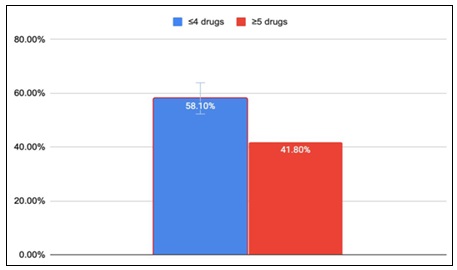
FIG. 1: DISTRIBUTION OF MEDICATION USE AMONG THE PATIENTS
Prevalence and Types of Drug-Related Problems: Drug-related problems (DRPs) were identified in (n=99, 84.6%) of patients. Patients could have multiple DRPs, so the total DRPs exceeded the patient count. The most frequent DRPs were drug use without indication (n=32, 32.3%), including unnecessary use of atorvastatin for neuropathy patients or cefuroxime prescribed without clear justification. These were associated with symptoms such as dizziness and gastrointestinal disturbances. Other DRPs included adverse drug reactions accounted for (n=27, 27.3%), non-adherence for (n=18, 18.2%), and drug-drug interactions for (n=15, 15.1%). Less frequent DRPs included patient-related factors (n=7, 7.1%). Full results are in Table 2.
TABLE 2: CATEGORIZATION OF DRUG‑RELATED PROBLEMS AMONG HOSPITALIZED NEUROLOGICAL PATIENTS
Categorization of DRPs |
Number of DRPs n=99 (84.6%) |
Adverse drug reaction |
27 (27.3%) |
Patient related |
7 (7.1%) |
Drug use without indication |
32 (32.3%) |
Drug-Drug interaction |
15 (15.1%) |
Non-adherence |
18 (18.2%) |
Association between Neurological Conditions and DRPs: A chi-square test indicated a possible association between neurological conditions and DRPs (p = 0.0445).
Interpretation is limited by small subgroup sizes and multiple DRPs per patient. DRPs were most frequently observed in patients with epilepsy (26 DRPs among 30 patients) and cerebrovascular accident (17 DRPs among 22 patients), followed by polyneuropathy, multiple sclerosis, migraine, paralysis, and other neurological diseases (66 DRPs among 65 patients collectively).
Because multiple DRPs were recorded per patient, DRP counts may exceed patient numbers in some categories, as shown in Table 3.
TABLE 3: PREVALENCE OF DRUG‑RELATED PROBLEMS IN HOSPITALIZED NEUROLOGY INPATIENTS
Neuro-diseases |
Frequency |
DRPS |
CVA (Ischemic & Hemorrhagic) |
22 |
17 |
Epilepsy |
30 |
26 |
Polyneuropathy |
13 |
10 |
Multiple Sclerosis |
11 |
10 |
Migraine |
9 |
8 |
Paralysis |
7 |
9 |
Other neurological diseases |
25 |
29 |
Total |
117 |
99=84.6% |
Note: Multiple DRPs per patient were recorded; therefore, DRP counts may exceed the number of patients in some categories.
Clinical Pharmacist Interventions: Clinical pharmacist-led interventions addressed moderate-to-severe Monitor neurological status. These DRPs included drug-drug interactions, inappropriate dosing, therapeutic inefficacy, and potential toxicity. Pharmacists modified pharmacotherapy, optimized dosing, and provided intensive monitoring. For clinically significant drug–drug interactions, interventions reduced the risk of treatment failure by ensuring appropriate anticoagulant selection and INR monitoring. For dose-related toxicity, pharmacists implemented dose reductions or discontinuation to prevent further harm. Table 4 summarizes these interventions.
TABLE 4: KEY PHARMACIST-LED INTERVENTIONS FOR SERIOUS DRUG-RELATED PROBLEMS IN NEUROLOGY INPATIENTS
Drug Problem |
Pharmacist Intervention |
Intervention, According to the PCNE Tool Version V9.1 |
Clinical Risk |
Topiramate + Valproate ) |
Switch to an alternative and serum ammonia levels if indicated. |
1.3 (Intervention at prescriber level – change of drug) |
Encephalopathy |
Apixaban + carbamazepine |
Avoid combination; consider an alternative anticoagulant and monitor the clinical response. . |
I1.3 (Intervention at prescriber level – change of drug) |
Reduced efficacy |
Baclofen toxicity |
Dose reduction or discontinuation; monitor level of consciousness and respiratory status. |
I1.2 (Intervention at prescriber level – dose adjustment) |
CNS depression. |
Levetiracetam inefficacy |
Dose adjustment + EEG monitoring |
I1.2 (Intervention at prescriber level – dose adjustment) |
Uncontrolled seizures |
PCNE: Pharmaceutical Care Network Europe classification (version 9.1); I1.2 = dose adjustment at prescriber level; I1.3 = drug change at prescriber level.
Types and Outcomes of Interventions: Intervention percentages were calculated based on the total number of DRPs, with multiple interventions per DRP possible. The most frequent interventions were medication adjustment (55.6%) and patient education (19.7%), followed by specialist referral (17.9%) and medication reconciliation (6.8%). These interventions fully resolved 78.6% of the identified DRPs at assessment, while 21.4% persisted despite the intervention, as shown in Table 5.
TABLE 5: PHARMACIST-LED INTERVENTIONS AND THEIR OUTCOMES IN CLINICAL PRACTICE
| Intervention Type | Percentage (%) |
| Dose adjustment |
(n=65, 55.6%) |
| Patients’ education |
(n=23, 19.7%) |
| Referral to specialist |
(n=21, 17.9%) |
| Medication reconciliation |
(n=8, 6.8%) |
| Total |
(n=117, 100%) |
Outcome of Intervention:
| Outcome | Percentage (%) |
| Resolved |
(n=92, 78.6%) |
| Ongoing |
(n=25, 21.4%) |
| Total |
(n=117, 100%) |
Use of Drug Interaction Applications: Use of drug-interaction applications was descriptively assessed. Overall, 63% of clinical pharmacists reported using these tools to support the identification and management of drug–drug interactions. The most frequently used applications were Drugs.com (42.5%) and Medscape (32.5%), while Lexicomp (11.7%) and MediSafe (13.3%) were used less often Fig. 2.
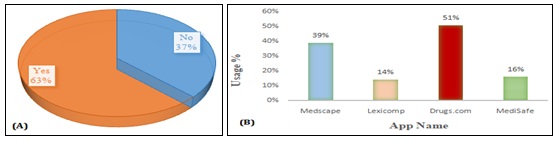
FIG. 2: DRUG CHECKER APPS USAGE BY CLINICAL PHARMACISTS
The study did not assess the direct effect of these tools on clinical outcomes; therefore, these findings should be considered exploratory.
DISCUSSION: The high prevalence of DRPs among hospitalized neurological patients in this study aligns with previous research, highlighting the vulnerability of this population due to complex treatment regimens, frequent medication changes, and multiple comorbidities 13. Polypharmacy is a recognized risk factor for DRPs in neurology wards, often resulting in inappropriate prescribing, increased adverse drug reactions, and higher healthcare costs 14. The observed association between neurological diagnoses and DRP occurrence highlights the need for targeted pharmacist interventions to reduce risks related to inappropriate prescribing and medication management. The predominance of drug use without indication reflects ongoing challenges with overprescribing and prolonged use of unnecessary medications, as reported in international studies 15, 16.
Adverse drug reactions remain a significant concern due to the narrow therapeutic index and interaction profiles of many neurological medications, especially antiepileptics and centrally acting agents. The clustering of DRPs, for instance non-adherence and drug–drug interactions, further complicates management, especially in conditions like epilepsy and stroke, where precise pharmacological control is mandatory. The higher frequency of DRPs in epilepsy and CVA patients aligns with previous findings on the complexity of drug therapy management in these conditions 17.
A high proportion of DRPs were reported as resolved following pharmacist recommendations, including medication adjustment, patient education, specialist referral, and medication reconciliation. Pharmacist-led reviews reduce prescribing errors and contribute to measurable improvements in patient outcomes, such as reduced length of stay and lower mortality rates in neurological patients 18. However, the physician acceptance rate and patient-level clinical outcomes were not formally measured. A combination of drug-interaction applications was descriptively reported. However, the study did not evaluate the direct effect of these tools on clinical outcomes, and this component should be interpreted as exploratory. However, variability in tool utilization suggests the necessity for standardized access to reliable, evidence-based resources 19.
CONCLUSION: Drug-related problems were common among hospitalized neurological patients, most often involving inappropriate prescribing, adverse drug reactions, and drug–drug interactions. Clinical pharmacists played a substantial role in identifying and addressing these issues through interventions such as therapy optimization, safety and efficacy monitoring, and patient education. Although many problems were resolved, the lack of data on physician acceptance and clinical outcomes (such as symptom control, length of stay, and readmissions) means these results should be interpreted as descriptive rather than definitive evidence of effectiveness.
This study has several limitations, including its single-center design, which may limit generalizability, and prospective design and single-center limitations, which may have contributed to DRPs. Resource constraints may have affected the extent and consistency of pharmacist interventions. Additionally, the study did not assess physician acceptance of pharmacist recommendations, thereby limiting evaluation of the full clinical impact.
Future multicenter, prospective studies with standardized outcome measures are needed to clarify the clinical and economic impact of pharmacist-led interventions in neurological inpatient care.
ACKNOWLEDGEMENT: None.
CONFLICT OF INTEREST: The authors declared no possible conflicts of interest with respect to the research, authorship, and/or publication of this article.
REFERENCES:
- Feigin VL, Vos T, Nichols E, Owolabi MO, Carroll WM and Dichgans M: Global, regional, and national burden of neurological disorders, 1990–2021: A systematic analysis. Lancet Neurol 2023; 22(5): 380–404.
- Mukherjee S, Ali S, Hashmi S and Jahan S: History, origin and types of neurological disorders. In: Applications of stem cells and derived exosomes in neurodegenerative disorders. Singapore: Springer Nature Singapore 2023; 1–32.
- Al-Hashar A, Al-Zakwani I, Al Sinawi H, Al Za’abi M, Al Mahrezi A and Al Shafaee M: Drug-related problems in patients with neurological disorders: A prospective observational study. BMC Neurol 2021; 21(1): 98.
- Mahmood T, Khan MU, Iqbal J, Ahmed M and Shafi A: Polypharmacy and risk of DRPs in neurology inpatients: A multicentre evaluation. Eur J Clin Pharmacol 2022; 78(3): 471–480.
- Rajakumar S, Rajah R, Yuan TY, Yee CV and Yen LT: Evaluation of drug-related problems and cost-saving of pharmacist-led intervention among hospitalized elderly patients. J Pharm Health Serv Res 2024; 15(2): 10.
- Lee CY, Chen IJ, Chang CW, Wu CJ, Chen HY and Hou YJ: Clinical pharmacists’ role in preventing medication errors in hospital practice. Am J Health Syst Pharm 2021; 78(12): 1043–1052.
- Farhana L, Rahayu F, Sholihah S, Sweileh W, Abdulah R, and Alfian S: Effectiveness of pharmacist-led intervention on medication adherence in chronic diseases: A systematic review of randomized controlled trials. Patient Prefer Adherence 2025; 19: 2161–2178.
- Sholihah S, Rahayu F, Farhana L, Alshehri S, Alfian S and Abdulah R: Pharmacist-led interventions to improve medication adherence among patients with multimorbidity: A scoping review. Patient Prefer Adherence 2025; 19: 3589–3602.
- Parthasarathi G, Nyfort-Hansen K and Nahata MC: Impact of clinical pharmacists’ interventions in neurology wards: A systematic review. IJCP 2020; 42(4): 1010–1021.
- Ahmad A, Mastour MA, Al-Shaikh AA, Al-Dhafeeri RR, Khan MU and Al-Haqan AA: Pharmacist-led interventions to optimise neurological pharmacotherapy in hospitals. Ther Adv Drug Saf 2021; 12: 1–1
- Nguyen TA, Gilmartin-Thomas J, Tan ECK, Kalisch-Ellett L, Eshetie T and Gillam M: The impact of pharmacist interventions on quality use of medicines, quality of life, and health outcomes in people with dementia and/or cognitive impairment: A systematic review. J Alzheimers Dis 2019; 71(1): 83–96.
- Tang J, Bailey J, Chang C, Faris R, Hong SH and Levin M: Effects of specialty pharmacy care on health outcomes in multiple sclerosis. J Manag Care Spec Pharm 2016; 9(8): 420–429.
- Tauchert Rossato P, Hepp Schwambach K, Becker MW and Blatt CR: Pharmacist interventions in a public emergency hospital service classified according to PCNE. J Assist Farmacoecon 2025; 10(2).
- Rodrigues JPV, Marques FA, Gonçalves AMRF, Campos MS, Reis TMD and Morelo MRS: Analysis of clinical pharmacist interventions in the neurology unit of a Brazilian tertiary teaching hospital. PLoS One 2019; 14(1): e0210779.
- Page A and Etherton-Beer C: Undiagnosing to prevent overprescribing. Maturitas 2019; 123: 67–72.
- Hermanowski T and Zielińska M: Pharmaceutical addiction and irrational drug use. Soc Ecol Dimens 254.
- Asif M: A review on antiepileptic drugs and their uses, mechanisms of action, adverse effects and drug interactions. Curr Sci Perspect 2016; 2: 19–38.
- Alkaim AF and Khan M: Pharmacist-led medication therapy management: A review of its effectiveness in improving patient outcomes. Clin J Med Health Pharm 2024; 2(4): 31–39.
- Alam A, Dubey P, Bhardwaj S, Saran A, Joshi R and Sharma S: Transforming drug information resources through digital innovation. In-silico Res Biomed 2026: 100217.
How to cite this article:
Garalla HM and Almigheerb FSH: Drug-related problems and clinical pharmacist interventions in hospitalized neurological patients: a prospective observational study. Int J Pharm Sci & Res 2026; 17(8): 2454-60. doi: 10.13040/IJPSR.0975-8232.17(8).2454-60.
All © 2026 are reserved by International Journal of Pharmaceutical Sciences and Research. This Journal licensed under a Creative Commons Attribution-NonCommercial-ShareAlike 3.0 Unported License.
Article Information
19
2454-2460
590 KB
335
English
IJPSR
Hanan M. Garalla * and Fatima S. Hassan Almigheerb
Department of Pathology, Faculty of Medicine, Benghazi University, Benghazi, Libya.
Hanan.garalla@uob.edu.ly
17 March 2026
17 April 2026
23 April 2026
10.13040/IJPSR.0975-8232.17(8).2454-60
01 August 2026
 Download