




EFFECT OF A TRADITIONAL GARCINIA CAMBOGIA–BASED FUNCTIONAL FOOD INTERVENTION ON BODY COMPOSITION, METABOLIC PARAMETERS, AND PSYCHOLOGICAL WELL-BEING AMONG YOUNG WOMEN WITH POLYCYSTIC OVARY SYNDROME: A 12-WEEK PRE-POST INTERVENTION STUDY
HTML Full TextEFFECT OF A TRADITIONAL GARCINIA CAMBOGIA–BASED FUNCTIONAL FOOD INTERVENTION ON BODY COMPOSITION, METABOLIC PARAMETERS, AND PSYCHOLOGICAL WELL-BEING AMONG YOUNG WOMEN WITH POLYCYSTIC OVARY SYNDROME: A 12-WEEK PRE-POST INTERVENTION STUDY
Shubhi Agarwal * and C. Usha Devi
Department of Food Science and Nutrition, Mount Carmel College, Autonomous, Bengaluru, Karnataka, India.
ABSTRACT: Background: Polycystic ovary syndrome (PCOS) is a common endocrine and metabolic disorder among women of reproductive age and is frequently associated with obesity, insulin resistance, dyslipidaemia, and impaired psychological well-being. Lifestyle modification remains the first-line approach for PCOS management. Traditional food-based interventions incorporating Garcinia cambogia have attracted increasing attention because of their hydroxycitric acid (HCA) content and potential role in weight management. Objective: To evaluate the effects of a structured traditional dietary intervention incorporating a Garcinia cambogia-based functional food on body composition, biochemical parameters, dietary intake, and psychological well-being among young women with PCOS. Methods: A 12-week single-group pre-post intervention study was conducted among 34 young women aged 19–23 years diagnosed with PCOS according to the Rotterdam criteria. Participants received individualized calorie-controlled dietary plans, weekly nutrition education and lifestyle counselling, and daily supplementation with a Garcinia cambogia based functional bite. Anthropometric measurements, body composition, biochemical parameters, dietary intake, and psychological well-being were assessed at baseline and after completion of the intervention. Hydroxycitric acid content of Garcinia cambogia powder was analytically determined by high-performance liquid chromatography and was found to be 25.82%. Results: Significant reductions were observed in body weight (72.90 ± 10.07 kg to 66.48 ± 7.53 kg; p < 0.001), body mass index (28.56 ± 4.11 kg/m² to 27.12 ± 3.09 kg/m²; p = 0.003), and body fat percentage (32.58 ± 6.99% to 27.79 ± 8.14%; p = 0.001). Fasting blood glucose levels improved significantly (90.31 ± 10.44 mg/dL to 87.96 ± 4.80 mg/dL; p = 0.004). Protein intake increased from 43.92 ± 8.89 g/day to 77.60 ± 4.89 g/day (p < 0.001), and improvements in psychological well-being were observed. Changes in total cholesterol, HDL cholesterol, LDL cholesterol, triglycerides, and testosterone concentrations were not statistically significant. Conclusion: A traditional dietary intervention incorporating a Garcinia cambogia-based functional food was associated with improvements in body composition, glycaemic status, dietary behaviour, and psychological well-being among young women with PCOS. However, the findings should be interpreted cautiously because of the single-group pre-post design and the absence of a concurrent control group. Larger randomized controlled studies with longer follow-up periods are warranted to confirm these findings.
Keywords: Polycystic ovary syndrome, Garcinia cambogia, Hydroxycitric acid, Functional food, Dietary intervention, Psychological well-being
INTRODUCTION: Polycystic ovary syndrome (PCOS) is one of the most common endocrine disorders affecting women of reproductive age and is characterized by ovulatory dysfunction, hyperandrogenism, and polycystic ovarian morphology according to internationally accepted diagnostic criteria 1, 2.
In addition to reproductive abnormalities, PCOS is associated with several metabolic complications including obesity, insulin resistance, dyslipidaemia, impaired glucose tolerance, and an increased risk of developing type 2 diabetes mellitus and cardiovascular disease 3, 5, 12. Women with PCOS also frequently experience psychological disturbances such as anxiety, depression, stress, body image dissatisfaction, and reduced quality of life 10, 11. The prevalence of PCOS has increased considerably in recent decades, particularly in urban populations undergoing rapid lifestyle transitions. Sedentary behaviour, consumption of energy-dense foods, psychosocial stress, and reduced physical activity have contributed to increasing rates of obesity and metabolic disturbances among young women 3, 4. Excess adiposity aggravates insulin resistance and hyperandrogenism, thereby perpetuating the metabolic and reproductive abnormalities associated with PCOS 5. Consequently, international evidence-based guidelines recommend lifestyle modification and weight management as the first-line approach for the management of PCOS 3, 7, 12.
Dietary interventions aimed at reducing energy intake and improving dietary quality have been shown to produce favourable effects on body composition, insulin sensitivity, and metabolic outcomes in women with PCOS 4, 6–9. Even modest weight loss has been associated with improvements in menstrual regularity, ovulatory function, and cardiometabolic risk factors 3, 7. Maintaining long-term adherence to restrictive dietary patterns is often difficult, emphasizing the importance of culturally acceptable and sustainable dietary strategies.
Interest in traditional food ingredients with potential health benefits has increased because of their possible contribution to the dietary management of chronic metabolic disorders. Garcinia cambogia, commonly known as Malabar tamarind or Vrikshamla, has been traditionally used in various parts of India as a culinary ingredient and souring agent and has also been employed in traditional systems of medicine 15, 20.
The fruit rind contains (-)-hydroxycitric acid (HCA), which has been investigated for its possible role in appetite regulation, inhibition of ATP-citrate lyase, and modulation of lipid metabolism 13, 14, 16–19.
Although Garcinia cambogia has gained popularity as a nutraceutical ingredient and weight-management supplement, clinical evidence regarding its incorporation into culturally adapted dietary interventions for women with PCOS remains limited. Most previous studies have focused on concentrated extracts and commercial formulations, whereas relatively little information is available regarding the use of Garcinia cambogia in traditional food-based preparations. Therefore, the present study was undertaken to evaluate the effect of a structured dietary intervention incorporating a Garcinia cambogia-based traditional functional food on body composition, biochemical parameters, dietary intake, and psychological well-being among young women with PCOS.
MATERIALS AND METHODS:
Study Design and Setting: A 12-week single-group prospective pre-post intervention study was conducted among young women with polycystic ovary syndrome (PCOS) in Bengaluru, Karnataka, India. The study formed part of a larger doctoral research project evaluating nutritional and lifestyle interventions in women with PCOS. The present manuscript reports findings from the dietary intervention subgroup for which complete pre- and post-intervention data were available.
Ethical Approval and Consent: The study was conducted in accordance with the ethical principles of the Declaration of Helsinki and was approved under the doctoral research protocol by the Institutional Ethics Committee (Approval No. NEEC BU 012 Ph.D./Project/2015-16). The intervention phase was carried out in 2019. Written informed consent was obtained from all participants prior to enrolment.
Participant Screening and Selection: Participant recruitment was carried out among young women aged 19–23 years attending tertiary educational institutions in Bengaluru. During the initial screening stage, a structured questionnaire was administered to 1,000 participants. Based on clinical evaluation and ultrasonographic findings, 134 women were diagnosed with PCOS according to the Rotterdam criteria 2.
The present study included 34 participants who fulfilled the eligibility criteria, consented to participate, and completed the 12-week dietary intervention programme with complete pre- and post-intervention assessments.
Flow Diagram of Participant Recruitment and Study Selection:
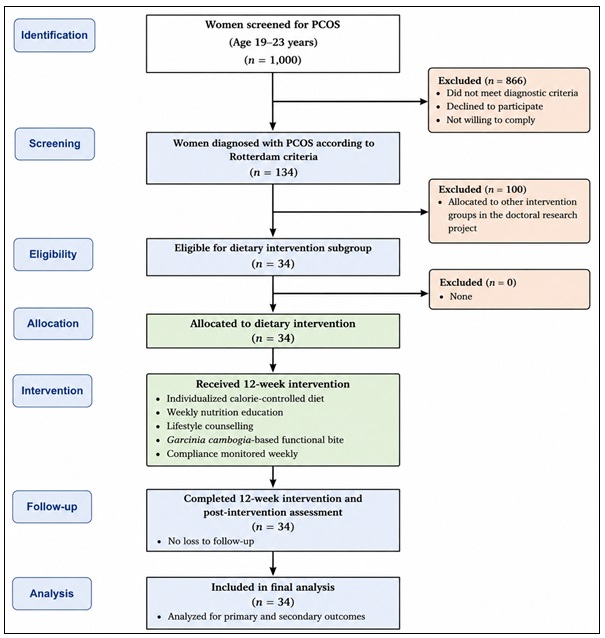
FIG. 1: CONSORT FLOW DIAGRAM OF PARTICIPANT RECRUITMENT, ALLOCATION, INTERVENTION, FOLLOW-UP AND INCLUSION IN FINAL ANALYSIS
Inclusion Criteria:
- Participants were included if they:
- Were aged between 19 and 23 years;
- Had a confirmed diagnosis of PCOS according to the Rotterdam criteria 2;
- Were willing to participate in the intervention programme; and
- Provided written informed consent.
Exclusion Criteria: Participants with thyroid disorders, hyperprolactinemia, congenital adrenal hyperplasia, Cushing syndrome, androgen-secreting tumours, or those receiving hormonal contraceptives, insulin sensitizers, anti-obesity medications, or other therapeutic interventions likely to influence metabolic outcomes were excluded 2, 12.
Diagnosis of PCOS: Diagnosis of PCOS was established according to the Rotterdam criteria 2, requiring the presence of at least two of the following:
- Oligo-ovulation or anovulation;
- Clinical and/or biochemical hyperandrogenism; and
- Polycystic ovarian morphology detected by ultrasonography.
Other endocrine disorders capable of mimicking PCOS were excluded before diagnosis 2, 12.
Intervention Protocol: The intervention was implemented for 12 weeks and consisted of individualized dietary counselling, nutrition education, lifestyle modification, and supplementation with a Garcinia cambogia-based functional food product.
Individualized Dietary Intervention: Participants received individualized calorie-controlled dietary plans based on estimated energy requirements. Meal plans emphasized traditional Indian foods, low-glycaemic-index carbohydrate sources, moderate fat intake, increased dietary fibre, and adequate protein consumption while maintaining a modest caloric deficit to facilitate weight reduction 3, 4, 7.
Nutrition Education and Lifestyle Counselling: Weekly 60-minute counselling sessions were conducted throughout the intervention period. Sessions focused on awareness regarding PCOS, healthy food choices, meal planning, stress management, physical activity, and sustainable lifestyle practices 3,7,12.
Garcinia cambogia Functional Bite Supplementation: Participants consumed one Garcinia cambogia-based functional bite daily during the 12-week intervention period. The selected formulation (V1) supplied approximately 1.5 g of Garcinia cambogia powder per serving.
Development and Standardization of Garcinia cambogia Functional Bite: Dried Garcinia cambogia rind was procured from the local market and processed into powder form. Approximately 300 g of dried rind yielded 75 g of Garcinia powder, which was subsequently utilized for product development. Based on available compositional data, 1 g of Garcinia powder was estimated to provide approximately 258 mg of hydroxycitric acid (HCA). Four product variations (V1–V4) were developed by partially replacing oats with Garcinia cambogia powder. The formulations contained 10.5 g (V1), 14.0 g (V2), 17.5 g (V3), and 21.0 g (V4) of Garcinia powder per 100 g of product, respectively. The prepared mixtures were moulded into bite-sized portions, with 100 g of formulation yielding approximately seven bites of 15 g each.
Each 15 g bite provided different quantities of Garcinia cambogia powder and estimated HCA content. The V1, V2, V3, and V4 formulations contained approximately 1.5 g, 2.0 g, 2.5 g, and 3.0 g of Garcinia powder per bite, corresponding to estimated HCA contents of 387 mg, 516 mg, 645 mg, and 774 mg, respectively.
Sensory evaluation was performed to determine product acceptability. The most acceptable formulation (V1) was selected for the intervention study. Each V1 bite supplied approximately 1,500 mg of Garcinia cambogia powder and an estimated 387 mg of HCA. This dosage is comparable to the range reported for commercially available Garcinia-based weight-management supplements.
Nutritional Characterization of the Functional Bite: The selected Garcinia bite formulation was subjected to proximate analysis. Per 100 g of product, the formulation contained 9.88 ± 0.27 g protein, 13.88 ± 2.74 g fat, 5.49 ± 0.47 g crude fibre, and 54.91 ± 3.09 g carbohydrate, providing an energy value of 384.14 ± 12.84 kcal. Moisture and ash contents were 11.68 ± 1.14 g and 4.14 ± 0.61 g, respectively.
The pH of the most acceptable formulation (V1) was 3.7. Shelf-life evaluation based on microbial analysis demonstrated that the product remained suitable for consumption for up to 30 days under recommended storage conditions.
Determination of Hydroxycitric Acid Content: Hydroxycitric acid (HCA), the principal bioactive constituent of Garcinia cambogia 13, 14, 16, was analytically determined by high-performance liquid chromatography (HPLC) at Bangalore Test House, Bengaluru, India. Chromatographic analysis was performed using a C18 column with ultraviolet detection at 210 nm, a flow rate of 1.0 mL/min, and an injection volume of 20 μL.
The HCA content of the Garcinia cambogia sample was found to be 25.82%.
TABLE 1: GARCINIA CAMBOGIA CONTENT AND ESTIMATED HCA CONTRIBUTION OF DEVELOPED FUNCTIONAL BITE FORMULATIONS
| Formulation |
Garcinia powder (g/100 g product) |
Garcinia powder per bite (g) | Estimated HCA per bite (mg)
|
| V1 | 10.5 | 1.5 | 387 |
| V2 | 14 | 2.0 | 516 |
| V3 | 17.5 | 2.5 | 645 |
| V4 | 21.0 | 3.0 | 774 |
Anthropometric and Body Composition Assessment: Body weight, height, body mass index (BMI), waist circumference, hip circumference, and waist-to-hip ratio were measured using standard procedures. Body composition parameters were assessed using a TANITA Body Composition Analyzer (SC-240MA) based on bioelectrical impedance analysis.
Biochemical Assessment: Fasting venous blood samples were collected after overnight fasting. Biochemical analyses were performed at Dhanwanti Laboratory, Bengaluru.
Parameters assessed included fasting blood glucose, total cholesterol, triglycerides, high-density lipoprotein cholesterol, low-density lipoprotein cholesterol, fasting insulin, and serum testosterone using standard laboratory procedures.
Dietary Assessment: Dietary intake was assessed using a three-day 24-hour dietary recall method in conjunction with a food frequency questionnaire. Nutrient intakes were calculated using standard Indian food composition tables.
Assessment of Psychological Well-being: Psychological well-being was assessed using the PGI General Well-Being Measure developed by S.K. Verma and Amita Verma, Ankur Psychological Agency, Lucknow.
The instrument consists of 20 items evaluating emotional stability, happiness, relaxation, anxiety, energy level, life satisfaction, and perceived health. Higher scores indicate better psychological well-being. Assessments were performed before and after completion of the intervention.
Statistical Analysis: Data were analysed using Statistical Package for the Social Sciences (SPSS) software. Continuous variables are expressed as mean ± standard deviation. Variables with normal distribution were analysed using paired t-tests, whereas non-normally distributed variables were analysed using the Wilcoxon signed-rank test. Statistical significance was established at p < 0.05.
RESULTS:
Baseline Characteristics of Participants: Thirty-four young women aged 19–23 years diagnosed with PCOS completed the 12-week intervention programme. At baseline, participants exhibited overweight or obesity, altered dietary practices, and metabolic disturbances characteristic of PCOS.
TABLE 2: BASELINE CHARACTERISTICS OF YOUNG WOMEN WITH PCOS (N = 34)
| Variable Parameters | Values / Proportions |
| Mean BMI | 28.56 ± 4.11 kg/m² |
| Mean body weight | 72.90 ± 10.07 kg |
| Mean body fat percentage | 32.58 ± 6.99% |
| Marital status (unmarried) | 96% |
| Educational background | Undergraduate/Postgraduate |
| Frequent consumption of outside or processed foods | 97% |
| Willingness to modify dietary habits | 76% |
Changes in Anthropometric and Body Composition Parameters: Following the intervention, significant reductions were observed in body weight, body mass index, and body fat percentage. Muscle mass percentage remained relatively stable, suggesting that the observed reduction in body weight was primarily attributable to loss of adipose tissue rather than loss of lean body mass.
TABLE 3: PRE- AND POST-INTERVENTION COMPARISON OF ANTHROPOMETRIC AND BODY COMPOSITION PARAMETERS (N = 34)
| Parameters | Baseline | Post-Intervention | Mean Change | p-value |
| Weight (kg) | 72.90 ± 10.07 | 66.48 ± 7.53 | -6.42 | <0.001* |
| BMI (kg/m²) | 28.56 ± 4.11 | 27.12 ± 3.09 | -1.44 | 0.003* |
| Body fat (%) | 32.58 ± 6.99 | 27.79 ± 8.14 | -4.79 | 0.001* |
| Body water (%) | 44.69 ± 3.94 | 43.25 ± 4.98 | -1.44 | 0.214 |
| Muscle mass (%) | 41.66 ± 5.73 | 41.09 ± 5.74 | -0.57 | 0.387 |
*Significant at p <0.05
Changes in Biochemical Parameters: A significant reduction was observed in fasting blood glucose levels following the intervention. Total cholesterol, LDL cholesterol, triglycerides, and testosterone concentrations showed changes that were not statistically significant.
TABLE 4: PRE- AND POST-INTERVENTION CHANGES IN BIOCHEMICAL PARAMETERS (N = 34)
| Parameters | Baseline | Post-intervention | p-value |
| Fasting glucose (mg/dL) | 90.31 ± 10.44 | 87.96 ± 4.80 | 0.004* |
| Total cholesterol (mg/dL) | 175.54 ± 19.49 | 193.01 ± 28.79 | 0.087 |
| HDL cholesterol (mg/dL) | 46.74 ± 10.12 | 44.13 ± 7.74 | 0.687 |
| LDL cholesterol (mg/dL) | 100.81 ± 23.08 | 127.63 ± 22.26 | 0.071 |
| Triglycerides (mg/dL)* | 85 (66.45–133) | 90 (59.50–198.50) | 0.878 |
| Total testosterone (ng/dL)* | 29 (21.72–37.76) | 31.54 (17.17–49.13) | 0.401 |
*Values are presented as median (interquartile range) due to non-normal distribution. **Significant at p <0.05.
Changes in Dietary Intake Pattern: The intervention resulted in significant changes in dietary intake. Protein intake increased significantly, whereas carbohydrate intake decreased. Fat intake remained relatively unchanged.
TABLE 5: CHANGES IN DIETARY INTAKE PATTERN AMONG PARTICIPANTS (N = 34)
| Nutrient Intake | Pre-intervention | Post-intervention | p-value |
| Energy (kcal/day) | 1061.74 ± 153.44 | 1156.00 ± 71.18 | 0.009* |
| Carbohydrate (g/day) | 181.39 ± 27.69 | 114.20 ± 8.62 | <0.001* |
| Protein (g/day) | 43.92 ± 8.89 | 77.60 ± 4.89 | <0.001* |
| Fat (g/day) | 29.54 ± 5.14 | 28.84 ± 3.22 | 0.601 |
*Significant at p <0.05.
Psychological Well-being: Participants demonstrated improvement in psychological well-being following the intervention. Better sleep quality, reduced mood fluctuations, enhanced stress management, and improved coping ability were observed. Post-intervention assessment indicated a greater proportion of participants exhibiting good psychological health.
TABLE 6: CHANGES IN QUALITY-OF-LIFE DOMAINS FOLLOWING INTERVENTION (N = 34)
| Domain | Pre-intervention | Post-intervention | p-value |
| Psychosocial and emotional status | 30.92 ± 1.68 | 31.60 ± 1.63 | <0.001* |
| Fertility domain | 28.68 ± 12.47 | 26.52 ± 13.10 | 0.083 |
| Sexual function | 25.08 ± 10.77 | 26.80 ± 10.69 | 0.015* |
| Obesity and menstrual problems | 29.48 ± 1.39 | 30.28 ± 2.61 | 0.057 |
| Hirsutism domain | 24.00 ± 0.00 | 26.88 ± 2.11 | <0.001* |
| Coping ability | 25.00 ± 0.00 | 28.40 ± 2.29 | <0.001* |
| Overall quality-of-life score | 163.16 ± 18.22 | 170.48 ± 19.92 | 0.001* |
*Significant at p <0.05.
DISCUSSION: The present study evaluated the effects of a 12-week traditional dietary intervention incorporating a Garcinia cambogia-based functional food on body composition, biochemical parameters, dietary intake, and psychological well-being among young women with polycystic ovary syndrome. Lifestyle modification and weight reduction remain the cornerstone of PCOS management, and even modest reductions in body weight have been associated with improvements in metabolic and reproductive abnormalities 3, 7, 12.
Significant reductions in body weight, body mass index, and body fat percentage were observed following the intervention. Muscle mass percentage remained relatively stable, suggesting that the observed reduction in body weight was primarily attributable to loss of adipose tissue rather than loss of lean body mass. These findings are in agreement with previous studies demonstrating beneficial effects of dietary modification and lifestyle interventions on body composition and metabolic abnormalities among women with PCOS 4, 6–9.
The intervention was also associated with a significant reduction in fasting blood glucose levels, indicating improved glycaemic status. Improvement in glucose homeostasis may be attributed to reduced carbohydrate intake, increased protein consumption, calorie restriction, and improved dietary quality. Similar observations have been reported in previous dietary intervention studies among women with PCOS 4, 7–9.
Hydroxycitric acid (HCA), the principal bioactive constituent of Garcinia cambogia, has been reported to inhibit ATP-citrate lyase, an enzyme involved in de novo lipogenesis and fatty acid synthesis 13, 14, 16. Experimental and clinical studies have suggested that HCA may influence appetite regulation, body composition, and lipid metabolism 14, 17–19, 21–23. In the present study, the HCA content of Garcinia cambogia powder was analytically confirmed by high-performance liquid chromatography and was found to be 25.82%. However, owing to the multifactorial nature of the intervention, the observed improvements cannot be attributed solely to Garcinia cambogia supplementation.
Heymsfield et al. reported that Garcinia cambogia supplementation did not produce significant reductions in body weight or fat mass beyond those observed with placebo 13. In contrast, Hayamizu et al. demonstrated significant reductions in visceral, subcutaneous, and total fat areas following 16 weeks of Garcinia cambogia supplementation in overweight individuals 21. Furthermore, a meta-analysis conducted by Onakpoya et al. concluded that Garcinia extracts containing hydroxycitric acid may produce modest short-term weight loss, although the clinical significance of these effects remains uncertain 14.
Variations in outcomes reported across clinical studies indicate that the effects of Garcinia cambogia supplementation may be influenced by dosage, intervention duration, associated dietary practices, and differences in study populations.
Although total cholesterol and LDL cholesterol showed increasing trends following the intervention, these changes were not statistically significant and therefore should be interpreted cautiously. Several factors may account for these findings. The functional bite contained nuts and seeds, including almonds, peanuts, flaxseeds, and pumpkin seeds, which contribute additional dietary fat. Furthermore, transient alterations in circulating lipid concentrations may occur during active weight loss due to mobilization of adipose tissue. Similar variability in lipid responses has been reported in short-term dietary intervention studies 4, 7. Therefore, the observed changes in lipid profile should not be considered conclusive and warrant further investigation in larger controlled studies.
Significant changes in dietary intake patterns were observed during the intervention period. Protein intake increased substantially, whereas carbohydrate intake decreased significantly. These findings suggest improved adherence to dietary recommendations and a shift towards healthier eating patterns. Increased protein intake has been associated with enhanced satiety, improved body composition, and favourable metabolic effects among women with PCOS 8, 9.
Apart from metabolic abnormalities, women with PCOS are known to experience considerable psychological burden manifested by anxiety, depressive symptoms, stress, body image concerns, and diminished quality of life 10, 11. Improvements in psychological well-being observed in the present study may be attributed to weight reduction, enhanced awareness regarding healthy lifestyle practices, and improved self-perception. The culturally familiar and food-based nature of the intervention may also have positively influenced adherence and coping ability.
The present investigation possesses several strengths, including comprehensive evaluation of anthropometric, biochemical, dietary, and psychological parameters, development of a culturally acceptable functional food product, and analytical confirmation of hydroxycitric acid content by high-performance liquid chromatography. Nevertheless, certain limitations should be acknowledged.
The study employed a single-group pre-post design without a concurrent control group, thereby limiting causal inference. Although the participants were recruited as part of a larger doctoral research project involving multiple intervention groups, complete follow-up measurements were available only for the dietary intervention subgroup included in the present analysis. In addition, liver and renal function parameters were not assessed, and formal adverse-event monitoring was not performed. The relatively small sample size and short intervention duration further limit the generalizability of the findings. Therefore, larger randomized controlled trials with longer follow-up periods and comprehensive safety assessments are required to confirm the efficacy and safety of Garcinia cambogia-based dietary interventions in women with PCOS.
CONCLUSION: The present study demonstrated that a 12-week traditional dietary intervention incorporating a Garcinia cambogia-based functional food was associated with significant improvements in body weight, body composition, fasting blood glucose levels, dietary intake patterns, and psychological well-being among young women with polycystic ovary syndrome. The observed increase in protein intake and reduction in carbohydrate consumption indicated improved adherence to dietary recommendations.
Hydroxycitric acid, the principal bioactive component of Garcinia cambogia, was analytically confirmed by high-performance liquid chromatography. However, owing to the multifactorial nature of the intervention, the observed effects cannot be attributed solely to Garcinia cambogia supplementation. The observations obtained in this study suggest that culturally appropriate food-based interventions may serve as useful adjuncts to non-pharmacological management strategies for women with PCOS. Nevertheless, larger randomized controlled studies with longer follow-up periods and comprehensive safety assessments are required to confirm the efficacy and long-term safety of Garcinia cambogia-based dietary interventions.
ACKNOWLEDGEMENT: The authors express their sincere gratitude to all the participants who voluntarily participated in the study.
The authors also acknowledge the support extended by the Department of Food Science and Nutrition and the collaborating laboratories involved in biochemical and analytical investigations.
Strengths of the Study: Certain methodological features strengthen the present investigation. The intervention incorporated a culturally acceptable traditional functional food rather than commercial extracts. Anthropometric, biochemical, dietary and psychological outcomes were evaluated comprehensively. Furthermore, the hydroxycitric acid content of Garcinia cambogia was analytically confirmed using high-performance liquid chromatography.
Limitations: Certain limitations of the present study should be acknowledged. The study employed a single-group pre-post design without a concurrent control group, thereby limiting causal inference. Although participants were recruited as part of a larger doctoral research project involving multiple intervention groups, complete follow-up measurements were available only for the dietary intervention subgroup included in the present analysis.
The relatively small sample size and short duration of intervention limit the generalizability of the findings. In addition, biochemical safety parameters such as liver and renal function tests were not assessed, and formal adverse-event monitoring was not performed. Therefore, the long-term efficacy and safety of Garcinia cambogia-based dietary interventions require further investigation through adequately powered randomized controlled trials.
Ethics Approval and Consent to Participate: The study was conducted in accordance with the ethical principles of the Declaration of Helsinki and was approved by the Institutional Ethics Committee under Approval No. NEEC BU 012 Ph.D./Project/2015-16. Written informed consent was obtained from all participants before enrolment.
Consent for Publication: Not applicable.
Funding: The present study did not receive any specific grant from funding agencies in the public, commercial, or not-for-profit sectors.
Availability of Data and Materials: The data supporting the findings of the present study are included within the article. Additional information may be made available by the corresponding author upon reasonable request.
CONFLICT OF INTEREST: The authors declare that they have no conflict of interest.
REFERENCES:
- Azziz R, Carmina E, Dewailly D, Diamanti-Kandarakis E, Escobar-Morreale HF and Futterweit W: Positions statement: criteria for defining polycystic ovary syndrome as a predominantly hyperandrogenic syndrome: an Androgen Excess Society guideline. J Clin Endocrinol Metab 2006; 91(11): 4237-45.
- Rotterdam ESHRE/ASRM-Sponsored PCOS Consensus Workshop Group. Revised 2003 consensus on diagnostic criteria and long-term health risks related to polycystic ovary syndrome. Fertil Steril 2004; 81(1): 19-25.
- Teede HJ, Misso ML, Costello MF, Dokras A, Laven J and Moran LJ: Recommendations from the international evidence-based guideline for the assessment and management of polycystic ovary syndrome. Hum Reprod 2018; 33(9): 1602-18.
- Farshchi HR, Rane A, Love A and Kennedy RL: Diet and nutrition in polycystic ovary syndrome (PCOS): pointers for nutritional management. Hum Fertil (Camb) 2007; 10(1): 17-25.
- Pasquali R and Gambineri A: Metabolic effects of obesity on reproduction in women with polycystic ovary syndrome. Reprod Biomed Online 2006; 12(5): 542-51.
- Hutchison SK, Stepto NK, Harrison CL, Moran LJ, Strauss BJ and Teede HJ: Effects of exercise on insulin resistance and body composition in overweight and obese women with polycystic ovary syndrome. Clin Endocrinol (Oxf) 2011; 75(3): 364-8.
- Moran LJ, Hutchison SK, Norman RJ and Teede HJ: Lifestyle changes in women with polycystic ovary syndrome. Cochrane Database Syst Rev 2011; (7): CD007506.
- Phy JL, Pohlmeier AM, Cooper JA, Watkins P, Spallholz JE and Harris KS: Low-starch/low-dairy diet results in successful treatment of overweight women with polycystic ovary syndrome. Nutr Res 2015; 35(8): 642-51.
- Goss AM, Goree LL, Ellis AC, Chandler-Laney PC, Casazza K and Lockhart ME: Effects of a reduced-carbohydrate dietary intervention on body composition and metabolic profile in women with polycystic ovary syndrome. Am J Clin Nutr 2014; 100(2): 420-7.
- Benson S, Arck PC, Tan S, Mann K, Hahn S and Janssen OE: Disturbed stress responses in women with polycystic ovary syndrome. Psychoneuroendocrinology 2009; 34(5): 727-35.
- Farrell K and Antoni MH: Insulin resistance, obesity, inflammation, and psychological well-being in women with polycystic ovary syndrome: implications for treatment. Curr Opin Endocrinol Diabetes Obes 2010; 17(6): 569-75.
- Legro RS, Arslanian SA, Ehrmann DA, Hoeger KM, Murad MH and Pasquali R: Diagnosis and treatment of polycystic ovary syndrome: an Endocrine Society clinical practice guideline. J Clin Endocrinol Metab 2013; 98(12): 4565-92.
- Heymsfield SB, Allison DB, Vasselli JR, Pietrobelli A, Greenfield D and Nunez C: Garcinia cambogia (hydroxycitric acid) as a potential anti-obesity agent: a randomized controlled trial. JAMA 1998; 280(18): 1596-600.
- Onakpoya I, Hung SK, Perry R, Wider B and Ernst E: The use of Garcinia extract (hydroxycitric acid) as a weight-loss supplement: a systematic review and meta-analysis of randomized clinical trials. J Obes 2011; 2011: 509038.
- Parthasarathy U, Nandakishore OP and Zachariah TJ: Garcinia species in India: a review of traditional uses, phytochemistry and economic importance. Indian J Nat Prod Resour 2013; 4(4): 302-13.
- Semwal RB, Semwal DK, Vermaak I and Viljoen A: A comprehensive scientific overview of Garcinia cambogia. Fitoterapia 2015; 102: 134-48.
- Noreen S, Khan Naizi M, Tufail T, Hassan F and Awuchi CG: Nutraceutical, functional, and therapeutic properties of Garcinia cambogia: a review. International Journal of Food Properties 2023; 26(1): 729-38.
- H. Baky M, Fahmy H and Farag MA: Recent advances in Garcinia cambogia nutraceuticals in relation to its hydroxy citric acid level. A comprehensive review of its bioactive production, formulation, and analysis with future perspectives. ACS Omega 2022; 7(30): 25948-57.
- Paul A and Zaman MK: A comprehensive review on ethnobotany, nutritional values, phytochemistry and pharmacological attributes of ten Garcinia species of South-East Asia. S Afr J Bot 2022; 148: 434-54.
- Parthasarathy VA: Diversity of Indian Garcinia: a medicinally important spice crop in India. In: Diversity of Garcinia Species in the Western Ghats: Phytochemical Perspective. Kerala, India: Jawaharlal Nehru Tropical Botanic Garden and Research Institute 2013; 1-20.
- Hayamizu K, Ishii Y, Kaneko I, Shen M, Okuhara Y and Shigematsu N: Effects of Garcinia cambogia (hydroxycitric acid) on visceral fat accumulation: a double-blind, randomized, placebo-controlled trial. Curr Ther Res Clin Exp 2003; 64(8): 551-67.
- Mattes RD and Bormann L: Effects of (-)-hydroxycitric acid on appetitive variables. Physiol Behav 2000; 71(1-2):87-94.
- Preuss HG, Bagchi D, Bagchi M, Rao CV, Dey DK and Satyanarayana S: Effects of a natural extract of (-)-hydroxycitric acid on body weight and lipid metabolism in overweight subjects: a double-blind placebo-controlled study. Nutr Res 2004; 24(1): 45-58.
How to cite this article:
Agarwal S and Devi CU: Effect of a traditional Garcinia cambogia–based functional food intervention on body composition, metabolic parameters, and psychological well-being among young women with polycystic ovary syndrome: a 12-week pre-post intervention study. Int J Pharm Sci & Res 2026; 17(10): 3126-34. doi: 10.13040/IJPSR.0975-8232.17(10).3126-34.
All © 2026 are reserved by International Journal of Pharmaceutical Sciences and Research. This Journal licensed under a Creative Commons Attribution-NonCommercial-ShareAlike 3.0 Unported License.
Article Information
25
3126-3134
923 KB
5
English
IJPSR
Shubhi Agarwal * and C. Usha Devi
Department of Food Science and Nutrition, Mount Carmel College, Autonomous, Bengaluru, Karnataka, India.
shubhi.agarwal@mccblr.edu.in
02 June 2026
12 June 2026
19 June 2026
10.13040/IJPSR.0975-8232.17(10).3126-34
01 October 2026
 Download