




EFFECT OF HESPERIDIN ON THE PHARMACOKINETIC AND PHARMACODYNAMIC PROFILES OF GLIBENCLAMIDE IN STREPTOZOTOCIN-INDUCED DIABETIC RATS
HTML Full TextEFFECT OF HESPERIDIN ON THE PHARMACOKINETIC AND PHARMACODYNAMIC PROFILES OF GLIBENCLAMIDE IN STREPTOZOTOCIN-INDUCED DIABETIC RATS
P. S. Malathy, Chikram Vigneshwar and Y. Narasimha Reddy *
Department of Pharmacology, University College of Pharmaceutical Sciences, Kakatiya University, Warangal, Telangana, India.
ABSTRACT: Diabetes mellitus is a chronic metabolic disorder characterized by persistent hyperglycemia resulting from impaired insulin secretion, insulin action, or both, leading to serious long-term complications. Glibenclamide, a widely used sulfonylurea antidiabetic drug, is effective in stimulating insulin secretion; however, its therapeutic performance can be influenced by pharmacokinetic variability and potential drug interactions. Natural bioactive compounds are increasingly explored as adjunct therapies to improve glycemic control and drug efficacy. Hesperidin, a flavonoid glycoside abundantly found in citrus fruits, possesses antioxidant, anti-inflammatory, and antidiabetic properties and may influence drug metabolism and pharmacological responses. The present study aimed to investigate the effect of hesperidin on the pharmacokinetic and pharmacodynamic profiles of Glibenclamide in streptozotocin-induced diabetic rats. Pharmacokinetic interaction studies were performed in both normal and diabetic Wistar rats by administering Glibenclamide alone and in combination with hesperidin under single-dose and multiple-dose conditions. Plasma concentrations of Glibenclamide were determined using a validated RP-HPLC method, and key pharmacokinetic parameters were calculated. Pharmacodynamic activity was assessed by monitoring blood glucose levels at various time intervals following treatment. Co-administration of hesperidin significantly increased the maximum plasma concentration (Cmax), area under the curve (AUC), half-life (t½), and mean residence time (MRT) of Glibenclamide while reducing its systemic clearance, indicating enhanced bioavailability and prolonged drug exposure. These pharmacokinetic changes were more pronounced in diabetic rats. Additionally, the combination therapy produced a greater reduction in blood glucose levels compared with Glibenclamide alone, particularly following multiple-dose administration of hesperidin. Overall, the findings demonstrate that hesperidin enhances both the pharmacokinetic and pharmacodynamic effects of Glibenclamide, suggesting that it may serve as a potential adjunct in the management of diabetes mellitus, although further clinical studies are necessary to establish its therapeutic relevance in humans.
Keywords: Diabetes mellitus, Glibenclamide, Hesperidin, Pharmacokinetics, Pharmacodynamics, Streptozotocin-induced diabetes
INTRODUCTION: Chronic hyperglycemia is a hallmark of diabetes mellitus, a complicated metabolic disease caused by deficiencies in either insulin secretion, insulin action, or both 1.
As of 2021, there were an estimated 537 million individuals with diabetes globally, and this number is predicted to rise dramatically over the next several decades, making it a major medical problem 2.
Long-term hyperglycemia leads to serious complications like cardiovascular disorders, nephropathy, neuropathy, and retinopathy, further increasing morbidity and mortality 3. In this context, among the pharmacologic approaches used in type 2 diabetes, oral hypoglycemic drugs are used commonly, such as Glibenclamide (also glyburide), owing to their efficacy in increasing insulin secretion from the pancreatic β-cells 4. Despite this, the clinical efficacy of Glibenclamide is affected by a number of factors such as aqueous poor solubility, inconstant bioavailability, metabolism by the liver, and possible drug-drug interactions that can influence its pharmacokinetic and pharmacodynamic profiles 5. Therapeutic failure or adverse consequences as hypoglycemia, weight gain, and gastrointestinal distress can result from such variables 6. Against these shortcomings, scientists are probing more and more natural bioactive compounds as adjuncts for better glycemic control with fewer adverse effects. One such compound is hesperidin, a flavonoid glycoside present in citrus fruits in large quantities. It has been found to have antioxidant, anti-inflammatory, lipid-lowering, and antidiabetic activities 7.
Experimental research has shown that hesperidin has the ability to increase glucose uptake, modulate insulin sensitivity, and safeguard pancreatic β-cells against oxidative stress-induced injury 8. Additionally, hesperidin has been documented to modulate drug metabolism enzymes and transporters, proposing the possibility of interactions with typical medications 9, 10. Although these are encouraging pharmacological activities, there is limited inclusive research assessing the impact of hesperidin on Glibenclamide pharmacodynamics and pharmacokinetics when co-administered. Since drug interaction can either enhance therapeutic effects or enhance toxicity, it is important that these impacts are studied using controlled experimental systems. Because they can replicate pancreatic β-cell damage and hyperglycemia, streptozotocin (STZ)-induced diabetic rats are a well-established model for studying type 2 diabetes and related therapies 11, 12.
Therefore, the purpose of this study is to examine how HSP affects the pharmacokinetic and pharmacodynamic profiles of GLB in rats with diabetes caused by STZ. This study aims to clarify the interaction profile between the sulfonylurea medication and flavonoid by evaluating parameters such plasma concentration, half-life, clearance, glucose-lowering efficacy, and insulin action. In order to effectively control diabetes without increasing the risk of polypharmacological side effects, the results are expected to improve the optimization of combination therapy.
MATERIALS AND METHODS:
Drugs and Chemicals: Glibenclamide and Glimepiride (used as the internal standard) were obtained from Carbanio Chemicals, Hyderabad, India. Hesperidin was procured from Yucca Chemicals Pvt. Ltd., Wadala, Mumbai, Maharashtra, India. Methanol (HPLC grade), acetonitrile (HPLC grade), and potassium dihydrogen phosphate (AR grade) were purchased from Merck Pvt. Ltd., Mumbai. Streptozotocin (STZ) was sourced from Hi Media Chemicals, Mumbai, India. Double-distilled water used in the experiments was prepared using a Millipore water purification system (Direct-Q-UV-3). All chemicals and reagents employed in the study were of analytical grade.
Experimental Animals: The Institutional Animal Ethical Committee (IAEC) of UCPSc, Kakatiya University, Warangal, India, evaluated and approved the experimental protocol before to the study's execution (Approval No. 06/IAEC/UCPSC/KU/2022). We purchased male albino Wistar rats from Vyas Labs in Hyderabad, India, weighing 210 ± 30 g. Following that, the animals were kept in normal polypropylene cages with consistent laboratory settings, including a 12-hour light/dark cycle, an ambient temperature of 25 ± 5°C, and a relative humidity of 35–60%. Throughout the experiment, the rats had regular pellet meals and unrestricted access to water.
Induction of Diabetes: Experimental Animals that had fasted overnight were given a single intraperitoneal injection of freshly produced STZ at a concentration of 60 mg/kg body weight to induce diabetes. The STZ was delivered at a volume of 0.5 ml per kilogram of body weight and produced in a 0.1 M citrate buffer solution with a pH of 4.5. By monitoring the fasting blood glucose levels on the fifth day after STZ injection, the onset of diabetes was verified. Rats with fasting glucose levels more than 250 mg/dL were deemed diabetic and included in the research. Retro-orbital punctures were used to obtain blood samples 72 hours following STZ treatment, and plasma glucose levels were examined.
The experiment employed only rats whose blood glucose levels were higher than 250 mg/dL 13-16.
Experimental Design:
PK Study: Pharmacokinetic (PK) study was performed on both normal and diabetic rats. Following overnight fasting, the rats were randomly assigned to 3 groups, (n=6).
Study Design: Single and multiple dose interaction study in normal rats.
Group I (Control): Received a single oral dosage of GLB formulated in 0.5% sodium carboxymethyl cellulose (CMC) at a dose of 10 mg/kg body weight.
Group II (SDI): GLB (10 mg/kg) was administered after a single oral dosage of hesperidin (HSP) (50 mg/kg/PO).
Group III (MDI): HSP (50 mg/kg/PO) was given as a pretreatment for seven days in a row. On the eighth day, GLB (10 mg/kg) was given after HSP.
Single and Multiple Dose Interaction Study in Diabetic Rats:
Group I (Control): GLB (10 mg/kg) suspended in 0.5% sodium CMC was administered orally once.
Group II: GLB (10 mg/kg) was administered after a single oral dosage of HSP (50 mg/kg/PO).
Group III: Received HSP (50 mg/kg, oral) for 7 days, and on the 8th day, treated with HSP (50 mg/kg/PO) followed by GLB (10 mg/kg), constituting the multiple dose interaction study (MDI). Heparinised capillary tubes were used to perform retro-orbital vein punctures at predetermined intervals to obtain blood samples (about 0.5 mL) for both trials. Centrifugation at 8000 rpm for 15 minutes was used to separate the plasma, which was then stored at -20°C for additional examination.
HPLC Analysis: The plasma levels of Glibenclamide (GLB) were measured by reverse-phase high-performance liquid chromatography (RP-HPLC) with minor modifications of reported procedures. Measurement was performed on an ultrafast liquid chromatography system (Shimadzu, Kyoto, Japan) with a gradient capillary binary pump (LC-20AD) and a C18 analytical column (250 × 4.6 mm, 5 µm particle size; Luna 5 µ, Phenomenex). The eluted compounds were detected through a UV-Visible dual wavelength absorbance detector (SPD-M20A) at 254 nm. The mobile phase was composed of methanol, acetonitrile, and 20 mM potassium dihydrogen phosphate buffer (pH 4.5) in a ratio of 50:20:30 v/v/v. The separation was achieved under isocratic mode at 1.5 mL/min flow rate 17.
GLB Extraction from Plasma Samples: A volume of 100 µL of plasma sample was combined with 100 µL of glimepiride (25 µg/mL) internal standard (IS). Then, 100 µL of cold acetonitrile was added as a protein precipitating reagent. The mixture was vortexed for 1 minute to create a proper mix and then centrifuged at 3000 × g for 15 minutes. The supernatant was transferred carefully into a fresh, labeled tube and kept at −20°C until subsequent analysis. Samples were reconstituted with 200 µL of the mobile phase before HPLC analysis, and 20 µL of solution was injected into the HPLC system for quantification of GLB 18.
Calculation of Pharmacokinetic Parameters: The non-compartmental analytic approach was used to evaluate pharmacokinetic parameters using KineticaTM software, version 4.4.1 (Thermo Fisher Scientific Corporation, USA). AUC (total area under the plasma concentration-time curve), t1/2 (the elimination half-life), MRT (mean residence time), Vd (volume of distribution), CL (systemic clearance), and Cmax (the peak plasma concentration) were among the important metrics found. To describe the drug's absorption, distribution, and excretion, these criteria were established.
Pharmacodynamic (PD) Study: Animals with diabetes caused by streptozotocin were used for the pharmacodynamic interaction investigations. Following an overnight fast, the diabetic rats were split into five groups of six at random. The following were the treatment plans for both single-dose and multiple-dose interactions:
Group I (Control): Diabetic control group without treatment.
Group II: Administered GLB at 10 mg/kg orally for 8 consecutive days, suspended in 0.5% sodium CMC.
Group III: Administered HSP at 50 mg/kg/PO for 8 days, suspended in 0.8 mL of DMSO
Group IV (Single Dose Interaction): Pre-treated with HSP (50 mg/kg/PO), followed by GLB (10 mg/kg orally) on the treatment day.
Group V (Multiple Dose Interaction): Pre-treated with HSP (50 mg/kg/PO) for 7 days, followed by GLB (10 mg/kg orally) on the 8th day. Blood samples were collected from the retro-orbital plexus at 0, 0.5, 1, 2, 4, 6, 8, 12, and 24 hours post-treatment. Plasma glucose levels were measured using the glucose oxidase-peroxidase (GOD-POD) method. The mean blood glucose levels and the percentage reduction in glucose were calculated and statistically analyzed 19.
Statistical Analysis: All pharmacokinetic and pharmacodynamic parameters were presented as mean ± standard deviation (SD). The data were statistically analyzed using Student’s unpaired t-test with GraphPad Prism software (version 5.03, 2011). Results with a p-value less than 0.05 (p < 0.05) were considered statistically significant.
RESULTS AND DISCUSSION:
Pharmacokinetic Study:
Pharmacokinetic Study in Normal Rats: The co-administration of GLB with HSP significantly altered pharmacokinetic parameters in normal rats. From Table 1, the maximum plasma concentration (Cmax) increased from 3.81 ± 0.60 µg/mL (GLB alone) to 6.55 ± 0.73 µg/mL (GLB + HSP (SDI)) and 8.43 ± 0.82 µg/mL (GLB + HSP (MDI)), with fold increases of 1.7 and 2.2, respectively. The time to reach peak concentration (Tmax) remained constant at 2.0 hours across all groups. The total area under the curve (AUC total) increased significantly from 10.36 ± 1.53 µg.h/mL (GLB alone) to 15.95 ± 2.14 µg.h/mL (GLB + HSP (SDI)) and 20.90 ± 2.86 µg.h/mL (GLB + HSP (MDI)), with fold increases of 1.5 and 2.0.
The half-life (t1/2) increased from 2.51 ± 0.37 h (GLB alone) to 5.75 ± 1.56 h (GLB + HSP (SDI)) and 6.46 ± 0.78 h (GLB + HSP (MDI)), with fold increases of 1.6 and 2.5. Similarly, the mean residence time (MRT) increased from 3.58 ± 0.57 h (GLB alone) to 5.04 ± 1.63 h (GLB + HSP (SDI)) and 6.41 ± 0.97 h (GLB + HSP (MDI)), with fold changes of 1.4 and 1.7. Clearance (CL) decreased significantly from 0.96 ± 0.19 mL/h/kg (GLB alone) to 0.81 ± 0.16 mL/h/kg (GLB + HSP (SDI)) and 0.63 ± 0.15 mL/h/kg (GLB + HSP (MDI)), with fold reductions of 0.8 and 0.65. The volume of distribution (Vd) decreased from 3.75 ± 0.61 mL/kg (GLB alone) to 2.22 ± 0.57 mL/kg (GLB + HSP (SDI)) and 1.35 ± 0.26 mL/kg (GLB + HSP (MDI)), with fold decreases of 0.59 and 0.36. The elimination rate constant (Kel) also decreased from 0.26 h-1(GLB alone) to 0.14 h-1 (GLB + HSP (SDI)) and 0.09 h-1 (GLB + HSP (MDI)), showing fold reductions of 0.53 and 0.34.
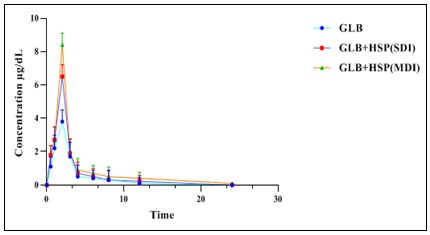
FIG. 1: PLASMA CONCENTRATION OF GLB IN THE IN PRESENCE OF HSP IN NORMAL RATS (MEAN±SD)
TABLE 1: PHARMACOKINETIC PARAMETERS OF GLB+HSP IN NORMAL RATS
| PK parameters | GLB | GLB+HSP(SDI) | GLB+ HSP (MDI) |
| Cmax (µg/mL) | 3.81±0.60 | 6.55±0.73* | 8.43±0.82** |
| Tmax (h) | 2.0 | 2.0 | 2.0 |
| AUC total (µg.h/mL) | 10.36±1.53 | 15.95±2.14* | 20.90±2.86** |
| t1/2 (h) | 2.51±0.37 | 5.75±1.56 | 6.46±0.78** |
| MRT(h) | 3.58±0.57 | 5.04±1.63 | 6.41±0.97** |
| CL (mL/h/kg) | 0.96±0.19 | 0.81±0.16 | 0.63±0.15 |
| Vd (mL/kg) | 3.75±0.61 | 2.22±0.57 | 1.35±0.26 |
| Kel (h-1) | 0.26 | 0.14 | 0.09 |
Values are expressed as mean± S.D. n=6/group. GLB: Glibenclamide; GLB+HSP (SDI): Glibenclamide + Hesperidin (Single Dose Interaction); GLB+HSP (MDI): Glibenclamide + Hesperidin (Multiple Dose Interaction); ∗ P < 0.05** P < 0.01 vs. First day (One Way ANOVA followed by Dunnet’s Test).
Pharmacokinetic Study in Diabetic Rats: In diabetic rats, the co-administration of HSP with GLB led to more pronounced pharmacokinetic changes. From the Table 2, The Cmax increased from 6.20 ± 0.99 µg/mL (GLB alone) to 11.82 ± 2.15 µg/mL (GLB + HSP (SDI)) and 16.28 ± 3.29 µg/mL (GLB + HSP (MDI)), with fold increases of 1.9 and 2.6. The Tmax remained constant at 2.0 hours across all groups. The AUC total increased significantly from 20.89 ± 3.62 µg.h/mL (GLB alone) to 45.15 ± 5.85 µg.h/mL (GLB + HSP (SDI)) and 65.03 ± 9.12 µg.h/mL (GLB + HSP (MDI)), with fold increases of 2.1 and 3.1. The t1/2 also increased notably from 3.81 ± 1.01 h (GLB alone) to 7.99 ± 2.98 h (GLB + HSP (SDI)) and 10.23 ± 3.12 h (GLB + HSP (MDI)), with fold increases of 2.0 and 2.6 the MRT increased from 3.49 ± 0.79 h (GLB alone) to 5.87 ± 1.37 h (GLB + HSP (SDI)) and 6.83 ± 1.82 h (GLB + HSP (MDI)), with fold changes of 1.6 and 1.9. Clearance (CL) decreased significantly from 0.48 ± 0.22 mL/h/kg (GLB alone) to 0.21 ± 0.18 mL/h/kg (GLB + HSP (SDI)) and 0.13 ± 0.09 mL/h/kg (GLB + HSP (MDI)), with fold reductions of 0.4 and 0.2.
The Vd decreased from 2.63 ± 0.61 mL/kg (GLB alone) to 2.42 ± 0.24 mL /kg (GLB + HSP (SDI)) and 1.91 ± 0.14 mL/kg (GLB + HSP (MDI)), with fold reductions of 0.9 and 0.7. The Kel decreased slightly from 0.18 ± 0.02 h-1(GLB alone) to 0.08 ± 0.01 h-1(GLB + HSP (SDI)) and 0.06 ± 0.01 h-1 (GLB + HSP (MDI)), with fold reductions of 0.4 and 0.3.
TABLE 2: PHARMACOKINETIC PARAMETERS OF GLB+HSP IN DIABETIC RATS
| PK parameters | GLB | GLB+ HSP (SDI) | GLB+ HSP (MDI) |
| Cmax (µg/mL) | 6.20±0.99 | 11.82±2.15* | 16.28±3.89** |
| Tmax (h) | 2 | 2 | 2 |
| AUC total (µg.h/mL) | 20.89±3.62 | 45.15±5.85* | 65.03±9.12** |
| t1/2 (h) | 3.81±1.01 | 7.99±2.98 | 10.23±3.12** |
| MRT(h) | 3.49±0.79 | 5.87±1.37 | 6.83±1.82* |
| CL (mL/h/kg) | 0.48±0.22 | 0.21±0.18 | 0.13±0.09 |
| Vd (mL/kg) | 2.63±0.61 | 2.42±0.24 | 1.91±0.14 |
| Kel (h-1) | 0.18 | 0.08 | 0.06 |
Values are expressed as mean± S.D. n=6/group. GLB: Glibenclamide; GLB+HSP (SDI): Glibenclamide + Hesperidin (Single Dose Interaction); GLB+HSP (MDI): Glibenclamide + Hesperidin (Multiple Dose Interaction); ∗ P < 0.05,** P < 0.01 vs. First day (One Way ANOVA followed by Dunnet’s Test).
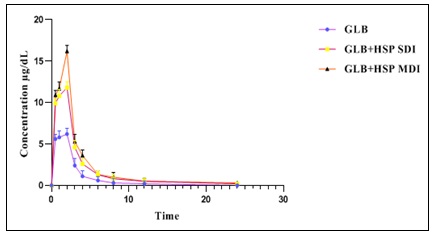
FIG. 2: PLASMA CONCENTRATION OF GLB IN THE IN PRESENCE OF HSP IN DIABETIC RATS (MEAN±SD)
Comparison of Pharmacokinetic Parameters in Normal versus Diabetic Rats: The co-administration of HSP with GLB resulted in significant pharmacokinetic changes in both normal and diabetic rats, with the effects being more pronounced in diabetic rats. In diabetic rats, the increases in Cmax and AUC total were notably higher, with fold changes reaching up to 2.6 and 3.1, respectively, compared to normal rats, where the fold increases were 2.2 and 2.0. Similarly, the prolongation of t1/2 and MRT was more significant in diabetic rats (fold increases up to 2.6 and 1.9) compared to normal rats (fold increases up to 2.5 and 1.7).
The reductions in CL were more substantial in diabetic rats, with fold decreases reaching 0.2 compared to 0.65 in normal rats. Additionally, the reduction in Vd and Kel was also more marked in diabetic rats. Overall, increased bioavailability, delayed elimination, and decreased clearance of GLB were indicated by the pharmacokinetic changes observed in diabetic rats upon cod ministration with HSP. This indicates that HSP has a greater impact on the pharmacokinetics of GLB under diabetic conditions, pointing toward the potential of HSP to modulate drug disposition under disease-specific conditions.
Pharmacodynamic Study in Diabetic Rats:
Effect of Glibenclamide Hesperidin Combination on Blood Glucose Regulation: The pharmacodynamic evaluation assessed how GLB, either alone or in combination with hesperidin (HSP), influenced blood glucose levels in STZ-induced diabetic rats. From the Table 3 and 4, the results demonstrated that GLB alone achieved a 30.4% reduction in blood glucose at 2 hours post-treatment.
When combined with HSP as a single-dose interaction, the reduction increased to 37.9%, and with multiple-dose administration, the effect was further enhanced, achieving a 38.9% decrease. These findings suggest that the combined therapy produces a more pronounced and sustained glucose-lowering effect, likely due to cumulative benefits upon repeated administration. The results confirm that hesperidin can augment the antidiabetic efficacy of GLB by improving glycemic control.
TABLE 3: MEAN BLOOD GLUCOSE LEVELS OF GLB+HSP IN NORMAL RATS
| Group | Treatment | Blood glucose levels (mg/dl) at different time points | ||||||
| 0 h | 1 h | 0 h | 1 h | |||||
| I | NC | 95.53±6.17 | 96.44±6.21 | I | NC | 95.53±6.17 | 96.44±6.21 | I |
| II | GLB | 90.12±6.65 | 83.22±6.20 | II | GLB | 90.12±6.65 | 83.22±6.20 | II |
| III | HSP | 91.54±8.12 | 87.61±7.65 | III | HSP | 91.54±8.12 | 87.61±7.65 | III |
| IV | GLB+HSP (SDI) | 89.90±6.43 | 80.84±6.03 | IV | GLB+HSP (SDI) | 89.90±6.43 | 80.84±6.03 | IV |
| V | GLB+HSP (MDI) | 88.07±6.39 | 79.54±5.85 | V | GLB+HSP (MDI) | 88.07±6.39 | 79.54±5.85 | V |
Values are expressed as mean± S.D. n=6/group. GLB: Glibenclamide; GLB+HSP (SDI): Glibenclamide + Hesperidin (Single Dose Interaction); GLB+HSP (MDI): Glibenclamide + Hesperidin (Multiple Dose Interaction); ∗ P < 0.05,** P < 0.01 vs. First day (One Way ANOVA followed by Dunnet’s Test).
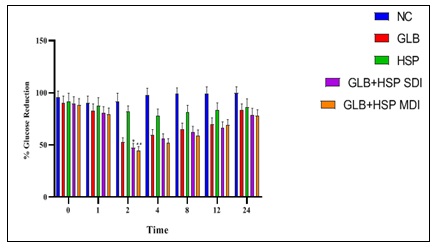
FIG. 3: PERCENTAGE REDUCTION BLOOD GLUCOSE LEVELS OF GLB+ HSP IN NORMAL RATS
Comparison of Pharmacodynamic Parameters in Normal versus Diabetic Rats: From Table 3 and 4, A comparative analysis of pharmacodynamic responses in normal and diabetic rats showed that normal rats maintained a stable glycemic profile, whereas diabetic rats exhibited marked hyperglycemia. Upon treatment, diabetic rats displayed significant improvements in blood glucose levels, with the combination of GLB and HSP producing a greater reduction compared to untreated diabetic controls. The degree of blood glucose lowering was especially prominent in diabetic rats receiving the combination therapy. This enhanced glycemic control may be attributed to hesperidin’s ability to protect pancreatic β-cells from oxidative damage, promote insulin secretion, and enhance insulin sensitivity all of which are particularly beneficial in diabetes, where insulin deficiency and oxidative stress prevail. These findings underscore the therapeutic potential of combining conventional antidiabetic drugs with natural bioactive compounds to achieve superior pharmacodynamic outcomes.
TABLE 4: MEAN BLOOD GLUCOSE LEVELS OF GLB+HSP IN DIABETIC RATS
| Group | Treatment | Blood glucose levels (mg/dl) at different time points | ||||||
| 0 h | 1 h | 2 h | 4 h | 8 h | 12 h | 24 h | ||
| I | DC | 275.75±7.14 | 276.18±6.68 | 276.93 ± 6.46 | 277.86±8.24 | 278.27±8.21 | 278.94±7.95 | 279.51±6.23 |
| II | GLB | 296.62±6.69 | 276.42±6.36 | 206.54±4.54 | 221.30±5.42 | 236.06±5.47 | 251.13±5.86 | 289.±6.34 |
| III | HSP | 269.20±7.87 | 261.21±7.19 | 259.08±6.15 | 252.62±6.92 | 258.16±6.35 | 262.32±7.06 | 265.24±7.56 |
| IV | GLB+HSP(SDI) | 298.19±6.23 | 249.91±5.82 | 185.01±4.32* | 210.84±4.91 | 220.20±5.66 | 229.92±5.19 | 249.16±5.72 |
| V | GLB+HSP(MDI) | 297.21±6.03 | 245.26±5.42 | 182.19±3.12** | 204.16±4.68 | 217.70±5.15 | 222.61±4.97 | 249.54±5.52 |
Values are expressed as mean± S.D. n=6/group. GLB: Glibenclamide; GLB+HSP (SDI): Glibenclamide + Hesperidin (Single Dose Interaction); GLB+HSP (MDI): Glibenclamide + Hesperidin (Multiple Dose Interaction); ∗ P < 0.05,** P < 0.01 vs. First day (One Way ANOVA followed by Dunnet’s Test).
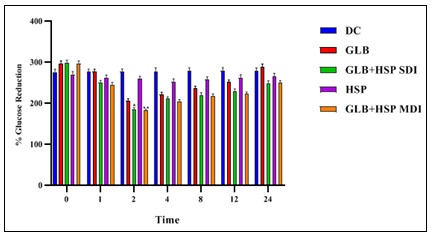
FIG. 4: PERCENTAGE REDUCTION OF BLOOD GLUCOSE LEVELS OF GLB+HSP IN DIABETIC RATS
DISCUSSION:
Discussion of Pharmacokinetic Findings: The pharmacokinetic evaluation of GLB in normal and STZ-induced diabetic rats revealed significant drug disposition variations linked to the disease state. In diabetic rats, increased values of Cmax and AUC were observed, indicating an increase in the absorption and systemic exposure of this drug, which is in line with earlier studies of 20, who reported that flavonoids like hesperidin can inhibit the activity of drug-metabolizing enzymes, including cytochrome P450, and hence increase the bioavailability of orally administered drugs. Additionally, a longer t1/2 and MRT observed in diabetic rats could support the evidence that the impairment of hepatic metabolism pathways and the modification of the excretion pathways reduce the clearance rate of the drug. Similar findings were reported by 21, where compounds influencing hepatic enzyme pathways modify the metabolic profile of GLB and hence its pharmacokinetic profile. Moreover, the decrease in CL and changes in Vd reported in the present study support the findings of 22, who, based on physiological changes caused by diabetes, described an altered distribution and elimination pattern of antidiabetic drugs. The clinical relevance of such pharmacokinetic alterations includes the possibility that diabetes can enhance the activity of GLB, for which careful dose adjustment may be required. Our findings also agree with the work of 23, in which enhanced retention and bioavailability of the drug were seen in diabetic rats treated with GLB in combination with flavonoids such as ferulic acid. Collectively, these findings emphasize the importance of disease-mediated alterations in the pharmacokinetics of drugs, particularly when testing combination therapies involving natural products.
Discussion of Pharmacodynamic Findings: The pharmacodynamic study revealed a synergistic effect between GLB and hesperidin (HSP) on the reduction of blood glucose in diabetic rats. GLB alone showed a moderate glycemic control, while its combination with HSP at single and multiple doses caused a significant enhancement of glucose reduction. There was a statistical difference between both groups, with a better effect in the group treated with a multiple dose. These results are in accordance with the findings reported by 24, who demonstrated that hesperidin increased the therapeutic efficacy of GLB in diabetic models due to its antioxidant and insulin-sensitizing properties. Furthermore, the improved glycemic control observed is in line with reports by 25, who found improved pancreatic β-cell morphology along with reduced oxidative stress in GLB- and hesperidin-treated rats. The role of hesperidin in mitigating oxidative damage, improving insulin secretion, and enhancing insulin sensitivity has been adequately documented by 26, which thus provided a mechanistic rationale for the pharmacodynamic synergy observed. The improved glucose-lowering activity in diabetic rats supports previous studies, including those by 23, which demonstrated that flavonoids have a beneficial effect on the maintenance of proper glycemia and protection of pancreatic cells against metabolic stress. The current findings suggest that hesperidin's complex mode of action on oxidative stress pathways, inflammation, and insulin dynamics may potentiate GLB activity and, hence, provide an improved therapeutic approach in the management of diabetes.
Comparison of Pharmacokinetic and Pharmacodynamic Findings: The resulting pharmacokinetic and pharmacodynamic data are highly interrelated. Increased systemic exposure to GLB, as reflected by higher Cmax and AUC in diabetic rats, therefore could be considered a contributing factor to the enhanced glucose-lowering responses demonstrated during the pharmacodynamic study. These results would support the hypothesis that altered drug metabolism and slower clearance under diabetic conditions amplify the therapeutic actions of GLB when combined with bioactive compounds like hesperidin.
Indeed, comparable studies conducted by 27 & 8 noted that flavonoids, through enzyme inhibition and antioxidant properties, may affect the disposition and efficacy of drugs. Furthermore, the protective effects on β-cell function in the study conducted by 25 provide a mechanistic explanation for how pharmacokinetic changes translate into improved pharmacodynamic outcomes.
CONCLUSION: The study showed that hesperidin evidently improves the pharmacokinetic and pharmacodynamic profiles of Glibenclamide in diabetic rats. Increased absorption, prolonged half-life, and higher plasma levels of Glibenclamide were observed in the presence of hesperidin. Combination therapy resulted in greater blood glucose reduction compared to that with Glibenclamide alone, especially in the multiple-dose group. This is probably because of the antioxidant and enzyme-inhibiting properties of hesperidin. The findings suggest that hesperidin may act as a useful adjuvant to conventional diabetes treatment. Further studies are required to explore its clinical potential.
ACKNOWLEDGEMENT: The authors would like to thank AICTE India and UCPSc Kakatiya University for supporting this work.
Funding: This research did not receive specific funding.
Ethics Statement: All Animals used in the research are approved by the institutional animal ethical committee UCPSc, Kakatiya University (Approval No. 06/IAEC/UCPSC/KU/2022).
CONFLICT OF INTEREST: The authors do not have any conflicts of interest.
REFERENCES:
- Diagnosis and classification of diabetes mellitus. Diabetes Care 2013; 36(1): 67-74.
- Hossain MJ, Al-Mamun M and Islam MR: Diabetes mellitus, the fastest growing global public health concern: Early detection should be focused. Health Sci Rep 2024; 7(3): 2004.
- Zakir M: Cardiovascular Complications of Diabetes: From Microvascular to Macrovascular Pathways. Cureus 2023; 15(9): 45835.
- Gieroba B, Kryska A and Sroka-Bartnicka A: Type 2 diabetes mellitus – conventional therapies and future perspectives in innovative treatment. Biochemistry and Biophysics Reports 2025; 42: 102037.
- Greupink R: Semi-mechanistic physiologically-based pharmacokinetic modeling of clinical glibenclamide pharmacokinetics and drug-drug-interactions. Eur J Pharm Sci 2013; 49(5): 819-28.
- Ahmed N, Abo-Zeid Y and Sakran W: Strategies Adopted to Improve Bioavailability of Glibenclamide: Insights on Novel Delivery Systems. Journal of Advanced Pharmacy Research 2023; 7: 35-49.
- Pyrzynska K: Hesperidin: A review on extraction methods, stability and biological activities. Nutrients 2022; 14(12).
- Mirzaei A: Promising influences of hesperidin and hesperetin against diabetes and its complications: a systematic review of molecular, cellular, and metabolic effects. Excli J 2023; 22: 1235-1263.
- Rahmani AH, Babiker AY and Anwar S: Hesperidin, a bioflavonoid in cancer therapy: a review for a mechanism of action through the modulation of cell signaling pathways. Molecules 2023; 28(13).
- Najjar Khalilabad S: How hesperidin and Hesperetin, as promising food Supplements, combat cardiovascular Diseases: A systematic review from bench to bed. Journal of Functional Foods 2024; 120: 106358.
- Prashanth S: Pharmacokinetic and pharmacodynamic drug interactions of carbamazepine and glibenclamide in healthy albino Wistar rats. J Pharmacol Pharmacother 2011; 2(1): 7-10.
- Dostalek M, Akhlaghi F and Puzanovova M: Effect of Diabetes Mellitus on Pharmacokinetic and Pharmacodynamic Properties of Drugs. Clinical Pharmacokinetics 2012; 51: 481-99.
- Motyl K and McCabe LR: Streptozotocin, type I diabetes severity and bone. Biol Proced Online 2009; 11: 296-315.
- Mishra SB, Verma A and Vijayakumar M: Preclinical valuation of anti-hyperglycemic and antioxidant action of Nirmali (Strychnos potatorum) seeds in streptozotocin-nicotinamide-induced diabetic Wistar rats: A histopathological investigation. Biomarkers and Genomic Medicine 2013; 5(4): 157-163.
- Lee JJ: Characterization of Streptozotocin-induced Diabetic Rats and Pharmacodynamics of Insulin Formulations. Bioscience, biotechnology, and biochemistry 2003; 67: 2396-401.
- Ghasemi A and Jeddi S: Streptozotocin as a tool for induction of rat models of diabetes: a practical guide. Excli J 2023; 22: 274-294.
- Ahmad A, Khan RMA and Alkharfy K: Development and Validation of RP-HPLC Method for Simultaneous Estimation of Glibenclamide and Thymoquinone in Rat Plasma and its Application to Pharmacokinetics. Acta Chromatographica 2015; 1: 1-14.
- Ramesh T, Rao PN and Rao RN: Simultaneous quantification of nimesulide, phenylpropanolamine, caffeine and chlorpheniramine in rat plasma by RP–HPLC/PDA method and application to pharmacokinetic studies in healthy rat subjects. Arabian Journal of Chemistry 2019; 12(8): 2320-2327.
- Srivastava N: Neutraceutical approaches to control diabetes: A natural requisite approach. J Nat Sci Biol Med 2012; 3(2): 168-76.
- Al-Ishaq RK: Flavonoids and Their Anti-Diabetic Effects: Cellular Mechanisms and Effects to Improve Blood Sugar Levels. Biomolecules 2019; 9(9).
- Guo Y: Repeated administration of berberine inhibits cytochromes P450 in humans. European Journal of Clinical Pharmacology 2011; 68: 213-7.
- Sharma A: Safety and blood sample volume and quality of a refined retro-orbital bleeding technique in rats using a lateral approach. Lab Anim (NY) 2014; 43(2): 63-6.
- Gurumallu SC: Synergistic hypoglycemic and hypolipidemic effects of ω-3 and ω-6 fatty acids from Indian flax and sesame seed oils in streptozotocin-induced diabetic rats. Phytomedicine Plus 2022; 2(3): 100284.
- Rekha SS, Pradeepkiran JA and Bhaskar M: Bioflavonoid hesperidin possesses the anti-hyperglycemic and hypolipidemic property in STZ induced diabetic myocardial infarction (DMI) in male Wister rats. Journal of Nutrition & Intermediary Metabolism 2019; 15: 58-64.
- Hanchang W: Hesperidin ameliorates pancreatic β-cell dysfunction and apoptosis in streptozotocin-induced diabetic rat model. Life Sci 2019; 235: 116858.
- Rodrigues CV and Pintado M: Hesperidin from Orange Peel as a Promising Skincare Bioactive: An Overview. Int J Mol Sci 2024; 25(3).
- Singh S: Phytopharmaceuticals and Biotechnology of Herbal Plants 2022.
How to cite this article:
Malathy PS, Vigneshwar C and Reddy YN: Effect of hesperidin on the pharmacokinetic and pharmacodynamic profiles of glibenclamide in streptozotocin-induced diabetic rats. Int J Pharm Sci & Res 2026; 17(8): 2396-04. doi: 10.13040/IJPSR.0975-8232.17(8).2396-04.
All © 2026 are reserved by International Journal of Pharmaceutical Sciences and Research. This Journal licensed under a Creative Commons Attribution-NonCommercial-ShareAlike 3.0 Unported License.
Article Information
13
2396-2404
605 KB
559
English
IJPSR
P. S. Malathy, Chikram Vigneshwar and Y. Narasimha Reddy *
Department of Pharmacology, University College of Pharmaceutical Sciences, Kakatiya University, Warangal, Telangana, India.
ynrku@kakatiya.ac.in
17 March 2026
15 April 2026
23 April 2026
10.13040/IJPSR.0975-8232.17(8).2396-04
01 August 2026
 Download