




EVOLUTION OF DRUG DELIVERY SYSTEMS: TRANSITION FROM CONVENTIONAL FORMULATIONS TO SMART AND AI-ASSISTED DRUG DELIVERY
HTML Full TextEVOLUTION OF DRUG DELIVERY SYSTEMS: TRANSITION FROM CONVENTIONAL FORMULATIONS TO SMART AND AI-ASSISTED DRUG DELIVERY
Prateek Kumar *, Neeraj Kumar Prajapati and Kausal Verma
Shree Krishna College of Pharmacy, Sitapur, Uttar Pradesh, India.
ABSTRACT: Drug delivery systems (DDS) have undergone remarkable evolution from conventional formulations to intelligent therapeutic platforms capable of achieving controlled, targeted, and personalized drug administration. Conventional dosage forms often exhibit limitations such as poor bioavailability, non-specific drug distribution, frequent dosing, and systemic adverse effects, thereby necessitating the development of advanced drug delivery technologies. This review systematically examines the evolution of DDS from conventional and controlled drug delivery systems to targeted, nanotechnology-based, stimuli-responsive smart drug delivery systems, and artificial intelligence (AI)-assisted drug delivery technologies. A comprehensive literature search was performed using major scientific databases, including PubMed, Scopus, Web of Science, ScienceDirect, and Google Scholar, together with relevant regulatory guidance documents published by the U.S. Food and Drug Administration (FDA), European Medicines Agency (EMA), International Council for Harmonisation (ICH), International Medical Device Regulators Forum (IMDRF), and the World Health Organization (WHO). Literature published primarily between 2000 and 2026 was critically evaluated based on relevance, scientific quality, and clinical significance. The review discusses the design principles, mechanisms, carrier materials, therapeutic applications, clinical status, advantages, and translational limitations of pH-, temperature-, enzyme-, redox-, magnetic-, light-, and ultrasound-responsive drug delivery systems. Furthermore, recent advances in AI-assisted formulation optimization, machine learning, digital twins, AI-enabled closed-loop drug delivery, and cyber security are highlighted as emerging technologies supporting precision and personalized medicine. Current scientific, manufacturing, regulatory, ethical, and cyber security challenges affecting the clinical translation of advanced drug delivery systems are also critically discussed. Overall, this review provides a comprehensive overview of the technological evolution of drug delivery systems while highlighting future opportunities for integrating smart biomaterials, nanotechnology, and AI to accelerate the development of safer, more effective, and patient-specific therapeutic platforms.
Keywords: Drug delivery systems, Smart drug delivery systems, Stimuli-responsive drug delivery, Artificial intelligence, Nanomedicine, Precision medicine, Digital twins
INTRODUCTION: The effectiveness of a therapeutic agent depends not only on its pharmacological activity but also on the manner in which it is delivered to the target site.
Drug delivery systems (DDS) play a crucial role in determining the safety, efficacy, and overall therapeutic performance of pharmaceutical products.
An ideal DDS should ensure that a drug reaches its site of action at the required concentration and remains there for an adequate period while minimizing adverse effects and improving patient compliance 1.
For many years, conventional dosage forms such as tablets, capsules, injections, and topical preparations have been widely used for disease management. These formulations offer several advantages, including ease of administration, cost-effectiveness, and large-scale manufacturing feasibility. Despite their widespread acceptance, conventional systems often face challenges such as poor bioavailability, rapid drug clearance, non-specific distribution, and frequent dosing requirements. Such limitations can reduce therapeutic efficiency and increase the risk of systemic side effects, particularly in the treatment of chronic and complex diseases 2.
To overcome these drawbacks, pharmaceutical research has progressively shifted toward the development of advanced drug delivery technologies. The first major advancement was the introduction of controlled-release systems, which were designed to maintain drug concentrations within the therapeutic range for extended periods. These systems improved patient adherence by reducing dosing frequency and minimizing fluctuations in plasma drug levels 3.
Subsequent developments in molecular biology, polymer science, and biomaterials led to the emergence of targeted drug delivery systems. These platforms aim to selectively transport therapeutic agents to specific tissues or cells, thereby improving therapeutic outcomes while reducing toxicity. Targeted delivery approaches have become particularly important in cancer therapy, where non-specific drug distribution often results in severe adverse effects 4.
A significant breakthrough in DDS was achieved through the application of nanotechnology. Nanocarriers such as liposomes, polymeric nanoparticles, micelles, dendrimers, and lipid-based systems have demonstrated the ability to improve drug solubility, stability, circulation time, and targeting efficiency. As a result, nanotechnology has become an integral component of modern pharmaceutical development and has facilitated the successful delivery of a wide range of therapeutic molecules 5.
More recently, drug delivery research has moved toward the development of smart systems capable of responding to physiological or external stimuli. These stimuli-responsive platforms can regulate drug release in response to factors such as pH, temperature, enzymes, magnetic fields, or light, enabling greater precision and control over therapeutic interventions 6.
Alongside these advancements, artificial intelligence (AI) has emerged as a transformative technology in pharmaceutical sciences. Machine learning and predictive analytics are increasingly being employed to optimize formulation development, predict drug release behavior, and support personalized treatment strategies. The integration of AI with advanced drug delivery technologies has opened new opportunities for the development of intelligent therapeutic systems that can adapt to patient-specific needs 7.
The continuous evolution of DDS from conventional formulations to smart and AI-assisted platforms reflects the growing demand for safer, more effective, and personalized healthcare solutions. Therefore, this review aims to provide a concise overview of the major milestones in drug delivery evolution, highlighting the transition from traditional dosage forms to modern intelligent systems and discussing the potential role of artificial intelligence in shaping the future of drug delivery technologies.
Literature Survey Strategy: A comprehensive literature search was conducted to identify relevant publications on the evolution of drug delivery systems, including conventional, controlled, targeted, nanotechnology-based, smart, and artificial intelligence (AI)-assisted drug delivery systems. Electronic databases, including PubMed/MEDLINE, Scopus, Web of Science, ScienceDirect, Google Scholar, and CrossRef, were systematically searched. In addition, official publications and regulatory guidance documents from the U.S. Food and Drug Administration (FDA), European Medicines Agency (EMA), International Council for Harmonisation (ICH), World Health Organization (WHO), and the International Medical Device Regulators Forum (IMDRF) were consulted to obtain current regulatory information relevant to advanced drug delivery systems.
The literature search covered publications from January 2000 to May 2025, while seminal studies published before 2000 were included to provide historical context on the evolution of drug delivery systems. The search strategy employed combinations of keywords using Boolean operators (AND, OR), including "drug delivery systems," "conventional drug delivery," "controlled drug delivery," "targeted drug delivery," "nanotechnology," "nanomedicine," "stimuli-responsive drug delivery," "smart drug delivery systems," "hydrogels," "artificial intelligence," "machine learning," "digital twins," "closed-loop drug delivery," "precision medicine," "regulatory guidance," "FDA," "EMA," "ICH," and "WHO."
Selection Methodology: The retrieved records from all databases were combined, and duplicate publications were identified and removed. The remaining articles were screened independently based on their titles and abstracts to assess their relevance to the objectives of this review. Subsequently, the full texts of potentially eligible articles were evaluated to determine their suitability for inclusion.
Studies were included if they (i) addressed the evolution of drug delivery systems, (ii) described controlled, targeted, nanotechnology-based, smart, or AI-assisted drug delivery systems, (iii) discussed mechanisms of drug delivery, carrier materials, therapeutic applications, clinical translation, or regulatory aspects, and (iv) were published as peer-reviewed original research articles, systematic reviews, narrative reviews, or official guidance documents from recognized regulatory agencies. Preference was given to high-quality and highly cited publications reporting significant scientific advances.
Studies were excluded if they were duplicate records, conference abstracts without full-text availability, editorials, letters, non-peer-reviewed articles, book chapters or publications that were not directly relevant to the scope of this review. Only English-language publications were considered. The final selection of references was based on scientific quality, methodological rigor, originality, citation impact, and relevance to the objectives of this review, with particular emphasis on recent advances published between 2020 and 2025, while retaining landmark studies that have significantly influenced the field.
Evolution of Drug Delivery Systems: The evolution of drug delivery systems (DDS) has not been a sequence of isolated technological advances but rather a continuous response to the therapeutic limitations of preceding formulations. Each generation of DDS emerged to address specific pharmacokinetic, pharmacodynamic, and clinical challenges that could not be adequately resolved by earlier approaches. Consequently, the progression from conventional formulations to intelligent drug delivery platforms reflects an increasing emphasis on improving therapeutic precision, minimizing systemic toxicity, enhancing patient adherence, and ultimately enabling personalized medicine rather than merely introducing new dosage forms 1-3.
The earliest generation of DDS consisted primarily of conventional dosage forms such as tablets, capsules, injections, topical preparations, and oral liquids. These formulations were designed to deliver therapeutically effective doses but generally lacked control over the rate, duration, or anatomical site of drug release. As a result, many drugs exhibited rapid fluctuations in plasma concentrations, poor bioavailability, extensive first-pass metabolism, frequent dosing requirements, and non-specific tissue distribution. Although conventional formulations remain indispensable because of their simplicity, scalability, and affordability, these pharmacokinetic limitations frequently compromise therapeutic efficacy and increase the risk of adverse drug reactions, particularly in chronic diseases requiring prolonged treatment. These shortcomings became the primary driving force for the development of controlled-release technologies 1, 2.
The second generation of DDS emerged with the introduction of controlled-release technologies during the latter half of the twentieth century. Rather than increasing drug potency, these systems sought to optimize the temporal profile of drug exposure by maintaining therapeutic concentrations over extended periods. Matrix tablets, reservoir systems, osmotic pumps, biodegradable implants, and transdermal therapeutic systems were developed to reduce dosing frequency, improve patient adherence, and minimize fluctuations between peak and trough plasma concentrations. However, despite successfully improving pharmacokinetic control, controlled-release formulations generally distributed drugs throughout the body without distinguishing diseased tissues from healthy organs. Consequently, systemic toxicity remained a significant concern, particularly for highly potent agents such as anticancer drugs, thereby stimulating the search for site-specific drug delivery strategies 3, 4.
The third generation introduced the concept of targeted drug delivery, shifting the objective from controlling the timing of drug release to controlling its anatomical destination. Advances in molecular biology, receptor-mediated targeting, monoclonal antibody technology, ligand engineering, and disease-specific biomarkers enabled the selective accumulation of therapeutic agents within pathological tissues while reducing exposure to healthy organs. This paradigm became especially important in oncology, where conventional chemotherapy frequently causes severe systemic toxicity because cytotoxic agents cannot adequately distinguish malignant from normal cells. Nevertheless, many early targeted systems exhibited limited targeting efficiency under physiological conditions because biological barriers, rapid clearance by the mononuclear phagocyte system, heterogeneous receptor expression, and poor tissue penetration reduced the proportion of administered drug reaching the intended site. These challenges motivated the incorporation of nanotechnology into drug delivery research 4, 5.
Nanotechnology represented a major technological breakthrough by enabling the engineering of drug carriers at the nanometre scale. Liposomes, polymeric nanoparticles, dendrimers, polymeric micelles, solid lipid nanoparticles, and lipid-based nanocarriers substantially improved drug solubility, protected unstable therapeutic molecules from degradation, prolonged systemic circulation, and enhanced passive or active targeting through physicochemical optimization. Several clinically approved nanomedicines demonstrated that nanoscale carriers could improve the therapeutic index of existing drugs without altering their pharmacological activity. Nevertheless, clinical translation also revealed important limitations, including heterogeneous tumour accumulation, variability of the enhanced permeability and retention (EPR) effect among patients, manufacturing complexity, scale-up challenges, and incomplete understanding of long-term nanomaterial safety. Recognition of these limitations shifted research toward multifunctional delivery systems capable of responding dynamically to disease-specific biological signals rather than relying solely on passive accumulation 6-8.
This transition led to the emergence of smart drug delivery systems (SDDS), which integrate biomaterials, polymer chemistry, nanotechnology, and biomedical engineering to achieve spatiotemporally controlled drug release. Unlike conventional sustained-release formulations, SDDS actively respond to endogenous stimuli such as pH, enzymes, redox potential, reactive oxygen species, glucose concentration, and temperature or to externally applied triggers including light, ultrasound, magnetic fields, and electrical stimulation. By releasing therapeutic agents only under predefined physiological conditions, these systems improve therapeutic precision while minimizing unnecessary systemic exposure. However, despite impressive experimental success, the widespread clinical adoption of SDDS remains constrained by manufacturing complexity, reproducibility, regulatory uncertainty, device integration, and limited long-term clinical evidence 9, 10.
The most recent phase in the evolution of DDS is characterized by the integration of artificial intelligence (AI) with advanced delivery technologies. Unlike previous generations that primarily focused on carrier design, AI introduces data-driven decision-making into formulation development, nanocarrier optimization, prediction of drug-release kinetics, patient stratification, digital twin modelling, and closed-loop therapeutic systems. Machine learning algorithms are increasingly capable of analysing complex formulation datasets, predicting critical quality attributes, optimizing carrier composition, and supporting individualized treatment decisions. Consequently, AI-assisted DDS represent a conceptual transition from passive drug carriers to adaptive therapeutic platforms capable of continuously learning from experimental and clinical data. Although regulatory, ethical, cybersecurity, and data governance challenges remain substantial, AI is expected to become an essential enabling technology for the next generation of precision drug delivery systems 3, 11. Overall, the historical evolution of DDS demonstrates that each technological generation emerged not as a replacement for its predecessor but as a response to unresolved scientific and clinical limitations. Contemporary research increasingly combines controlled release, molecular targeting, nanotechnology, stimuli responsiveness, and artificial intelligence within integrated therapeutic platforms, indicating that future DDS will evolve toward adaptive, patient-specific systems capable of continuously optimizing therapeutic outcomes throughout the treatment process 3.
TABLE 1: STAGES IN THE EVOLUTION OF DRUG DELIVERY SYSTEMS
| Generation | Approximate Period | Major Innovation | Limitation Addressed | Representative Technologies |
| First | Before 1950 | Conventional DDS | Basic drug administration | Tablets, capsules, injections |
| Second | 1950–1980 | Controlled-release DDS | Frequent dosing and plasma fluctuation | Matrix tablets, osmotic pumps, transdermal patches |
| Third | 1980–2000 | Targeted DDS | Non-specific drug distribution | Ligand-mediated systems, antibody conjugates |
| Fourth | 2000–2015 | Nanotechnology-based DDS | Poor solubility, stability and targeting efficiency | Liposomes, polymeric nanoparticles, micelles |
| Fifth | 2015–Present | Smart DDS | Static drug release | Stimuli-responsive nanocarriers, hydrogels |
| Sixth | 2020–Present | AI-assisted DDS | Empirical formulation design | Machine learning, digital twins, closed-loop systems |
Source: Compiled by the authors based on the historical analyses reported by Allen and Cullis (2004), Park et al. (2022), Kakkar et al. (2017), Park (2016), Farokhzad and Langer (2009), and Mura et al. (2013).
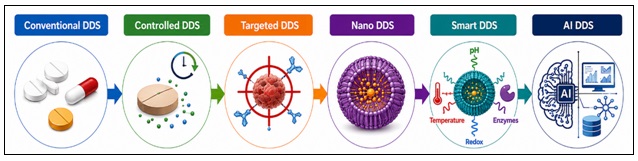
FIG. 1: CREATED BY THE AUTHORS BASED ON CONCEPTS SYNTHESIZED FROM ALLEN AND CULLIS (2004), PARK ET AL. (2022), KAKKAR ET AL. (2017), FAROKHZAD AND LANGER (2009), AND MURA ET AL. (2013)
Conventional Drug Delivery Systems: Conventional drug delivery systems (CDDS) represent the foundation of modern pharmacotherapy and continue to account for the majority of marketed pharmaceutical products because of their established manufacturing processes, regulatory acceptance, cost-effectiveness, and ease of administration. Oral tablets and capsules, injectable formulations, topical preparations, and inhalation products have successfully improved the treatment of numerous acute and chronic diseases over several decades. Their clinical success is largely attributable to standardized production technologies, predictable quality control, and extensive clinical experience. Nevertheless, these formulations were primarily designed to ensure drug administration rather than to optimize where, when, and how therapeutic agents are released within the body 1, 12.
Despite their widespread use, conventional formulations exhibit several pharmacokinetic and pharmacodynamic limitations that restrict therapeutic performance. Following administration, many drugs undergo extensive enzymatic degradation, poor gastrointestinal absorption, first-pass hepatic metabolism, rapid systemic elimination, or non-specific distribution throughout healthy tissues. Consequently, only a limited fraction of the administered dose frequently reaches the intended pathological site, resulting in reduced therapeutic efficacy and an increased incidence of dose-dependent adverse effects. These limitations become particularly important for anticancer agents, peptides, proteins, nucleic acid therapeutics, and other molecules with narrow therapeutic windows or poor biological stability 2, 6.
Another major limitation of conventional DDS is the inability to maintain therapeutically effective drug concentrations over prolonged periods. Immediate-release formulations often produce rapid peak plasma concentrations followed by equally rapid declines below the therapeutic range, necessitating repeated administration. Such fluctuations increase the likelihood of toxicity during peak exposure while reducing efficacy during trough concentrations, particularly in chronic diseases requiring long-term treatment. Frequent dosing also contributes to poor patient adherence, which remains an important cause of therapeutic failure in cardiovascular diseases, diabetes, neurological disorders, and infectious diseases 3.
Equally important, conventional formulations generally lack disease selectivity. After systemic administration, drugs distribute according to their physicochemical properties rather than the location of pathological tissues. As a result, healthy organs are often exposed to substantial drug concentrations despite not requiring treatment. This limitation is especially evident in oncology, where conventional chemotherapeutic agents damage rapidly dividing healthy cells in addition to malignant tissues, producing severe adverse effects including myelosuppression, gastrointestinal toxicity, mucositis, and alopecia. Similar challenges are encountered in inflammatory, neurological, and autoimmune disorders, where biological barriers further limit effective drug accumulation at disease sites 4, 5.
These persistent shortcomings became the principal driving force behind successive innovations in drug delivery science. Controlled-release systems were introduced to maintain stable plasma drug concentrations and reduce dosing frequency. Targeted delivery strategies subsequently aimed to improve site-specific accumulation while minimizing systemic exposure. Nanotechnology further enhanced drug solubility, stability, circulation time, and carrier engineering, whereas smart drug delivery systems incorporated stimuli-responsive mechanisms capable of releasing drugs only under predefined physiological or external conditions. More recently, artificial intelligence has expanded the scope of DDS by enabling predictive formulation design, optimization of nanocarrier characteristics, and individualized therapeutic decision-making. Thus, the evolution of DDS should be viewed as a continuous scientific effort to overcome the intrinsic limitations of conventional formulations rather than as a series of independent technological developments 3, 9.
In summary, although conventional drug delivery systems remain indispensable in clinical practice owing to their simplicity, affordability, and established therapeutic value, their inability to provide precise spatiotemporal control over drug disposition has fundamentally driven the development of advanced controlled, targeted, nanotechnology-based, smart, and AI-assisted delivery platforms. Understanding these limitations provides the scientific rationale for the technological evolution discussed in the following sections 2, 3.
Smart Drug Delivery Systems: Smart drug delivery systems (SDDS) represent the fifth generation of drug delivery technologies and have emerged to overcome the limitations of conventional, controlled-release, targeted, and nanotechnology-based drug delivery systems. Unlike traditional formulations that release drugs according to predetermined diffusion or degradation kinetics, SDDS are capable of sensing changes in the biological microenvironment or responding to externally applied physical stimuli to regulate drug release in a controlled manner. This spatiotemporal control enables therapeutic agents to be released only at the desired site and time, thereby improving therapeutic efficacy while minimizing systemic toxicity. Consequently, SDDS have attracted considerable attention for the treatment of cancer, diabetes, inflammatory disorders, infectious diseases, neurological disorders, and regenerative medicine, where disease-specific physiological changes can be exploited as triggers for drug release 9, 10, 13.
The development of SDDS has been facilitated by major advances in biomaterials, polymer chemistry, nanotechnology, molecular biology, and biomedical engineering. Modern smart carriers incorporate polymers, hydrogels, liposomes, dendrimers, polymeric micelles, mesoporous silica nanoparticles, metallic nanoparticles, and hybrid nanocomposites that undergo predictable physicochemical transformations when exposed to internal biochemical stimuli or externally applied physical signals. Depending on the triggering mechanism, smart drug delivery systems are generally classified into internal stimuli-responsive systems and external stimuli-responsive systems. Internal stimuli exploit pathological alterations within the body, such as changes in pH, enzyme expression, or intracellular redox potential, whereas external stimuli rely on externally controlled triggers including temperature, magnetic fields, ultrasound, and light. Although numerous SDDS have demonstrated remarkable preclinical efficacy, relatively few have progressed to routine clinical application because of manufacturing complexity, scalability issues, regulatory challenges, and incomplete long-term safety evaluation 5, 9, 10, 13, 14.
Classification of Smart Drug Delivery Systems: Smart drug delivery systems are broadly classified according to the origin of the stimulus responsible for triggering drug release.
Internal Stimuli-Responsive Systems: These systems exploit biochemical abnormalities associated with disease conditions.
- pH-responsive systems
- Enzyme-responsive systems
- Redox-responsive systems
External Stimuli-Responsive Systems: These systems are activated using externally controlled physical stimuli.
- Temperature-responsive systems
- Magnetic-responsive systems
- Light-responsive systems
- Ultrasound-responsive systems
The selection of an appropriate stimulus depends on the pathological condition, accessibility of the target tissue, carrier design, and the desired therapeutic outcome. Internal stimuli generally provide high biological specificity because they exploit disease-associated microenvironments, whereas external stimuli offer superior temporal control since drug release can be initiated on demand by the clinician. Consequently, both approaches are increasingly combined to develop multifunctional smart drug delivery platforms with enhanced precision and therapeutic performance 5, 9.
pH-Responsive Drug Delivery Systems: Among various smart drug delivery platforms, pH-responsive systems are the most extensively investigated because alterations in extracellular and intracellular pH are characteristic features of numerous pathological conditions. For example, solid tumours typically exhibit an acidic extracellular microenvironment (approximately pH 6.5–6.8) due to enhanced glycolytic metabolism and poor vascular perfusion, whereas intracellular compartments such as endosomes and lysosomes are even more acidic than normal physiological fluids. Similar pH alterations are observed in inflammatory lesions, infected tissues, and different regions of the gastrointestinal tract. These physiological differences provide an attractive trigger for selective drug release at disease sites while minimizing premature drug leakage during systemic circulation 9, 15.
Mechanism: The mechanism of pH-responsive drug delivery is based on polymers or chemical linkers that undergo reversible or irreversible structural changes in response to variations in environmental pH. Ionizable polymers become protonated or deprotonated under acidic or alkaline conditions, leading to polymer swelling, erosion, solubility changes, or cleavage of acid-labile bonds. These physicochemical transformations destabilize the carrier matrix and promote controlled release of the encapsulated therapeutic agent specifically within pathological tissues. Consequently, drug release is governed by local biochemical conditions rather than passive diffusion alone, thereby improving therapeutic precision 9, 10, 15.
Carrier Materials: A wide variety of natural and synthetic biomaterials have been investigated for pH-responsive drug delivery, including chitosan, alginate, hyaluronic acid, poly(acrylic acid), poly (histidine), polyethylene glycol (PEG)-based copolymers, pH-sensitive liposomes, polymeric micelles, dendrimers, mesoporous silica nanoparticles, and metal-organic frameworks. These carrier materials exhibit excellent versatility because they can encapsulate small-molecule drugs, proteins, peptides, nucleic acids, and gene-editing systems while protecting them from premature degradation during systemic circulation 9, 10, 15.
Therapeutic Applications: pH-responsive drug delivery has demonstrated significant potential in cancer chemotherapy, colon-targeted drug delivery, inflammatory bowel disease, rheumatoid arthritis, intracellular delivery of nucleic acids, oral peptide delivery, and gene therapy. In oncology, pH-sensitive nanocarriers facilitate preferential drug release within the acidic tumour microenvironment, thereby increasing local drug concentration while reducing systemic exposure. Similar strategies have also been explored for oral insulin delivery and inflammatory disorders, where pH variations along the gastrointestinal tract or within inflamed tissues can be exploited for selective drug release 9, 10, 15.
Clinical Status: Several pH-responsive formulations have advanced to preclinical and early-phase clinical evaluation, particularly in oncology. Although numerous pH-sensitive liposomal and polymeric nanoparticle systems have demonstrated improved pharmacokinetic performance and reduced systemic toxicity in experimental studies, no universally accepted pH-responsive nanomedicine has yet become a standard clinical therapy solely on the basis of pH-triggered release. Current clinical development primarily focuses on multifunctional nanocarriers that combine pH responsiveness with active targeting or imaging capabilities to enhance therapeutic efficacy 15, 16.
Advantages: Major advantages of pH-responsive drug delivery systems include:
- Site-specific drug release within pathological tissues.
- Reduced systemic toxicity and adverse drug reactions.
- Improved intracellular drug delivery.
- Enhanced stability of acid-sensitive therapeutics.
- Increased therapeutic efficacy with lower drug doses.
- Compatibility with combination therapy and multifunctional nanocarriers.
These characteristics make pH-responsive DDS one of the most extensively investigated smart delivery platforms for precision medicine 9, 10.
Major Translational Limitations: Despite substantial progress, several challenges continue to limit the clinical translation of pH-responsive systems. The acidic microenvironment varies considerably among patients and even within different regions of the same tumour, resulting in inconsistent drug release. Premature leakage during circulation, limited penetration into poorly vascularized tissues, manufacturing reproducibility, large-scale production, and regulatory characterization of multifunctional nanocarriers remain important barriers to commercialization. Furthermore, the complexity of integrating multiple responsive mechanisms within a single carrier increases manufacturing costs and complicates quality control during industrial production. Addressing these challenges will require standardized manufacturing processes, improved biomaterial design, and comprehensive long-term safety evaluation before widespread clinical adoption can be achieved 15-17.
Temperature-Responsive Drug Delivery Systems: Temperature-responsive drug delivery systems (TRDDS) utilize biomaterials that undergo reversible physicochemical changes in response to variations in temperature, enabling controlled drug release at the desired site. These systems are based on the principle that certain polymers exhibit a lower critical solution temperature (LCST) or upper critical solution temperature (UCST), above or below which they undergo phase transitions that alter drug diffusion and release.
Since inflamed tissues and solid tumors often exhibit elevated local temperatures, and external hyperthermia can be applied clinically, temperature-sensitive carriers have gained considerable attention for localized chemotherapy, regenerative medicine, and sustained drug delivery 7, 14.
Mechanism: The mechanism of TRDDS relies on temperature-induced alterations in polymer hydration and molecular conformation. Thermo-responsive polymers remain hydrated and swollen below their LCST but collapse into a hydrophobic state when the temperature exceeds this threshold, resulting in rapid release of encapsulated drugs. Conversely, some UCST polymers exhibit the opposite behaviour. External heating methods such as focused ultrasound, radiofrequency ablation, laser irradiation, or magnetic hyperthermia can precisely trigger drug release at target tissues while minimizing exposure of healthy organs 14.
Carrier Materials: Frequently investigated carrier materials include poly (N-isopropylacrylamide) (PNIPAM), poloxamers, polyethylene glycol (PEG)-based block copolymers, thermosensitive liposomes, injectable hydrogels, chitosan-based hydrogels, and biodegradable triblock copolymers. Thermosensitive liposomes are among the most clinically advanced carriers because they rapidly release chemotherapeutic agents upon mild hyperthermia while maintaining stability during systemic circulation 7, 14.
Therapeutic Applications: Temperature-responsive systems have been extensively investigated for localized chemotherapy, postoperative pain management, ocular drug delivery, musculoskeletal disorders, tissue engineering, and regenerative medicine. In oncology, externally induced hyperthermia enhances tumour vascular permeability while simultaneously triggering drug release from thermosensitive carriers, thereby increasing intratumoral drug accumulation and therapeutic efficacy. Injectable thermosensitive hydrogels have also demonstrated considerable potential for sustained local delivery of proteins, growth factors, and stem-cell therapies 10, 14.
Clinical Status: Among temperature-responsive formulations, ThermoDox®, a lysolipid thermosensitive liposomal formulation of doxorubicin, represents one of the most extensively investigated clinical examples. Although large clinical trials demonstrated the feasibility of heat-triggered drug release, variable heating efficiency and heterogeneous tumour perfusion limited consistent therapeutic benefit. Nevertheless, thermosensitive liposomal technologies continue to be actively evaluated in combination with image-guided hyperthermia and focused ultrasound 18, 19.
Advantages: Major advantages include:
- Controlled on-demand drug release.
- Improved local drug concentration.
- Reduced systemic toxicity.
- Compatibility with image-guided therapy.
- Non-invasive external activation.
- Potential integration with hyperthermia-based cancer treatment 7, 14.
Major Translational Limitations: Despite encouraging preclinical and clinical findings, precise temperature control remains a major challenge because excessive heating may damage surrounding healthy tissues, whereas insufficient heating results in incomplete drug release. Additional limitations include heterogeneous heat distribution within tumours, specialized equipment requirements, manufacturing complexity, and reproducibility of thermosensitive formulations. These factors continue to restrict widespread clinical translation despite promising therapeutic outcomes 18, 19.
Enzyme-Responsive Drug Delivery Systems: Enzyme-responsive drug delivery systems exploit the abnormal expression of disease-associated enzymes to achieve selective release of therapeutic agents. Numerous pathological conditions, including cancer, inflammatory diseases, bacterial infections, and fibrosis, are characterized by elevated levels of specific enzymes such as matrix metalloproteinases (MMPs), cathepsins, phospholipases, esterases, hyaluronidases, and proteases. These enzymes serve as endogenous biological triggers capable of degrading specially designed carrier materials, thereby releasing drugs selectively within diseased tissues while minimizing premature systemic release 21, 22.
Mechanism: Enzyme-responsive systems incorporate peptide sequences, biodegradable polymers, or enzyme-cleavable chemical linkers that remain stable during systemic circulation but undergo rapid degradation when exposed to disease-specific enzymes. Cleavage of these enzyme-sensitive bonds disrupts the carrier architecture, facilitating localized release of encapsulated drugs. Since enzyme overexpression is closely associated with disease progression, enzyme-responsive carriers often provide greater biological specificity than systems relying solely on physicochemical triggers 20.
Carrier Materials: Common carrier materials include peptide-functionalized nanoparticles, polymer-drug conjugates, hydrogels containing enzyme-cleavable crosslinkers, liposomes, dendrimers, mesoporous silica nanoparticles, and biodegradable polymeric micelles. These carriers have demonstrated excellent versatility for delivering chemotherapeutic agents, proteins, peptides, nucleic acids, and imaging probes 20, 21.
Therapeutic Applications: Enzyme-responsive systems have been investigated extensively for tumour-targeted chemotherapy, inflammatory bowel disease, rheumatoid arthritis, chronic wound healing, bacterial infections, cardiovascular diseases, and regenerative medicine. MMP-responsive nanoparticles are particularly attractive for cancer therapy because many solid tumours exhibit significantly elevated MMP activity during invasion and metastasis 20, 21.
Clinical Status: Although numerous enzyme-responsive nanocarriers have demonstrated promising therapeutic efficacy in animal models, most remain in the preclinical stage. Limited clinical translation is primarily attributed to interpatient variability in enzyme expression, disease heterogeneity, and the complexity of validating enzyme-triggered drug release under clinical conditions 21.
Advantages: Major advantages include:
- High disease specificity.
- Localized drug activation.
- Reduced systemic toxicity.
- Improved intracellular drug delivery.
- Broad applicability across multiple pathological conditions 20.
Major Translational Limitations: The principal challenges include variability in enzyme expression among patients, incomplete understanding of disease-specific enzyme kinetics, premature degradation by non-target enzymes, manufacturing reproducibility, and regulatory characterization of multifunctional biomaterials. Consequently, extensive clinical validation remains necessary before widespread commercialization can be achieved 21.
Redox-Responsive Drug Delivery Systems: Redox-responsive drug delivery systems utilize differences in intracellular and extracellular redox environments to achieve selective drug release. Diseased tissues, particularly cancer cells, exhibit significantly higher intracellular concentrations of reducing agents such as glutathione (GSH) compared with normal extracellular fluids. In addition, reactive oxygen species (ROS) are frequently elevated in tumours, inflammatory lesions, and neurodegenerative disorders. These biochemical differences provide an attractive trigger for intracellular drug release following cellular uptake 22, 23.
Mechanism: Most redox-responsive carriers contain disulfide, diselenide, thioether, or thioketal linkages that remain stable during systemic circulation but undergo cleavage in the highly reducing intracellular environment. Degradation of these redox-sensitive bonds destabilizes the carrier matrix and promotes rapid intracellular release of therapeutic agents. Some systems are alternatively designed to respond to elevated ROS levels through oxidation-sensitive polymers that degrade selectively within oxidative disease microenvironments 22.
Carrier Materials: Representative carrier materials include polymeric nanoparticles, PEG-based copolymers, liposomes, dendrimers, polymer-drug conjugates, nanogels, mesoporous silica nanoparticles, and lipid nanoparticles containing redox-sensitive linkers.
These carriers have been extensively investigated for intracellular delivery of anticancer drugs, siRNA, mRNA, proteins, and CRISPR-based gene-editing systems 22, 23.
Therapeutic Applications: Redox-responsive DDS have demonstrated considerable potential in cancer chemotherapy, gene therapy, immunotherapy, inflammatory diseases, and neurological disorders. Intracellular release mediated by elevated glutathione concentrations enhances therapeutic efficacy while reducing systemic exposure and improving the stability of biologics during circulation 22, 23.
Clinical Status: Most redox-responsive systems remain at the preclinical stage despite promising experimental outcomes. Their clinical translation is currently limited by insufficient long-term safety data, manufacturing challenges, and variability in intracellular redox conditions among different disease types 22, 23.
Advantages
- Highly efficient intracellular drug release.
- Excellent compatibility with nucleic acid therapeutics.
- Reduced premature drug leakage.
- Improved tumour selectivity.
- Suitable for multifunctional nanocarriers 22.
Major Translational Limitations: Major challenges include heterogeneous glutathione concentrations among patients, instability of redox-sensitive linkers during storage, manufacturing reproducibility, and limited clinical evidence. Future research is focused on combining redox responsiveness with active targeting and multimodal stimuli-responsive systems to improve therapeutic precision and clinical translation 22, 23.
Magnetic-Responsive Drug Delivery Systems: Magnetic-responsive drug delivery systems (MRDDS) utilize externally applied magnetic fields to direct drug-loaded carriers toward specific anatomical locations and, in some cases, to trigger controlled drug release. These systems have attracted considerable interest because they provide non-invasive spatial control over drug localization, thereby reducing systemic drug exposure while increasing therapeutic concentrations at diseased tissues. The majority of magnetic drug delivery platforms employ superparamagnetic iron oxide nanoparticles (SPIONs), which exhibit excellent magnetic responsiveness and biocompatibility without retaining residual magnetism after removal of the external magnetic field. Consequently, MRDDS have been extensively investigated for cancer therapy, cardiovascular diseases, neurological disorders, and image-guided drug delivery 24-26.
Mechanism: The therapeutic principle of MRDDS is based on the incorporation of magnetic nanoparticles within polymeric or lipid-based carriers. Following systemic administration, an externally applied magnetic field guides these carriers toward the target tissue, thereby increasing local drug accumulation.
In addition, alternating magnetic fields may induce localized hyperthermia through magnetic energy conversion, which can simultaneously trigger drug release from thermo-sensitive carriers while directly damaging tumour cells. Thus, magnetic systems offer the dual advantage of targeted delivery and externally controlled release 24, 25.
Carrier Materials: Common carrier materials include superparamagnetic iron oxide nanoparticles, magnetite (Fe₃O₄), maghemite (γ-Fe₂O₃), polymeric nanoparticles, liposomes, hydrogels, dendrimers, polymeric micelles, and mesoporous silica nanoparticles. Surface modification with polyethylene glycol (PEG), antibodies, peptides, or other targeting ligands further enhances circulation time and tissue specificity 24-26.
Therapeutic Applications: Magnetic-responsive systems have been widely investigated for tumour-targeted chemotherapy, magnetic hyperthermia, localized antibiotic delivery, thrombolytic therapy, regenerative medicine, and blood–brain barrier drug transport. Their ability to combine therapeutic delivery with magnetic resonance imaging (MRI) also supports theranostic applications, enabling simultaneous diagnosis and treatment 25, 26.
Clinical Status: Several iron oxide nanoparticle formulations have received clinical approval as MRI contrast agents; however, magnetic nanoparticles specifically developed for magnetically guided drug delivery remain largely in the experimental or early clinical stage. Clinical translation continues to focus on integrating magnetic targeting with imaging-guided precision medicine and hyperthermia-assisted cancer therapy 25, 27.
Advantages: Major advantages include:
- Non-invasive external guidance.
- Increased local drug concentration.
- Reduced systemic toxicity.
- Compatibility with MRI and theranostic applications.
- Potential combination with magnetic hyperthermia.
Major Translational Limitations: Despite promising experimental outcomes, magnetic targeting remains limited by insufficient magnetic field penetration into deep tissues, heterogeneous nanoparticle distribution, specialized instrumentation requirements, manufacturing reproducibility, and uncertainties regarding long-term nanoparticle accumulation. These challenges continue to restrict routine clinical implementation despite significant technological progress 25-27.
Light-Responsive Drug Delivery Systems: Light-responsive drug delivery systems employ light as an external stimulus to achieve precise temporal and spatial regulation of drug release. Unlike endogenous biological triggers, light allows clinicians to initiate drug release on demand with excellent temporal accuracy. Depending on wavelength and carrier design, ultraviolet (UV), visible, or near-infrared (NIR) light can induce photochemical bond cleavage, photoisomerization, photothermal conversion, or photodynamic reactions, resulting in controlled release of encapsulated therapeutic agents. Because NIR light exhibits greater tissue penetration and lower phototoxicity than UV radiation, it has become the preferred stimulus for most biomedical applications 28, 29.
Mechanism: Light-responsive carriers incorporate photosensitive molecules or nanoparticles that undergo structural or chemical changes following irradiation. These changes destabilize carrier matrices, disrupt lipid membranes, or cleave photo-labile chemical linkers, thereby releasing the encapsulated drug. In photothermal systems, absorbed light energy is converted into heat, whereas photodynamic systems generate reactive oxygen species capable of inducing localized cytotoxicity and facilitating drug release 28.
Carrier Materials: Representative carrier materials include gold nanoparticles, graphene oxide, upconversion nanoparticles, photo-responsive liposomes, polymeric micelles, dendrimers, mesoporous silica nanoparticles, and hydrogels incorporating azobenzene or o-nitrobenzyl derivatives. These materials permit controlled activation while maintaining adequate drug stability during circulation 28, 29.
Therapeutic Applications: Light-responsive DDS have demonstrated considerable potential in cancer therapy, antimicrobial treatment, ophthalmology, dermatology, wound healing, and photodynamic therapy. Their exceptional temporal precision allows repeated activation without repeated administration, making them particularly attractive for localized treatment of superficial or accessible lesions 28, 29.
Clinical Status: Several photosensitive nanoplatforms have progressed to clinical investigation, primarily in photodynamic oncology and dermatological disorders. However, light-triggered nanocarriers designed specifically for controlled drug release remain predominantly at the preclinical stage. Clinical translation is currently focused on combining NIR-responsive carriers with image-guided therapeutic technologies 29.
Advantages
- Precise temporal control.
- Excellent spatial precision.
- Non-invasive activation.
- Reduced systemic drug exposure.
- Compatibility with photothermal and photodynamic therapy.
Major Translational Limitations: The principal limitation of light-responsive DDS is limited tissue penetration, particularly for UV and visible light. Additional challenges include phototoxicity, potential thermal injury, expensive irradiation equipment, heterogeneous light distribution within tissues, and limited applicability for deeply located organs. Development of NIR-responsive biomaterials and implantable optical devices is expected to improve future clinical translation 28, 29.
Ultrasound-Responsive Drug Delivery Systems: Ultrasound-responsive drug delivery systems (URDDS) utilize acoustic energy to trigger localized drug release in a non-invasive manner. Ultrasound possesses superior tissue penetration compared with light and can be focused accurately within deep anatomical structures. Consequently, URDDS have emerged as promising platforms for targeted chemotherapy, thrombolytic therapy, neurological disorders, and regenerative medicine. Therapeutic ultrasound may induce mechanical cavitation, acoustic streaming, localized hyperthermia, or transient increases in cellular membrane permeability, thereby enhancing both drug release and tissue penetration 30, 31.
Mechanism: The mechanism of ultrasound-triggered drug release primarily involves cavitation generated by oscillating microbubbles or nanobubbles. Collapse of these bubbles produces localized mechanical forces capable of disrupting carrier structures and temporarily increasing vascular permeability and cellular membrane permeability (sonoporation), thereby facilitating intracellular drug uptake. Focused ultrasound may also generate localized heating that further accelerates drug release from thermo-responsive carriers 30.
Carrier Materials: Frequently investigated carrier materials include liposomes, polymeric nanoparticles, nanobubbles, microbubbles, hydrogels, polymeric micelles, and lipid-based nanocarriers. Microbubble-assisted formulations have received particular attention because they amplify cavitation effects while simultaneously improving ultrasound imaging 30, 31.
Therapeutic Applications: Ultrasound-responsive systems have demonstrated promising applications in tumour-targeted chemotherapy, blood–brain barrier opening, gene delivery, thrombolysis, localized antibiotic delivery, and regenerative medicine. Focused ultrasound combined with microbubble technology has shown particular promise for delivering biologics across the blood–brain barrier, an important challenge in the treatment of neurological diseases 30, 31.
Clinical Status: Focused ultrasound has already been introduced clinically for several neurological and oncological indications. However, ultrasound-responsive drug carriers remain largely under clinical investigation, particularly for brain drug delivery, localized chemotherapy, and gene therapy. Continued improvements in imaging-guided ultrasound technologies are expected to facilitate future clinical translation 31.
Advantages:
- Excellent tissue penetration.
- Non-invasive activation.
- Real-time image guidance.
- Improved intracellular uptake.
- Temporary opening of biological barriers.
Major Translational Limitations: Despite significant progress, several barriers remain, including heterogeneous cavitation efficiency, operator-dependent treatment parameters, specialized equipment requirements, reproducibility of acoustic exposure, and optimization of carrier stability during circulation. Furthermore, standardized treatment protocols and long-term clinical safety data remain limited, delaying widespread regulatory approval 30, 31.
TABLE 2: COMPARATIVE SUMMARY OF SMART DRUG DELIVERY SYSTEMS
| Smart DDS | Trigger | Typical Carrier Materials | Major Applications | Clinical Status | Principal Limitation |
| pH-responsive | Acidic microenvironment | Chitosan, PEG copolymers, liposomes | Cancer, IBD | Early clinical | Variable tissue pH |
| Temperature-responsive | Hyperthermia | PNIPAM, thermosensitive liposomes | Cancer | Clinical evaluation | Precise heating required |
| Enzyme-responsive | Disease-associated enzymes | Peptide nanogels, polymer conjugates | Cancer, inflammation | Mostly preclinical | Variable enzyme expression |
| Redox-responsive | Elevated GSH/ROS | Polymeric nanoparticles | Cancer, gene therapy | Preclinical | Redox heterogeneity |
| Magnetic-responsive | Magnetic field | SPIONs, liposomes | Cancer, MRI-guided therapy | Experimental | Limited deep-tissue magnetic targeting |
| Light-responsive | UV/Visible/NIR | Gold nanoparticles, photo-liposomes | Cancer, PDT | Early clinical | Limited light penetration |
| Ultrasound-responsive | Acoustic cavitation | Microbubbles, liposomes | Brain delivery, oncology | Clinical investigation | Specialized equipment |
Source: Compiled by the authors from published literature (Mura et al., 2013; Stuart et al., 2010; Li & Mooney, 2016; Bae & Park, 2011; Pankhurst et al., 2003; Veiseh et al., 2010(33); Rwei et al., 2015; Sirsi & Borden, 2014(32); Cheng et al., 2011).
Current Challenges and Future Perspectives of Smart Drug Delivery Systems: Despite remarkable progress in stimuli-responsive drug delivery technologies, several scientific, technological, and regulatory challenges continue to limit their successful clinical translation. Most smart drug delivery systems have demonstrated promising therapeutic performance in preclinical studies; however, only a limited number have advanced to clinical trials or commercial products. One of the major obstacles is the complexity of carrier design, which often involves multifunctional polymers, hybrid nanomaterials, targeting ligands, and stimulus-sensitive linkers. Such complexity increases manufacturing costs, complicates scale-up production, and creates challenges in maintaining batch-to-batch reproducibility and physicochemical stability during large-scale manufacturing. Furthermore, the long-term biocompatibility, biodegradability, immunogenicity, and biodistribution of many smart nanocarriers remain incompletely understood, necessitating comprehensive safety evaluation before clinical application 15-17.
Another important challenge is the biological heterogeneity observed among patients and disease conditions. Internal stimuli such as pH, enzyme expression, redox potential, and reactive oxygen species vary considerably between individuals and even within different regions of the same pathological tissue. Similarly, externally triggered systems require precise control of temperature, ultrasound intensity, magnetic field strength, or light irradiation to achieve reproducible drug release without damaging healthy tissues. These biological and technical variations may result in inconsistent therapeutic performance and reduce the clinical reliability of smart drug delivery systems. Consequently, standardized experimental models and clinically relevant validation strategies are essential to improve reproducibility and facilitate regulatory approval 5, 9, 15.
From a regulatory perspective, multifunctional smart drug delivery systems present unique challenges because they frequently combine pharmaceutical products, nanomaterials, medical devices, imaging agents, and digital technologies within a single therapeutic platform. Regulatory agencies such as the U.S. Food and Drug Administration (FDA), the European Medicines Agency (EMA), the International Council for Harmonisation (ICH), and the World Health Organization (WHO) have emphasized the need for comprehensive characterization of nanomaterials, quality-by-design (QbD)-based manufacturing, risk assessment, long-term safety monitoring, and post-marketing surveillance. For externally activated systems integrated with software or wearable technologies, additional considerations such as software validation, cybersecurity, data integrity, and human-factor engineering are becoming increasingly important. Harmonization of international regulatory guidelines will therefore play a critical role in accelerating the clinical translation of next-generation smart drug delivery platforms 34-38.
Looking forward, future research is expected to focus on the development of multifunctional smart carriers capable of responding to multiple physiological stimuli while simultaneously integrating diagnostic imaging, biosensing, and real-time therapeutic monitoring. Advances in biomaterials, nanotechnology, artificial intelligence, digital twins, wearable biosensors, and closed-loop drug delivery systems are expected to transform smart drug delivery into highly personalized therapeutic platforms. The convergence of smart materials with artificial intelligence will facilitate predictive formulation design, adaptive dose optimization, and individualized treatment strategies, thereby supporting the transition from conventional precision medicine toward intelligent and patient-specific drug delivery. Continued interdisciplinary collaboration among pharmaceutical scientists, clinicians, engineers, regulatory agencies, and the pharmaceutical industry will be essential to overcome existing translational barriers and enable the widespread clinical adoption of smart drug delivery technologies 9, 10.
Artificial Intelligence-Assisted Drug Delivery Systems: Artificial intelligence (AI) has emerged as a transformative technology in pharmaceutical research and is increasingly being integrated into advanced drug delivery systems to improve formulation design, optimize manufacturing processes, predict drug-release behaviour, and support personalized therapeutic strategies. Unlike conventional statistical methods that rely on predefined mathematical relationships, AI algorithms learn complex nonlinear patterns from experimental and clinical datasets, enabling rapid prediction and optimization of formulation variables with minimal human intervention. The integration of AI with nanotechnology, biomaterials science, computational modelling, and pharmaceutical engineering has accelerated the development of intelligent drug delivery platforms capable of improving formulation performance while reducing development time and experimental cost. Consequently, AI-assisted drug delivery is increasingly regarded as the next evolutionary stage following smart drug delivery systems, supporting the transition toward precision and personalized medicine 11, 39, 40.
Recent advances in machine learning (ML), deep learning (DL), artificial neural networks (ANN), reinforcement learning (RL), and explainable artificial intelligence (XAI) have expanded the role of AI throughout the pharmaceutical product life cycle. These approaches are now being investigated for formulation optimization, prediction of drug-release kinetics, design of nanocarriers, process optimization, and integration with digital health technologies. Compared with conventional trial-and-error experimentation, AI-driven methods can reduce the number of experimental iterations, improve prediction accuracy, and facilitate data-driven pharmaceutical development. Nevertheless, successful implementation depends on the availability of high-quality datasets, rigorous external validation, algorithm transparency, and regulatory acceptance before widespread clinical adoption 11, 39-42.
AI for Formulation Optimization: Optimization of pharmaceutical formulations has traditionally relied on empirical experimentation together with statistical approaches such as Design of Experiments (DoE) and Response Surface Methodology (RSM). Although these methods remain valuable, they become increasingly inefficient when multiple formulation variables interact simultaneously. Machine learning provides an alternative data-driven strategy by identifying nonlinear relationships between formulation composition, processing conditions, and critical quality attributes. AI models have been investigated for predicting particle size, encapsulation efficiency, drug loading, dissolution behaviour, formulation stability, and other physicochemical properties, thereby reducing the number of laboratory experiments required during formulation development 11, 39.
Among the available AI techniques, artificial neural networks (ANN), support vector machines (SVM), random forests, Gaussian process regression, Bayesian optimization, and deep learning have demonstrated considerable utility in formulation research. These methods are capable of analysing multidimensional datasets generated during pharmaceutical development and identifying optimal formulation conditions that would be difficult to obtain using conventional statistical models alone. Their applications have expanded to liposomes, polymeric nanoparticles, lipid nanoparticles, nanoemulsions, hydrogels, solid lipid nanoparticles, and other advanced drug delivery systems 39, 40.
Bannigan et al. comprehensively reviewed machine learning-directed drug formulation development and demonstrated that ML workflows can assist formulation scientists in predicting formulation properties, selecting excipients, estimating active pharmaceutical ingredient loading, assessing colloidal and chemical stability, and modelling drug-release behaviour from advanced delivery systems such as nanoparticles and microparticles. The review also highlighted emerging AI technologies, including generative models, Bayesian deep learning, reinforcement learning, and self-driving laboratories, as promising tools for accelerating pharmaceutical formulation development 39.
Collectively, the available evidence indicates that AI-assisted formulation optimization can substantially reduce experimental workload, shorten development timelines, improve formulation robustness, and support Quality-by-Design (QbD)-based pharmaceutical development. As larger formulation datasets become available through high-throughput experimentation and digital manufacturing technologies, AI is expected to become an integral component of next-generation formulation design and advanced drug delivery research 11, 39, 40.
AI for Drug-Release Prediction: Prediction of drug-release behaviour remains one of the most challenging aspects of pharmaceutical formulation development because drug release is governed by multiple interacting variables, including formulation composition, polymer characteristics, manufacturing conditions, drug physicochemical properties, and environmental factors. Conventional mathematical models such as zero-order, first-order, Higuchi, Korsmeyer–Peppas, and Weibull equations are widely used to describe dissolution kinetics; however, these approaches are often inadequate for modelling complex nonlinear release profiles generated by modern drug delivery systems. Artificial intelligence (AI) and machine learning (ML) provide an alternative strategy by learning complex relationships directly from experimental datasets, thereby improving the prediction of dissolution behaviour and reducing reliance on extensive trial-and-error experimentation 11, 39, 40. Several original studies have demonstrated the practical application of machine learning for predicting drug-release profiles. Protopapa et al. (2025) developed ML models using a dataset of 377 direct-compression tablet formulations containing 20 active pharmaceutical ingredients (APIs) and 80 excipients. Random Forest (RF) and Extreme Gradient Boosting (XGBoost) algorithms were trained to predict complete dissolution profiles measured over 11 sampling time points (0–480 min). The RF model achieved a five-fold cross-validation R² of 0.635 ± 0.047, while XGBoost achieved R² of 0.601 ± 0.091. The authors further demonstrated that ML could accurately predict Weibull and modified first-order kinetic parameters, enabling reconstruction of dissolution profiles with accuracy comparable to direct prediction. These findings illustrate that AI can substantially reduce formulation optimization time while simultaneously providing mechanistic insights into drug-release kinetics 43.
Another important experimental investigation was reported by Lourenço et al. (2025), who combined a full-factorial Design of Experiments (DoE) with Artificial Neural Networks (ANNs) to predict dissolution profiles of extended-release tablets containing hydroxypropyl methylcellulose (HPMC) and carboxymethylcellulose (CMC). The ANN model predicted tablet-specific dissolution constants more accurately than conventional Partial Least Squares (PLS) and Multiple Linear Regression (MLR) models, demonstrating the superior capability of nonlinear AI models for capturing complex interactions among formulation composition, compression force, lubricant concentration, and polymer characteristics. The predicted dissolution constants were subsequently used to reconstruct complete release profiles with high accuracy, confirming the utility of ANN-based predictive modelling for controlled-release dosage forms 44.
Machine learning has also been integrated with Process Analytical Technology (PAT) to support real-time release testing. Nagy and co-workers (2021) developed ANN-, Support Vector Machine (SVM)-, and Ensemble Regression Tree-based models using near-infrared (NIR) spectroscopy, compression force, and particle-size distribution as input variables for sustained-release tablets. Among the evaluated models, ANN produced the most accurate prediction of dissolution behaviour. Importantly, the study demonstrated that combining PAT data with AI enables real-time prediction of tablet dissolution, supporting the implementation of Real-Time Release Testing (RTRT) within Quality-by-Design (QbD) frameworks 45.
Collectively, these experimental studies demonstrate that AI-based predictive modelling can accurately estimate drug-release behaviour, identify critical formulation variables, reduce experimental workload, and accelerate formulation development. As pharmaceutical datasets continue to expand through high-throughput experimentation and digital manufacturing technologies, AI-assisted prediction of dissolution and release kinetics is expected to become an integral component of next-generation drug delivery system development and regulatory Quality-by-Design strategies 11, 39, 40.
AI in Nanocarrier Design: Nanocarrier design is one of the most critical steps in the development of advanced drug delivery systems because therapeutic performance is strongly influenced by particle size, morphology, surface charge, drug-loading capacity, encapsulation efficiency, stability, biodistribution, and interactions with biological barriers. Conventionally, optimization of these parameters has relied on iterative trial-and-error experimentation, which is labor-intensive, time-consuming, and often fails to efficiently explore the large multidimensional formulation space. Artificial intelligence (AI), particularly machine learning (ML), has emerged as a powerful tool for rational nanocarrier design by identifying complex relationships between formulation variables and nanocarrier performance, thereby enabling predictive optimization and reducing experimental burden 39, 40.
Several machine learning algorithms, including artificial neural networks (ANN), random forests (RF), support vector machines (SVM), Gaussian process regression, Bayesian optimization, and deep learning, have been successfully applied to predict critical quality attributes of nanocarriers. These algorithms analyse multidimensional datasets generated during formulation development to estimate nanoparticle size, polydispersity index (PDI), zeta potential, encapsulation efficiency, drug-release behaviour, and colloidal stability. Compared with conventional Design of Experiments (DoE), ML models can capture nonlinear interactions among formulation variables and recommend optimal compositions with fewer experimental iterations, thereby accelerating nanocarrier development while supporting Quality-by-Design (QbD) principles 39, 40.
A representative experimental example was reported by Ortiz-Perez et al. (2024), who developed a machine learning-guided high-throughput nanoparticle design platform integrating automated formulation, high-content imaging, and active machine learning. Instead of randomly screening thousands of formulations, the ML model iteratively selected the most informative nanoparticle compositions for experimental validation. The optimized workflow successfully identified PLGA–PEG nanoparticles with enhanced cellular uptake in human breast cancer cells while substantially reducing the number of experiments required. This study demonstrated that combining high-throughput experimentation with machine learning can accelerate nanoparticle optimization and improve biological performance 46.
Another important application involves lipid nanoparticle (LNP) engineering for nucleic acid delivery. Machine learning models trained on experimentally derived LNP datasets have been shown to predict transfection efficiency and prioritize promising formulations before laboratory synthesis. By analysing relationships among lipid composition, physicochemical characteristics, and biological activity, ML-assisted screening reduces the need for exhaustive experimental testing and supports the rational development of LNPs for mRNA and gene delivery applications. These data-driven approaches are particularly relevant following the rapid expansion of LNP-based therapeutics and vaccines.
Beyond formulation optimization, AI has also been applied to predict nano–bio interactions, including protein corona formation, cellular uptake, biodistribution, and nanotoxicity. Recent studies indicate that integrating machine learning with physicochemical descriptors and biological datasets enables more accurate prediction of nanoparticle behaviour in-vivo, facilitating the identification of safer and more effective nanocarriers before preclinical evaluation. Such predictive modelling has the potential to reduce experimental costs, improve translational success, and accelerate the clinical development of nanomedicines. However, the accuracy of AI models remains dependent on the availability of standardized, high-quality datasets, external validation across independent studies, and improved model interpretability. These limitations continue to represent important barriers to the widespread clinical implementation of AI-assisted nanocarrier design 39, 40.
Digital Twins in Drug Delivery: Digital twin (DT) technology has emerged as a promising approach for advancing precision medicine by creating a dynamic virtual representation of an individual patient, organ, or therapeutic system using continuously updated biological, physiological, clinical, and environmental data. Unlike conventional computational models, a digital twin continuously exchanges information with its physical counterpart through real-time data integration, enabling simulation of disease progression, prediction of therapeutic responses, optimization of treatment strategies, and individualized dose selection. The rapid advancement of artificial intelligence (AI), machine learning (ML), big data analytics, wearable sensors, and computational modelling has accelerated the development of digital twins for healthcare, making them increasingly relevant to pharmaceutical research and advanced drug delivery systems 47, 48.
The architecture of a healthcare digital twin generally comprises three interconnected components: (i) the physical entity (patient or drug delivery system), (ii) the virtual model integrating physiological, pharmacokinetic/pharmacodynamic (PK/PD), imaging, genomic, and clinical data, and (iii) a bidirectional communication system that continuously synchronizes real-world patient information with the virtual model. This real-time feedback enables simulation of multiple therapeutic scenarios before clinical intervention, thereby supporting individualized treatment planning, dose optimization, toxicity prediction, and therapeutic monitoring. These characteristics distinguish digital twins from traditional static simulation models and provide opportunities for adaptive and patient-specific drug delivery 47. Although direct implementation of digital twins for routine drug delivery remains at an early stage, several healthcare applications demonstrate their translational potential. Katsoulakis et al. reviewed digital twin applications in drug development, in-silico clinical trials, precision oncology, cardiovascular medicine, medical device evaluation, and pharmaceutical manufacturing. The review also highlighted initiatives such as the Living Heart Project, where patient-specific computational heart models have been used to simulate physiological behaviour and evaluate therapeutic interventions before clinical application. These examples demonstrate how digital twins can reduce development time, improve prediction of therapeutic outcomes, and support safer, data-driven decision-making throughout the pharmaceutical development process 47.
Within advanced drug delivery systems, digital twins have the potential to facilitate personalized dosing, prediction of drug disposition, and optimization of therapeutic regimens by integrating patient-specific characteristics such as age, genetics, disease severity, organ function, biomarker profiles, and continuous physiological measurements. AI-driven digital twin models can simulate pharmacokinetic and pharmacodynamic responses under different dosing scenarios, allowing clinicians to evaluate alternative therapeutic strategies before drug administration. Such predictive capability may improve treatment efficacy, minimize adverse drug reactions, and support individualized therapy, particularly for oncology, diabetes, cardiovascular diseases, and biologic therapies where considerable interpatient variability exists. However, most reported applications remain at the proof-of-concept stage, and robust prospective clinical validation is still required before digital twins can become part of routine pharmaceutical practice 48, 49.
Despite their considerable potential, several scientific and regulatory challenges continue to limit widespread implementation of digital twins in drug delivery. The development of reliable digital twins requires large, high-quality multimodal datasets integrating clinical records, genomic information, imaging, wearable sensor outputs, and laboratory measurements. Additional challenges include model verification and validation, uncertainty quantification, interoperability between healthcare systems, cybersecurity, patient privacy, ethical governance, and regulatory acceptance. Recent consensus and review articles emphasize that standardized validation frameworks, transparent AI algorithms, and internationally harmonized regulatory guidelines will be essential before digital twins can be routinely incorporated into precision drug delivery and clinical decision-making. Consequently, digital twins should currently be regarded as an emerging enabling technology with substantial future potential rather than a fully established clinical drug delivery platform 47, 49.
AI-Enabled Closed-Loop Drug Delivery Systems: Artificial intelligence (AI)-enabled closed-loop drug delivery systems represent one of the most advanced applications of intelligent therapeutics by integrating continuous physiological monitoring, predictive algorithms, and automated drug administration into a single feedback-controlled platform. Unlike conventional drug delivery systems that require manual dose adjustment, closed-loop systems continuously monitor physiological biomarkers through wearable or implantable sensors, analyse the acquired data using AI or model-predictive control algorithms, and automatically adjust drug delivery in real time. This feedback mechanism minimizes human intervention while maintaining therapeutic drug concentrations within the desired range, thereby improving treatment efficacy, reducing adverse effects, and supporting personalized medicine. Consequently, closed-loop drug delivery has emerged as a major milestone in the evolution of AI-assisted therapeutic technologies50-52.
The general architecture of an AI-enabled closed-loop drug delivery system consists of three integrated components: (i) a biosensor that continuously measures physiological parameters (e.g., glucose concentration), (ii) an intelligent control algorithm that predicts therapeutic requirements using mathematical modelling, machine learning, or model predictive control (MPC), and (iii) an automated drug delivery device, such as an infusion pump, that administers the required dose based on algorithm-generated recommendations. Continuous feedback between these components allows dynamic dose adjustment according to real-time physiological changes, enabling individualized therapy and reducing fluctuations associated with conventional fixed-dose regimens 52.
The most successful clinical application of closed-loop drug delivery is the artificial pancreas for the management of type 1 diabetes mellitus (T1DM). Modern hybrid closed-loop insulin delivery systems integrate continuous glucose monitoring (CGM) devices with insulin pumps controlled by advanced predictive algorithms. In a multicentre randomized clinical trial, Brown et al. (2019) evaluated the Control-IQ hybrid closed-loop system and demonstrated significant improvements in glycaemic control compared with sensor-augmented pump therapy. Patients using the AI-assisted system achieved a significantly greater percentage of time-in-range (70–180 mg/dL) while simultaneously reducing episodes of hypoglycaemia and improving overall glycaemic stability. These findings established closed-loop insulin delivery as a major advancement in diabetes management and demonstrated the clinical utility of AI-driven automated drug delivery 53.
Similarly, Carlson et al. (2022) evaluated the MiniMed™ 780G Advanced Hybrid Closed-Loop (AHCL) insulin delivery system under real-world clinical conditions. The study demonstrated significant improvements in glycated haemoglobin (HbA1c), increased time-in-range, and reduced glucose variability across different age groups while maintaining an excellent safety profile. The incorporation of adaptive algorithm-driven automatic correction boluses further enhanced glycaemic control compared with earlier closed-loop systems. These findings illustrate how AI-assisted decision-making can continuously optimize insulin administration according to individual patient requirements while minimizing user intervention 54.
Beyond diabetes, AI-enabled closed-loop drug delivery is increasingly being investigated for applications in anaesthesia, pain management, chemotherapy, intensive care medicine, and neurological disorders. Experimental systems integrating wearable biosensors, implantable devices, and AI algorithms have demonstrated the ability to optimize analgesic administration, anaesthetic depth, and personalized drug infusion based on continuously monitored physiological parameters. Although most of these technologies remain in preclinical or early clinical development, they illustrate the expanding role of AI-assisted feedback control in next-generation precision therapeutics 41, 52. Despite remarkable clinical progress, several challenges continue to limit broader implementation of AI-enabled closed-loop drug delivery systems. Long-term sensor accuracy, signal drift, algorithm transparency, cybersecurity, interoperability between medical devices, patient privacy, regulatory approval, and post-market surveillance remain major concerns. Regulatory agencies, including the U.S. Food and Drug Administration (FDA), increasingly emphasize the need for robust software validation, risk management, human-factor engineering, and continuous performance monitoring for AI-enabled medical devices. Future integration of explainable AI, digital twins, cloud computing, and wearable health technologies is expected to further improve the safety, adaptability, and personalization of closed-loop therapeutic systems 41, 55.
TABLE 3: REPRESENTATIVE AI-ENABLED CLOSED-LOOP DRUG DELIVERY SYSTEMS WITH CLINICAL EVIDENCE
| System | Therapeutic area | AI/Control strategy | Major clinical outcome | Reference |
| Control-IQ | Type 1 Diabetes | Model Predictive Control (MPC) | Increased time-in-range and reduced hypoglycaemia | Brown et al., 2019 |
| MiniMed™ 780G | Type 1 Diabetes | Adaptive hybrid closed-loop algorithm | Improved HbA1c and glucose control | Carlson et al., 2022 |
| CamAPS FX | Type 1 Diabetes | Adaptive MPC | Improved glycaemic control in adults and pregnancy | Boughton & Hovorka, 2021 |
Challenges and Future Perspectives of AI-Assisted Drug Delivery Systems: Artificial intelligence has demonstrated remarkable potential to transform pharmaceutical formulation development, nanocarrier engineering, drug-release prediction, and personalized therapeutics. Nevertheless, several scientific and technological challenges continue to limit its routine implementation in pharmaceutical research and clinical drug delivery.
One of the most significant limitations is the availability of large, high-quality, standardized datasets. Most machine learning models are trained using relatively small, heterogeneous datasets generated under different experimental conditions, reducing model robustness and limiting generalizability across different drug delivery platforms. Furthermore, inconsistencies in formulation reporting, experimental protocols, and characterization methods frequently compromise model reproducibility and external validation 11, 39, 40.
Another important challenge is the limited interpretability of many advanced AI algorithms, particularly deep learning models, which often function as "black-box" systems. Although these algorithms may achieve excellent predictive performance, the inability to clearly explain the reasoning behind predictions reduces confidence among pharmaceutical scientists, clinicians, and regulatory authorities. Consequently, increasing attention is being directed toward the development of Explainable Artificial Intelligence (XAI), which aims to improve transparency, interpretability, and reliability while maintaining predictive accuracy. Explainable models are expected to facilitate scientific understanding, improve regulatory confidence, and support broader clinical adoption of AI-assisted drug delivery technologies 41, 42.
The successful implementation of AI-assisted drug delivery also depends on the integration of multidisciplinary expertise from pharmaceutical sciences, artificial intelligence, biomedical engineering, computational biology, and clinical medicine. Continuous collaboration between these disciplines is essential for generating high-quality datasets, developing clinically relevant predictive models, and validating AI algorithms under realistic experimental and clinical conditions. Furthermore, the integration of AI with emerging technologies such as digital twins, wearable biosensors, Internet of Medical Things (IoMT), robotics, and advanced manufacturing is expected to accelerate the development of adaptive and patient-specific drug delivery systems capable of continuously optimizing therapeutic interventions 39, 48. Future research should also focus on developing standardized pharmaceutical databases, federated learning frameworks, multimodal AI models, and hybrid mechanistic–machine learning approaches capable of integrating molecular, formulation, physiological, imaging, and clinical data into unified predictive platforms. Such integrated AI systems may significantly improve formulation optimization, predict long-term therapeutic outcomes, reduce development costs, and facilitate personalized treatment strategies. As computational capabilities continue to advance and pharmaceutical datasets become increasingly comprehensive, AI-assisted drug delivery is expected to evolve from a decision-support technology into an intelligent therapeutic platform capable of autonomous formulation optimization and individualized treatment planning. However, widespread clinical implementation will ultimately depend on rigorous experimental validation, transparent model development, and effective integration with future regulatory frameworks governing AI-enabled pharmaceutical products 11, 40, 47.
Scientific and Translational Challenges: Although significant advances in controlled, targeted, nanotechnology-based, smart, and AI-assisted drug delivery systems have been achieved over the past three decades, successful clinical translation remains considerably slower than preclinical innovation. Thousands of novel drug delivery platforms have demonstrated promising therapeutic performance under laboratory conditions; however, only a relatively small proportion have progressed to regulatory approval and routine clinical practice. This disparity, commonly referred to as the "bench-to-bedside gap," results from the combined influence of scientific, manufacturing, regulatory, economic, and clinical challenges that arise during product development. Consequently, improving translational efficiency has become one of the major priorities in modern pharmaceutical research 15, 17.
One of the principal scientific challenges is the complexity of advanced drug delivery systems. Unlike conventional dosage forms, nanomedicines and smart drug delivery platforms contain multiple functional components including polymers, lipids, surfactants, targeting ligands, imaging probes, and stimuli-responsive materials which collectively determine therapeutic performance. Minor variations in particle size distribution, surface chemistry, morphology, encapsulation efficiency, or ligand density may substantially alter biodistribution, cellular uptake, pharmacokinetics, and therapeutic efficacy. Consequently, maintaining consistent critical quality attributes (CQAs) during formulation development and large-scale manufacturing remains difficult. The FDA therefore recommends comprehensive physicochemical characterization, identification of CQAs, and establishment of robust control strategies throughout product development for nanomaterial-containing drug products 34, 56.
Manufacturing scale-up represents another major barrier to clinical translation. Numerous nanoparticle formulations demonstrate excellent reproducibility at laboratory scale but fail during pilot-scale or commercial manufacturing because of changes in mixing conditions, solvent removal, temperature gradients, shear forces, or process parameters. These variations may result in aggregation, altered particle size distribution, reduced drug loading, instability, or batch-to-batch variability. Recognizing these challenges, the FDA guidance emphasizes that manufacturers should establish scientifically justified process controls, validate manufacturing processes, and continuously monitor nanomaterial attributes during scale-up to ensure product quality and consistency 34, 56.
Long-term stability remains another critical concern for advanced drug delivery systems. Nanoparticles may undergo aggregation, fusion, sedimentation, premature drug leakage, oxidation, hydrolysis, or changes in surface properties during storage, potentially altering therapeutic performance and safety. Lipid nanoparticles may exhibit lipid degradation, while polymeric systems may experience polymer hydrolysis and changes in drug-release kinetics over time. Consequently, regulatory agencies require comprehensive stability studies evaluating both conventional pharmaceutical parameters and nanomaterial-specific characteristics, including particle size distribution, morphology, surface charge, and drug retention throughout the proposed shelf life 34, 56. Biological complexity further complicates clinical translation. The therapeutic behaviour of nanocarriers is strongly influenced by interactions with biological fluids, protein corona formation, immune recognition, reticuloendothelial system (RES) clearance, and patient-to-patient variability. Although many nanocarriers demonstrate excellent efficacy in animal models, these results often fail to translate directly to humans because of differences in tumour physiology, vascular permeability, immune responses, and disease heterogeneity. Consequently, preclinical success cannot always predict clinical performance, highlighting the need for more representative disease models and standardized translational evaluation strategies. Similar concerns have been highlighted in regulatory discussions on nanomaterial-containing drug products, where product performance depends not only on composition but also on biological interactions occurring after administration 15, 17, 34.
Economic considerations also influence clinical translation. Advanced drug delivery systems frequently require specialized raw materials, sophisticated analytical techniques, aseptic manufacturing facilities, and complex quality control procedures, substantially increasing production costs compared with conventional formulations. The integration of multifunctional nanocarriers with targeting ligands, biosensors, or artificial intelligence further increases manufacturing complexity and cost. Therefore, future drug delivery platforms must demonstrate not only improved therapeutic efficacy but also scalability, reproducibility, and cost-effectiveness to facilitate widespread clinical adoption. Regulatory agencies increasingly encourage implementation of Quality-by-Design (QbD) principles, risk-based manufacturing strategies, and lifecycle management approaches to improve manufacturing robustness while reducing development risks 15, 34.
Several successful nanomedicines nevertheless demonstrate that these translational barriers can be overcome through rigorous formulation optimization, comprehensive characterization, and robust manufacturing strategies. Liposomal formulations such as Doxil® and lipid nanoparticle-based mRNA COVID-19 vaccines illustrate how careful control of formulation composition, manufacturing processes, stability, and quality attributes can enable successful clinical translation of nanotechnology-based therapeutics. Their regulatory approval has established valuable precedents for the future development of increasingly sophisticated nanomedicines, smart drug delivery systems, and AI-assisted therapeutic platforms. However, expanding this success to more complex multifunctional systems will require closer collaboration among pharmaceutical scientists, engineers, clinicians, manufacturers, and regulatory agencies throughout the product lifecycle 15, 34.
Regulatory Considerations for Nanomedicines: The rapid expansion of nanotechnology has enabled the development of sophisticated drug delivery systems with improved therapeutic efficacy, targeted delivery, and controlled drug release. However, the unique physicochemical characteristics of nanomedicines including particle size, morphology, surface chemistry, drug-loading efficiency, and biological interactions present regulatory challenges that are not adequately addressed by conventional pharmaceutical evaluation frameworks. Unlike traditional dosage forms, the clinical performance of nanomedicines is highly dependent on nanoscale attributes that may significantly influence pharmacokinetics, biodistribution, immunogenicity, efficacy, and safety. Consequently, regulatory agencies have developed product-specific guidance emphasizing comprehensive characterization, risk assessment, and lifecycle quality management for nanotechnology-based medicinal products 34, 35.
The U.S. Food and Drug Administration (FDA) recognizes that there is no universally accepted regulatory definition of a nanomaterial, and therefore recommends a science-based, risk-oriented approach rather than relying solely on particle size. In its 2022 guidance, Drug Products, Including Biological Products, that Contain Nanomaterials, the FDA advises manufacturers to evaluate whether nanoscale properties influence product quality, safety, effectiveness, or performance. Sponsors are expected to comprehensively characterize critical quality attributes (CQAs), including particle size distribution, morphology, surface area, surface charge, aggregation state, chemical composition, drug loading, encapsulation efficiency, impurity profile, and in-vitro release characteristics. The FDA further recommends the use of multiple orthogonal analytical techniques because no single analytical method is sufficient to fully characterize complex nanomaterials 34.
In parallel, the European Medicines Agency (EMA) has issued a Reflection Paper on Nanotechnology-Based Medicinal Products for Human Use, emphasizing that regulatory evaluation should be performed on a case-by-case basis according to the composition, manufacturing process, intended clinical application, and mechanism of action of each nanomedicine. The EMA recommends extensive physicochemical characterization together with pharmacokinetic, biodistribution, toxicological, and immunological evaluation to identify potential risks associated with nanoscale materials. Particular attention is given to manufacturing consistency because relatively small changes in formulation or processing conditions may substantially alter biological behaviour and clinical performance 35.
Manufacturing quality remains one of the principal regulatory concerns for nanomedicines. Unlike conventional formulations, slight variations in homogenization pressure, mixing conditions, solvent removal, temperature, or purification processes may alter particle size distribution, surface characteristics, and drug encapsulation efficiency, thereby influencing therapeutic efficacy and safety. Consequently, regulatory agencies strongly encourage implementation of Quality-by-Design (QbD) principles throughout pharmaceutical development. According to ICH Q8(R2), pharmaceutical development should identify critical material attributes (CMAs) and critical process parameters (CPPs) that influence predefined critical quality attributes, allowing manufacturers to establish scientifically justified design spaces and robust control strategies. Complementing this approach, ICH Q9(R1) recommends systematic quality risk management throughout the product lifecycle to identify, evaluate, control, communicate, and continuously review risks affecting product quality and patient safety 36, 37. Biological evaluation represents another critical component of nanomedicine regulation because nanoparticle behaviour in-vivo cannot always be predicted from conventional pharmaceutical testing. Regulatory authorities therefore require additional investigations addressing biodistribution, tissue accumulation, protein corona formation, immune responses, complement activation, macrophage uptake, biodegradation, and long-term toxicity. These studies are particularly important for lipid nanoparticles, polymeric nanoparticles, liposomes, dendrimers, and inorganic nanocarriers, where nanoscale properties directly influence biological interactions. The FDA emphasizes that both in vitro and in-vivo studies should be scientifically justified according to the characteristics of the individual product rather than applying a uniform testing strategy to all nanomedicines 34, 35.
Successful regulatory approval of several clinically established nanomedicines demonstrates the importance of rigorous characterization and quality control throughout product development. Products such as Doxil® (liposomal doxorubicin), Abraxane® (albumin-bound paclitaxel), and lipid nanoparticle-based mRNA COVID-19 vaccines illustrate that successful commercialization requires not only therapeutic efficacy but also robust manufacturing processes, validated analytical methods, comprehensive stability assessment, and lifecycle quality management. These products have established important regulatory precedents for the evaluation of future nanotechnology-based drug delivery systems and continue to inform the development of international regulatory guidance 15, 34.
Despite substantial regulatory progress, harmonization among international agencies remains incomplete. Differences continue to exist regarding terminology, analytical expectations, characterization requirements, and product-specific evaluation strategies. Future regulatory frameworks are expected to emphasize standardized analytical methodologies, internationally harmonized quality standards, advanced characterization technologies, and lifecycle-based risk management approaches to facilitate global development and approval of nanomedicines. Continued collaboration among regulatory authorities, industry, academic researchers, and standardization organizations will be essential to ensure that innovative nanotechnology-based drug delivery systems reach patients while maintaining high standards of quality, safety, and therapeutic effectiveness 34, 35, 37, 57.
TABLE 4: COMPARISON OF MAJOR REGULATORY RECOMMENDATIONS FOR NANOMEDICINE DEVELOPMENT
| Regulatory authority | Key guidance | Major regulatory focus |
| FDA (USA) | Drug Products, Including Biological Products that Contain Nanomaterials (2022) | Physicochemical characterization, CQAs, orthogonal analytical methods, manufacturing control, product-specific risk assessment |
| EMA (Europe) | Reflection Paper on Nanotechnology-Based Medicinal Products (2013) | Case-by-case evaluation, biodistribution, immunogenicity, toxicology, manufacturing consistency |
| ICH | Q8(R2) Pharmaceutical Development | Quality-by-Design (QbD), CMAs, CPPs, design space |
| ICH | Q9(R1) Quality Risk Management | Risk identification, assessment, control, lifecycle risk management |
| WHO | Good Manufacturing Practices (GMP) for Pharmaceutical Products | GMP compliance, quality systems, process validation, documentation |
Regulatory Considerations for AI-Enabled Medical Devices: The integration of artificial intelligence (AI) into drug delivery has transformed conventional medical devices into intelligent therapeutic systems capable of continuous monitoring, real-time decision-making, and automated drug administration. Examples include AI-assisted insulin pumps, smart infusion pumps, wearable drug delivery systems, digital inhalers, and implantable therapeutic devices. Unlike conventional pharmaceutical products, these systems combine hardware, software, sensors, communication technologies, and predictive algorithms, creating unique regulatory challenges that require specialized evaluation frameworks beyond traditional drug approval pathways. Consequently, regulatory authorities increasingly classify AI-enabled drug delivery platforms as Software as a Medical Device (SaMD) or combination products, depending on their intended use and mechanism of action 55, 58. The International Medical Device Regulators Forum (IMDRF) defines Software as a Medical Device (SaMD) as software intended for medical purposes that performs these functions without being part of a hardware medical device. This framework has become the international foundation for regulating AI-enabled medical software and has subsequently been adopted by several regulatory agencies, including the U.S. Food and Drug Administration (FDA), Health Canada, and the Therapeutic Goods Administration (Australia). Within drug delivery, AI algorithms that calculate insulin doses, predict infusion requirements, optimize therapeutic regimens, or assist clinical decision-making may therefore fall within the scope of SaMD regulation 58. Recognizing the rapid evolution of AI technologies, the FDA has established a regulatory framework for AI/ML-enabled medical devices that emphasizes a total product lifecycle (TPLC) approach. Unlike conventional software, AI algorithms may evolve through continuous learning, requiring ongoing oversight beyond initial market authorization. The FDA therefore recommends comprehensive software documentation, analytical validation, clinical performance evaluation, human-factor engineering, cybersecurity assessment, usability testing, and post-market performance monitoring before approval of AI-enabled medical devices. The agency further emphasizes transparency in algorithm development, clear documentation of training datasets, predefined intended use, and rigorous verification of software performance under clinically relevant conditions 34.
Clinical validation remains one of the most important regulatory requirements for AI-assisted drug delivery devices. Manufacturers must demonstrate not only software accuracy but also clinical benefit and patient safety under real-world conditions. Randomized clinical trials evaluating hybrid closed-loop insulin delivery systems illustrate this regulatory expectation. For example, the Control-IQ system demonstrated significant improvements in glycaemic control, increased time within the target glucose range, and reduced hypoglycaemic episodes compared with conventional sensor-augmented insulin pump therapy, providing robust clinical evidence that supported regulatory authorization. Similarly, the MiniMed™ 780G advanced hybrid closed-loop system demonstrated improved glycaemic outcomes and safety across diverse patient populations, highlighting the importance of prospective clinical validation for AI-enabled therapeutic devices 53, 54.
Human factors and usability engineering represent additional regulatory priorities because AI-assisted drug delivery devices are frequently operated by patients outside clinical settings. Errors in device operation, software interpretation, user interface design, or alarm management may directly affect patient safety. Consequently, regulatory agencies require manufacturers to perform comprehensive usability testing under representative clinical conditions to ensure that intended users can operate devices safely and effectively throughout their lifecycle. Such evaluations are particularly important for wearable drug delivery systems, smart insulin pumps, and home-based therapeutic devices, where patient interaction directly influences treatment outcomes 34.
As AI-enabled drug delivery technologies continue to evolve, regulatory authorities are shifting from traditional one-time approval models toward lifecycle-based regulatory oversight. Continuous software maintenance, algorithm verification, real-world performance monitoring, periodic safety evaluation, and quality management throughout the product lifecycle are increasingly regarded as essential components of regulatory compliance. These evolving frameworks aim to ensure that AI-enabled medical devices remain safe, effective, and clinically reliable as software systems undergo updates and technological improvements. International harmonization among the FDA, IMDRF, and other regulatory agencies is expected to facilitate the safe global deployment of AI-assisted therapeutic devices while maintaining high standards of patient protection 34, 58.
Regulatory Considerations for Adaptive AI Algorithms: Artificial intelligence (AI) systems used in healthcare and drug delivery may be broadly classified into locked (static) and adaptive (continuously learning) algorithms. Locked algorithms generate identical outputs when presented with the same input and remain unchanged after regulatory approval unless formally updated by the manufacturer. In contrast, adaptive AI algorithms continuously modify their internal parameters by incorporating newly acquired data during real-world use, enabling progressive improvement in predictive performance. Although adaptive learning offers substantial opportunities for personalized drug delivery and clinical decision-making, it also introduces significant regulatory challenges because software performance may change after market authorization. Consequently, conventional one-time regulatory approval models are insufficient for continuously learning AI systems 56, 58.
The increasing application of adaptive AI in smart drug delivery systems including closed-loop insulin pumps, intelligent infusion systems, digital therapeutics, and personalized dosing platforms requires regulatory frameworks capable of balancing innovation with patient safety. Continuous algorithm modification may improve prediction accuracy by learning from diverse patient populations; however, uncontrolled software evolution may also introduce unexpected performance changes, algorithm drift, bias, or safety risks. Therefore, regulatory agencies emphasize that adaptive AI systems must remain predictable, transparent, and clinically reliable throughout their operational lifecycle 56.
To address these challenges, the U.S. Food and Drug Administration (FDA) introduced the concept of the Predetermined Change Control Plan (PCCP) for AI/ML-enabled medical devices. A PCCP allows manufacturers to specify, before market authorization, the types of software modifications that may occur after approval without requiring a completely new regulatory submission. The PCCP consists of three integrated components: (i) a detailed description of anticipated algorithm modifications, (ii) a modification protocol describing how those changes will be developed, validated, and implemented, and (iii) an impact assessment demonstrating that future modifications will maintain safety, effectiveness, and clinical performance. This lifecycle-based approach enables controlled algorithm evolution while ensuring continued regulatory oversight 56.
Another important regulatory concern associated with adaptive AI is algorithm drift, which refers to gradual deterioration in model performance resulting from changes in patient populations, clinical practice, disease epidemiology, sensor characteristics, or data acquisition methods. Even highly accurate AI models may experience reduced predictive performance when applied to populations that differ from those used during initial training. Regulatory authorities therefore recommend continuous performance monitoring, periodic model revalidation, predefined performance thresholds, and documentation of software updates throughout the product lifecycle. Such surveillance is particularly important for AI-assisted drug delivery systems where incorrect dosing recommendations may directly compromise patient safety 56, 58.
Clinical validation of adaptive AI requires substantially greater rigor than validation of conventional software because algorithm performance may evolve over time. Regulatory agencies recommend that manufacturers establish robust data governance strategies, maintain comprehensive documentation of training and validation datasets, evaluate algorithm performance across diverse demographic and clinical populations, and implement procedures to detect performance degradation after deployment. Transparency regarding model architecture, intended use, performance metrics, and update frequency is increasingly recognized as essential for maintaining regulatory confidence and clinical acceptance of adaptive AI systems 56. Future regulatory frameworks are expected to incorporate Good Machine Learning Practice (GMLP) principles together with lifecycle quality management to facilitate safe implementation of adaptive AI technologies. The collaborative FDA–Health Canada–MHRA Guiding Principles for Good Machine Learning Practice (GMLP) emphasize multidisciplinary development, high-quality representative datasets, independent validation, human oversight, transparency, cybersecurity, and continuous monitoring throughout the software lifecycle. Collectively, these principles support responsible innovation while ensuring that adaptive AI algorithms remain safe, effective, and clinically reliable as they evolve following market authorization 56, 59.
TABLE 5: LOCKED VERSUS ADAPTIVE AI ALGORITHMS IN HEALTHCARE
| Feature | Locked AI | Adaptive AI |
| Learning after deployment | No | Yes |
| Algorithm updates | Manual software update | Continuous or planned learning |
| Output consistency | Fixed | May change over time |
| Regulatory approach | Conventional software validation | Lifecycle monitoring with PCCP |
| Major concern | Software defects | Algorithm drift, bias, performance changes |
| FDA expectation | Premarket validation | PCCP, continuous monitoring, post-market oversight |
Cybersecurity and Data Privacy in AI-Assisted Drug Delivery Systems: The increasing integration of artificial intelligence (AI), cloud computing, wireless communication, wearable sensors, Internet of Medical Things (IoMT), and digital health platforms has substantially enhanced the functionality of modern drug delivery systems.
AI-enabled insulin pumps, smart infusion devices, implantable drug delivery systems, and connected wearable technologies continuously collect, transmit, and analyse large volumes of physiological and clinical data to support personalized therapeutic decision-making. Although these technologies improve treatment precision and patient outcomes, they also increase vulnerability to cybersecurity threats, unauthorized access, software manipulation, and data privacy breaches. Consequently, cybersecurity has become an essential component of the regulatory evaluation and lifecycle management of AI-enabled medical devices and intelligent drug delivery systems 55, 58.
Modern AI-assisted drug delivery systems depend on continuous exchange of sensitive patient information, including physiological measurements, medication history, biometric signals, electronic health records, and cloud-based analytical outputs. Any compromise of data confidentiality, integrity, or availability may directly affect therapeutic decisions and patient safety. For example, unauthorized modification of glucose sensor data or insulin pump control algorithms could result in incorrect insulin administration, increasing the risk of severe hypoglycaemia or hyperglycaemia. Similarly, cyberattacks targeting smart infusion pumps or hospital network infrastructure may disrupt drug administration or compromise device functionality. These risks highlight the need for robust cybersecurity measures throughout the entire product lifecycle 55.
Recognizing these challenges, the U.S. Food and Drug Administration (FDA) issued the guidance Cybersecurity in Medical Devices: Quality System Considerations and Content of Premarket Submissions (2023). The guidance recommends that manufacturers adopt a Secure Product Development Framework (SPDF) throughout device design, development, validation, deployment, and maintenance. Manufacturers should identify cybersecurity risks early during product development, implement appropriate security controls, maintain comprehensive software documentation, perform penetration testing and vulnerability assessments, establish procedures for software updates and patch management, and continuously monitor cybersecurity performance after commercialization. These recommendations reflect the transition from one-time security assessment toward continuous cybersecurity lifecycle management 55.
Beyond technical security, effective data governance is essential for maintaining public trust in AI-assisted healthcare technologies. Machine learning algorithms require large volumes of high-quality clinical data for training, validation, and continuous improvement. Regulatory authorities therefore emphasize that data collection, storage, sharing, and processing should comply with applicable privacy legislation while maintaining patient confidentiality and informed consent. International frameworks such as the European Union General Data Protection Regulation (GDPR) and the Health Insurance Portability and Accountability Act (HIPAA) in the United States establish legal requirements for the protection of personal health information, including secure data handling, access control, transparency, and accountability. Compliance with these regulations is particularly important for AI systems that integrate wearable sensors, cloud computing, and electronic health records (European Union, 2016; U.S. Department of Health & Human Services).
Another emerging concern is the vulnerability of AI algorithms to adversarial attacks, data poisoning, and model manipulation. Adversarial attacks intentionally introduce subtle modifications into input data that may alter algorithm predictions without being detectable by users. Similarly, compromised training datasets may introduce systematic bias or degrade model performance over time. These threats are particularly relevant for adaptive AI algorithms used in personalized drug delivery, where inaccurate predictions may directly influence therapeutic decisions. Consequently, regulatory agencies increasingly recommend secure model development, continuous algorithm verification, software integrity monitoring, and transparent documentation of AI model updates as part of comprehensive risk management strategies 55, 58.
Future AI-enabled drug delivery systems will require integrated cybersecurity strategies combining secure software engineering, encrypted communication, authentication protocols, cloud security, continuous vulnerability monitoring, and robust incident response mechanisms. Collaboration among pharmaceutical manufacturers, software developers, cybersecurity specialists, healthcare providers, and regulatory agencies will be essential for ensuring that increasingly interconnected therapeutic systems remain both clinically effective and cybersecure. As AI-assisted drug delivery technologies become more autonomous and data-driven, cybersecurity and data governance will remain fundamental prerequisites for regulatory approval, clinical adoption, and sustained public confidence 55, 60.
TABLE 7: MAJOR CYBERSECURITY RISKS AND REGULATORY MITIGATION STRATEGIES FOR AI-ASSISTED DRUG DELIVERY SYSTEMS
| Cybersecurity challenge | Potential impact | Recommended mitigation | Regulatory guidance |
| Unauthorized system access | Incorrect therapy, data theft | Multi-factor authentication, role-based access | FDA Cybersecurity Guidance (2023) |
| Data interception | Loss of confidentiality | End-to-end encryption, secure communication | HIPAA, GDPR |
| Software vulnerabilities | Device malfunction | Secure Product Development Framework (SPDF), penetration testing | FDA (2023) |
| Adversarial AI attacks | Incorrect AI predictions | Robust model validation, anomaly detection | IMDRF, FDA |
| Delayed software updates | Increased security risk | Patch management, vulnerability disclosure | FDA (2023) |
| Cloud security failures | Loss of patient information | Secure cloud infrastructure, access auditing | GDPR, HIPAA |
Post-Market Surveillance and Future Perspectives: Regulatory oversight of advanced drug delivery systems does not end with market authorization but continues throughout the product lifecycle to ensure sustained quality, safety, and clinical effectiveness. This lifecycle-based approach is particularly important for nanomedicines, AI-enabled medical devices, and adaptive software systems because their performance may evolve after commercialization due to manufacturing modifications, software updates, changes in patient populations, or long-term biological interactions. Consequently, post-market surveillance (PMS) has become an essential regulatory requirement that complements premarket evaluation by continuously monitoring product performance under real-world clinical conditions 53, 58.
For nanomedicines, post-market surveillance focuses primarily on long-term safety, immunogenicity, biodistribution, product quality, and manufacturing consistency. Unlike conventional formulations, subtle changes in nanoparticle characteristics including particle size distribution, surface chemistry, aggregation state, or encapsulation efficiency may significantly influence therapeutic performance and adverse-event profiles. Regulatory authorities therefore require manufacturers to maintain robust pharmacovigilance systems, periodically evaluate benefit–risk balance, investigate manufacturing deviations, and continuously assess product quality throughout the commercial lifecycle. These activities are particularly important for complex products such as liposomes, polymeric nanoparticles, lipid nanoparticles, and antibody–drug conjugates 34, 35.
The clinical experience gained from liposomal doxorubicin (Doxil®) illustrates the importance of continuous post-market quality monitoring. Following commercialization, manufacturing changes and product shortages highlighted the critical relationship between manufacturing consistency and clinical performance of complex nanomedicines. These experiences reinforced regulatory expectations for comprehensive physicochemical characterization, validated manufacturing processes, and lifecycle quality management for nanoparticle-based therapeutics. Similarly, extensive global pharmacovigilance following the introduction of lipid nanoparticle (LNP)-based mRNA COVID-19 vaccines provided valuable long-term safety information, enabling regulatory authorities to continuously update product information while maintaining a favourable benefit–risk profile 15, 34.
For AI-enabled medical devices, post-market surveillance extends beyond traditional pharmacovigilance because software performance may change after deployment. The FDA's Total Product Lifecycle (TPLC) framework recommends continuous monitoring of algorithm performance, software reliability, cybersecurity vulnerabilities, user feedback, adverse-event reporting, and clinical effectiveness throughout the operational lifetime of the device. Particular attention is directed toward algorithm drift, which occurs when predictive performance gradually deteriorates because of changes in patient demographics, disease characteristics, sensor performance, or healthcare practice. Continuous surveillance enables manufacturers to identify performance degradation early and implement validated corrective actions before patient safety is compromised 55, 56.
Real-world evidence (RWE) has become an increasingly valuable component of post-market monitoring for advanced drug delivery systems. Information obtained from electronic health records, patient registries, wearable devices, digital health platforms, insurance databases, and spontaneous adverse-event reporting systems provides insight into product performance across diverse patient populations that are often underrepresented in premarket clinical trials. Integration of RWE with AI-based analytical tools allows earlier detection of safety signals, identification of rare adverse events, assessment of long-term therapeutic outcomes, and continuous refinement of clinical practice. Regulatory agencies increasingly recognize RWE as an important complement to conventional clinical trials for supporting lifecycle regulatory decision-making 53.
Future post-market surveillance systems are expected to become increasingly proactive through integration of artificial intelligence, digital twins, cloud-based monitoring, wearable biosensors, and real-time health data analytics. AI-assisted surveillance platforms may enable automated signal detection, prediction of device failure, individualized risk assessment, and early identification of algorithm degradation before clinically significant errors occur. Similarly, digital twin technologies may allow continuous virtual assessment of therapeutic performance using patient-specific physiological data, supporting personalized optimization of drug delivery during routine clinical practice. However, successful implementation of these technologies will require internationally harmonized regulatory frameworks, standardized data governance, robust cybersecurity measures, transparent AI algorithms, and multidisciplinary collaboration among regulators, healthcare providers, pharmaceutical manufacturers, and software developers 47, 56.
Overall, the future of advanced drug delivery will depend not only on scientific innovation but also on robust lifecycle regulation that integrates pharmaceutical quality, AI governance, cybersecurity, and real-world clinical evidence. The convergence of nanotechnology, artificial intelligence, digital health, and regulatory science is expected to facilitate the development of safer, more adaptive, and patient-centred therapeutic systems capable of delivering precision medicine while maintaining high standards of quality, safety, and public trust.
CONCLUSION: Drug delivery systems have progressively evolved from conventional dosage forms to controlled, targeted, nanotechnology-based, smart, and AI-assisted platforms, reflecting continuous efforts to improve therapeutic precision, reduce systemic toxicity, and enhance patient outcomes. Collectively, the available evidence indicates that stimuli-responsive carriers and AI-driven approaches have substantially advanced formulation design, drug-release control, and the potential for personalized therapy. Despite these advances, clinical translation remains limited by manufacturing complexity, scalability, reproducibility, long-term safety concerns, biological variability, regulatory challenges, and the need for robust, high-quality datasets for AI applications. These barriers continue to restrict the routine clinical implementation of many advanced drug delivery technologies.
Clinically, the integration of smart biomaterials with artificial intelligence offers significant potential to improve treatment efficacy, optimize dosing, and support precision medicine. However, widespread adoption will depend on rigorous clinical validation, standardized manufacturing and characterization methods, transparent and trustworthy AI models, and harmonized regulatory frameworks. Future research should therefore focus on developing clinically translatable, cost-effective, and patient-centered drug delivery platforms that can be safely integrated into routine healthcare practice.
Declarations:
Author Contributions: All author(s) contributed substantially to the conception and design of the review. Literature searching, data collection, critical analysis, interpretation of the literature, manuscript drafting, and revision were performed collaboratively by the author(s). All author(s) reviewed and approved the final manuscript.
Funding: This research received no specific grant from any funding agency in the public, commercial, or not-for-profit sectors.
ACKNOWLEDGEMENTS: The author(s) sincerely express their heartfelt gratitude to their parents for their unwavering support, encouragement, and motivation throughout the preparation of this manuscript. The author(s) also thank their colleagues for their valuable discussions, constructive suggestions, and assistance in resolving scientific queries during the course of this work. The author(s) acknowledge all researchers whose published studies contributed to the development of this review.
CONFLICT OF INTEREST: The author(s) declare that they have no competing financial or non-financial interests that could have influenced the work reported in this manuscript.
REFERENCES:
- Allen TM and Cullis PR: Drug delivery systems: entering the mainstream. Science 2004; 303(5665): 1818-1822. DOI: 10.1126/science.1095833
- Park K: Drug delivery of the future: Chasing the invisible gorilla. Journal of Controlled Release 2016; 240: 2-8. doi:10.1016/j.jconrel.2015.10.048.
- Park H, Otte A and Park K: Evolution of drug delivery systems: From 1950 to 2020 and beyond. Journal of Controlled Release 2022; 342: 53-65. doi:10.1016/j.jconrel.2021.12.030.
- Kakkar A, Traverso G, Farokhzad OC, Weissleder R and Langer R: Evolution of macromolecular complexity in drug delivery systems. Nature Reviews Chemistry 2017; 1(8): 0063. doi:10.1038/s41570-017-0063
- Bae YH and Park K: Targeted drug delivery to tumors: myths, reality and possibility. Journal of Controlled Release 2011; 153(3): 198-205. doi:10.1016/j.jconrel.2011.06.001.
- Farokhzad OC and Langer R: Impact of nanotechnology on drug delivery. ACS Nano 2009; 3(1): 16-20.. https://doi.org/10.1021/nn900002m
- Wilhelm S, Tavares AJ, Dai Q, Ohta S, Audet J, Dvorak HF and Chan WC: Analysis of nanoparticle delivery to tumours. Nature Reviews Materials 2016; 1(5): 16014.
- Park K. Facing the truth about nanotechnology in drug delivery. ACS Nano 2013; 7(9): 7442-7. https://doi.org/10.1021/nn404501g
- Mura S, Nicolas J and Couvreur P: Stimuli-responsive nanocarriers for drug delivery. Nature Materials 2013; 12(11): 991-1003. DOI: 10.1038/NMAT3776
- Li J and Mooney DJ: Designing hydrogels for controlled drug delivery. Nature Reviews Materials 2016; 1(12): 1-7. doi:10.1038/natrevmats.2016.71
- Paul D, Sanap G, Shenoy S, Kalyane D, Kalia K & Tekade RK: Artificial intelligence in drug discovery and development. Drug Discovery Today 2021; 26(1): 80–93. https://doi.org/10.1016/j.drudis.2020.10.010
- Aulton ME and Taylor KM: Pulmonary drug delivery. Aulton's Pharmaceutics: The Design and Manufacture of Medicines. Elsevier Health Sciences, Fifth Edition 2018.
- Stuart MA, Huck WT, Genzer J, Müller M, Ober C, Stamm M, Sukhorukov GB, Szleifer I, Tsukruk VV, Urban M and Winnik F: Emerging applications of stimuli-responsive polymer materials. Nature Materials 2010; 9(2): 101-13.. doi: 10.1038/nmat2614
- Roy D, Cambre JN and Sumerlin BS: Future perspectives and recent advances in stimuli-responsive materials. Progress in Polymer Science 2010; 35(1-2): 278-301. 10.1016/j.progpolymsci.2009.10.008
- Anselmo AC and Mitragotri S: Nanoparticles in the clinic: An update. Bioengineering & Translational Medicine 2019; 4(3): e10143. DOI: 10.1002/btm2.10143
- Park K, Otte A, Sharifi F, Garner J, Skidmore S, Park H, Jhon YK, Qin B and Wang Y: Formulation composition, manufacturing process, and characterization of poly (lactide-co-glycolide) microparticles. Journal of Controlled Release 2021; 329: 1150-61. doi:10.1016/j.jconrel.2020.10.044.
- Hare JI, Lammers T, Ashford MB, Puri S, Storm G and Barry ST: Challenges and strategies in anti-cancer nanomedicine development: An industry perspective. Advanced Drug Delivery Reviews 2017; 108: 25-38.https://doi.org/10.1016/j.addr.2016.04.025
- Needham D, Anyarambhatla G, Kong G and Dewhirst MW: A new temperature-sensitive liposome for use with mild hyperthermia: characterization and testing in a human tumor xenograft model. Cancer Research 2000; 60(5): 1197-201.
- Lyon PC, Gray MD, Mannaris C, Folkes LK, Stratford M, Campo L, Chung DY, Scott S, Anderson M, Goldin R and Carlisle R: Safety and feasibility of ultrasound-triggered targeted drug delivery of doxorubicin from thermosensitive liposomes in liver tumours (TARDOX): a single-centre, open-label, phase 1 trial. The Lancet Oncology 2018; 19(8): 1027-39. http://dx.doi.org/10.1016/S1470-2045(18)30332-2
- Ulijn RV & Smith AM: Designing peptide based nanomaterials. Chemical Society Reviews 2008; 37(4): 664–675. https://doi.org/10.1039/b609047h.
- De La Rica R, Aili D and Stevens MM: Enzyme-responsive nanoparticles for drug release and diagnostics. Advanced Drug Delivery Reviews 2012; 64(11): 967-78. https://doi.org/10.1016/j.addr.2012.01.002
- Meng F, Hennink WE and Zhong Z: Reduction-sensitive polymers and bioconjugates for biomedical applications. Biomaterials 2009; 30(12): 2180-98. doi:10.1016/j.biomaterials.2009.01.026
- Cheng R, Feng F, Meng F, Deng C, Feijen J and Zhong Z: Glutathione-responsive nano-vehicles as a promising platform for targeted intracellular drug and gene delivery. Journal of Controlled Release 2011; 152(1): 2-12. doi:10.1016/j.jconrel.2011.01.030
- Pankhurst QA, Connolly J, Jones SK and Dobson JJ: Applications of magnetic nanoparticles in biomedicine. Journal of physics D: Applied Physics 2003; 36(13): 167-81. DOI 10.1088/0022-3727/36/13/201
- Arruebo M, Fernández-Pacheco R, Ibarra MR and Santamaría J: Magnetic nanoparticles for drug delivery. Nano Today 2007; 2(3): 22-32. DOI. 10.1016/S1748-0132(07)70084-1
- Estelrich J, Escribano E, Queralt J and Busquets MA: Iron oxide nanoparticles for magnetically-guided and magnetically-responsive drug delivery. International Journal of Molecular Sciences 2015; 16(4): 8070-101. https://doi.org/10.3390/ijms16048070
- Dadfar SM, Roemhild K, Drude NI, von Stillfried S, Knüchel R, Kiessling F and Lammers T: Iron oxide nanoparticles: Diagnostic, therapeutic and theranostic applications. Advanced Drug Delivery Reviews 2019; 138: 302-25. doi:10.1016/j.addr.2019.01.005.
- Rwei AY, Wang W and Kohane DS: Photoresponsive nanoparticles for drug delivery. Nano Today 2015; 10(4): 451-67. doi:10.1016/j.nantod.2015.06.004.
- Lucky SS, Soo KC and Zhang Y: Nanoparticles in photodynamic therapy. Chemical Reviews 2015; 115(4): 1990-2042. https://doi.org/10.1021/cr5004198
- Sirsi SR and Borden MA: Microbubble compositions, properties and biomedical applications. Bubble Science, Engineering & Technology 2009; 1(1-2): 3-17. doi:10.1179/175889709X446507
- Shakya G, Cattaneo M, Guerriero G, Prasanna A, Fiorini S and Supponen O: Ultrasound-responsive microbubbles and nanodroplets: A pathway to targeted drug delivery. Advanced Drug Delivery Reviews 2024; 206: 115178.https://doi.org/10.1016/j.addr.2023.115178
- Sirsi SR and Borden MA: State-of-the-art materials for ultrasound-triggered drug delivery. Advanced Drug Delivery Reviews 2014; 72: 3-14. doi:10.1016/j.addr.2013.12.010
- Veiseh O, Gunn JW and Zhang M: Design and fabrication of magnetic nanoparticles for targeted drug delivery and imaging. Advanced Drug Delivery Reviews 2010; 62(3): 284-304. doi:10.1016/j.addr.2009.11.002
- U.S. Food and Drug Administration. Drug Products, Including Biological Products, that Contain Nanomaterials: Guidance for Industry. Silver Spring (MD): U.S. Food and Drug Administration; 2022. Available from: https://www.fda.gov/regulatory-information/search-fda-guidance-documents/drug-products-including-biological-products-contain-nanomaterials-guidance-industry.
- European Medicines Agency (EMA). Reflection paper on nanotechnology-based medicinal products for human use. London: European Medicines Agency; 2006. EMEA/CHMP/79769/2006.https://etp-nanomedicine.eu/wp-content/uploads/2018/10/reflection-paper-nanotechnology-based-medicinal-products-human-use_en-1.pdf
- European Medicines Agency (EMA). ICH Q8 (R2) Pharmaceutical development – Scientific guideline. London: European Medicines Agency; 2009. Available from: EMA ICH Q8 (R2) Pharmaceutical Development – Scientific Guideline.
- European Medicines Agency (EMA). International Conference on Harmonisation of Technical Requirements for Registration of Pharmaceuticals for Human Use (ICH) guideline Q9: Quality risk management – Step 5 (First version). London: European Medicines Agency; 2006. EMA/CHMP/ICH/24235/2006. Available from: https://www.ema.europa.eu/en/documents/scientific-guideline/international-conference-harmonisation-technical-requirements-registration-pharmaceuticals-human-use-ich-guideline-q9-quality-risk-management-step-5-first-version_en.pdf
- World Health Organization. WHO good manufacturing practices for pharmaceutical products: Main principles. In: WHO Expert Committee on Specifications for Pharmaceutical Preparations: Forty-eighth report. WHO Technical Report Series No. 986, Annex 2. Geneva: World Health Organization; 2014.
- Bannigan P, Aldeghi M, Bao Z, Häse F, Aspuru-Guzik A and Allen C; Machine learning directed drug formulation development. Advanced Drug Delivery Reviews 2021; 175: 113806. DOI: https://doi.org/10.1016/j.addr.2021.05.016
- Vamathevan J, Clark D, Czodrowski P, Dunham I, Ferran E, Lee G, Li B, Madabhushi A, Shah P, Spitzer M and Zhao S: Applications of machine learning in drug discovery and development. Nature reviews Drug Discovery 2019; 18(6): 463-77.https://doi.org/10.1038/s41573-019-0024-5
- Topol EJ: High-performance medicine: the convergence of human and artificial intelligence. Nature Medicine 2019; 25(1): 44-56. https://doi.org/10.1038/s41591-018-0300-7
- Yu KH, Beam AL and Kohane IS: Artificial intelligence in healthcare. Nature Biomedical Engineering 2018; 2(10): 719-31.https://doi.org/10.1038/s41551-018-0305-z
- Protopapa C, Siamidi A, Eneli AA, Elbadawi M and Vlachou M: Machine learning predicts drug release profiles and kinetic parameters based on tablets’ formulations. The AAPS Journal 2025; 27(5): 124. https://doi.org/10.1208/s12248-025-01101-1
- Lourenco AS, Schuster T, Lopes JA and Kirsch A: A non-linear modelling approach to predict the dissolution profile of extended-release tablets. European Journal of Pharmaceutical Sciences 2025; 204: 106976. https://doi.org/10.1016/j.ejps.2024.106976
- Galata DL, Könyves Z, Nagy B, Novák M, Mészáros LA, Szabó E, Farkas A, Marosi G and Nagy ZK: Real-time release testing of dissolution based on surrogate models developed by machine learning algorithms using NIR spectra, compression force and particle size distribution as input data. International Journal of Pharmaceutics 2021; 597: 120338. 10.1016/j.ijpharm.2021.120338
- Ortiz-Perez A, van Tilborg D, van der Meel R, Grisoni F and Albertazzi L: Machine learning-guided high throughput nanoparticle design. Digital Discovery 2024; 3(7): 1280-91. https://doi.org/10.1039/d4dd00104d
- Katsoulakis E, Wang Q, Wu H, Shahriyari L, Fletcher R, Liu J, Achenie L, Liu H, Jackson P, Xiao Y and Syeda-Mahmood T: Digital twins for health: a scoping review. NPJ Digital Medicine 2024; 7(1): 77. https://doi.org/10.1038/s41746-024-01073-0.
- Venkatesh KP, Raza MM and Kvedar JC: Health digital twins as tools for precision medicine: Considerations for computation, implementation, and regulation. NPJ Digital Medicine 2022; 5(1): 150.https://doi.org/10.1038/s41746-022-00694-7
- Shen MD, Chen SB and Ding XD: The effectiveness of digital twins in promoting precision health across the entire population: a systematic review. NPJ Digital Medicine 2024; 7(1): 145.
- Cobelli C, Renard E and Kovatchev B: Artificial pancreas: past, present, future. Diabetes 2011; 60(11): 2672-82. DOI: 10.2337/db11-0654
- Kovatchev B, Cobelli C, Renard E, Anderson S, Breton M, Patek S, Clarke W, Bruttomesso D, Maran A, Costa S and Avogaro A: Multinational study of subcutaneous model-predictive closed-loop control in type 1 diabetes mellitus: summary of the results. Journal of Diabetes Science and Technology 2010; 4(6): 1374-81.
- Boughton CK and Hovorka R: Is an artificial pancreas (closed‐loop system) for type 1 diabetes effective?. Diabetic Medicine 2019; 36(3): 279-86.https://doi.org/10.1111/dme.13816
- Brown SA, Kovatchev BP, Raghinaru D, Lum JW, Buckingham BA, Kudva YC, Laffel LM, Levy CJ, Pinsker JE, Wadwa RP and Dassau E: Six-month randomized, multicenter trial of closed-loop control in type 1 diabetes. New England Journal of Medicine 2019; 381(18): 1707-17. DOI: 10.1056/NEJMoa1907863
- Carlson AL, Sherr JL, Shulman DI, Garg SK, Pop-Busui R, Bode BW, Lilenquist DR, Brazg RL, Kaiserman KB, Kipnes MS and Thrasher JR: Safety and glycemic outcomes during the MiniMed™ advanced hybrid closed-loop system pivotal trial in adolescents and adults with type 1 diabetes. Diabetes Technology & Therapeutics 2022; 24(3): 178-89. DOI: 10.1089/dia.2021.0319
- U.S. Food and Drug Administration. Artificial Intelligence-Enabled Medical Devices. Silver Spring (MD): U.S. Food and Drug Administration. https://www.fda.gov/medical-devices/software-medical-device-samd/artificial-intelligence-enabled-medical-devices
- U.S. Food and Drug Administration. Considerations for Drug Products that Contain Nanomaterials. Silver Spring (MD): U.S. Food and Drug Administration. Available from: https://www.fda.gov/drugs/cder-small-business-industry-assistance-sbia/considerations-
- International Medical Device Regulators Forum (IMDRF). Software as a Medical Device (SaMD): Key Definitions. IMDRF/SaMD WG/N10FINAL:2013. International Medical Device Regulators Forum; 2013. https://www.imdrf.org/sites/default/files/docs/imdrf/final/technical/imdrf-tech-131209-samd-key-definitions-140901.pdf
- International Medical Device Regulators Forum (IMDRF). Principles and Practices for Medical Device Cybersecurity. IMDRF/CYBER WG/N60FINAL:2020. International Medical Device Regulators Forum; 2020. https://www.imdrf.org/documents/principles-and-practices-medical-device-cybersecurity
- U.S. Food and Drug Administration, Health Canada, Medicines and Healthcare products Regulatory Agency. Good Machine Learning Practice for Medical Device Development: Guiding Principles. Silver Spring (MD): U.S. Food and Drug Administration; 2021. https://www.fda.gov/medical-devices/software-medical-device-samd/good-machine-learning-practice-medical-device-development-guiding-principles
- World Health Organization. Ethics and governance of artificial intelligence for health. Geneva: World Health Organization; 2021. https://www.who.int/publications/i/item/9789240029200
How to cite this article:
Kumar P, Prajapati NK and Verma K: Evolution of drug delivery systems: transition from conventional formulations to smart and AI-assisted drug delivery. Int J Pharm Sci & Res 2026; 17(11): 3292-23. doi: 10.13040/IJPSR.0975-8232.17(11).3292-23.
All © 2026 are reserved by International Journal of Pharmaceutical Sciences and Research. This Journal licensed under a Creative Commons Attribution-NonCommercial-ShareAlike 3.0 Unported License.
Article Information
4
3292-3323
793 KB
8
English
IJPSR
Prateek Kumar *, Neeraj Kumar Prajapati and Kausal Verma
Shree Krishna College of Pharmacy, Sitapur, Uttar Pradesh, India.
prateekmodanwal5698@gmail.com
21 June 2026
21 July 2026
25 July 2026
10.13040/IJPSR.0975-8232.17(11).3292-23
01 November 2026
 Download