




EXPLORING THE EFFECTIVENESS AND SAFETY OF COMPLEMENTARY AND HERBAL MEDICINES IN PEDIATRIC COUGH MANAGEMENT: A SYSTEMATIC REVIEW
HTML Full TextEXPLORING THE EFFECTIVENESS AND SAFETY OF COMPLEMENTARY AND HERBAL MEDICINES IN PEDIATRIC COUGH MANAGEMENT: A SYSTEMATIC REVIEW
Diwan Israr Khan, Sana Jameel * and Sabeeh
Department of Ilmul Atfal (Pediatrics), Ajmal Khan Tibbiya College and Hospital, Aligarh Muslim University, Aligarh, Uttar Pradesh, India.
ABSTRACT: Background: Cough is a prevalent problem that pediatricians and respiratory physicians frequently encounter. Various cultures have been using herbal remedies for a long time. However, there is a general lack of randomized controlled trial data to support their effectiveness. In order to provide a comprehensive overview of the existing literature, this systematic review aims to evaluate the efficacy and safety of herbal medicine in managing pediatric cough. Methods: A thorough search of major databases was conducted to find relevant studies on the impact of complementary and herbal interventions on pediatric cough. The inclusion criteria included randomized controlled trials if they involved pediatric patients with cough due to respiratory tract infections while non-RCTs were excluded. The primary outcomes measured were post-treatment cough severity and changes in symptoms scored on a Likert-type scale. The secondary outcomes included post-treatment cough frequency, duration of resolution of symptoms, and the incidence of adverse events during the trial period. The Cochrane RoB 2 risk of bias tool was used to evaluate the methodological quality of the studies. Results: The literature search identified 89 studies of which a final total of 8 randomized controlled trials are identified comprising 2109 patients. When used as an alternative therapy or as an add-on therapy, complementary and herbal medicine significantly improved the cough severity, and frequency as well as decreased the duration of cough symptoms, although variations in study designs and outcomes exist. However, some of these medicines were associated with significant and non-significant adverse events when for treating cough in the pediatric age group. The included studies had a high risk of bias, resulting in moderate to low certainty of herbal medicines' effectiveness. Discussion: This systematic review likely encompasses a wide array of complementary and herbal remedies, ranging from traditional options like honey and ginger to more contemporary choices such as Zataria multiflora. Each herbal intervention’s impact on cough severity, frequency and duration in the pediatric population is scrutinized, providing a comprehensive overview of their potential therapeutic benefits. While these medicine shows promise in pediatric cough management, the varying quality of evidence and potential safety concerns necessitate cautious interpretation.
Keywords: Systematic review, Cough, Pediatrics, Herbal medicine, Complementary medicine, RCTs
INTRODUCTION: Coughing is the most common symptom that patients present to their general practitioner with.
Persistent cough is a common issue that pediatricians and respiratory physicians often deal with.
It can be distressing for children, affecting their sleep, school performance, and ability to play. Additionally, it can cause significant anxiety for parents 1. Using inappropriate or unnecessary medications to treat a cough can lead to adverse events. The cause of coughing in children covers a wide range of respiratory disorders.
Identifying and treating the underlying cause is crucial 2. It has been reported that a cough is considered acute if it lasts less than 14 days. Chronic cough, on the other hand, is defined as lasting anywhere from 3 weeks to more than 12 weeks 3. Milena Bergmann conducted a study that suggests that children experience a cough more frequently than adults do, with the lowest occurrences happening during adolescence and in the summer season. An acute cough is usually caused by upper respiratory tract infections (62.4%) and bronchitis (33.3%). A sub-acute or chronic cough can be caused by recurrent respiratory tract infections (27.7%), asthma (up to 50.4% in coughs that last for more than 3 weeks), and pertussis (37.2%). It is rare for potentially serious illnesses such as croup, pneumonia, or tuberculosis to cause coughing 4. Many times, a cough in children is caused by undifferentiated acute respiratory tract infections. This type of cough does not fit into any clear diagnostic syndrome such as croup, whooping cough, pneumonia, or bronchiolitis. It is important to note that antibiotics should not be prescribed for children with undifferentiated acute respiratory tract infections with cough, unless necessary 5. On October 5th, the World Health Organization (WHO) issued a health warning regarding four products that do not meet quality criteria or specifications. These products include Promethazine Oral Solution, Kofexmalin Baby Cough Syrup, Makoff Baby Cough Syrup, and Magrip N Cold Syrup, all manufactured by Maiden Pharmaceuticals Limited in Haryana, India. The WHO advisory warns that these substandard products are dangerous and their use, particularly in children, may result in serious harm or even death 6.
Pathophysiology: Coughing is a reflex that helps protect our respiratory system. It clears mucus and can be both voluntary and involuntary 7. Cough receptors located in various parts of the respiratory system trigger it. Interestingly, coughing can also be triggered by stimulation of the vagus nerve located in the external ear 8. The cough centre in the medulla oblongata receives signals from receptors and initiates the cough sequence. There are three phases to the mechanics of coughing: inspiratory, compressive, and expiratory 9. Several factors can affect cough efficiency, such as adequate airway calibre, mucus properties, and respiratory muscle strength 10. It is important not to suppress cough without identifying and treating its underlying cause as it is a protective reflex. How sensitive cough receptors are is influenced by the illness condition. After viral upper respiratory tract infection, asthma, gastro-esophageal reflux disease, and treatment with angiotensin-converting enzyme inhibitors, the cough receptors are up-regulated, leading to cough being caused by a somewhat vague provocation 11. Significant developmental periods are characterized by coughing, which can be evoked in 10% of preterm newborns born at 27 weeks gestational age and up to 90% of full-term babies 12. Patients with chronic cough who have not been diagnosed or effectively treated with conventional medication often turn to herbal medicine (HM). Because of its unique characteristics of having multiple components and targets, HM has the potential to be a successful treatment for both particular and inexplicable persistent coughs 13.
It is important to note that many anti-tussive drugs were originally derived from natural products and plants, which were used in ancient times. Most countries still employ a lot of herbal treatments, and those who do so have important knowledge about these plants 14, 15. But using medicinal herbs correctly requires a great deal of knowledge and experience, which has unfortunately been corrupted throughout time 16, 17. Recent evidence-based guidelines emphasize the importance of identifying safe and effective treatment strategies for pediatric cough while minimizing unnecessary medication use.
In parallel, complementary and herbal medicines continue to be widely utilized for the management of respiratory illnesses in children. The growing use of these therapies highlights the need for rigorous evaluation of their efficacy and safety to support evidence-based clinical decision-making 18, 19, 20. While herbal treatments have been used for a long time in different cultures, there is generally a lack of randomized controlled trial data to support their effectiveness. The aim of conducting a systematic review on the use of herbal medicines for the treatment of coughs in children is to comprehensively evaluate existing research, synthesize evidence and provide a rigorous analysis of the effectiveness, safety and potential side effects of herbal remedies. This will help guide healthcare practitioners in making informed decisions and contribute to evidence-based practice in pediatric respiratory care.
MATERIAL AND METHODS: This systematic review was conducted and reported in accordance with the PRISMA 2020 Statement Fig. 1. Three reviewers independently searched PubMed, Cochrane Library, Scopus, ScienceDirect and ClinicalTrials.gov from database inception to December 2023. Search terms included combinations of "cough", "pediatric", "children", "respiratory tract infection", "upper respiratory tract infection", "lower respiratory tract infection", "herbal medicine", "phytotherapy", "complementary medicine", and "alternative medicine". Boolean operators (AND, OR) were used. Reference lists of included studies were manually screened for additional eligible studies. Three reviewers independently screened titles and abstracts. Full texts of potentially eligible studies were assessed independently. Disagreements were resolved through discussion and consensus.
Data on authors, year of publication, setting, study characteristics (study design & sample size), participant demographics, intervention details (type & duration of intervention), outcomes, any unfavorable event associated with intervention, and methodological quality were extracted by the reviewers independently and presented in the tabulated form.
This review was not prospectively registered in PROSPERO or any other systematic review registry.
Eligibility Criteria: For the purpose of this review, complementary and herbal medicines were defined as plant-derived herbal preparations, botanical extracts, multi-herbal formulations, bee-derived natural products such as honey, and other complementary therapies commonly used for the management of pediatric cough. The included interventions comprised honey and milk, honey and ginger, KalobaTUSS®, Zataria multiflora syrup, Pelargonium extract (EPs 7630), Viola odorata syrup, Echinacea purpurea preparations, and vapor rub formulations.
Inclusion Criteria:
Type of Studies: Randomized controlled trials were eligible, if they are released as whole research publications.
Types of Participants: Participants must be of pediatric age group regardless of gender, race and nationality and experienced cough as a symptom of upper or lower respiratory tract infections or other respiratory conditions.
Types of Interventions: Studies comparing complementary or phyto-therapeutic agents to placebo, no intervention, or other agents were required.
Language: Only studies published in English were included.
Outcomes: Included were those studies that reported a minimum of one of the primary and secondary outcomes listed as follows- The primary outcomes were post-treatment cough severity and changes in symptoms scored on a Likert-type scale. The secondary outcomes included post-treatment cough frequency, duration of resolution of symptoms and occurrence of adverse events during the trial period.
Exclusion Criteria:
Type of Studies: Non-RCTs and RCTs not available as full-text research publications.
Types of Participants: Studies involving adult participants or mixed populations where pediatric data could not be isolate.
Types of Interventions: Studies not evaluating complementary and phyto-therapeutic agents.
Language: Studies published in languages other than English.
Outcomes: Studies that didn’t report any outcome measure.
Assessment of Risk of Bias in Included Studies: The risk of bias was assessed using the risk of bias 2 (RoB 2) 21. The following domains were evaluated for bias: attrition bias (incomplete outcome data), performance bias (blinding of personnel and participants), detection bias (blinding of researchers conducting outcome assessments), selection bias (random sequence generation and allocation concealment), and reporting bias (selective reporting).
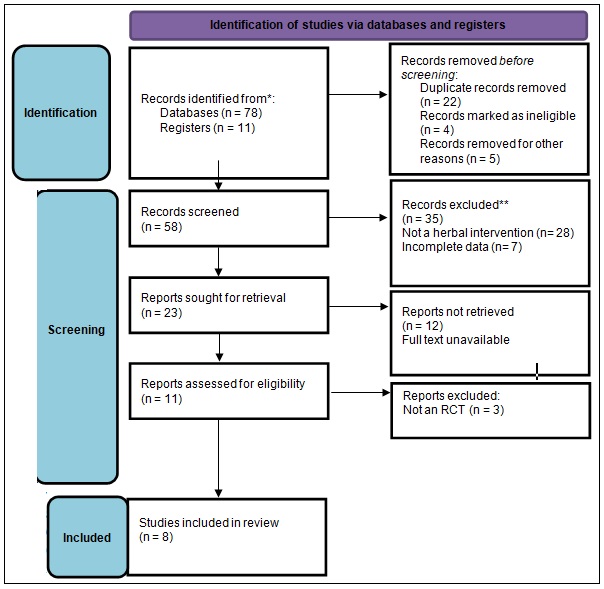
FIG. 1: SELECTION OF STUDIES FLOW DIAGRAM (IN ACCORDANCE TO PRISMA 2020 STATEMENT)
TABLE 1: CHARACTERISTICS OF THE SELECTED STUDIES
| S. no. | Author and Year of Publication | Intervention | Number of patient | Type of Study | Inclusion criteria | Exclusion criteria | Dose and duration | Result/Conclusion |
| I. | S. Siceli Sopo et al, 2015 [22] | TG: Milk & honey
CG: DM or LDP
|
134
Milk & honey: 71 Drug group: 63 |
Open-label RCT | Age: 1 to 14 years with symptoms attributed to URTIs, lasted 7 days or less | H/O asthma, pneumonia, streptococcal tonsillitis, sinusitis, bronchitis, allergic rhinitis; used OTC until the week before recruitment; informed consent refused by parent | 90ml warm milk mixed with 10 ml of honey;
DM: 2-5 year: 7.5mg/dose 5-11 year: 15mg/dose 12-14 year: 30mg/dose LDP: 1 drop/kg (max. 20 drops) for 3 consecutive evening. |
Therapeutic success rates were 80% in the honey and milk group and 87% in the over-the-counter medication group (p=0.25). The milk and honey mixture appears to be as effective as dextromethorphan or levodropropizine in treating nonspecific acute cough in children. |
| II. | Jaybhaye DL et al, 2022 [23] | Grp I: syrup/tab amoxicillin+clavulanic acid (tab clavam), tab montelukast, tab LCZ and syrup ascoril
Grp II: Tab montelukast, tab LCZ, syrup ascoril & honey along with ginger juice Grp III: syrup/tab amoxicillin+clavulanic acid, tab montelukast, tab LCZ and syrup ascoril and & honey along with ginger juice |
92
|
Open-label RCT | Age: 1 to 17 year; C/O productive cough with URTIs of seven days duration with or without nasal congestion & fever, sore throat, myalgia and headache | Dry cough; sign & symptom of asthma, pneumonia, LTB, sinusitis, allergic rhinitis; already receiving any cough or cold medication | 2.5-5ml honey with 1 ml ginger juice four times a day; tab clavam: 15mg/kg BD; syrup ascoril: 5ml; Tab montelukast, tab LCZ: 4/1.25mg OD up to 5 years and 5-10/2.5-5mg OD >5 years continued until all symptoms resolved (Max. 10 days) | The study indicates that the recovery time for group I is approximately 8-9 days, whereas for group II, it was 5-6 days, with a significant difference of p < 0.005. Furthermore, group III has the shortest recovery period, which is only 4-5 days, compared to group I, and the difference is highly significant (p < 0.001). |
| III. | Carnevali et al, 2021 [24] | TG :Multi-herb cough syrup Kaloba TUSS
CG: placebo syrup containing 20% fructose & unspecified excipients |
106
54: Kaloba TUSS syrup 52: Placebo syrup |
randomized, double blind, placebo-controlled clinical trial | Age: 3-6 years with acute cough lasted for 3 consecutive days or more | Cough >3 weeks; H/O COPD, heart disease, cystic fibrosis, diabetes, neurological diseases and immune deficiencies | 4 doses daily in 5ml/dose for 8 days | Children who received Kaloba TUSS demonstrated a significant reduction in their night-time (p=0.00758) and day-time (p=0.03940) cough scores compared to children who were given the placebo. Additionally, they experienced a shorter duration of cough. |
| IV. | Hosseini F et al, 2016 [25] | TG: ZM syrup
CG: Diphenhydramine |
52
Grp I (26): ZM syrup Grp II (26): Diphenhydramine |
double-blind, randomized, clinical trial | Age: 2-12 years with common colds | Acute Sinusitis, previous H/O antibiotic treatment, asthma; other coexisting conditions e.g. mental retardation; failure of close observation by parents | ZM syrup 2mg/kg TDS
Diphenhydramine compound 1.25mg/kg TDS for 5 consecutive days |
It was found that patients who were given ZM syrup had a significantly better outcome in reducing the severity of cold-related cough compared to those who were not given the syrup (p=0.036). The occurrence of sedation and sleepiness was reported in 30.8% and 19.2% of the patients in the diphenhydramine and ZM groups, respectively, but the difference was not statistically significant (p=0.54). Furthermore, 65.4% and 84.6% of patients in the diphenhydramine and ZM groups, respectively, reported convenient usage, but the difference was not statistically significant (p=0.10). |
| V. | Wolfgang Kamin et al, 2023 [26] | Grp I:EPs 7630 syrup
Grp II: EPs 7630 solution |
591
Syrup (403) Oral solution (188) |
Open-label, RCT | Age:1-5 years, with at least 2 of the AB symptoms within last 72 hours | Antibiotic or anticoagulants used within 6 weeks prior to inclusion; asthma; allergic rhinitis; recurrent bronchitis, otitis media foreign body aspiration; bleeding tendency, GERD or other gastrointestinal disorder | Syrup 2.5ml TDS
Solution 10 drops TDS for 7 days |
Both the EPs 7630 syrup and oral solution were equally safe and well tolerated with similar improvement in health status and complaints (>90%). |
| VI. | Qasemzadeh et al, 2015 [27] | TG: Viola syrup+ Salbutamol spray
CG: Placebo syrup+ Salbutamol spray |
289 | Double-blind, randomized controlled trial | 2-12 years old children with intermittent asthma | Children who need treatment other than short-acting β-agonists, have family H/O smoking, or suffering from other chronic diseases | Both Viola flower syrup and placebo syrup were given TDS in a dose of 2.5 cc or 5 cc for 2-5 years and 5 years & older children respectively, for 5 days | The viola syrup group showed significant improvement in cough reduction and suppression compared to the placebo group. The duration required to yield over 50% cough reduction and 100% cough suppression was significantly shorter in the violet syrup group (P=0.001 and P<0.001 respectively). Additionally, after intervention, the number of children with wheeze in the viola syrup group was significantly lower than in the placebo group (P<0.001). |
| VII. | Ian M. Paul et al, 2010 [28] | Grp I:Vapor Rub ointment (menthol, camphor, eucalyptus oil)
Grp II: Petroleum Grp III: No treatment |
138
Grp I (44): Vapor Rub Grp II (47): Petroleum Grp III (47): No treatment |
Partially double blinded randomization | Age: 2 to 11 years with symptoms attributed to URTIs characterized by cough, congestion and rhinorrhea that lasted 7 days or longer | H/O Asthma, pneumonia, LTB, sinusitis, allergic rhinitis; chronic lung disease, seizure disorder; used OTC night before enrollment | Grp I & II: 5 ml (2-5 years) and 10 ml (6-11 years)
Duration: NS |
VR was found to be significantly more effective than petroleum (P=0.03) and no treatment (P<0.001), while petroleum showed only marginal improvement over no treatment (P=0.08). |
| VIII. | James A. Taylor et al, 2003 [29] | TG: Echinacea purpura Juice combined with syrup
CG: placebo |
707
Grp I (337): Echinacea Grp II (370): placebo |
Double-blinded randomized controlled trial | Age: 2 to 11 years with symptoms of URTIs | H/O Asthma, allergic rhinitis, cystic fibrosis, bronchopulmonary dysplasia; H/O allergy to any related species; patient on chronic medication of any kind | 2-5 years: 7.5ml/day or 3.75 ml BD
6-11 years: 10 ml OD or 5ml BD. Start with beginning of URI & continued until all symptoms resolved (Max. 10 days) |
Echinacea purpurea was not found effective in shortening the duration (P=0.89) or decreasing severity (P=0.69) of Upper Respiratory Infections. Additionally, an elevated risk of rash was linked to its use. |
URTIs: Upper Respiratory Tract Infections; LTB: Laryngotracheobronchitis; NS: Non specified; DM: Dexomethorphan; LDP: Levodropropizine; LCZ: Levocetirizine; BD: twice a day; OD: once a day; ZM: Zataria multiflora; RCTs: randomised controlled trials; AB: Acute Bronchitis; GERD: Gastro-esophageal reflux disease; ARTIs: Acute Respiratory Tract Infections; AEs: Adverse effects; TG: treatment group; CG: control group; EP: Pelargonium extract.
Description of Included Studies:
Study I (Honey & Milk): A total of 134 children suffering from non-specific acute cough were randomly assigned to two groups. One group was given a mixture of 90ml milk and 10ml wildflower honey for three consecutive evenings while the other group was given DM or LDP medication according to their age. The effectiveness of the treatment was evaluated by a cough questionnaire answered by parents, which included questions about the frequency, severity, and bothersome nature of the child's last night's cough, and how much it affected the child's and parent's ability to sleep. Children with a baseline score >= 12 were enrolled. The questionnaire had been evaluated on a 7-point Likert scale, with a score ranging from 0 to 6. Three children nevertheless, were left out of the study as their parents didn't finish the survey. A reduction in cough questionnaire scores of more than 50% from baseline values during treatment was the key end-point efficacy, or therapeutic success. According to the study, 87% of kids taking over-the-counter medications saw therapeutic success, compared to 80% of children in the honey and milk group. But there was no statistically significant difference (p=0.25) between the two groups.
Study II (Honey & Ginger): Ninety patients with productive cough were selected and divided into three groups with 30 patients in each group. Group I was given antibiotics, antihistaminic, and syrup ascoril (ambroxol 30 mg/5 ml and levosalbutamol 1 mg/5 ml and guaifenesin 50 mg/5 ml). Group II was given antibiotics, antihistaminic, honey, and ginger mixture. Group III was given antibiotics, antihistaminic, honey and ginger mixture, and syrup ascoril. After a 10-day follow-up on mobile, the patients' condition was observed for any deterioration or adverse effects. A questionnaire was used to monitor improvement and adverse effects. It included questions such as the severity of the cough, any unwanted effect, any hangover, any sedation vomiting, and drowsiness. The results were promising, with the honey and ginger group showing improvement in symptoms in just six days, which was significantly better than the cough syrup group. The p-value was highly significant (0.001) with minimal acceptable adverse effects
Study III (KalobaTUSS): A clinical trial was conducted on 106 children with an acute cough to evaluate the effectiveness and safety of KalobaTUSS®, a cough syrup made from acacia honey and extracts of Malva sylvestris, Inula helenium, Plantago major, and Helichrysum stoechas. The study was double-blind and placebo-controlled, with some children given KalobaTUSS® and others given a placebo for eight days. The primary outcome was to measure the change in the night-time and day-time cough scores before and after treatment, using a validated 6-point Likert scale. The secondary outcome was to evaluate the safety of the syrup. Adverse reactions to treatment were recorded. The results show that the children who received KalobaTUSS® had a significant reduction in cough symptoms during both day and night (p=0.03940 and p=0.00758 respectively). Their cough was shorter in duration both day and night compared to the children who were given the placebo (p=0.0016 and 0.0023 respectively).
Study IV (Zataria multiflora): 52 children with common colds, ranging in age from 2 to 12, participated in this study. Two groups of these patients were randomly assigned to them. For a duration of five days, one group was administered diphenhydramine substance, and the other group was given Zataria multiflora syrup. Following a seven-day period, the parents of these patients completed a survey to ascertain the intensity of their child's symptoms and the efficacy of every medication. Along with sedation and tiredness (which ranged from mild to severe), the questionnaire assessed the ease of intake on a two-point scale (good or terrible), cough status on a five-point scale (totally improved, considerably improved, somewhat improved, and not improved and worsened). The results showed that 30.8% of patients who took diphenhydramine and 19.2% of patients who took ZM experienced sedation and sleepiness. However, this difference was not statistically significant (P = 0.54). In terms of convenience, 65.4% of patients who took diphenhydramine and 84.6% of patients who took ZM reported it to be convenient, with a slightly higher convenience rating for the ZM group (P = 0.10). Furthermore, Zataria multiflora syrup recipients experienced noticeably better results. (P = 0.036).
Study V (Pelargonium extract EPs 7630): Children with acute bronchitis aged 1 to 5 years were given EPs 7630 syrup or solution for seven days as part of an open-label randomized controlled trial. Vital organs, laboratory results, and the frequency, kind, and nature of adverse events were used to evaluate safety. The patient's condition was evaluated using the following outcome measures: general health status as determined by the Integrative Medicine Outcomes Scale (IMOS), treatment satisfaction as determined by the Integrative Medicine Patient Satisfaction Scale (IMPSS), additional respiratory infection symptoms, and the intensity of coughing, pulmonary rales, and dyspnea as measured by the short form of the Bronchitis Severity Scale (BSS-ped). After 591 children were randomly assigned to receive either syrup (n = 403) or solution (n = 188) for seven days, there were very few adverse events in both treatment groups, indicating minimal safety issues.
Infections (syrup: 7.2%; solution: 7.4%) and gastrointestinal illnesses (syrup: 2.7%; solution: 3.2%) were the most commonly observed occurrences. Over 90% of the youngsters showed improvement or complete remission of their BSS-ped symptoms after just one week of treatment. Both groups experienced a similar resolution of subsequent respiratory problems. By day 7, the investigator and the proxy evaluated that more than 80% of the entire research sample had either fully recovered or demonstrated a significant improvement. In the group of patients who received both syrup and solution, 86.1% of parents expressed satisfaction or high satisfaction with the treatment.
Study VI (Viola odorata): In a concurrent, double-blind, randomized controlled trial, 182 children with intermittent asthma between the ages of 2 and 12 were randomized 1:1 to receive either viola syrup or a placebo in addition to the conventional therapies for both groups, which included short-acting β-agonists. The amount of time it took for cough suppression to occur in each group was assessed. There was no discernible change in the fundamental traits.
The viola syrup group exhibited a substantially shorter period to achieve >50% cough reduction and 100% cough suppression as compared to the placebo group (p=0.001, p<0.001, respectively). Following intervention, the viola syrup group had significantly fewer children experiencing wheezing than the placebo group (P<0.001). The therapeutic outcomes did not differ significantly between boys and girls. The age of the children and the rate at which the syrup suppressed and relieved coughing had a strong negative connection.
Study VII (Vaporub ointment): Parents were given surveys on two separate days in this study: the day of presentation when no medication had been given the night before, and the following day when, in accordance with a partially double-blind randomization scheme, either petroleum ointment, VR ointment (which contains camphor [4.8%], menthol [2.6%], and eucalyptus oil [1.2%], or no treatment had been applied to their child's chest and neck before bedtime.
A 7-point Likert scale was used to collect subjective parameter evaluation data for a few validated questions about the child's and parent's capacity to sleep, as well as the intensity of URI nocturnal symptoms. 138 children between the ages of 2 and 11 finished the experiment.
On the second night, symptoms improved in each study group. Significant variations in improvement were seen across treatment groups for outcomes pertaining to cough, congestion, and difficulty sleeping; VR consistently received the highest score, while no therapy received the lowest.
The results of pairwise comparisons showed that VR was superior to no therapy (p<0.001) for all outcomes with the exception of rhinorrhoea and petroleum for the severity of cough, difficulty in sleeping for parents and children, and total symptom score (p=0.03). For every given outcome, petroleum was not substantially better than no therapy (P=0.08). Participants receiving VR therapy were more likely to experience irritable side effects.
Study VIII (Echinacea): During the course of four months, study participants were randomized to receive echinacea or a placebo for up to three upper respiratory tract infections. The study drug was started as soon as symptoms appeared and was continued for a maximum of 10 days throughout the upper respiratory tract infections.
This research comprises the children's parents' records of the duration, severity, and adverse events associated with their symptoms served as the primary outcomes. The study's secondary outcomes were the number of days experienced fever, the peak severity of symptoms, and the parents' overall judgment of the severity of the symptoms. A total of 707 upper respiratory tract infections involving 407 children were examined; 337 of these upper respiratory tract infections were treated with echinacea, while 370 were treated with a placebo. 79 children finished their research session free of upper respiratory tract infections. There was no difference in the length of upper respiratory tract infections treated with echinacea or placebo (P=0.89); the median duration of upper respiratory tract infections was 9 days (95% confidence interval, 8–10 days).
Additionally, there was no difference between the two treatment groups in the overall estimate of the severity of upper respiratory tract infections symptoms (median, 33 in both groups; P=0.69). Furthermore, P=0.68, the number of days of peak symptoms (1.60 in the echinacea group and 1.64 in the placebo group; P=.97), the number of fever days (0.81 in the echinacea group vs. 0.64 in the placebo group; P=.09), and the parental global assessment of the severity of the upper respiratory tract infections (P=.67) did not show any statistically significant differences between the two groups. The rate of adverse effects recorded in the 2 treatment groups was similar overall; however, rash happened in 2.7% of upper respiratory tract infections treated with placebo and 7.1% of those treated with echinacea (P=.008).
RESULT: Six studies showed a statistically significant result 22-28. Echinacea was neither statistically significant nor effective in treating cough 29. The honey and milk intervention demonstrated comparable therapeutic success to dextromethorphan or levodropropizine; however, the difference between groups was not statistically significant (p=0.25). Therefore, superiority of the intervention could not be established. Table 2 presents the assessment of various outcome measures included in our study. Several complementary and herbal interventions demonstrated beneficial effects on cough-related outcomes. KalobaTUSS, Viola odorata syrup, Pelargonium extract, Zataria multiflora syrup, and honey-based preparations showed significant improvements in one or more cough-related outcomes within their respective trials. However, due to heterogeneity in interventions, comparators, populations, and outcome measures, direct comparisons among interventions were not appropriate.
TABLE 2: OUTCOME MEASURE ASSESSMENT
| Outcome Studies showing efficacy of treatment in terms of percentage and p-value | ||||||||
| Study I | Study II | Study III | Study IV | Study V | Study VI | Study VII | Study VIII | |
| Cough severity | 80%
(p=0.25) |
NA | 95% (p=0.03940 & 0.00758) | 84.6%
(p = 0.036) |
>90%
(SS) |
NA | 60%
(p=0.03) |
NS
(p=0.68) |
| Cough frequency | 80%
(p=0.25) |
NA | NA | NA | 7.1% (p=0. 008) | 100%
p<0.001 |
70% (p=0.03) | NA |
| Duration of cough | 80%
(p=0.25) |
82%
(p=0.001 |
95% (p=0.0016 & 0.0023) | NA | NA
|
>50%
p=0.001 |
NA | NA |
| Adverse events | NA | NS | NS | 19.2%
(p= 0.54) |
7.2-7.4%
2.7-3.2% (NS) |
NS | 28%
(p-Unspecified) |
7.1% (p=0. 008) |
NA= Not Applicable, NS= Not Significant, SS= Statistically Significant
Safety Outcomes: Adverse events were reported in several included studies and were generally mild in nature Table 3. Sedation and sleepiness were reported with Zataria multiflora syrup and diphenhydramine-containing interventions. Gastrointestinal complaints and infections were reported in children receiving Pelargonium extract (EPs 7630). Vapor rub was associated with local irritation, burning sensation, and eye/nasal irritation. Echinacea was associated with a significantly higher incidence of rash compared with placebo. No serious adverse events were reported in the included studies.
TABLE 3: SUMMARY OF ADVERSE EVENTS REPORTED IN INCLUDED STUDIES
| Intervention | Adverse events | Frequency/Remarks |
| Honey & Milk | None reported | Not reported |
| Honey & Ginger | Minimal adverse effects | Not reported |
| KalobaTUSS | No significant adverse events | Not reported |
| Zataria multiflora | Sedation, sleepiness | 19.2% |
| Pelargonium extract (EPs 7630) | Gastrointestinal complaints, infections | 2.7–3.2%; 7.2–7.4% |
| Viola odorata | No significant adverse events | Not reported |
| Vapor Rub | Local irritation, eye/nasal irritation, burning sensation | Not specified |
| Echinacea | Rash | 7.1% (p=0.008) |
Risk of Bias Assessment: The risk of bias of the included studies was assessed using the Cochrane RoB 2 tool Fig. 2. Five studies were judged to have low risk of bias across all domains. Some concerns were identified in three studies, mainly due to insufficient reporting of randomization procedures, outcome measurement, or selective reporting. No study was judged to have a high risk of bias.
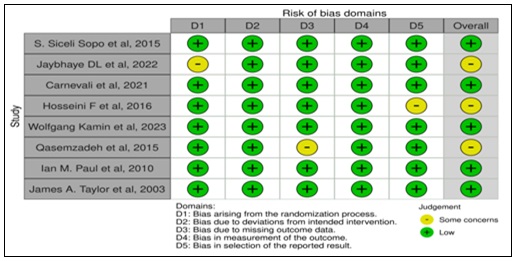
FIG. 2: RISK OF BIAS ASSESSMENT USING THE COCHRANE ROB 2 TOOL
Certainty of Evidence Assessment (Table 4): The certainty of evidence was assessed using the GRADE approach. The overall certainty of evidence for cough severity, cough frequency, and duration of cough was judged as low due to concerns regarding risk of bias, heterogeneity of interventions and outcome measures, and imprecision resulting from small sample sizes. Evidence regarding adverse events was considered of moderate certainty because safety outcomes were reported consistently across multiple studies.
TABLE 4: GRADE ASSESSMENT OF CERTAINTY OF EVIDENCE FOR COMPLEMENTARY AND HERBAL MEDICINES IN PEDIATRIC COUGH
|
Outcome |
No. of Studies | Risk of Bias | Inconsistency
|
Indirectness |
Imprecision |
Publication Bias | Overall Certainty of Evidence (GRADE) |
| Cough severity | 6 | Serious | Serious | Not serious | Serious | Undetected | Low |
| Cough frequency | 3 | Serious | Serious | Not serious | Serious | Undetected | Low |
| Duration of cough | 4 | Serious | Serious | Not serious | Serious | Undetected | Low |
| Adverse events/Safety | 5 | Serious | Not serious | Not serious | Serious | Undetected | Moderate |
DISCUSSION: The literature search turned up 89 studies, out of which 8 RCTs 22-29 comprising 2109 patients, were ultimately found Fig. 1. Table 1 shows the characteristics of the included studies. The included studies were published between 2003 and 2023, with two from the US 28, 29, two from Italy 22, 24, two from Iran 25, 27, one from Germany 26 and India 23. Five studies 22, 23, 25, 28, 29 were on Upper Respiratory Tract Infections; while two trials were on Lower Respiratory Tract Infections 26, 27; and one did not specify upper or lower 24. Almost 90% of studies were on acute cough 22-26, 28, 29; and one study did not specify acute or chronic cough 27. Those with co-morbidities were either not included in nearly all of the research or were not disclosed in them, while those with additional primary disorders were not included 24, 28 e.g. neurological diseases and immune deficiencies, mental retardation, GERD, seizures and bleeding tendency. Six trials excluded patients who had asthma, pneumonia and allergic rhinitis sinusitis 22, 23, 25, 26, 28, 29.
All included trials were described as randomized 22-29, but the method of randomization in three trials was unspecified 22, 23, 25. Among those that did, four studies used block randomization with 1:1 allocation 24, 26, 27, 29 and one used stratified randomization 28. The primary outcome measure that was most frequently reported was changes in symptoms (cough severity in 90% of studies) scored on a Likert-type scale 22, 24, 25, 28. One outcome measure was the global assessment of overall symptoms improvement 29 and one was intensity of cough measured on Bronchitis Severity Scale 28. 50% of studies reported the incidence of adverse events during the trial period as a secondary outcome 23-25, 28, 29. Other outcome measures were post-treatment frequency 22, duration of cough 23, 24, 27, consumption convenience 25 and treatment satisfaction measured on the Integrative Medicine Patient Satisfaction Scale 26.
The adverse event reported was sedation in two trials 23, 25. Another trial reported gastrointestinal disorders as an adverse effect 26. VR was associated with local irritation, burning sensation and irritation to the eyes and nose. However, these adverse events were minimum acceptable 28. Echinacea purpura was presented with significant adverse effect in the form of rash. With a p-value of 0.008, rash was seen in just 7.1% of upper respiratory infections in children treated with echinacea, a substantially higher frequency compared to placebo 29.
Most studies demonstrated a low risk of bias across assessed domains, although some concerns were identified in a few studies due to limitations in reporting of randomization, outcome assessment, or selective reporting 23, 25, 27. According to the GRADE assessment, the overall certainty of evidence ranged from low to moderate due to methodological limitations, heterogeneity among interventions, and imprecision of effect estimates.
The treatment group was compared with the placebo group in four trials 24, 27-29, with the standard control in three studies 22, 23, 25. One study has no treatment intervention in the control group 28. Six studies showed a statistically significant result 23-28. Echinacea was neither statistically significant nor effective in treating cough 29. Although therapeutic success was observed in both groups, the difference between honey and milk and standard antitussive therapy was not statistically significant, suggesting comparable rather than superior effectiveness 22.
The exploration of herbal medicine in pediatric cough through a systematic review delves into a nuanced examination of various herbal interventions and their efficacy in alleviating cough symptoms in children. This comprehensive approach involves meticulously gathering and analysing existing research to derive meaningful insights. This systematic review likely encompasses a wide array of herbal remedies, ranging from traditional options like honey and ginger to more contemporary choices such as Zataria multiflora. Each herbal intervention’s impact on cough severity, frequency and duration in the pediatric population is scrutinized, providing a comprehensive overview of their potential therapeutic benefits. In addition to exploring the positive aspects, a thorough review would also consider potential adverse effects associated with the use of herbal remedies in the pediatric population. This ensures a well-rounded understanding of the safety profiles of these interventions, which is of paramount importance when considering treatments for children.
However, the discussion doesn’t end there. Rigour in research methodology, potential bias and the quality of included studies are critical aspects that need meticulous consideration. Variations in study designs and methodologies across the reviewed literature can introduce complexities. While the systematic review may provide valuable insights into the potential benefits of herbal medicine in pediatric cough, it is essential to acknowledge the need for further well-designed clinical trials. These trials are crucial for confirming the observed effects, establishing causation and developing evidence-based guidelines for the incorporation of herbal medicines into pediatric cough management.
Limitation of the Study: The included clinical studies have scattered primary and secondary outcome measures. All of the pediatric patients included in the study should have been of the same age group in all clinical studies. Also the review protocol was not prospectively registered in PROSPERO or any other review registry.
CONCLUSION: Several complementary and herbal interventions demonstrated potential benefits in reducing cough-related symptoms among children. However, substantial heterogeneity among studies in terms of interventions, comparators, populations, and outcome measures limits direct comparison of effectiveness across interventions. This systematic review contributes valuable insights into the current landscape of herbal medicine for pediatric cough.
Future research endeavours should focus on addressing methodological limitations enhancing study quality and conducting well-designed clinical trials to further validate the observed effects. The safety aspect of herbal remedies in the pediatric population emerges as a critical consideration, and the review prompts further investigation into potential adverse effects and interactions. Clinicians should approach the integration of herbal remedies into pediatric cough management with a balanced perspective, considering both the potential benefits and the need for additional rigorous evidence.
ACKNOWLEDGEMENTS: Nil
Funding: The author received no financial support for the research, authorship, and/or publication of this manuscript.
Authors’ Contributions: All authors confirm responsibility for study conception and design, data collection, analysis and interpretation of results and manuscript preparation.
Ethical Approval: Not applicable
Informed Consent: Not applicable
Data Availability: data supporting the findings of this study are available in the manuscript.
CONFLICTS OF INTEREST: Author declares that there is no conflict of interest.
REFERENCES:
- Cornford CS, Morgan M and Ridsdale L: Why do mothers consult when their children cough? Fam Prac 1993; 10: 193-196.
- Thomson F, Masters IB and Chang AB: Persistent cough in children- overuse of medications. J Paediatr Child Health 2002; 38: 578-581.
- Anne B Chang and Lou I Landau: Cough in children: definitions and clinical evaluation. Med J Aust 2006; 184(8): 398-403
- Bergmann M, Haasenritter J and Beidatsch D: Coughing children in family practice and primary care; a systematic review of prevalance, aetiology and prognosis. BMC Pediatr 2021; 21: 260.
- Dary T, Dick PT and Munk P: Self-reported prescribing of antibiotics for children with undifferentiated acute respiratory tract infections with cough. Pediatr Infect Dis J 1998; 17(6): 457-62.
- Chopra H, Attia MS, Badshah SF, Dhama K and Emran TB: Cough syrups: silent killer of Gambian children. Int J Surg 2023; 109(2): 150-152.
- Bartlett JA, Fischer AJ and McCray PB: Innate immune functions of the airway epithelium. Contrib Microbiol 2008; 15: 147-63.
- Chang AB: The physiology of cough. Paediatr Respir Rev 2006; 7: 2-8.
- Hegland KW, Troche MS and Daventport PW: Cough expired volume and airflow rates during sequential induced cough. Front Physiol 2013; 4: 167.
- McCool FD: Global physiology and pathophysiology of cough: ACCP evidence-based clinical practice guidelines. Chest 2006; 129(1): 48S-53.
- O’Connell F, Thomas VE, Studham JM, Pride NB and Fuller RW: Capsaicin cough sensitivity increases during upper respiratory infection. Respir Med 1996; 90: 279-86.
- Chang AB and Widdicombe JG: Cough throughout life: children, adults and the senile. PPT 2007; 20: 371-82.
- Wang Y, Fan X, Qu H, Gao X and Cheng Y: Strategies and techniques for multi-component drug design from medicinal herbs and traditional Chinese medicine. Curr Top Med Chem 2012; 12(12): 1356-1362.
- Sewell RD and Rafieian-Kopaei M: The history and ups and downs of herbal medicines usage. Journal of Heb Med Pharmacology 2014; 3.
- Saarafchi and Rafieian-Kopaei M: The role of community in discovery of new drugs from herbal medicines. Journal of Heb Med Pharmacology 2014; 3.
- Ghorbani A, Rafieian-Kopaie M and Nasri H: Lipoprotein (a): more than a bystander in the etiology of hypertension? A study on essential hypertensive patients not yet on treatment. Journal of Nephropathology 2013; 2(1): 67.
- Roohafza H, Sarrafzadegan N, Sadeghi M, Rafieian-Kopaei M Sajjadi F and Khosravi-Boroujeni H: The association between stress levels and food consumption among Iranian population. Archives of Iranian Medicine 2013; 16(3):145–148.
- Chang AB, Oppenheimer JJ, Weinberger MM, Rubin BK, Weir K and Grant CC: Managing chronic cough as a symptom in children and management algorithms: CHEST Guideline and Expert Panel Report. Chest 2020; 158(1): 303-329.
- World Health Organization. WHO global report on traditional and complementary medicine 2019. Geneva: World Health Organization; 2019.
- Chang AB, Oppenheimer JJ, Weinberger MM, Weir K, Rubin BK and Irwin RS: Use of management pathways or algorithms in children with chronic cough: CHEST Guideline and Expert Panel Report. Chest 2020; 158(1): 303-329.
- McGuinness LA and Higgins JPT: Risk-of-bias VI Sualization (robvis): An R package and Shiny web app for visualizing risk-of-bias assessments. Res Syn Meth 2020; 1-7.
- Sopo SM, Greco M and Monaco S: Effect of multiple honey doses on non-specific acute cough in children. An open randomised study and literature review. Allergol Immunopathol (Madr) 2015; 43(5): 449-455.
- Jaybhaye DL, Chandra S and Johar S: Effect of honey and ginger mixture on productive cough in paediatrics patient. Int J Basic Clin Pharmacol 2022; 11(3): 237-241.
- Carnevali I, La Paglia R, Pauletto L Raso F and Testa M: Efficacy and safety of the syrup “KalobaTUSS” as a treatment for cough in children: a randomized, double blind, placebo-controlled clinical trial. BMC Pediatrics 2021; 21: 29.
- Hosseini F, Mahjoub H, Amanati A, Fazlian MM and Sedighi I: Comparison of Zataria multiflora extract syrup and diphenhydramine in the treatment of common cold-induced cough in children: A double-blind, randomized, clinical trial. Arch Pediatr Infect Dis 2016; 4(3): 35495.
- Kamin W, Behre U and Helm K: Safety of Pelargonium extract EPs 7630 in young children with acute bronchitis. Frontiers in Pediatrics 2023; 11: 1107984.
- Qasemzadeh, Sharifi H, Hamedanian M and Gharhbeglou: The effect of Viola odorata flower syrup on the cough of children with asthma: A double-blind, randomized controlled trial. Journal of Evidence-Based Complementary & Alternative Medicine 2015; 20(4): 287-291.
- Paul IM, Beiler JS, King TS, Clapp ER, Vallati J, Berlin CM and Vapor Rub: Petroleum and No Treatment for Children with Nocturnal Cough and Cold Symptoms. Pediatrics 2010; 126(6): 1092-9.
- Taylor JA, Weber W, Standish L and Quinn H: Efficacy and safety of Echinacea in treating upper respiratory tract infections in children. JAMA 2003; 290(21): 2824-2830.
How to cite this article:
Khan DI, Jameel S and Sabeeh: Exploring the effectiveness and safety of complementary and herbal medicines in pediatric cough management: a systematic review. Int J Pharm Sci & Res 2026; 17(8): 2286-97. doi: 10.13040/IJPSR.0975-8232.17(8).2286-97.
All © 2026 are reserved by International Journal of Pharmaceutical Sciences and Research. This Journal licensed under a Creative Commons Attribution-NonCommercial-ShareAlike 3.0 Unported License.
Article Information
4
2286-2297
658 KB
651
English
IJPSR
Diwan Israr Khan, Sana Jameel * and Sabeeh
Department of Ilmul Atfal (Pediatrics), Ajmal Khan Tibbiya College and Hospital, Aligarh Muslim University, Aligarh, Uttar Pradesh, India.
sanajameelaktc95@gmail.com
09 February 2026
21 June 2026
22 June 2026
10.13040/IJPSR.0975-8232.17(8).2286-97
01 August 2026
 Download