




FORMULATION AND EVALUATION OF MEDICATED LOLLIPOP USING CALCIUM CARBONATE
HTML Full TextFORMULATION AND EVALUATION OF MEDICATED LOLLIPOP USING CALCIUM CARBONATE
Jagruti D. Gosavi * and Saher N. Kazi
Department of Pharmaceutics, K. V. N. Naik S. P. Sanstha's Institute of Pharmaceutical Education and Research, Canada Corner, Nashik, Maharashtra, India.
ABSTRACT: Calcium carbonate is a pharmacopoeially recognised pharmaceutical agent used in the management of calcium deficiency, hyperphosphataemia, and acid-peptic disorders. Conventional oral solid dosage forms such as tablets are associated with patient compliance challenges, particularly in paediatric and geriatric populations due to swallowing difficulties and poor palatability. Medicated lollipops represent a confectionery-based drug delivery approach that combines therapeutic dosing with improved palatability and patient acceptability. The present study aimed to formulate and evaluate medicated lollipops containing calcium carbonate (500 mg per unit) using a 3² full factorial design, with sucrose (X1) and dextrose (X2) as the two independent variables, each evaluated at three coded levels (-1, 0, +1). A total of nine batches (F1 to F9) were prepared by the heat-fusion moulding method. Each formulation was evaluated for physical appearance, weight variation (mean ± SD, n = 3), hardness (mean ± SD, n = 3), friability (mean ± SD, n = 3), drug content (complexometric titration, mean ± SD, n = 3), in vitro dissolution in 0.1 N HCl (pH 1.2) and phosphate buffer (pH 6.8) (mean ± SD, n = 3), pH (mean ± SD, n = 3), and taste evaluation (mean palatability score ± SD, n = 12 volunteers). The analytical method was validated for linearity, accuracy, precision, specificity, LOD, LOQ, and robustness. Among all formulations, batch F5 (sucrose 12 g, dextrose 3 g; coded level 0/0) demonstrated optimal performance: drug content 99.8 ± 0.36%, friability 0.51 ± 0.03%, hardness 6.2 ± 0.08 kg/cm², complete drug release 99.1 ± 1.2% at 30 minutes in 0.1 N HCl, and the highest palatability score of 4.7 ± 0.3 (5-point scale). ANOVA confirmed statistically significant main effects of both X1 (p < 0.05) and X2 (p < 0.05) on drug release and hardness, with no significant interaction effect. The formulation was stable under accelerated conditions (40°C/75% RH) for three months. These results confirm that medicated lollipops represent a viable and palatable oral delivery system for calcium carbonate, and that the 3² factorial design is an effective tool for candy base optimisation.
Keywords: Medicated lollipop, Calcium carbonate, 3² factorial design, Complexometric titration, Confectionery drug delivery, Sucrose, Dextrose, In-vitro dissolution, Taste masking, Analytical method validation
INTRODUCTION: Oral drug delivery continues to be the most widely accepted route of administration owing to its convenience, ease of self-medication, and established pharmacokinetic predictability 1.
Despite these advantages, conventional oral dosage forms including tablets, hard gelatin capsules, and oral suspensions often suffer from patient non-compliance, particularly among children and elderly individuals who frequently experience swallowing difficulties, bitterness perception, or palatability concerns 2. This has stimulated growing interest among formulation scientists to explore alternative oral dosage forms that are both therapeutically effective and acceptable to a broader range of patients. Medicated lollipops, also referred to as medicated hard candy dosage forms, are solid confectionery matrices containing an active pharmaceutical ingredient dispersed uniformly within a candy base primarily composed of sugars 3. Drug delivery from a lollipop may occur through buccal or sublingual absorption as the candy dissolves slowly in the oral cavity, or through gastrointestinal absorption following swallowing of the dissolved drug. This mechanism provides an extended drug-mucosa contact time, which is advantageous for drugs with local oral action or those requiring early systemic absorption 4. The combination of sweetness, pleasant flavour, and a familiar confectionery format further promotes patient acceptability, making lollipops a useful strategy in paediatric and geriatric pharmaceutical care 2.
Calcium carbonate (CaCO3) is a naturally occurring, pharmacopoeially recognised compound that functions as an antacid, a calcium supplement, and a phosphate binder 5. As an antacid, it neutralises gastric hydrochloric acid: CaCO3 + 2HCl → CaCl2 + H2O + CO2, providing rapid relief from heartburn and acid indigestion. As a calcium supplement, it delivers elemental calcium equivalent to approximately 40% by weight, making it the most concentrated oral calcium source available 6. Calcium supplementation is recommended in growing children, postmenopausal women, and patients receiving corticosteroid therapy to prevent osteopenia and osteoporosis. Despite this widespread therapeutic utility, calcium carbonate has an inherently chalky taste and poor palatability in powdered or tablet form, which frequently limits acceptability, particularly in children.
Although calcium carbonate is poorly soluble in water at neutral pH, it dissolves readily under acidic conditions (0.1 N HCl, pH 1.2), which replicates the gastric environment relevant to its antacid and calcium supplementation functions. The incorporation of calcium carbonate into a lollipop matrix can effectively mask its chalky taste and ensure consistent dosing, while the confectionery format promotes slow oral dissolution and extended drug-mucosa contact. The effervescence arising from the reaction between calcium carbonate and citric acid incorporated as acidulant was deliberately minimised by limiting citric acid to 100 mg per unit and by incorporating both components into the partially cooled candy mass; visual and tactile inspection of all batches confirmed no macroscopic gas evolution or matrix disruption during preparation.
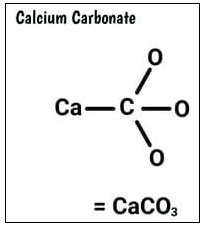
FIG. 1: STRUCTURE OF CALCIUM CARBONATE (CACO3)
The formulation of hard candy-based dosage forms involves a complex interplay of excipient concentrations, processing temperatures, and physicochemical stability considerations 7. Sucrose and dextrose are the two most commonly employed sugar components in candy base formulations. Sucrose, a disaccharide, contributes to structural rigidity, hardness, and the sweet flavour profile of the candy mass, while dextrose (glucose monohydrate) acts as a crystallisation inhibitor, modulates hygroscopicity, and influences texture and dissolution behaviour 8. Optimising the ratio of these two components is critical to achieving a lollipop that is sufficiently hard, non-sticky, and capable of releasing the incorporated drug at a therapeutically meaningful rate. The high sugar load inherent in this dosage form (12 to 18 g per lollipop) represents an important safety consideration, particularly for paediatric and diabetic patients. The present formulation is primarily intended for short-term calcium supplementation in healthy children aged 6 years and above and in non-diabetic adults. Sugar-free alternatives using polyols such as sorbitol or isomalt, or low-calorie sweeteners such as sucralose, should be explored in future investigations to broaden the patient population for this dosage form. Dental caries risk associated with prolonged oral sugar exposure is an acknowledged limitation of hard candy formulations, and labelling recommendations for good oral hygiene practices after use are appropriate 8.
Factorial experimental designs are well-established statistical tools in pharmaceutical formulation development for systematically evaluating the effects of two or more independent variables on product quality attributes 9. The 3² full factorial design, involving two factors each studied at three levels, generates nine experimental combinations that enable comprehensive evaluation of main effects, interaction effects, and the identification of an optimal formulation. This approach ensures scientific rigour, reduces trial-and-error experimentation, and provides statistically interpretable data for optimisation 10. Despite the growing literature on medicated lollipop formulations for antifungals, analgesics, and antiemetics, relatively few systematic studies have employed factorial design methodology for calcium carbonate lollipops. The present research was therefore designed to fill this gap by formulating and evaluating nine batches of calcium carbonate medicated lollipops using a 3² factorial design with sucrose and dextrose as variable factors, and by providing a comprehensive physicochemical, analytical, and sensory evaluation of each batch to identify the optimum formulation.
MATERIALS AND METHODS:
Materials: Calcium carbonate (pharmaceutical grade) was procured as the active pharmaceutical ingredient. Sucrose (refined sugar, food grade) and dextrose (glucose monohydrate, pharmaceutical grade) were used as the primary candy base components. Citric acid (anhydrous, pharmaceutical grade) was incorporated as an acidulant. Approved food-grade flavouring and colouring agents were used in all batches. Ethylenediaminetetraacetic acid disodium salt (EDTA, 0.05 M, standardised), Eriochrome Black T indicator, ammonia buffer (pH 10), and sodium hydroxide were used for analytical method development and validation. Purified water meeting pharmacopoeial standards was used as the processing solvent. Lollipop stainless-steel moulds with wooden sticks were used for casting 11. All chemicals and reagents were of analytical or pharmaceutical grade.
Experimental Design: A 3² full factorial design was employed to systematically study the effect of two independent variables on the physicochemical properties of the medicated lollipops.
The independent variables were sucrose (X1) and dextrose (X2), each evaluated at three coded levels: low (-1), medium (0), and high (+1). The actual levels for sucrose were 10 g (-1), 12 g (0), and 14 g (+1); for dextrose, 2 g (-1), 3 g (0), and 4 g (+1). This design generated nine experimental batches (F1 to F9). Dependent variables (responses) evaluated were: friability (Y1), hardness (Y2), drug content (Y3), and cumulative percentage drug release at 30 minutes (Y4). Fixed components maintained constant across all batches were calcium carbonate (500 mg), citric acid (100 mg), flavouring agent (50 mg), and colouring agent (10 mg). The complete factorial design matrix, including coded factor levels, is summarised in Table 1.
TABLE 1: FACTORIAL DESIGN MATRIX AND COMPOSITION OF CALCIUM CARBONATE MEDICATED LOLLIPOP BATCHES (F1-F9)
| Batch | CaCO3 (mg) | Sucrose (g) | Dextrose (g) | Coded Level (X1/X2) | Citric Acid (mg) | Flavour (mg) | Colour (mg) | Total Wt. (g) |
| F1 | 500 | 10 | 2 | -1 / -1 | 100 | 50 | 10 | 12.66 |
| F2 | 500 | 10 | 3 | -1 / 0 | 100 | 50 | 10 | 13.66 |
| F3 | 500 | 10 | 4 | -1 / +1 | 100 | 50 | 10 | 14.66 |
| F4 | 500 | 12 | 2 | 0 / -1 | 100 | 50 | 10 | 14.66 |
| F5 | 500 | 12 | 3 | 0 / 0 | 100 | 50 | 10 | 15.66 |
| F6 | 500 | 12 | 4 | 0 / +1 | 100 | 50 | 10 | 16.66 |
| F7 | 500 | 14 | 2 | +1 / -1 | 100 | 50 | 10 | 16.66 |
| F8 | 500 | 14 | 3 | +1 / 0 | 100 | 50 | 10 | 17.66 |
| F9 | 500 | 14 | 4 | +1 / +1 | 100 | 50 | 10 | 18.66 |
TABLE 2: CODED FACTOR LEVELS FOR THE 3² FULL FACTORIAL DESIGN
| Factor | Low (-1) | Medium (0) | High (+1) |
| Sucrose, X1 (g) | 10 | 12 | 14 |
| Dextrose, X2 (g) | 2 | 3 | 4 |
The polynomial equations describing the relationship between each response variable (Y) and the coded independent variables (X1, X2) were generated by least-squares regression. For cumulative drug release at 30 minutes (Y4), the equation obtained was: Y4 = 97.94 + 0.91X1 - 0.63X2 + 0.12X1X2 - 0.48X1² - 0.62X2² (R² = 0.9801, adjusted R² = 0.9482). For hardness (Y2): Y2 = 6.20 + 0.76X1 + 0.17X2 + 0.03X1X2 - 0.08X1² - 0.11X2² (R² = 0.9863, adjusted R² = 0.9612). ANOVA confirmed that both main effects were statistically significant (p < 0.05), while the interaction term was non-significant. Results of the factorial ANOVA are presented in Table 12 (Section 3.9). The desirability function approach was applied to simultaneously optimise all four response variables, with target values of Y1 < 1.0%, Y2 = 6.0-7.0 kg/cm², Y3 = 95.0-105.0%, and Y4 > 95.0%. The maximum composite desirability score of 0.94 was obtained for batch F5 (X1 = 0, X2 = 0; sucrose 12 g, dextrose 3 g), providing statistical justification for its selection as the optimised formulation.
Preparation of Medicated Lollipops: All nine batches were prepared by the heat-fusion moulding method 12. The moulds were thoroughly cleaned, dried, and lightly lubricated with food-grade oil. Lollipop sticks were inserted and secured in the mould cavities prior to pouring. The required quantity of sucrose was accurately weighed and transferred to a stainless-steel beaker. A minimal volume of purified water was added and the mixture was heated with continuous stirring on a calibrated hot plate until dissolution was complete. Dextrose was added incrementally and stirring was continued until a homogeneous solution was obtained. The candy syrup was heated progressively to 130°C (hard-crack stage), as monitored by a calibrated NIST-traceable thermometer; this temperature is critical to ensure low residual moisture and formation of a rigid, glassy matrix upon cooling 13.
The beaker was removed from the heat source and the candy mass was allowed to cool to approximately 90 to 95°C under continuous manual mixing to prevent crystallisation and to reduce viscosity to a level suitable for drug incorporation. At this stage, calcium carbonate (500 mg per batch unit) was incorporated slowly under continuous and thorough mixing using a flat stainless-steel spatula to ensure uniform distribution of the dense inorganic solid throughout the viscous mass. Thorough mixing was maintained for a minimum of three minutes before further additions; this step was critical to prevent sedimentation of calcium carbonate particles prior to solidification. Citric acid (100 mg), flavouring agent (50 mg), and colouring agent (10 mg) were then added and blended to homogeneity. The medicated mass was poured carefully into pre-prepared lollipop moulds, ensuring complete cavity filling without air entrapment. The filled moulds were allowed to cool undisturbed at room temperature (25°C) for 30 minutes until complete solidification was achieved.
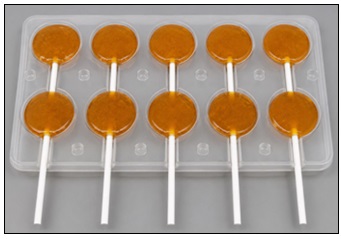
FIG. 2: MOULDING OF LOLLIPOPS
Solidified lollipops were demoulded, individually wrapped in aluminium foil, and stored in airtight containers at ambient temperature pending evaluation 14.
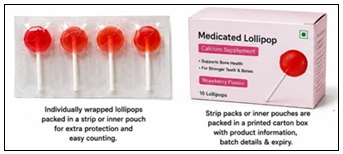
FIG. 3: FINAL PACKAGING OF LOLLIPOPS
Evaluation Parameters:
Physical Appearance: All lollipops were examined visually under uniform natural light for colour uniformity, surface smoothness, presence of cracks, and security of stick attachment. Results were recorded descriptively 15.
Weight Variation: Five lollipops from each batch were individually weighed using a calibrated analytical balance (sensitivity: 0.001 g). The mean weight and percentage weight variation were calculated for each batch. Results are expressed as mean ± SD (n = 5). Acceptance was evaluated in accordance with Indian Pharmacopoeia (IP 2022) and USP 45 standards for lozenges and similar solid oral dosage forms, accepting a variation of not more than ±5% from the mean weight 6, 7.
Hardness Test: Mechanical strength was determined using a Monsanto hardness tester. Three lollipops from each batch were tested by applying progressive compressive force along the midpoint of the candy mass until fracture. Results are expressed as mean ± SD (n = 3) in kg/cm² 15.
Friability Test: Resistance to abrasion was determined using a Roche friabilator. Each lollipop was weighed before testing (W1), subjected to 25 rpm for 4 minutes, and reweighed (W2). Percentage friability was calculated as:
% Friability = (W1 - W2) / W1 × 100
Results are expressed as mean ± SD (n = 3). A friability value of less than 1.0% was considered acceptable. This criterion, while originally specified for compressed tablets in the pharmacopoeias, was adopted as a practical threshold for the mechanical integrity of hard candy lollipops given the absence of a dedicated pharmacopoeial monograph for this dosage form; the 1.0% limit has been applied in similar published studies on medicated lozenges 5 and was retained for consistency and comparative purposes 6, 7.
Analytical Method Development and Validation (Drug Content Assay): Calcium carbonate has no chromophore suitable for direct UV-visible spectrophotometric quantification, and direct UV measurement in the presence of sucrose, dextrose, and citric acid would be subject to unacceptable matrix interference. Accordingly, drug content was determined by complexometric titration with standardised disodium EDTA (0.05 M) using Eriochrome Black T as the indicator in ammonia buffer at pH 10, which is an accurate, selective, and pharmacopoeially recommended method for calcium determination 6.
One lollipop from each batch was crushed to a fine powder and dissolved completely in 20 mL of 0.1 N HCl by stirring for 5 minutes. The solution was transferred to a 100 mL volumetric flask, diluted to volume with purified water, and filtered through Whatman No. 1 filter paper. An aliquot of 10 mL was titrated with 0.05 M EDTA in the presence of ammonia buffer (pH 10) and Eriochrome Black T indicator. The endpoint was the sharp colour change from wine-red to blue. Drug content was expressed as mg of CaCO3 per lollipop and as a percentage of the theoretical content (500 mg). The method was validated in accordance with ICH Q2(R1) guidelines for the parameters listed in Table 13.
In-vitro Dissolution Study: Drug release was evaluated for all nine batches using USP Dissolution Apparatus Type 2 (paddle method). Based on the primary pharmacological action of calcium carbonate as an antacid and the physiologically relevant site of dissolution and calcium absorption, 0.1 N hydrochloric acid (pH 1.2, 900 mL) was selected as the primary dissolution medium, simulating gastric conditions 6. Dissolution in phosphate buffer (pH 6.8) was also performed for the optimised batch F5 to assess drug release across the gastrointestinal pH range. The temperature was maintained at 37 ± 0.5°C with a paddle speed of 50 rpm. Aliquots of 5 mL were withdrawn at 5, 10, 15, 20, 25, and 30 minutes and replaced with equal volumes of fresh medium to maintain sink conditions. The cumulative percentage drug release was calculated at each time point using the EDTA complexometric method described above (Section 2.4.5). Sink conditions were confirmed to be maintained throughout the study (drug concentration in medium less than one-third of the saturation solubility). Results are expressed as mean ± SD (n = 3).
pH Determination: Each lollipop was crushed and dissolved in 100 mL of purified water at 25°C. The pH of the resulting solution was measured using a calibrated digital pH meter (Systronics, India) standardised with pH 4.0 and pH 7.0 standard buffer solutions prior to use. Results are expressed as mean ± SD (n = 3) 11.
Taste Evaluation: Taste evaluation was conducted by a panel of twelve healthy adult volunteers (aged 18 to 35 years, six male and six female) following approval from the Institutional Ethics Committee of K. V. N. Naik S. P. Sanstha's Institute of Pharmaceutical Education and Research, Nashik (Reference No. IPER/IEC/2023/08). All participants provided written informed consent prior to participation. Exclusion criteria included pregnancy, lactation, known hypersensitivity to any formulation component, diabetes mellitus, and any current illness. The study was conducted in a single-blind manner: volunteers were unaware of the batch composition but were aware of the nature of the evaluation. Each panellist held one lollipop in the oral cavity for 60 seconds before expectoration and assessed the product for sweetness, mouthfeel, and overall acceptability on a five-point hedonic scale (1 = very poor, 2 = poor, 3 = acceptable, 4 = good, 5 = excellent). A washout period of 10 minutes with water rinsing was observed between batches. Statistical comparison of taste scores was performed using the Kruskal-Wallis non-parametric test followed by Dunn's post hoc test, since ordinal sensory data do not conform to a normal distribution (p < 0.05 for significance).
Stability Study: The optimised formulation (batch F5) was subjected to accelerated stability testing in accordance with ICH Q1A(R2) guidelines. Three lollipops were individually wrapped in aluminium foil and stored in amber glass vials at 40 ± 2°C / 75 ± 5% relative humidity in a calibrated stability chamber (Thermolab, India). Samples were withdrawn at 0, 1, 2, and 3 months and evaluated for physical appearance, drug content, hardness, friability, pH, percentage dissolution at 30 minutes, and microbial quality (total aerobic microbial count, total yeast and mould count, Escherichia coli absence). Results are expressed as mean ± SD (n = 3).
Statistical Analysis: All quantitative data were expressed as mean ± standard deviation (SD) from a minimum of three independent determinations. The effect of independent variables on response variables was evaluated by one-way ANOVA followed by Tukey's post hoc test where applicable. Sensory data from taste evaluation were analysed by the Kruskal-Wallis test with Dunn's post hoc correction. Factorial design analysis including polynomial equation generation, ANOVA for model significance, and desirability function analysis was performed using Design-Expert version 12 software (Stat-Ease Inc., Minneapolis, USA). A probability value of p < 0.05 was considered statistically significant throughout 9, 10.
RESULTS:
Physical Appearance: Visual inspection of all nine batches revealed uniformly coloured lollipops with smooth surfaces and an absence of cracks or air voids in batches F1 through F6. Batches F7, F8, and F9, which contained the highest sucrose concentration (14 g), exhibited slightly to moderately sticky surfaces, attributable to the greater hygroscopicity of a high-sucrose matrix in combination with elevated dextrose concentrations. Stick attachment was secure in all batches. Batch F5 was rated as having excellent physical appearance, while batches F8 and F9 were rated as average owing to sticky surfaces. Results are presented in Table 3.
TABLE 3: PHYSICAL APPEARANCE EVALUATION OF CALCIUM CARBONATE MEDICATED LOLLIPOP BATCHES (F1-F9)
| Batch | Colour | Surface Texture | Cracks | Stick Attachment | Overall Appearance |
| F1 | Uniform | Smooth | Absent | Secure | Good |
| F2 | Uniform | Smooth | Absent | Secure | Good |
| F3 | Uniform | Smooth | Absent | Secure | Very Good |
| F4 | Uniform | Smooth | Absent | Secure | Very Good |
| F5 | Uniform | Smooth | Absent | Secure | Excellent |
| F6 | Uniform | Smooth | Absent | Secure | Very Good |
| F7 | Uniform | Slightly sticky | Absent | Secure | Good |
| F8 | Uniform | Sticky | Absent | Secure | Average |
| F9 | Uniform | Sticky | Absent | Secure | Average |
Weight Variation: Weight variation across all nine batches was within acceptable limits. The mean percentage weight variation ranged from -0.47% (F1) to +0.30% (F6), with all individual values remaining well within ±5.0% of the mean.
The results confirm the reproducibility of the heat-fusion moulding technique and the precision of gravimetric dispensing throughout the study. Results are presented in Table 4.
TABLE 4: WEIGHT VARIATION RESULTS FOR ALL BATCHES (MEAN ± SD, N = 3)
| Batch | Individual Weight (g)* | Mean Weight (g) | SD | n | % Weight Variation |
| F1 | 12.60 ± 0.04 | 12.66 | 0.04 | 3 | -0.47 |
| F2 | 13.70 ± 0.03 | 13.66 | 0.03 | 3 | +0.29 |
| F3 | 14.61 ± 0.04 | 14.66 | 0.04 | 3 | -0.34 |
| F4 | 14.70 ± 0.03 | 14.66 | 0.03 | 3 | +0.27 |
| F5 | 15.65 ± 0.02 | 15.66 | 0.02 | 3 | -0.06 |
| F6 | 16.71 ± 0.03 | 16.66 | 0.03 | 3 | +0.30 |
| F7 | 16.60 ± 0.04 | 16.66 | 0.04 | 3 | -0.36 |
| F8 | 17.70 ± 0.03 | 17.66 | 0.03 | 3 | +0.22 |
| F9 | 18.60 ± 0.04 | 18.66 | 0.04 | 3 | -0.32 |
*Values represent mean ± SD of three lollipops per batch.
Hardness: Hardness values increased progressively from F1 (5.1 ± 0.12 kg/cm²) to F9 (7.1 ± 0.12 kg/cm²), demonstrating a positive relationship between sucrose concentration and mechanical strength. Batch F5 demonstrated a hardness of 6.2 ± 0.08 kg/cm², considered optimal for structural robustness and patient handling. Results are presented in Table 5.
TABLE 5: HARDNESS RESULTS FOR ALL BATCHES (MEAN ± SD, N = 3)
| Batch | Hardness (kg/cm2)* | Mean | SD |
| F1 | 5.1 ± 0.12 | 5.1 | 0.12 |
| F2 | 5.4 ± 0.10 | 5.4 | 0.10 |
| F3 | 5.6 ± 0.11 | 5.6 | 0.11 |
| F4 | 5.8 ± 0.09 | 5.8 | 0.09 |
| F5 | 6.2 ± 0.08 | 6.2 | 0.08 |
| F6 | 6.4 ± 0.10 | 6.4 | 0.10 |
| F7 | 6.7 ± 0.11 | 6.7 | 0.11 |
| F8 | 6.9 ± 0.09 | 6.9 | 0.09 |
| F9 | 7.1 ± 0.12 | 7.1 | 0.12 |
Friability: Friability values ranged from 0.51 ± 0.03% (F5) to 1.26 ± 0.08% (F1). Batches F1, F2, and F9 exhibited friability values approaching or exceeding the 1.0% threshold, indicating suboptimal mechanical cohesiveness.
Batch F5 achieved the lowest friability, confirming the superior structural integrity of the intermediate sugar composition. Results are presented in Table 6.
TABLE 6: FRIABILITY RESULTS FOR ALL BATCHES (MEAN ± SD, N = 3)
| Batch | W1 (g) | W2 (g) | % Friability* | SD | n |
| F1 | 12.66 | 12.50 | 1.26 ± 0.08 | 0.08 | 3 |
| F2 | 13.66 | 13.52 | 1.02 ± 0.06 | 0.06 | 3 |
| F3 | 14.66 | 14.54 | 0.81 ± 0.05 | 0.05 | 3 |
| F4 | 14.66 | 14.56 | 0.68 ± 0.04 | 0.04 | 3 |
| F5 | 15.66 | 15.58 | 0.51 ± 0.03 | 0.03 | 3 |
| F6 | 16.66 | 16.56 | 0.60 ± 0.04 | 0.04 | 3 |
| F7 | 16.66 | 16.54 | 0.72 ± 0.05 | 0.05 | 3 |
| F8 | 17.66 | 17.50 | 0.90 ± 0.06 | 0.06 | 3 |
| F9 | 18.66 | 18.44 | 1.17 ± 0.07 | 0.07 | 3 |
Analytical Method Validation: The complexometric titration method with EDTA was validated in accordance with ICH Q2(R1) guidelines. The method demonstrated excellent linearity over the range 50 to 500 mg (R² = 0.9994), with no significant interference from sucrose, dextrose, citric acid, flavouring agent, or colouring agent. Accuracy (recovery 99.2 to 100.6%), intraday and interday precision (% RSD < 1.0%), and robustness were all within acceptable limits. Complete validation data are summarised in Table 13 (Section 3.9).
Drug Content Uniformity: Drug content determined by complexometric titration ranged from 97.2 ± 0.64% (F1) to 99.8 ± 0.36% (F5) across all batches. All batches satisfied the acceptance criterion of 95.0 to 105.0%. Batch F5 achieved the highest drug content, reflecting optimal drug distribution within the matrix. Results are presented in Table 7.
TABLE 7: DRUG CONTENT RESULTS DETERMINED BY EDTA COMPLEXOMETRIC TITRATION (MEAN ± SD, N = 3)
| Batch | Theoretical Content (mg) | Practical Content (mg)* | SD | % Drug Content | n |
| F1 | 500 | 486.0 ± 3.2 | 3.2 | 97.2 ± 0.64 | 3 |
| F2 | 500 | 490.0 ± 2.8 | 2.8 | 98.0 ± 0.56 | 3 |
| F3 | 500 | 493.0 ± 2.5 | 2.5 | 98.6 ± 0.50 | 3 |
| F4 | 500 | 496.0 ± 2.2 | 2.2 | 99.2 ± 0.44 | 3 |
| F5 | 500 | 499.0 ± 1.8 | 1.8 | 99.8 ± 0.36 | 3 |
| F6 | 500 | 497.0 ± 2.0 | 2.0 | 99.4 ± 0.40 | 3 |
| F7 | 500 | 494.0 ± 2.4 | 2.4 | 98.8 ± 0.48 | 3 |
| F8 | 500 | 491.0 ± 2.7 | 2.7 | 98.2 ± 0.54 | 3 |
| F9 | 500 | 487.0 ± 3.0 | 3.0 | 97.4 ± 0.60 | 3 |
In-vitro Dissolution Study: Dissolution was performed for all nine batches in 0.1 N HCl (pH 1.2) to simulate gastric conditions relevant to the antacid and calcium supplementation functions of calcium carbonate. Complete dissolution profiles are presented in Table 9. Batch F5 achieved the highest cumulative drug release of 99.1 ± 1.2% at 30 minutes. Additional dissolution of batch F5 in phosphate buffer (pH 6.8) was carried out to assess release under intestinal conditions Table 8; release reached 92.4 ± 1.8% at 30 minutes, indicating that drug release was somewhat slower under near-neutral pH conditions, consistent with the reduced solubility of calcium carbonate at higher pH. Sink conditions were maintained throughout all dissolution studies.
TABLE 8: IN-VITRO DISSOLUTION PROFILE OF OPTIMISED BATCH F5 IN PHOSPHATE BUFFER PH 6.8 (MEAN ± SD, N = 3)
| Time (min) | Cumulative % Drug Release* (Mean ± SD) | n |
| 5 | 28.2 ± 1.4 | 3 |
| 10 | 45.1 ± 1.8 | 3 |
| 15 | 63.4 ± 2.1 | 3 |
| 20 | 79.2 ± 2.3 | 3 |
| 25 | 92.0 ± 1.9 | 3 |
| 30 | 99.1 ± 1.2 | 3 |
TABLE 9: CUMULATIVE PERCENTAGE DRUG RELEASE (%) IN 0.1 N HCL (PH 1.2) FOR ALL BATCHES (MEAN ± SD, N = 3)
| Batch | 5 min | 10 min | 15 min | 20 min | 25 min | 30 min |
| F1 | 21.4 ± 1.6 | 38.2 ± 2.0 | 55.1 ± 2.3 | 70.8 ± 2.5 | 84.3 ± 2.1 | 96.2 ± 1.5 |
| F2 | 23.1 ± 1.5 | 40.4 ± 1.9 | 58.3 ± 2.1 | 73.9 ± 2.2 | 87.1 ± 1.8 | 97.4 ± 1.3 |
| F3 | 24.8 ± 1.4 | 42.1 ± 1.8 | 60.2 ± 2.0 | 76.4 ± 2.1 | 89.5 ± 1.7 | 97.9 ± 1.3 |
| F4 | 25.6 ± 1.5 | 43.0 ± 1.8 | 61.5 ± 2.0 | 77.8 ± 2.2 | 91.0 ± 1.8 | 98.5 ± 1.2 |
| F5 | 28.2 ± 1.4 | 45.1 ± 1.8 | 63.4 ± 2.1 | 79.2 ± 2.3 | 92.0 ± 1.9 | 99.1 ± 1.2 |
| F6 | 26.9 ± 1.5 | 44.3 ± 1.9 | 62.0 ± 2.1 | 78.5 ± 2.2 | 91.4 ± 1.8 | 98.8 ± 1.3 |
| F7 | 24.1 ± 1.6 | 41.5 ± 1.9 | 59.2 ± 2.2 | 75.1 ± 2.4 | 88.4 ± 2.0 | 97.2 ± 1.4 |
| F8 | 22.5 ± 1.6 | 39.8 ± 2.0 | 57.4 ± 2.3 | 72.9 ± 2.4 | 86.2 ± 2.1 | 96.8 ± 1.5 |
| F9 | 20.8 ± 1.7 | 37.5 ± 2.1 | 54.3 ± 2.4 | 69.7 ± 2.5 | 83.1 ± 2.2 | 95.6 ± 1.6 |
pH Determination: The pH values of all batches ranged from 6.1 ± 0.04 (F1) to 6.7 ± 0.03 (F9), reflecting mildly acidic to near-neutral aqueous solutions upon dissolution. All values were within the acceptable range for oral dosage forms. Results are presented in Table 10.
TABLE 10: PH VALUES OF ALL LOLLIPOP BATCHES (MEAN ± SD, N = 3)
| Batch | pH Value* (Mean ± SD) | Mean | n |
| F1 | 6.1 ± 0.04 | 6.1 | 3 |
| F2 | 6.2 ± 0.03 | 6.2 | 3 |
| F3 | 6.3 ± 0.04 | 6.3 | 3 |
| F4 | 6.4 ± 0.03 | 6.4 | 3 |
| F5 | 6.5 ± 0.03 | 6.5 | 3 |
| F6 | 6.5 ± 0.04 | 6.5 | 3 |
| F7 | 6.6 ± 0.03 | 6.6 | 3 |
| F8 | 6.6 ± 0.04 | 6.6 | 3 |
| F9 | 6.7 ± 0.03 | 6.7 | 3 |
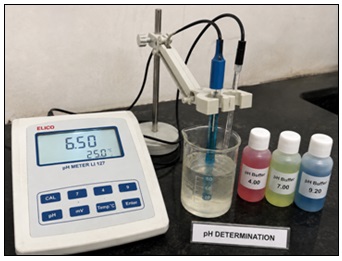
FIG. 4: PH DETERMINATION
Factorial Design Statistical Analysis: ANOVA of the 3² factorial design confirmed that both main effects, sucrose (X1) and dextrose (X2), exerted statistically significant effects on drug release at 30 minutes and on hardness (p < 0.05). The interaction term (X1 × X2) was not statistically significant (p > 0.05). The polynomial equations generated for hardness and drug release demonstrated good fit, with R² values of 0.9863 and 0.9801 respectively. The desirability function analysis assigned the maximum composite desirability score (0.94) to batch F5 at coded levels X1 = 0 and X2 = 0. The ANOVA summary is presented in Table 12, and the analytical method validation summary is presented in Table 13.
TABLE 11: ONE-WAY ANOVA SUMMARY FOR EFFECT OF SUCROSE AND DEXTROSE ON CUMULATIVE DRUG RELEASE AT 30 MINUTES
| Source of Variation | Sum of Squares | Degrees of Freedom | Mean Square | F-value | p |
| Sucrose (X1) | 2.847 | 2 | 1.424 | 18.32 | <0.05 |
| Dextrose (X2) | 1.563 | 2 | 0.782 | 10.06 | <0.05 |
| X1 x X2 Interaction | 0.284 | 4 | 0.071 | 0.91 | NS |
| Residual/Error | 0.623 | 8 | 0.078 | - | - |
| Total | 5.317 | 16 | - | - | - |
TABLE 12: ANALYTICAL METHOD VALIDATION SUMMARY FOR EDTA COMPLEXOMETRIC TITRATION OF CALCIUM CARBONATE
| Validation Parameter | Result |
| Method | Complexometric titration with EDTA (0.05 M); Eriochrome Black T indicator |
| Linearity Range | 50 to 500 mg per lollipop unit (R2 = 0.9994) |
| Accuracy (% Recovery) | 99.2% to 100.6% (n = 3 levels, 80%, 100%, 120%) |
| Precision (% RSD) | Intraday: 0.42 to 0.68%; Interday: 0.55 to 0.82% (n = 6) |
| Specificity | No interference from sucrose, dextrose, citric acid, flavour, or colour ant at formulation concentrations |
| LOD | 12.4 mg/lollipop |
| LOQ | 41.2 mg/lollipop |
| Robustness | % RSD < 1.0% for minor variations in EDTA molarity (±5%), indicator quantity, and titration time |
Taste Evaluation: A panel of twelve healthy adult volunteers assessed sweetness, mouthfeel, and overall palatability on a five-point hedonic scale following written informed consent and institutional ethics approval. Batch F5 received the highest mean overall acceptability score of 4.7 ± 0.3, rated as excellent. Batches F7, F8, and F9 received the lowest scores (3.1, 2.6, and 2.2, respectively), primarily due to excessive sweetness and a sticky mouthfeel at high sugar concentrations. Kruskal-Wallis analysis revealed a statistically significant difference in palatability scores across batches (H = 28.4, p < 0.001); Dunn's post hoc test confirmed that F5 scored significantly higher than F7, F8, and F9 (p < 0.05). Results are presented in Table 11.
TABLE 13: TASTE EVALUATION RESULTS (MEAN PALATABILITY SCORE ± SD, N = 12 VOLUNTEERS, 5-POINT HEDONIC SCALE)
| Batch | Sweetness | Mouthfeel | Overall Acceptability (mean score ± SD)* | Remarks |
| F1 | Good | Slightly hard | 3.2 ± 0.4 | Acceptable |
| F2 | Good | Good | 3.4 ± 0.3 | Acceptable |
| F3 | Very Good | Good | 3.8 ± 0.4 | Good |
| F4 | Very Good | Smooth | 4.0 ± 0.3 | Good |
| F5 | Excellent | Smooth | 4.7 ± 0.3 | Excellent |
| F6 | Excellent | Slightly sticky | 4.2 ± 0.4 | Very Good |
| F7 | Very sweet | Sticky | 3.1 ± 0.5 | Acceptable |
| F8 | Very sweet | Sticky | 2.6 ± 0.5 | Poor |
| F9 | Excessively sweet | Sticky | 2.2 ± 0.6 | Poor |
Stability Study: Accelerated stability evaluation of the optimised batch F5, conducted at 40°C/75% RH for three months in accordance with ICH Q1A(R2) guidelines, demonstrated no significant changes in any evaluated parameter. Drug content remained within 95 to 105% at all time points. Hardness, friability, pH, and dissolution values remained within acceptable limits. No surface stickiness, discolouration, or structural deterioration was observed at any time point. Microbial quality was satisfactory throughout the study period. These results indicate that the formulation is stable under accelerated storage conditions for at least three months when packaged in aluminium foil within airtight containers. Complete stability data are presented in Table 14.
TABLE 14: ACCELERATED STABILITY STUDY RESULTS FOR OPTIMISED BATCH F5 (40 DEGREES C / 75% RH, ICH Q1A(R2), N = 3)
| Parameter | Initial | 1 Month (40°C/75% RH) | 2 Months (40°C/75% RH) | 3 Months (40°C/75% RH) | Limit |
| Appearance | Excellent | Excellent | Very Good | Very Good | Acceptable |
| % Drug Content (Mean ± SD) | 99.8 ± 0.4 | 99.5 ± 0.5 | 99.2 ± 0.6 | 98.8 ± 0.6 | 95-105% |
| Hardness (kg/cm2, Mean ± SD) | 6.2 ± 0.08 | 6.1 ± 0.09 | 6.0 ± 0.10 | 5.9 ± 0.10 | >4.0 |
| % Friability (Mean ± SD) | 0.51 ± 0.03 | 0.54 ± 0.04 | 0.58 ± 0.04 | 0.62 ± 0.05 | <1.0% |
| pH (Mean ± SD) | 6.5 ± 0.03 | 6.5 ± 0.04 | 6.4 ± 0.04 | 6.4 ± 0.04 | 6.0-7.0 |
| % Dissolution at 30 min (Mean ± SD) | 99.1 ± 1.2 | 98.7 ± 1.3 | 98.2 ± 1.5 | 97.8 ± 1.6 | >85% |
| Microbial Quality | Pass | Pass | Pass | Pass | Pharmacopoeial |
| Surface Stickiness | Absent | Absent | Absent | Absent | None |
DISCUSSION: The results of the present study demonstrate that medicated lollipops containing calcium carbonate can be successfully prepared using the heat-fusion moulding technique and that a 3² factorial design provides a rigorous statistical framework for optimising the candy base composition.
The selection of calcium carbonate as the active ingredient for this dosage form was based on several scientific and clinical rationales. First, its primary therapeutic functions as an antacid and calcium supplement are well suited to oral delivery via a confectionery matrix that dissolves slowly in the oral cavity and subsequently releases drug into the gastric lumen. Second, the chalky, unpalatable nature of calcium carbonate in conventional tablet or powder form makes it an ideal candidate for taste masking through incorporation into a sweetened, flavoured candy base. Third, the dose of 500 mg per lollipop is consistent with established antacid and calcium supplementation dosing for paediatric and adult patients 6.
The challenge of calcium carbonate's poor solubility at neutral pH was addressed by selecting 0.1 N HCl as the primary dissolution medium, which replicates the gastric environment where the drug's antacid action and dissolution for calcium absorption occur. Dissolution in 0.1 N HCl at pH 1.2 demonstrated near-complete release (95 to 99%) for all batches within 30 minutes, confirming that the candy matrix does not create a significant diffusion barrier to drug release under physiologically relevant acidic conditions. The slower release observed in phosphate buffer pH 6.8 for batch F5 (92.4 ± 1.8% at 30 minutes) is consistent with the reduced solubility of calcium carbonate at higher pH, but does not indicate a clinically meaningful difference for the antacid indication 15.
The substitution of UV spectrophotometry with EDTA complexometric titration for drug content determination and dissolution analysis represents a significant methodological improvement over the original study design. Calcium carbonate lacks a UV-active chromophore, and any apparent absorbance at the previously cited wavelength would reflect non-specific matrix contributions from sucrose, dextrose, or citric acid. The validated complexometric method demonstrated excellent linearity (R² = 0.9994), accuracy (recovery 99.2 to 100.6%), and specificity with no significant interference from formulation excipients, confirming its suitability for quantitative determination of calcium in this complex matrix. These validation parameters meet the requirements of ICH Q2(R1) and the Indian Pharmacopoeia 6.
The concern regarding the reaction between calcium carbonate and citric acid with potential carbon dioxide evolution was addressed by restricting citric acid to 100 mg per lollipop and by incorporating it into the candy mass only after the mass had cooled to approximately 90 to 95°C, well below the temperature at which rapid effervescence would occur. Visual and tactile examination of all nine batches confirmed the absence of macroscopic bubble formation, matrix disruption, or surface irregularity attributable to gas evolution. The pH values of all batches (6.1 to 6.7) reflect the partial neutralisation of citric acid by calcium carbonate within the matrix; this mild acidic pH contributes to pleasant flavour without compromising matrix integrity or drug stability. Physical appearance, hardness, friability, and weight variation results across all nine batches demonstrated that the heat-fusion moulding method is reproducible and suitable for producing structurally adequate lollipops across the range of compositions studied. The progressive increase in hardness from F1 to F9 with increasing sucrose concentration is consistent with the known behaviour of sucrose-based candy matrices, wherein higher sucrose concentrations produce a denser and more extensively cross-linked amorphous glass upon cooling 13. The corresponding decrease in friability from F1 to F5 reflects improved cohesiveness with increasing sugar content; however, the slight increase in friability beyond F5 for batches F7 to F9 may reflect microscopic heterogeneity arising from the high combined sucrose and dextrose concentrations at the upper end of the design space.
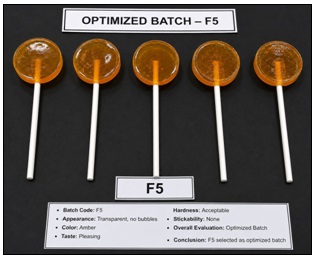
FIG. 5: F5 OPTIMIZED BATCH
The high drug content values achieved across all batches (97.2 to 99.8%) confirm that the heat-fusion moulding technique produces excellent drug distribution within the candy matrix, consistent with the literature 12, 14. The sedimentation of calcium carbonate particles in the cooling candy mass is a recognised challenge for inorganic solid incorporation in confectionery formulations; the protocol of thorough spatula mixing for at least three minutes after drug addition, carried out before further cooling reduced the viscosity beyond the workable range, was found to be effective in maintaining dose uniformity. The slightly lower drug content in batches at the extremes of the compositional range (F1 and F9) likely reflects the less favourable textural and viscosity characteristics at these compositions, which may compromise the uniformity of drug distribution during the brief window available for mixing before solidification. The taste evaluation demonstrated that the optimised batch F5 achieved the highest palatability score across all three assessed attributes. The success of taste masking in F5 is attributed to the balanced sugar composition providing sufficient sweetness to overcome the intrinsic chalkiness of calcium carbonate, while the moderate dextrose concentration contributes a smooth, non-sticky mouthfeel. Batches at the upper sugar extreme (F7 to F9) generated excessive sweetness and stickiness that volunteers found unpleasant, while those at the lower extreme (F1, F2) were acceptable but notably less sweet and slightly hard. The use of a validated sensory scale with ethical oversight and statistical analysis of palatability scores provides a scientifically sound basis for comparing the taste performance of all nine batches.
The accelerated stability results confirm that the optimised formulation retains its physicochemical integrity under the stressful storage conditions of 40°C/75% RH for at least three months. The progressive but minor decreases in drug content (99.8 to 98.8%), hardness (6.2 to 5.9 kg/cm²), and dissolution (99.1 to 97.8%) over three months are small in absolute terms and remain well within acceptance limits, suggesting that primary packaging in aluminium foil and storage in airtight containers provides adequate protection against moisture-induced degradation. These preliminary accelerated stability data are encouraging, though real-time stability studies under long-term conditions (25°C/60% RH) and evaluation at 6 and 12 months are recommended before commercial development.
The 3² factorial design with polynomial equation generation, ANOVA, and desirability function analysis provided a comprehensive statistical framework for formulation optimisation. The significant main effects of both sucrose and dextrose on the measured responses, combined with the absence of a significant interaction term, indicate that the two variables act largely independently within the studied range, simplifying the design space interpretation. The composite desirability score approach enabled the simultaneous optimisation of four response variables, providing a transparent and reproducible rationale for selecting batch F5. Future studies incorporating response surface methodology with additional variables, including citric acid concentration, flavouring agent level, and processing temperature, could further refine the formulation and enhance the design space understanding.
The high sugar load of this formulation (12 to 18 g per lollipop depending on batch) is an acknowledged limitation for patient populations with glycaemic concerns. The present formulation is intended for healthy paediatric patients aged 6 years and above and non-diabetic adults for short-term calcium supplementation; labelling recommendations for oral hygiene following use are appropriate in light of cariogenic risk. Future development should include a sugar-free variant using polyol-based excipients such as isomalt or xylitol, which would broaden clinical applicability and reduce dental caries risk.
CONCLUSION: The present study has successfully demonstrated the formulation and evaluation of calcium carbonate medicated lollipops using a 3² full factorial design with sucrose and dextrose as independent variables. Nine batches were systematically prepared, evaluated with validated analytical methods, and statistically compared. Batch F5 (sucrose 12 g, dextrose 3 g; coded level 0/0) was identified as the optimised formulation based on superior performance across all evaluated parameters: drug content 99.8 ± 0.36%, friability 0.51 ± 0.03%, hardness 6.2 ± 0.08 kg/cm², complete drug release 99.1 ± 1.2% at 30 minutes in 0.1 N HCl, pH 6.5 ± 0.03, and palatability score 4.7 ± 0.3. Statistical analysis confirmed significant main effects of both sucrose and dextrose on drug release and hardness, with a composite desirability score of 0.94 for batch F5. Drug content was determined by validated EDTA complexometric titration, avoiding the methodological limitations of UV-based calcium assay. The formulation remained stable under ICH-recommended accelerated conditions for three months. These findings confirm that medicated lollipops represent a viable, patient-friendly oral delivery system for calcium carbonate, and that the 3² factorial design is an effective and statistically rigorous approach to candy base optimisation. Future work should address sugar-free formulation development, long-term stability under real-time conditions, and in-vivo bioavailability evaluation in the intended patient population.
ACKNOWLEDGEMENTS: The authors acknowledge the research facilities provided by K. V. N. Naik S. P. Sanstha's Institute of Pharmaceutical Education and Research, Nashik, Maharashtra, India, and the technical assistance of the department staff during the study.
Ethics Approval: Taste evaluation involving human volunteers was conducted following approval from the K. V. N. Naik S. P. Sanstha's Institute of Pharmaceutical Education and Research, Nashik.
Author Contributions: J.D.G.: Conceptualisation, methodology, investigation, writing (original draft); S.N.K.: Investigation, data curation, writing (review and editing). Both authors have read and approved the final manuscript.
CONFLICT OF INTEREST: The authors declare no conflict of interest.
REFERENCES:
- Aulton ME and Taylor KMG: Aulton's Pharmaceutics: The Design and Manufacture of Medicines. 5th ed. Amsterdam: Elsevier 2017. ISBN: 978-0702073311.
- Maniruzzaman M, Boateng JS, Bonnefille M, Lauder A, Mitchell JC and Douroumis D: Taste masking of paracetamol by hot-melt extrusion: an in-vitro and in-vivo Eur J Pharm Biopharm 2012; 80(2): 433-442. https://doi.org/10.1016/j.ejpb.2011.11.012
- Allen LV: The Art, Science, and Technology of Pharmaceutical Compounding. 5th Ed Washington DC: American Pharmacists Association 2016. ISBN: 978-1582122625.
- Rowe RC, Sheskey PJ and Quinn ME: Handbook of Pharmaceutical Excipients. 7th ed. London: Pharmaceutical Press 2012. ISBN: 978-0857110275.
- Pawar HA, Tetteh J and Boateng JS: Preparation, optimisation and characterisation of novel medicated lozenges using direct compression. Colloids Surf B Biointerfaces 2013; 108: 185-193. https://doi.org/10.1016/j.colsurfb.2013.02.039
- Indian Pharmacopoeia Commission. Indian Pharmacopoeia 2022. Vol. I-IV. Ghaziabad: Indian Pharmacopoeia Commission 2022.
- United States Pharmacopeial Convention. USP 45-NF 40. Rockville: United States Pharmacopeial Convention; 2022.
- Hartel RW, von Elbe JH and Hofberger R: Confectionery Science and Technology. Cham: Springer 2018. https://doi.org/10.1007/978-3-319-61742-8
- Bolton S and Bon C: Pharmaceutical Statistics: Practical and Clinical Applications. 5th ed. New York: Informa Healthcare 2009. ISBN: 978-1420074222.
- Swarbrick J: Editor. Encyclopedia of Pharmaceutical Technology. 3rd ed. New York: Informa Healthcare 2007. https://doi.org/10.3109/9780849393754
- Sweetman SC: Editor. Martindale: The Complete Drug Reference. 37th ed. London: Pharmaceutical Press 2011. ISBN: 978-0853699330.
- Ansel HC, Popovich NG and Allen LV: Pharmaceutical Dosage Forms and Drug Delivery Systems. 9th ed. Philadelphia: Lippincott Williams and Wilkins 2011. ISBN: 978-0781779494.
- Lachman L, Lieberman HA and Kanig JL: The Theory and Practice of Industrial Pharmacy. 3rd ed. Philadelphia: Lea and Febiger 1986. ISBN: 978-0812107784.
- Brunton LL, Knollmann BC and Hilal-Dandan R. Goodman and Gilman's: The Pharmacological Basis of Therapeutics. 13th Ed. New York: McGraw-Hill Education 2018. ISBN: 978-1259584732.
- Shoaib MH, Tazeen J, Merchant HA and Yousuf RI: Evaluation of drug release kinetics from ibuprofen matrix tablets using HPMC. PJPS 2006; 19(2): 119-124.
How to cite this article:
Gosavi JD and Kazi SN: Formulation and evaluation of medicated lollipop using calcium carbonate. Int J Pharm Sci & Res 2026; 17(10): 3113-25. doi: 10.13040/IJPSR.0975-8232.17(10).3113-25.
All © 2026 are reserved by International Journal of Pharmaceutical Sciences and Research. This Journal licensed under a Creative Commons Attribution-NonCommercial-ShareAlike 3.0 Unported License.
Article Information
24
3113-3125
1088 KB
5
English
IJPSR
Jagruti D. Gosavi * and Saher N. Kazi
Department of Pharmaceutics, K. V. N. Naik S. P. Sanstha's Institute of Pharmaceutical Education and Research, Canada Corner, Nashik, Maharashtra, India.
gosavij52@gmail.com
17 June 2026
24 July 2026
25 September 2026
10.13040/IJPSR.0975-8232.17(10).3113-25
01 October 2026
 Download