




GLP-1 RECEPTOR AGONISTS IN OBESITY MANAGEMENT: MECHANISMS, PHARMACOKINETICS AND THE THERAPEUTIC OUTCOMES
HTML Full TextGLP-1 RECEPTOR AGONISTS IN OBESITY MANAGEMENT: MECHANISMS, PHARMACOKINETICS AND THE THERAPEUTIC OUTCOMES
Kiran Sutar, Sudha Bhadrapur, Preeti Meti *, V. Ramesh, Parashuram Bugadannavar and Yasin Shirol
Department of Pharmaceutical Quality Assurance, KLE’s College of Pharmacy, Gadag, Karnataka, India.
ABSTRACT: Obesity is a chronic, complex disorder with a rapidly increasing global incidence, affecting both children and adults and significantly contributing to morbidity, mortality, and healthcare expenditures. It is strongly associated with noncommunicable diseases like type 2 diabetes, cardiovascular disease, and other cancers. Obesity's pathophysiology is complex, including appetite dysregulation, energy balance, and metabolic pathways, with emerging evidence pointing to the involvement of brain insulin resistance and altered hormonal signaling. In cretin hormones, notably glucagon-like peptide-1 (GLP-1) and glucose-dependent insulin tropic polypeptide (GIP), control glucose metabolism and satiety. As a result, GLP-1 receptor agonists and dual incretin-based drugs have developed as effective weight-loss treatments. Semaglutide, liraglutide, and tirzepatide have all shown considerable weight loss and improvement in cardiometabolic indicators in both clinical studies and real-world settings. Among these, semaglutide and tirzepatide are quite successful, causing significant and long-term weight loss. These medicines primarily function by reducing appetite, slowing stomach emptying, boosting insulin secretion, and regulating central nerves system (CNS) pathways involved with hunger and reward. Furthermore, they have a favorable impact on adipose tissue metabolism and inflammation. Regardless of their effectiveness, drawbacks such as gastrointestinal intolerance, elevated cost, injectable administration, and weight regain following cessation remain. Overall, GLP-1-based medications represent substantial advancements in obesity management, including metabolic and cardiovascular benefits. Obesity demands continual care; therefore, long-term adherence and treatment alternatives are essential. Future studies could broaden their therapeutic use in illnesses like Nonal-coholic fatty liver disease obstructive sleep apnea, and neurodegenerative disorders.
Keywords: Obesity, GLP-1 agonist, Semaglutide, Liraglutide, Terzapatide
INTRODUCTION: Over the previous 50 years, the worldwide obesity rate has increased significantly.
Obesity is defined as having a body mass index [BMI (kg/m2), which is calculated by dividing a person's weight by the square of their height] more than or equal to 30. Overweight is defined as having a BMI between 25 and 29.9.
Being overweight or obese has been related to more deaths than being underweight, and it is a more common occurrence worldwide. This is a global phenomenon that occurs in every region excluding sections of Sub-Saharan Asia and Africa, as well as countries with low obesity rates (such as Sri Lanka, Indonesia, Sudan, Singapore, and Djibouti) 1. The growing worldwide obesity epidemic and associated public health care costs highlight the need for urgent action to address the issue 2. Approximately 604 million adults (~12% prevalence) and 108 million children (~5% prevalence) are estimated to be obese worldwide. Obesity is more prevalent in women than males after the age of 14 and in nations with high sociodemographic indexes 3. Obesity causes an annual mortality of approximately four million and 120 million disability-adjusted life years. Obesity is recognized as a medical condition that raises the risk of heart disease, diabetes, hypertension, osteoarthritis, polycystic ovarian syndrome, and some malignancies 4. Losing 5–15% of your body weight can improve overweight or obesity-related complications. Additional weight loss leads to improved outcomes 5. The food environment has evolved towards promoting overeating by making high-calorie and fat-laden foods more affordable and accessible (e.g., fast-food outlets, institutional vending machines in schools and workplaces). These extremely delicious meals are often available in big portions, leading to increased daily calorie intake 6. Recent research indicates that obese persons may have decreased appetite management due to brain insulin resistance. The brain plays a direct role in metabolic syndrome by increasing hepatic glucose synthesis and decreasing muscle glucose intake, making it a member of the "ominous octet” 7.
As reported by the WHO, central obesity refers to an excessive buildup of abdominal adipose tissue, typically identified by a waist girth above 102 cm in men and 88 cm in women, and is strongly linked to an elevated risk of cardiometabolic disorders. It is unclear whether these conditions are applicable. This applies to all racial groups with varying body compositions, as well as youngsters and the elderly who experience muscle mass loss. Obesity is classified based on weight-to-height ratio, which ranges from underweight (18.0 kg/m²) to severely overweight (40.0 kg/m²). Abdominal adiposity measures, such as waist circumference, are increasingly used in clinical and research contexts to indicate overweight or obesity. Abdominal adiposity occurs when fat accumulates around organs, particularly visceral fat. Obesity is typically diagnosed using the body mass index (BMI). Individuals with a BMI above 25 are termed "overweight," whereas individuals with a BMI over 30 are deemed "obese." Although BMI is widely used, it lacks specificity for adipose tissue distribution particularly visceral fat which is strongly related with chronic low-grade inflammation and related metabolic complications 8, 9. The BMI numbers and classifications are provided below. Individual differences exist, and BMI alone cannot accurately determine obesity or malnutrition. Elite athletes and bodybuilders may have a falsely inflated BMI due to increased muscle mass and weight, which does not necessarily correlate with their health status. In pediatrics, BMI can be used to compare children of the same gender and age group. Children with a BMI below the fifth percentile are considered underweight, while those beyond the 95th percentile are classified as obese.
Severe underweight: BMI < 16.5 kg/m^2.
Underweight: BMI <18.5 kg/m^2.
Normal weight is defined as a BMI of 18.5-24.9 kg/m^2.
Overweight: BMI 25-29.9 kg/m^2.
Obesity: BMI > 30 kg/m^2.
Obesity class I is from 30 to 34.9 kg/m^2,
While class II ranges from 35 to 39.9 kg/m^2.
Obesity class III is defined as a BMI of 40 kg/m^2 or more, often known as severe, excessive, or gigantic obesity.
Asian and South Asian populations are overweight, with BMIs between 23 and 24.9 kg/m^2. Obesity is defined as having a BMI more than 25 kg/m^2 10.
While BMI is an effective screening tool, it is not a direct measure of adiposity and cannot be used to diagnose overweight or obesity. Individually, BMI is an inaccurate and unreliable indicator of adipose tissue mass. BMI overestimates adiposity in athletes with high muscle mass and edema patients, but underestimates adiposity in sarcopenic adults with low lean mass. Furthermore, there are racial and gender variations in the connection between BMI and all-cause mortality, which are most likely produced by alterations in body composition unrelated to BMI. People with a South Asian, Chinese, other Asian, Middle Eastern, Black African, or African-Caribbean family background are more likely to have central adiposity, and their cardiometabolic risk increases with lower BMI, supporting the use of lower BMI thresholds in defining overweight and obesity in these populations 11.
Despite fresh evidence supporting waist-based and composite measurements, they are underrepresented in clinical practice compared to BMI 3. There are still significant concerns about the accuracy of both waist-based and composite measures when compared to the LC's new composite obesity measures. A recent study found that BMI had a sensitivity of 98.4% for detecting excess adiposity, which was defined as elevated BMI paired with elevated WC(Waist Circumference)or elevated DEXA-derived body fat percentage 12. Waist circumference (WC), waist-hip ratio (WHR), and WHR adjusted for BMI (WHRadjBMI) are common anthropometric measurements used to predict regional FD. In contrast to more accurate magnetic resonance imaging (MRI) and computerized tomography (CT), these measurement indexes are simple to collect in large-scale applications targeted at analyzing body fat distribution. WC, a proxy for abdominal obesity, is a more reliable predictor of T2D risk than BMI, and it has also been linked to cardiometabolic illness. WHR as an index of FD is associated with an increased risk of T2D and cardiovascular disease, regardless of BMI. These commonly used anthropometric characteristics have been employed to detect and characterize the genetic determinants of FD in GWAS and other genetics investigations (e.g., fine mapping) 13.
Current immunohistochemistry evidence suggests that GLP-1 and GIP-secreting cells co-localize, implying that both incretins are secreted concurrently 14. Incretins are hormones produced by enteroendocrine cells in the gastric mucosa that regulate food intake. GLP-1 and GIP, the primary incretin hormones, regulate glucose homeostasis by stimulating insulin synthesis from pancreatic β-cells in response to dietary intake. GLP-1 is an incretin peptide hormone generated and secreted by the intestine's enteroendocrine L-cells. It is obtained from proglucagon through proteolytic conversion into its physiologically active form, which is 30 amino acids. It is released after eating especially following meals high in fats and carbohydrates and plays several important physiological roles. These include slowing gastric emptying, stimulating insulin secretion in a glucose-dependent manner, and enhancing feelings of fullness through actions on the central nervous system. Together, these effects contribute to its therapeutic potential in managing obesity and type 2 diabetes 1.
In individuals with obesity, circulating levels of glucagon-like peptide-1 (GLP-1) are often lower, which may be partly attributed to increased plasma concentrations NEFAs. Clinical studies in patients with simple obesity suggest that increased fasting and postprandial NEFA levels may impair nutrient-stimulated GLP-1 secretion, despite its insulinotropic and satiety-enhancing effects. Additionally, proglucagon and its derived peptides including GLP-1, GLP-2, and oxyntomodulin (OXM) are expressed in a limited population of neurons within the nucleus tractus solitarius, highlighting their role in central regulation of energy balance 15. Subcutaneous administration of GLP-1 receptor agonists for weight loss, such as semaglutide and liraglutide, results in gradual absorption and peak plasma concentrations within hours to days. GLP-1 receptor agonists are classified as short-acting and long-acting agents, with liraglutide and semaglutide belonging to the long-acting class 16. These agents allow for once-daily or once-weekly dosing due to their high albumin binding, low volume of distribution, and extended half-lives (~13 hours for liraglutide; ~1 week for semaglutide). Instead of cytochrome P450 routes, these drugs are primarily metabolized through proteolytic degradation. They are mainly eliminated as metabolites through urine and feces, and their low unaltered excretion contributes to a prolonged therapeutic effect 17.
Liraglutide and semaglutide are examples of glucagon-like peptide-1 receptor agonists (GLP-1RAs) that were first created to treat type 2 diabetes, however, they have subsequently been demonstrated to effectively reduce blood glucose levels while also promoting significant weight loss 18. Preclinical studies show that GLP1RAs, such as semaglutide, reduce consumption of food without changing movement or energy expenditure, which is the primary mechanism for weight loss. After 26 weeks of once-daily liraglutide therapy (1.8 mg), patients with Type 2 Diabetes (T2D) with a mean BMI of 32 lost 4.3 kg and lowered resting energy expenditure without affecting the amount of fat in Brown Adipose Tissue (BAT). Administering semaglutide (1 mg once weekly) to obese individuals for 12 weeks resulted in a 24% decrease in food consumption and a 5 kg weight loss, primarily from body fat content. Resting metabolic rate (RMR) remained unchanged 14. Tirzepatide is a dual glucose-dependent insulinotropic polypeptide (GIP) and GLP-1 receptor agonist. It exhibits affinity for the GIP receptor comparable to native GIP while simultaneously activating the GLP-1 receptor. Clinical studies have shown that tirzepatide improves several cardiovascular risk factors, including blood pressure, waist circumference, LDL cholesterol, and circulating triglyceride levels. Tirzepatide was administered as once-weekly subcutaneous injections at doses of 5 mg, 10 mg, and 15 mg 19.
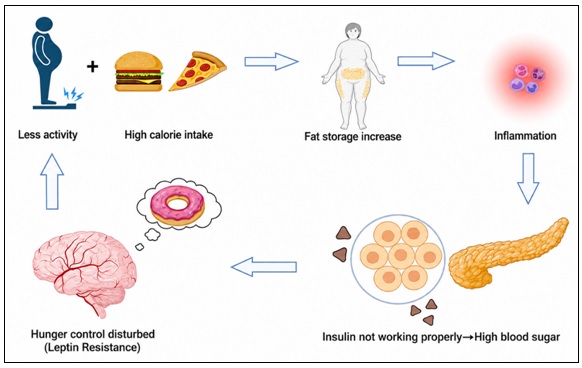
FIG. 1: PATHOPHYSIOLOGICAL MECHANISMS OF OBESITY HIGHLIGHTING ADIPOSE TISSUE DYSFUNCTION, INSULIN RESISTANCE, AND CHRONIC INFLAMMATION
METHODOLOGY:
Literature Search Strategy: A systematic literature review was performed to determine relevant literature on obesity, glucagon-like peptide-1 (GLP-1) receptor agonists and incretin-based therapies.
Articles were retrieved from electronic databases such as PubMed, Scopus, Web of Science, Google Scholar, Embase and Cochrane Library, covering the period from 2010 to 2026.
Search Terms: The following keywords and Boolean operators were used:
- "Obesity"
- "GLP-1 receptor agonists"
- "Semaglutide"
- "Liraglutide"
- "Tirzepatide"
- "Weight loss"
- "Incretin therapy"
- "Pharmacokinetics"
- "Mechanism of action"
- "Clinical trials"
- "Bariatric surgery"
AND and OR operators were used to combine the keywords and increase sensitivity and specificity in the search.
Inclusion Criteria: Studies were included if they:
- Discussed the use of GLP-1 receptor agonists for obesity management.
- Pharmacokinetic, pharmacodynamic or mechanistic data reported. Included randomized controlled trials, observational studies, systematic reviews, meta-analyses or relevant clinical guidelines, that is,
- Were in English.
Exclusion Criteria: Studies were excluded if they:
- Were duplicate publications.
- Had insufficient scientific data.
- Were conference abstracts without full-text availability.
- Were non-English publications.
Data Extraction and Synthesis: Transforming Data into Information and Knowledge. Mechanisms of action, pharmacokinetics, clinical efficacy, safety profiles, adverse effects, and future therapeutic perspectives were extracted and narratively synthesized for both semaglutide, liraglutide and tirzepatide.
A preference was used for well-designed RCTs, systematic reviews, meta-analyses and significant clinical trials, such as the programs STEP, SCALE and SURMOUNT.
PRISMA Statement: Formal systematic review methodology (PRISMA) was not applied to this article, which was a narrative review. To ensure comprehensive coverage of the topic, however, a structured approach to literature search and evidence-based synthesis approach was used.
General Mechanism of Action: GLP-1 receptor agonists modulate the gut–brain axis by enhancing satiety signals, slowing gastric emptying, and suppressing appetite, ultimately reducing caloric intake and body weight. They also exhibit anti-inflammatory and neuroprotective properties, supporting improved metabolic control and potential cognitive benefits.
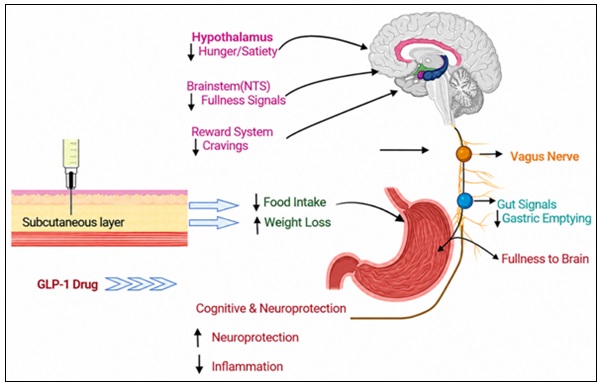
FIG. 2: GENERAL MECHANISM OF ACTION OF GLP-1 DRUGS
Semaglutide: Semaglutide has central effects via GLP-1 receptors in brain areas that regulate appetite. Preclinical studies demonstrate that semaglutide activates neural pathways associated with reduced food intake and body weight. Clinical studies also show reduced appetite, increased satiety and reduced caloric intake, leading to improved glycemic control and weight loss. Neuroimaging studies also indicate modulation of brain regions involved in food reward and motivation 20–22. Glucagon-like peptide-1 (GLP-1) is an incretin hormone mainly produced by enteroendocrine L-cells of the intestine, although the production in specific neurons of the brainstem and pancreatic α-cells has been reported. GLP-1 acts via activation of GLP-1 receptor (GLP-1R) and results in cAMP/PKA-mediated signaling and downstream modulation of CREB, AKT, ERK, GSK-3β, and mTOR pathways. In humans, GLP-1 receptor agonists, such as semaglutide, improve glycemic control through increased glucose-dependent insulin secretion, suppression of glucagon release, delayed gastric emptying, and promotion of satiety and weight loss. Evidence for neuroprotective, anti-inflammatory, cytoprotective, cognitive and adipose tissue browning effects has also been suggested from experimental cell and animal studies; however, evidence for these effects in humans remains scarce and requires further clinical validation 23–25. Preclinical data suggest that semaglutide may modulate adipose tissue metabolism through AMPK/SIRT1-mediated pathways, inducing thermogenic gene expression, brown adipose tissue activity and decreased inflammatory signaling, but these findings need to be further validated in humans 26.
Liraglutide: Liraglutide is a long-acting glucagon-like peptide-1 receptor agonist (GLP-1 RA) with approximately 97% amino acid sequence homology to endogenous GLP-1. It acts on GLP-1 receptors in pancreatic β-cells, increasing intracellular cAMP and stimulating glucose-dependent insulin secretion. Liraglutide also contributes to weight loss and metabolic benefits by slowing down gastric emptying, reducing appetite and calorie intake, and improving glycemic control 27,28. Liraglutide increases glucose-dependent insulin secretion and reduces glucagon secretion, thereby improving glycemic control. It also induces satiety and reduces food intake via activation of central and peripheral GLP-1 receptors. In preclinical studies, liraglutide has been shown to activate proopio-melanocortin (POMC) neurons and inhibit neuropeptide Y (NPY) and agouti-related peptide (AgRP) neurons in the arcuate nucleus, likely contributing to the appetite suppression. Experimental evidence also suggests modulation of mesolimbic reward pathways, which may decrease food-related reward signaling and food-seeking behavior 29–31. Liraglutide is a long-acting GLP-1 receptor agonist with a long half-life, which allows for sustained receptor activation. It works on central pathways that regulate appetite, to reduce food intake and promote weight loss 32, 33. Liraglutide is Acylated, allowing albumin binding which prolongs its half‐life allowing once daily dosing, unlike native GLP‐1 which is rapidly degraded 34.
Tirzepatide: Tirzepatide is a dual GIP and GLP-1 receptor agonist that improves glycemic control and promotes substantial body-weight reduction through complementary incretin-mediated mechanisms. It reduces appetite, increases satiety, and decreases energy intake while enhancing glucose-dependent insulin secretion and suppressing glucagon release. In addition, tirzepatide improves pancreatic islet function and insulin sensitivity. At the molecular level, it binds to both GIP and GLP-1 receptors and activates intracellular cAMP signaling pathways. Its fatty diacid moiety prolongs circulation time, enabling once-weekly administration35–38.
Pharmacokinetics: Semaglutide is a long-acting glucagon-like peptide-1 (GLP-1) receptor agonist characterised by slow subcutaneous absorption and maximum plasma concentrations (Tmax) within 1–3 days. It is highly protein bound (>99%) to plasma proteins, primarily albumin, and has a small apparent volume of distribution (~12–13 L). The drug has low systemic clearance (~0.05 L/h) and a long elimination half-life, (~165–168 hours; ~1 week), which supports once-weekly dosing. Semaglutide is metabolized via proteolytic cleavage of the peptide backbone and β-oxidation of the fatty acid side chain with little contribution from cytochrome P450 enzymes. It is not excreted unchanged to a clinically relevant extent but is eliminated as fragments of metabolites in urine and feces 39, 40.
In addition to its intrinsic pharmacokinetic properties, semaglutide is available in both subcutaneous and oral formulations, which exhibit distinct absorption characteristics and dosing requirements. Semaglutide is available in two clinically distinct formulations: subcutaneous (injectable) and oral, which differ significantly in their pharmacokinetic profiles while sharing the same active molecule.
The injectable formulation is administered once weekly and is characterized by slow subcutaneous absorption, with peak plasma concentrations reached within 1–3 days and a prolonged elimination half-life of approximately 1 week. In contrast, oral semaglutide is administered once daily and exhibits rapid absorption, reaching peak plasma concentrations within approximately 1 hour; however, its absolute bioavailability is very low (approximately 0.4–1%). This limitation is overcome by co-formulation with SNAC, which facilitates gastric absorption under fasting conditions 42, 44. Despite differences in absorption and dosing frequency, both formulations demonstrate similar systemic distribution characteristics, including >99% plasma protein binding and comparable metabolic pathways involving proteolytic degradation and β-oxidation of the fatty acid side chain. Elimination pathways are also similar, with metabolic breakdown products excreted in urine and feces and minimal unchanged drug excretion 40–43. Liraglutide is a long-acting GLP-1 receptor agonist with slower pharmacokinetics compared to semaglutide, exhibiting peak plasma concentrations approximately 8–12 hours after subcutaneous administration. It has an absolute bioavailability of approximately 55% and a volume of distribution ranging from 11 to 24.7 L. Systemic clearance is low (approximately 0.6–1.2 L/h), and the elimination half-life is approximately 13 hours, supporting once-daily dosing.
Liraglutide undergoes degradation primarily via endogenous proteolytic pathways, including neutral endopeptidase-mediated cleavage, and is extensively metabolized prior to elimination, with no detectable unchanged drug in urine or feces. Its prolonged action is mediated by fatty acid acylation, which facilitates reversible albumin binding and reduces renal clearance 44.
Tirzepatide is a dual glucose-dependent insulinotropic polypeptide (GIP) and GLP-1 receptor agonist with once-weekly pharmacokinetics. Following subcutaneous administration, it is slowly absorbed, reaching peak plasma concentrations approximately 24 hours post-dose. It has a long elimination half-life of approximately 5–7 days, supporting weekly dosing. Tirzepatide remains predominantly in the parent form in circulation, with minimal active metabolites. It is primarily degraded via proteolytic cleavage into small peptides and amino acids rather than cytochrome P450 metabolism. The resulting fragments are eliminated through multiple pathways, primarily renal excretion with a smaller contribution from fecal elimination. Unchanged drug excretion is negligible due to complete metabolic processing prior to elimination 45.
TABLE 1: COMPARISON OF PHARMACOKINETIC PARAMETERS OF GLP-1 RECEPTOR AGONISTS AND DUAL GIP/GLP-1 RECEPTOR AGONIST
| Parameter | Oral Semaglutide | SC Semaglutide | Liraglutide | Tirzepatide |
| Route | Oral | SC | SC | SC |
| Bioavailability (%) | 0.4–1 | ≈89 | ≈55 | ≈80 |
| Tmax | ≈1 h | 1–3 days | 8–12 h | ≈24 h |
| Protein Binding (%) | >99 | >99 | >98 | ≈99 |
| Volume of Distribution (L) | 12–13 | 12–13 | 11–24.7 | ≈10.3 |
| Clearance (L/h) | ≈0.05 | ≈0.05 | 0.6–1.2 | ≈0.06 |
| Half-life | ≈1 week | ≈1 week | ≈13 h | ≈5 days |
| Metabolism | Proteolytic cleavage and β-oxidation | Proteolytic cleavage and β-oxidation | Proteolytic degradation | Proteolytic cleavage |
| Elimination Route | Urine and feces (metabolites) | Urine and feces (metabolites) | Urine and feces (metabolites) | Primarily renal, minor fecal |
| Unchanged Drug Excretion | Negligible | Negligible | Not detected | Negligible |
| Dosing Frequency | Once daily | Once weekly | Once daily | Once weekly |
Clinical Evidence for Weight Loss:
TABLE 2: WEIGHT MANAGEMENT OUTCOMES WITH GLP-1 RECEPTOR AGONISTS AND DUAL
| Parameter | SCALE (Liraglutide)46 | STEP 1 (Semaglutide)47 | SURMOUNT-1 (Tirzepatide)48 |
| Study population | Adults with obesity/overweight and comorbidities | Adults with obesity/overweight without diabetes | Adults with obesity/overweight without diabetes |
| Diabetes status | No T2Dm | No T2Dm | No T2Dm |
| Dose | 3.0 mg daily | 2.4 mg weekly | 5, 10, or 15 mg weekly |
| Duration | 56 weeks | 68 weeks | 72 weeks |
| Comparison Group | Placebo + lifestyle intervention | Placebo + lifestyle intervention | Placebo + lifestyle intervention |
| Mean % weight loss | 8.0% | 14.9% | 15.0–20.9% |
| Weight-loss targets achieved | ≥5%: 63.2%; ≥10%: 33.1%; ≥15%: 14.4% | ≥5%: 86.4%; ≥10%: 69.1%; ≥15%: 50.5% | ≥5%: 85.1–90.9%; ≥10%: 68.5–83.5%; ≥15%: 50.1–71.0% |
| Cardiometabolic outcomes | Improved BP, lipids, HbA1c; delayed onset of T2Dm | Improved BP, waist circumference, glycemic control, and lipid profile | Improved BP, lipids, insulin sensitivity, and glycemic parameters |
| Discontinuation due to adverse events | 9.9% | 7.0% | 4.3–7.1% |
| Important adverse events | Nausea, vomiting, diarrhea, gallbladder disorders | Nausea, vomiting, diarrhea, constipation | Nausea, vomiting, diarrhea, constipation |
GIP/GLP-1 Receptor Agonists: Together, the SCALE, STEP 1, and SURMOUNT-1 trials showed how effective incretin-based treatments are for managing obesity. Tirzepatide had the highest mean weight decrease (15.0–20.9%) among the three drugs, followed by semaglutide (14.9%) and liraglutide (8.0%). With semaglutide plus tirzepatide, a greater percentage of participants met clinically significant weight-loss goals than with liraglutide; up to 90.9% of tirzepatide-treated individuals lost at least 5% of their body weight, and up to 71.0% lost at least 15%. All three treatments improved cardiometabolic markers, such as blood pressure, lipid profile, glycemic control, and waist circumference, in addition to encouraging weight loss. Liraglutide was also linked to a delayed onset of type 2 diabetes mellitus.
The most frequently reported treatment-related events across all trials were gastrointestinal side effects, including nausea, vomiting and diarrhea. The median rates of withdrawal due to adverse events were generally modest (4.3% to 9.9%), indicating an overall favorable safety and tolerability profile. These results support the utility of dual incretin agonists and GLP-1 receptor agonists as potential obesity treatments for prolonged use.
Semaglutide: The medication frequently causes nausea, vomiting, and diarrhea as adverse effects 49. According to the data from the SUSTAIN 6 trials, the group receiving semaglutide had lower Glycated haemoglobin (HbA1c) than the placebo group, and a post-hoc analysis showed a higher incidence of diabetic retinopathy (DR) complications than the placebo group. This was associated with rapid and significant improvement in glycemic control, particularly in patients receiving insulin therapy during or before semaglutide treatment. Additionally, semaglutide showed notable effects in Bell's palsy, anosmia, dry mouth, and dysgeusia 50. Semaglutide and liraglutide have identified rare reports of suicidal ideation and related behaviors; however, due to confounding factors and limitations of spontaneous reporting systems, the available data does not establish a causal relationship, and continued monitoring with prospective studies is warranted 51, 52.
A pharmacovigilance analysis of the FDA Adverse Event Reporting System (FAERS) database (2010–2024) identified GLP-1 receptor agonist-associated neuropsychiatric adverse events, with significant signals for headache, migraine, and olfactory and sensory nerve abnormalities 51. GLP-1 receptor agonists have been associated with reported cases of pancreatitis; however, current evidence does not establish a definitive causal relationship.
An increased incidence of gallbladder and biliary events, including cholelithiasis and cholecystitis, has been reported. Rapid improvement in glycemic control may transiently worsen pre-existing diabetic retinopathy, particularly with semaglutide. GLP-1 receptor agonists delay gastric emptying, which may contribute to gastrointestinal symptoms, residual gastric content, and influence the absorption of orally administered medications. The use of GLP-1 receptor agonists during pregnancy is not recommended because adequate human safety data are lacking 53, 54.
Liraglutide: The International Journal of Clinical Pharmacy released a pharmacovigilance analysis of the EudraVigilance database (2021–2023) that found 372 reports of mental adverse events (1.18% of 31,444 total adverse drug reactions (ADRs)) linked to tirzepatide, liraglutide, and semaglutide. Despite the low overall reporting rate, the most often reported conditions were depression (50.3%), anxiety (38.7%), and suicidal ideation (19.6%), including 9 fatalities and 11 life-threatening incidents that require more investigation (10). Pharmacovigilance and observational analyses of GLP-1 receptor agonists, including semaglutide and liraglutide, identified rare reports of suicidal ideation and related behaviors. However, due to confounding factors and limitations of spontaneous reporting systems, the available data does not prove a causal relationship, and continued monitoring with prospective studies is warranted. The patient is 59 year old, who had type 2 diabetes Mellitus (T2Dm), hypertension, and hyperlipidemia, was transitioned from 1 mg weekly semaglutide (Ozempic) to 7.5 mg weekly tirzepatide (Mounjaro). The patient experienced the symptoms on the day he was started with Mounjaro; acute pancreatitis was confirmed via elevated lipase levels (847 U/L) and a CT scan showing extensive peripancreatic stranding and fluid 55.
Although acute pancreatitis has been reported in patients receiving GLP-1 receptor agonists, a causal relationship has not been definitively established, and current evidence remains inconclusive 56. The case report presents a 32-year-old woman who developed acute interstitial oedematous pancreatitis five weeks after initiating tirzepatide (Mounjaro) for weight loss. Despite the existence of incidental gallstones, the non-presence of biliary obstruction and a Naranjo scale score of 5 suggest a "probable" drug-induced etiology. The patient’s symptoms and markedly elevated lipase (11,645 U/L) resolved rapidly following the cessation of the medication and conservative management. While clinical trials show a low absolute risk of pancreatitis, this case highlights a strong temporal correlation between dual GLP-1/GIP receptor agonist initiation and pancreatic inflammation 57.
Liraglutide treatment has also been associated with an increased risk of gallbladder- or biliary tract-related events, including cholelithiasis and cholecystitis 58. The suggested dose-escalation procedure, which calls for weekly dose increases, is followed when starting liraglutide treatment. After reaching 1.8 mg once daily (OD), the patient experiences heartburn, frequent eructation, and postprandial heaviness, especially right before bed 59. Delayed gastric emptying is a recognized pharmacological effect of liraglutide and may contribute to symptoms such as postprandial fullness, nausea, and gastroesophageal reflux 27. Rapid improvement in glycaemic control with GLP-1 receptor agonist therapy has been associated with worsening of diabetic retinopathy in susceptible patients, warranting appropriate ophthalmologic monitoring; in the LEADER trial, a non-significant trend toward diabetic retinopathy events was observed with liraglutide 60. Liraglutide is contraindicated in patients with a personal or family history of medullary thyroid carcinoma or in patients with multiple Endocrine Neoplasia syndrome type 2, and its use during pregnancy is not recommended 61.
Trizepatide: The findings showed that gastrointestinal (GI) adverse events were the most commonly reported, such as diarrhea, vomiting, nausea, constipation, abdominal pain, dyspepsia, and flatulence 55. Delayed gastric emptying has been reported as a class-related effect of GLP-1/GIP receptor agonists contributing to upper GI symptoms and altered drug absorption 62. Trizepatide has a good safety profile with relation to some pancreatic and gallbladder conditions, but greater dosages probably resulted in gastrointestinal side effects. At 15 mg, it showed dose-dependent gastrointestinal adverse effects such as nausea and diarrhea 55, 63. Tirzepatide: It's interesting to observe that the prevalence of cholelithiasis ranged from 0.6% to 1.4% for both tirzepatide dose groups and placebo groups. A meta-analysis and systematic review released in 2023 found that tirzepatide was not connected to a higher risk of pancreatitis (RR 1.46; 95% CI 0.59–3.61).However, pancreatitis remains an area of clinical uncertainty and requires careful post-64. Marketing surveillance despite low reported incidence in trials. Tirzepatide demonstrated a greater risk of composite gallbladder/biliary illness (RR 1.97; 95% CI 1.14–3.42) in comparison to placebo or basal insulin, indicating the need for clinical surveillance 65. An increased risk of gallbladder disease (particularly cholelithiasis) was observed 54. A potential risk of diabetic retinopathy complications has been suggested with rapid improvement in glycemic control, warranting careful monitoring in susceptible patients 66. Use in pregnancy is not recommended due to limited safety data and potential fetal risk, and appropriate contraindications and warnings should be strictly considered 67.
Pharmacotherapies and Bariatric Surgery for Obesity: The poll included 131 items (eight of which are given here) about demographics (gender, race, age, height, and weight), medical practice (income of patient population, setting, years in practice, and type of practice), and procedures for obesity management 68. The respondents' BMI (kg/m2) was calculated based on their self-reported height and weight. Participants were questioned about their approaches to medication therapy, bariatric surgery recommendations, and reimbursement codes. Drug therapy practices were evaluated using the question, 'What is normally your minimum requirement for prescribing drug therapy for obesity treatment?' Participants could choose from the following options: 'I do not prescribe drug therapy for obesity', 'BMI greater than or equal to 30 kg/m2 with a comorbid condition', 'BMI greater than or equal to 30 kg/m2; BMI greater than or equal to 35 kg/m2 with a comorbid condition', or 'BMI greater than or equal to 35 kg/m2, BMI greater than or equal to 40 kg/m2'. The question, 'What is normally your minimum requirement for recommending bariatric surgery?' was used to analyze bariatric surgery recommendation practices. Participants could choose from the following options: 'I would not recommend bariatric surgery', 'BMI greater than or equal to 35 kg/m2 with a comorbid condition', 'BMI greater than or equal to 35 kg/m2; BMI greater than or equal to 40 kg/m2 with a comorbid condition', or 'BMI greater than or equal to 40 kg/m2; BMI greater than or equal to 45 kg/m2' 69.
While certain studies and meta-analyses imply that GLP-1 receptor agonists are efficacious and safe in this setting, a thorough comparison of all existing pharmacological treatments is needed. This evidence gap is essentially the result of the lack of direct head-to-head clinical trials 70. The newest and most encouraging licensed anti-obesity drugs are glucagon-like peptide-1 (GLP-1) agonists, which are part of the larger incretin mimetics family. GLP-1 receptor agonists impact glycemia and body weight through a variety of methods. The weight management impact is primarily performed by slowing stomach emptying and having a central anorexigenic effect, both of which result in reduced food portions.
The process of achieving the antidiabetic effect involves boosting glucose-dependent insulin secretion while suppressing glucagon secretion. Bariatric surgery can be classified into three types (malabsorptive, restrictive, and mixed) based on the projected general mechanism of weight loss. Malabsorptive surgeries function by blocking portions of the small intestine from the digestion process, whereas restrictive surgery, as the name suggests, limits the amount of food that can be consumed in a given time period by shrinking the stomach. Combined surgery uses both restrictive and malabsorptive techniques. Despite the high efficacy of bariatric surgery, post-bariatric weight gain is typical in the years after the procedure. The rate of weight regain is difficult to estimate since the notion of weight regain is not universally accepted. While some studies define weight recovery as a weight rise of 10 kg above the nadir weight, others employ various criteria, such as a regain of at least 25% of the highest weight loss 71. Some medicines, such as nonsteroidal anti-inflammatory drugs (NSAIDs), oral bisphosphonates, and corticosteroids, should be avoided or consumed in moderation following bariatric surgery. It is also advised to switch from extended-release to immediate-release formulations. Finally, for treatments that have a significant impact on patients' health, non-oral dose forms such as intranasal, sublingual, or subcutaneous formulations should be investigated 72.
When comparing obesity treatment through surgery and medication, their effects on quality of life differ in terms of the degree and durability of improvement. Bariatric surgery is generally associated with greater and more sustained weight loss, leading to significant improvements in physical functioning, mobility, obesity-related comorbidities, and overall health-related quality of life. In contrast, anti-obesity medications, including newer agents such as GLP-1 receptor agonists, can also improve quality of life by promoting meaningful weight loss and reducing obesity-related symptoms; however, these benefits often depend on continued treatment, and long-term outcomes are still being evaluated. Patient preference, severity of obesity, associated medical conditions, willingness to undergo an invasive procedure, and the need for lifelong follow-up all play important roles in choosing the most appropriate treatment approach. Therefore, obesity medications and bariatric surgery should be viewed as complementary treatment options with different indications rather than as directly equivalent alternatives 73.
Limitations of GLP-1 Therapy: GLP-1 receptor agonists' Restrictions are connected to severe gastrointestinal adverse effects, which is the main reason for discontinuation of medication. The high cost of GLP-1 receptor agonists limits their widespread availability, particularly in low- and middle-income settings. Weight regain was faster after discontinuing medications than after behavioral weight management programs (BWMPs) 47, 74, 75. The route of administration, like injecting the medication, can result in barriers in adherence to the medication. Dual glucagon-like peptide-1 receptor (GLP-1R) agonists (GLP-1RAs) are causing weight reduction that is comparable to surgery. Greater weight reduction, however, raises concerns about possible adverse consequences on muscle mass, health, and function. The documented impacts of GLP-1-based treatments on changes in lean mass in clinical trials are inconsistent; some studies report lean mass reductions of 40% to 60% as a proportion of total weight decreased, although lean mass decreases of 15% or less are reported in other trials. This variation may be created by a number of factors, including comorbidities, drug-specific/molecular, and demographic effects. The drug is mainly contraindicated to the population with gastrointestinal disorders due to the drug's effect on GI motility and in pre-existing gallbladder disease due to increased risk and complications of biliary activity 76–79
Future Perspectives: GLP-1 receptor agonists exhibit encouraging potential in the treatment of Non-alcoholic fatty liver disease (NAFLD) by improving weight, insulin sensitivity, and liver fat. Approved incretin-based therapies, including GLP-1 receptor agonists and the dual GIP/GLP-1 receptor agonist tirzepatide, have expanded therapeutic options for obesity-associated metabolic diseases. Emerging therapies, including dual and multi-agonists targeting GLP-1 with glucagon or GIP, may offer enhanced metabolic and hepatic benefits, but large-scale, long-term clinical trials are required to confirm their effectiveness and safety. Several next-generation incretin-based therapies are currently undergoing Phase 2 and Phase 3 clinical evaluation, and their long-term efficacy and safety remain to be established.
GLP-1 receptor agonists, especially tirzepatide, significantly reduce OSA severity by lowering AHI, body weight, and cardiometabolic risk. Clinical studies have demonstrated improvements in OSA severity with tirzepatide; however, long-term outcomes, durability of response, and effectiveness across diverse patient populations require further evaluation. They act as effective adjuncts to CPAP or surgery in obese patients, with mainly mild gastrointestinal side effects. Further research is needed to assess long-term safety, treatment adherence, cost-effectiveness, and real-world outcomes of incretin-based therapies in OSA management. Overall, GLP-1RAs offer a promising metabolic approach for Obstructive Sleep Apnea (OSA) management, though long-term outcomes need further study. GLP-1 receptor agonists reduce OSA severity (↓Apnea, hypopnea index (AHI) ~9.5 events/h) along with weight loss and modest blood pressure reduction. Tirzepatide shows greater efficacy than liraglutide, with benefits independent of Continuous positive airway pressure (CPAP) use and more pronounced in obese patients; overall, GLP-1RAs are promising for OSA management, but further high-quality trials are needed to optimize treatment strategies 80–82.
Ongoing Clinical Trials in Obesity: GLP-1 receptor agonists and next-generation incretin-based multi-agonist treatments are the main focus of current clinical development in obesity pharmacotherapy. Semaglutide is still being tested in long-term extension studies of the STEP program, which are intended to evaluate the sustainability of weight loss and more general cardiometabolic outcomes beyond the initial efficacy shown in the STEP-1 trial in obese patients 47. Following its proven effectiveness in SURMOUNT-1, tirzepatide, a dual GIP/GLP-1 receptor agonist, is being investigated in ongoing SURMOUNT extension trials to assess sustained weight maintenance and obesity-related comorbidity reduction 36.
Retatrutide, a triple agonist that targets GLP-1, GIP, and glucagon receptors, is one of the more sophisticated pipeline agents. It is presently undergoing several Phase 3 TRIUMPH trials evaluating obesity, type 2 diabetes, and cardiovascular outcomes. Several large randomized controlled trials, such as TRIUMPH-3, -5, and -6, are actively recruiting participants or are still in progress. Similarly, survodutide (GLP-1/glucagon dual agonist) is in Phase 3 SYNCHRONIZE trials evaluating obesity and metabolic dysfunction-associated steatohepatitis (MASH), reflecting the expanding role of GLP-1–based therapies beyond weight reduction alone. Additionally, amycretin (GLP-1/amylin dual agonist) is advancing through early Phase 2/3 development with both oral and injectable formulations, while combination therapies like CagriSema (semaglutide + cagrilintide) are undergoing Phase 3 REDEFINE trials comparing efficacy against current GLP-1/GIP therapies. Overall, these ongoing trials highlight a shift from single-receptor GLP-1 therapies toward multi-hormonal metabolic agents aiming for >20–30% body weight reduction and disease-modifying metabolic effects 83.
Safety and Tolerability: GLP-1 receptor agonists are typically well tolerated; however, gastrointestinal adverse events rank among the most frequently reported side effects. These effects include nausea, vomiting, diarrhea, and constipation, which are generally dose-dependent and considered a class effect. Most instances are transient, varying from mild to moderate severity, and usually occur during the initiation of treatment or when increasing the dose. Nausea is the symptom most commonly reported, while constipation may last longer than other gastrointestinal adverse effects. Although these events can lead to treatment discontinuation in some patients, the overall rates of discontinuation remain low (<10%) 84. These agents also influence gastrointestinal motility and gastric emptying. Current clinical evidence indicates a heightened incidence of gallbladder-related adverse events, such as cholelithiasis and cholecystitis, especially at elevated doses and with prolonged treatment durations. While an association between GLP-1 receptor agonists and gallbladder disease has been noted, the existing evidence is still limited and inconclusive regarding the specific mechanisms and the extent of risk 85.
CONCLUSION: Obesity is a chronic multifactorial disease which requires sustained and individualized therapeutic management strategies. The emergence of incretin-based therapies particularly GLP-1 receptor agonists, namely, Semaglutide and Liraglutide, along with dual incretin agonists like Tirzepatide has significantly changed the therapeutic landscape of obesity. These drugs demonstrate substantial long-term weight reduction, enhanced glycemic management, and favorable effects on cardiometabolic risk factors, largely through appetite suppression and delayed stomach emptying, and modulation of central and peripheral metabolic pathways. Among these, semaglutide and tirzepatide show superior efficacy in achieving clinically meaningful weight reduction, approaching outcomes comparable to bariatric surgery in some cases. However, their long-term effectiveness is challenged by factors such as gastrointestinal adverse effects, high cost, injectable administration, and the tendency for weight regain upon discontinuation, reinforcing the chronic and relapsing nature of obesity.
While the current evidence strongly supports the integration of GLP-1–based therapies into obesity management, their optimal use requires long-term adherence and careful patient selection. Additionally, evolving research suggests broader therapeutic potential in conditions such as nonalcoholic fatty liver disease and obstructive sleep apnea. Future studies should focus on long-term safety, comparative effectiveness, and strategies to minimize adverse effects and sustain weight loss. In summary, incretin-based pharmacotherapy represents a major advancement in obesity treatment, offering a promising bridge between lifestyle interventions and surgical approaches, but it does not replace the need for comprehensive, lifelong disease management.
ACKNOWLEDGEMENTS: The authors sincerely acknowledge their respective institutions for providing the necessary facilities, resources, and continuous support to carry out this review. The authors are grateful to all faculty members, colleagues, and technical staff who provided valuable guidance, encouragement, and assistance during the course of the study and preparation of the manuscript. The authors also thank everyone who contributed directly or indirectly to the successful completion of this work.
Funding: This review did not receive any specific grant from funding agencies in the public, commercial, or not-for-profit sectors.
Acknowledgement of Authors: The authors Kiran Sutar, Sudha Bhadrapur, Preeti Meti, V. Ramesh, Parashuram Bugadannavar, and Yasin Shirol collectively acknowledge the support and cooperation of their affiliated institutions and colleagues throughout the review and manuscript preparation.
CONFLICT OF INTEREST: The authors declare that they have no known competing financial interests or personal relationships that could have appeared to influence the work reported in this manuscript.
REFERENCES:
- Lin X & Li H: Obesity: epidemiology, pathophysiology, and therapeutics. Front Endocrinol 2021; 12: 706978.
- Iepsen EW, Torekov SS & Holst JJ: Therapies for inter-relating diabetes and obesity – GLP-1 and obesity. Expert Opin. Pharmacother 2014; 15: 2487–2500.
- Sarma S, Sockalingam S & Dash S: Obesity as a MULTISYSTEM disease: Trends in obesity rates and OBESITY‐RELATED complications. Diabetes Obes Metab 2021; 23: 3–16.
- Riaz M & Lodhi S: Beyond BMI: Exploring obesity trends in the South Asian region. Obes Pillars 2025; 13: 100156.
- Ard J, Fitch A, Fruh S & Herman L: Weight Loss and Maintenance Related to the Mechanism of Action of Glucagon-Like Peptide 1 Receptor Agonists. Adv Ther 2021; 38: 2821–2839.
- Wright SM & Aronne LJ: Causes of obesity. Abdom Radiol 2012; 37: 730–732.
- Venkatrao M: Prevalence of obesity in India and its neurological implications: a multifactor analysis of a nationwide cross-sectional study. Ann Neurosci 2020; 27: 153–161.
- Čermáková E & Forejt M: Metabolically healthy obesity and health risks–a review of meta-analyses. Cent Eur J Public Health 2024; 32: 3–8.
- Sarkar B: Obesity epidemiology: a serious public health concern in India. Chettinad Health City Med J 2022; 11: 21–28.
- Jan A & Weir CB: BMI classification percentile and cut off points. Stat Pearls Treasure Isl. FL USA 2021; 1–4.
- Sweatt K, Garvey WT & Martins C: Strengths and Limitations of BMI in the Diagnosis of Obesity: What is the Path Forward? Curr Obes Rep 2024; 13: 584–595.
- Lin JC, Tandar CE, Bajaj SS & Stanford FC: Diagnostic Performance of BMI and Waist Circumference in Detecting Excess Adiposity. Obesity 2026; 34: 811–818.
- Sun C, Kovacs P & Guiu-Jurado E: Genetics of body fat distribution: comparative analyses in populations with European, Asian and African ancestries. Genes 2021; 12: 9841.
- Meier JJ & Nauck MA: Glucagon-like peptide 1(GLP-1) in biology and pathology. Diabetes Metab Res Rev 2005; 21: 91–117.
- Wang JY: GLP- 1 receptor agonists for the treatment of obesity: role as a promising approach. Front Endocrinol 2023; 14: 1085799.
- Nauck MA, Quast DR, Wefers J & Meier JJ: GLP-1 receptor agonists in the treatment of type 2 diabetes–state-of-the-art. Mol Metab 2021; 46: 101102.
- Drucker DJ: GLP-1-based therapies for diabetes, obesity and beyond. Nat. Rev. Drug Discov 2025; 24: 631–650.
- Ard J, Fitch A, Fruh S & Herman L: Weight loss and maintenance related to the mechanism of action of glucagon-like peptide 1 receptor agonists. Adv Ther 2021; 38: 2821–2839.
- Forzano I: Tirzepatide: a systematic update. Int J Mol Sci 2022; 23: 14631.
- Gabery S: Semaglutide lowers body weight in rodents via distributed neural pathways. JCI Insight 2020; 5: 133429.
- Linton D: Semaglutide reduces appetite and energy intake, improves control of eating and provides weight loss in subjects with obesity. Can J Diabetes 2016; 40: 3.
- van Bloemendaal L: GLP-1 receptor activation modulates appetite-and reward-related brain areas in humans. Diabetes 2014; 63: 4186–4196.
- Holst JJ: The Physiology of Glucagon-like Peptide 1. Physiol Rev 2007; 87: 1409–1439.
- Eren-Yazicioglu CY, Yigit A, Dogruoz RE & Yapici-Eser H: Can GLP-1 be a target for reward system related disorders? A qualitative synthesis and systematic review analysis of studies on palatable food, drugs of abuse, and alcohol. Front Behav Neurosci 2021; 14: 614884.
- Yang X: Neuroprotective mechanisms of glucagon-like peptide-1-based therapies in ischemic stroke: an update based on preclinical research. Front Neurol 2022; 13: 844697.
- Gaiaschi L, Bottone MG & De Luca F: Towards effective treatment of glioblastoma: the role of combination therapies and the potential of phytotherapy and micotherapy. Curr Issues Mol Biol 2024; 46: 14324–14350.
- Van Can J: Effects of the once-daily GLP-1 analog liraglutide on gastric emptying, glycemic parameters, appetite and energy metabolism in obese, non-diabetic adults. Int J Obes 2014; 38: 784–793.
- Vanderheiden A: Mechanisms of action of liraglutide in patients with type 2 diabetes treated with high-dose insulin. J Clin Endocrinol Metab 2016; 101: 1798–1806.
- He Z: Direct and indirect effects of liraglutide on hypothalamic POMC and NPY/AgRP neurons–Implications for energy balance and glucose control. Mol Metab 2019; 28: 120–134.
- Adams JM: Liraglutide modulates appetite and body weight through glucagon-like peptide 1 receptor–expressing glutamatergic neurons. Diabetes 2018; 67: 1538–1548.
- Richard JE: Activation of the GLP-1 receptors in the nucleus of the solitary tract reduces food reward behavior and targets the mesolimbic system. PloS One 2015; 10: 0119034.
- Secher A: The arcuate nucleus mediates GLP-1 receptor agonist liraglutide-dependent weight loss. J Clin Invest 2014; 124: 4473–4488.
- Pi-Sunyer X: A Randomized, Controlled Trial of 3.0 mg of Liraglutide in Weight Management. N Engl J Med 2015; 373: 11–22.
- Ha J, Yu J, Lee J & Kim HS: The effects and side effects of liraglutide as a treatment for obesity. Cardiovasc Prev Pharmacother 2022; 4: 142–148.
- Rosenstock J: Efficacy and safety of a novel dual GIP and GLP-1 receptor agonist tirzepatide in patients with type 2 diabetes (SURPASS-1): a double-blind, randomised, phase 3 trial. The Lancet 2021; 398: 143–155.
- Jastreboff AM: Tirzepatide Once Weekly for the Treatment of Obesity. N Engl J Med 2022; 387: 205–216.
- Heise T: Effects of subcutaneous tirzepatide versus placebo or semaglutide on pancreatic islet function and insulin sensitivity in adults with type 2 diabetes: a multicentre, randomised, double-blind, parallel-arm, phase 1 clinical trial. Lancet Diabetes Endocr 2022; 10: 418–429.
- Sun B: Structural determinants of dual incretin receptor agonism by tirzepatide. Proc Natl Acad Sci 2022; 119: e2116506119.
- Granhall C: Safety and pharmacokinetics of single and multiple ascending doses of the novel oral human GLP-1 analogue, oral semaglutide, in healthy subjects and subjects with type 2 diabetes. Clin Pharmacokinet 2019; 58: 781–791.
- Yang XD & Yang YY: Clinical pharmacokinetics of semaglutide: a systematic review. Drug Des Devel Ther 2024; 18: 2555–2570.
- Xie P: A phase 1, randomized, double‐blind, placebo‐controlled trial investigating the pharmacokinetics, pharmacodynamics, safety and tolerability of oral semaglutide in healthy Chinese subjects. Diabetes Obes Metab 2024; 26: 3068–3077.
- Bouhajib M, Tayab Z, Di Marco C & Suh D: (Dong-K. The pharmacokinetics and comparative bioavailabilty of oral and subcutaneous semaglutide in healthy volunteers. J Basic Clin Physiol Pharmacol 2025; 36: 221–227.
- Agarwal PN & Haworth IS: Oral absorption of semaglutide: pharmacokinetic modeling and molecular dynamics simulations. Silico Pharmacol 2025; 13: 103.
- Watanabe JH, Kwon J, Nan B & Reikes A: Trends in glucagon-like peptide 1 receptor agonist use, 2014 to 2022. J Am Pharm Assoc 2024; 64: 133–138.
- Lilly E: Company. FDA approves Lilly’s Mounjaro TM (tirzepatide) injection, the first and only GIP and GLP-1 receptor agonist for the treatment of adults with type 2 diabetes 2022.
- Pi-Sunyer X: A Randomized, Controlled Trial of 3.0 mg of Liraglutide in Weight Management. N Engl J Med 2015; 373: 11–22.
- Wilding JPH: Once-Weekly Semaglutide in Adults with Overweight or Obesity. N Engl J Me 2021; 384: 989–1002.
- Jastreboff AM: Tirzepatide Once Weekly for the Treatment of Obesity. N Engl J Med 2022; 387: 205–216.
- Moiz A: Long-term efficacy and safety of once-weekly semaglutide for weight loss in patients without diabetes: a systematic review and meta-analysis of randomized controlled trials. Am J Cardiol 2024; 222: 121–130.
- Vilsbøll T: Semaglutide, reduction in glycated haemoglobin and the risk of diabetic retinopathy. Diabetes Obes Metab 2018; 20: 889–897.
- Tobaiqy M & Elkout H: Psychiatric adverse events associated with semaglutide, liraglutide and tirzepatide: a pharmacovigilance analysis of individual case safety reports submitted to the EudraVigilance database. Int J Clin Pharm 2024; 46: 488–495.
- Lu W: Neuropsychiatric adverse events associated with Glucagon-like peptide-1 receptor agonists: a pharmacovigilance analysis of the FDA Adverse Event Reporting System database. Eur Psychiatry 2025; 68: 20.
- Pillarisetti L & Agrawal DK: Semaglutide: double-edged sword with risks and benefits. Arch Intern Med Res 2025; 8, 1.
- Smits MM & Van Raalte DH: Safety of semaglutide. Front. Endocrinol 2021; 12: 645563.
- Tong K: Gastrointestinal adverse events of tirzepatide in the treatment of type 2 diabetes mellitus: A meta-analysis and trials sequential analysis. Medicine (Baltimore) 2023; 102: 35488.
- Storgaard H, Cold F, Gluud LL, Vilsbøll T & Knop FK: Glucagon‐like peptide‐1 receptor agonists and risk of acute pancreatitis in patients with type 2 diabetes. Diabetes Obes Metab 2017; 19: 906–908.
- Yovan S, Rudramun G, Faris C, Saurav D & Tamzin W: A Probable Case of Tirzepatide-Induced Acute Pancreatitis. Cureus 2025; 17.
- Nauck MA: Effects of liraglutide compared with placebo on events of acute gallbladder or biliary disease in patients with type 2 diabetes at high risk for cardiovascular events in the LEADER randomized trial. Diabetes Care 2019; 42: 1912–1920.
- Fornes A, Huff J, Pritchard RI & Godfrey M: Once-Weekly Semaglutide for Weight Management: A Clinical Review. J Pharm Technol 2022; 38: 239–246.
- Marso SP: Liraglutide and Cardiovascular Outcomes in Type 2 Diabetes. N Engl J Med 2016; 375: 311–322.
- Christophe De Block MD: Tirzepatide for the treatment of adults with type 2 diabetes: An endocrine perspective. https://www.academia.edu/download/118671700/d_irua_14295.pdf (2022).
- Drucker DJ: Mechanisms of action and therapeutic application of glucagon-like peptide-1. Cell Metab 2018; 27: 740–756.
- Mishra R: Adverse events related to tirzepatide. J Endocr Soc 2023; 7: 16.
- Benny O: Dose–response analysis of tirzepatide and acute pancreatitis: an international systematic review and quantitative meta-analysis of randomised trials. Pancreatology 2026; https://www.sciencedirect.com/science/article/pii/S1424390326001419.
- Zeng Q: Safety issues of tirzepatide (pancreatitis and gallbladder or biliary disease) in type 2 diabetes and obesity: a systematic review and meta-analysis. Front Endocrinol 2023; 14: 1214334.
- Ghazi HA: Semaglutide and Tirzepatide in Egypt: A Critical Evaluation of Prescribing Trends, Off-Label Challenges, and the Influence of Social Media on Patient Perception. Egypt. Soc. Diabetes Lipidol J 2026; 6.
- Alabduljabbar K & le Roux CW: Pharmacotherapy before and after bariatric surgery. Metabolism 2023; 148: 155692.
- Marso SP: Semaglutide and Cardiovascular Outcomes in Patients with Type 2 Diabetes. NEJM 2016; 375: 1834–44.
- Petrin C, Kahan S, Turner M, Gallagher C & Dietz WH: Current practices of obesity pharmacotherapy, bariatric surgery referral and coding for counselling by healthcare professionals. Obes Sci Pract 2016; 2: 266–271.
- Sridharan K & Sivaramakrishnan G: Comparative efficacy of anti-obesity pharmacotherapy after bariatric surgery: a systematic review and network meta-analysis. Obes Med 2026; 100700.
- Horváth L, Mráz M, Jude EB & Haluzík M: Pharmacotherapy as an Augmentation to Bariatric Surgery for Obesity. Drugs 2024; 84: 933–952.
- Konstantinidou SK, Argyrakopoulou G, Dalamaga M & Kokkinos A: The effects of bariatric surgery on pharmacokinetics of drugs: a review of current evidence. Curr Nutr Rep 2023; 12: 695–708.
- Eisenberg D: American Society of Metabolic and Bariatric Surgery (ASMBS) and International Federation for the Surgery of Obesity and Metabolic Disorders (IFSO) Indications for Metabolic and Bariatric Surgery. Obes Surg 2022; 33: 3–14.
- Wharton S: Managing the gastrointestinal side effects of GLP-1 receptor agonists in obesity: recommendations for clinical practice. Postgrad Med 2022; 134: 14–19.
- West S: Weight regain after cessation of medication for weight management: systematic review and meta-analysis. BMJ 2026; 392.
- Endocrinology TLD: World Diabetes Day 2021: a time of reckoning. The lancet. Diabetes & Endocrinology 2021; 9: 799.
- Neeland IJ, Linge J & Birkenfeld AL: Changes in lean body mass with GLUCAGON‐LIKE PEPTIDE ‐1‐based therapies and mitigation strategies. Diabetes Obes Metab 2024; 26: 16–27.
- Nauck MA, Wefers J & Meier JJ: Treatment of type 2 diabetes: challenges, hopes, and anticipated successes. Lancet Diabetes Endocrinol 2021; 9: 525–544.
- Garvey WT: Two-year effects of semaglutide in adults with overweight or obesity: the STEP 5 trial. Nat Med 2022; 28: 2083–2091.
- Seghieri M: Future perspectives on GLP-1 receptor agonists and GLP-1/glucagon receptor co-agonists in the treatment of NAFLD. Front. Endocrinol 2018; 9: 649.
- Zgardau A, Cheong RCT, Pang KP & Rotenberg BW: GLP-1 Receptor Agonists for Obstructive Sleep Apnea: An Otolaryngologist’s Prescription? The Laryngoscope 2025; 136: 2406.
- Li M: Glucagon-like peptide-1 receptor agonists for the treatment of obstructive sleep apnea: a meta-analysis. Sleep ZSAE 2025; 48: 280.
- Podder D: Incretin-based multi-agonist therapies for type 2 diabetes mellitus and obesity: mechanisms, clinical efficacy, and future directions. Diabetology 2026; 7: 46.
- Wharton S: Managing the gastrointestinal side effects of GLP-1 receptor agonists in obesity: recommendations for clinical practice. Postgrad Med 2022; 134: 14–19.
- Ramírez-Mejía MM, Ponciano-Rodriguez G, Eslam M & Méndez-Sánchez N: GLP-1 receptor agonists and gallbladder disease risk: insights into molecular mechanisms and clinical implications. Ther Adv Endocrinol Metab 2025; 16: 20420188251406456.
How to cite this article:
Sutar K, Bhadrapur S, Meti P, Ramesh V, Bugadannavar P and Shirol Y: GLP-1 receptor agonists in obesity management: mechanisms, pharmacokinetics and the therapeutic outcomes. Int J Pharm Sci & Res 2026; 17(10): 2783-97. doi: 10.13040/IJPSR.0975-8232.17(10).2783-97.
All © 2026 are reserved by International Journal of Pharmaceutical Sciences and Research. This Journal licensed under a Creative Commons Attribution-NonCommercial-ShareAlike 3.0 Unported License.
Article Information
1
2783-2797
1180 KB
7
English
IJPSR
Kiran Sutar, Sudha Bhadrapur, Preeti Meti *, V. Ramesh, Parashuram Bugadannavar and Yasin Shirol
Department of Pharmaceutical Quality Assurance, KLE’s College of Pharmacy, Gadag, Karnataka, India.
preetirmeti@gmail.com
07 May 2026
25 June 2026
26 June 2026
10.13040/IJPSR.0975-8232.17(10).2783-97
01 October 2026
 Download