




KNOWLEDGE, ATTITUDES, AND PRACTICES TOWARD GENERIC MEDICINES IN DELHI, INDIA: A CROSS-SECTIONAL STUDY
HTML Full TextKNOWLEDGE, ATTITUDES, AND PRACTICES TOWARD GENERIC MEDICINES IN DELHI, INDIA: A CROSS-SECTIONAL STUDY
S. Manak *, M. F. Akram, D. Inder, M. A. Khan and S. Alvi
Department of Pharmacology, Faculty of Dentistry, Jamia Millia Islamia, Delhi, New Delhi, India.
ABSTRACT: Background: Generic medicines are cost-effective alternatives to branded medicines with comparable quality, safety, and efficacy. Despite government initiatives promoting their use in India, their utilization remains inconsistent. Objective: To assess the knowledge, attitudes, and practices (KAP) regarding generic medicines among an urban population in Delhi, India. Methods: A cross-sectional study was conducted from September to November 2025 among adults aged ≥18 years in Delhi using convenience sampling. Data were collected through both online and offline modes using a structured, prevalidated bilingual (English and Hindi) questionnaire developed from previously validated tools. Content validity was assessed through expert review, and pilot testing was conducted among 20 participants prior to data collection. The questionnaire demonstrated good internal consistency reliability (Cronbach’s alpha = 0.8). Of 408 responses received, 397 complete responses were included in the final analysis. Descriptive statistics were performed using Microsoft Excel 2021. Results: Among the 397 participants, 49.4% were university students and 50.6% belonged to the general population. Overall, 83.0% were aware of generic medicines, while 76.5% recognized that they are less expensive than branded medicines. However, only 61.0% correctly identified their therapeutic equivalence. Although 66.0% preferred generic medicines, only 49.5% reported actual use. Awareness regarding the Pradhan Mantri Bhartiya Janaushadhi Pariyojana (PMBJP) was observed in 55.5% participants, whereas 74.0% had never visited a Janaushadhi Kendra (JAK). Only 27.5% reported having been prescribed generic medicines by physicians. Confidence regarding the use of generic medicines varied among participants. Conclusion: Although awareness regarding generic medicines was relatively high, their utilization remained suboptimal. Knowledge gaps, concerns regarding quality and effectiveness, limited physician prescribing practices, and low engagement with Jan Aushadhi services may contribute to reduced adoption. Strengthening public education, physician advocacy, and awareness of government initiatives may improve acceptance and utilization of generic medicines.
Keywords: Generic medicines, Knowledge, Attitudes and Practices, Jan Aushadhi, Public Perception, India
INTRODUCTION: Access to safe, effective, and affordable medicines is a fundamental component of healthcare systems worldwide.
Generic medicines, which are bioequivalent to branded medicines in terms of quality, safety, and efficacy, play a crucial role in reducing healthcare expenditure and improving access to essential pharmacological treatment 1.
The World Health Organization recognizes the promotion of generic medicines as a key strategy for achieving universal health coverage and strengthening equitable healthcare delivery. In India, the government has implemented several initiatives to promote the use of generic medicines, most notably the Pradhan Mantri Bhartiya Janaushadhi Pariyojana (PMBJP), which aims to provide quality-assured medicines at affordable prices through dedicated Jan Aushadhi Kendras (JAK) 2. Despite these efforts, the adoption of generic medicines in routine healthcare practice remains inconsistent, largely influenced by public perceptions regarding safety, effectiveness, and quality 3.
Previous studies have assessed knowledge, attitudes, and practices (KAP) regarding generic medicines among students, healthcare professionals, and community populations 3–5. These studies report varying levels of awareness along with persistent misconceptions regarding therapeutic equivalence. However, limited evidence is available regarding perceptions of generic medicines among mixed urban populations comprising both university students and the general public in metropolitan settings such as Delhi.
Even in urban areas with high access to information, awareness may not necessarily translate into utilization due to trust in physicians, perceived drug quality, and limited understanding of government initiatives. Therefore, this study was undertaken to assess knowledge, attitudes, and practices regarding generic medicines among university students and the general population as a combined urban sample in Delhi.
MATERIALS AND METHODS:
Study Design and Setting: A cross-sectional study was conducted from September to November 2025 among university students and the general population in Delhi, including participants from Jamia Millia Islamia and surrounding community areas.
Ethical approval was obtained from the Institutional Research Review Committee of the Faculty of Dentistry, Jamia Millia Islamia, New Delhi (Approval No. FOD/IRRC/167/03082025/F; approved on 03 August 2025). Written informed consent was obtained from participants recruited through offline distribution, while electronic informed consent was obtained from participants recruited through the online survey platform before participation. Participation was voluntary, and respondents were informed about the purpose of the study and their right to withdraw at any time without any consequences. Anonymity was ensured by not collecting any personal identifiers. All data were kept confidential and used only for research purposes.
Study Population: The study included undergraduate and postgraduate students from Jamia Millia Islamia and adults from surrounding communities of Delhi. Community participants represented varied educational and occupational backgrounds, including government employees, private-sector employees, homemakers, self-employed individuals, retired individuals, and skilled and unskilled workers. Individuals aged 18 years and above who provided informed consent were included. Healthcare professionals were excluded to minimize professional knowledge bias. Incomplete responses and non-consenting participants were excluded from the final analysis.
Sample Size and Sampling: The sample size was calculated using Cochran’s formula, assuming a prevalence of 50%, a margin of error of 5%, and a 95% confidence level 6. The minimum required sample size was 384. Convenience sampling was used due to feasibility and accessibility. University students were recruited from the campus and through institutional social media platforms, while community participants were recruited from surrounding areas using similar approaches.
Participation was voluntary, and each respondent was instructed to submit only one response. Duplicate and incomplete entries identified during data screening were removed. The use of convenience sampling and mixed recruitment strategies may have introduced selection bias, potentially limiting generalizability.
Study Tool and Data Collection: Data were collected using a structured, closed-ended questionnaire developed with modifications from previously published studies assessing knowledge, attitudes, perceptions, and practices regarding generic medicines 5. Content validity was ensured through expert review. The instrument was pilot tested on 20 participants (10 students and 10 community members) to assess clarity and feasibility, and minor refinements were made. Internal consistency reliability was confirmed using Cronbach’s alpha (0.8). The questionnaire was prepared in English and translated into Hindi to improve participant understanding. The Hindi version was reviewed for linguistic clarity and consistency with the original English version.
The questionnaire included 7 knowledge items and 11 items covering attitudes and practices. Most items were closed-ended with “Yes,” “No,” and “Not sure” options, while selected attitude questions used multiple response formats. As the study aimed to provide a descriptive assessment, no composite scoring or categorization of responses was applied.
The instrument covered the following domains:
- Demographic characteristics (age, gender, participant category, education, occupation)
- Awareness of generic medicines and related government schemes
- Knowledge of cost, safety, and bioequivalence
- Attitudes toward safety, effectiveness, and preference
- Practices related to use of generic medicines
Data Analysis: Data were entered and analyzed using Microsoft Excel 2021. Descriptive statistics including frequencies, percentages, and means were used. The analysis was performed on the overall study population without subgroup comparison between university students and the general population.
RESULTS: A total of 408 individuals completed the survey; however, 11 responses were excluded due to incompleteness, resulting in a final sample of 397 participants. This included 196 university students and 201 individuals from the general population. The mean age of participants was 31.1 years. Females constituted 54.5% (n = 216) of the sample, while males accounted for 45.5% (n = 181), Table 1. The university cohort comprised both undergraduate and postgraduate students.
Educational status analysis showed that undergraduate participants constituted the largest educational group (58.0%), followed by postgraduate participants (32.0%). Participants from the general population represented diverse occupational backgrounds, with government employees constituting the largest occupational subgroup, Table 1.
TABLE 1: SOCIODEMOGRAPHIC CHARACTERISTICS OF THE STUDY PARTICIPANTS
| Variables | Frequency (n) | Percentage (%) | |
| Gender | |||
| Male | 181 | 45.5 | |
| Female | 216 | 54.5 | |
| Participant Category | |||
| University students | 196 | 49.4 | |
| General population | 201 | 50.6 | |
| Age Group (years) | |||
| 18-24 | 225 | 56.7 | |
| 25-34 | 34 | 8.6 | |
| 35-44 | 69 | 17.4 | |
| 45-54 | 44 | 11.1 | |
| >55 | 25 | 6.3 | |
| Education Level | |||
| Undergraduate | 230 | 58.0 | |
| Postgraduate | 127 | 32.0 | |
| Secondary Education | 20 | 5.0 | |
| Primary Education | 5 | 1.2 | |
| Illiterate | 15 | 3.7 | |
| Occupation* | |||
| Government employee | 72 | 8.1 | |
| Private employee | 33 | 8.3 | |
| Homemaker | 28 | 7.1 | |
| Self-employed | 17 | 4.3 | |
| Unemployed | 11 | 2.8 | |
| Retired | 11 | 2.8 | |
| Unskilled worker | 11 | 2.8 | |
| Skilled worker 123.0 | 12 | 3.0 | |
| Domestic worker | 6 | 1.5 | |
*Occupation data apply only to participants from the general population group.
Awareness of Generic Medicines: Overall, 83.0% (n = 330) of participants reported being aware of generic medicines, whereas 9.0% (n = 36) had never heard of them and 8.0% (n = 31) were not sure, Fig. 1.
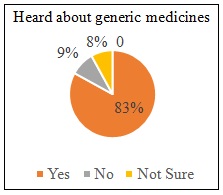
FIG. 1: AWARENESS OF GENERIC MEDICINES AMONG STUDY PARTICIPANTS
The most common source of information was social media (44.0%), followed by family and friends (34.0%), doctors (25.0%), pharmacists (23.0%), Jan Aushadhi Kendras (13.0%), and advertisements (10.0%). Additionally, 10.0% of participants reported no prior exposure to information regarding generic medicines, Fig. 2.
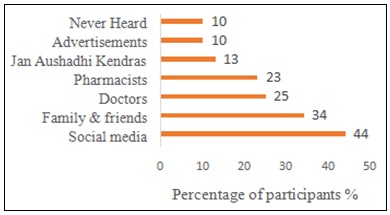
FIG. 2: SOURCES OF INFORMATION ABOUT GENERIC MEDICINES
Knowledge Regarding Generic Medicines: A total of 61.0% (n = 242) correctly identified that generic medicines are equivalent to branded medicines in terms of quality and effectiveness, while 19.5% (n = 78) lacked this knowledge and 19.5% (n = 77) were not sure. Regarding cost awareness, 76.5% (n = 304) recognized that generic medicines were less expensive than branded medicines, whereas 14.5% (n = 58) were unaware and 9.0% (n = 35) were not sure. Only 27.5% (n = 109) reported having been prescribed generic medicines by physician, while 42.5% (n = 169) had not received such prescriptions and 30.0% (n = 119) were unsure whether prescribed medicines were generic. Awareness of government initiatives was moderate: 55.5% (n = 220) were aware of the Pradhan Mantri Bhartiya Janaushadhi Pariyojana, while 31.5% (n = 125) were unaware and 13.0% (n = 52) were not sure, Fig. 3. Similarly, 54.5% (n = 216) were aware that generic medicines were available at Jan Aushadhi Kendras, whereas 32.5% (n = 129) were unaware and 13.0% (n = 52) were not sure, Table 2.
TABLE 2: AWARENESS AND KNOWLEDGE REGARDING GENERIC MEDICINES
| Variable | Yes n (%) | No n (%) | Not Sure n (%) |
| Heard of generic medicines | 330 (83.0) | 36 (9.0) | 31 (8.0) |
| Generic medicines are similar to branded medicines in quality and
effectiveness |
242 (61.0)
|
78 (19.5)
|
77 (19.5)
|
| Generic medicines are cheaper than branded medicines | 304 (76.5) | 58 (14.5) | 35 (9.0) |
| Ever been prescribed generic medicines by a physician | 109 (27.5) | 169 (42.5) | 119 (30.0) |
| Awareness of PMBJP | 220 (55.5) | 125 (31.5) | 52 (13.0) |
| Aware that generic medicines are available at Jan AushadhiKendras | 216 (54.5) | 129 (32.5) | 52 (13.0) |
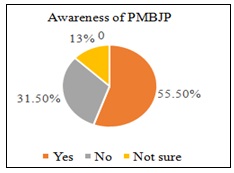
FIG. 3: AWARENESS OF PMBJP AMONG STUDY PARTICIPANTS
Attitudes and Practices: A majority of participants (66.0%, n = 262) preferred generic medicines over branded medicines, while 16.9% (n = 67) did not and 17.1% (n = 68) were not sure, Table 3. Regarding safety perceptions, 60.0% (n = 238) believed that generic medicines were safe, 10.0% (n = 40) disagreed, and 30.0% (n = 119) were uncertain. Participant confidence regarding generic medicine use varied: 28.5% (n = 113) reported high confidence in using generic medicines, 22.0% (n = 87) were somewhat confident, 33.5% (n = 133) were neutral, 10.0% (n = 40) were somewhat hesitant, and 6.0% (n = 24) were very hesitant, Fig. 4.
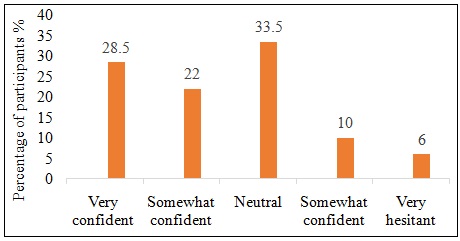
FIG. 4: PARTICIPANTS’ CONFIDENCE IN THE USE OF GENERIC MEDICINES
With respect to substitution practices, 40.0% (n = 159) were willing to accept pharmacist substitution with generic medicines, 12.0% (n = 48) refused substitution, and 48.0% (n = 190) would accept substitution only after consulting a physician.
More than half of the participants (58.5%, n = 232) supported increased prescription of generic medicines by doctors, 27.5% (n = 109) were neutral, and 14.0% (n = 56) opposed it. Similarly, 45.5% (n = 181) supported mandatory generic prescribing policies, while 30.0% (n = 119) were neutral and 24.5% (n = 97) opposed such policies. The majority (72.0%, n = 286) considered both price and quality important factors when choosing medicines. In contrast, 8.0% (n = 32) prioritized price alone, 18.0% (n = 71) prioritized quality alone, and 2.0% (n = 8) considered neither factor important. A large proportion (88.5%, n = 351) agreed that regular quality checks of generic medicines would improve public confidence.
Most participants (74.0%, n = 294) had never visited a JanAushadhi Kendra (JAK), while 25.0% (n = 99) had visited JAK and 1.0% (n = 4) were not sure, Fig. 5. Nearly half of the respondents (49.5%, n = 196) reported having used generic medicines, whereas 35.0% (n = 139) had not used them and 15.5% (n = 62) were not sure. Regarding self-purchasing behavior, 56.5% (n = 224) reported that they did not purchase generic medicines without consulting a physician, while 34.5% (n = 137) reported purchasing them directly and 9.0% (n = 36) were not sure.
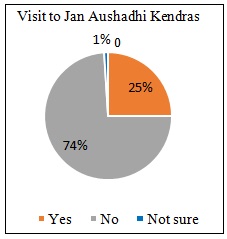
FIG. 5: VISITS TO JAN AUSHADHI KENDRAS AMONG STUDY PARTICIPANTS
TABLE 3: ATTITUDES AND PRACTICES REGARDING GENERIC MEDICINES
| Variable | Response Category | Frequency (n) | Percentage (%) |
| Preference for generic medicines over branded medicines as it is cheap and effective | Yes
No Not Sure |
262
67 68 |
66.0
16.9 17.1 |
| Believe generic medicines are safe to use
|
Yes
No Not Sure |
238
40 119 |
60.0
10.0 30.0 |
| Feel confident if doctors prescribe generic medicines over branded medicines
|
Very confident
Somewhat confident Neutral Somewhat hesitant Very hesitant |
113
87 133 40 24 |
28.5
22.0 33.5 10.0 6.0 |
| Acceptance of pharmacist substitution of branded
medicines with generic medicines |
Yes
No Accept only after confirming with doctor |
159
48 190
|
40.0
12.0 48.0
|
| Doctors should prescribe more generic medicines
|
Agree
Neutral Disagree |
232
109 56 |
58.5
27.5 14.0 |
| Should it be compulsory for doctors to prescribe generic medicines | Agree
Neutral Disagree |
181
119 97 |
45.5
30.0 24.5 |
| Most important factor regarding generic medicines
|
Both Price and Quality
Price only Quality only Neither |
286
32 71 8 |
72.0
8.0 18.0 2.0 |
| Regular quality checks of generic medicines
improve public confidence |
Agree
Disagree
|
351
46
|
88.5
11.5
|
| Ever visited a Jan Aushadhi Kendra
|
Yes
No Not Sure |
99
294 4 |
25.0
74.0 1.0 |
| Have you ever used generic medicines on your own
|
Yes
No Not Sure |
196
139 62 |
49.5
35.0 15.5 |
| Purchase of generic medicines without physician consultation
|
Yes
No Not Sure |
137
224 36 |
34.5
56.5 9.0 |
DISCUSSION: The present study demonstrated that awareness of generic medicines among participants was relatively high; however, important gaps in knowledge, trust, and utilization were evident. These findings suggest that awareness alone may be insufficient to promote the acceptance and use of generic medicines, consistent with previous reports 7.
The high level of awareness observed in the present study may be attributed to greater educational exposure and access to health-related information. Similar findings have been reported in other populations 8-9. Nevertheless, misconceptions regarding the quality, safety, and effectiveness of generic medicines continue to influence treatment-related decisions.
Although most participants recognized that generic medicines are more affordable than branded medicines, a smaller proportion correctly understood their therapeutic equivalence. Similar observations have been reported previously, indicating persistent misconceptions regarding the quality and effectiveness of generic medicines10. In the Indian context, confusion often exists between generic medicines, branded generics, and medicines supplied under the Pradhan Mantri Bhartiya Janaushadhi Pariyojana (PMBJP). Limited understanding of these distinctions may have contributed to the uncertainty observed among participants.
Social media was the most common source of information regarding generic medicines. While digital platforms can improve public awareness, they may also contribute to the dissemination of inaccurate or misleading information 11. Therefore, healthcare professionals, particularly physicians and pharmacists, have an important role in providing reliable information and addressing misconceptions regarding generic medicines 12.
Only a minority of participants reported having been prescribed generic medicines by physicians. This finding may reflect limited adoption of generic prescribing practices and could adversely influence public trust and utilization. Previous studies have identified physician recommendation as a major determinant of patient acceptance of generic medicines9-13. Although participants generally expressed favorable attitudes toward generic medicines, confidence in their use varied considerably. A substantial proportion of respondents remained uncertain about their safety and effectiveness, indicating the persistence of concerns that have been reported in earlier studies 14-16.
Despite moderate awareness of PMBJP and Jan Aushadhi Kendras, utilization of these facilities remained relatively low 17. This finding suggests that factors beyond awareness, such as accessibility, convenience, medicine availability, and public trust, may influence utilization. Strengthening public outreach activities and improving the visibility of these services may enhance their use.
Overall, the findings indicate that the gap between awareness and utilization of generic medicines is influenced by multiple interrelated factors, including physician prescribing practices, pharmacist involvement, perceptions of quality and effectiveness, and awareness of government-supported initiatives. Addressing these factors through targeted educational interventions and stronger healthcare provider engagement may improve public acceptance and utilization of generic medicines.
CONCLUSION: The present study found that although awareness and attitudes toward generic medicines were generally favorable among an urban population in Delhi, their utilization remained limited. The findings highlight a persistent gap between awareness and practice, influenced by factors such as trust in physicians, prescribing patterns, perceptions regarding quality, and limited engagement with government initiatives like Jan Aushadhi Kendras. Strengthening communication by healthcare providers and improving public awareness of quality-assured generic medicines may help enhance their acceptance and utilization.
Limitations: This study has certain limitations. The use of convenience sampling and mixed online–offline modes of data collection may have introduced selection bias and limited the generalizability of the findings. The study relied on self-reported responses, which may be subject to recall and response bias. Detailed socioeconomic variables and prior healthcare exposure were not comprehensively assessed. The study did not perform inferential statistical analyses such as logistic regression to identify predictors of generic medicine use. Nevertheless, the study provides useful preliminary insights into public perceptions regarding generic medicines in an urban Indian setting. Future studies using multivariable models may provide deeper insights into factors influencing utilization.
ACKNOWLEDGEMENTS: Nil
CONFLICT OF INTEREST: Nil
REFERENCES:
- World Health Organization: Generic medicines. Geneva: WHO; 2023. Available from: https://www.who.int/news-room/questions-and-answers/item/generic-medicines. Accessed April 27, 2026.
- Department of Pharmaceuticals, Government of India: Pradhan Mantri Bhartiya Janaushadhi Pariyojana (PMBJP). New Delhi: Government of India. Available from: https://janaushadhi.gov.in. Accessed April 27, 2026.
- Colgan S, Faasse K, Martin LR, Stephens MH, Grey A and Petrie KJ: Perceptions of generic medication in the general population, doctors and pharmacists: a systematic review. BMJ Open 2015; 5(12): e008915. doi:10.1136/bmjopen-2015-008915.
- Gupta R, Malhotra A and Malhotra P: Assessment of awareness on generic drugs among doctors in a tertiary care teaching hospital in North India. Int J Res Med Sci 2018; 6(6): 2006-2010. doi:10.18203/2320-6012.ijrms20181297.
- Kaur S: Assessment of knowledge, attitude and practice of generic medicines among interns and postgraduate dental students. Int J Basic Clin Pharmacol 2020; 9(11): 1702-1707. doi:10.18203/2319-2003.ijbcp20204626.
- Cochran WG: Sampling Techniques. 3rd Ed. New York: John Wiley & Sons; 1977.
- Panigrahy S and Chaudhari S: Knowledge and perceptions of generic drugs: A cross-sectional study. J Drug Deliv Ther 2022; 12(2-S): 53-57.
- Jin HK and Kim E: Bridging knowledge gaps and misconceptions: Public perceptions of generic medicines in South Korea: A nationwide cross-sectional survey. J Am Pharm Assoc 2025; 65(6): 102491. doi:10.1016/j.japh.2025.102491.
- Dunne SS and Dunne CP: What do people really think of generic medicines? A systematic review and critical appraisal of literature on stakeholder perceptions of generic drugs. BMC Med 2015; 13: 173. doi:10.1186/s12916-015-0415-3.
- Guleria KSDS, Rathour C and Negi AK: Generic vs. branded: Exploring awareness, perceptions and preferences for generic medicines among the people of Mandi. Int Acad J Appl Biomed Sci 2025; 6(1): 1-5. doi:10.47310/iajabms.2025.v06i01.008.
- Chou WS, Oh A and Klein WMP: Addressing health-related misinformation on social media. JAMA 2018; 320(23): 2417-2418. doi:10.1001/jama.2018.16865.
- Kesselheim AS, Misono AS, Lee JL, Stedman MR, Brookhart MA, Choudhry NK and Shrank WH: Clinical equivalence of generic and brand-name drugs. JAMA 2008; 300(21): 2514-2526. doi:10.1001/jama.2008.758.
- Shrank WH, Cox ER, Fischer MA, Mehta J and Choudhry NK: Patients' perceptions of generic medications. Health Aff (Millwood) 2009; 28(2): 546-556. doi:10.1377/hlthaff.28.2.546.
- Hassali MA, Shafie AA, Jamshed S, Ibrahim MI and Awaisu A: Consumers' views on generic medicines. Int J Pharm Pract 2009; 17(2): 79-88.
- Dunne SS, Shannon B, Dunne CP and Cullen W: Patient perceptions of generic medicines: A mixed-methods study. Patient 2014; 7(2): 177-185. doi:10.1007/s40271-013-0042-z.
- Kesselheim AS, Gagne JJ, Franklin JM, Eddings W, Fulchino LA, Avorn J and Campbell EG: Variations in patients' perceptions and use of generic drugs. J Gen Intern Med 2016; 31(6): 609-614. doi:10.1007/s11606-016-3612-7.
- Mukherjee K: Awareness and utilization of Jan Aushadhi scheme in India. Int J Community Med Public Health 2017; 4(12): 4548-4552.
How to cite this article:
Manak S, Akram MF, Inder D, Khan MA and Alvi S: Knowledge, attitudes, and practices toward generic medicines in Delhi, India: a cross-sectional study. Int J Pharm Sci & Res 2026; 17(9): 2750-57. doi: 10.13040/IJPSR.0975-8232.17(9).2750-57.
All © 2026 are reserved by International Journal of Pharmaceutical Sciences and Research. This Journal licensed under a Creative Commons Attribution-NonCommercial-ShareAlike 3.0 Unported License.
Article Information
19
2750-2757
576 KB
5
English
IJPSR
S. Manak *, M. F. Akram, D. Inder, M. A. Khan and S. Alvi
Department of Pharmacology, Faculty of Dentistry, Jamia Millia Islamia, Delhi, New Delhi, India.
smanak@jmi.ac.in
15 May 2026
07 June 2026
20 June 2026
10.13040/IJPSR.0975-8232.17(9).2750-57
01 September 2026
 Download