




MARINE DERIVED BIOACTIVE COMPOUNDS IN OSCC MANAGEMENT: EXPLORING BUCCAL HYDROGEL SYSTEMS AS LOCALIZED DELIVERY
HTML Full TextMARINE DERIVED BIOACTIVE COMPOUNDS IN OSCC MANAGEMENT: EXPLORING BUCCAL HYDROGEL SYSTEMS AS LOCALIZED DELIVERY
Annie James and Arti Majumdar *
IPS Academy College of Pharmacy, Rajendra Nagar, A.B. Road, Indore, Madhya Pradesh, India.
ABSTRACT: Oral squamous cell carcinoma (OSCC) remains associated with high recurrence and treatment- related morbidity despite advances in conventional therapy. Marine-derived bioactive compounds exhibit promising anticancer activity through apoptosis induction and modulation of oncogenic signaling; however, their clinical translation is limited by poor solubility, instability and inadequate local retention. This structured narrative review summarises current evidence on marine anticancer compounds investigated in OSCC and critically discusses buccal hydrogel- based delivery systems as localized therapeutic platforms. Emphasis is placed on formulation design, mucoadhesion, drug-release behaviour and stability. Although direct marine-hydrogel studies in OSCC are limited, buccal hydrogels show strong potential to enhance local efficacy and reduce systemic toxicity. It is also worth mentioning that mechanistic validation of marine compounds is mostly based on non oral cancer models and direct experimental evidence in OSCC- specific systems remains limited to a select number of compound classes such as fucoidan, pardaxin, piscidin-1 and 11-dehydrosinulariolide.
Keywords: Oral squamous cell carcinoma, Marine-derived anticancer compounds, Buccal hydrogel delivery, Mucoadhesive drug delivery systems, Localized oral cancer therapy, Marine natural compounds
INTRODUCTION:
Burden and Clinical Challenges of OSCC: Oral squamous cell carcinoma (OSCC) is the most prevalent malignancy of the oral cavity, contributing substantially to cancer-related morbidity and mortality worldwide 1, 2. Although innovative diagnostic systems and multimodal treatment techniques have been developed, the five-year survival outcomes are low, mainly because of late-stage diagnosis and high recurrence 3, 4.
The most common methods of treatment, including surgery excision, radiotherapy and chemotherapy are closely related with high degrees of functional disabilities, loss of life quality, and high extents of systemic toxicity 3. Therapeutic resistance and failure to achieve successful tumour-selective effective concentration of drugs without impact on the healthy tissues are also some of the issues that are hard to be obtained in clinical practice 3, 4. It is against such challenges that the growing interest of other forms of alternative treatment modality having the capacity to create better local tumour control and reduce morbidity of treatment is increasing 4.
Rationale for Localized Drug Delivery in OSCC: The anatomical accessibility of oral tumours provies a unique opportunity for site specific drug delivery. Localized therapy permits delivery of drugs to the lesion, and, hence, massive local drug concentrations at the tumour location with minimal systemic exposure and side effects 5, 6. This approach is especially attractive in OSCC where the topical dosing could be performed frequently and potentially increases the adherence by patients to the long-term treatment courses 6.
However, the classical topical preparations are not able to remain steadily in the mouth since they are quickly eliminated by the saliva, mouth motions and mechanical actions which cause low residence and unpredictable drug exposure 7, 8. Thus, to fully realize the therapeutic potential of buccal drug delivery in the treatment of OSCC, there would be the need to develop improved localized system of delivery that would possess the ability to retain the drug and deliver it over a prolonged period 7, 8.
Marine-derived Compounds as Emerging Anticancer agents: The marine ecosystems are also some of the richest reservoirs of structural unique natural products 9. Various marine metabolites including alkaloids, polysaccharides, terpenoids and peptides have been shown to effectively down-regulate many tumour model systems with broad- spectrum anticancer activity 9, 22. Many marine compounds have antiproliferative, pro- apoptotic, anti-invasive and anti-angiogenic activity, which identifies their potential therapeutic implications in OSCC 22, 25.
Marine natural products frequently presents novel chemical scaffolds and multitarget biological activites, providing solutions to drug resistance and improving therapeutic selectivity 9, 11.
Additionally, more and more studies are testing marine-derived compounds in oral and head and neck cancer models specifically, meaning that the compounds could be used in OSCC management on a translational level 23, 25.
Buccal Hydrogel Systems for Localized Delivery of Marine-Derived Anticancer Compounds in OSCC: Despite a good biological action potential of most of the marine-derived compounds, their use in pharmaceuticals is often hampered by low aqueous solubility, chemical instability, enzymatic breakdown and incompetent tissue retention 12, 21. These limitations significantly restrict the direct clinical translation of these compounds, particularly for localized treatment of oral tumours 13.
Buccal hydrogel represent a promising delivery of marine bioactives due to their prolonged mucosal retention and the possibility of controlled and sustained release of drugs 35, 39. Mucoadhesive polymeric networks have the capacity to resist salivary washout, conform to the irregular tumour surface and maintain close contact with lesions, thereby increasing the concentration of drugs in the local area and therapeutic effect 15, 16.
Moreover, hydrogel matrices can form a protective microenvironment of labile marine compounds, and incorporation of auxiliary formulation strategies, including penetration enhancers or carrier system, can be employed to enhance local tissue distribution 26, 27.
METHODOLOGY: A structured narrative literature review was conducted to summarise and critically analyse published studies on marine-derived anticancer compounds and buccal hydrogel-based delivery systems for oral squamous cell carcinoma (OSCC).
Literature searches were performed in PubMed, Scopus and Google Scholar using combinations of keywords including “oral squamous cell carcinoma” or “OSCC”, “marine” or “marine- derived”, algae, seaweed, sponge and coral, together with “hydrogel”, “mucoadhesive”, “buccal delivery”, “local delivery” and “in situ gel”. Additional relevant articles were identified by screening the reference lists of selected publications.
Original research articles and review papers reporting the anticancer activity of marine-derived compounds in oral squamous cell carcinoma models, as well as studies describing buccal or hydrogel-based localized delivery systems applicable to oral cancer therapy, covering publications from January 2005 to March 2025 were included.
Studies focusing exclusively on non-oral cancers, non-marine compounds or systemic delivery strategies without relevance to local oral administration were excluded.
OSCC Specific Delivery Barriers Relevant to Buccal Therapy:
Anatomical and Physiological Barriers of the Buccal Mucosa: The buccal mucosa is a non-keratinised stratified squamous epithelium that provides a clinically accessible route for localized drug delivery; however, its structural and physiological characteristics impose significant constraints on drug permeation and retention 8, 14. The epithelial layer, along with the underlying basement membrane and lamina propria, forms a diffusional barrier that restricts the permeation of hydrophilic and high-molecular-weight molecules, including many marine-derived polysaccharides and peptides 8, 14.
Furthermore, the buccal mucosa is continuously exposed to salivary secretion, mastication- related mechanical stress, speech-related movement and active mucosal turnover. These factors promote rapid dilution and clearance of topically applied formulations, resulting in short residence time and inconsistent drug exposure at the target site 7, 8, 14. The presence of enzymes in the oral cavity further compromises the stability of labile peptide- and protein-based marine bioactives, thereby reducing their effective local concentration 13, 14.
To overcome these physiological barriers, mucoadhesive delivery systems are employed to enhance formulation retention through non-covalent interactions with mucin and epithelial surfaces 7, 16. However, excessively viscous or rigid gel systems may cause patient discomfort and hinder uniform spreading across irregular oral lesions, emphasizing the need for careful optimization of hydrogel rheological and adhesive properties for OSCC-targeted applications 12, 35.
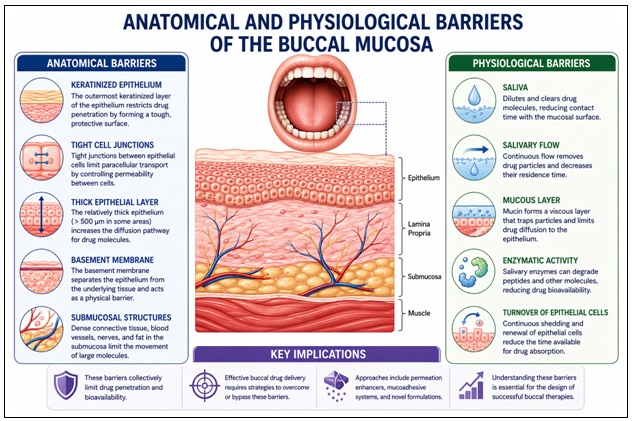
FIG. 1: ANATOMICAL AND PHYSIOLOGICAL BARRIERS OF THE BUCCAL MUCOSA
Tumour-site Challenges for Local Drug Delivery in OSCC: In addition to conventional mucosal barriers, OSCC lesions impose disease-specific limitations on localized drug delivery. Oral tumours are characterized by marked structural heterogeneity, including irregular epithelial thickness, disrupted basement membrane integrity and a dense stromal component, all of which significantly influence local drug penetration and distribution 4, 33. The tumour microenvironment in OSCC is highly heterogeneous and frequently associated with altered extracellular matrix composition and elevated interstitial pressure. These factors hinder uniform diffusion of therapeutic agents into deeper tumour regions and promote uneven drug exposure following topical or surface-based application 3, 33.
Local inflammatory activity and increased vascular permeability in oral tumours may further accelerate drug clearance from the application site, thereby limiting sustained therapeutic concentrations. This further underscores the need for sustained release buccal hydrogel systems capable of maintaining effective local drug concentrations at the tumor site over a prolonged period 9, 22.
Therefore, buccal hydrogel systems for OSCC therapy must be rationally designed to overcome both mucosal and tumour-specific barriers by ensuring prolonged lesion residence, controlled and sustained drug release, and enhanced conformability to irregular tumour surfaces 16, 39, 46. Incorporation of penetration-enhancing strategies and flexible hydrogel architectures is essential to achieve more homogeneous drug distribution within heterogeneous OSCC tissues and to maximize the therapeutic potential of marine bioactive compounds 16, 39.
Representative examples of advanced localized delivery systems include pH-responsive dual- functional hydrogels combining localized delivery with intrinsic anticancer activity 41, mucoadhesive nanocomposite sponges developed for effective local treatment of oral cancerous and precancerous lesions 43, and tumour microenvironment-activatable nanocatalysts that enhance adjuvant OSCC therapy 45. Injectable tumour-responsive hydrogel systems are also being explored for localized therapeutic and immunomodulatory strategies in OSCC management 42.
Marine Derived Compounds Investigated for OSCC (Direct And OSCC Relevant Evidence): Marine bioactive compounds derived from algae, sponges and corals have been investigated for their anticancer potential against oral squamous cell carcinoma (OSCC), primarily through in-vitro cytotoxicity and apoptosis assays and, in selected studies, through molecular docking analyses targeting oncogenic pathways such as Akt signaling 19, 20, 25. However, the level of evidence varies considerably among compound classes, and in several cases remains confined to in-silico prediction rather than experimental validation in OSCC-specific models 19, 25. For the purpose of this review, the evidence supporting the anticancer activity of each marine compound class has been graded into four categories to facilitate easy assessment of translational applicability.
Alkaloids: Marine sponge-derived alkaloids have largely been evaluated using computational and mechanistic approaches in relation to OSCC 19, 22. Isofistularin-3, a metabolite isolated from the sponge Aplysina aerophoba, has been reported to interact with DNA methyltransferases and induce apoptosis in non-oral cancer models. In the context of OSCC, its activity has primarily been predicted through molecular docking and target prediction studies rather than direct cell- based experimental validation 19, 20.
Similarly, crambescidine-816, a guanidine alkaloid isolated from Crambe species, demonstrated tumour regression in zebrafish xenograft models of colorectal carcinoma through disruption of cytoskeletal organization and mitochondrial function. Although computational analyses suggest potential affinity toward OSCC-relevant molecular targets 19, 20.
Major Delivery Limitation: Marine alkaloids are chemically complex and predominantly lipophilic, often exhibiting poor aqueous solubility and formulation instability, which complicates their incorporation into localized buccal delivery systems 21, 22.
Polysaccharides: Fucoidan, a sulphated polysaccharide derived from brown seaweeds, is one of the most extensively studied marine polysaccharides in oral cancer research 10, 27. In vitro studies using OSCC cell lines have demonstrated that fucoidan induces cytotoxicity through increased intracellular reactive oxygen species generation and depletion of intracellular glutathione, thereby promoting oxidative stress-mediated apoptosis 20, 27.
Carrageenan, a sulphated polysaccharide obtained from red algae, has likewise been investigated in oral and other carcinoma cell models and has been shown to enhance oxidative stress and sensitize OSCC cells toward apoptotic cell death 27, 33.
Collectively, these polysaccharides exhibit promising preclinical potential to modulate survival-associated signaling pathways in OSCC models.
Major Delivery Limitation: The pronounced hydrophilicity and high molecular weight of marine polysaccharides significantly restrict their penetration into tumour tissue following topical administration 11, 17.
Terpenoids: Phlorotannin-based compounds with terpenoid nature such as dieckol and 6,6'-bieckol of the brown alga Ecklonia cave have been pursued largely by molecular docking studies in OSCC. These compounds were shown to have high-predicted binding affinity to Akt1 and Akt2 indicating a likelihood of Akt-driven survival signaling inhibition of OSCC 24, 25. In contrast, an 11-dehydrosinulariolide, a diterpenoid directly tested in OSCC cell models, is a diterpenoid isolated by the soft coral Sinularia leptoclados. When CAL-27 human OSCC cells were treated, early and late cellular apoptosis was induced promptly, accompanied by a significant inhibition of cell migration 25, 47. Moreover, terpenoid-rich extracts of Lobophytum crassum also had an inhibitory effect on the invasion and motility of OSCC cells 20, 25.
Major Delivery Limitation: The marine terpenoids are normally poorly soluble in water and lack chemical stability making it difficult to incorporate them directly into an aqueous or mucoadhesive buccal hydrogel system 21, 22.
Peptides and Proteins: Pardaxin, a marine-derived antimicrobial peptide, has been evaluated in human OSCC cell lines. In-vitro studies demonstrated induction of G2/M cell-cycle arrest and activation of apoptotic signaling pathways, leading to significant inhibition of OSCC cell viability 22, 25. Another antimicrobial peptide, piscidin-1, derived from fish, has also been shown to induce apoptosis in OSCC cells through excessive generation of reactive oxygen species and intracellular calcium accumulation 26. Together, these peptides provide cellular-level evidence of selective cytotoxic activity against OSCC cell lines 25, 26.
Major Delivery Limitation: Marine peptides and proteins are highly susceptible to enzymatic degradation in the oral cavity and exhibit very short mucosal residence time, resulting in rapid loss of biological activity following topical administration 8, 13.
Overcoming Formulation Limitations with Advanced Delivery Systems: The physicochemical limitations of the marine based compounds require complex drug delivery approaches. Mucoadhesive systems and buccal hydrogels are also effective solutions, which allow to combine the long-term residence of the mucosa with controlled and sustained release of drugs 15, 16, 34, 35. Such systems can withstand salivary washout, attach to irregular tumour surfaces, and be in close proximity to lesions, which increases the exposure of drugs to the area and their therapeutic effect 17, 18, 40.
Hydrogel gels can also support a protective microenvironment of labile marine compounds and can accommodate the inclusion of penetration enhancing excipients or carrier systems to enhance local tissue delivery 36, 49. Examples of these are the mucoadhesive biopolymer-based nanocompositions of sponges that are used to deliver tetrahydrocurcumin locally into oral cancer patients with precancerous oral lesions 43 and pH-responsive dual-functional hydrogels that combine local delivery with inherent anticancer capability 41.
Tumour-responsive hydrogel systems, which are injectable and designed to target local therapeutic and immunomodulatory approaches in OSCC, are also being developed 38, 42. Systems based on nanoparticle interactions, especially when embedded into hydrogel matrices, are better to select and less systemically toxic 44, 49. Microenvironment-activatable nanocatalysts are under development (e.g. MnO2-x MHA-CCM) that are hoped to enhance OSCC treatment outcomes through a combination of chemodynamic therapy and autophagy regulation and solve issues of therapeutic resistance and systemic toxicity 45.
Mechanisms of Anticancer Action of Marine Derived Compounds with Relevance to OSCC: Marine compounds have diverse anticancer effects that could be applied oral sqaumous cell carcinoma (OSCC). However, it must be clearly stated that direct mechanistic validation in OSCC-specific experimental models is currently limited to a small number of compound classes. Most of the mechanistic evidence that was analyzed in this section is translation and has been performed on other carcinoma models, xenograft systems or in-silico analyses and it should not be interpreted as confirmed OSCC activity unless explicitly stated otherwise 19, 20, 25.
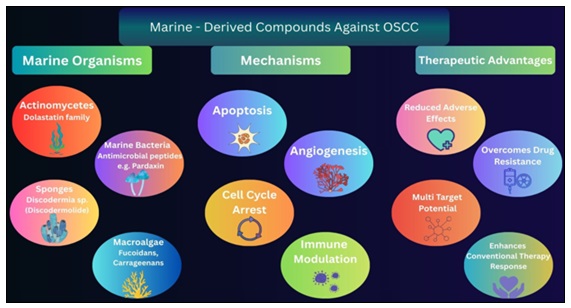
FIG. 2: TYPES OF ANTICANCER MARINE COMPOUNDS WITH THEIR MECHANISMS AND THERAPEUTIC ADVANTAGES
An overview of representative marine-derived compounds, their major mechanistic pathways and the experimental basis supporting these mechanisms is summarized in Table 1.
TABLE 1: MECHANISMS OF ACTION OF REPRESENTATIVE MARINE – DERIVED COMPOUNDS WITH RELEVANCE TO OSCC THERAPY
| S. no. | Marine Compounds and Their Representative Compounds | Evidence Source | Proposed Mechanisms | Key Molecular Pathways | Typical Assay Readouts/Su pporting Mechanisms |
| 1 | Dolastatins and related depsipeptides
e.g.- Dolastatin family (from Dolabella auricularia) |
Translational (non-OSCC models) | Induction of apoptosis
and inhibition of tumour cell proliferation |
Microtubule disruption; G2/M cell-
cycle arrest; caspase activation |
Annexin-V positivity; caspase-3/7 activation; G2/M arrest; reduced cell viability |
| 2 | Polyketides
e.g.-Discodermolide (from Discodermia sp.) |
Translational (non-OSCC models) | Induction of apoptosis; inhibition of migration
and invasion |
Microtubule stabilisation; mitochondrial apoptotic pathways; Bax/Bcl-2 modulation | PARP
cleavage; Annexin-V staining; tubulin stabilisation markers; migration and invasion assays |
| 3 | Diterpenoids
e.g.- 11- Dehydrosinulari-olide (from Sinularia leptoclados) |
Direct OSCC evidence | Activation of intrinsic apoptotic pathways
and inhibition of migration |
Mitochondrial dysfunction; cytochrome- c release; caspase-9 and caspase-3 activation | Caspase-3/9 activation; cytochrome- c release; DNA
fragmentation; migration assays |
| 4 | Antimicrobial peptides
e.g.-Pardaxin |
Direct OSCC evidence | Inhibition of proliferation and induction of apoptosis; membrane disruption | Cell-cycle arrest; membrane permeabilisation; mitochondrial apoptotic signaling | Flow- cytometric cell-cycle analysis; increase in sub-G1 population; reduced
viability |
| 5 | Marine polysaccharides
e.g.-Fucoidans, carrageenans, ulvans |
Direct and translationl evidence (fucoidan validated in OSCC) | Anti-proliferative, pro-apoptotic and immunomodulatory effects | NF-κB,
MAPK and JAK/STAT pathways; intrinsic and extrinsic apoptotic routes |
Caspase activation; reduction in Ki-67;
modulation of cytokine profiles; apoptosis markers |
| 6 | Polyphenols/polypropionates
e.g.- Algal polyphenols and polypropionate derivatives |
Translational (non-OSCC models) | Inhibition of proliferation and apoptosis sensitization | PI3K/Akt, MAPK and p53-
associated signaling |
Decreased proliferation markers; cleaved caspases; p53-related signatures |
Mechanisms Extrapolated from Other Cancer Models: For several promising marine-derived metabolites, mechanistic data are currently obtained from non-oral cancer models and thus remain indirect with respect to OSCC, some of them are as follows.
The dolastatins and analogues of depsipeptides, isolated from Dolabella and induce cell-cycle arrest in the G2/M phase and apoptotic death by activating caspases, induce microtubule dynamics disruption and are potent cytotoxic agents in a variety of human carcinoma models 28, 29. These compounds are suppressive to mitosis mainly through the destabilisation of microtubules and G2/M arrest. Though these mechanisms are very applicable in the high proliferating OSCC cells, it has not yet been directly confirmed in the specific experimental systems of OSCC.
Discodermolide is a marine polyketide that stabilizes microtubules and causes apoptosis in different human carcinoma models. Mechanistically, it improves the apoptotic signaling in mitochondria, regulates the Bax/Bcl-2 ratio and inhibits tumor cell migration and invasion. Although these pathways can also be considered to be applied to OSCC, the existing evidence is based on non-oral systems of cancer 30.
Manzamine A and other marine alkaloids have exhibited antiproliferative as well as pro- apoptotic properties in various carcinoma cells. These include suppressing the proliferation of tumour cells and suppressing pro-survival signaling pathways and cell-cycle controlling proteins. Nonetheless, mechanistic confirmation in model of OSCC is scarce 31, 32. Polyunsaturated fatty acids (PUFAs) and especially, long-chain omega-3 fatty acids that can be found in the marine environment have demonstrated anticancer effects in many different epithelial and solid tumour models. These are suppression of inflammatory signaling, regulation of membrane-associated signaling complexes and induction of apoptosis 20, 34.
Even though it is biologically pertinent to OSCC progression, currently, there is a lack of supporting evidence as most of it is provided by non-oral cancer systems. Therefore, although these mechanistic pathways provide important translational insights, further validation in OSCC-specific experimental models is required to clarify their therapeutic implications in oral cancer. The physicochemical characteristics and biological behaviour of marine-derived compounds directly influence their suitability for localized oral delivery. Rational design and optimization of buccal hydrogel systems are therefore essential to maximize therapeutic performance in OSCC treatment.
Buccal Hydrogels as Local Delivery Systems for OSCC:
Design Principles of Buccal Hydrogels: Hydrogel systems have been of special interest in the localized treatment of oral squamous cell carcinoma (OSCC) given that it is possible to apply hydrogel systems to the lesion site, which can also conform to the multifaceted oral topography and achieve localized drug release by itself 36, 37. Smart stimuli-responsive hydrogels are of particular interest in oral tumour therapy since they can be administered with minimal invasiveness, and give fewer systemic effects 37, 38. Buccal hydrogel formulations usually use polymers like chitosan, carbopol, hydroxypropyl methylcellulose and other cellulose derivatives because they are biocompatible, dissolve in water and link to form cohesive networks in the presence of physiological conditions 34, 35.
These systems have the in situ gelling system that is properly administered in low- viscosity fluids and gels up when exposed to physiological signals like temperature or pH which can be highly appealing in localized therapy 48. One case would be creation of pH-responsive dual functional hydrogel incorporating localized delivery and intrinsic anticancer function in OSCC 41. Injectable dual-drug hydrogels have also received attention in the treatment of OSCC and display responsiveness to tumour microenvironment (TME), both pH- and ROS- sensitive signaling 38, 42.
Mucoadhesion and Residence Time in the Oral Cavity: Mucoadhesive dosage forms confer three principal advantages in buccal OSCC therapy: precise site-directed application at the lesion, prolonged drug contact with absorbing tissue and sustained surface retention that reduces dosing frequency 15, 16.
Mucoadhesive systems are constrained in the design and location by the anatomy and toleration of the mouth by the patients. The patches also tend to be centered in the inner cheek and are 1.0-1.5 cm which is an oval shape patch. The drugs can be applied on the inside of the cheek, under the tongue or on the gums in smaller patches or tablets. But the largest pieces that can be placed under the tongue or on the gums are 1-2cm long. The absorption of the drug is varied at every spot since the tissue, dissolution, and release varies as well. Consequently every location requires a specific optimization to remain effective with OSCC 13, 14. Despite theoretical mucoadhesive residence of several hours to days, practical retention in the oral cavity is frequently limited to a few hours due to disruption by eating, drinking and speech- related mechanical activity, necessitating careful optimization of adhesive and mechanical hydrogel properties 7, 8.
Controlled drugs delivery in the mouth is favourable, since it has a pH of 5-7 and its blood vessels allow the drug to pass directly into the blood. This prevents breakdown of the drug by the gastric acid or liver. The saliva secretion, however, is continous and alters the speed at which the drug is liberated. This should be put into consideration during formulation 39. The adhesive property of the mucoadhesive patch also relies on the polymer material and the environmental factors. Polymer factors include the weight of the chains, their length and shape and the number of active groups they bear as well as the degree of swelling. The pH and the quantity of mechanical pressure are the environmental factors. It is vital to know these facts to create a mucoadhesive gel that would release a marine-based cancer drug into lesions in the OSCC over a prolonged period 17, 35.
Drug Release and Permeation Considerations in OSCC Lesions: OSCC lesions are heterogeneous with disrupted epithelial architecture and release of dispersed drugs is highly dependent on polymer hydration and the density of its cross-links from where the substance is incorporated/temporarily embedded, which primarily depends on the size and solubility of the encased substance 33. Consequently, to sustain diffusion of the drug deep within tumour tissues, it is vital that the buccal hydrogels should release the drugs in a sustained rate 39. Transportation through the buccal mucosa is especially low of hydrophilic and high- molecular-weight compounds of marine origins including polysaccharides and peptides which have limited epithelial transport. As a result, the hydrogel matrix has to incorporate permeation-enhancing excipients or auxiliary carrier systems to be able to deliver drugs locally without causing mucosal injury. As an example, the formation of mucoadhesive biopolymer-composite sponges of local delivery of tetrahydrocurcumin in oral cancerous and precancerous lesions was developed, with the formulation methods having been used to improve aqueous solubility and local retention 43.
Therefore, the rational development of buccal hydrogels in OSCC treatment requires the combination of sustained-release behaviour with methods that facilitate permeation of local areas and even distribution of the drug in heterogeneous tumour tissues 39. The further evolution of OSCC treatment is systems based on nanoparticles especially when integrated into hydrogel networks to enhance the specificity of target and minimize the systemic toxic effects 44, 49. To illustrate, titanium dioxide nanoparticles with mesopores and poly (N-isopropylacrylamide) (PNIPAAM) hydrogels have been studied as the delivery platform to prevent proliferation and migration of OSCC cells 44.
MnO2-x@HA-CCM systems have also been used as tumour microenvironment-activatable nanocatalysts to promote chemodynamic therapy and autophagy in OSCC, overcoming several limitations, including resistance to treatment and systemic toxicity 45.
Integration of Marine Compounds into Buccal Hydrogel Systems:
TABLE 2: MARINE COMPOUNDS AND THEIR POTENTIAL FORMULATION STRATEGIES
| S. no. | Marine Compound Class with Examples | Key Formulation Challenges | Implications for Buccal Hydrogel Design | Potential Formulation Strategies |
| 1. | Marine alkaloids
e.g.- Fascaplysin, Manzamine-A |
Poor aqueous solubility; high lipophilicity;
potential local irritation |
Difficult uniform dispersion
within hydrophilic gel matrix; risk of crystallisation and burst release |
Incorporation of solubilising systems (nanocarriers micelles, cyclodextrin complexes) prior to embedding in mucoadhesive hydrogel; nanoparticle-in- hydrogel approach |
| 2. | Marine Polysaccharides
e.g.- Fucoidan and related sulfated polysaccharides |
Highmolecular weight; strong hydrophilicity; limited epithelial/tumour penetration | Limited diffusion into deeper tumour regions despite prolonged surface residence | Use of loosely cross-linked hydrogels; incorporation of penetration- enhancing excipients; carrier-assisted delivery
systems |
| 3. | Marine terpenoids
e.g.- Diterpenoids from marine organisms |
Poor aqueous solubility; chemical instability | Low drug loading and inconsistent release | Carrier-assisted loading (lipid/polymeric nanoparticles) followed by embedding in mucoadhesive hydrogel matrix |
| 4. | Marine peptides and proteins e.g.- Pardaxin, piscidin-1 | Enzymatic degradation; short mucosal residence; structural instability | Rapid loss of biological activity during buccal exposure | Protective polymer networks; encapsulation within nanocarriers; in-situ gelling mucoadhesive
systems |
| 5. | Marine polyunsaturated fatty acids
e.g.- Omega-3 fatty acids |
Oxidative instability; degradation during storage | Reduced shelf-life and variable drug content | Encapsulation within protective carriers; antioxidant-
containing hydrogel matrices; oxygen - limiting packaging |
| 6. | Macrolides & polyketides
e.g.- Discodermolide |
High lipophilicity; low aqueous solubility | Difficulty achieving homogeneous distribution and sustained release | Hybrid systems combining nanocarriers with mucoadhesive hydrogel matrices. |
These formulation-driven challenges highlight the necessity for compound-specific hydrogel design rather than the application of generic buccal delivery platforms for marine-derived anticancer agents. It is important to note that the formulation strategies outlined in Table 2 represent a rational design framework derived from from the known physicochemical and biopharmaceutical properties of each marine compound class.
Selection of Polymers for Marine Compounds: In-situ gelling systems represent a promising alternative to conventional buccal dosage forms. The administration of such formulations is in the form of low-viscosity liquids and gelation on exposure to physiological conditions e.g. temperature or pH, thus enhancing dispensing over irregular lesions caused by OSCC and easing the administration to the patient 48. The in-situ gels have the particular benefit of low-processing close conditions of fragile marine peptides and terpenoids 47, 48. In cases where the marine alkaloids and chemically labile compounds are not soluble in the solvent, incorporation of auxiliary carrier systems (in the hydrogel matrix) has been receiving more and more interest. In nanoparticle-in-hydrogel technique, the encapsulation of the drug is in a particulate carrier, which is then incorporated into a mucoadhesive hydrogel to permit the enhancement of solubility and release sustainability and enhanced local retention 49. The hybrid strategy is especially applicable with respect to the highly hydrophobic marine compounds.
Physicochemical and Mechanical Characterization: Comprehensive physicochemical and, echanical characterization is essential to ensure the clinical workability of buccal hydrogel systems intended for marine-derived anticancer compound delivery in OSCC.
The most important parameters, their standard measurement procedures and performance expectations are outlined below.
Mucoadhesive Strength: Mucoadhesion can be measured using textured analyser in tensile or compressive mode or through a modified balance technique using excised porcine or bovine buccal mucosa as the substrate. In case of buccal systems to be used in OSCC treatment a level of mucoadhesive strength capable of withstanding salivary shear and oral mechanical stress over a sufficient residence time of at least 4-6 hours can be deemed desirable 7, 14.
Gelation Behavior and Rheology: For in-situ gelling systems, sol-gel transition temperature or pH is determined using oscillatory rheometry by monitoring storage modulus (G`) and loss modulus (G``) as a function of temperature or pH. Viscosity at physiological temperature (37o C) and physiological Ph (6.8-7.4) should be sufficient for gel integrity and lesion conformability without causing patient discomfort 36, 48.
Swelling Index: Swelling behavior is measured using a gravimetric method by immersing pre-weighed samples of hydrogel in simulated saliva at 37o C to measure the percentage weight gain at specific time intervals. The level of swelling should be controlled because too much swelling may limit the drug release and mucoadhesive contact 33, 35.
In-vitro Drug Release: Franz diffusion cells or dialysis membrane system are used in phosphate buffer Ph 6.8 or simulated saliva at 37o C to measure the release data and the mathematical models such as zero-order, first-order, Higuchi and Korsmeyer-Peppas equations can be used to determine the release mechanism 33, 34. A buccal OSCC application is normally aimed at sustained release, typically over 6-12 hours, in order to achieve a prolonged local exposure to drugs 36, 40.
Ex-vivo Permeation and Tissue Retention: The excised porcine buccal mucosa is mounted on Franz diffusion cells. Cumulative drug permeated per unit area (µg/cm2), flux (µg/cm2/h) and permeability coefficient (cm/h) are calculated. Tissue retention studies can also determine the amount of drug retained in mucosal tissue layers at a given exposure period which is especially significant to marine compounds with low inherent permeability 5, 46.
Stability of Marine Bioactives in Hydrogel Matrices: One formulation issue of the marine derived compounds is their stability due to their oxidation or hydrolysis and enzyme degradation susceptibility of most molecules 9, 20. The protective microenvironment has the potential to be offered by hydrogel matrices in a manner that allows minimal exposure of the drug incorporated by moisture, oxygen and external stress thus enhancing chemical and physical stability during storage and use 33, 34. In the case of especially unstable marine peptides and polyunsaturated molecules, the entrapment into anti-degradable matrices or carrier-based systems in the framework of hydrogels provides an additional advance of degradation-resistance and biological activity 47, 49.
The assessment of stability of buccal hydrogels is typically done both in the accelerated testing and long-term testing both at controlled temperatures and humidity conditions, in line with the international stability testing requirements 34, 35. Stability is assessed in terms of drug content, appearance, rheological behaviour and in-vitro release behaviour to determine the consistency of the formulation 33, 34.
Successful integration of marine-derived anticancer compounds into buccal hydrogel systems, therefore requires coordinated optimization of polymer selection, formulation strategy, mechanical performance and stability to deliver reproducible, safe and effective localized therapy in OSCC 35, 36, 40.
Safety, Tolerability and Patient Compliance Considerations of Buccal Hydrogel use in OSCC: The clinical significance of buccal hydrogel systems in terms of safety and tolerability is of particular clinical concern in OSCC, where the oral mucosa is already compromised pathologically by tumor growth, ulceration, inflammation and in many instances, tissue damage due to treatment, previous surgery, radiotherapy or chemotherapy 4, 16. Buccal delivery in patients with OSCC involves repeated contact of the formulation with diseased, fragile and highly vascularized tissue, which presents safety issues that need to be considered when developing a formulation 6, 42. Penetration enhancers commonly incorporated into buccal hydrogels may aggravate local irritation and mucosal damage in such diseased tissue and their choice must be validated in disease relevant models rather than healthy mucosa alone 13, 40. Similarly, nanoparticulate carrier systems suggested as marine bioactive delivery must be explicitly evaluated in preclinical models relevant to OSCC since their behavior in ulcerated in ulcerated or inflamed tissue is not well described 40, 42. As buccal hydrogel therapy in OSCC requires long term, repeated use, repeat dose mucosal safety studies on histopathological changes and epithelial integrity are required, but no such data is available on marine-compound loaded buccal hydrogel systems, which is a significant translation gap 6, 42.
Future Perspectives and Research Gaps: Although marine-derived compounds have shown promising potential in anticancer treatment and buccal hydrogel systems have been acknowledged to be beneficial in the localized treatment of oral squamous cell carcinoma (OSCC), there has been no direct integration of marine bioactives into buccal hydrogel systems. Future research should prioritize integrated formulation biological workflows in which drug loading efficiency, release kinectics, mucoadhesive performance, physicochemical stability and anticancer activity are evaluated within a unified experimental system. The existing in-vitro and ex-vivo assessment methods are mostly based on monolayer cultures of OSCC and healthy buccal mucosa, which fail to reflect the heterogeneous and disturbed morphology of OSCC lesions 40. The emerging research on the development of tumour-relevant, in- vitro and ex-vivo models in addition to methods with capabilities to measure intra-tissue distribution and retention of marine bioactives is the key to enhance predictions of local therapeutic efficacy 41.
The formulation strategies should be as well adjusted to the strong chemical diversities of marine molecules such as highly hydrophilic polysaccharides, labile peptides, and strongly hydrophobic alkaloids and terpenoids 47. Therefore, the use of compound-guided hydrogel design with proper selection of polymer and supplementing carrier system is necessary 49. Also, there is restricted information on the long-term stability and repeat dosing mucosal safety of marine compound- loaded hydrogels. More translational research is necessary to combine evaluation of stability with local tolerability and irritation, in addition to in-vivo models of local OSCC therapy, to determine the clinical viability and regulatory suitability of marine-derived anticancer buccal hydrogel delivery 36, 42.
CONCLUSION: Marine compounds are scientifically promising group of anticancer agents that have a mechanistic impact on oral squamous cell carcinoma (OSCC). Nevertheless, it must be acknowledged that direct experimental validation in OSCC-specific models is at present limited to a few compounds, such as fucoidan, pardaxin, piscidin-1 and 11-dehydrosinulariolide with the evidence on the rest of the compounds lasses being largely translational or in-silico in nature. Successful clinical translation will therefore require compounds-specific hyrogel design, tumor-relevant experimental validation and integrated assessment of drug release, formulation stability and local mucosal safety.
ACKNOWLEDGEMENTS: Nil
CONFLICTS OF INTEREST: Nil
REFERENCES:
- Tan Y, Wang Z, Xu M and Li B: Oral squamous cell carcinomas: state of the field and emerging directions. Int J Oral Sci 2023; 15(1): 44.
- Muralidharan S, Nikalje M, Subramaniam T and Koshy JA: A narrative review on oral squamous cell carcinoma. J Pharm Bioallied Sci 2025; 17(1): 204–206.
- Pekarek L, Garrido-Gil MJ, Sánchez-Cendra A and Cassinello J: Emerging histological and serological biomarkers in oral squamous cell carcinoma: applications in diagnosis, prognosis evaluation and personalized therapeutics. Oncol Rep 2023; 50(6): 213.
- Chamoli A, Gosavi AS, Shirwadkar UP and Wangdale KV: Overview of oral cavity squamous cell carcinoma: risk factors, mechanisms, and diagnostics. Oral Oncol 2021; 121: 105451.
- Desai DD, Manikkath J, Lad H and Kulkarni M: Nanotechnology-based mucoadhesive and mucus-penetrating drug-delivery systems for transbuccal drug delivery. Nanomedicine (Lond) 2023; 18(21): 1495–1514.
- Das S, Bhattacharya K, Blaker JJ and Singha NK: Beyond traditional therapy: mucoadhesive polymers as a new frontier in oral cancer management. Biopolymers 2023; 114(9): 23556.
- Reddy HVR and Bhattacharyya S: Mucoadhesive buccal delivery of drugs: challenges and present aspects. Indian Drugs 2020; 57(6): 7–20.
- Smart JD: Buccal drug delivery. Expert Opin Drug Deliv 2005; 2(3): 507–517.
- Alves C and Diederich M: Marine natural products as anticancer agents. Mar Drugs 2021; 19(8): 447.
- Balaji R, Gangireddy R, Thangavelu L and Thiruvengadam R: Marine seaweed polysaccharides as herbal therapeutics in oral cancer and oral health management – a narrative review. Bull Stomatol Maxillofac Surg 2025; 21(4): 110–119.
- Li J, Cai C, Yang C and Li J: Recent advances in pharmaceutical potential of brown algal polysaccharides and their derivatives. CPD 2019; 25(11): 1290–1311.
- Samanthula KS, Satla SR and Bairi AG: Bioadhesive polymers, permeation enhancers and types of dosage forms for buccal drug delivery. J Drug Deliv Ther 2021; 11(1).
- Caon T, Jin L, Simões CMO and Norton RS: Enhancing the buccal mucosal delivery of peptide and protein therapeutics. Pharm Res 2015; 32(1): 1–21.
- Singh S, Sharma D and Garg R: Review on mucoadhesive drug delivery system with special emphasis on buccal route. J Dev Drugs 2017; 6(1).
- Jacob S, Nair AB, Boddu SHS and Gorain B: An updated overview of the emerging role of patch and film-based buccal delivery systems. Pharmaceutics 2021; 13(8): 1206.
- Taneja N, Alam A, Patnaik RS and Taneja T: Current trends in anticancer drug delivery system for oral cancer: a PRISMA compliant systematic review. Open Dent J 2022; 16(4).
- Yermak IM, Davydova VN and Volod'ko AV: Mucoadhesive marine polysaccharides. Mar Drugs 2022; 20(8): 522.
- Gianani P, Kurup N and Rajnani N: Emerging applications of marine-derived polymers in targeted drug delivery: a comprehensive review of sources, structures, and pharmaceutical potentials. JDDT 2025; 15(7): 287–297.
- Natarajan PM, Umapathy VR, Murali A and Swamikannu B: Computational simulations of identified marine-derived natural bioactive compounds as potential inhibitors of oral cancer. Future Sci OA 2022; 8(3): 782.
- Dalisay DS, Tenebro CP, Sabido EM and Suarez AFL: Marine-derived anticancer agents targeting apoptotic pathways: exploring the depths for novel cancer therapies. Mar Drugs 2024; 22(3): 114.
- Kalepu S and Nekkanti V: Insoluble drug delivery strategies: review of recent advances and business prospects. Acta Pharm Sin B 2015; 5(5): 442–453.
- Zheng X, Wu F, Lin X and Shen L: Developments in drug delivery of bioactive alkaloids derived from traditional Chinese medicine. Drug Deliv 2018; 25(1): 398–416.
- Sahani S, Ghosh S, Sarkar S and Sarkar S: Oral cancer: advances in diagnosis and treatment using marine algal drugs. Int J Oncol Res 2024.
- Sathishkumar K and Sathuvan M: Brown algal bioactive molecules: a new frontier in oral cancer treatment. Nat Prod Res 2024; 39(10): 1–3.
- Sivaperumal P, Sekaran S, Kamala K and Ganapathy D: Marine bioactive compounds as potential therapeutic inhibitors for oral squamous cell carcinoma. Oral Oncol 2022; 131: 105971.
- Chiu FC, Kuo HM, Yu CL and Selvam P: Marine-derived antimicrobial peptide piscidin-1 triggers extrinsic and intrinsic apoptosis in oral squamous cell carcinoma through reactive oxygen species production and inhibits angiogenesis. Free Radic Biol Med 2024; 220: 28–42.
- Yao W, Qiu HM, Cheong KL and Zhong S: Advances in anti-cancer effects and underlying mechanisms of marine algae polysaccharides. Int J Biol M 2022; 221: 472–485.
- Panja A, Sharma V, Mitra P and Bazylevich A: Synthesis and anticancer properties of novel dolastatin 10 analogs featuring five-membered heterocyclic rings with a linkable group at the C-terminus. Bioorg Med Chem 2024; 109: 117794.
- Gajula PK, Asthana J, Panda D and Chakraborty TK: A synthetic dolastatin 10 analogue suppresses microtubule dynamics, inhibits cell proliferation, and induces apoptotic cell death. J Med Chem 2013; 56(6).
- ter Haar E, Kowalski RJ, Hamel E and Lin CM: Discodermolide, a cytotoxic marine agent that stabilizes microtubules more potently than taxol. Biochemistry 1996; 35(1): 243–250.
- Mishan MA, Choo YM, Winkler J and Hamann MT: Manzamine A: a promising marine-derived cancer therapeutic for multi-targeted interactions with E2F8, SIX1, AR, GSK-3β, and V-ATPase – a systematic review. Eur J Pharmacol 2025; 990: 177295.
- Lin LC, Kuo TT, Chang HY and Liu WS: Manzamine A exerts anticancer activity against human colorectal cancer cells. Mar Drugs 2018; 16(8): 252.
- Fonseca-Santos B and Chorilli M: An overview of polymeric dosage forms in buccal drug delivery: state of art, design of formulations and their in-vivo performance evaluation. Mater Sci Eng C Mater Biol Appl 2018; 86: 129–143.
- Dubashynskaya NV, Petrova VA and Skorik YA: Biopolymer drug delivery systems for oromucosal application: recent trends in pharmaceutical R&D. Int J Mol Sci 2024; 25(10): 5359.
- Kumari A and Singh B: Emerging trends in designing polysaccharide based mucoadhesive network hydrogels as versatile platforms for innovative delivery of therapeutic agents: a review. Int J Biol Macromol 2025; 300: 140229.
- Zhao Y, Ran B, Xie X and Gu W: Developments on the smart hydrogel-based drug delivery system for oral tumor therapy. Gels 2022; 8(11): 741.
- Andrade F, Roca-Melendres MM, Durán-Lara EF and Rafael D: Stimuli-responsive hydrogels for cancer treatment: the role of pH, light, ionic strength and magnetic field. Cancers (Basel) 2021; 13(5): 1164.
- Zhang X, Li M, Pang X and Wang WL: An injectable hydrogel with photothermal and chemodynamic therapies for targeted promotion of ferroptosis in oral squamous cell carcinoma. Nanoscale 2025. doi: 10.1039/d4nr05147e
- Diaz-Salmeron R, Toussaint B, Huang N and Bourgeois Ducournau E: Mucoadhesive poloxamer-based hydrogels for the release of HP-β-CD-complexed dexamethasone in the treatment of buccal diseases. Pharmaceutics 2021; 13(1): 117.
- Pandey M, Choudhury H, Ying JNS and Ling JFS: Mucoadhesive nanocarriers as a promising strategy to enhance intracellular delivery against oral cavity carcinoma. Pharmaceutics 2022; 14(4): 795.
- Popovici V, Matei E, Cozaru GC and Bucur L: In-vitro anticancer activity of mucoadhesive oral films loaded with Usnea barbata (L.) F. H. Wigg dry acetone extract, with potential applications in oral squamous cell carcinoma complementary therapy. Antioxidants (Basel) 2022; 11(10): 1934.
- Cocoș DI, Dumitriu Buzia O, Tatu AL and Dinu M: Challenges in optimizing nanoplatforms used for local and systemic delivery in the oral cavity. Pharmaceutics 2024; 16(5): 626.
- Elbanna SA, Ebada HMK, Abdallah OY and Essawy MM: Novel tetrahydrocurcumin integrated mucoadhesive nanocomposite κ-carrageenan/xanthan gum sponges: a strategy for effective local treatment of oral cancerous and precancerous lesions. Drug Deliv 2023.
- Chen H, Hu Y, Wu C and Liu K: Mesoporous titanium dioxide nanoparticles poly (N-isopropylacrylamide) hydrogel prepared by electron beam irradiation inhibits the proliferation and migration of oral squamous cell carcinoma cells. Polymers (Basel) 2023; 15(18): 3659.
- Xu H, Zheng C, Zhang Z and Huang X: Tumor microenvironment-activatable nanocatalysts with chemodynamic therapy and enhanced autophagy for specific treatment of oral squamous cell carcinoma. Colloids Surf B Biointerfaces 2024; 236: 113713.
- Cunha L and Grenha A: Sulfated seaweed polysaccharides as multifunctional materials in drug delivery applications. Mar Drugs 2016; 14(3): 42.
- Visuddho V, Halim P, Helen H and Muhar AM: Modulation of apoptotic, cell cycle, DNA repair, and senescence pathways by marine algae peptides in cancer therapy. Mar Drugs 2024; 22(8): 338.
- Vigani B, Rossi S, Sandri G and Bonferoni MC: Recent advances in the development of in-situ gelling drug delivery systems for non-parenteral administration routes. Pharmaceutics 2020; 12(9): 859.
- Fan Y, Han Q, Li H and Cai X: Recent developments in nanoparticle-hydrogel hybrid materials for controlled release. Adv Sci (Weinh) 2025; 12(35): 07209.
How to cite this article:
James A and Majumdar A: Marine derived bioactive compounds in OSCC management: exploring buccal hydrogel systems as localized delivery. Int J Pharm Sci & Res 2026; 17(9): 2630-42. doi: 10.13040/IJPSR.0975-8232.17(9).2630-42.
All © 2026 are reserved by International Journal of Pharmaceutical Sciences and Research. This Journal licensed under a Creative Commons Attribution-NonCommercial-ShareAlike 3.0 Unported License.
Article Information
7
2630-2642
1061 KB
4
English
IJPSR
Annie James and Arti Majumdar *
IPS Academy College of Pharmacy, Rajendra Nagar, A.B. Road, Indore, Madhya Pradesh, India.
artijmajumdar10@gmail.com
20 March 2026
25 April 2026
26 April 2026
10.13040/IJPSR.0975-8232.17(9).2630-42
01 September 2026
 Download