




NETWORK PHARMACOLOGY-BASED IN-SILICO INVESTIGATION OF MAARADAIPPU CHOORANAM: A HYPOTHESIS-GENERATING STUDY ON ITS POTENTIAL MULTI-TARGET EFFECTS IN ATHEROSCLEROSIS
HTML Full TextNETWORK PHARMACOLOGY-BASED IN-SILICO INVESTIGATION OF MAARADAIPPU CHOORANAM: A HYPOTHESIS-GENERATING STUDY ON ITS POTENTIAL MULTI-TARGET EFFECTS IN ATHEROSCLEROSIS
A. Seethaladevi * and A. Balamurugan
Department of Noinadal, Government Siddha Medical College, Palayamkottai, Tirunelveli, Tamil Nadu, India.
ABSTRACT: Background: Cardiovascular diseases (CVDs), primarily driven by atherosclerosis, remain the leading cause of morbidity and mortality worldwide. Atherosclerosis is a chronic inflammatory disorder characterized by lipid accumulation, endothelial dysfunction, oxidative stress and plaque formation, ultimately leading to Acute Myocardial Infarction. Maaradaippu chooranam, a classical siddha polyherbal formulation mentioned in Theraiyar Vaithiyam-1000 has been traditionally used in the management of cardiovascular diseases. However, its molecular mechanisms remain unexplored, warranting a systematic investigation using computational approach. Objective: To explore the potential multi-component, multi-target interactions of Maaradaippu chooranam in the context of atherosclerosis using a hypothesis-generating in-silico approach. Methods: Phytocompounds associated with constituent herbs were collected from literature and databases. ADME properties were predicted using SwissADME with defined selection criteria. Target prediction was performed using SwissTargetPrediction (Homo sapiens, probability threshold ≥0.1). Atherosclerosis-related targets were retrieved from GeneCards and DisGeNET using defined keywords and score thresholds. Protein–protein interaction (PPI) analysis, enrichment analysis, and molecular docking were performed. Results: A total of 40 literature-derived compounds were identified, of which 23 were retained after ADME screening. Thirty-one overlapping targets were identified. Network and enrichment analyses suggested involvement in inflammation, oxidative stress, apoptosis, and lipid metabolism pathways. Docking analysis indicated potential interactions of selected compounds (quercetin, kaempferol, piperine) with key targets such as AKT1, PPARG, and TNF. Conclusion: This study proposes a computational hypothesis that Maaradaippu chooranam may exert multi-target effects relevant to atherosclerosis. However, these findings are predictive and require experimental validation, including phytochemical characterization and biological studies.
Keywords: Atherosclerosis, Network Pharmacology, Siddha medicine, In-silico study
INTRODUCTION: Cardiovascular Diseases (CVDs) remain the leading cause of morbidity and mortality worldwide, with atherosclerosis being the primary underlying pathology.
Atherosclerosis is a chronic inflammatory condition characterized by lipid accumulation, endothelial dysfunction, oxidative stress and plaque formation, ultimately leading to myocardial infarction.
The progression of atherosclerosis involves multiple molecular pathways, including inflammatory signaling, apoptosis and dysregulated lipid metabolism. Despite significant advancements in conventional therapeutic strategies, the management of cardiovascular diseases remains challenging due to associated adverse effects and high cost. This led to increasing interest in alternative medicine systems, particularly traditional formulation that possess multi-component and multi- target therapeutic potential.
The Siddha system of medicine, one of the traditional systems of medicine, offers a wide range of herbo-mineral preparation for the management of various chronic conditions. Maaradaippu chooranam is a classical siddha formulation indicated for the management of coronary heart diseases, mentioned in Theraiyar Vaithiyam -1000. It comprises six herbal plants such as Smilax china, Atlantia monophylla, Caesalpinia bonduc, Morinda tinctoria, Piper nigrum and Hemidesmus indicus, which are known for their anti- inflammatory, antioxidant and cardioprotective properties. However, the precise molecular mechanisms underlying its therapeutic effects remain largely explored.
In recent years, network pharmacology has emerged as a powerful approach to understand the complex interactions between bio-active compounds, target proteins and disease pathways. This approach is particularly suitable for studying traditional formulations due to their multi-component nature. Furthermore, molecular docking provides insights into the binding interactions between active compounds and target proteins, thereby validating potential therapeutic targets. Therefore, the present study aims to explore the potential molecular interactions of Maaradaippu Chooranam in the context of atherosclerosis using an integrated in-silico approach.
MATERIALS AND METHODS:
Collection of Phytocompounds: The phytochemical constituents of Maaradaippu chooranam were collected from published literature and relevant phytochemical databases such as Pubchem and IMPPAT. The formulation consists of medicinal plants including Smilax china, Atlantia monophylla, Caesalpinia bonduc, Morinda tinctoria, Piper nigrum, and Hemidesmus indicus. It should be noted that phytocompounds were collected from published literature and databases rather than experimentally identified from a prepared Maaradaippu chooranam sample. Therefore, the presence of all listed compounds in the final formulation cannot be confirmed, representing a limitation of the study.
Formulation Standardization: The formulation consists of six herbs; however, detailed information regarding proportion, authentication, and preparation method was not experimentally standardized in this study, which may influence the phytochemical composition.”
ADME Screening: Compounds were retained if they satisfied at least 3 of the following criteria: Lipinski’s rule of five (≤1 violation), high gastrointestinal absorption, and bioavailability score ≥0.55. It is acknowledged that strict drug-likeness filtering may exclude biologically relevant phytochemicals.
Target Prediction: The selected bioactive compounds were used for target prediction using SwissTargetPrediction. The canonical SMILES of each compound were obtained from PubChem and used as input. Predicted targets were collected and duplicates were removed. SwissTargetPrediction was performed with species set to Homo sapiens, and targets with probability ≥0.1 were retained. Only top-ranked predicted targets were included.
Collection of Disease-Related Targets: Targets were retrieved using keywords ‘atherosclerosis’ and ‘atherogenesis’ from GeneCards (relevance score ≥10) and DisGeNET (score ≥0.1). Duplicate entries were removed.
Identification of Common Targets: The overlapping targets between compound-related targets and disease-related targets were identified using Venn diagram analysis.
Protein–Protein Interaction (PPI) Network Construction: The common targets were imported into the STRING database to construct a PPI network. The organism was set to Homo sapiens, and the interaction score threshold was maintained at a high confidence level. The network was further analyzed to identify key interacting proteins. The high connectivity observed in the PPI network suggests a densely connected network, likely influenced by STRING database integration of known associations. These results should be interpreted cautiously.
Network Construction and Analysis: The compound–target network was constructed using Cytoscape software. Top 10 hub genes were selected based on degree centrality; however, additional nodes are shown for comparative visualization. The selection criteria have been clarified.
Gene Ontology and Pathway Enrichment Analysis: Gene Ontology (GO) enrichment analysis, including biological process, molecular function, and cellular component, was performed to determine the functional roles of the targets. KEGG pathway enrichment analysis was carried out to identify significant signaling pathways involved in cardiovascular diseases. Enrichment analysis was performed using [Enrichr], with adjusted p-value (FDR < 0.05) considered significant. Gene counts and enrichment ratios were calculated for each pathway
Molecular Docking Analysis: Molecular docking was performed using AutoDock Vina. Protein structures (AKT1: 4EJN, PPARG: 3CS8, TNF: 2AZ5) were prepared by removing water molecules and adding hydrogen atoms. Grid boxes were defined based on active sites. Ligands were energy-minimized prior to docking.
However, docking validation (e.g., redocking of co-crystallized ligands) was not performed, representing a limitation. Binding energies are reported as approximate predictions rather than exact values.
RESULTS:
Identification and ADME Screening of Phytocompounds: A total of 40 phytocompounds were identified from the constituent plants of Maaradaippu chooranam through literature survey. These compounds were subjected to ADME screening using SwissADME to evaluate their pharmacokinetic properties. Based on drug-likeness criteria, including Lipinski’s rule of five, gastrointestinal absorption, and bioavailability, 23 compounds were selected for further analysis.
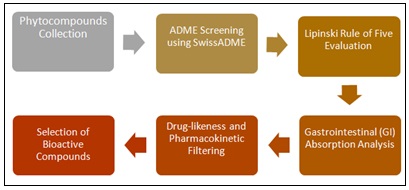
FIG. 1: ADME SCREENING FLOWCHART
TABLE 1: ADME PROPERTIES OF SELECTED BIOACTIVE COMPOUNDS FROM MAARADAIPPU CHOORANAM BASED ON SWISSADME ANALYSIS
| S. no. | Compound Name | Source Herb | MW (g/mol) | LogP | HBD | HBA | GI Absorption | BBB Permeant | Lipinski Violations |
| 1 | Piperine | Piper nigrum | 285.34 | 3.69 | 0 | 3 | High | Yes | 0 |
| 2 | Resveratrol | Smilax china | 228.24 | 3.10 | 3 | 3 | High | Yes | 0 |
| 3 | Quercetin | Smilax china | 302.24 | 1.54 | 5 | 7 | High | No | 0 |
| 4 | Kaempferol | Smilax china | 286.24 | 1.90 | 4 | 6 | High | No | 0 |
| 5 | Piperlongumine | Piper nigrum | 273.33 | 3.00 | 1 | 3 | High | Yes | 0 |
| 6 | Damnacanthal | Morinda tinctoria | 282.25 | 3.00 | 1 | 5 | High | Yes | 0 |
| 7 | Alizarin | Morinda tinctoria | 240.21 | 2.45 | 2 | 4 | High | Yes | 0 |
| 8 | Rubiadin | Morinda tinctoria | 254.24 | 3.05 | 2 | 4 | High | Yes | 0 |
| 9 | Morindone | Morinda tinctoria | 270.24 | 2.10 | 3 | 5 | High | No | 0 |
| 10 | Lucidin | Morinda tinctoria | 270.24 | 2.15 | 3 | 5 | High | No | 0 |
| 11 | Taxifolin | Smilax china | 304.25 | 0.85 | 5 | 7 | High | No | 0 |
| 12 | Naringenin | Smilax china | 272.25 | 2.20 | 3 | 5 | High | Yes | 0 |
| 13 | Scopoletin | Morinda tinctoria | 192.17 | 1.40 | 1 | 4 | High | Yes | 0 |
| 14 | Piceatannol | Smilax china | 244.24 | 2.50 | 4 | 4 | High | No | 0 |
| 15. | Piperamine | P. nigrum | 284.35 | 3.80 | 0 | 2 | High | Yes | 0 |
| 16. | Piperolein B | P. nigrum | 329.43 | 4.50 | 0 | 3 | High | Yes | 0 |
| 17. | Piperamide | P. nigrum | 287.35 | 3.40 | 1 | 3 | High | Yes | 0 |
| 18. | Chavicine | P. nigrum | 285.34 | 3.65 | 0 | 3 | High | Yes | 0 |
| 19. | Piperettine | P. nigrum | 311.37 | 4.10 | 0 | 3 | High | Yes | 0 |
| 20. | Sarmentine | P. nigrum | 221.34 | 3.50 | 0 | 1 | High | Yes | 0 |
| 21. | Epicatechin | S. china | 290.27 | 1.20 | 5 | 6 | High | No | 0 |
| 22. | Catechin | S. china | 290.27 | 1.20 | 5 | 6 | High | No | 0 |
| 23. | Protocatechuic acid | S. china | 154.12 | 0.85 | 3 | 4 | High | Yes | 0 |
Target Prediction and Identification of Common Targets: The selected 23 bioactive compounds were subjected to target prediction using SwissTargetPrediction. A comprehensive list of potential targets was obtained after removing duplicates. Cardiovascular disease-related targets were retrieved from public databases such as GeneCards and DisGeNET, and overlapping targets between compound-related and disease-related genes were identified. The analysis revealed 31 common targets associated with cardiovascular pathogenesis.
TABLE 2: LIST OF COMPOUND RELATED TARGETS OF ALL 23 SELECTED BIOACTIVE COMPOUNDS
| S. no. | Compound Name | Targeted Gene Symbol | Uniprot ID | Pharmacological Action |
| 1 | Piperine | AKT1, TNF, PTGS2 | P31749, P01375 | Anti-apoptotic, Anti-inflammatory |
| 2 | Resveratrol | SIRT1, PPARG, NOS3 | Q96EB6, P37231 | Oxidative Stress Regulation |
| 3 | Quercetin | AKT1, CASP3, IL6 | P31749, P42574 | Cardiomyocyte Protection |
| 4 | Kaempferol | VEGFA, PTGS2, STAT3 | P15692, P35354 | Angiogenesis & Vasodilation |
| 5 | Piperlongumine | NFKB1, MCL1, TP53 | P19838, Q07820 | Inflammatory Signaling Inhibition |
| 6 | Damnacanthal | LCK, AKT1, TNF | P06239, P31749 | Kinase Inhibition |
| 7 | Alizarin | ESR1, PPARG, MAPK1 | P03372, P37231 | Metabolic Modulation |
| 8 | Rubiadin | HMOX1, SOD2, TNF | P09601, P04179 | Anti-oxidant defense |
| 9 | Morindone | PPARG, MMP9, IL1B | P37231, P14780 | Plaque Stabilization |
| 10 | Lucidin | PTGS1, PTGS2, TNF | P23219, P35354 | Prostaglandin Regulation |
| 11 | Taxifolin | NOS3, ACE, AKT1 | P29474, P12821 | Blood Pressure Regulation |
| 12 | Naringenin | PPARG, CYP3A4, TNF | P37231, P08684 | Lipid Peroxidation Control |
| 13 | Scopoletin | NFKB1, IL6, STAT3 | P19838, P05231 | Cytokine Storm Prevention |
| 14 | Piceatannol | SIRT1, AKT1, FOXO3 | Q96EB6, O43524 | Autophagy Induction |
| 15 | Piperamine | CHRM3, ADRB2, AKT1 | P08485, P07550 | Autonomic Regulation |
| 16 | Piperolein B | PTGS2, ALOX5, TNF | P35354, P09917 | Leukotriene Pathway Control |
| 17 | Piperamide | MAPK8, MAPK14, IL6 | P45983, Q16539 | Stress-Activated Protein Kinase |
| 18 | Chavicine | TRPV1, PTGS2, AKT1 | Q8NER1, P35354 | Pain & Inflammation Relief |
| 19 | Piperettine | PPARA, PPARG, APOE | Q07869, P37231 | Lipid Homeostasis |
| 20 | Sarmentine | FABP4, PPARG, TNF | P15090, P37231 | Fatty Acid Binding |
| 21 | Epicatechin | NOS3, EDN1, ACE | P29474, P05305 | Endothelial Function |
| 22 | Catechin | MMP2, MMP9, IL6 | P08253, P14780 | Matrix Remodeling |
| 23 | Protocatechuic acid | VCAM1, ICAM1, TNF | P19320, P05362 | Cell Adhesion Inhibition |
TABLE 3: LIST OF DISEASE- RELATED GENES
| Biological Module | Representative Gene Symbols |
| Inflammatory Cascade | TNF, IL6, IL1B, CCL2, ICAM1, VCAM1, CRP, NFKB1, RELA, MYD88, PTGS2, NOS2, CXCL8, IL10, IL18, STAT3, STAT1 |
| Lipid Homeostasis | LDLR, APOB, APOE, HMGCR, PCSK9, ABCA1, ABCG1, LPL, CETP, PPARA, PPARY, SREBF1/2, SOAT1, SCARB1 |
| Apoptosis & Cell Survival | AKT1, BCL2, BAX, CASP3, CASP8, CASP9, TP53, JUN, FOS, MAPK1, MAPK3, MAPK8, MAPK14 |
| Oxidative Stress & Redox | SOD1, SOD2, SOD3, CAT, GPX1, HMOX1, NOX4, NFE2L2, CYBA, MPO |
| Vascular Tone & Remodeling | ACE, AGTR1, AGT, EDN1, MMP2, MMP9, VEGFA, TGFB1, PDGFB, EGFR, KDR, ADRB2 |
| Coagulation & Thrombosis | F3, F7, F10, PLAT, SERPINE1, THBS1, SELP, ITGB3, VWF |
| Metabolic Signaling | INSR, IRS1, GLUT4, FOXO1, ADIPOQ, PIK3CA, mTOR, GSK3B, PRKAA1 |
| Adhesion & Transmigration | SELE, ITGA4, CD40, CD40LG, CD36 |
| Transcription Regulation | HIF1A, KLF2, KLF4, EGR1, PPARG |
| Miscellaneous/Enzymatic | ALOX5, ALOX12, PON1, CBS, MTHFR, LDLRAP1 |
TABLE 4: 31 COMMON TARGETS ASSOCIATED WITH CARDIOVASCULAR PATHOGENESIS
| S. no. | Gene Symbol |
| 1 | AKT1 |
| 2 | TNF |
| 3 | PTGS2 |
| 4 | SIRT1 |
| 5 | PPARG |
| 6 | NOS3 |
| 7 | CASP3 |
| 8 | IL6 |
| 9 | VEGFA |
| 10 | STAT3 |
| 11 | NFKB1 |
| 12 | MCL1 |
| 13 | TP53 |
| 14 | MAPK1 |
| 15 | HMOX1 |
| 16 | SOD2 |
| 17 | MMP9 |
| 18 | IL1B |
| 19 | PTGS1 |
| 20 | ACE |
| 21 | FOXO3 |
| 22 | ADRB2 |
| 23 | ALOX5 |
| 24 | MAPK8 |
| 25 | MAPK14 |
| 26 | PPARA |
| 27 | APOE |
| 28 | EDN1 |
| 29 | MMP2 |
| 30 | VCAM1 |
| 31 | ICAM1 |
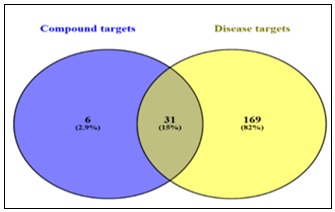
FIG. 2: VENN DIAGRAM SHOWING OVERLAPPING TARGETS
Protein–Protein Interaction (PPI) Network Analysis: The intersection targets were imported into the STRING database to construct a PPI network, which was subsequently analyzed in Cytoscape 3.10. To identify the core therapeutic nodes, the CytoHubba plugin was utilized. Using the Degree Centrality algorithm, a sub-network of the top 10 hub genes was extracted (shown in Fig. 4).
AKT1, TNF, and PPARG emerged as the highest-ranking nodes (dark blue), indicating their role as the primary molecular switches through which Maradaippu chooranam exerts its cardioprotective effects."
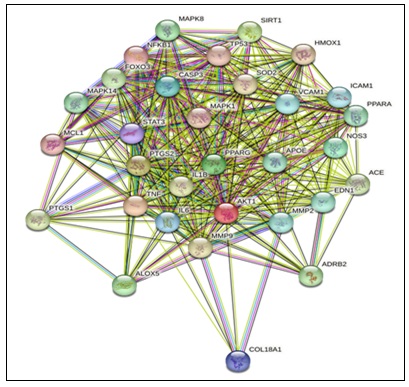
FIG. 3: PPI NETWORK OF TARGET PROTEINS
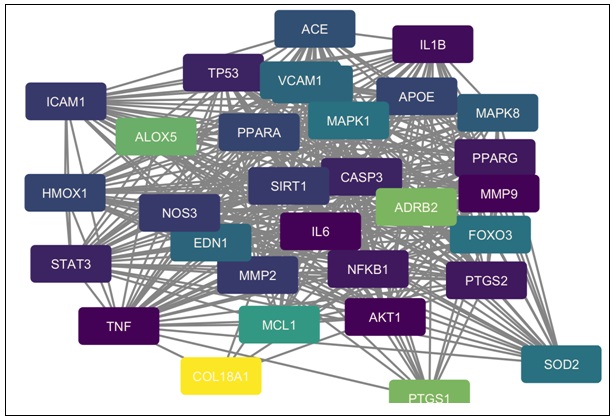
FIG. 4: CYTOSCAPE PPI NETWORK OF TARGET PROTEINS
TABLE 5: TOPOLOGICAL PARAMETERS OF THE TOP 10 HUB GENES IN THE MARADAIPPU CHOORANAM- ATHEROSCLEROSIS INTERACTOME
| Name | Degree | Average shortest path length | Betweenness centrality | Closeness centrality |
| AKT1 | 30 | 1 | 0.027435 | 1 |
| TNF | 30 | 1 | 0.027435 | 1 |
| MMP9 | 30 | 1 | 0.027435 | 1 |
| IL6 | 30 | 1 | 0.027435 | 1 |
| IL1B | 29 | 1.033333 | 0.015367 | 0.967742 |
| NFKB1 | 28 | 1.066667 | 0.011491 | 0.9375 |
| PPARG | 28 | 1.066667 | 0.012888 | 0.9375 |
| PTGS2 | 28 | 1.066667 | 0.013824 | 0.9375 |
| STAT3 | 27 | 1.1 | 0.008031 | 0.909091 |
| TP53 | 27 | 1.1 | 0.008254 | 0.909091 |
| CASP3 | 27 | 1.1 | 0.008454 | 0.909091 |
| SIRT1 | 25 | 1.166667 | 0.004222 | 0.857143 |
| MMP2 | 25 | 1.166667 | 0.014331 | 0.857143 |
| ICAM1 | 25 | 1.166667 | 0.005203 | 0.857143 |
| NOS3 | 25 | 1.166667 | 0.00754 | 0.857143 |
Gene Ontology (GO) Enrichment Analysis: Gene Ontology (GO) enrichment analysis was performed to investigate the functional roles of the identified targets at three levels: biological process (BP), molecular function (MF), and cellular component (CC). The biological process analysis revealed that the targets were significantly enriched in processes such as inflammatory response, apoptotic process, response to oxidative stress, and lipid metabolic process. These processes are closely associated with the development and progression of cardiovascular diseases. Molecular function analysis indicated that the targets were mainly involved in protein binding, cytokine activity, enzyme binding, and transcription factor binding, suggesting their regulatory roles in signalling pathways. Cellular component analysis showed that the targets were predominantly localized in the cytoplasm, nucleus, plasma membrane, and extracellular space, indicating their involvement in intracellular signalling and intercellular communication.
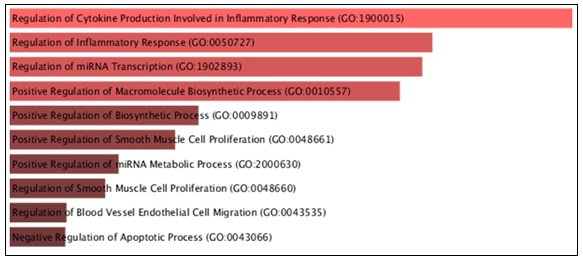
FIG. 5: GENE ONTOLOGIES- BIOLOGICAL PROCESS
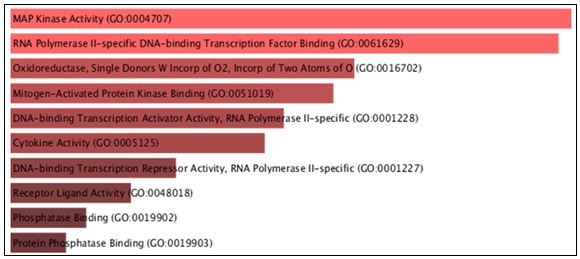
FIG. 6: GENE ONTOLOGIES- MOLECULAR FUNCTION
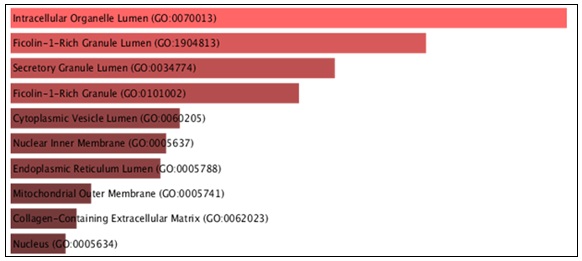
FIG. 7: GENE ONTOLOGIES- CELLULAR COMPONENTS
KEGG Pathway Enrichment Analysis: KEGG pathway enrichment analysis was performed to identify the key signaling pathways associated with the predicted targets. The top enriched pathways included AGE–RAGE signaling pathway in diabetic complications, lipid and atherosclerosis, TNF signaling pathway, and fluid shear stress and atherosclerosis. Among these, the AGE–RAGE signaling pathway showed the highest enrichment, indicating its significant role in oxidative stress and inflammatory responses. The lipid and atherosclerosis pathway further confirmed the involvement of the identified targets in cardiovascular disease progression. Additionally, the TNF signaling pathway and fluid shear stress pathway highlighted the importance of inflammatory and endothelial dysfunction mechanisms. Other enriched pathways included non-alcoholic fatty liver disease, IL-17 signalling pathway, and infection-related pathways, suggesting a broader role of inflammatory and metabolic dysregulation in the disease mechanism.
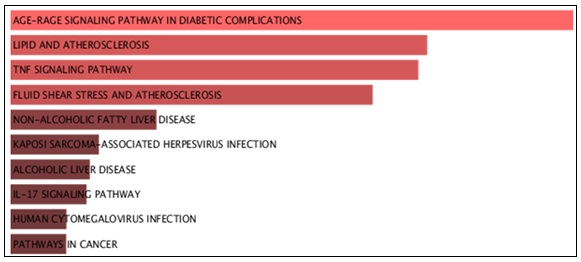
FIG. 8: KEGG PATHWAY ENRICHMENT ANALYSIS OF THE COMMON TARGETS. THE BAR CHART REPRESENTS THE TOP ENRICHED PATHWAYS RANKED BASED ON SIGNIFICANCE. THE LENGTH OF EACH BAR CORRESPONDS TO THE ENRICHMENT LEVEL OF THE PATHWAY
Molecular Docking Analysis: Molecular docking analysis was performed to evaluate the binding affinity of selected bioactive compounds with key target proteins. Among the compounds, quercetin exhibited the highest binding affinity with AKT1, followed by kaempferol with PPARG and piperine with TNF. The binding energies ranged from −6 to −10 kcal/mol, indicating strong and stable interactions. The interactions were primarily mediated through hydrogen bonds and hydrophobic interactions with key amino acid residues within the active site. These results suggest that the selected compounds have a strong potential to modulate target proteins involved in cardiovascular disease pathways.
TABLE 6: MOLECULAR DOCKING RESULTS OF SELECTED COMPOUNDS WITH KEY TARGET PROTEINS
| S. no. | Compound | Target Protein | PDB ID | Binding Energy (kcal/mol) | Key Interactions |
| 1 | Quercetin | AKT1 | 4EJN | ~ -10kcal/mol | Hydrogen bonds, π-π interactions |
| 2 | Kaempferol | PPARG | 3CS8 | ~ -7kcal/mol | Hydrogen bonding |
| 3 | Piperine | TNF | 2AZ5 | ~ -8 kcal/mol | Hydrophobic interactions |
| 4 | Resveratrol | AKT1 | 4EJN | ~ -8 kcal/mol | Hydrogen bonding |
| 5 | Naringenin | PPARG | 3CS8 | ~ -7kcal/mol | Hydrogen bonding |
Docking scores cannot be used to infer therapeutic dosing; therefore, no dose-related conclusions are drawn in this study.
DISCUSSION: The present study employed an integrated network pharmacology and molecular docking approach to elucidate the pharmacological mechanisms of Maaradaippu chooranam in cardiovascular diseases. Atherosclerosis, the primary underlying cause of cardiovascular disorders, is a multifactorial disease involving inflammation, oxidative stress, apoptosis, endothelial dysfunction, and lipid metabolism. Therefore, a multi-target therapeutic strategy is essential for effective management.
In this study, a total of 23 bioactive compounds with favorable ADME properties were identified, indicating good drug-likeness and potential bioavailability. These compounds, including quercetin, kaempferol, piperine, resveratrol, and naringenin, are known for their anti-inflammatory, antioxidant, and cardioprotective activities, supporting their therapeutic relevance. The compound–target network analysis revealed a complex multi-component and multi-target interaction pattern, which is characteristic of traditional polyherbal formulations. Compounds such as quercetin and kaempferol exhibited higher degree values, suggesting their central role in modulating multiple targets. This network highlights the synergistic effect of the formulation in regulating diverse biological pathways.
Protein–protein interaction analysis identified several key hub genes, including TNF, AKT1, PPARG, NFKB1, STAT3, CXCL8, MMP9, CASP3, APOE, and MAPK1. These targets play crucial roles in cardiovascular disease progression. TNF and NFKB1 are major mediators of inflammation, contributing to endothelial dysfunction and plaque formation. AKT1 is involved in cell survival and vascular homeostasis, while PPARG regulates lipid metabolism and cholesterol balance. APOE plays a key role in lipid transport, whereas MMP9 contributes to plaque instability. CASP3 is involved in apoptosis, and STAT3 and MAPK1 regulate inflammatory and stress signaling pathways.
Gene Ontology enrichment analysis further suggested that the identified targets are significantly involved in biological processes such as inflammatory response, apoptotic process, oxidative stress response, and lipid metabolism. Molecular function analysis indicated enrichment in protein binding, cytokine activity, and transcription factor binding, while cellular component analysis showed localization in the cytoplasm, nucleus, plasma membrane, and extracellular space. These findings suggest the involvement of the targets in key pathological processes of cardiovascular diseases. KEGG pathway analysis provided additional mechanistic insights by identifying significantly enriched pathways such as AGE–RAGE signaling pathway in diabetic complications, lipid and atherosclerosis pathway, TNF signaling pathway, and fluid shear stress and atherosclerosis pathway. The AGE–RAGE pathway is associated with oxidative stress and vascular inflammation, while the lipid and atherosclerosis pathway directly relates to plaque formation and progression. The TNF signaling pathway plays a central role in inflammation, and the fluid shear stress pathway is crucial for maintaining endothelial function. The molecular docking results further validated the network pharmacology findings by suggesting strong interactions between key bioactive compounds and hub target proteins. Quercetin showed the highest binding affinity with AKT1, indicating its potential role in regulating cell survival and signaling pathways. Similarly, kaempferol and piperine exhibited significant interactions with PPARG and TNF, respectively, suggesting their involvement in lipid metabolism and inflammatory regulation.
The presence of hydrogen bonding and hydrophobic interactions contributes to the stability of the ligand–protein complexes. These findings support the multi-target mechanism of Maaradaippu chooranam and highlight the therapeutic potential of its bioactive constituents in cardiovascular diseases. The present study provides a computational exploration of the potential multi-component interactions of Maaradaippu chooranam in atherosclerosis. The identified compounds and targets suggest possible involvement in inflammation, oxidative stress, apoptosis, and lipid metabolism pathways.
However, these findings are based on predicted interactions derived from literature-based compounds and computational models. The absence of experimental phytochemical validation of the formulation limits the direct applicability of these results.
Additionally, network pharmacology and docking approaches provide hypothesis-generating insights rather than definitive mechanistic conclusions. Therefore, the proposed interactions should be interpreted cautiously.
CONCLUSION: The present study systematically investigated the pharmacological mechanisms of Maaradaippu chooranam using an integrated network pharmacology and molecular docking approach. A total of 23 bioactive compounds with favorable ADME properties were identified, suggesting good drug-likeness and potential bioavailability. Network analysis revealed key hub targets, including TNF, AKT1, PPARG, and NFKB1, which play central roles in cardiovascular disease progression. Gene Ontology and KEGG pathway enrichment analyses suggested that these targets are primarily involved in inflammation, oxidative stress, apoptosis, and lipid metabolism, highlighting their significance in the pathogenesis of atherosclerosis. Molecular docking studies further validated the interactions between selected bioactive compounds and key target proteins, indicating strong binding affinities and stable interactions. The results confirm that Maaradaippu chooranam exerts its therapeutic effects through a multi-component, multi-target, and multi-pathway mechanism.
This study presents a hypothesis-generating in-silico analysis of Maaradaippu chooranam, suggesting potential multi-target interactions relevant to atherosclerosis. The findings indicate possible modulation of pathways related to inflammation, oxidative stress, apoptosis, and lipid metabolism. However, these results are predictive and based on literature-derived compounds and computational methods. Experimental validation, including phytochemical profiling of the formulation, in-vitro assays, and in-vivo studies, is essential to confirm these proposed mechanisms.
ACKNOWLEDGEMENTS: Nil
CONFLICTS OF INTEREST: Nil
REFERENCES:
- Ashburner M, Ball CA and Blake JA: Gene Ontology: tool for the unification of biology. Nat Genet 2000; 25(1): 25–29.
- Daina A, Michielin O and Zoete V: SwissADME: a free web tool to evaluate pharmacokinetics and drug-likeness. Sci Rep 2017; 7: 42717.
- Gfeller D, Grosdidier A and Wirth M: SwissTargetPrediction: a web server for target prediction. Nucleic Acids Res 2014; 42-38.
- Hopkins AL: Network pharmacology: the next paradigm in drug discovery. Nat Chem Biol 2008; 4(11): 682–690.
- Kanehisa M, Sato Y and Kawashima M: KEGG: integrating viruses and cellular organisms. Nucleic Acids Res 2021; 49–551.
- Libby P: Inflammation in atherosclerosis. Nature 2002; 420(6917): 868–874.
- Mohan RC: Theraiyar Vaithiyam 1000; Lotus library-Chennai.
- Newman DJ and Cragg GM: Natural products as sources of new drugs. J Nat Prod 2020; 83(3): 770–803.
- Ru J, Li P and Wang J: TCMSP: a database of systems pharmacology for drug discovery. J Cheminform 2014; 6: 13.
- Shannon P, Markiel A and Ozier O: Cytoscape: a software environment for biomolecular interaction networks. Genome Res 2003; 13(11): 2498–2504.
- Szklarczyk D, Gable AL and Lyon D: String v11: protein–protein association networks. Nucleic Acids Res 2019; 47-613.
- Trott O and Olson AJ: AutoDock Vina: improving docking speed and accuracy. J Comput Chem 2010; 31(2): 455–461.
How to cite this article:
Seethaladevi A and Balamurugan A: Network pharmacology-based in-silico investigation of Maaradaippu chooranam: a hypothesis-generating study on its potential multi-target effects in atherosclerosis. Int J Pharm Sci & Res 2026; 17(8): 2435-44. doi: 10.13040/IJPSR.0975-8232.17(8).2435-44.
All © 2026 are reserved by International Journal of Pharmaceutical Sciences and Research. This Journal licensed under a Creative Commons Attribution-NonCommercial-ShareAlike 3.0 Unported License.
Article Information
17
2435-2444
1274 KB
338
English
IJPSR
A. Seethaladevi * and A. Balamurugan
Department of Noinadal, Government Siddha Medical College, Palayamkottai, Tirunelveli, Tamil Nadu, India.
seethaladeviarumugam@gmail.com
16 April 2026
05 May 2026
08 May 2026
10.13040/IJPSR.0975-8232.17(8).2435-44
01 August 2026
 Download