




OPTIMISING EXPIRY DATE MANAGEMENT IN RETAIL PHARMACIES TO MINIMISE WASTE AND ENHANCE EFFICIENCY IN ZIMBABWE
HTML Full TextOPTIMISING EXPIRY DATE MANAGEMENT IN RETAIL PHARMACIES TO MINIMISE WASTE AND ENHANCE EFFICIENCY IN ZIMBABWE
S. Zvaraya
Department of Pharmacy and Pharmaceutical Sciences, College of Health Sciences, University of Zimbabwe, Harare, Zimbabwe.
ABSTRACT: Background: Expiry of medicines in retail pharmacies wastes money, endangers patients and harms the environment, yet the drivers of this loss remain poorly characterised in Zimbabwe. Aim: This study assessed expiry date management practices and compliance levels among supervisors of registered retail pharmacies in Zimbabwe, identified the operational and regulatory factors contributing to medicine expiry, and determined the categories of medicine most prone to expiry. Methods: A cross-sectional survey was conducted using an online questionnaire incorporating a twenty-one item, five-point Likert scale. The link was disseminated through professional pharmacist groups, yielding a voluntary response (non-probability) sample of 122 supervisors drawn from six of Zimbabwe’s ten provinces. Data were summarised using descriptive statistics in SPSS, with chi-square tests for associations between categorical variables. Results: All respondents (100%) reported using first-expired-first-out or first-in-first-out rotation, 91.0% used inventory software and 100% reported induction training. However, none (0%) had ever notified the Medicines Control Authority of Zimbabwe of expired stock, all (100%) confirmed the absence of a national register for expired products, and only 31.1% had received regulatory training. The most strongly endorsed contributing factors were abrupt changes in treatment practice (91.8%), the absence of an inter-pharmacy transfer system (89.3%) and irrational prescribing (86.1%). Prescription-only medicines were judged most prone to expiry (70.5%). Conclusion: As self-reported findings, these results indicate a marked gap between the adoption of expiry management practices and regulatory oversight. They support, as a policy implication, the introduction of mandatory expiry reporting, minimum shelf-life requirements at delivery and structured continuing education.
Keywords: Expiry date management, FEFO, Pharmaceutical waste, Regulatory compliance, Retail pharmacy
INTRODUCTION: An expiry date management system is a coordinated set of processes for checking and monitoring pharmaceutical products against their stated date of expiration so that they are dispensed or used only while they remain safe and effective.
According to a recent review of the subject, the principal strategies employed in retail settings include the first-expiry-first-out and first-in-first-out methods, the use of stock management software with automated alerts, the application of radio frequency identification, the conduct of regular inventory audits, and the organisation of stock by remaining shelf life to facilitate rotation 1. Work conducted by Goyal and colleagues further demonstrates that systematic expiry tracking reduces the proportion of stock that reaches its expiration date undetected, although the benefit depends heavily on the accuracy of the data captured at the point of receipt 2. The challenges that undermine these strategies are well documented and include human error in manual tracking, overstocking arising from inaccurate forecasting, fluctuating demand, limited human resources, inadequate training and regulatory pressures such as sudden changes in treatment guidelines, as analysis by Kot and colleagues of demand-driven inventory theory makes clear 3.
The scale of the problem is considerable and continues to grow. Estimates provided by the World Health Organization, embedded within its Global Benchmarking Tool for the evaluation of national regulatory systems, place the financial burden of pharmaceutical expiration at billions of United States dollars each year and identify post-marketing surveillance as a core regulatory function for limiting such loss 4. The burden falls most heavily on low- and middle-income countries, where constrained health systems magnify the consequences of waste. Empirical evidence from a five-year retrospective review at Kamuzu Central Hospital in Malawi reported losses of approximately 2.37 million United States dollars to expired medicines, representing about 9.28% of the pharmaceutical budget 5. Findings from selected public hospitals in the Jimma Zone of Ethiopia recorded losses of about 310,756 United States dollars over a single year, with an average of 2,711 dollars expended at each disposal event 6. Data reported across the Southern African Development Community placed the loss in Rwanda at roughly 5.45 million dollars across all categories of medicines 7, while a study of the public supply chains of western Ethiopia by Diriba and colleagues confirmed that weak inventory control and poor quantification were consistent drivers of expiry across the region 8.
There are few statistics available about the number of pharmaceuticals that expire due to a lack of consistent or standardized reporting practices across countries within the SADC. In addition to this issue, there is also an unequal level of capability among national regulatory bodies which has contributed to irregularities in monitoring and reporting, resulting in a scarcity of information regarding total numbers of expired pharmaceuticals. Through a literature-based document review conducted by Makhene et al., they noted while many of the nations within the SADC seek to create harmonized regulations concerning pharmacovigilance and post-marketing surveillance, almost all of these regulatory agencies continue to lack systems to monitor the quality of their products continuously over the entire lifecycle 9.
This trend is particularly evident in Zimbabwe. Although local newspapers have repeatedly reported on pharmacies being fined for selling expired drugs 10, there are no national guidelines or requirements established to report expiration of medications; there are no standard audits performed by the regulatory body concerning waste management patterns; nor do the regulatory bodies require traceability of medication inventories. The Medicines Control Authority of Zimbabwe regulates proper storage and distribution of medications and requires that all expired products be isolated and withdrawn from saleable stocks¹¹; and the Medicines & Allied Substances Control Act is the legislative authority under which both regulation and oversight occur 12; however, neither instrument mandates pharmacies to report when and what quantities of stock expire, thus the regulatory agency cannot monitor the phenomenon that it was created to regulate. The clinical stakes reinforce the importance of effective management. Perspectives offered by the World Health Organization identify the use of expired antibiotics as a recognised contributor to antimicrobial resistance in low- and middle-income countries, where degraded active ingredients may deliver sub-therapeutic doses 13.
Beyond the direct risk to patients, the chemical instability of expired products can generate degradation compounds that are harmful if ingested, while improper disposal contaminates the environment and endangers those who live near disposal sites. Technological responses have advanced rapidly. Models developed describe a progression from manual ledgers through rule-based software to systems that integrate the internet of things, artificial intelligence and predictive analytics, and they argue that fully integrated smart pharmacy systems remain the unrealised frontier of practice 14. Recent research by Jejji and colleagues similarly shows that artificial intelligence applied to expiry prediction can anticipate which products are likely to expire on the basis of historical consumption, although adoption in resource-limited settings is minimal 15.
Pharmacist knowledge and attitude also shape outcomes. Analysis by Jairoun and colleagues of community pharmacists in the United Arab Emirates found that, despite the provision of training, a substantial proportion demonstrated poor understanding of waste reduction and applied best practice inconsistently 16. Similar conclusions were drawn by Abdel-Qader, who reported that nearly half of community pharmacy staff held weak knowledge of and showed variable compliance with waste reduction practice 17. Observations from India showed that most consumers do not verify expiry dates when purchasing or taking medicines, behaviour that compounds the systemic weaknesses within pharmacies 18. Such evidence underlines the importance of the resource-management role that the International Pharmaceutical Federation counts among the essential functions of the pharmacist 19. Prior research by Tull on drug expiry standards in developing countries noted that many low- and middle-income countries have adopted World Health Organization guidance without generating local data on expected and acceptable levels of expiry20, and work conducted by Nakyanzi and colleagues in neighbouring Uganda demonstrated how abrupt changes in antimalarial policy could strand large volumes of first-line drugs and precipitate their expiry 21.
Although research on the regulation of expired drugs is increasing, a void exists in the existing literature concerning Zimbabwe. There are few studies examining the laws and regulations governing expiration dates within the country; as well as how it is practiced, the challenges faced, and ways that technology could help improve the management of pharmacy inventory. This study will address this void. The purpose of this study was to evaluate the strategies and compliance levels for managing expiration dates among the currently registered retail pharmacies in Zimbabwe. The objectives were, first, to identify the current strategies and compliance levels for managing expiration dates among registered retail pharmacies; second, to identify which operational and regulatory factors contribute to the expiration of medication; third, to identify categories of medications that have high rates of expirations; and finally, to formulate evidence based regulatory and operational recommendations to strengthen the system for managing expiration dates. A questionnaire to assess the above objectives was developed using validated questionnaires previously used in Zambia by Bwalya and Mutono-Mwanza 22 and in Uganda by Nakyanzi et al. 21. It was also modified for use in Zimbabwe and to suite private retail pharmacies rather than the public sector targeted by the previous researchers.
MATERIALS AND METHODS:
Study Design and Setting: The research used a cross-sectional survey design to characterise how expiry dates are managed by registered retail pharmacy supervisors in Zimbabwe. A cross-sectional design was chosen because it measures the extent to which particular practices occur, and the strength of perceived contributing factors, within a defined population at a single point in time. The questionnaire combined closed items with a small number of open-ended items that were used only to provide contextual detail; these open responses were not subjected to a formal qualitative thematic analysis, and the study is therefore reported as a quantitative survey rather than as a mixed-methods study.
Target Population and Sampling: The target population comprised all supervisors of currently registered retail pharmacies in Zimbabwe. Supervisors were selected because they exercise oversight of inventory operations and can describe pharmacy-level practice. A total of 1,160 retail pharmacies (as of 2024) 11 were listed on the Medicines Control Authority of Zimbabwe online retail pharmacy renewal register, which formed the sampling frame. Recruitment relied on a non-probability, voluntary response (convenience) approach rather than true random sampling: the survey link was distributed through professional social media groups for pharmacists, such as messaging-application groups, so that any supervisor with access to those groups could elect to participate. Because the link was shared openly within these groups, the number of supervisors who received or viewed it could not be determined, and a precise response rate therefore cannot be calculated; this is acknowledged as a source of self-selection and non-response bias. Completed responses were obtained from six of Zimbabwe’s ten provinces (Manicaland, Harare, Mashonaland East, Masvingo, Bulawayo and Mashonaland West). The four provinces without respondents (Mashonaland Central, Matabeleland North, Matabeleland South and Midlands) are predominantly rural, and their absence may reflect both the lower density of registered retail pharmacies and the reliance on internet-based dissemination, so the sample should not be assumed to be fully nationally representative.
Sample size Calculation: The minimum sample size was estimated using Cochran’s formula for a large population, n₀ = Z²pq/e², where Z is the standard normal value for the chosen confidence level, p is the estimated proportion, q = 1 − p, and e is the margin of error. A 95% confidence level (Z = 1.96), a maximally conservative expected proportion of p = 0.5 (q = 0.5) and a margin of error of e = 0.10 were assumed, giving n₀ = (1.96)² (0.5) (0.5)/(0.10)² = 96.04, that is approximately 96 respondents. Because the population of registered retail pharmacies is finite (N = 1,160), a finite population correction was applied, n = n₀ / [1 + (n₀ − 1)/N] = 96.04 / [1 + (95.04/1,160)] = 88.7, that is approximately 89 respondents. A 10% margin of error was adopted, rather than the conventional 5%, in order to keep the required sample manageable within the time and resources available, which was judged acceptable for an exploratory baseline survey of this kind. Any achieved sample between 89 and 96 was therefore considered adequate, and the final sample of 122 respondents exceeded this minimum.
Inclusion and Exclusion Criteria: The supervisors of the current registrants of the retail pharmacies in Zimbabwe were eligible for participation. The supervisors, who did not wish to be included as well as those with incompletely filled out surveys, were removed from the evaluation. In this manner it was possible that the data analyzed represented a complete set of data from the defined population and had been provided by the participants voluntarily.
Data Collection: Primary data were collected through a self-administered electronic questionnaire built in Google Forms, comprising both open-ended and closed items. The format and several of the items were adapted from previously published questionnaires used in comparable settings in Zambia by Bwalya and Mutono-Mwanza 22 and in Uganda by Nakyanzi et al.21, with alterations to suit the local context and the objectives of the study. The instrument was reviewed by the research supervisors, who provided pharmacy expertise, to check the relevance and clarity of the items before distribution.
It covered current practice, perceived challenges, the medicine categories most prone to expiry, regulatory reporting and the level of compliance. Respondents rated their level of agreement with twenty-one potential contributing factors on a five-point Likert scale (1 = strongly disagree to 5 = strongly agree). Before full distribution, the questionnaire was pilot tested on approximately five registered retail pharmacists randomly selected from the register, in order to check the reliability and clarity of the Likert items; pilot responses were not included in the main analysis. During pilot testing, the internal consistency of the twenty-one Likert items was assessed using Cronbach’s alpha, which indicated high internal consistency (α = 0.98), above the conventional 0.70 threshold for acceptable reliability.
Data Analysis: Quantitative responses were analysed using descriptive statistics in the Statistical Package for the Social Sciences (SPSS) to generate frequency and percentage summaries. The chi-square test of independence was used to examine associations between categorical variables, specifically gender, province and years of practice. Because the chi-square test assumes that most cells have an expected count of at least five, the expected cell counts were considered for each test, and any association involving categories with low expected counts was interpreted with additional caution.
Statistical significance was set at p < 0.05, and any significant result was interpreted as an association rather than as evidence of causation. A weighted score was used to rank the medicine categories, calculated from the rank position assigned to each category and the number of respondents assigning that rank.
Ethical Considerations: Ethics approval for this research was received from the Joint Research Ethics Committee (JREC), Ref: 138/2026. In addition, authorization to contact registered pharmacists was provided by the Pharmacist Council of Zimbabwe. Consent to participate in the study was sought from each participant prior to data collection. Confidentiality was maintained through the use of anonymous records with no names or other identifying information. Data access was controlled by a singleuser's logon ID and an associated password. As such, it is safe to assume that all consenting registered pharmacists will be able to complete the consent process in English.
RESULTS: The results were organized thematically to answer the four research questions and began with respondent demographics, then continued with current strategies and compliance; moved on to regulatory engagement; discussed how expired or recalled drugs had been handled and categorized as those most likely to expire; and concluded by showing what respondents thought was most responsible for their own perceptions.
Participant Demographics: The number of retail pharmacy supervisor surveys completed was 122. Table 1 demonstrates that female supervisors were a high proportion of the survey takers; 76 of the participants were female (62.3%), whereas 46 were male (37.7%). On an average basis, the practice experience of this sample was around 10.75 years
TABLE 1: GENDER DISTRIBUTION OF RESPONDENTS
| Gender | Frequency | Percentage (%) |
| Male | 46 | 37.7 |
| Female | 76 | 62.3 |
| Total | 122 | 100.0 |
There were strong representations from both large cities and smaller provincial towns, as shown in the province-by-gender cross-tabulation in Table 2. The gender distribution was broadly similar across provinces, with female respondents predominating at between 53% and 73%, and the largest number of respondents came from Harare, which has the highest concentration of pharmacies.
A chi-square test of independence showed no statistically significant association between gender and province (χ² = 3.42, df = 5, p = 0.636). A chi-square test of independence indicated a statistically significant association between years of practice and gender (χ² = 12.87, df = 3, p = 0.005); because this is a cross-sectional association, it should be interpreted with caution and not attributed to any single cause, although it may partly reflect differing cohort entry patterns into the profession.
TABLE 2: CROSS-DISTRIBUTION OF PROVINCE AND GENDER
| Province | Male (n) | Female (n) | Total (n) |
| Manicaland | 12 | 19 | 31 |
| Harare | 14 | 17 | 31 |
| Mashonaland East | 6 | 11 | 17 |
| Masvingo | 5 | 10 | 15 |
| Bulawayo | 4 | 11 | 15 |
| Mashonaland West | 5 | 8 | 13 |
| Total | 46 | 76 | 122 |
Current Expiry Date Management Strategies and Compliance Levels: Inventory rotation was universal, with all 122 respondents (100%) reporting the use of either a first-expiry-first-out or a first-in-first-out method to manage their stock. Audit frequency, however, varied considerably. A monthly audit cycle was the most common, reported by 76 respondents (62.3%), and followed by quarterly audits in 22 pharmacies (18.0%) and annual audits in 16 pharmacies (13.1%). Weekly audits were the least common among those who audited, reported by 8 respondents (6.6%), and no respondent reported conducting daily audits.
The verification-method items allowed respondents to report more than one approach, so these categories are not mutually exclusive and do not sum to 100%: 106 respondents (86.9%) reported using automated checks, 111 (91.0%) reported using a combination of manual and automated checks, and 16 (13.1%) reported relying on manual verification alone. The predominance of the manual-and-automated combination indicates that, in most pharmacies, automated checks supplement rather than replace manual verification. The use of tracking software for medication expiration has been very common among the survey participants. 91% (n = 111) of the survey participants were using some type of software to track medication expiration; see Fig. 1. The two most common types of software being used were Profam and Dispense ware. A small percentage of the participants indicated they did not have any specific software for this purpose. Both Profam and Dispense ware are manual entry based systems. This is a limitation on both systems and will be discussed further in the Discussion section
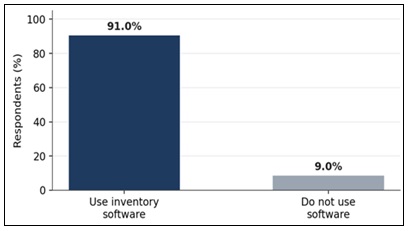
FIG. 1: SOFTWARE UTILISATION AMONG RESPONDENTS (n = 122)
The way pharmacies handled their nearly expired inventory varied. The majority of responses chose "other" from the options given; a high number of respondents indicated that they used an informal or non-standard approach to handling this type of product. Following "other" (handling short dated medicines as other medicines with longer shelf live), discounting the item(s) for sale represented the second most frequent method, while donating these items, was the least frequently used practice among those listed (see Fig. 2).
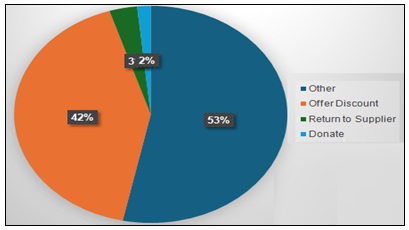
FIG. 2: HANDLING OF NEAR-EXPIRED PRODUCTS
Training in terms of accountability to check for expiration dates presented an ambiguous scenario. All 122 (100%) new hires reported receiving training during their initial orientation to manage expiration dates; 30 (24.6%) received annual training in this area; and 9 (7.4%) were trained based upon when they needed it. In addition, 58 (47.54%) respondents stated there was a person(s) responsible for checking medication prior to issuing them out; while 64 (52.46%) indicated that no one was assigned this duty, and another 12% said that there were no policies established to track expiration dates. In terms of awareness of the law regarding expiration dates, 100% of the 122 respondents recognized that selling expired medicine constitutes an offense under Statutory Instrument 150 of 1991.
There is a very high adherence rate to the eight item storage and handling checklist as seen in Fig. 3 for the basic items, however, there is an extremely low level of compliance with the more advanced aspects. Physical separation of expired products from active stock was complied with by 98.4% of respondents and that disposal registers were maintained by 94.3%. The use of a designated quarantine/storage area existed in approximately 72% of pharmacies whereas none existed in approximately 29%. There appears to be a significant "knowledge deficit" among respondents regarding the more specialized practices. Only 4.1% of the sample separated expired drugs based on methods/means of disposal; and only 4.9% labelled their storage spaces.
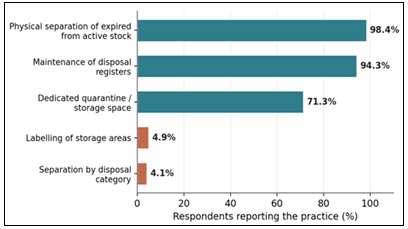
FIG. 3: STORAGE AND HANDLING PRACTICES FOR EXPIRED MEDICINES (n = 122)
Regulatory Notification, Inspection and Training: The most important finding concerning the regulation of expired medicine concerned notification. None of the 122 respondents (0%), however, reported having notified the Medicines Control Authority of Zimbabwe of the total amount of expired medications stored in their respective pharmacies.
In contrast, every single respondent (100%) also confirmed that regulators inspect the amount of expired products contained within a store as part of an inspection activity, although this activity is never documented or otherwise reported by the Authority. Although there has been some regulatory training provided, less than half of the respondents (31.1%, 38) reported receiving training from the authority regarding the management of expiration dates; whereas nearly two-thirds (68.9%, 84) stated that no such training was available. Finally, each respondent (100%) stated that no record keeping mechanism was in place at the authority to track expired product sales in retail pharmacies.
Handling of Returned Expired Medicines: Only 13 respondents (10.7%) reported that patients returned expired medicines to the pharmacy. Among those who received such returns, all (100%) reported that the returned medicines were destroyed, and none reported returning expired stock to the supplier, indicating the absence of any reverse logistics arrangement for pharmaceuticals.
Categorisation of Medicines Most Prone to Expiry: Respondents ranked four categories of medicines from most prone to expiry, scored as four, to least prone, scored as one. As shown in Table 3, prescription-only preparations recorded the highest weighted score of 356 and were ranked first by 86 respondents (70.5%), making them the category judged most prone to expiry. Household remedies followed with a weighted score of 270, pharmacy-only medicines scored 266, and pharmacist-initiated medicines recorded the lowest score of 247 and were therefore judged least prone to expiry.
TABLE 3: RANKING OF MEDICINE CATEGORIES BY EXPIRY PRONENESS
| Category | Rank 4 (most) | Rank 3 | Rank 2 | Rank 1 (least) | Weighted score |
| Prescription-only preparations | 86 | 15 | 12 | 7 | 356 |
| Household remedies | 36 | 38 | 30 | 16 | 270 |
| Pharmacy-only medicines | 26 | 40 | 52 | 2 | 266 |
| Pharmacist-initiated medicines | 20 | 39 | 57 | 6 | 247 |
Weighted score = (4 × count of rank 4) + (3 × count of rank 3) + (2 × count of rank 2) + (1 × count of rank 1).
Perceived Factors Contributing to Medicine Expiry: A sub-analysis of the perceived contribution of inadequate training is presented in Table 4. Overall, 102 respondents (83.6%) agreed or strongly agreed that an inability to provide adequate training contributes to medicine expiry. Female respondents agreed at a marginally higher rate (85.5%) than male respondents (80.4%), but the difference was not statistically significant (χ² = 0.52, df = 1, p = 0.471), indicating that both genders recognise the role of training deficits to a comparable degree.
TABLE 4: GENDER AND PERCEIVED CONTRIBUTION OF INADEQUATE TRAINING
| Level of agreement | Male (n) | Female (n) | Total (n) |
| Strongly disagree | 3 | 3 | 6 |
| Disagree | 3 | 4 | 7 |
| Neutral | 3 | 4 | 7 |
| Agree | 12 | 21 | 33 |
| Strongly agree | 25 | 44 | 69 |
| Agree and strongly agree | 37 | 65 | 102 |
The full ranking of the twenty-one contributing factors, ordered by the combined percentage of respondents who agreed or strongly agreed, is presented in Table 5. The highest-ranked factors, each exceeding 85% agreement, were abrupt changes in treatment practices (91.8%), the absence of a system to move near-expired medicines between pharmacies (89.3%) and irrational prescribing causing the underuse of certain medicines (86.1%). A cluster of operational and behavioural factors attracted agreement between 70% and 85%, including the supply of near-expiry medicines by wholesalers (83.6%), a lack of accountability for expiry (83.6%), a lack of proper training (83.6%), selection not based on the essential medicines list (83.6%), poor stock management (82.8%), the absence of a procurement plan (82.0%) and the donation of short-dated medicines by suppliers (81.1%). The lowest-ranked factors, each attracting less than 25% agreement, were the failure to specify a minimum shelf life in orders (18.0%) and the failure to isolate expired medicines into secure areas (18.9%).
TABLE 5: PERCENTAGE OF RESPONDENTS AGREEING OR STRONGLY AGREEING WITH CONTRIBUTING FACTORS (n = 122)
| Rank | Contributing factor | Agreement (%) |
| 1 | Abrupt changes in treatment practices causing wastage | 91.8 |
| 2 | Lack of a system to move near-expired medicines between pharmacies | 89.3 |
| 3 | Irrational prescribing causing underuse of certain medicines | 86.1 |
| 4 | Near-expiry medicines (less than 6 months) supplied to the pharmacy | 83.6 |
| 5 | Lack of accountability for expiry of medicines | 83.6 |
| 6 | Lack of proper training of pharmacy personnel | 83.6 |
| 7 | Medicine selection not based on the essential medicines list | 83.6 |
| 8 | Poor stock management (neither FEFO nor FIFO) | 82.8 |
| 9 | Medicines purchased without a procurement plan or policy | 82.0 |
| 10 | Donation of short-dated medicines from suppliers | 81.1 |
| 11 | Patients refuse to purchase short-dated medicines | 79.5 |
| 12 | Shortage of pharmacy human resources | 78.7 |
| 13 | No timetable for regular inventory level analysis | 78.7 |
| 14 | Competition from other pharmacies | 70.5 |
| 15 | Medicines not arranged systematically on shelves | 68.9 |
| 16 | Weak engagement of clinicians in selection and quantification | 68.9 |
| 17 | No accurate data available to facilitate quantification | 68.0 |
| 18 | Lack of electronic stock management tools | 63.9 |
| 19 | Overstocked medicines due to poor quantification | 63.1 |
| 20 | Expired medicines not isolated into secure areas | 18.9 |
| 21 | Minimum shelf life not specified in orders | 18.0 |
DISCUSSION: The results are discussed against the four research objectives, drawing on local and regional evidence. The predominance of women among the supervisors sampled is consistent with international pharmacy-workforce data showing that women now form the majority of community pharmacists in many countries 23, so this demographic profile supports, rather than limits, the wider applicability of the findings.
The first objective concerned current strategies and compliance, and the central finding here is an implementation gap in which the adoption of a practice is not matched by its effective application. Every respondent reported using a first-expiry-first-out or first-in-first-out system, a result that aligns with the view of other researchers that these methods remain viable cornerstones of inventory control 24 and with the inventory management evidence reported from Nigerian hospitals 25. However, as analysis of a large Johannesburg hospital demonstrated, confusing or misapplying the two methods can itself precipitate expiry, so that the mere presence of a system does not guarantee its correct use 26. The variability in audit frequency observed in the present study, where only 62.3% audited monthly, reinforces the point that adoption and effective practice are distinct.
Software use illustrated a similar gap. Although 91.0% of respondents reported using software, the two dominant systems, Profam and Dispense ware, rely on manual date entry at the point of receipt, and the literature shows that manual entry remains error-prone even when software is used 7. In terms of the generational model of expiry management, most Zimbabwean retail pharmacies therefore operate within the first two generations, namely manual and rule-based systems, rather than employing automated data capture or predictive analytics for real-time monitoring 14. Artificial-intelligence approaches to expiry prediction 15 could help to close this gap, but their uptake in low-resource settings remains limited.
The handling of near-expired products exposed the absence of a clear end-of-life framework. The dominance of the open “other” category indicates that practice is frequently improvised, reflecting the lack of explicit regulatory guidance for products approaching expiry; the defined waste-management framework of the General Pharmaceutical Council of Spain shows how such guidance standardises behaviour at community-pharmacy level 27. Awareness of the legal prohibition on selling expired medicines was universal, yet awareness alone does not guarantee compliant behaviour 28. This was confirmed by the storage checklist: basic separation was near-universal, but only 4.1% separated expired stock by disposal category, a practice the World Health Organization regards as essential for the safe management of health-care waste 29; comparable knowledge-practice gaps have been documented among community pharmacists elsewhere 30.
The knowledge-attitude-practice model offers a coherent explanation for the implementation gap. Respondents demonstrated high knowledge of the need for stock rotation and the consequences of non-compliance, and positive attitudes towards staff education, yet system-level supports such as regular auditing, designated accountability and regulatory feedback were the missing link between knowledge and practice. This interpretation is consistent with the conclusions of Abdel-Qader, who identified training and policy reform as the decisive levers for converting knowledge into compliant practice 17, and with the observation in India that patient-facing failures, such as the widespread neglect of expiry dates by consumers, often signal systemic weaknesses upstream within the pharmacy 18.
The second objective concerned the regulatory and operational causes of expiry, and the most significant factor was the invisibility of expired stock to the regulator. No respondent had ever notified the Medicines Control Authority of Zimbabwe of expired stock, which appears to reflect the absence of any reporting mechanism rather than deliberate non-compliance. Although Statutory Instrument 150 of 1991 prohibits the sale of expired medicines, it imposes no duty to report expiry, and the Medicines and Allied Substances Control Act provides for licensing and inspection but not for the routine submission of expiry data to the regulator 12.
This statutory gap has three consequences: the regulator cannot identify waste trends by product type, supplier or area; it cannot detect pharmacovigilance signals from batches that repeatedly expire early; and it cannot act against wholesalers supplying short-dated stock, because such disposals are rarely reported.
Document review confirmed that this monitoring gap is regional, since many national regulators in the region lack systems for the ongoing surveillance of licensed products despite efforts at regulatory harmonisation 9.
The contrast with comparable jurisdictions is instructive. Although the Medicines Control Authority of Zimbabwe has attained Maturity Level 3 under the World Health Organization benchmarking framework 4, this maturity has not yet translated into life-cycle oversight of retail pharmacies. Comparable settings show that such oversight is feasible: the Rwandan electronic logistics management information system provides facility-level monitoring with automatic alerts for medicines nearing expiry 31, and South African good distribution practice requires wholesalers to report stability failures that lead to premature expiry 32. Recent Zimbabwean developments, including the attainment of Maturity Level 3 33 and reported moves towards mandatory stock disclosure 34 and improved traceability 35, suggest a favourable direction of travel, but the present findings show that retail-level monitoring remains undeveloped.
Inspection and training findings reinforce this regulatory picture. The universal confirmation that inspectors examine expired stock establishes that expiry management is within the inspection mandate under good storage and distribution practice 11, yet the finding that 68.9% of respondents had received no training from the regulator indicates a capacity deficit. Conclusions drawn in other studies are pertinent here, since they argue that initial training provides only a foundation and that knowledge decays unless it is periodically refreshed 7. The resource-management role identified by the International Pharmaceutical Federation reinforces the case for sustained continuing education in expiry management as a core professional competence 19.
The disposal of returned medicines revealed a further structural defect. All returned medicines were incinerated rather than sent back to producers, indicating the absence of a return-logistics system, while the low patient return rate of 10.7% mirrors the international pattern of unused medicines being discarded in household waste. Extended producer responsibility, under which manufacturers fund take-back programmes 36, and the integrated return and disposal routes demonstrated in Malaysian community pharmacies 37, show how this could be addressed; intelligent disposal-management systems 38 remain aspirational in the Zimbabwean context, where such provisions do not yet extend to pharmaceuticals.
The sub-analysis of gender and perceptions of training warrants cautious interpretation. Although female respondents agreed slightly more often than male respondents that inadequate training contributes to expiry, the difference of about five percentage points was not statistically significant. The most parsimonious conclusion is therefore that male and female supervisors recognise training deficits to a comparable degree, which supports a single standardised training programme for all personnel regardless of gender.
The ranking of contributing factors, which addresses the third and fourth objectives, reveals that the most strongly endorsed causes are upstream and systemic rather than confined to the individual pharmacy. Abrupt changes in treatment practice, ranked highest at 91.8%, echo the Ugandan experience documented by Tull, in which a sudden switch in first-line antimalarial policy stranded large volumes of the superseded drugs and precipitated their expiry 20. The second-ranked factor, the absence of an inter-pharmacy transfer system at 89.3%, identifies a strategy that is underused in Zimbabwe yet established elsewhere; the Community Pharmacist Consultation Service of the National Health Service in England demonstrates how medicines can be transferred between pharmacies to minimise expiry39, and the auditable pharmaceutical transactions and services model discussed in the inventory literature could be adapted for this purpose with regulatory approval and a secure electronic platform 25. Irrational prescribing, ranked third at 86.1%, drives waste through both the overuse of broad-spectrum agents, which leaves unused courses, and the underuse of specialised products, which turn over too slowly to be dispensed before expiry.
The near-expiry supply chain was a further concern, with 83.6% agreeing that wholesalers supply near-expiry stock and that suppliers donate short-dated products. This transfers risk downstream, leaving retail pharmacies to store or dispose of stock with little remaining shelf life while manufacturers face limited pressure to guarantee longer shelf lives 40. A minimum shelf life on delivery, as required in Europe under Directive 2011/62/EU 41, together with contractual penalties for supplying expired stock, would help to redistribute this responsibility. The problem is compounded by weak accountability: 58 pharmacies had no designated person responsible for checking expiry, and unlike high-income systems that mandate disposal records 42, the current framework neither penalises non-compliance nor rewards solutions.
Placed in regional context, the findings are consistent with evidence of substantial medicine losses across the region, including the budgetary losses reported at Kamuzu Central Hospital in Malawi 5, the monetary losses in the Jimma Zone of Ethiopia 6 and the unit losses documented in a Johannesburg hospital 26. The present study did not quantify financial loss, but it provides baseline evidence on retail-pharmacy practice that has hitherto been absent for Zimbabwe. The judgement that prescription-only preparations are most prone to expiry is consistent with regional data identifying anti-infective and cardiovascular medicines, typically prescription-only, among the highest-expiring classes 7, reflecting the lower turnover and specialisation of that category.
Several limitations should be noted. First, the data were self-reported by a single supervisor per pharmacy rather than verified by direct observation, so key measures, including reported first-expired-first-out and first-in-first-out use, induction training and regulatory awareness, were not independently confirmed by on-site audit and may be subject to social-desirability bias and over-reporting. Second, recruitment relied on voluntary participation through internet-based professional groups, which excluded pharmacies without internet access, limited representation of predominantly rural provinces, and prevented calculation of a precise response rate, raising the possibility of self-selection and non-response bias. Third, the financial value of expired or returned stock was not collected, so no economic evaluation of potential savings could be undertaken.
Finally, the cross-sectional design can establish associations but not causation, and patient attitudes and behaviour regarding returned or expired medicines were not assessed.
CONCLUSION: This study assessed how retail pharmacies in Zimbabwe manage medicine expiry and comply with expiry rules, examined the operational and regulatory factors contributing to expiry, and identified the medicine categories most prone to expiry. Across the 122 supervisors surveyed, the core operational practices of expiry management, namely stock rotation, inventory software and induction training, were almost universally reported. However, the supporting infrastructure needed to make these practices consistently effective appears to be largely absent: there was no mechanism for reporting expiry to the regulator, no national database for tracking expired medicines in retail pharmacies, only 31.1% of supervisors had received regulatory training, and there was no established system for transferring near-expiry stock between pharmacies. The most strongly endorsed contributing factors, namely abrupt changes in treatment practice, the absence of inter-pharmacy transfer and irrational prescribing, are largely systemic and upstream of the individual pharmacy. Because these findings are based on self-reported, cross-sectional survey data, they should be read as associations and as policy implications rather than as definitive causal solutions. On that basis, the findings point to several priorities for consideration by the Medicines Control Authority of Zimbabwe, the Pharmacists Council of Zimbabwe, wholesalers, prescribers and pharmacy owners, including mandatory reporting of expiry, minimum shelf-life requirements at delivery, clearer accountability at pharmacy level, continuing professional education in expiry management, and the phased adoption of electronic, real-time inventory monitoring. Such measures could plausibly reduce waste and strengthen patient safety and regulatory oversight, but their effectiveness would need to be confirmed through further, ideally longitudinal, research.
ACKNOWLEDGEMENT: The author would like to thank Dr Celia Matyanga and Mrs Caroline Samatanga for their helpful guidance and knowledge that they provided during this research project, and also thank the Retail Pharmacy Supervisors in Zimbabwe for providing their time to take part in the survey.
CONFLICTS OF INTEREST: The author declares no conflict of interest. This research received no specific grant from any funding agency.
REFERENCES:
- Agrawal P, Kushawa V, Rana GS, Shoraishans BK and Chandra S: The truth about expired drugs: an in-depth review. World Journal of Pharmaceutical Research 2025; 12: 200-214.
- Goyal P, Goyal N, Singh P, Mittal N, Jindal N and Kaur K: Pharmaceutical drug expiry date tracking: a visionary approach. Concurrency Computat Pract Exper 2022; 34(28): 7358
- Kot S, Grondys K and Szopa R: Theory of inventory management based on demand forecasting. Polish Journal of Management Studies 2014; 9: 148-156.
- World Health Organization: WHO Global Benchmarking Tool (GBT) for evaluation of national regulatory systems of medical products, Revision VI. World Health Organization, Geneva 2021.
- Phwitiko E and Khuzula F: Retrospective analysis of financial loss of expired medicines at Kamuzu Central Hospital in Lilongwe. Discover Health Systems 2025; 4: 22.
- Getahun H, Belew S, Hasen G, Mekamu YT and Suleman S: Assessment of the extent and monetary loss in selected public hospitals in Jimma Zone, Ethiopia: expired medicines perspectives. Front Med 2024; 11:1283070
- Gunawan Widjaja and Diana Laila: Estimating the economic losses of unused medicines in the community: Literature review of economic losses and management efforts in Indonesia. International Journal of Economic Literature 2025; 2(11): 1423-1432.
- Diriba G, Hasen G, Tefera Y and Suleman S: Assessment of the magnitude and contributing factors of expired medicines in the public pharmaceutical supply chains of western Ethiopia. BMC Health Services Research 2023; 23: 791.
- Makhene NL, Steyn H, Vorster M, Lubbe MS and Burger JR: Assessment of pharmacovigilance guidelines in the Southern African Development Community: a document review. Pharmacoepidemiology and Drug Safety 2024; 33: e5755.
- Pharmacies shut down over expired drugs. The Herald, Zimbabwe 2025 Feb 11. March 11]. Available from: https://www.heraldonline.co.zw[cited 2026 March 11]
- Medicines Control Authority of Zimbabwe: Zimbabwe guidelines for good wholesaling practice of medicinal products. MCAZ, Harare 2020.
- Zimbabwe: Medicines and Allied Substances Control Act, Chapter 15:03, 1997.
- World Health Organization: Antimicrobial resistance. World Health Organization, Geneva 2023.
- Alam A, Shah SS, Rabbani SA and El-Tanani M: The role of artificial intelligence in pharmacy practice and patient care: innovations and implications. Bio Med Informatics 2025; 5: 65.
- Jejji D, Ravikanth K and Chevella S: Smart pharmacy management system with AI-based expiry tracking. International Journal of Research Publication and Reviews 2025; 6: 4746-4752.
- Jairoun AA, Al-Hemyari SS, Shahwan M, Al-Ani M, Aal Yaseen M, Hamidoglu H, Mohamed HM and Jaber AAS: Assessing pharmacists’ knowledge, attitude and practices on medicines waste reduction in the UAE. Future Science OA 2025; 11: 1-13.
- Abdel-Qader DH: Assessing knowledge, attitudes and practices (KAP) related to green pharmacy among community and hospital pharmacists in Jordan. BMC Medical Education 2026; 26: 476.
- Gupta S and Chakraborty A: Pattern and practice of self-medication among adults in an urban community of West Bengal. Journal of Family Medicine and Primary Care 2022; 11(5): 1858-1862.
- International Pharmaceutical Federation: Pharmaceutical workforce development goals. International Pharmaceutical Federation, The Hague 2018.
- Tull K: Drug expiry standards in developing countries: knowledge, evidence and learning for development. K4D Helpdesk Report, Institute of Development Studies 2018.
- Nakyanzi JK, Kitutu FE, Oria H and Kamba PF: Expiry of medicines in supply outlets in Uganda. Bulletin of the World Health Organization 2010; 88: 154-158.
- Bwalya B and Mutono-Mwanza BG: Factors associated with the high expiry rate of pharmaceutical products within the supply chain in the Ministry of Health: a case study of Choma District of Southern Province. International Journal of Research and Innovation in Social Science 2025; 6: 5711-5736.
- Gidman W, Day J and Payne K: Delivering healthcare through community pharmacies: are working conditions deterring female pharmacists’ participation? Journal of Health Services Research and Policy 2017; 14: 1-8.
- Okpara GC and Okwuagwu OK: Inventory management in corporate firms: reasons for and techniques. International Journal of Research and Innovation in Social Science 2025; 9(2): 4249-4258.
- Olanipon OO, Akinola AA and Oladele MA: Inventory management and organizational performance in tertiary healthcare institutions in Southwest Nigeria. FUOYE Journal of Finance and Contemporary 2022; 3(2): 201-220.
- Sauls C: Trend in revenue loss due to expired medication at a large urban hospital in Johannesburg, South Africa. MPH Dissertation, University of the Witwatersrand 2016.
- General Pharmaceutical Council of Spain: Good pharmacy practice in Spanish community pharmacy: medicines waste management, expiry dates and returns from the community pharmacy. General Pharmaceutical Council of Spain, Madrid 2016.
- Eltaib L, Alanazi SA and Ali SE: Practices and attitude concerning expiration date, unused and expired medication disposal. International Journal of Medical Science and Public Health 2020; 9: 431-438.
- World Health Organization: Safe management of wastes from health-care activities. World Health Organization, Geneva, Second Edition 2014.
- Mohammed AM and Al-Hamadani F: Assessment of pharmacists’ knowledge, attitude and practice on drug disposal in a sample of Iraqi community pharmacists: a cross-sectional study. Iraqi Journal of Pharmaceutical Sciences 2024; 33: 69-79.
- Rwanda Ministry of Health: Electronic logistics management information system (e-LMIS) operational manual. Ministry of Health, Kigali 2020.
- South African Health Products Regulatory Authority: Good distribution practice guidelines. SAHPRA, Pretoria 2020.[cited 2026 Feb 21]. Available from: https://www.sahpra.org.za [cited 2026 Feb 11]
- Medicines Control Authority of Zimbabwe: MCAZ attains WHO benchmarking tool Maturity Level 3. MCAZ, Harare 2024.
- Government moves for mandatory regulation for pharmacies. Newsday, Zimbabwe 2025 Dec 15. Available from: https://newsday.co.zw [cited 23 March 2026].
- New guidelines to improve drug quality. The Herald, Zimbabwe 2025 Aug. Available from: https://www.heraldonline.co.zw [cited 26 March 2026].
- Organisation for Economic Co-operation and Development: Extended producer responsibility: updated guidance for efficient waste management. OECD, Paris 2016.
- Chong KM, Rajiah K, Chong D and Maharajan MK: Management of medicines wastage, returned medicines and safe disposal in Malaysian community pharmacies: a qualitative study. Frontiers in Medicine 2022; 9: 1-8.
- Banjar H, Alrowithi R, Alhadrami S, Magrabi E, Munshi R and Airife M: An intelligent system for proper management and disposal of unused and expired medications. International Journal of Environmental Research and Public Health 2022; 19: 2875.
- NHS England: Community Pharmacist Consultation Service: service specification. NHS England, London 2021.
- Rahem A, Athiyah U, Setiawan CD and Hermansyah A: The impact of pharmacist shortage on the inventory management of medicines at primary healthcare centres in East Java, Indonesia. Pharmacy Education 2021; 21: 8-14.
- European Commission: Directive 2011/62/EU on falsified medicines. Official J of the European Uni 2011; L174: 74.
- Canadian Pharmacists Association: Pharmacy waste management: a guide for Canadian pharmacists. Canadian Pharmacists Association, Ottawa 2019.
How to cite this article:
Zvaraya S: Optimising expiry date management in retail pharmacies to minimise waste and enhance efficiency in Zimbabwe. Int J Pharm Sci & Res 2026; 17(10): 3190-02. doi: 10.13040/IJPSR.0975-8232.17(10).3190-02.
All © 2026 are reserved by International Journal of Pharmaceutical Sciences and Research. This Journal licensed under a Creative Commons Attribution-NonCommercial-ShareAlike 3.0 Unported License.
Article Information
31
3190-3202
637 KB
5
English
IJPSR
S. Zvaraya
Department of Pharmacy and Pharmaceutical Sciences, College of Health Sciences, University of Zimbabwe, Harare, Zimbabwe.
silencezvaraya@gmail.com
10 June 2026
23 June 2026
25 June 2026
10.13040/IJPSR.0975-8232.17(10).3190-02
01 October 2026
 Download