




PHARMACOLOGICAL POTENTIAL AND BIOACTIVE PROFILE OF MEDICINAL LICHEN PARMOTREMA PERLATUM: A REVIEW
HTML Full TextPHARMACOLOGICAL POTENTIAL AND BIOACTIVE PROFILE OF MEDICINAL LICHEN PARMOTREMA PERLATUM: A REVIEW
R. Gowri, K. B. Manoj *, Crispin Nancy Tirkey, K. Mohammad Aftab and N. Mohammed Affan
Department of Pharmacognosy, Faculty of Pharmacy, MS Ramaiah University of Applied Sciences, Bengaluru, Karnataka, India.
ABSTRACT: Parmotrema perlatum or Parmelia perlataor Kalpasi or black stone flower is a foliose lichen traditionally valued for its medicinal and aromatic properties. In recent years, the species has attracted growing scientific interest because of its rich content of unique secondary metabolites and wide range of biological activities. These review highlights the botanical features, phytochemical profile, and pharmacological potential of Parmotrema perlatum. The lichen is rich in bioactive secondary metabolites such as terpenoids, phenolic compounds, steroids, and fatty acid which contribute to its diverse therapeutic potential. Experimental studies have demonstrated that Parmotrema perlatum exhibits anti-inflammatory, antiarthritic, hepatoprotective, antitubercular, antimicrobial, spasmolytic, bronchodilator, vasodilator, anti-dermatophytic, antiurolithiatic, antioxidant, hypolipidemic, cytotoxic, gastroprotective, and chemopreventive activity. However, most evidence is derived from in-vitro and in-vivo studies and there is a lack of standardized phytochemical characterization and comprehensive safety evaluation. Therefore, further well-designed studies, including standardized extracts and clinical investigations, are necessary to validate its efficacy and safety.
Keywords: Parmotrema perlatum, Lichen, Parmelia perlata, Anticancer, Anti-tubercular
INTRODUCTION: Lichens are living systems formed through mutual partnership between a fungus and a photosynthetic organism such as green algae or a cyanobacterium. This unique association enables them to survive even in extreme environment where most organisms cannot grow. In nature, lichens act as primary producers, helping in soil development, supporting nitrogen recycling and serving as sensitive indicators of air quality since they readily absorb substances directly from the atmosphere.
Lichens have been used for centuries in traditional medicine for its unique pharmacological properties like antimicrobial, antioxidant, anti-inflammatory, anti-tubercular, anti-tumor and anticancer activity, as well as in food preparation, natural dyes, cosmetics and perfumery. In recent years, they have gained increased attention from researchers as valuable reservoirs of novel pharmaceutical and biopharmaceutical compounds 1, 2.
Parmotrema perlatum, commonly known as Parmelia perlata or Kalpasi or black stone flower, belonging to family Parmeliaceae is an edible foliose lichen and traditionally used both as a culinary spice and in folk medicine, mainly due to its characteristic aroma 3. It grows naturally in cool, moist forest regions of the tropics and subtropics, particularly on the bark of mature trees in areas with clean air and good rainfall and widely distributed in Southeast Asia, Africa, parts of Central and South America, and India particularly in the Western Ghats and lower Himalayan ranges 4. The lichen is found to be rich in secondary metabolites like depsides, depsidones, and phenolic compounds 5.
Vernacular Names 6:
English: Stone flower
Hindi: Chadila, Charela, Patthar- ke-pool
Tamil: Kalpasi
Telugu: Rathipachi
Kannada: Kallu hoo
Sanskrit: Ashmapushpa
Assamese: Bojhwar
Gujarati: Chadilo
Marathi: Dagadphool
Punjabi: Dagar da phool
Urdu: Ushn
Botanical Classification 5, 7:
Domain: Eukaryota
Kingdom: Fungi
Division: Ascomycota
Class: Lecanoromycetes
Order: Lecanorales
Family: Parmeliaceae
Genus: Parmotrema
Species: perlatum
MORPHOLOGY: The thallus is foliose in nature, thin to slightly leathery, and remains loosely attached to the substrate, usually spreading about 5-8 cm in width. Its lobes are rounded and uneven, measuring 5-8mm, with smooth to gently scalloped margins that lack narrow extensions and are generally without marginal hairs.
Fine cilia, either simple or occasionally branched are present along the margins and appear moderately to dense distributed. The upper surface shows a dull pale to mineral grey colour, while powdery soredia develop along the margins, gradually turning them inward. Internally, the medulla remains white, whereas the lower surface is black and brownish marginal zone bearing moderately dense, simple rhizines up to 2mm long. Reproduction is by means of spores or soredia which are dispersed by wind, water and insect 8, 9.
Traditional Uses and Properties: Parmotrema perlatum is traditionally recognized for its use as culinary spice for enhancing the taste and flavor of food. In ethnomedicinal systems, it is described as astringent, cooling, emollient, inflammation, diuretic, lithontriptic, carminative, constipating, digestive and cardiotonic properties. It is traditionally used in treatment of wounds, sores, boils, cough, asthma, renal and vesical calculi, seminal weakness, fever, diarrhea, headache, skin disorders and disorders related with imbalances of kapha and pitta 9-12.
Phytochemistry: Several phytoconstituents have been identified from the Parmotrema perlatum lichen using GC-MS and HPTLC techniques.
The methanol and n-hexane extract of lichen Parmotrema perlatum prepared by cold maceration technique were directly subjected to GC-MS analysis. The GC-MS profiling showed that the methanol extract contained a broader range of secondary metabolites compared to the n-hexane extract. The Parmotrema perlatum showed the presence of d-carvone, sambucol, copaene, cubebene, viridifloral, rishitin, esculetin, daphnetin, 5,7-dihydroxy4-methyl coumarin, platambin, longidione, gamolenic acid, stigmastan 3,5-diene 13 and a similar GC-MS analysis was carried out on the aqueous extracts of Parmotrema perlatum to identify its phytochemical constituents like 5,7- dihydroxy 4- methyl coumarin, platambin-1,6 dione, 1,2- longidione, gamolenic acid, sigmastan 3,5-diene 14.
In another study the chemical composition of Parmotrema perlatumessential oil was analyzed using GC-FID-MS to identify compounds responsible for antimicrobial activity. Quantitative estimation using Flame ionization detection showed relative percentage composition of each compound notably amino acids (38.10 %), fixed oils and fats (5.20%), caryophyllene (3.10%), carvacrol (2.30%), cineole (2.10%) 15.
A total of 54 Endophytic actinobacteria were reported from Parmotrema perlatum collected from four hilly regions of Tamil Nadu. The GC-MS analysis of ethyl acetate extract of Endophytic actinobacteria Streptomyces glaucescens (NTSB-37) showed a complex metabolic profile consisting of 44 bioactive compounds, namely Phenylethyl alcohol (C8H10O), 1-Dodecanol (C12H24), 2,4-Di-tert-butylphenol (C14H22O), E-15-Heptadecenal (C13H10O), Octadecane (C18H38), 3-ethyl-5-(2-ethylbutyl) (C26H54), Hexadecane (C16H34), 17-Pentatriacontene (C35H70), Behenic alcohol (C22H46O), 17-Pentatriacontene (C35H70) and Behenic alcohol (C22H46O), were well documented 15 compounds known for their antibacterial, antifungal, anti-inflammatory, and anticancer activity.
Further, HPTLC fingerprinting was carried out to characterize NTSB-37. The extract was developed using a mobile phase; chloroform:formaldehyde:toluene (6.5:0.5:3 v/v), producing a sharp and well resolved chromatographic profile without tailing or diffusion. After scanning the developed plate, the densitometer revealed the presence of six distinct peaks, confirming the occurrence of multiple bioactive constituents in the extract. Among these, peak 6 was dominant with relative area of 81.56 % and Rf value of 0.86, indicating that this component was major metabolite present. The remaining five peaks showed percentage area of 0.50, 1.74, 4.13, 2.69 and 11.11 % with Rf values of 0.010, 0.14, 0.44, 0.51 and 0.71 respectively 16.
HPLC profiling of methanol extract of Parmotrema perlatum using reverse phase C18 column coupled with UV detection, revealed various compounds like usnic acid (Rt-39.463) with peak area of 45.56 %, Pinastric acid (Rt -32.350) with peak area of 3.054 and Vulpinic acid (Rt-30.336) with peak area of 18.41 17.
Three compounds namely (+)-6-deacetyl-9b-carbmethoxy-9b-demethylusnic acid,3′-methoxy-zeaxanthin and 6-acetyl-11-carbmethoxy-10-hydroxy-2, 8-dimethylnaphthacene-5, 12-quinone were isolated from ethanol extract using column chromatography which was designated as A, B and C respectively. Compound A was obtained when the column was eluted with petroleum ether, yielding a yellow solid that was recrystallized from ethyl acetate to give shining yellow crystals. Spectral analysis confirmed it as (+)-6-deacetyl-9b-carbmethoxy-9b-demethylusnic acid, showing characteristic IR bands for hydroxyl and carbonyl groups, a molecular ion peak at m/z 346 in the mass spectrum and a molecular formula of C₁₇H₁₄O₈. Compound B was isolated as intense orange-red crystals when the column was eluted with petroleum ether: chloroform (1:1) and its IR, NMR and mass spectral data, including a molecular ion peak at m/z 580 and molecular formula C₄₁H₅₆O₂, identified it as 3′-methoxy-zeaxanthin. Compound C was obtained again from petroleum ether fractions; after solvent removal the residue was dissolved in acetone and the acetone-soluble portion crystallized as yellow shining crystals, on the basis of its IR, NMR and mass spectral data with a molecular ion at m/z 402 and molecular formula C₂₄H₁₈O₆, this compound was characterized as a new molecule, namely 6-acetyl-11 – carbmethoxy – 10 – hydroxyl - 2, 8-dimethylnaphthacene - 5, 12-quinone 18.
TABLE 1: BIOACTIVE COMPOUNDS OF PARMOTREMA PERLATUM
| S. no. | Type of extracts | Techniques | Compounds identified | Reference |
| 1 | n - hexane extract, Methanol extract | GC-MS
|
D-carvone, Sambucol, Copaene, Cubebene, Viridifloral, Rishitin, Esculetin, Daphnetin 5,7-dihydroxy 4-methyl coumarin, Platambin, Longidione, Gamolenic acid, Stigmastan 3,5-diene | [13]
|
|
2 |
Ethyl acetate extract of Endophytic actinobacteria Streptomyces glaucescens (NTSB-37)
|
GC-MS
|
Phenylethyl Alcohol, 1-Dodecanol, and 2,4-Di-tert-butylphenol, E-15-Heptadecenal, Octadecane, 3-ethyl-5-(2-ethylbutyl), Hexadecane, 17-Pentatriacontene, Behenic alcohol, 17-Pentatriacontene and Behenic alcohol |
[16]
|
| 3 | Aqueous extract | GC-MS
|
5,7- dihydroxy 4- methyl
coumarin, Platambin-1,6 dione, 1,2- Longidione, Gamolenic acid, Sigmastan 3,5-diene |
[14]
|
| 4 | Essential oil
|
GC-FID-MS
|
Amino acids, carvacrol, caryophyllene, fixed oils and fats, cineole, phytosterols, camphene, carbohydrates, alkaloids, methyl ether, monoterpene alcohols, sesquiterpene alcohols, aldehydes |
[15]
|
| 5 | Methanol extract | HPLC | Usnic acid, pinastric acid, vulpinic acid | [17] |
| 6 | Ethanol extract
|
Column chromatography
|
(+)-6-deacetyl-9b-carbmethoxy-9b-demethylusnic acid,3′-methoxy-zeaxanthin and 6-acetyl-11-carbmethoxy-10-hydroxy-2,8-dimethylnaphthacene-5,12-quinone | [18]
|
Pharmacological Activities:
Anti-Inflammatory Activity: Anti-inflammatory activity of methanol, aqueous and chloroform extract of Parmotrema perlatum was evaluated using in-vitro models like membrane stabilization assay, heat induced haemolysis assay, hypotonicity induced haemolysis assay, protein denaturation assay at different concentrations. Human red blood cells were used to study membrane stabilization assay, as their membrane closely resembles the lysosomal membrane involved in inflammation. The Parmotrema perlatum extracts showed protective activity at higher concentrations. In heat induced haemolysis assay, Aspirin (100µg/mL) served as standard drug, the methanol extract showed strong protective activity with 71.85% inhibition at 100 µg/mL, while in the hypotonicity induced haemolysis assay Diclofenac sodium (100µg/mL) was used as standard. The aqueous extract of Parmotrema perlatum showed 96.415% inhibition at 100 µg/mL. The chloroform extract showed strong inhibition of albumin denaturation (93.8241%), BSA denaturation (69.6057%), and Proteinase inhibition assay (51.6986%) at 100µg/mL. These results showed that all three extracts had significant in-vitro anti-inflammatory potential, even though the chloroform extract of Parmotrema perlatum produced the greatest inhibition in albumin denaturation, BSA denaturation, and proteinase assays at 100 µL/mL. The methanol and water extracts may exhibit protection against heat-induced and hypotonicity-inducedhaemolysis 7.
In another similar study, in-vitro anti-inflammatory activity of the hydroalcoholic extract of Parmelia perlata was evaluated using the HRBC membrane stabilization method with Diclofenac as the standard. The hydroalcoholic extract showed dose dependent activity, starting at 34.6% at 50μg/mL and increased to 96.25 % at 1000μg/mL while Diclofenac sodium produced87.70 % protection at the same concentration, suggesting that the extract may possess significant potential for stabilizing cell membranes 19.
Antiarthritic Activity: The hydroalcoholic extract of Parmelia perlata was evaluated for antiarthritic activity using in-vitro egg albumin protein denaturation method, with Diclofenac sodium as the standard drug. The extract showed a clear dose dependent effect, inhibiting protein denaturation by 35.14% at 50μg/mL, 47.58% at 100μg/mL, 67.25% at 250μg/mL, 78.14% at 500μg/mL, and reaching a maximum of 94.20% at 1000μg/mL. At the same highest concentration, Diclofenac sodium produced 89.66% inhibition, indicating that the lichen extract may possess significant antiarthritic activity 19.
Hepatoprotective Activity: Hepatoprotective activity of aqueous extract of Parmotrema perlatum was investigated using ethanol induced liver toxicity model. The extract was prepared using cold maceration and dried in vacuum. Ethanol-treated negative control animals showed markedly elevated liver enzymes (SGOT, SGPT, ALP) and bilirubin levels, along with decreased antioxidant markers (SOD, CAT, GSH), confirming severe hepatic damage. The rats treated with P. perlatum aqueous extract showed dose-dependent improvement, 200 mg/kg dose reduced elevated liver enzymes and restored antioxidant levels, while the 400 mg/kg dose reduced the biochemical parameters, matching the effects of the standard hepatoprotective drug Silymarin. Liver histopathology of positive control animals showed ethanol induced fatty degeneration, necrosis, inflammation, and architectural disruption in normal groups,whereas the extract-treated groups displayed preserved hepatocyte structure, reduced inflammation, and improved tissue integrity, with the high dose showing normal liver morphology. These results shows that Parmotrema perlatum may demonstrate hepatoprotective activity through antioxidant activity, anti-inflammatory effects, and membrane-stabilizing mechanisms 14.
The hepatoprotective activity of aqueous slurry of Parmelia perlata was evaluated using a carbon tetrachloride (1.2 mL/kg) induced liver damage model. The Parmelia perlata slurry was administered orally at 0.7 and 1.0g/kg for three days and Silymarin 0.07g/kg was used as standard drug. Carbon tetrachloride caused rise in liver enzymes and lipids along with structural damage to hepatic tissue. Treatment with Parmelia perlata slurry particularly at higher dose (500mg/kg), lowers the SGOT from 83.80 to 55.74 U/L, SGPT from 76.94 to 45.92 U/L, bilirubin from 83.33 to 51.00mg/dL, cholesterol from 125.55 to 49.90mg/dL and triglycerides from 126.23 to 88.54mg/dL and showed improved liver histology with recovery in hepatic architecture and reduction in liver damage, cellular necrosis 20.
Antitubercular Activity: Antitubercular potential of n-hexane and methanol extract of Parmotrema perlatum was investigated against virulent Mycobacterium tuberculosis H37Rv strain using the Microplate Alamar Blue Assay. The methanol extract produced 90 % growth inhibition at a low concentration of 80 μg/mL, indicating strong antimycobacterial potential, whereas the n-hexane extract showed weak activity, achieving 30 % inhibition even at higher concentrations (320 μg/mL). This difference in activity may be due to presence of polar compounds in methanol extract. The results showed that Parmotrema perlatum methanol extract may exhibit notable antitubercular activity 13.
Antimicrobial Activity: The antimicrobial activity of Parmotrema perlatumwas evaluated using water, ethanol and chloroform extracts prepared by Soxhlet extraction. The disc diffusion method was employed using Muller Hinton agar media for bacteria and Sabouraud dextrose agar media for fungi with Tetracycline, Gentamycin and Nystatin as standard antibacterial, antifungal drug respectively. The extracts were tested against Gram positive bacteria (Bacillus subtilis, Staphylococcus aureus, Bacillus cereus, Gordonia rubripertincta, and Staphylococcus cohnii), Gram-negative bacteria (Morganella morganii, Salmonella enterica, Enterobacter aerogenes, Proteus vulgaris, and Yersinia pseudotuberculosis), and fungi (Saccharomyces cerevisiae, Candida tropicalis, Candida albicans, and Candida parapsilosis). Ethanol and chloroform extracts demonstrated measurable antimicrobial activity with inhibition zones ranging from 6 to 27mm whereas the water extra ct showed weak activity. Among bacteria, the chloroform extract showed better activity against Gram-positive bacteria. The chloroform extract showed limited activity against Gram-positive bacteria and no effect on some Gram-negative bacteria, while the fungal species were more susceptible, particularly C. tropicalis and C. albicans. Overall, Parmotrema perlatum may possess antifungal and antibacterial activity 21.
In another antibacterial study, Parmotrema perlatum n-hexane extractwas investigated against bacterial pathogens. Disc diffusion assays revealed that the extract produced notable zones of inhibition, with Bacillus subtilis showing the highest antibacterial sensitivity (21.2 mm), followed by E. coli (20 mm) and Pseudomona ssp. (18.4 mm), demonstrating comparable activity to the standard antibiotic penicillin. Antifungal activity was comparatively lower, though Aspergillus fumigatus exhibited the greatest sensitivity (14 mm), while other fungi such as C. albicans and C. neoformans showed only mild inhibition. Minimum inhibitory concentration (MIC) values further confirmed the potency of the extract, with B. subtilis being inhibited at the lowest MIC of 0.312 mg/ml, followed by E. coli (0.625 mg/mL) and Pseudomonas sp. (1.25 mg/mL). Fungal pathogens required higher MIC values (1.25–2.5 mg/mL), indicating weaker susceptibility. Overall, the results suggest thatP. perlatumn-hexane extract may contains effective antibacterial compounds with moderate antifungal activity, supporting its potential as a natural antimicrobial agent 22.
The antimicrobial activity of methanol and n-hexane extract of Parmotrema perlatum was carried out against multiple drug-resistant bacterial strains. The methanol extract showed strong antibacterial potential with MIC values below 200 μg/mL against Pseudomonas aeruginosa, Klebsiella pneumoniae and Clostridium difficile, indicating effective inhibition of resistant Gram-negative and Gram-positive pathogens. Intermediate antibacterial activity was observed against Streptococcus pyogenes, with higher MIC values. The n-hexane extracts of P. perlatum exhibited poor antibacterial activity, with MIC values higher of 1000 μg/mL. Overall, the study indicated that the Parmotrema perlatum methanol extract may exhibit notable antibacterial activity against tested pathogens, indicating its potential as a natural antibacterial agent 13.
Antibacterial Activity: In an antibacterial study, Parmotrema perlatum was one among the four lichens tested against oral microorganisms obtained from herbivorous and carnivorous animals by using disc diffusion method employing Gentamycin and Streptomycin as standards. Gram-positive bacilli were found in oral swabs taken from cats, dogs, hens, and rabbits after cultured. Out of four tested lichens, Parmotrema perlatum was the only species of lichen that exhibited antibacterial activity compared to Leprariae corticata, Hypogymnia physodes, and Physcia americana. It produced distinct zones of inhibition 17 mm against dog swab, 10 mm against cow swab and 10 mm against hen swab while for cat and rabbit swab showed no inhibitory effect whereas the standard antibiotics Streptomycin and Gentamycin exhibited a zone of inhibition of 15-20 mm and 20-30 mm respectively, against the various animal oral bacteria23.
The methanol extract of Parmotrema perlatum was tested against Gram-negative bacteria (Pseudomonas aeruginosa, Klebsiella pneumoniae, and Proteus mirabilis) and Gram-positive bacteria (Staphylococcus aureus) using the agar disc diffusion method. The cephalexin, chlorpheniramine, omeprazole and erythromycin were used as standard drugs for comparison. The extract showed antibacterial activity, with the maximum zone of inhibition observed at 100 % concentration against Pseudomonas aeruginosa (18.75 mm), Klebsiella pneumonia (13.75 mm), Proteus mirabilis (13.50 mm), Staphylococcus aureus (19.00 mm). Although the inhibitory effect was lower than that of standard antibiotics, the results suggest that Parmotrema perlatum may possessed noticeable antibacterial activity against both Gram-positive and Gram-negative bacteria 24. The antibacterial activity of extracellular secondary metabolites produced by an Endophyte Streptomyces glaucescens NTSB-37 isolated from the lichen Parmotrema perlatum was examined against eight multidrug resistant bacterial pathogens. The gram-positive bacteria included Bacillus cereus, Enterococcus faecalis, Staphylococcus aureus, and Streptococcus oralis, while the Gram-negative bacteria consist of Escherichia coli, Bacteroides fragilis, Klebsiella pneumoniae, and Pseudomonas aeruginosa. Antibacterial screening was carried out using the cross-streak method followed by agar well diffusion method with ethyl acetate extract. Tetracycline was used as the standard antibacterial drug, whereas 10 % DMSO served as negative control. The extract showed broad spectrum activity and a dose dependent inhibition and minimum inhibitory concentrations was determined in comparison with Ciprofloxacin (100 μg/mL), suggesting that theendophytic metabolites may possess notable antibacterial potentialagainst a range of microorganisms 16.
Spasmolytic, Bronchodilator, And Vasodilator Activity: In-vitro pharmacological studies of methanol extract of Parmotrema perlatum was examined using isolated rabbit jejunum, trachea, and aortic tissues. The methanol extract of Parmotrema perlatum contain high levels of alkaloids and flavonoids. Acute toxicity showed that the extract was safe upto 6 gm/mL, as no mortality or changes in behaviour or physical activities was observed in albino mice within 24 hours. In isolated jejunum preparations, Parmotrema perlatum methanol extract reduced spontaneous contractions with an EC50 value of 1.15 mg/mL and also suppressed carbachol induced and high potassium induced contractions withEC50 value of 0.55 mg/mL and 1.96 mg/mL respectively. In tracheal smooth muscle methanol extract of Parmotrema perlatum showed relaxation against carbachol induced contractions EC50 value of 0.9 mg/mL and potassium induced contractions EC50 value of 1.65 mg/mL indicating bronchodilator activity. In aortic tissues, the extract effectively relaxed potassium and phenylephrine induced contractions with EC50 value of 0.32 mg/mL and 0.82 mg/mL respectively.
These effects were found to be comparable with standard drugs such as dicyclomine, dantrolene and verapamil, indicating that the activity of Parmotrema perlatum may exhibit its effect through combined antimuscarinic and calcium channel blocking mechanisms supporting its traditional use in asthma, hypertension and diarrhoea 17. However, further in-vivo and mechanistic studies are required to confirm these observations.
Anti-Dermatophytic Activity: The anti-dermatophytic activity of extracellular secondary metabolites produced by Streptomyces glaucescens NTSB-37, an endophytic actinobacterium isolated from the lichen Parmotrema perlatum, was evaluated using in-vitro assays. The ethyl acetate extract was tested against two important dermatophytes, Trichophyton rubrum and Microsporum canis. The cross-streak method was used to measure preliminary antagonistic activity, which was then confirmed by agar-well diffusion method. Fluconazole 25 μg/mL served as standard antifungal drug, while 10 % DMSO was used as negative control. The extract exhibited dose-dependent inhibition against both dermatophytes, indicating that lichen associated endophytic actinobacteria may represent a source of anti-dermatophytic compounds 16.
Antiurolithiatic Activity: The antiurolithiatic activity of hydroalcoholic extract of Parmelia perlata was evaluated by ethylene glycol and ammonium chloride induced hyperoxaluric model. Extract was administered orally at dose of 100, 300 and 500mg/kg once daily for four weeks and Cystone 500mg/kg served as the standard drug. Stone-induced rats showed low urine output of about 10.62mL/day, acidic pH and high urinary oxalate of about 4.82mg/mL along with altered renal markers. Treatment with the extract especially at 500mg/kg improved urine volume 15.10mL/day and pH 8.02, reduced oxalate levels 1.98mg/dL. The extract helped the kidney to bring toward normal by lowering serum creatinine from 1.56 to 0.58mg/dL, BUN from 48.86 to 22.08mg/dL and uric acid from 2.04 to 0.703mg/dL, while also improving creatinine clearance. Histological observations showed marked reduction in crystal deposition with restoration of renal structure 25.
These findings suggest that the extract may have antiurolithiatic activity.
Antioxidant Activity: The in-vitro antioxidant activity of methanol extract of Parmelia perlata was evaluated using DPPH free radical scavenging assay and phosphomolybdenum antioxidant assays. The extract showed 32% DPPH radical inhibition, suggesting free radical scavenging ability. The total antioxidant capacity measured by phosphomolybdenum method using ascorbic acid as standard drug, was found to be 1.3 mg/mL, indicating that lichen may possessed strong antioxidant activity 26. However, the findings are based on preliminary in-vitro studies, further investigations using in-vivo models with standardized extracts is required to confirm their significance.
Hypolipidemic Activity: The in-vitro hypolipidemic activity was evaluated by an anti-cholesterol assay, using simvastatin (20μL) as the standard drug. The methanol extract of Parmelia perlata (10μL) demonstrated moderate cholesterol lowering activity, producing around 48% inhibition, whereas the standard drug showed much higher inhibition of about 94 % indicating that the extract may demonstrated moderate hypolipidemic activity although its effect is comparatively lower than the standard drug 26.
Cytotoxic Activity: The cytotoxic activity was examined by in-vitro method using the MTT assay on HCT 116 human colon cancer cell lines. The methanol extract of Parmelia perlata induced dose dependent reduction in cell viability, with clear morphological changes such as cell shrinkage and aggregation. The extract showed a half maximal inhibitory concentration (IC50) of about 202.1μg mL-1, indicating a significant anti-proliferative effect against colon cancer cells 26.
Gastroprotective Activity: The gastroprotective activity of Parmelia perlata ethanol extract was examined in adult Sprague Dawley rats using different experimentally induced gastric ulcer models including cold restraint stress, aspirin induced, alcohol induced, and pyloric ligation. The ethanol extract showed 50% relief in stress induced ulcers, 37.5% against aspirin, 65.41% in alcohol induced ulcers and 50% in pyloric ligation ulcers. The standard drug omeprazole reduced ulcer formation by 77.40% in cold restraint stress, 57.08% in aspirin and 69.42% in pyloric ligation models while sucralfate protected about 62.50% of alcohol induced ulcer model. Overall, the Parmelia perlata extract may protect the gastric lining possibly by balancing acid secretion and strengthening mucosal protection 27.
Chemopreventive Activity: The chemopreventive activity of Parmelia perlata was studied using DMBA and Croton oil induced skin papillomagenesis model. The ethanol extract of Parmelia perlata (800 mg/kg) was administered for 16 weeks at different stages of tumor development. While untreated animals showed 100% tumor incidence, extract treated groups exhibited a reduction in tumor occurrence for about 56-77% along with a lower number of tumors per mice. Tumor appearance was also delayed to nearly 12-14 weeks. Treatment with extract improved antioxidant level, with higher glutathione levels, SOD, catalase levels and reduced lipid peroxidation level in liver, which showed that the extract may contribute to delaying tumor development by strengthening the body’s antioxidant defense system. Further detailed studies, including toxicity and mechanistic evaluation, are required to confirm this activity 18.
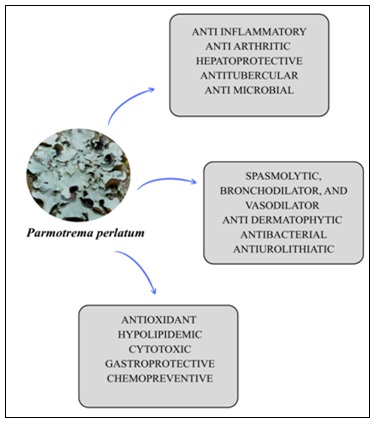
FIG. 1: DIVERSIFIED PHARMACOLOGICAL ACTIVITY OF PARMOTREMA PERLATUM LICHEN
TABLE 2: PHYTOCHEMICALS OF PARMOTREMA PERLATUM
| S. no. | Name of phytochemicals | Structure | References |
| 1 | D-carvone | 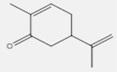 |
[13] |
| 2 | Copaene | 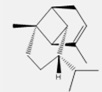 |
[13] |
| 3 | Cubebene | 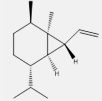 |
[13] |
| 4 | 5,7-dihydroxy 4-methyl coumarin | 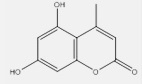 |
[13] |
| 5 | Stigmastan 3,5-diene | 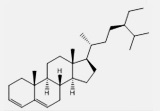 |
[13] |
| 6 | Gamolenic acid | 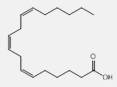 |
[13] |
| 7 | Camphene |  |
[15] |
| 8 | Carvacrol | 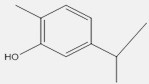 |
[15] |
| 9 | (+)-6-Deacetyl-9b-carbmethoxy-9b- demethylusnic acid | 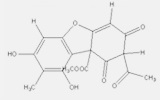 |
[18] |
| 10 | 3'-Methoxy-zeaxenthin | 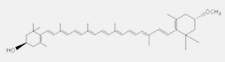 |
[18] |
| 11 | 6-acetyl-11-carbmethoxy-10-hydroxy-2,8-dimethylnaphthacene-5,12-quinone | 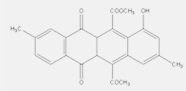 |
[18] |
| 12 | Longidione | 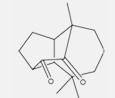 |
[14] |
| 13 | Viridifloral | 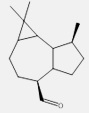 |
[13] |
| 14 | Rishitin | 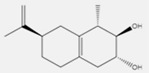 |
[13] |
| 15 | Daphnetin | 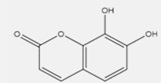 |
[13] |
| 16 | Caryophyllene | 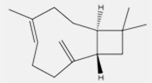 |
[15] |
| 17 | Platambin | 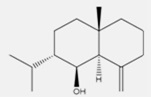 |
[13] |
| 18 | Cineole |  |
[15] |
| 19 | Camphene |  |
[15] |
| 20 | Pinastric Acid | 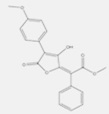 |
[17] |
| 21 | Vulpinic Acid | 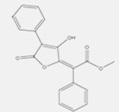 |
[17] |
| 22 | Usnic Acid | 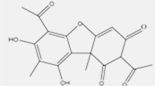 |
[17] |
CONCLUSION: Parmotrema perlatum is known to possess diverse pharmacological effects. The alcohol, aqueous and hydroalcoholic extracts have shown various biological effects.
It contains a variety of bioactive compounds such as depsides, depsidones, and usnic acid, which are responsible for several biological effects including antioxidant, antimicrobial, anti-inflammatory, and anticancer activities. However, most of these findings are still based on preliminary studies. In particular, there is a lack of detailed studies on the isolation and characterization of individual bioactive compounds from this lichen, which limits a clear understanding of its active principles.
Furthermore, there is limited toxicological data and lack of clinical investigations significantly limits its therapeutic practice. Therefore, several pharmacological studies are available, further detailed studies are needed to establish its safety, and clinical usefulness.
Future Prospective: Although, Parmotrema perlatum has been reported to possess several useful biological activities, the existing research is still very limited. Most studies focus only on in-vitro screening and a few major compounds, while detailed phytochemical profiling, safety evaluation, mechanism-based studies and in-vivo validation are largely missing. These gaps limit a clear understanding of its therapeutic potential and emphasize the need for more structured and advanced research.
ACKNOWLEDGEMENT: None
CONFLICTS OF INTEREST: The authors declare no conflict of interest.
REFERENCES:
- Zhao Y, Wang M and Xu B: A comprehensive review on secondary metabolites and health-promoting effects of edible lichen. Journal of Functional Foods 2020;80:
- Elkhateeb WA, El-Ghwas DE and Daba GM: Lichens uses surprising uses of lichens that improve human life. Journal of Biomedical Research and Environmental Sciences 2022;3(2):189-194.
- Midhila S and Irene A: Bioactive Lichen Evaluation: Parmotrema perlatum Targets Pathogenic Bacillus Species. International Journal of Creative Research Thoughts 2025; 13(8): 757-768.
- Khare CP: Indian Medicinal Plants. Springer Science and Business Media: Berlin/Heidelberg, Germany 2004; 464.
- Madane MP and Shinde S: Review on Role of herbs as anticancer. International Journal of Novel Research and Development 2024; 9(4): 512- 520.
- Gurudeva MR: Botanical and vernacular names of South Indian plants. Divyachandra Prakashana, Bangalore, 2001; 308.
- Neelima K, Sony G and Sabitha Y: Estimation of phytochemical analysis and Anti-Inflammatory activity of fresh extract of Parmotrema perlatum and Vitex negundo. International Journal for Research in Applied Science and Engineering Technology 2022; 10(8): 1037–52.
- Jayalal U, Divakar PK, Joshi S, Oh SO, Koh YJ and Hur JS: The lichen genus Parmotrema in South Korea. Mycobiology 2013; 41(1): 25–36.
- Varier VPS and Sala AV: Indian Medicinal Plants: A Compendium of 500 Species. Hyderabad. Orient Longman 1997; 4: 223-225.
- Nadkarni KM: Indian Materia Medica. Popular Prakashan, Bombay, Edition 1976; 3(1): 922.
- Chopra RN and Nayar SL: Glossary of Indian medicinal plants. Council of Scientific and Industrial Research, New Delhi, Edition 2002; 1(6): 18
- Kulkarni PH and Ansari S: The Ayurvedic plants. Sri Satguru Publications, Delhi, Edition 2004; 1: 236.
- Devi KV, Bhargav E, Swaruparani G and Jyothi MV: Comparative Evaluation of Phytochemical Constituents by GC-MS and Antitubercular and Antimicrobial Potential of Ceiba pentandra and Parmotrema perlatum against Resistant Strains. Journal of Pharmaceutical Research International 2021; 33(35): 197-203.
- Babu CN, Fardeen SB, Nitish GB, Javeed PS, Peera SM, Sai MK and Jyothi MV: Parmotrema Perlatum: A lichen and Indian spice-evaluation of phytoconstituents and hepatoprotective potential of its aqueous extract. Journal of Neonatal Surgery 2025; 14(32): 4214-22.
- Maqbul MS, Alhasel HMB, Majid DH, Momen TN, Alhazmi HAM, Jeddani FMSA, Malki RTWA, Khan AA and Iqubal SMS: Chemical analysis (GC-FID-MS) and antimicrobial activity of Parmotrema perlatum essential oil against clinical specimens. Oriental Journal of Chemistry 2019; 35(6): 1695-
- Banu MSS, Begum TN, Fathima TS, Abdul AP, Ahamed A, Arif IA, Jebastin T and Thajuddin N: Anti-bacterial and anti-dermatophytic activity of extracellular secondary metabolites of Streptomyces glaucescens NTSB-37 Isolated from Lichen Parmotrema perlatum (Huds.) M. Choisy in Kolli Hills, Tamil Nadu, India. Current Microbiology 2024; 82(1): 54.
- Hussain M, Bakhsh H, Syed SK, Ullah MS, Alqahtani AM, Alqahtani T, Aldahish AA, Emran TB, Rehman KU and Janbaz KH: The spasmolytic, bronchodilator, and vasodilator activities of Parmotrema perlatumare explained by anti-muscarinic and calcium antagonistic mechanisms. Molecules 2021; 26(21): 6348.
- Dobhal S, Kumar M, Kumar A and Joshi YC: Chemopreventive Action of Compounds from Parmelia perlata. Global Journal of Science Frontier Research 2020; 20(2): 41-54.
- Diwakar Y, VC and Sharon SE: Study of Parmelia perlata for its potential as anti-inflammatory and antiarthritic agent using in-vitro Asian Journal of Pharmaceutical and Clinical Research 2019; 12(1): 95-7.
- Shailajan S, Joshi M and Tiwari B: Hepatoprotective activity of Parmelia perlata (Huds.) Ach. against CCl4 induced liver toxicity in Albino Wistar rats. Journal of Applied Pharmaceutical Science 2014; 4(02): 070-074. https://doi.org/10.7324/japs.2014.40212
- AydinS and Kinalioglu K: Comparative Antimicrobial Activity of Crude Extracts of Protoparmeliopsis muralis and Parmotrema perlatumGazi University Journal of Science 2018; 31(3): 687 - 698.
- Hoda S and Vijayaraghavan P: Evaluation of Antimicrobial Prospective of Parmotrema perlatum Hexane Extract. International Journal of Pharmaceutical Research and Allied Sciences 2015; 4(2): 47-53.
- Priyadarshini PA, Pruthvi B, Ramya BR and Marudwati J: Invitro antibacterial activity of lichens against oral microorganism of herbivorous and carnivorous animals. International Research Journal of Advanced Engineering and Science 2017; 2(2): 110-114.
- Daswani S, and Raja W: A study of Antibacterial Activity of Parmotrema perlatum extract against some Human Pathogenic Bacteria. Recents Trends of Herbal Research in Ayurveda 2021; 1(2): 1-8.
- Goyal, PK, Verma SK and Sharma AK: Evaluation of antiurolithiatic effects of Parmelia perlata against calcium oxalate calculi in hyperoxaluric rats. Journal of Applied Pharmaceutical Science 2018; 8(01): 129-135.
- RahmanH, B V, Ghosh S, Pant G and GS: In-vitro studies on antioxidant, hypolipidemic and cytotoxic potential of Parmelia perlata. American Journal of Life Sciences 2014; 2(6-1): 7-10.
- Lakshmi V, Ameta K, Mishra V, Srivastava A, Agarwal SK, Palit G and Mahdi AA: Gastroprotective effect of ethanolic extract of Parmelia perlata in rats. The Journal of Phytopharmacology 2013; 2(6): 19-25.
How to cite this article:
Gowri R, Manoj KB, Tirkey CN, Aftab KM and Affan NM: Pharmacological potential and bioactive profile of medicinal lichen Parmotrema perlatum: a review. Int J Pharm Sci & Res 2026; 17(8): 2265-76. doi: 10.13040/IJPSR.0975-8232.17(8).2265-76.
All © 2026 are reserved by International Journal of Pharmaceutical Sciences and Research. This Journal licensed under a Creative Commons Attribution-NonCommercial-ShareAlike 3.0 Unported License.
Article Information
2
2265-2276
2394 KB
704
English
IJPSR
R. Gowri, K. B. Manoj *, Crispin Nancy Tirkey, K. Mohammad Aftab and N. Mohammed Affan
Department of Pharmacognosy, Faculty of Pharmacy, MS Ramaiah University of Applied Sciences, Bengaluru, Karnataka, India.
manukbmanu888@gmail.com
05 February 2026
22 June 2026
15 July 2026
10.13040/IJPSR.0975-8232.17(8). 2265-76
01 August 2026
 Download