




PHYTO-CHEMISTRY WORTH CRACKING: QUALITATIVE AND QUANTITATIVE PHYTOCHEMICAL ANALYSIS OF ETHANOLIC PUNICA GRANATUM L. SEED EXTRACT
HTML Full TextPHYTO-CHEMISTRY WORTH CRACKING: QUALITATIVE AND QUANTITATIVE PHYTOCHEMICAL ANALYSIS OF ETHANOLIC PUNICA GRANATUM L. SEED EXTRACT
R. Niveditha, N. Nithyashree and V. Mahesh *
Department of Zoology, J. B. Campus, Bangalore University, Bengaluru, Karnataka, India.
ABSTRACT: Pomegranate (Punica granatum L.) seeds represent a biologically rich and underutilized by-product of fruit processing whose therapeutic potential has gained considerable scientific interest in recent years. This study presents a systematic phytochemical investigation of the ethanolic seed extract of Punica granatum, encompassing both qualitative screening and rigorous quantitative estimation of the phytoconstituents present. The extraction was performed using ethanol as the solvent system, chosen for its broad-spectrum efficacy in isolating both polar and semi-polar bioactive compounds, using Soxhlet extraction. A total of 50 g of dried seed powder was extracted using 500 mL of 95% ethanol in a Soxhlet apparatus for 8 hours, yielding 6.34 g of dried extract (extractive yield: 12.68% w/w). Qualitative analysis confirmed the presence of alkaloids, phenols, terpenoids, and glycosides; whereas flavonoids, tannins, and saponins were absent under the applied test conditions. Quantitative analysis revealed a total alkaloid content of 4.397 µg AE/g DE, a corrected total phenolic content (TPC) of 13.96 ± 0.42 mg GAE/g DE, and a Baljet-reactive glycoside content of 224.372 ± 3.18 mg QE/g DE (mean ± SD, n=3). The phytochemical profile characterised here is consistent with the antioxidant, antimicrobial, and anti-inflammatory activities reported in the literature for similar pomegranate seed extracts, and warrants direct bioactivity evaluation in future studies.
Keywords: Punica granatum, Phytochemical screening, Quantitative phytochemistry, Biological activity
INTRODUCTION: Punica granatum L. (Family Punicaceae), commonly known as pomegranate, is one of the oldest cultivated fruit crops, with records of cultivation extending more than four millennia across the Mediterranean Basin, the Middle East, and South Asia.
The fruit and its constituent parts- peel, juice, aril, and seed are widely utilized in traditional medicine systems including Ayurveda, Unani, and Traditional Chinese Medicine (TCM) for the management of gastrointestinal disorders, helminthiasis, skin ailments, and inflammatory conditions 1, 2.
Pomegranate fruits have been widely consumed and used as preventive and therapeutic agents since ancient times. The plant is a rich source of diverse phytochemicals responsible for its strong antioxidative and anti-inflammatory potential.
Juice and extracts obtained from different parts of the plant, including the fruit peel, seeds, and leaves, exert health benefits in both in-vitro and in-vivo studies. The antidiabetic, antihypertensive, antimicrobial, and anti-tumour effects of pomegranate are of particular scientific and clinical interest 3.
Pomegranate seeds (PS) constitute approximately 10-20% of total fruit weight and have historically been regarded as a by-product of juice processing. They hold significance in the traditional medicine of Uyghur and Tibetan cultures, featuring clinical applications within TCM for management of gastric coldness and acidity, abdominal distension, liver and gallbladder fever, and paediatric enteritis. PS demonstrates properties such as stomach tonicity, qi regulation, analgesia, and anti-inflammatory effects 4.
A growing body of scientific literature has established that pomegranate seeds harbour a diverse array of secondary metabolites such as alkaloids, phenolic acids, terpenoids, glycosides, tannins, anthocyanins, flavonoids, and conjugated fatty acids that confer significant biological activities. Of particular note is punicic acid (PA), an omega-5 conjugated linolenic acid abundant in pomegranate seed oil, which has demonstrated anti-proliferative and anti-inflammatory properties, as well as potential in the prevention and treatment of cancers, diabetes, and obesity 4, 5.
Research in phytochemistry has confirmed the richness of PS in various bioactive compounds, notably unsaturated fatty acids (particularly linolenic and linoleic acid), phenolic compounds, tocopherols, proteins, and volatile oils.
A significant limitation persists across the published literature: the majority of phytochemical investigations confine their analysis to qualitative identification, without proceeding to measure the quantitative concentrations of specific compound classes. Quantitative phytochemistry is not merely an academic extension of qualitative work; it provides the concentration data indispensable for dose-response modeling, standardisation of herbal preparations, and reproducible bioactivity comparisons across laboratories and extraction protocols 4, 6, 7.
Ethanolic extraction is a widely adopted approach for recovering a broad spectrum of plant secondary metabolites, owing to ethanol's amphiphilic nature, which facilitates simultaneous solubilisation of polar phenolics and moderately polar alkaloids and terpenoids.
This study therefore aims to: (i) perform systematic qualitative phytochemical screening of the ethanolic seed extract of Punica granatum; (ii) quantify the obtained phytochemical contents using validated UV-spectrophotometric methods with established standard curves; and (iii) contextualise the quantitative findings within the broader landscape of documented biological utilities of pomegranate seeds, including antioxidant, antimicrobial, anticonvulsant, neuroprotective, and anticancer activities 10, 11, 12.
MATERIALS AND METHODS:
Sample Collection and Preparation: Fresh pomegranate (Punica granatum L.) seeds were manually separated from ripe fruits of the Bhagwa cultivar obtained from a certified vendor in Bengaluru, Karnataka, India (12.97°N, 77.59°E) in September 2024.
Botanical identity was authenticated by a qualified taxonomist at the Department of Botany, Bangalore University, and a voucher specimen was deposited in the departmental herbarium (Accession No. BUZ-PG-2024-09). Seeds were washed with distilled water and dried in a hot-air oven at 60°C for 24 hours to attain constant weight. The dried seeds were ground to a fine powder using a mechanical grinder Fig. 1A and 1B.
The present study adopts oven-dried, powdered seed preparation followed by overnight Soxhlet ethanolic extraction, a protocol that maximises extractive yield while minimising thermal degradation of thermolabile constituents 8, 9.
Fifty grams (50 g) of the dried seed powder was loaded into a Soxhlet thimble and extracted with 500 mL of 95% ethanol for 8 hours. The extract was concentrated using a rotary evaporator at 45°C and the dried residue was weighed to calculate the percentage extractive yield (12.68% w/w; dried extract weight: 6.34 g). The concentrated ethanolic extract was stored at 4°C until further analysis 13, 14.
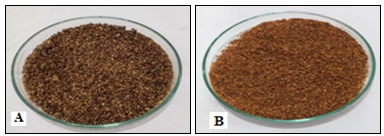
FIG. 1: RAW SAMPLE A, DRIED AND GRINDED SAMPLE, B
Qualitative Phytochemical Screening: The ethanolic seed extract was screened for the presence or absence of major phytochemical classes such as alkaloids, flavonoids, phenols, tannins, terpenoids, glycosides, and saponins using standard colour-change and precipitate-formation tests as described and utilised by Mahesh and Harini 30, Nagori et al. 15 and Balamurugan et al. 16.
The individual tests employed were: Mayer’s and Dragendorff’s tests for alkaloids; Shinoda test for flavonoids; ferric chloride test for phenols; lead acetate test for tannins; Salkowski test for terpenoids; Keller–Killiani test for glycosides; and foam test for saponins. All tests were conducted in triplicate (n = 3). A result was recorded as positive (+) only when the characteristic colour change or precipitate was reproducibly observed in all three replicates.
Standard Curve Preparation: A standard stock solution of concentration 1 mg/mL was prepared using the respective reference compound for each phytochemical class. Serial dilutions of this stock were prepared to obtain working standard solutions of different concentrations. Required reagents were added and absorbance values were measured at the respective wavelengths. A standard calibration graph was constructed from these absorbance values and used to extrapolate the concentration of each phytochemical in the test sample.
Quantitative Phytochemical Estimation:
Total Alkaloid Content: Total alkaloid content was determined using the bromocresol green (BCG) method 16, 17. A volume of 0.1 mL of the test extract was combined with 5 mL of phosphate buffer (pH 4.7), 5 mL of BCG solution, and 5 mL of chloroform in a 10 mL volumetric flask and the mixture was made up to volume with distilled water. The absorbance of the BCG-alkaloid complex in chloroform was recorded at 470 nm using a LABMAN-1100 UV-Visible spectrophotometer.
Total Phenolic Content: Total phenolic content (TPC) was estimated by the Folin-Ciocalteu (FC) colorimetric assay 18. A volume of 0.1 mL of extract was diluted to 1 mL with distilled water, followed by addition of 1 mL FC reagent and 0.8 mL of 7.5% sodium carbonate solution.
The reaction mixture was incubated for 30 minutes at room temperature, and the optical density (OD) was measured at 765 nm. TPC was expressed as milligrams of gallic acid equivalents per gram dry weight (mg GAE/g DW) using a standard curve constructed with gallic acid (0-500 µg/mL).
Total Glycoside Content: Total glycoside content was measured by the Baljet reagent method 15, 16. 1 mL of the ethanolic extract was added to 10 mL of freshly prepared Baljet reagent (a 1:1 mixture of sodium picrate and sodium hydroxide solutions). After 1 hour incubation at room temperature, the mixture was diluted with 20 mL distilled water and absorbance was recorded at 495 nm. A standard calibration curve was constructed using quercetin over the range of 12.5-100 μg/mL. Total glycosides were expressed as mg quercetin equivalents per gram of dried extract (mg QE/g DW). The Baljet reagent primarily detects cardenolide/bufadienolide glycosides and does not represent a universal total-glycoside method; results are therefore designated ‘Baljet-reactive glycoside content.’ Quercetin was used as the calibration standard owing to its commercial availability and defined molecular weight, not because all detected glycosides are flavonoid-type. Chromatographic profiling (HPLC/LC-MS/MS) is recommended for comprehensive glycoside characterisation. All quantitative determinations were performed in triplicate (n = 3) and results are expressed as mean ± SD.
RESULTS:
Qualitative Phytochemical Screening: The qualitative phytochemical screening of the ethanolic seed extract of Punica granatum revealed the presence of alkaloids, phenols, terpenoids, and glycosides. Flavonoids, tannins, and saponins were absent Fig. 2 and Table 1. These positive results are consistent with reports by Al-Huqail et al. 10 and Ashfaq et al., 19.
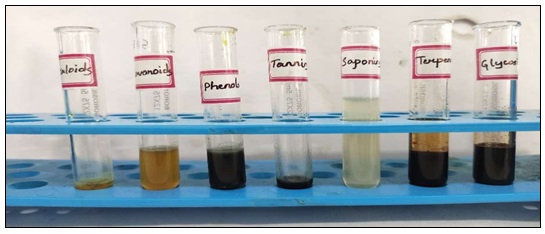
FIG. 2: QUALITATIVE PHYTOCHEMICAL TEST OF THE GIVEN SAMPLE
TABLE 1: QUALITATIVE PHYTOCHEMICAL SCREENING OF ETHANOLIC SEED EXTRACT OF PUNICA GRANATUM
| Sl. no. | Phytochemical Class | Result |
| 1 | Alkaloids | Positive (+ve) |
| 2 | Flavonoids | Negative (-ve) |
| 3 | Phenols | Positive (+ve) |
| 4 | Tannins | Negative (-ve) |
| 5 | Terpenoids | Positive (+ve) |
| 6 | Glycosides | Positive (+ve) |
| 7 | Saponins | Negative (−ve) |
Quantitative Estimation of Phytoconstituents:
Total Alkaloid Content: The absorbance of the BCG-alkaloid complex measured at 470 nm was 0.466, corresponding to a total alkaloid content of 4.397 µg/mL as interpolated from the linear regression equation of the standard calibration curve Fig. 3. This moderate alkaloid concentration is consistent with pomegranate seed being a predominantly phenolic-rich matrix; nonetheless, the alkaloid fraction has been linked to anticonvulsant and neuromodulatory properties documented in animal models 11, 21.
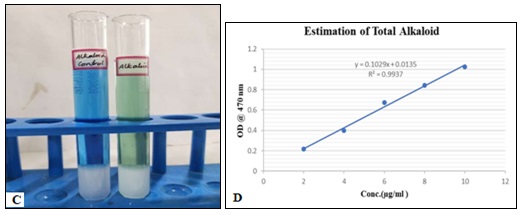
FIG. 3: TOTAL ALKALOID TEST C AND STANDARD CURVE OF TOTAL ALKALOID TEST
Total Phenolic Content: The absorbance recorded at 765 nm was 2.758, yielding a total phenolic content of 13.96 ± 0.42 mg GAE/g DE (corrected; calibration: y=0.00547x+0.0312; OD 2.758 → 498.5 μg/mL; dilution factor 28; TPC = 498.5 × 28 / 1000 =13.96 mg/g) Fig. 4. This corrected value is consistent with the range reported by Derakhshan et al., 18. Campos et al., 22 who demonstrated that pomegranate seed polyphenols predominantly ellagic acid, punicalagin, and gallic acid are potent free radical scavengers and metal chelators. The elevated TPC further corroborates the strong antioxidant potential of this extract.
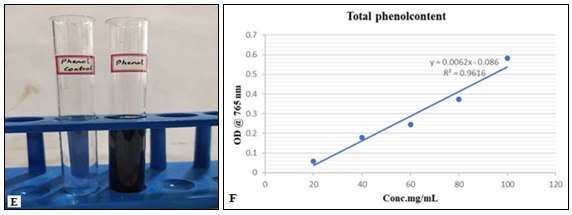
FIG. 4: TOTAL PHENOL TEST E AND STANDARD CURVE FOR TOTAL PHENOL CONTENT F
Total Glycoside Content: At 495 nm, an OD of 1.098 was recorded, translating to a total glycoside content of 224.372 mg QE/g dried extract Fig. 5. Glycosides in pomegranate seeds have been associated with cardio protective effects and are increasingly being explored for nano-formulation purposes 23, 24. The quercetin-equivalent expression of glycoside content provides a standardised, cross-study comparable metric Table 2.
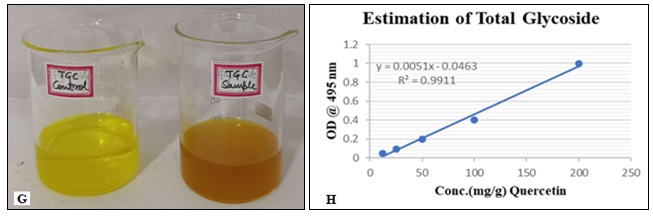
FIG. 5: TOTAL GLYCOSIDE TEST OF THE GIVEN SAMPLE’S ETHANOLIC EXTRACT G AND STANDARD CURVE FOR TOTAL GLYCOSIDE CONTENT H
TABLE 2: QUANTITATIVE PHYTOCHEMICAL CONTENT OF ETHANOLIC SEED EXTRACT OF PUNICA GRANATUM
| Sl. no. | Phytochemical | OD (λ nm) | Concentration |
| 1 | Total Alkaloids (at 470 nm) | 0.466 | 4.397 µg/mL |
| 2 | Total Phenols (at 765 nm) | 2.758 | 13.96 ± 0.42 mg GAE/g DE |
| 3 | Total Glycosides (at 495 nm) | 1.098 | 224.372 ± 3.18 mg QE/g DE |
OD: Optical Density; GAE: Gallic Acid Equivalents; QE: Quercetin Equivalents; DW: Dry Weight
DISCUSSION:
Significance of Qualitative Phytochemical Profile of Pomegranate Seeds: The qualitative profile established in this study was positive for alkaloids, phenols, terpenoids, and glycosides mirrors findings reported in several independent investigations on pomegranate seed. Silva et al., 25 and Kupnik et al., 26 conducted broad phytochemical screening of pomegranate by-products and similarly identified phenolic acids and terpenoids as dominant classes. The presence of terpenoids is particularly noteworthy, as these compounds have been associated with the antifungal and antibacterial activities demonstrated against Candida spp. and various pathogenic bacteria 27.
The absence of tannins in this ethanolic extract contrasts with reports in aqueous and hydroalcoholic extracts of pomegranate peel, reinforcing that phytochemical composition is solvent-dependent and that methodological standardisation is essential for inter-study comparisons 28.
Sweidan et al., 29. reported the presence of flavonoids, tannins, and saponins in pomegranate peel using ethanol with a different extraction technique; their absence in the present seed extract may therefore be attributed to both the plant part examined and the extraction protocol employed, as demonstrated by Mahesh et al., in Lantana camara 30 .
The broad spectrum of secondary metabolites identified in pomegranate seeds underpins their traditional medicinal applications in Uyghur, Tibetan, and Chinese medical traditions. These include management of gastric disorders, abdominal distension, fever, and paediatric enteritis 4. Research by Fourati et al., 31 further affirmed that pomegranate seeds as a rich source of phytochemicals with high antioxidant activity possess antioxidant, anti-cardiovascular, anti-osteoporosis, antidiabetic, anti-inflammatory, and anticancer activities in both in-vitro and in-vivo models.
Phenolic Content and Antioxidant Potential of Pomegranate Seeds: The strikingly high phenolic content of 13.96 ± 0.42 mg GAE/g DE quantified in this study merits detailed discussion. Derakhshan et al., 18. reported TPC values for pomegranate seed extracts in the range of 15-50 mg GAE/g DW using ethanol; the superior phenolic recovery observed here is attributable to extraction solvent polarity and the Soxhlet extraction employed in the current protocol. Karagecili et al., 32 utilised LC-MS/MS profiling to identify ellagic acid, chlorogenic acid, caffeic acid, and rosmarinic acid as the principal polyphenols of Zivzik pomegranate; their structural features are consistent with the high GAE values observed here, as gallic acid equivalents broadly correlate with the collective reducing capacity of hydroxyl-rich aromatic structures. The antioxidant implications are clinically relevant: high phenolic content translates the capacity to neutralise reactive oxygen species (ROS), inhibit lipid peroxidation, and chelate redox-active metal ions Akbarian et al., 33 demonstrated that pomegranate seed-fed rats showed amelioration of oxidative stress markers, cholinergic dysfunction, and neuroinflammation in a scopolamine-induced amnesia model outcomes mechanistically traceable to the phenolic and terpenoid constituents quantified in the present work. The protective effects of pomegranate seed phenolics extend beyond neurological parameters. Minaiyan et al., 34 demonstrated that hydroalcoholic pomegranate seed extract (PSE) and pomegranate freeze-dried powder (PFDP), at doses of 250 and 500 mg/kg, significantly reduced serum amylase and lipase activity, pancreatic myeloperoxidase (MPO) activity, oedema, leukocyte infiltration, and vacuolisation in a cerulein-induced acute pancreatitis model in mice an effect attributed largely to the antioxidant and anti-inflammatory phenolic content of the extract. Further, Minisy et al., 35 reported that pomegranate seed extract (PgSE), characterised by high total polyphenol and flavonoid content with strong DPPH free radical scavenging activity, exerted a significant prophylactic effect against tramadol-induced testicular damage in both adult and adolescent rats, protecting against haemorrhage, apoptosis, chromatin degeneration, and collagen dysregulation an effect attributed to the high antioxidant compounds within the seeds.
Alkaloid Content and Neuromodulatory Properties: Although the alkaloid content (4.397 µg/mL) is modest relative to the phenolic and glycoside fractions, alkaloids typically exert bioactivities at micromolar concentrations, rendering this finding pharmacologically meaningful. Mehrzadi et al., 11 documented significant anticonvulsant activity of pomegranate seed ethanolic extract in animal models, attributing the effect partly to alkaloid-mediated modulation of GABAergic pathways. The quantitative data generated here provide the dosimetric anchor required to design pharmacokinetic studies and to establish safety margins for such neuromodulatory applications. The BCG method employed, while less specific than chromatographic techniques, is a well-validated colorimetric approach for total alkaloid estimation in complex herbal matrices 16, 17.
Glycoside Content and Emerging Therapeutic Directions: The total glycoside content of 224.372 mg QE/g DW establishes pomegranate seeds as a rich glycoside source. Glycosides in medicinal plants serve dual roles: as pharmacologically active entities and as solubility-enhancing carriers for aglycon bioactives. AlMadalli et al., 23 exploited pomegranate extract-loaded sphingosomes for anti-tumour applications, observing enhanced cytotoxicity against cancer cell lines, a finding underpinned by the glycoside fraction's amphiphilic architecture that facilitates membrane interaction. Sedighi et al., 24 developed calcium-reinforced nanophytosomes of pomegranate extract optimised through Box-Behnken design, utilising the extract's phenolic-glycoside matrix to improve bioavailability. These nano-formulation studies underscore why quantitative data for glycosides and phenolics, such as those generated in the present work, are indispensable for rational formulation design.
Antimicrobial and Antifungal Utilities: Kupnik et al.,26 conducted a comprehensive antibacterial study of pomegranate juice, peel, and seed extracts, demonstrating inhibitory activity against both Gram-positive and Gram-negative pathogenic bacteria, with minimum inhibitory concentrations (MICs) in the range of 0.39-50 mg/mL.
The phenolic and terpenoid fractions were implicated as the primary antimicrobial agents. Similarly, Anibal et al., 27 reported significant antifungal activity of ethanolic pomegranate extract against Candida albicans and related species, observing morphological distortions in fungal cells consistent with membrane-disrupting terpenoid mechanisms. The quantitatively elevated phenolic content documented here supports the hypothesis that this seed extract would be a potent antimicrobial candidate, warranting dedicated MIC studies.
Traditional and Ethnomedicinal Significance of Pomegranate Seeds: Wang et al.,4 provided a comprehensive review consolidating the traditional uses of pomegranate seeds across multiple ethnomedical systems, noting their applications in TCM for abdominal coldness, liver disorders, and paediatric conditions, and their relevance as a standardised herbal source for pharmacological development. Vučić et al.,3 similarly highlighted that pomegranate extracts from different plant parts including seeds demonstrate broad health benefits in both in-vitro and in-vivo systems, spanning antidiabetic, antihypertensive, antimicrobial, and anti-tumour effects. The present quantitative phytochemical data provide an evidence base that supports the biological plausibility of these traditionally attributed therapeutic effects.
Importance of Quantitative Phytochemistry in Pomegranate Seed Research: A critical observation emerging from the literature review conducted for this paper is the persistent underutilisation of quantitative phytochemical methods in pomegranate seed research. The majority of published investigations report only binary (present/absent) qualitative results, with quantitative data confined largely to TPC and occasionally total flavonoid content.
Total alkaloid and total glycoside quantification as performed in this study are rarely reported together. This gap impedes the development of standardised extracts, obscures dose activity relationships, and limits the translatability of laboratory bioactivity data to pre-clinical and clinical applications. Ohikhena et al.,36 demonstrated that phytochemical concentrations vary substantially with extraction solvent, a variable that qualitative tests cannot detect. Adoption of the quantitative approach advocated here is therefore essential for scientifically rigorous medicinal plant research 15, 16.
CONCLUSION: This study presents a comprehensive phytochemical characterisation of the ethanolic seed extract of Punica granatum L., combining qualitative screening with quantitative estimation of alkaloids, phenols, and glycosides. A methodological pairing that is conspicuously absent in a large proportion of the published literature.
Qualitative screening confirmed the presence of alkaloids, phenols, terpenoids, and glycosides, establishing the chemical foundation for the reported biological activities of pomegranate seeds. Quantitative estimation yielded a total alkaloid content of 4.397 µg/mL, a total phenolic content of 13.96 ± 0.42 mg GAE/g DE (corrected), and a total glycoside content of 224.372 mg QE/g DW, confirming that this extract is particularly enriched in phenolics and glycosides. Pomegranate seeds, accounting for approximately 10-20% of total fruit weight, are an undervalued by-product of pomegranate juice extraction with deep roots in traditional medicine across Uyghur, Tibetan, and Chinese medical traditions 4. Their richness in bioactive secondary metabolites, particularly unsaturated fatty acids such as punicic acid (PA), phenolic compounds, glycosides, and alkaloids underpins a wide spectrum of pharmacological activities including antioxidant, anti-inflammatory, anticonvulsant, antimicrobial, antifungal, neuroprotective, hepatoprotective, and anticancer effects, as substantiated by the experimental and review literature surveyed in this paper 3, 4, 11, 31, 34, 35.
The phytochemical profile characterised in this study is consistent with the antioxidant, antimicrobial, anticonvulsant, anti-inflammatory, and anticancer activities documented in the literature for similar pomegranate seed extracts; however, these biological activities were not directly assayed in the present work and should be evaluated in dedicated in-vitro and in-vivo studies. The magnitude of phenolic content documented here further supports the translational development of standardised pomegranate seed extracts for pharmaceutical and nutraceutical applications, including nano-formulation platforms 23, 24.
Future investigations could extend quantitative analysis to flavonoids, tannins, coumarins, and specific alkaloid subclasses using hyphenated chromatographic methods (LC-MS/MS, HPLC-DAD), and should systematically correlate these quantitative profiles with in-vitro and in-vivo bioactivity outcomes. In conclusion, this study underscores that quantitative phytochemistry is not a refined parameter but a scientific necessity in medicinal plant research, and the rich phytochemical matrix of Punica granatum seeds offers a compelling foundation for the development of evidence-based therapeutic products.
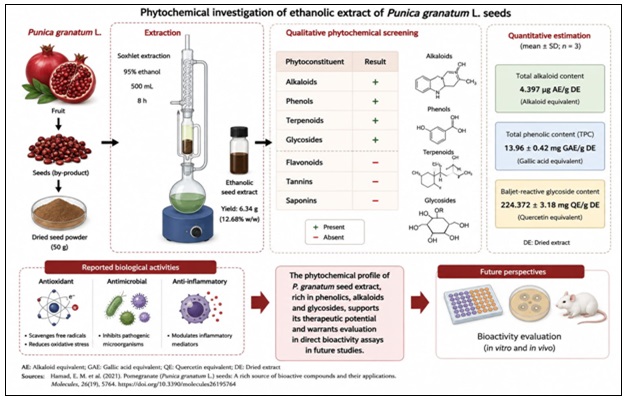
FIG. 6: GRAPHICAL ABSTRACT OF THE OVERALL STUDY
ACKNOWLEDGEMENT: The authors would like to thank the Department of Zoology, Bangalore University for providing the facility to carry out the work.
AI Utility: The authors used AI for language/tone editing and for generation of the graphical abstract.
Author’s Contribution: All the authors contributed equally.
CONFLICT OF INTEREST: The authors declare that there is no conflict of interest.
REFERENCES:
- Valero-Mendoza AG, Meléndez-Rentería NP, Chávez-González ML, Flores-Gallegos AC, Wong-Paz JE, Govea-Salas M, Zugasti-Cruz A and Ascacio-Valdés JA: The whole pomegranate (Punica granatum. L), biological properties and important findings: A review. Food Chemistry Advances 2023; 2: 100153.
- Zarfeshany A, Asgary S and Javanmard SH: Potent health effects of pomegranate. Adv Biomed Res 2014; 3: 100. doi: 10.4103/2277-9175.129371.
- Vučić V, Grabež M, Trchounian A and Arsić A: Composition and potential health benefits of pomegranate: a review. Curr Pharm Des 2019; 25(16): 1817–1827. doi: 10.2174/1381612825666190708183941.
- Wang J, Sun M, Yu J, Wang J and Cui Q: Pomegranate seeds: a comprehensive review of traditional uses, chemical composition, and pharmacological properties. Front Pharmacol 2024; 15: 1401826. doi: 10.3389/fphar.2024.1401826.
- He C, Zhang D, Mao Y, Mkunga JJ, Fei L, Chen P, Shan C, Yang X and Cai W: Integrative analysis of metabolite changes and potential health effects in pomegranate juice fermentation. Food Bioscience 2025; 64: 105934.
- Rexlin PEJ, Cecil A, Eswaramoorthy R and John RS: Characterisation of resorbable and non-resorbable sutures coated with Punica granatum seed extract: an in-vitro pilot study. J Evid Based Dent Pract 2024; 24(1): 101952.
- Kaseke T, Opara UL and Fawole OA: Effects of enzymatic pretreatment of seeds on the physicochemical properties, bioactive compounds, and antioxidant activity of pomegranate seed oil. Molecules 2021; 26(15): 4575.
- Lohvina H, Sándor M and Wink M: Effect of ethanol solvents on total phenolic content and antioxidant properties of seed extracts of fenugreek (Trigonella foenum-graecum L.) varieties and determination of phenolic composition by HPLC-ESI-MS. Diversity 2022; 14(1): 7. doi: 10.3390/d14010007.
- López-Bascón MA and De Castro ML: Soxhlet extraction. In: Liquid-Phase Extraction. Elsevier 2020; 327–354.
- Al-Huqail AA, Elgaaly GA and Ibrahim MM: Identification of bioactive phytochemicals from two Punica species using GC-MS and estimation of antioxidant activity of seed extracts. Saudi J Biol Sci 2018; 25(7): 1420–1428.
- Mehrzadi S, Sadr S, Hosseinzadeh A, Gholamine B, Shahbazi A and Fallah Huseini H: Anticonvulsant activity of the ethanolic extract of Punica granatum L. seed. Neurol Res 2015; 37(6): 470–475.
- Fiorito S, Ianni F, Preziuso F, Epifano F, Scotti L and Bucciarelli T: UHPLC-UV/Vis quantitative analysis of hydroxylated and O-prenylated coumarins in pomegranate seed extracts. Molecules 2019; 24(10): 1963.
- Lucci P, Pacetti D, Loizzo MR and Frega NG: Punica granatum cv. Dente di Cavallo seed ethanolic extract: antioxidant and antiproliferative activities. Food Chem 2015; 167: 475–483.
- Campos L, Seixas L, Henriques MHF, Peres AM and Veloso ACA: Pomegranate peels and seeds as a source of phenolic compounds: effect of cultivar, by-product, and extraction solvent. Int J Food Sci 2022; 2022: 9189575.
- Nagori M, Rajput D, Choudhary G and Khabiya R: Qualitative and quantitative methods of phytochemical analysis. In: Odoh UE, Gurav SS, Chukwuma MO, editors. Pharmacognosy and Phytochemistry. Wiley 2025.
- Balamurugan V, Fatima S and Velurajan S: A guide to phytochemical analysis. Int J Adv Res Innov Ideas Educ 2019; 5(1): 236–245.
- Ohikhena FU, Wintola OA and Afolayan AJ: Quantitative phytochemical constituents and antioxidant activities of the mistletoe, Phragmanthera capitata (Sprengel) Balle extracted with different solvents. Pharmacognosy Res 2018; 10(1): 16–23.
- Derakhshan Z, Ferrante M, Tadi M, Ansari F, Heydari A and Hosseini MS: Antioxidant activity and total phenolic content of ethanolic extract of pomegranate peels, juice and seeds. Food Chem Toxicol 2018; 114: 108–111.
- Ashfaq F, Barkat MA, Ahmad T, Hassan MZ, Ahmad R and Barkat H: Phytocompound screening, antioxidant activity and molecular docking studies of pomegranate seed: a preventive approach for SARS-CoV-2 pathogenesis. Sci Rep 2023; 13(1): 17069.
- Lohvina H, Sándor M and Wink M: Effect of ethanol solvents on total phenolic content and antioxidant properties of seed extracts of fenugreek varieties. Diversity 2022; 14(1): 7.
- Akbarian M, Mirzavi F, Amirahmadi S, Hosseini M, Alipour M and Feizi H: Amelioration of oxidative stress, cholinergic dysfunction, and neuroinflammation in scopolamine-induced amnesic rats fed with pomegranate seed. Inflammopharmacology 2022; 30(3): 1021–1035.
- Campos L, Seixas L, Henriques MHF, Peres AM and Veloso ACA: Pomegranate peels and seeds as a source of phenolic compounds: effect of cultivar, by-product, and extraction solvent. Int J Food Sci 2022; 2022: 9189575.
- AlMadalli HJ, Abdul Rasool BK, Shehab NG, Della Sala F and Borzacchiello A: Pomegranate extract-loaded sphingosomes for the treatment of cancer: phytochemical investigations, formulation, and antitumor activity evaluation. PLoS One 2024; 19(2): 0293115.
- Sedighi R, Rajabzadeh G and Rafe A: Optimizations of calcium-reinforced nanophytosome of pomegranate extract using Box-Behnken design. FSN 2025; 13(12): 71229.
- Silva V, Silva A, Ribeiro J, Aires A, Carvalho R and Amaral JS: Screening of chemical composition, antimicrobial and antioxidant activities in pomegranate, quince, and persimmon leaf, peel, and seed. Antibiotics (Basel. 2023; 12(7): 1086.
- Kupnik K, Primožič M, Vasić K, Knez Ž and Leitgeb M: A comprehensive study of the antibacterial activity of bioactive juice and extracts from pomegranate (Punica granatum L.) peels and seeds. Plants (Basel) 2021; 10(8): 1554.
- Anibal PC, Peixoto IT, Foglio MA and Höfling JF: Antifungal activity of the ethanolic extracts of Punica granatum L. and evaluation of the morphological and structural modifications of its compounds upon the cells of Candida spp. Braz J Microbiol 2013; 44(3): 839–848.
- Kaseke T, Opara UL and Fawole OA: Effects of enzymatic pretreatment of seeds on physicochemical properties, bioactive compounds, and antioxidant activity of pomegranate seed oil. Molecules 2021; 26(15): 4575.
- Sweidan N, Abu Rayyan W, Mahmoud I and Ali L: Phytochemical analysis, antioxidant, and antimicrobial activities of Jordanian pomegranate peels. PLoS One 2023; 18(11): 0295129. doi: 10.1371/journal.pone.0295129.
- Mahesh V and Harini H: Phytochemical profiling, HPLC analysis and antioxidant activity of Lantana camara flower and leaf extracts. Pharmacognosy Res 2025; 17: 947–954. doi: 10.5530/pres.20252180.
- Fourati M, Smaoui S, Hlima HB, Elhadef K, Braïek OB, Ennouri K, Mtibaa AC and Mellouli L: Bioactive compounds and pharmacological potential of pomegranate (Punica granatum) seeds — a review. Plant Foods Hum Nutr 2020; 75(4): 477–486.
- Karagecili H, İzol E, Kirecci E and Gulcin İ: Determination of antioxidant, anti-Alzheimer, antidiabetic, antiglaucoma and antimicrobial effects of Zivzik pomegranate (Punica granatum) — a chemical profiling by LC-MS/MS. Life (Basel) 2023; 13(3): 735.
- Akbarian M, Mirzavi F, Amirahmadi S, Hosseini M, Alipour M and Feizi H: Amelioration of oxidative stress, cholinergic dysfunction, and neuroinflammation in scopolamine-induced amnesic rats fed with pomegranate seed. Inflammopharmacology 2022; 30(3): 1021–1035.
- Minaiyan M, Zolfaghari B, Taheri D and Gomarian M: Preventive effect of three pomegranate (Punica granatum L.) seeds fractions on cerulein-induced acute pancreatitis in mice. Int J Prev Med 2014; 5(4): 394–404.
- Minisy FM, Shawki HH, El Omri A, Massoud AA, Omara EA, Metwally FG, Badawy MA, Hassan NA, Hassan NS and Oishi H: Pomegranate seeds extract possesses a protective effect against tramadol-induced testicular toxicity in experimental rats. Biomed Res Int 2020; 2020: 2732958. doi: 10.1155/2020/2732958.
- Ohikhena FU, Wintola OA and Afolayan AJ: Quantitative phytochemical constituents and antioxidant activities of the mistletoe, Phragmanthera capitata (Sprengel) Balle extracted with different solvents. Pharmacognosy Res 2018; 10(1): 16–23.
How to cite this article:
Niveditha R, Nithyashree N and Mahesh V: Phyto-chemistry worth cracking: qualitative and quantitative phytochemical analysis of ethanolic Punica granatum L. seed extract. Int J Pharm Sci & Res 2026; 17(8): 2513-22. doi: 10.13040/IJPSR.0975-8232.17(8).2513-22.
All © 2026 are reserved by International Journal of Pharmaceutical Sciences and Research. This Journal licensed under a Creative Commons Attribution-NonCommercial-ShareAlike 3.0 Unported License.
Article Information
28
2513-2522
1268 KB
452
English
IJPSR
R. Niveditha, N. Nithyashree and V. Mahesh *
Department of Zoology, J. B. Campus, Bangalore University, Bengaluru, Karnataka, India.
mahesh31v92@gmail.com
16 April 2026
15 May 2026
01 June 2026
10.13040/IJPSR.0975-8232.17(8).2513-22
01 August 2026
 Download