




PHYTOCHEMICAL AND NUTRITIONAL CHARACTERISTICS OF GREWIA ASIATICA L. (PHALSA)
HTML Full TextPHYTOCHEMICAL AND NUTRITIONAL CHARACTERISTICS OF GREWIA ASIATICA L. (PHALSA)
Munesh Singh Bhadauria, Bhawna Sharma*, Upendra Kumar Sharma, Rizwana Khan, Shailendra Singh Rajpoot and Shashi Alok
Institute of Pharmacy, Bundelkhand University, Kanpur road, Jhansi, Uttar Pradesh, India.
ABSTRACT: Phalsa (Grewia asiatica L.) is a Southeast Asian food plant that is cultivated principally for its fruit. The fruit of the phalsa plant is eaten raw or added to food or beverages. In addition to being a great source of nutrients like fiber, vitamin C, potassium, folate, antioxidants and minerals, fruits also include a number of bioactive substances, including flavonoids, phenolics, tannins, and anthocyanins. The outcome of various researches implies that these constituents provide antibacterial, anticancer, radioprotective, antidiabetic, antioxidant, and anti-hyperlipidemia properties. Although phalsa posses nutritional and a physiological benefit, a brief investigation accomplished, on the plant's possible applications in health supplements. Research has recently started to create more and more innovative, phalsa-improved products. Phalsa might not be as marketable as other things that are produce, but that doesn't diminish its potential advantages. Nowadays, phalsa is processed on a small scale to produce a variety of edible products, including squash, juice, syrup, jam, and other drinks. However, the deficiency of the necessary equipment to fully utilize the plant's potential uses and related advantages constraints the phalsa-based products. Therefore, there is a necessity to increase official publications and research on the phalsa plant, especially in the area of applying innovative methods to enhance its food value and quality. Therefore, the aim of this review is to investigate the phalsa botanical description, nutritionalstudies, phytochemical, and other potential benefits of the phalsa plant.
Keywords: Phalsa, Grewia asiatica, Phytochemistry, Macro and micronutrients
INTRODUCTION: Grawia asiatica L. [Family: Tiliaceae (Malvaceae)], often known as Phalsa, scientifically recognized for its rich nutritional and pharmacological properties. Phalsa hold significant scientific importance due to the presence of numerous bioactive compounds like; flavonoid and phenolic compounds, anthocyanins, fibers, vitamins, ascorbic acid, minerals magnesium, calcium, carbohydrate.
Continuous research on different part of Grawia asiatica for their medicinal benefits shows that due to its nutritional value and presence of bioactive compounds phalsa used to treat various illnesses such as antimicrobial, antidiabetic, anti-inflammatory, hepatoprotective, osteoporosis, wound healing property and used in skin disorders, intestinal infections, coughing, fever, diarrhea, jaundice, and stomach problems 2-5.
Considering all this, the objective of the present review article is to bring a bank of knowledge and will thoroughly describe the major aspects of Phalsa like, botanical description, types of Phalsa, geographical distribution, physicochemical and nutritional composition, presence of macro and micronutrients, phytochemistry and also examine the nutritional approaches of Phalsa.
METHODOLOGY: A comprehensive review of published research on the Grewia has been prepared from every print and digital source, including Google Scholar, Sci Finder, Web of Science, PubChem, PubMed, ChemSpider, NCBI (National Centre for Biotechnology Information), ScienceDirect, The Plant List Database, and Scopus. The search period for this review article was (last two years, from 2024 to 2025). Numerous combinations of keywords were entered into the search engine such as Phalsa, Grewia asiatica, Types of Phalsa, Phytochemistry, Macro and micronutrients etc. All of the phytochemical structures have been drawn by using ChemBioDraw Ultra 14.0 software.
Botanical Description: Leaves are simple, may be cordate to ovate, deciduous and almost up to 20x16cmm. Apex of the leaves are acute to acuminate, subglabrous above, densely tomentose beneath, maximum length of petiole is 1.5cm 6-9.
Flowers are hermaphrodite; grow mainly on the current growing season on the new shoots. It takes 45 to 55 days from flowering to fruiting maturity. Flower buds are thick appearing in clusters of four to six. The middle bud is usually larger than the others, mature in 20-21 days. Generally small fruits contain single seed. The size of the largest fruits is 1.7 cm 6-8.
The diameter of phalsa fruit is 1 to 2 cm, warty 6-nd with stellate hairs. Fruit are like a globose berry with fleshy, fibrous, soft and greenish purple stained with purplish at maturity, sour and acidic taste10-14.The main preserving agents are jams, jellies, pies, squashes etc.Although, they can have short shelf lives, spoil early if not stored and used properly. These products are appropriate only for local marketing 15, 16.
Grewia consist of 1-2 seeds with a hard seed coat, having grooved on the surface and pointed at the end 17- 19. Overview of Grewia asiatica whole plant is given in Fig. 1.
TAXONOMICAL CLASSIFICATION 20
| Kingdom | Plante |
| Order | Malvales |
| Family | Tiliaceae or Malvaceae |
| Sub-family | Grewioideae |
| Genus | Grewia |
| Species | Asiatica |
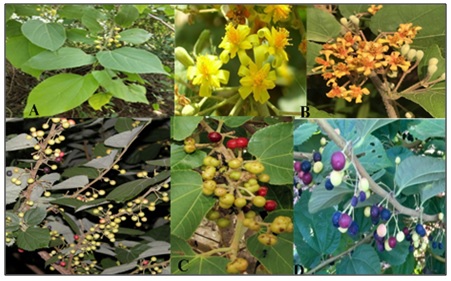
FIG. 1: PHOTOGRAPHS OF GREWIA ASIATICA (A): GREWIA ASIATICA WHOLE PLANT. (B): FLOWER, (C): UNRIPE FRUIT, (D): RIPE FRUIT
Types of Grewia asiatica: Two different variety of Phalsa have been identified: Tall and short (dwarf) type. The dwarf type of phalsa is very beneficial and has been grown commonly. It accumulates higher level of reducing and sugars and non-reducing sugars compared to the tall counterparts. The tall type of phalsa produces more juice than dwarf type of phalsa. Graphical representation of physical appearance and structure of the tall and dwarf type of Grewia asiatica given in (Fig. 2 & Table 2). Compared to the dwarf form, the tall type has more producing capacity of reducing sugars, titrable acidity, and seed protein 21.
TABLE 1: CHARACTERISTICS OF TALL AND DWARF TYPES OF GREWIA ASIATICA 21
| Content (%) | Tall | Dwarf |
| Edible portion | 91.30 | 90.79 |
| Juice yield | 67.50 | 65.90 |
| Pomace | 32.50 | 34.10 |
| Moisture | 76.80 | 74.83 |
| Seed | 8.70 | 9.21 |
| Fruit protein | 3.13 | 1.89 |
| Seed protein | 8.75 | 7.00 |
| Pulp protein | 1.40 | 7.00 |
| Reducing sugars | 1.24 | 0.99 |
| Non-reducing sugars | 4.49 | 6.96 |
| Titrable acidity | 1.48 | 1.12 |
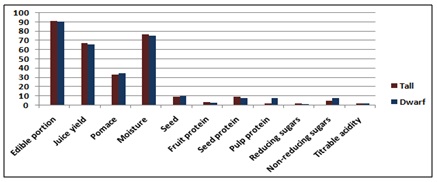
FIG. 2: CHARACTERISTICS OF TALL AND DWARF TYPE OF GREWIA ASIATIC21
Area and Distribution: Phalsa (Grewia asiatica), is originally indigenous to India and Southeast Asia, is primarily cultivation in the Himalayan regions of India, Punjab, Uttar Pradesh, Madhya Pradesh, Haryana, Rajasthan, and other states.
States like Karnataka, Maharashtra, Andhra Pradesh, Gujarat, West Bengal, and Biha also cultivate it on a smaller scale Fig. 3.
Among all these regions the largest, smaller and limited cultivation are as:
Prominent Areas of Cultivation: The Himalayan regions, Punjab, Uttar Pradesh, Haryana, and Rajasthan are the main growing regions.
Smaller-scale Cultivation: States with smaller-scale farming include Karnataka, Maharashtra, Andhra Pradesh, Gujarat, West Bengal, and Bihar 21.
Narrow Growing Area: Phalsa has a lot of promise, but due to its small size, short shelf life, and need for regular harvesting; its production is limited to less than 1000 hectares in India.
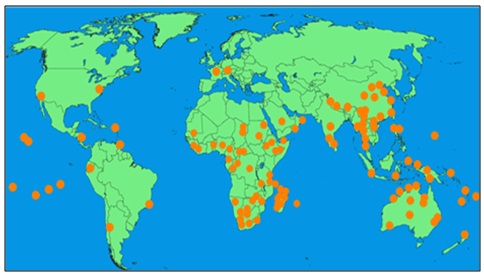
FIG. 3: AREA AND DISTRIBUTION OF PHALSA 22
Ecology: Grewia (Grewia asiatica) has been identified as an environmental weed in the Northern Territory. It grows successfully in areas with distinct summer and winter seasons, although, it is able to endure a range of temperatures, with the exception of high altitude. High temperature, abundant rainfall and humid subtropical atmosphere are acceptable for its growth. It can survive in hostile situations by reason of its extreme adaptability 23.
Physicochemical and Nutritional Value of Phalsa: Nutrients such as fiber, vitamin C, potassium, folate and antioxidants are found in fruits that essential for preserving and improving good health. Fruit provides a multiple health advantages, integral to a healthy eating plan; fruitarians are likely to diminish the chance of developing some chronic conditions, such as heart attacks and strokes, and some types of cancer. Fruits are utilized as a natural cure in a number of medical situations and to give unique flavor and taste to health drinks 24. The nutritional composition of Grewia both macro and micro (carbohydrate, fiber, fat, moisture, protein, starch, and sugar) shown in Fig. 4.
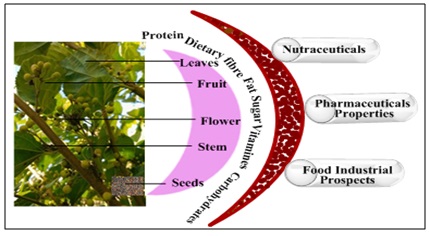
FIG. 4: NUTRITIONAL COMPOSITION OF GREWIA ASIATICA FRUIT
Protein: According to the dry weight of the various parts, the protein percentage varied from 1.57 to 17.41%.G. asiatica fruits have high protein content (17.41%)25-26.
Dietary Fiber: Nutritional fiber is health promoting, crucial for good health and nutrition. Fruits and vegetables include fiber, is essential for nourishing gastrointestinal health and reducing the susceptibility of chronic diseases.
The well-known benefit of fiber is its potential to alleviate constipation. It helps keep the digestive system healthy have 5.53mg/100g fibre in Phalsa fruit 26.
Carbohydrates: Carbohydrates from fruits and berries provide constant energy that maintain throughout the day. The intake of fruit that are rich in carbohydrates gives fiber, vitamins and minerals. These things all together enhance the health. Reported range for carbohydrates in Grewia fruits is 21.10–87.09% 26.
Fat, Starch and Sugar: Fruits are low in calories; they exclusively contain only small amounts of fat. Fruits contain natural sugar, primarily fructose and glucose, in varying amounts. Most of fruits are low in starch. Fat, starch and sugar content in phalsa are (0.1-11%), (22-44.8%) & (10-32.93%) respectively 26, 27.
Macro and Micronutrients: Phalsa fruits are low in fat and calories but high in fiber, minerals (calcium, phosphorus and iron), and vitamins A and C (around 16.11 and 4.38 mg). The complete nutritional profile of underused fruit as reported by multiple researches is shown in Table 3 & 4 27-32.
Vitamins: A diet rich in fruits and vegetables contain vitamins that reduce the risk of heart disease. Vitamins A, C, E, are essential for healthy blood flow and immune function that can help to protect from some diseases. Grewia fruit exhibit Vitamin A(retinol) (16.11 mg/100 g), riboflavin (0.264 mg/100g), Vitamin B3 (niacin) (0.825 mg/100 g) and Vitamin C(ascorbic acid) (4.385 mg/100 g).
Minerals: Existence of all these nutritional composition, minerals and vitamins recommend that Grewia fruits employed as a regular dietary supplement, an alternative economic source of minerals, vitamins and natural antioxidant with less or no side effects 33-37.
Phalsa fruit contains a sufficient amount of minerals sodium (17.30 mg/100g), potassium (372.00 mg/100g), calcium (136 mg/100g), chromium (0.48 mg/100g), zinc (1.44 mg/100g), iron (1.08mg/100g), nickel (2.61 mg/100g), phosphorus (24.20 mg/100g), cobalt (0.99 mg/100g).
TABLE 2: NUTRITIONAL COMPOSITION OF GREWIA ASIATICA 35, 37
| Nutrients | Values (g/100 g) |
| Protein (g) | 1.57 |
| Total lipid (fat) (g) | <0.1 |
| Carbohydrate (g) | 21.1 |
| Ash (g) | 1.1 |
| Fibre (g) | 5.53 |
| Calcium (mg) | 136 |
| Iron (mg) | 1.08 |
| Phosphorus (mg) | 24.2 |
| Potassium (mg) | - |
| Sodium (mg) | 17.3 |
| Vitamins (mg/100 g) | |
| Vitamin B1 (mg) | 0.02 |
| Vitamin B3 (mg) | 0.825 |
| Vitamin C (mg) | 4.385 |
| Vitamin B2 (mg) | 0.264 |
| Vitamin A (g) | 16.11 |
| Riboflavin (mg) | 0.264 |
| Carotene (ug) | 419 |
TABLE 3: MINERAL CONTENTS OF GREWIA ASIATICA FRUIT 35, 37
| Mineral | mg/100 g FW * | μg/100 g DW ** |
| Cobalt | 0.99 | - |
| Chromium | 1.08 | - |
| Copper | 0.48 | 16 |
| Nickel | 2.61 | 87 |
| Zinc | 144 | 48 |
| Iron | 140.8 | 1695 |
*FW = Fresh weight (Fresh fruit); **DW = Dry weight (After removal of moisture from fresh fruit).
Phytochemistry: The chemical constituents of Grewia are extensively obtained from alcoholic extracts, particularly in the methanolic (60.43%) extract. The major group of compounds in this species is the flavonoids (48.51%), although sufficient levels of phenolic acids (15.68%), steroids (9.7%), terpenoids (8.96%), lignans (5.23%), alkaloids (5.23%), and isoflavones (4.48%) have been published 38-42.
Alkaloids: Grewia roots extracted in methanolic and petroleum ether have been shown to contain alkaloids belonging to the piper dine (1-4) and β-carboline (5-7) classes. Structures of alkaloids are given in Fig. 5. These alkaloids share a fundamental skeleton with the structural members of the piperidine family, which explains why they so resemble them. They vary, though, in that the original alkaloids at positions N-1, C-3, and C-8 have been replaced by CH3 (1, 2, and 4) or OH (1 and 3) 43, 44.
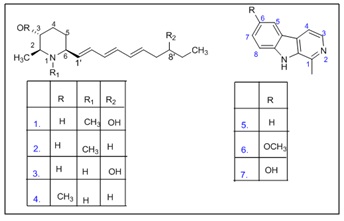
FIG. 5: STRUCTURE OF ALKALOIDS (1-7)
Flavonoids: Flavonoid belongs to the class of polyphenolic secondary metabolites composed of 15-carbon skeleton: Different flavonoid classes distinguish themselves by degree of oxidation and their pattern of substitution of the C ring 45.
Flavonoids act as a chemical messengers, and necessary for UV filtration, nitrogen fixation, and cell cycle inhibition. The stem, callus, leaves, bark, etc. of phalsa contain the highest concentrations of flavonoids 31. Quercetin can help to alleviate eczema, sinusitis, asthma, and hay fever. The phytoconstituents in the Grewia species is represented by flavonoids (8–71), that including flavans (8–12) given in Fig. 6. Structure of flavones (13–21) given in Fig. 7. Structure of flavonols (22–46) given in Fig. 8.Structure of flavanones (47-51), (52-57) and anthocyanins is given in (58-71) Fig. 9 46-49.
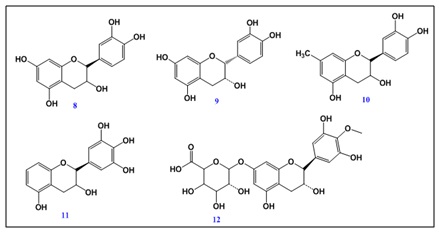
FIG. 6: STRUCTURE OF FLAVANS (8–12) ISOLATED FROM DIFFERENT PARTS OF GENUS GREWIA
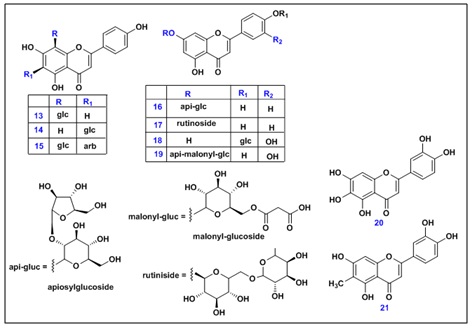
FIG. 7: STRUCTURE OF FLAVONES (13–21) ISOLATED FROM DIFFERENT PARTS OF GENUS GREWIA
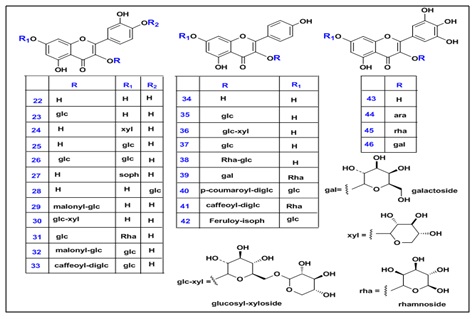
FIG. 8: STRUCTURE FLAVONOLS (22-46) ISOLATED FROM DIFFERENT PARTS OF GENUS GREWIA
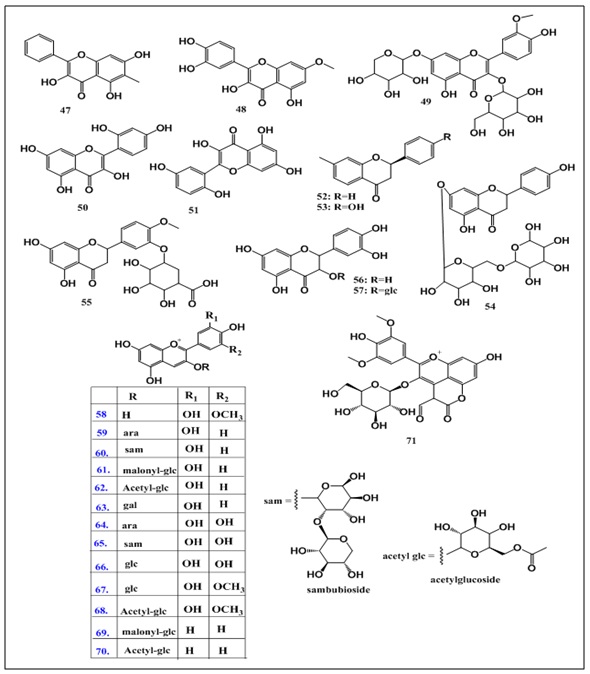
FIG. 9: THE STRUCTURE OF FLAVONOLS (47-51) FLAVANONES (52-57), AND ANTHOCYANINS (58-71) ISOLATED FROM DIFFERENT PARTS OF GENUS GREWIA
The majority of flavonoids have been published in methanolic extracts of different plant parts of G. asiatica 38, 39, 41, 50, 51. Basic structure of Flavonoids O-glycoside is derived on the flavan, flavone, flavonol and flavanone skeletons with positions C-3, C-7 and C-4’ being substituted either sugar moiety or OH (8-57) whereas C-3, C-2’ and C-5’ positions occupied by either hydroxy (OH) or sugar moiety in anthocyanin skeleton (78-71) 42, 47. At positions C-6 and C-8 in the flavones skeleton, the sugar moiety (13–15) replaces the C-glycoside 46, 52. The Phalsa pomace flavonoid quantity was calculated to be 12.42056 CE mg/g. The amount of flavonoids in the bark was 39.114 ± 65 mg. Another study's findings revealed that the fruit's solvent extract's phenolic content and total flavonoid concentration were, respectively, 0.13 and 5.25 GAE/Ml 32-34.
Isoflavonoids: According to Qamar et al., 2020, Alcoholic extract of G. asiatica fruits for the first time yielded isoflavonoids (72–77). Structure of isoflavonoids represented in Fig. 10. The isoflavonoids (74-76) have been defined and described by LC-MS/MS. The isoflavone skeleton serves as the primary basis for the construction of isoflavones, with OH or sugar being replaced at positions C-7 and C-4' (72-77) 40-42.
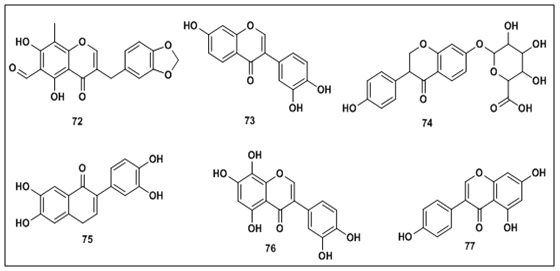
FIG. 10: THE STRUCTURE OF ISOFLAVONES (72-77)
Phenols and others: Lignans and neolignans are natural phenolic compounds metabolites that are made up of two phenylpropanoid units (oxidative coupling of phenylpropanoids) 48.
Neolignans are dimeric structures in which two phenyl propane units linked by β,β′ -linkage, and have OH and methoxy (OCH3) substitution on the aromatic moieties. Some recently developed neolignans (78-80) isolated from methanolic extracts of Grewia bilamellata given in Fig. 11.
A new class of ligninscalled as Coumarinolignans that contain coumarins and phenyl propanes linked together by Dioxane Bridge. They are non-conventional lignans (81-83). In the genus Grewia, neolignans and coumarino-lignans were also found 48.
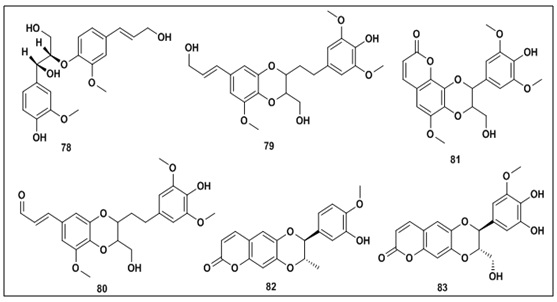
FIG. 11: STRUCTURE OF NEOLIGNANS (78-81) AND STRUCTURE OF COUMARINOLIGNANS (82 & 83)
Phenols (84-93), phenolic acids (94-96), and hydroxycinnamic acids (97-101) have been isolated in methanolic extracts of fruits, stems and roots of G. asiatica, G. optiva, Grewia occidentalis L., and Grewia. Structure of Phenols (84-93), Phenolic acids (94-96), hydroxycinnamic acids (97-101) given in Fig. 12. Structure of Xanthonoid (102) and hydrolyzable tannins (103-104) and others (105-106) isolated from genus Grewia and shown in Fig. 13.
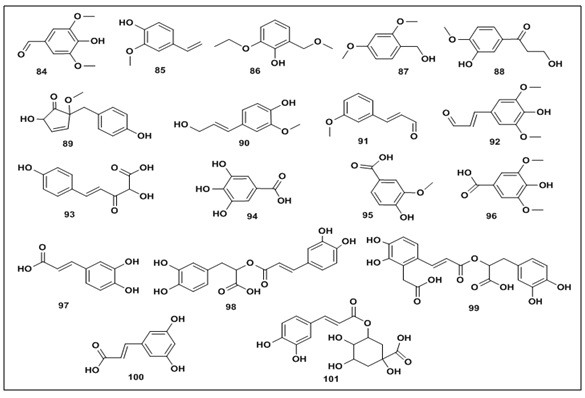
FIG. 12: PHENOLS (84-93), PHENOLIC ACIDS (94-96), HYDROXYCINNAMIC ACIDS (97-101)
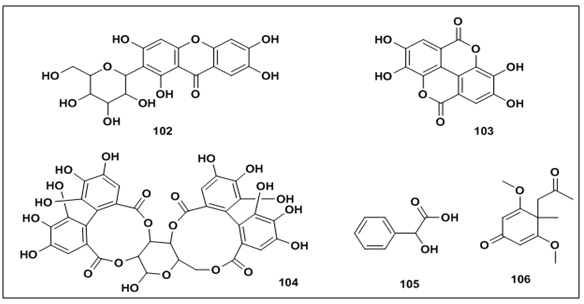
FIG. 13: XANTHONOID (102) AND HYDROLYZABLE TANNINS (103-104) AND OTHERS (105-106) ISOLATED FROM DIFFERENT PARTS OF GENUS GREWIA
Terpenoids (110-121) and Sterols: Terpenoids derived from the 5-carbon compound isoprene and its derivatives called terpenes and diterpenes. Some reported terpenoids (110-121) and sterol (122-130) isolated from aqueous, ethanolic, methanolic, n-butanol, ethyl acetate, chloroform, and hexane fractions of G. optiva, G. bicolour, Grewia biloba G. Don, G. lasiocarpa, G. bilamellata, G. tiliaefolia, G. occidentalis, G. villosa, G. flavescens, and G. asiatica. Structure of terpenoidsgiven in Fig. 14, 15. The distinctive pharmacologically active chemical components are present in the leaves of G. pubescens, G. lasiocarpa, and G. nervosa are phytol and palmitic acid. Additionally, leaves of G. lasiocarpa, G. nervosa, and fruits of G. asiatica have been found to contain γ-tocopherol (226) and quinic acid (227) correspondingly 53, 54.
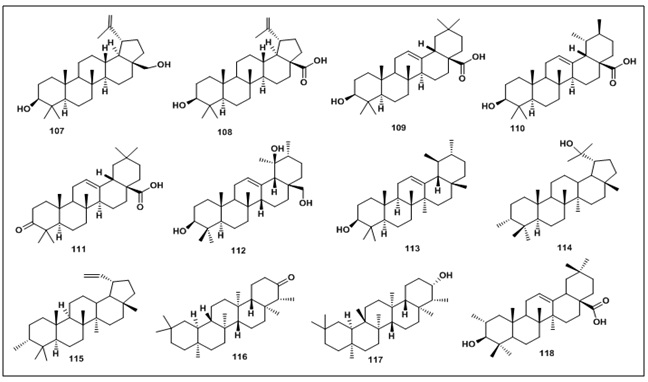
FIG. 14: THE STRUCTURE OF VOLATILE COMPOUNDS, TERPENES (107-118), OF GENUS GREWIA
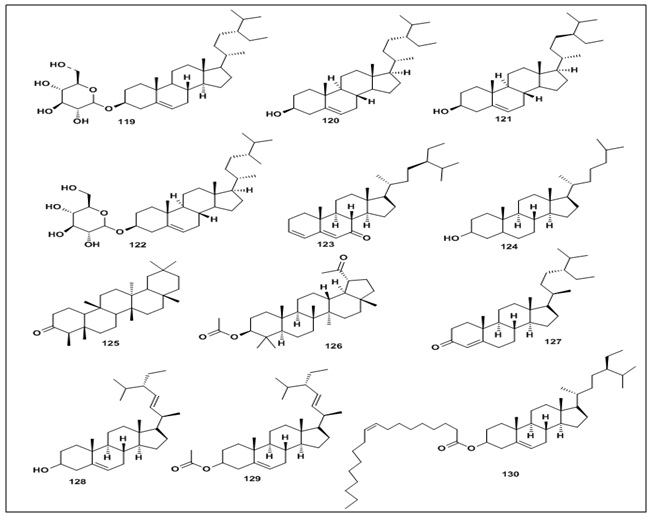
FIG. 15: THE STRUCTURE OF STEROIDS (119-130) OF GENUS GREWIA
Polyphenolic Compounds (Phenols): Polyphenols compounds contain an aromatic ring and hydroxyl groups. They have a variety of biological properties, like antibacterial, antiproliferative, antidiabetic, anti-cancer, antiviral, and anti-inflammatory properties 55. Hydroxybenzoic acid and hydroxycinnamic acid are the primary classes of phenolic acids. Compounds such as Gallic, hydroxybenzoic, ellagic, and vanillic acids are found in the first category and the second group includes caffeinic acid, ferulic acid, p-coumaric acid, and chlorogenic acid. These constituents can be found in berries, and each berry type possesses phenolic molecules with a distinct profile 42.
Quercetin: A significant amount of quercetin, quercetin-3-O-β-D-glucoside, naringenin, and naringenin-7s-O-β-D-glucoside were present in the phalsa fruit 56.
Catechin: Catechin is polyphenol found in many plants having antioxidant properties. (+)-Catechin is a derivative of flavonoid and generally categorized into the groups; (−)-epicatechin gallate, (−)-epigallocatechin, (+)-gallocatechin, and (−)-epicatechin. It can help to prevent and protect against diseases caused by oxidative stress 56.
Anthocyanins: Anthocyanins are water-soluble pigments belonging to the phenolic group and account for the color inplant products. This fruit were posseses extensive anthocyanins content which gives a dark purple colored fruit. Specifically, research has identified the anthocyanins compounds; Cyanidin-3-glucoside, delphinidin-3-glucoside, pelargonidin-3, and 5-diglucoside are present in phalsa fruit 56, 47.
Tannins: Polyphenolic compound widely distributed in various parts of many food plants such as in the leaves, pomace, and wood. They are categorized in to hydrolysable and condensed tannins. Different parts of Phalsa plants like, fruit, juice leaves, stem, root, and bark contain tannins 57-59. A study by Gupta, Bhatnagar, Kim, Verma, and Sharma (2014) reported that the pomace of phalsa fruit contain 0.52 ± 1.25 g/100 g dry weight basis of tannins. Various authors suggested that methanolic and acetone extract enriched with tannin and tannin-like substances inhibited the growth of several micro-organisms 60, 61.
CONCLUSION:
Concluding Remarks and Future Outlook: A number of bioactive substances, including anthocyanin, flavonoids, and tannins, are present in Phalsa fruit and contribute to its important functional properties.In addition, this berry fruit can be used successfully in a variety of pharmaceutical applications. According to research findings, thebioactive substances in Phalsa provide antibacterial, anticancer, radioprotective, antidiabetic, antioxidant, and anti-hyperlipidemia activities.
Although this plant has the ability to describe the physiological significance of numerous bioactive chemicals found in phalsa plants, its limited utilization is primarily due to its short shelf life of the fruit. Research has recently started to create more and more innovative, phalsa-improved products. Phalsa might not be as marketable as some other products that are produced, but that doesn't diminish its potential advantages. Nowadays, phalsa is processed on a small scale to produce a variety of edible products, including squash, juice, syrup, jam, and other drinks. However, the deficiency of the necessary equipment to fully utilize the plant's potential uses and related advantages limits the progress of phalsa-based products. Therefore, it is necessary to increase government publications and research on the phalsa plant, especially in the area of applying innovative methods to enhance its food value and quality.
ACKNOWLEDGEMENT: The authors Munesh Singh Bhadauria, Bhawna Sharma, Upendra kumar Sharma, Rizwana Khan and Shailendra singh rajpoot collectively acknowledge the support and cooperation of their affiliated institutions and colleagues throughout the review and manuscript preparation.
Funding: This review did not receive any specific grant from funding agencies in the public, commercial, or not-for-profit sectors.
CONFLICT OF INTEREST: The authors declare that they have no known competing financial interests or personal relationships that could have appeared to influence the work reported in this manuscript.
REFERENCES:
- Mehmood A, Zhao L, Wang C, Nadeem M, Raza A, Ali N and Shah AA: Management of hyperuricemia through dietary polyphenols as a natural medicament: A comprehensive review. Critical Reviews in Food Science and Nutrition 2019; 59(9): 1433–1455.doi: org/10.1080/10408398.2017.1412939.
- Khemiss F, Ghoul-Mazgar S, Moshtaghie AA and Saidane D: Study of the effect of aqueous extract of Grewia tenax fruit on iron absorption by everted gut sac. Journal of Ethnopharmacology 2006; 103(1): 90–98.DOI: 10.1016/j.jep.2005.07.017
- Shirsagar KR and Upadhyay S: Free radical scavenging activity screening of medicinal plants from Tripura, Northeast India. Natural Product Radiance 2009; 8; 117–122.
- Sharma Nand Patni V: In-vivo and in-vitro qualitative phytochemical screening of Grewia species. International Journal of Biological & Pharmaceutical Research 2013; 4(9): 634-639.
- Sinha J, Purwar S, Chuhan SKand Rai G: Nutritional and medicinal potential of Grewia subinaequalis (syn. G. asiatica) (Phalsa). Journal of Medicinal Plants Research 2015; 9(19): 594–612.DOI:10.5897/JMPR2015.5724
- Tripathi S, Chaurey M, Balasubramaniam Aand Balakrishnan N: Grewia asiatica as a phytomedicine. Research Journal of Pharmacy and Technology 2010; 3(1): 1–3.
- Kirtikar KRand Basu BD: Indian Medicinal Plants. Allahabad: Lalit Mohan Publication 1935; 2: 1347-1348.
- Gupta M, Sharma PK, Ansari SHandLagarkha R: Pharmacognostical evaluation of Grewia asiatica Int. J. Plant Sci 2006; 1: 249–251.
- Zia-Ul-Haq M, Shahid SA, Ahmed S, Qayum Mand Khan I: Antiplatelet activity of methanol extract of asiatica L. leaves and Terminallachebula Retz. fruits. J Med Plants Res 2012; 6: 2029–2032. DOI: 10.5897/JMPR11.1764
- Sharma KVand Sisodia R: Evaluation of free radical scavenging activity and radioprotective efficacy of Grewia asiatica J Radiol Prot 2009; 29: 429–443.DOI: 10.1088/0952-4746/29/3/007
- Morton JF: Fruits of Warm Climates. Florida Flair Books, Miami. J.F. Morton Publisher: Miami 1987.
- Levekar, GS, Kailash Chandra, Dhar BP, Mangal AK, Rajesh Dabur, Arun M. Gurav, M.B. Yelne, GVR. Joseph, BG. Chaudhari, Tushar K. Mandal and Singh SP: Database on medicinal plants used in Ayurveda and Siddha 2007; (8):1.http://indianmedicine.eldoc.ub.rug.nl/id/eprint/50370.
- Pallavi KJ, Singh R, Singh S, Singh K, Farswan MandSingh V: Aphrodisiac agents from medicinal plants: A review. J Chem Pharm Res 2011; 3: 911–921.
- Mishra RK, Patel SP, Srivastava A, Vashistha RK, Singh Aand Puskar AK: Ethnomedicinally important plants of Pachmarhi region, Madhya Pradesh, India. Nat Sci 2012; 10: 22–26.
- Anand JC: Efficacy of sodium benzoate to control yeast fermentation in phalsa (Grewia asiatica juice. Indian J Hort 1960; 17: 38–141.
- Panda H: Handbook on Ayurvedic Medicines with Formulae, Processes and Their Uses; National Institute of Industrial Research: (2nd Revised Edition) 2002.
- Sisodia Rand Singh S: Biochemical, behavioural and quantitative alterations in cerebellum of Swiss albino mice following irradiation and its modulation by Grewia asiatica. Int J Radiat Biol 2009; 85(9): 787-95.doi: 10.1080/09553000903009555.
- Muhammad IC, Khan MAand Hanif W: Ethnoveterinary medicinal uses of plants from Samahni valley Distt. Bhimber, (Azad Kashmir) Pakistan. Asian J Plant Sci 2006; 5: 390–396. DOI:10.3923/ajps.2006.390.396
- Sosef MSM, Hong LTandPrawirohatmodjo S: Plant Resources of South-East Asia: Volume 5 (3) Timber trees: Lesser-known timbers. Publishers: Leiden, the Netherlands1998.
- DevR, SharmaGK, SinghT, DayalDandSureshkumarM: Distribution of Grewia species in Kachchh Gujarat, India: taxonomy, traditional knowledge and economic potentialities. Int J Pure App Biosci2017; 5: 567-574. DOI:10.18782/2320-7051.5000
- Dhawan K, Malhotra S, Dhawan SS, Singh Dand Dhindsa KD: Nutrient composition and electrophoretic pattern of protein in two distinct types of phalsa (Grewia subinequalis DC). Plant Food Hum. Nutr 1993; 44: 255–260. doi: 10.1007/BF01088320.
- https://apps.worldagroforestry.org/treedb/AFTPDFS/Grewia_asiatica.PDF
- Bennet SSR: Name changes in flowering plants of India and adjacent regions. Dehradun: Triseas publishers 1987; 265.
- Fred JBand Luther GE: The Association of Official Analytical Chemists (AOAC). Journal of the American Oil Chemists’s Society 1977; 54(4): 171-172. org/10.1007/bf02670789
- Zia-Ul-Haq M, Avar S, QAyumM, Khan Iand Ahmad S: Compositional studies and antioxidant potential of Acacia leucophloea Acta Bot Croat 2013;72(1): 133–144.
- Elhassan GOMand Yagi SM: Nutritional Composition of Grewia Species (Grewia tenax (Forsk.) Fiori, G. flavescens Juss and G. Villosa Willd) Fruits, Advance Journal of Food Science and Technology 2010; 2(3): 159-162.
- Mello Prado RDand Natale W: Effect of liming on the mineral nutrition and yield of growing guava trees in a typic Hapludox soil. Commun Soil Sci Plan 2008; 39: 2191-2204.DOI:10.1080/00103620802137613
- Vinha AF, Barreira JC, Costa ASand Oliveira MBP: A new age for Quercus spp. fruits: review on nutritional and phytochemical composition and related biological activities of acorns. Compr Rev Food Sci F 2016; 15: 947-981.DOI: 10.1111/1541-4337.12220
- Srivastava AKandMalhotra SK: Nutrient use efficiency in perennial fruit crops—A review. J Plant Nutr 2017; 40(2): 1928-1953. DOI:10.1080/01904167.2016.1249798
- Yuan QLand Zhao: The Mulberry (Morus alba) Fruit A Review of Characteristic Components and Health Benefits. J. Agric. Food Chem 2017; 65: 10383-10394.DOI: 10.1021/acs.jafc.7b03614
- Ngadze RT, AR Linnemann Vand Fogliano RV: Monkey orange fruit juice improves the nutritional quality of a maize-based diet. Food Res. Int 2019; 116: 870-877.doi: 10.1016/j.foodres.2018.09.022.
- Różyło RM, Wójcik Band Biernacka DD: Gluten-free crispbread with freeze-dried blackberry: quality and mineral composition. CYTA-J. Food 2019; 17: 841-849.DOI:10.1080/19476337.2019.1660725
- Osuga IM, Abdulrazak SA, Nishino N, Ichinohe TandFujihara T: Potential nutritive value of selected browse species from Kenya using in-vitro gas production technique and polyethylene glycol. Livest. Res Rural Dev 2006; 18(12): 171.
- Swain SS, BejCP, Mandhata AK, Bishoyi CR, Sahoo RNandPadhy: Recent progress on phytochemistry and pharmacological activities of Grewia asiatica (Tiliaceae) and traditional uses.South African Journal of Botany2023; 155: 274-287.DOI:10.1016/j.sajb.2023.02.016
- Nandlal Uand Bhardwaj RL:The role of underutilized fruits in nutritional and economic security of tribals: a review.Crit Rev Food Sci Nutr2014; 54(7): 880-90. 10.1080/10408398.2011.616638
- Consuelo PCand Manuel V: Differences between honeydew and blossom honeys: A review.Trends in Food Science & Technology2017; 59: 79-87. doi.org/10.1016/j.tifs.2016.11.015.
- Khan AS, Hussain Aand Khan F: Nutritional importance of micronutrients in some edible wild and unconventional fruits. J Chem Soc Pak 2006; 28: 576-582.
- Aadesariya M.K, Ram VRand Dave PN: Analysis of phytochemicals in petroleum ether leaves extract from Abutilon pannosum and Grewia tenax by liquid chromatography/quadrupole time-of-flight mass spectrometry (LC/Q-TOF-MS) after continuous hot percolation successive soxhlet extraction. Int J Adv Res Comput Sci 2017b; 4: 44–52.DOI10.20431/2349-0403.0410005
- Aadesariya MK, Ram VRand Dave PN: Investigation of phytochemicals in methanolic leaves extracts of Abutilon pannosum and Grewia tenax by Q-TOF LC/ MS. Prog Chem Biochem Res 2019; 2: 13–19. DOI:10.33945/SAMI/PCBR.2019.2.1319
- Koley TK, Khan Z, Oulkar D, Singh B, Bhatt BPandBanerjee K: Profiling of polyphenols in phalsa (Grewia asiatica L) fruits based on liquid chromatography high resolution mass spectrometry. J Food Sci Tech 2020; 5(7): 606–616.doi: 10.1007/s13197-019-04092-y
- Malar DS, BeemaShafreen R, Karutha PSandPandima DK: Cholinesterase inhibitory, anti-amyloidogenic and neuroprotective effect of the medicinal plant Grewia tiliaefolia–An in-vitro and in-silico Pharm Biol 2017; 55: 381–393.doi: 10.1080/13880209.2016.1241811.
- Qamar M, Akhtar S, Ismail T, Sestili P, Tawab Aand Ahmed N: Anticancer and anti-inflammatory perspectives of Pakistan’s indigenous berry Grewia asiatica Linn (Phalsa) J Berry Res 2020; 1–17. https://doi.org/10.3233/JBR-190459
- Jaspers MWJM, Bashir AK, Zwaving JHandMalingre TM: Investigation of Grewia bicolor juss. J. Ethnopharmacol 1986; 17: 205–211. doi: 10.1016/0378-8741(86)90109-1.
- Meena SN, Majik MS, Ghadi SCandTilve SG: Quick identification of piperidine alkaloid from roots of Grewia nervosa and their glucosidase inhibitory activity. Chem Biodiversity 2017a; 14: 1700400.doi: 10.1002/cbdv.201700400.
- Srivastava AKand Malhotra SK: Nutrient use efficiency in perennial fruit crops—A review. J Plant Nutr 2017; 40: 1928-1953. DOI:10.1080/01904167.2016.1249798
- Jayasinghe ULB, Balasooriya BAIS, Bandara AGDandFujimoto Y: Glycosides from Grewia damine and Filiciumdecipiens. Nat Prod Res 2004; 18: 499–502.doi: 10.1080/14786410310001620538.
- Talpur MK, Talpur FN, Balouch A, Nizamani SMandSurhio MA: Analysis and characterization of anthocyanin from phalsa (Grewia asiatica). MOJ Food Processing & Technology 2017; 5(3): 00127. DOI:10.15406/mojfpt.2017.05.00127
- Ullah W, Uddin Gand Siddiqui BS: Ethnic uses, pharmacological and phytochemical profile of genus Grewia. J Asian Nat Prod Res 2012; 14: 186–195.DOI:10.1080/10286020.2011.639764
- Zahoor M, Bari WU, Zeb Aand Khan I: Toxicological, anticholinesterase, antilipidemic, antidiabetic and antioxidant potentials of Grewia optiva Drummond ex Burret extracts. Basic ClinPhysiolPharmacol 2020;11;31(2). doi: 10.1515/jbcpp-2019-0220.
- Bari WU, Zahoor M, Zeb A, Khan I, Nazir Y, Khan A, Rehman NU, Ullah R, Shahat AAand Mahmood HM: Anticholinesterase, antioxidant potentials, and molecular docking studies of isolated bioactive compounds from Grewia optiva. Int J Food Prop 2019a; 22: 1386–1396.DOI:10.1080/10942912.2019.1650763
- Bari WU, Zahoor M, Zeb A, Sahibzada MUK, Ullah R, Shahat AA, Mahmood HMandKhan I: Isolation, pharmacological evaluation and molecular docking studies of bioactive compounds from Grewia optiva. Drug Des. Devel Ther 2019b; 13: 3029–3036.doi: 10.2147/DDDT.S220510
- Liu ZL,Yang DP, Chen P, Lin SB, Jiang XY, Zhao WS, Li JMand Dong WX: Effect of dietary sources of roasted oilseeds on blood parameters and milk fatty acid composition. Czech J Anim Sci 2008; 53(5): 219-226. DOI: 10.17221/309-CJAS
- Aboagarib EAA, Yang R, Hua XandSiddeeg A: Chemical compositions, nutritional properties and volatile compounds of guddaim(Grewia tenax.Forssk) Fiori Fruits.J Food Nutr Res 2014; 2: 187–192.DOI: 10.12691/jfnr-2-4-9
- Akwn NA, Naidoo Yand Singh: Metal Phytochemical screening, in-vitro evaluation of the antimicrobial, antioxidant and cytotoxicity potentials of Grewia lasiocarpa Mey Ex S Afr J Bota 2019; 123: 180-192.DOI:10.1016/j.sajb.2019.03.004
- Dey TB, Chakraborty S, Jain KK, Sharma A and Kuhad RC: Antioxidant phenolics and their microbial production by submerged and solid state fermentation process: A review. Trends Food Sci Technol 2016; 53: 60–74.DOI:10.1016/j.tifs.2016.04.007
- Khurdiya DSand Anand JC: Anthocyanin derivatives from the fruits of Grewia asiatica. Journal of Food Science and Technology 1981; 18: 112.
- Akhtar N, Ihsan-ul-HaqandMirza B: Phytochemical analysis and comprehensive evaluation of antimicrobial and antioxidant properties of 61 medicinal plant species. Arabian Journal of Chemistry 2018; 11: 1223-1235.doi:10.1016/j.arabjc.2015.01.013
- Islary A, Sarmah Jand Basumatary S: Proximate composition, mineral content, phytochemical analysis and in-vitro antioxidant activities of a wild edible fruit (Grewia sapida ex DC.) found in Assam of North-East India, Journal of Investigational Biochemistry 2016; 5(1): 21–31. DOI:10.5455/jib.20160422015354
- Khatune NA, Rahman BM, Barman RKand Wahed MII: Antidiabetic, antihyperlipidemic and antioxidant properties of ethanol extract of Grewia asiatica bark in alloxan-induced diabetic rats. BMC Complement Altern Med 2016; 16: 1–9.doi: 10.1186/s12906-016-1276-9.
- Shukla R, Sharma DC, Pathak Nand Bajpai P: Comparative evaluation of various flower extracts of Grewia asiatica for phyto-compounds and anti-bacterial efficacy. International Journal of Advanced Biotechnology and Research 2016; 7(4): 1291–1299.
- Yadav AK: Phalsa: A potential new small fruit for Georgia. In J Janick (ed.). Perspectives on new crops and new uses 1999; 348–352.
How to cite this article:
Bhadauria MS, Sharma B, Sharma UK, Khan R, Rajpoot SS and Alok S:Phytochemical and nutritional characteristics of Grewia asiaticaL. (Phalsa)”. Int J Pharm Sci & Res2026; 17(11): 3235-48. doi: 10.13040/IJPSR.0975-8232.17(11).3235-48.
All © 2026 are reserved by International Journal of Pharmaceutical Sciences and Research. This Journal licensed under a Creative Commons Attribution-NonCommercial-ShareAlike 3.0 Unported License.
Article Information
1
3235-3248
1021 KB
13
English
IJPSR
Munesh Singh Bhadauria, Bhawna Sharma*, Upendra Kumar Sharma, Rizwana Khan, Shailendra Singh Rajpoot and Shashi Alok
Institute of Pharmacy, Bundelkhand University, Kanpur road, Jhansi, Uttar Pradesh, India.
bms1928@yahoo.com
24 May 2026
03 October 2026
23 October 2026
10.13040/IJPSR.0975-8232.17(11).3235-48
01 November 2026
 Download