




PLANT-DERIVED PANCREATIC LIPASE INHIBITORS: ETHNOPHARMACOLOGY, PHYTOCHEMISTRY, AND THERAPEUTIC POTENTIAL IN OBESITY
HTML Full TextPLANT-DERIVED PANCREATIC LIPASE INHIBITORS: ETHNOPHARMACOLOGY, PHYTOCHEMISTRY, AND THERAPEUTIC POTENTIAL IN OBESITY
Neil B. Panchal and Vipul M. Vaghela *
A. R. College of Pharmacy & G. H. Patel Institute of Pharmacy, Vallabh Vidyanagar, Anand, Gujarat, India.
ABSTRACT: Obesity affects more than one billion people worldwide, imposing economic burdens projected to exceed $4 trillion annually by 2035. Pancreatic lipase inhibition represents a mechanistically distinct peripheral approach to obesity management; however, orlistat the sole FDA-approved inhibitor is constrained by severe gastrointestinal adverse effects (>90% incidence), modest efficacy (2.9% placebo-subtracted weight loss), and poor adherence (60-77% discontinuation). Phytochemical alternatives, derived from diverse traditional medicine systems, offer superior tolerability, multi-target mechanisms, and global accessibility. This comprehensive review integrates ethnopharmacological, chemical, and pharmacological perspectives on phytochemical pancreatic lipase inhibitors. Traditional systems Traditional Chinese Medicine, Ayurveda, Indonesian Jamu, Mediterranean herbalism, and beyond demonstrate botanical diversity empirically corroborated by modern validation. Major classes, including polyphenols (flavonoids, catechins, tannins), terpenoids, alkaloids, saponins, carotenoids, and bioactive peptides, exhibit IC₅₀ values from 0.048 μM (oolonghomobisflavan A) to >100 μM. Standouts include galloylated tea catechins, Ginkgo biloba biflavones, and Nelumbo nucifera quercetin derivatives. These agents extend beyond lipase inhibition, modulating α-glucosidase, enriching Akkermansia muciniphila in the gut microbiome, suppressing inflammation, and inhibiting adipogenesis. Their limited systemic absorption long considered a limitation optimizes gastrointestinal localization and safety. Phytochemical lipase inhibitors thus fuse ancestral wisdom with scientific rigor, warranting personalized nutrition strategies, advanced delivery systems, untapped biodiversity exploration, and rigorous clinical trials for integration with conventional therapies.
Keywords: Obesity, Pancreatic lipase inhibitors, Ethnopharmacology, Phytochemicals, Polyphenols, Structure–activity relationship, Medicinal plants, Functional foods
INTRODUCTION:
The Global Obesity Pandemic: A Public Health Crisis: Obesity has evolved from a condition of affluence to a global pandemic affecting both developed and developing nations, representing one of the most pressing public health challenges of the 21st century 1. Obesity affects more than one billion people globally. With rising prevalence, the World Obesity Federation projects the annual economic burden will exceed $4 trillion by 2035 if trends continue unchecked 2–4.
Obesity is intrinsically linked to type 2 diabetes, cardiovascular disease, certain cancers, and reduced life expectancy, profoundly impacting quality of life and healthcare systems 5–7. Obesity induces metabolic dysfunction, while associated comorbidities further limit physical activity and perpetuate weight gain 8, 9. The etiology of obesity is multifactorial, involving complex interactions among genetic predisposition, environmental factors, dietary patterns, sedentary lifestyles, socioeconomic determinants, and the modern obesogenic environment 10–13.
The modern obesogenic environment energy-dense processed foods, sedentary urban design, screen entertainment demands conscious effort to maintain healthy weight rather than natural occurrence 14.
Pharmacotherapy: Promise, Peril, and the Quest for Safer Alternatives: Despite obvious medical necessity, obesity pharmacotherapy has been characterized by a troubled history of promising beginnings followed by safety-driven withdrawals 15. Numerous anti-obesity agents have been approved and subsequently withdrawn due to serious safety concerns, particularly cardiovascular and psychiatric adverse effects associated with centrally-acting appetite suppressants affecting catecholaminergic and serotonergic pathways 16. The litany of withdrawn medications fenfluramine, sibutramine, rimonabant serves as a sobering reminder that intervention in complex homeostatic systems carries inherent risks 17.
The recent emergence of glucagon-like peptide-1 (GLP-1) receptor agonists has revolutionized obesity treatment. GLP-1 receptor agonists have transformed obesity treatment, producing weight reductions exceeding 15–20% in clinical trials 18. However, their widespread use is limited by high cost, injectable administration, gastrointestinal adverse effects, weight regain after discontinuation, and uncertainties regarding long-term safety 19. Limited accessibility further restricts their use in many populations most affected by obesity 20.
Peripheral nutrient absorption inhibitors represent a mechanistically distinct approach by reducing dietary fat absorption within the gastrointestinal tract, thereby promoting weight loss while minimizing the cardiovascular and psychiatric risks associated with centrally acting agents 17, 21–23.
Orlistat: Lessons from the Only Approved Lipase Inhibitor: Orlistat (tetrahydrolipstatin), a semi-synthetic derivative of the bacterial natural product lipstatin, remains the sole FDA-approved pancreatic lipase inhibitor since 1999 22, 24. By covalently and irreversibly inhibiting pancreatic and gastric lipases, orlistat reduces dietary fat absorption by approximately 30% at the recommended dose of 120 mg three times daily with meals 25.
Despite proven efficacy, orlistat's long-term use is limited by gastrointestinal adverse effects including steatorrhea, fecal urgency, oily spotting, and flatulence reported in up to 91% of treated patients owing to unabsorbed dietary fat reaching the colon. 26, 27. These adverse effects contribute substantially to poor treatment adherence, with real-world discontinuation rates exceeding 60% 28. Weight reduction is also modest, averaging 2–3 kg greater than placebo over one year (approximately 2.9% placebo-subtracted weight loss), substantially lower than that achieved with GLP-1 receptor agonists 29. Additional limitations include impaired absorption of fat-soluble vitamins and rare reports of hepatotoxicity. Although orlistat validates pancreatic lipase as a clinically relevant therapeutic target, its limitations underscore the need for safer, better-tolerated, and more acceptable plant-derived lipase inhibitors.
The Phytochemical Alternative: Ancient Wisdom Meets Modern Science: For millennia, traditional medical systems including Traditional Chinese Medicine, Ayurveda, and Indonesian Jamu used plant-based remedies to manage conditions now recognized as obesity and metabolic disorders 30. These empirically-derived approaches, refined through countless generations, represent an invaluable repository of bioactive chemistry awaiting systematic investigation.
Phytochemicals further offer structural diversity, multi-target mechanisms, favorable safety profiles, cultural acceptance, and affordability, making them attractive candidates for obesity management 31.
Recent technological advances have accelerated phytochemical discovery: high-resolution mass spectrometry enables comprehensive metabolomic profiling; molecular docking predicts binding modes with remarkable accuracy; bioassay-guided fractionation efficiently isolates active principles 32, 33. These tools transform traditional medicine from empirical practice into evidence-based science, bridging ancestral knowledge with contemporary therapeutic development 34.
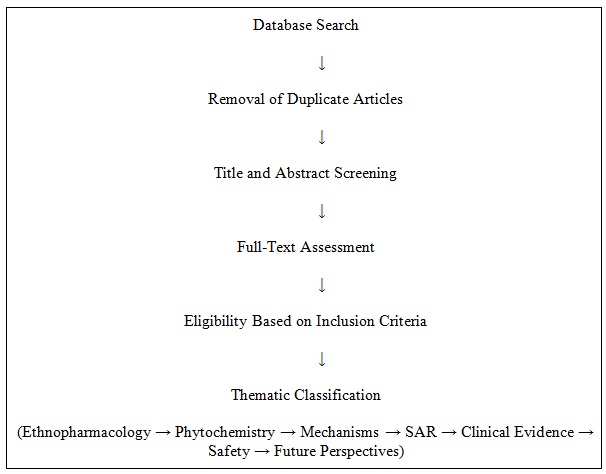
Review Methodology: This narrative review provides a comprehensive overview of plant-derived pancreatic lipase inhibitors, focusing on their ethnopharmacological relevance, phytochemistry, mechanisms of action, structure activity relationships, pharmacological evidence, safety, and translational potential in obesity management. A structured literature search was performed using PubMed/MEDLINE, Scopus, Web of Science, ScienceDirect, Google Scholar, and SpringerLink, supplemented by authoritative books and the reference lists of relevant publications. The review primarily considered studies published between 2000 and June 2026, while earlier landmark reports on pancreatic lipase, orlistat, traditional medicine, and key phytochemicals were included where scientifically relevant. Search terms included obesity, pancreatic lipase, lipase inhibitors, phytochemicals, medicinal plants, ethnopharmacology, polyphenols, flavonoids, terpenoids, alkaloids, bioactive peptides, traditional medicine, Ayurveda, Traditional Chinese Medicine, Jamu, and structure–activity relationship.
Eligible literature comprised peer-reviewed original research articles, reviews, ethnopharmacological surveys, phytochemical studies, molecular docking investigations, in-vitro and in-vivo studies, clinical trials, systematic reviews, and meta-analyses. Publications providing experimentally validated pancreatic lipase inhibitory activity, phytochemical characterization, mechanistic insights, or clinically relevant evidence were prioritized.
Workflow for Review Methodology:
Ethnopharmacological Perspectives:
Traditional Medicine and Anti-Obesity Botanicals:
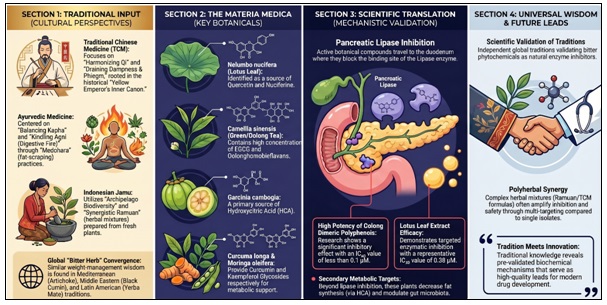
FIG. 1: TRADITIONAL MEDICINE & ANTI-OBESITY: GLOBAL BOTANICAL CONVERGENCE
Asian Traditional Medicine Systems: A Rich Botanical Heritage:
Traditional Chinese Medicine: Harmonizing Qi and Draining Dampness: Traditional Chinese Medicine (TCM) attributes obesity to imbalances in Qi and the accumulation of dampness and phlegm, concepts that broadly correspond to metabolic dysfunction and lipid accumulation in modern medicine 35–38.
Among TCM's extensive materia medica, Nelumbo nucifera (sacred lotus) stands as the paradigmatic anti-obesity botanical. Prescribed for over 1,300 years to "drain dampness, promote diuresis, and reduce turbidity," lotus leaf extracts demonstrate spectacular validation: potent pancreatic lipase inhibition with IC₅₀ values as low as 0.38 μM, attributed to quercetin, myricetin, and alkaloids including nuciferine 39. This correlation between traditional "dampness-draining" properties and contemporary lipase inhibition exemplifies how systematic investigation of empirical observation reveals biochemical mechanisms 40.
Camellia sinensis (tea plant) represents another TCM cornerstone, with green, oolong, and black tea consumed therapeutically for centuries to "digest food accumulation and transform fat," particularly after fatty meals 41, 42. Modern research confirms that galloylated catechins—especially (-)-epigallocatechin-3-gallate (EGCG)—potently inhibit pancreatic lipase through competitive mechanisms 43. Oolong tea's traditional weight management use finds molecular support in unique dimeric polyphenols (oolonghomobisflavans) exhibiting IC₅₀ values below 0.1 μM, 44, 45.
Other TCM botanicals, including Rheum palmatum and Glycyrrhiza spp., also exhibit pancreatic lipase inhibitory activity through anthraquinones, polyphenols, and chalcone derivatives, further supporting the diversity of anti-obesity phytochemicals used in TCM 46, 47.
Ayurvedic Medicine: Balancing the Doshas: Ayurveda attributes obesity (Sthaulya or Medoroga) primarily to aggravated Kapha dosha and impaired metabolic function (Agni), with treatment focused on Medohara (fat-reducing) herbs that restore metabolic balance 48–50.
Among these, Garcinia cambogia is one of the most extensively used anti-obesity botanicals. Traditionally prescribed to enhance satiety and reduce fat accumulation, its principal constituent, hydroxycitric acid (HCA), inhibits ATP-citrate lyase, while recent studies also demonstrate pancreatic lipase inhibitory activity 51–54.
Similarly, Curcuma longa and Curcuma xanthorrhiza are widely used in Ayurvedic medicine for weight management. In addition to their anti-inflammatory and metabolic effects, turmeric extracts exhibit pancreatic lipase inhibitory activity, supporting their traditional Medohara classification 55, 56. Trigonella foenum-graecum (fenugreek, Methi) seeds contain saponins and polyphenols exhibiting lipase inhibitory properties alongside documented effects on glucose metabolism and satiety 57, 58.
Collectively, these findings provide experimental support for traditional Ayurvedic anti-obesity formulations and highlight their potential as sources of plant-derived pancreatic lipase inhibitors 59.
Indonesian Jamu: Island Botanical Wisdom: Indonesian traditional medicine (Jamu) utilizes diverse botanical preparations for weight management, several of which have subsequently demonstrated experimentally validated pancreatic lipase inhibitory activity 31, 60.
Moringa oleifera is among the best-characterized Jamu anti-obesity plants. Leaf extracts, rich in quercetin and kaempferol glycosides, exhibit pancreatic lipase inhibitory activity together with anti-inflammatory effects and modulation of the gut microbiota, supporting its traditional use for weight management 61, 62.
Similarly, Kaempferia angustifolia demonstrates pancreatic lipase inhibition, suppression of adipogenesis, and regulation of lipid metabolism, whereas Tamarindus indica provides hydroxycitric acid and polyphenols with validated lipase inhibitory activity, illustrating the integration of food and medicine characteristic of Jamu formulations 31, 60.
Other Regional Systems: Global Botanical Convergence:
Mediterranean Traditional Practices: Mediterranean traditional medicine, influenced by Greco-Roman, Arabic, and indigenous European practices, emphasizes dietary modification and specific botanicals for corpulence 63. Olive leaf (Olea europaea) extracts, traditionally consumed as infusions for metabolic health, demonstrate pancreatic lipase inhibition attributed to oleuropein and related secoiridoid compounds 64. Artichoke (Cynara scolymus) leaf preparations, used traditionally to aid digestion of fatty meals, exhibit lipase inhibitory activity alongside their documented choleretic effects. The Mediterranean practice of consuming bitter herbs before meals including chicory, dandelion, and gentian aligns with modern findings that bitter phytochemicals often possess enzyme inhibitory properties 65, 66.
Middle Eastern and Arabic Medicine: Arabic traditional medicine (Unani-Tibb), synthesizing Greco-Roman, Persian, and Indian influences, classifies obesity as resulting from excessive "moisture" and "heat" imbalances 67. Nigella sativa (black cumin), 68 prescribed for numerous metabolic conditions, demonstrates pancreatic lipase inhibition alongside anti-inflammatory and insulin-sensitizing effects 69, 70. Pomegranate (Punica granatum) peel and seed preparations, traditionally used for digestive disorders and obesity, contain ellagitannins and other polyphenols with validated lipase inhibitory activity. The Arabic medical tradition's emphasis on dietary spices—including cumin, coriander, and cinnamon—for metabolic health finds support in modern demonstrations of lipase inhibition by spice-derived phytochemicals 71.
Latin American Ethnomedicine: Indigenous Latin American medical traditions employ numerous botanicals for weight management, many unexplored by modern science 72. Ilex paraguariensis (yerba mate), consumed traditionally throughout South America for energy and appetite control, contains caffeoylquinic acids and saponins demonstrating pancreatic lipase inhibition 73. Nopal cactus (Opuntia species) mucilage and polyphenols, used traditionally in Mexico for diabetes and obesity, exhibit multi-target metabolic effects including lipase inhibition. The traditional practice of consuming bitter Amazonian botanicals for "cleansing" and weight reduction awaits systematic investigation for lipase inhibitory potential 74.
African Traditional Medicine: African ethnomedicine's rich botanical heritage includes numerous anti-obesity plants deserving investigation. Hibiscus sabdariffa (roselle) calyx preparations, consumed across Africa for various metabolic conditions, demonstrate pancreatic lipase inhibition attributable to anthocyanins and organic acids 75, 76. Hoodia gordonii, traditionally used by San peoples as an appetite suppressant during hunting expeditions, gained commercial attention for its steroidal glycoside P57, though pancreatic lipase effects remain underexplored 77.
The traditional practice in various African cultures of consuming bitter leaf vegetables (Vernonia amygdalina and others) with fatty meals suggests empirical recognition of enzyme inhibitory properties.
Common Themes Across Cultures: Universal Botanical Wisdom: Despite marked geographical and cultural differences, traditional medical systems show remarkable convergence in their botanical approaches to obesity management. Across diverse traditions, bitter medicinal plants rich in polyphenols, terpenoids, and related phytochemicals were consistently employed for weight management, many of which have subsequently demonstrated pancreatic lipase inhibitory activity and other metabolically relevant effects 31.
Another common feature is the widespread use of multi-herb formulations. Traditional Chinese Medicine, Ayurveda, Jamu, and Mediterranean and Arabic medical systems all employ polyherbal preparations, which may enhance therapeutic efficacy through complementary phytochemicals acting on multiple metabolic targets. These shared ethnopharmacological principles have provided valuable leads for the modern discovery of plant-derived pancreatic lipase inhibitors.
Representative medicinal plants used across traditional medical systems, together with their major phytoconstituents and experimental evidence for pancreatic lipase inhibition, are summarized in Table 1.
TABLE 1:
| Traditional System | Representative Plant (Part Used) | Major Active Phytoconstituent(s) | Experimental Validation | Ref |
| TCM | Nelumbo nucifera (Leaf) Camellia sinensis (Leaf) | Quercetin, myricetin, nuciferine; EGCG, oolonghomobisflavans | In-vitro (PPL); IC₅₀ = 0.38 μM; competitive inhibition | 39, 45 |
| Ayurveda | Garcinia cambogia (Fruit rind) Curcuma longa (Rhizome) | Hydroxycitric acid; Curcuminoids | In-vitro/In-vivo; pancreatic lipase inhibition; multi-target effects | 53, 55 |
| Jamu | Moringa oleifera (Leaf) Tamarindus indica (Fruit) | Quercetin, kaempferol; Polyphenols | In-vitro; validated pancreatic lipase inhibition | 65, 78 |
| Mediterranean | Olea europaea (Leaf) Cynara scolymus (Leaf) | Oleuropein; Cynarin | In-vitro; pancreatic lipase inhibition | 64, 65 |
| Arabic | Nigella sativa (Seed) Punica granatum (Peel/Seed) | Thymoquinone; Ellagitannins | In-vitro/In-vivo; pancreatic lipase inhibition | 68, 75 |
| Latin American | Ilex paraguariensis (Leaf) Opuntia spp. (Cladode | Caffeoylquinic acids; Polyphenols | Validated anti-obesity activity including pancreatic lipase inhibition | 73, 74 |
| African | Hibiscus sabdariffa (Calyx) Hoodia gordonii (Stem) | Anthocyanins; P57 glycoside | Lipase inhibition reported; appetite suppression (Hoodia) | 75, 77 |
Experimental evidence is based on representative published studies. Variations in assay conditions, pancreatic lipase source, substrate, and extract preparation may influence the reported inhibitory activity. Detailed descriptions are provided in Sections 3.1–3.2 and the cited references
From Empiricism to Evidence: Validating Traditional Knowledge:
Ethnopharmacological Validation of Traditional Anti-obesity Botanicals: The scientific investigation of traditionally used anti-obesity plants has provided substantial support for ethnopharmacological knowledge, identifying numerous phytochemicals with experimentally validated pancreatic lipase inhibitory activity.
Nelumbo nucifera represents one of the best-characterized examples. Traditionally used in Traditional Chinese Medicine for obesity and digestive disorders, lotus leaves contain flavonoids and alkaloids, including quercetin, myricetin, and nuciferine, which exhibit potent pancreatic lipase inhibitory activity (IC₅₀ as low as 0.38 μM) 79–81. Similarly, Camellia sinensis demonstrates how traditional processing methods influence biological activity. Differences in green, oolong, and black tea processing alter catechin composition and galloylation patterns, resulting in distinct pancreatic lipase inhibitory profiles. Oolong tea polyphenols, particularly oolonghomobisflavans, exhibit potent inhibitory activity 45, 82, 83.
Comparable anti-obesity plants identified independently in geographically distinct traditional medical systems, including Garcinia species, frequently share similar phytochemical constituents and mechanisms of action, highlighting the value of ethnopharmacological knowledge in guiding the discovery of plant-derived pancreatic lipase inhibitors.
The Reverse Pharmacology and Ethnopharmacological Drug Discovery: Reverse pharmacology validates traditional medicine by starting with long-standing human use and progressing through ethnobotanical study, phytochemical analysis, mechanism investigation, and clinical testing. This approach inverts conventional drug discovery by treating centuries of use as pre-screening. In obesity, it offers key advantages: proven safety from widespread historical consumption, cultural acceptance, and faster translation into dietary supplements or functional foods due to less stringent regulatory requirements than new synthetic drugs 84–86.
Ethnobotanical surveys have documented numerous medicinal plants with traditional anti-obesity applications across Asian, African, and Latin American medical systems 87. Bioprospecting guided by traditional knowledge demonstrates significantly higher hit rates (10-30%) in bioactivity screening versus random plant collection (<1%), underscoring ethnopharmacological information's value 87.
Modern analytical techniques, including high-resolution mass spectrometry, nuclear magnetic resonance spectroscopy, and metabolomics, facilitate comprehensive characterization of traditional botanical preparations and support the development of standardized, quality-controlled phytopharmaceuticals
Intellectual Property, Equity, and Sustainability: The commercialization of traditional medicinal knowledge raises important ethical considerations regarding recognition of indigenous communities and equitable benefit-sharing, as emphasized by the Nagoya Protocol 89.
Sustainable sourcing is equally critical. Overharvesting of high-demand species such as Hoodia gordonii and Garcinia cambogia has caused population declines and local ecological damage, underscoring the need for cultivation, defined sustainable harvesting, and conservation programs as traditional remedies enter global markets. Development of phytochemical lipase inhibitors must therefore align therapeutic innovation with respect for knowledge holders, regulatory compliance, environmental stewardship, and equitable benefit-sharing 90.
Ethnopharmacology provides a strong foundation for this work, combining diverse medical traditions, long-term empirical use, and increasing scientific validation. Traditional systems have already identified plants with genuine anti-obesity activity, offering pre-validated leads for modern drug, nutraceutical, and functional food development. The following sections examine their phytochemistry, mechanisms, and translational potential as evidence-based interventions 91.
Phytochemical Classes as Pancreatic Lipase Inhibitors:
Polyphenolic Compounds: Diversity and Potency: Polyphenolic compounds represent the most extensively studied phytochemical class for pancreatic lipase inhibition, encompassing structurally diverse molecules unified by multiple aromatic rings bearing hydroxyl substituents 92. This chemical diversity translates to varied inhibitory mechanisms, binding modes, and potencies ranging from micromolar to nanomolar IC₅₀ values. Polyphenols' abundance in human diets—particularly in fruits, vegetables, teas, and medicinal herbs—positions them uniquely as both therapeutic agents and preventive nutritional components 93.
Flavonoids: The Predominant Inhibitor Class: Flavonoids, characterized by a C6-C3-C6 carbon skeleton comprising two aromatic rings (A and B) connected by a three-carbon bridge forming a heterocyclic C ring, constitute the largest and most potent group of natural lipase inhibitors. Subtle structural variations hydroxylation patterns, glycosylation, methylation, prenylation dramatically influence inhibitory activity, creating a rich structure-activity landscape 92, 94.
Flavones and Flavonols: Planar π-Systems: Among 26 flavonoids tested, flavones exhibited strongest inhibitory activity: luteolin (IC₅₀ 99 ± 11 μM), quercetin (IC₅₀ 128 ± 22 μM), and baicalein (IC₅₀ 156 ± 22 μM). Structure-activity relationships reveal critical determinants: C2=C3 double bond and C4 carbonyl in the C ring are essential—hydrogenation or carbonyl removal significantly decreases activity; hydroxylation on rings A and B enhances potency, while glycosylation typically weakens it 92, 94.
The C2=C3 double bond confers planarity enabling optimal π-π stacking with aromatic active site residues, particularly Phe77 94. Quercetin demonstrates variable potency across studies (IC₅₀ 1.5-128 μM) reflecting assay condition dependencies substrate type, enzyme source, pH, colipase presence underscoring standardized methodology's importance. Recent studies identified myricetin and quercetin as potent inhibitors (IC₅₀ ~1.5 μM), suggesting optimized conditions reveal higher intrinsic potency 95.
Baicalein (5,6,7-trihydroxyflavone) merits special attention: its A-ring pyrogallol group constitutes a key lipase inhibition motif. Rational 4'-position modification yielded remarkable improvements: 4'-amino baicalein (ABA) and 4'-pyrrolidine baicalein (PBA) emerged as novel potent inhibitors (IC₅₀ <1 μM), representing >150-fold enhancement. This exemplifies how systematic structure-based optimization achieves near-synthetic drug potencies while retaining favorable natural product characteristics 96, 97.
Glycosylation effects depend critically on sugar identity and attachment position. Kaempferol-3-O-rutinoside exhibited highest activity (IC₅₀ 2.9 μM), while rutin, quercetin, and luteolin showed weak inhibition (IC₅₀ >100 μM), indicating specific disaccharide configurations can enhance activity through favorable binding site interactions 98.
Biflavones: Dimeric Potency: Biflavones—dimeric flavonoids connected through C-C or C-O-C linkages—occur predominantly in gymnosperms (Ginkgo, Araucaria) and certain angiosperms. Major biflavones from Ginkgo biloba including isoginkgetin, bilobetin, ginkgetin, and sciadopitysin displayed strong to moderate pancreatic lipase inhibition with IC₅₀ values ranging from 2.90 to 12.78 μM, with Ki values below 2.5 μM for isoginkgetin, bilobetin, and ginkgetin, indicating tight-binding competitive inhibition 99. The enhanced potency of biflavones versus monomeric flavonoids likely reflects their capacity to span larger binding site regions, simultaneously interacting with both the catalytic machinery and substrate-binding tunnel through their extended structures 94.
Polymethoxylated Flavones: Citrus Specialties: Polymethoxylated flavones (PMFs), abundant in citrus peels, bear multiple methoxy substituents that enhance lipophilicity and potentially improve gastrointestinal retention. Nobiletin (5,6,7,8,3',4'-hexamethoxyflavone) demonstrated superior pancreatic lipase inhibition with IC₅₀ 3.60 ± 0.19 μM compared to other PMFs tested, suggesting that the specific methoxylation pattern—particularly the 3'-methoxy group—optimizes binding interactions 100. The increased lipophilicity of PMFs may facilitate membrane interactions and local concentration at the lipid-water interface where lipase operates, potentially contributing to their potency beyond direct enzyme binding 101.
Flavan-3-ols and Galloylated Catechins: Tea Polyphenol Paradigms: Tea (Camellia sinensis) polyphenols, particularly catechins and their galloylated derivatives, represent extensively characterized lipase inhibitors with well-documented structure-activity relationships.[45] Non-esterified flavan-3-ols including (+)-catechin, (-)-epicatechin, (+)-gallocatechin, and (-)-epigallocatechin showed negligible activity against pancreatic lipase (IC₅₀ >20 μM), 102, 103. while the presence of galloyl moieties within the structure was required for enhanced inhibition.
This galloylation dependence exhibits clear dose-response characteristics: (-)-epigallocatechin 3-O-gallate (EGCG), containing one galloyl moiety, showed lipase inhibition with IC₅₀ 0.349 μM, while flavan-3-ol digallate esters such as (-)-epigallocatechin-3,5-digallate demonstrated even higher activity with IC₅₀ 0.098 μM 45.
This nearly 4-fold potency enhancement from monogallate to digallate underscores the galloyl group's critical contribution—likely through additional hydrogen bonding with active site residues and enhanced hydrophobic interactions 104 via the galloyl aromatic ring.
Comparative analysis of phenolic compounds confirms galloyl ester superiority: Among tested phenolics, only gallic acid (IC₅₀ 387.2 μM), epigallocatechin (EGC, IC₅₀ 237.3 μM), and EGCG (IC₅₀ 391.2 μM) showed comparative pancreatic lipase inhibition 105. The mechanistic basis involves competitive inhibition, with galloyl esters binding within the active site 106 and preventing substrate access.
Oolong Tea Polyphenols: Fermentation-Enhanced Activity: Oolong tea, produced through partial fermentation creating unique oxidative coupling products, exhibits exceptional lipase inhibitory properties. Oolong tea polymerized polyphenols (OTPP) showed 5-fold stronger inhibition (IC₅₀ 0.28 μg/mL) compared to tannase-treated OTPP (IC₅₀ 1.38 μg/mL), confirming that polymerization and esterification enhance activity. Remarkably, oolonghomobisflavan A and B, and oolongtheanin 3'-O-gallate—compounds characteristic of oolong tea—demonstrated IC₅₀ values of 0.048, 0.108, and 0.068 μM respectively, surpassing even EGCG, and approaching orlistat's potency range (IC₅₀ 0.092 μM) 45, 106.
These dimeric theasinensins represent fermentation-generated structures unavailable in unprocessed tea, exemplifying how traditional processing methods create novel bioactive chemistry. Their nanomolar potencies position them among the most potent natural lipase inhibitors identified, warranting development as standardized extracts or purified compounds for obesity management.
Other Polyphenolic Inhibitors: Structural Diversity:
Phenolic Acids: Weak but Ubiquitous: Simple phenolic acids generally exhibit weaker lipase inhibition than complex polyphenols. Caffeic acid, p-coumaric acid, and related hydroxycinnamic acids show IC₅₀ values typically exceeding 100 μM, though they contribute to the overall activity of plant extracts and may exhibit synergistic effects in combination. Gallic acid (3,4,5-trihydroxybenzoic acid) demonstrated IC₅₀ 387.2 μM, 45 representing moderate activity among simple phenolics. The trihydroxybenzene (pyrogallol) motif appears beneficial across compound classes, 107 consistent with observations for baicalein and galloylated catechins 108.
Stilbenes and Curcuminoids: Stilbenes, characterized by a C6-C2-C6 skeleton with a trans-double bond connecting aromatic rings, occur notably in grapes, berries, and Polygonaceae 109. While resveratrol receives extensive attention for cardiovascular and anti-aging properties, its pancreatic lipase inhibitory activity remains modest 110. Oligomeric stilbenes (viniferins) from grapevine may possess enhanced activity through mechanisms analogous to biflavone potency enhancement, though systematic investigation is limited 109.
Curcuminoids from turmeric (Curcuma longa) demonstrate multi-target anti-obesity effects including lipase inhibition, though potencies (IC₅₀ 50-200 μM) lag behind flavonoids 111. Their value lies in pleiotropic mechanisms---anti-inflammatory activity, adipogenesis suppression, gene regulation---complementing direct enzyme inhibition 112.
Tannins: Protein-Binding Polyphenols: Tannins-hydrolyzable (gallic/ellagic acid polymers) or condensed (proanthocyanidins)-interact promiscuously with proteins through hydrogen bonds and hydrophobic interactions. While potentially potent lipase inhibitors, tannins' non-selective protein binding raises concerns about protein digestibility and nutrient absorption. Condensed tannins from Araucaria angustifolia demonstrate pancreatic lipase inhibition, though the balance between beneficial lipase inhibition and detrimental nutritional effects must inform therapeutic development 76, 107.
Other Phytochemical Classes:
Terpenoids and Saponins: Lipophilic Modulators: Terpenoids, derived from isoprene units (C5) forming diverse structures (monoterpenes C10, sesquiterpenes C15, diterpenes C20, triterpenes C30, tetraterpenes C40), contribute to essential oils and plant resins. Diterpenoids from Sibiraeaangustata demonstrate pancreatic lipase inhibitory activity, though potencies generally lag behind polyphenols 113. Nutmeg-derived tetrahydrofuran compounds represent novel aspects of terpenoid lipase inhibition 114, warranting further structural characterization and optimization 115.
Triterpenoid saponins—glycosylated triterpenes exhibiting surfactant properties—occur abundantly in legumes, ginseng, and quinoa. Their amphiphilic nature enables membrane interactions and potential interference with lipid emulsification or lipase-colipase complex formation 116. Saponins from Trigonella foenum-graecum (fenugreek) and Panax ginseng contribute to traditional anti-obesity formulations, though distinguishing direct lipase inhibition from indirect effects on lipid digestion 117 (emulsification disruption, micellar solubilization) requires careful mechanistic study.
Alkaloids: Nitrogen-Containing Bioactives: Plant alkaloids heterocyclic nitrogen-containing secondary metabolites encompass extraordinary structural diversity. Nelumbo nucifera alkaloids including nuciferine complement the lotus leaf's flavonoid content, potentially contributing synergistically to overall lipase inhibition. Piper species (black pepper, betel) contain piperine and related alkaloids demonstrating metabolic effects, though direct pancreatic lipase inhibition appears modest 118, 119.
Methylxanthines caffeine, theophylline, theobromine from tea, coffee, cocoa represent unique alkaloid lipase modulators 105. While not potent direct inhibitors, they may influence lipid metabolism through adenosine receptor antagonism, phosphodiesterase inhibition, and metabolic rate enhancement, complementing the polyphenol-mediated lipase inhibition in caffeinated beverages 120, 121.
Bioactive Peptides: Emerging Protein-Derived Inhibitors: An emerging and underexplored area involves bioactive peptides—short amino acid sequences (typically 2-20 residues) released from food proteins through enzymatic hydrolysis, fermentation, or gastrointestinal digestion 122. Recent systematic reviews identified 176 bioactive peptides with pancreatic lipase inhibitory activity from diverse sources 123 including plant proteins (millet, rice bran, chickpea, cumin), marine organisms (sea cucumber, tuna, microalgae), and even insects (silkworm pupae).
Plant-derived peptides from legumes 124 demonstrate IC₅₀ values ranging from 0.5 to 5 mg/mL, with activity depending on amino acid composition—particularly aromatic residues (Phe, Tyr, Trp) that facilitate hydrophobic binding interactions 125. Marine peptides, rich in unique amino acids and modified residues, exhibit comparable or superior potencies 126. The peptide mechanism likely involves competitive inhibition through binding near or within the active site, with specific sequences recognized by the enzyme's substrate binding machinery.
Bioactive peptides offer advantages including predictable enzymatic release from dietary proteins, potential for rational design and synthesis, and digestibility limiting systemic absorption (favorable for GI-localized action) 123. However, peptides face stability challenges from gastric and pancreatic proteases, requiring formulation strategies (encapsulation, protease inhibitor co-administration, chemical modification) to preserve activity through the upper GI tract 127.
Carotenoids and Marine Phytochemicals: Fucoxanthin, a marine carotenoid abundant in brown seaweeds (kelp, wakame), demonstrates anti-obesity properties 128 through multiple mechanisms including lipase inhibition, adipocyte differentiation suppression, and mitochondrial uncoupling protein upregulation 129, 130. While fucoxanthin's direct lipase inhibitory potency is moderate, its metabolite fucoxanthinol exhibits enhanced activity. Marine sources—algae, 131 seaweeds, marine bacteria—represent underexplored reservoirs of lipase modulators, with unique halogenated compounds and sulfated polysaccharides warranting systematic investigation.
Chitosan, a deacetylated chitin derivative from crustacean shells, demonstrates fat-binding properties through ionic interactions between positively-charged amino groups and negatively-charged fatty acids 132. While not a classical enzyme inhibitor, chitosan's capacity to sequester dietary fat and prevent lipase access creates functional lipase inhibition, supporting its use in weight management supplements 133.
Structure-Activity Relationships: Unifying Principles: Despite phytochemical diversity, certain SAR principles emerge consistently across compound classes, providing frameworks for rational optimization and prediction:
Hydroxylation and Hydrogen Bonding: Multiple hydroxyl groups, particularly in clustered arrangements (pyrogallol, catechol motifs), enhance lipase inhibition through hydrogen bonding with the catalytic triad (Ser152, His263, Asp176) and oxyanion hole (Phe77, Leu153), though excessive hydroxylation decreases activity by increasing hydrophilicity 134, 135.
Aromatic Systems and π-Interactions: Planar aromatic systems enable π-π stacking with Phe77, Phe215, and Tyr114 lining the active site. The C2=C3 double bond maintains planarity crucial for optimal orientation, while preserving planarity generally enhances binding 45.
Lipophilicity and Interface Partitioning: Moderate lipophilicity (LogP 2-5) appears optimal, enabling both aqueous solubility for enzyme transport and lipid interface partitioning where lipase functions 136. Extremely polar compounds fail to reach the lipid-water interface; excessively lipophilic compounds may aggregate or partition entirely into lipid phase 137. The "Goldilocks zone" balances these competing factors.
Galloylation and Esterification: Galloyl ester moieties dramatically enhance potency across compound classes through the galloyl aromatic ring's π-interactions and additional hydrogen bonding from its three hydroxyl groups, with digallates exceeding monogallates 104.
Molecular Size and Flexibility: Dimeric and oligomeric compounds (biflavones, condensed tannins, oolong tea dimers) often demonstrate superior potencies versus monomers by occupying larger binding site volumes and achieving multivalent interactions, though excessive size may impede binding site access 45, 99.
Glycosylation Effects: Sugar attachments generally decrease activity by increasing polarity and molecular size. However, specific glycosylation patterns (e.g., kaempferol-3-O-rutinoside) can enhance activity through favorable interactions with binding site periphery, necessitating empirical evaluation 138–140.
Table 2 consolidates these SAR principles with mechanistic details, representative examples, and optimal parameter ranges. These principles, derived primarily from polyphenols, likely extend to other classes—terpenoids, alkaloids, and peptides exhibiting lipase inhibition generally possess aromatic character, hydrogen bonding capacity, and moderate lipophilicity, supporting universal binding requirements transcending specific chemical scaffolds.
TABLE 2: STRUCTURE-ACTIVITY RELATIONSHIP PRINCIPLES FOR PANCREATIC LIPASE INHIBITION
| Structural Feature | Effect | Mechanism & Example | Optimal Range | Ref. |
| C2=C3 Double Bond + C4 Carbonyl | ↑↑↑ Essential | Planarity for π-π stacking (Phe77); H-bonding Quercetin (active) vs. dihydroquercetin (inactive) |
Must be present | [91] |
| Hydroxylation | ↑↑ Enhances ↓ Excessive |
H-bonding with Ser152, His263, Asp176, oxyanion hole Pyrogallol motif (baicalein) optimal |
3-6 OH groups | [91,95] |
| Galloylation | ↑↑↑ Dramatic (4-350×) | Galloyl aromatic π-interactions + 3 OH H-bonds EGCG (0.349 μM) >> EC (>20 μM); Digallates>monogallates |
1-2 galloyl groups | [45,103] |
| Dimerization | ↑↑↑ Superior | Multivalent binding, larger footprint Oolonghomobisflavans (0.048 μM), biflavones (2.9 μM) |
Dimeric preferred | [45,98] |
| Glycosylation | ↓ Generally ↑ Exception |
↑ Polarity/size hinders access; rare favorable orientation Kaempferol-3-O-rutinoside (2.9 μM) = exception |
Context-dependent | [97,137] |
| Lipophilicity (LogP) | ↑ Optimal moderate | Balance: aqueous transport + interface partitioning PMFs (nobiletin, LogP ~3-4) optimal |
LogP 2-5 | [99,135] |
| Planarity | ↑↑ Favorable | Optimal active site fit; maximizes π-π stacking Flavones > flavanones |
Planar preferred | [93] |
Arrow Key: ↑ = Moderate; ↑↑ = Strong; ↑↑↑ = Critical/Essential; ↓ = Decrease. Table 2 C2=C3 double bond and C4 carbonyl essential; galloylation and dimerization dramatically enhance potency; 3-6 hydroxyl groups optimal; moderate lipophilicity (LogP 2-5) required for interface partitioning.
The SAR principles outlined in Table 2 are exemplified by representative phytochemical structures shown in Fig. 2, which span three orders of magnitude in inhibitory potency and demonstrate the critical structural features governing lipase inhibition.
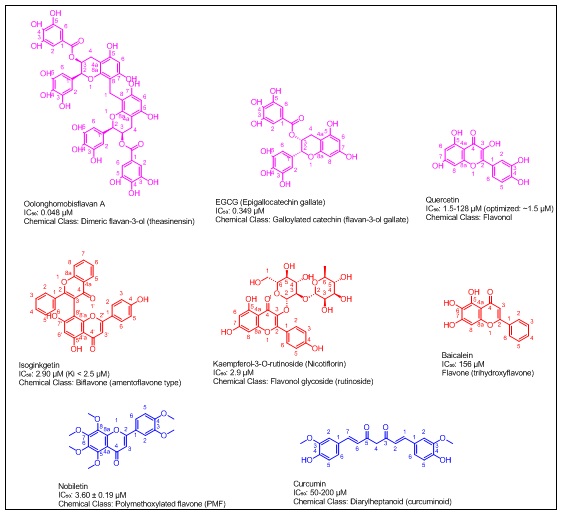
FIG. 2: REPRESENTATIVE PLANT-DERIVED PANCREATIC LIPASE INHIBITORS: CHEMICAL STRUCTURES AND REPORTED IC₅₀ VALUES
Mechanisms Beyond Lipase Inhibition and Pharmacokinetic Considerations:
Multi-Target Mechanisms: The Phytochemical Advantage: A key feature separating phytochemicals from single-target synthetic drugs is their intrinsic promiscuity the ability to modulate multiple molecular targets at once. Previously viewed as a liability under the “one drug, one target” paradigm, this polypharmacology is now recognized as beneficial for obesity, a complex multifactorial disease.
Plant-derived lipase inhibitors rarely act solely via pancreatic lipase; instead, they exert coordinated effects on digestive enzymes, metabolic and inflammatory pathways, and gut microbiota, collectively engaging obesity’s intertwined pathophysiology 141, 142.
Dual and Multi-Enzyme Inhibition: Many phytochemical pancreatic lipase inhibitors also inhibit other digestive enzymes, particularly α-glucosidase and α-amylase, thereby reducing both dietary fat absorption and postprandial glucose excursions. This complementary activity may provide therapeutic advantages for obesity and metabolic syndrome by simultaneously targeting lipid and carbohydrate digestion.
Flavonoids such as quercetin and luteolin exhibit α-glucosidase inhibitory activity comparable to their pancreatic lipase inhibition, suggesting shared interactions with conserved enzyme active sites 143. Quinazolinone-coumarin hybrid inhibitors demonstrated potent dual inhibition of both pancreatic lipase (IC₅₀ 2.85-3.52 μM) and α-glucosidase, exemplifying rational design exploiting mechanistic overlap 144. Clinical implications remain incompletely defined. Acarbose, an FDA-approved α-glucosidase inhibitor, produces gastrointestinal side effects mechanistically analogous to orlistat's symptoms 145 undigested substrates reaching the colon undergo bacterial fermentation. Combining lipase and carbohydrate enzyme inhibition might exacerbate tolerability issues, necessitating careful dose optimization. Alternatively, partial inhibition of multiple targets rather than complete single-target blockade might achieve metabolic benefits with superior tolerability 142.
Not all digestive enzyme inhibition is desirable; excessive tannins can impair protein digestion by inhibiting pepsin, trypsin, and chymotrypsin, compromising nutrition. Thus, selective lipase and carbohydrate-enzyme inhibition with minimal protease and micronutrient interference is essential, balancing strong efficacy with long-term nutritional safety.
Gut Microbiome Modulation: The Forgotten Organ: Emerging evidence positions the gut microbiome trillions of gastrointestinal microorganisms as critical obesity pathophysiology mediators and therapeutic targets. Polyphenols, poorly absorbed in the upper GI tract, reach the colon in substantial concentrations where resident bacteria metabolize them into diverse catabolites while polyphenols reciprocally modulate microbial community composition and metabolic activity 146, 147.
Tea polyphenols demonstrate prebiotic-like effects, selectively promoting beneficial bacteria including Akkermansia muciniphila, Bifidobacterium, and Lactobacillus species while suppressing potentially obesogenic Firmicutes. A. muciniphila, a mucin-degrading bacterium, inversely correlates with obesity and metabolic dysfunction; oral administration improves metabolic parameters in preclinical models and preliminary human trials.
Mechanistic connections involve multiple pathways. Beneficial bacteria produce short-chain fatty acids (SCFAs)—acetate, propionate, butyrate—from dietary fiber and polyphenol catabolites 146. SCFAs exert profound effects: butyrate nourishes colonocytes with anti-inflammatory properties; propionate influences glucose homeostasis; acetate activates GPR43 receptors promoting fat oxidation. Microbial enzymes deconjugate flavonoid glycosides, generating metabolites (phenolic acids, valerolactones) with distinct bioactivities 147
Inter-individual variability in microbiome composition likely contributes to heterogeneous responses to phytochemicals, with “responder” and “non-responder” phenotypes reflecting distinct baseline microbial ecologies. This framework supports future precision nutrition and phytochemical-based interventions incorporating microbiome profiling to optimize therapeutic efficacy.
Anti-Inflammatory and Antioxidant Effects: Chronic low-grade inflammation characterizes obesity, with adipose tissue macrophage infiltration, pro-inflammatory cytokine secretion (TNF-α, IL-6, IL-1β), and oxidative stress contributing to insulin resistance and metabolic deterioration 148–150. Polyphenols demonstrate potent anti-inflammatory and antioxidant properties through multiple mechanisms: free radical scavenging; upregulation of endogenous antioxidant defenses (SOD, catalase, GPx) through Nrf2 activation; inhibition of pro-inflammatory signaling cascades (NF-κB, MAPK); and modulation of inflammatory mediator production 146.
These effects, while not directly related to lipase inhibition, address obesity's systemic consequences and may enhance metabolic benefits. In animal models, tea polyphenols reduce inflammatory markers in adipose tissue, liver, and circulation alongside weight reduction, suggesting coordinated effects on energy balance and inflammatory tone 147. Evidence suggests bidirectional relationships: inflammation promotes obesity, and obesity perpetuates inflammation, creating opportunities for therapeutic intervention at multiple points 41.
Adipogenesis Inhibition and Lipid Metabolism Gene Regulation: Many lipase-inhibiting phytochemicals modulate adipocyte differentiation at molecular levels. Studies using 3T3-L1 preadipocytes the standard adipogenesis model demonstrate that flavonoids, catechins, and polyphenols suppress adipocyte differentiation, reducing lipid accumulation and expression of adipogenic transcription factors including peroxisome proliferator-activated receptor gamma (PPARγ) and CCAAT/enhancer-binding proteins (C/EBPs) 101.
PPARγ, adipogenesis's master regulator, presents an intriguing paradox: thiazolidinedione drugs (pioglitazone, rosiglitazone) activate it improving insulin sensitivity despite potentially increasing adipocyte differentiation. Some polyphenols act as selective PPARγ modulators (SPPARγMs), exhibiting receptor binding with distinct conformational outcomes versus full agonists, potentially achieving insulin-sensitizing benefits without promoting adipogenesis 151. This nuanced pharmacology exemplifies phytochemicals' capacity for subtle signaling modulation rather than binary on/off switching characteristic of synthetic drugs.
Gene expression profiling reveals polyphenols downregulate lipogenic genes (fatty acid synthase, acetyl-CoA carboxylase, stearoyl-CoA desaturase) while upregulating lipolytic and fatty acid oxidation genes (hormone-sensitive lipase, carnitine palmitoyltransferase-1, uncoupling proteins), collectively shifting adipocyte metabolism from lipid storage toward mobilization and oxidation 152. These molecular effects complement reduced dietary fat absorption, creating a two-pronged attack: less fat enters the body (lipase inhibition), and existing fat stores undergo enhanced catabolism (altered gene expression) 101.
Pharmacokinetic Considerations: The GI Localization Paradox:
Absorption Challenges as Therapeutic Advantages: Conventional drug development prioritizes oral bioavailability for systemic distribution. For pancreatic lipase inhibitors, this paradigm inverts: the target enzyme resides in the intestinal lumen, making systemic absorption unnecessary and potentially undesirable. Orlistat exemplifies this: extremely lipophilic (LogP 8.9), it exhibits negligible systemic absorption (<1%), with >95% excreted unchanged in feces 2. This GI localization contributes to orlistat's favorable safety profile despite chemical reactivity.
Many polyphenolic lipase inhibitors face "poor bioavailability" a characterization assuming systemic distribution as the goal. For lipase inhibition specifically, poor absorption represents an asset: high concentrations persist in the intestinal lumen throughout the postprandial period when lipase activity peaks, maximizing enzyme inhibition while minimizing systemic exposure. EGCG, for instance, shows poor absorption (oral bioavailability 0.1-1.7%) yet achieves substantial lipase inhibition in-vivo 45, 147.
Unlike typical drugs, lipase inhibitor formulations prioritize GI retention, mucosal contact, and degradation resistance over absorption sustaining duodenal/jejunal concentrations at the action site
Metabolic Transformations: Friend or Foe?: Polyphenols undergo extensive metabolism: Phase I oxidation/reduction by cytochrome P450 enzymes; Phase II conjugation (glucuronidation, sulfation, methylation); and gut microbiota biotransformation (deglycosylation, ring fission, dehydroxylation) 147. These transformations profoundly alter chemical structures and bioactivities. For GI-localized lipase inhibitors, metabolism relationships differ fundamentally. Parent compounds (flavonoid glycosides, polymeric catechins) may undergo deglycosylation by intestinal β-glucosidases or bacterial enzymes, releasing more active aglycones with superior lipase inhibitory potency 153. Conversely, Phase II conjugation could inactivate absorbed compounds before systemic circulation—beneficial for safety, inconsequential for efficacy if inhibition occurs luminally 147.
Gut microbiota transformations create complex scenarios. Bacterial C-ring fission produces phenolic acids with distinct activities. Current evidence suggests some catabolites retain modest lipase inhibitory activity, while others demonstrate complementary bioactivities (anti-inflammatory, antioxidant) 147.
Temporal dynamics matter critically. Lipase inhibitors must act during the 2-4 hour postprandial window. Compounds requiring extensive microbial transformation (6+ hours post-ingestion) miss direct lipase inhibition windows, though metabolites may exert delayed metabolic effects. Immediate-acting parent compounds versus delayed-acting metabolites create biphasic activity profiles potentially extending therapeutic windows.
Food Matrix Effects and Bioaccessibility: Unlike pharmaceutical dosage forms that deliver isolated active compounds, dietary phytochemicals are consumed within complex food matrices that influence their bioaccessibility and luminal activity 154. Tea polyphenols, consumed as aqueous infusions, exhibit high immediate bioaccessibility because they are already solubilized and can rapidly interact with intestinal contents and pancreatic lipase 155. In contrast, polyphenols present in whole fruits and vegetables are frequently bound within cellular structures and require mechanical processing and enzymatic digestion for release 156. Food processing techniques such as chopping, blending, cooking, and fermentation markedly alter polyphenol release kinetics and intestinal availability 157.
Dietary lipids may enhance inhibitory efficacy by promoting polyphenol partitioning at the lipid–water interface where pancreatic lipase functions, thereby increasing local inhibitor concentrations 158. Conversely, polyphenol–protein interactions, particularly those involving tannins, can reduce inhibitor availability and impair protein digestion 159.
Advanced delivery systems, including microencapsulation, nanoparticles, phytosomes, and liposomes, improve phytochemical stability, targeted intestinal release, and localization at the lipid–water interface, thereby enhancing pancreatic lipase inhibitory efficacy.
Inter-Individual Variability: Genetics, Microbiome, and Phenotypes: Clinical trials consistently demonstrate large inter-individual variability in botanical supplement responses. This heterogeneity reflects multiple factors: genetic polymorphisms affecting metabolizing enzymes (CYP450s, UGTs, SULTs, COMT) alter polyphenol metabolism rates; baseline gut microbiome composition determines biotransformation capacity; physiological factors including gastric pH, intestinal transit time, and bile salt secretion influence polyphenol stability 160, 161.
The concept of "metabotypes"—distinct metabolic phenotypes producing characteristic polyphenol metabolite profiles has emerged from metabolomics studies. Individuals cluster into groups based on urinary metabolite patterns, with clustering driven primarily by gut microbiota composition. For lipase inhibitors, metabotype differences might predict therapeutic responses 162.
Microbiome profiling, genetic testing for enzyme polymorphisms, and adaptive biomarker dosing enable personalized polyphenol therapy. Precision nutrition requires prospective trials and affordable tools for clinical practicality 163.
The Desirable Low-Absorption Profile: Safety Implications: The limited systemic absorption of many polyphenolic pancreatic lipase inhibitors contributes to their favorable safety profile by restricting activity primarily to the gastrointestinal tract, thereby minimizing systemic adverse effects, drug–drug interactions, and off-target toxicity 45, 147. Consequently, most phytochemicals do not achieve plasma concentrations sufficient to produce clinically significant systemic effects following oral administration.
Clinical studies generally report a low incidence of serious adverse events, with gastrointestinal symptoms such as nausea, diarrhea, and abdominal discomfort representing the most common treatment-related effects 107.
Rare hepatotoxicity reports associated with concentrated green tea extracts appear dose-dependent, likely reflecting exceptionally high catechin absorption overwhelming hepatic detoxification or individual susceptibility 164.
The safety-efficacy balance differs fundamentally from orlistat: both produce GI side effects from unabsorbed fat, but phytochemicals generally exhibit milder symptoms at efficacious doses, presumably reflecting lower potency (IC₅₀ values 10-1000× higher than orlistat) requiring less complete lipase inhibition 165. This moderate inhibition may provide a favorable balance between therapeutic efficacy and tolerability by reducing dietary fat absorption without inducing severe malabsorption.
Clinical Translation, Challenges, and Future Directions
From Bench to Bedside: The Translation Gap: Although numerous phytochemicals exhibit potent pancreatic lipase inhibition in vitro and promising preclinical efficacy, clinical evidence remains limited. Major barriers to translation include differences between experimental and physiological gastrointestinal conditions, variable bioavailability, inconsistent botanical standardization, and the scarcity of well-designed randomized controlled trials 45.
Green tea catechins represent the most clinically-studied phytochemical lipase inhibitors. Meta-analyses demonstrate modest but consistent weight loss (approximately 1-2 kg greater than placebo over 12 weeks), with improvements in waist circumference and metabolic parameters. However, disentangling lipase inhibition from catechins' other mechanisms—thermogenesis enhancement, fat oxidation promotion, appetite modulation—remains challenging 166. Studies measuring fecal fat excretion show increases confirming reduced fat absorption, though magnitudes (10-15% increases) lag behind orlistat's effects (30% reduction).
Traditional herbal formulations from TCM and Ayurveda demonstrate clinical benefits in trials conducted primarily in Asian countries, though methodological limitations preclude definitive conclusions. The challenge involves balancing respect for traditional practice with scientific demands for standardization and controlled comparisons.
Formulation Innovations: Enhancing Delivery and Tolerability: Advanced drug delivery technologies offer opportunities to optimize phytochemical lipase inhibitor performance. Nanoparticle formulations enhance polyphenol stability, enable controlled release, 167 and improve mucosal adhesion, potentially increasing local GI concentrations during critical postprandial periods. Enteric coating technologies enable pH-dependent release, protecting acid-labile polyphenols through gastric transit while releasing contents in the duodenum where lipase activity peaks 168. Combination strategies merit exploration: co-formulating complementary inhibitors might achieve synergistic effects; pairing with prebiotics/probiotics could enhance microbiome benefits; adding fat-soluble vitamin supplementation could prevent deficiencies from chronic fat malabsorption.
Regulatory Pathways and Market Positioning: Botanical lipase inhibitors face complex regulatory landscapes varying internationally. In the United States, the dietary supplement framework permits marketing without FDA pre-approval, enabling rapid market entry but limiting promotional messaging 169. Europe's traditional herbal medicinal products directive provides an intermediate pathway recognizing long-standing traditional use 170. Asian markets maintain robust frameworks for traditional medicine products.
Market positioning proves critical. Competing directly with pharmaceutical obesity medications proves challenging given modest efficacy 171. Instead, positioning as preventive nutritional supplements, functional food ingredients, or adjunct therapies exploits phytochemicals' strengths—safety, naturalness, cultural acceptance, multi-target benefits 172.
Future Research Priorities and Emerging Opportunities: Untapped Botanical Resources: The majority of Earth's 400,000+ plant species remain chemically uncharacterized. Biodiversity hotspots, marine sources, and extremophile plants offer structurally-distinct compounds with potentially novel mechanisms 147.
Biotechnological Production: Plant cell culture, metabolic engineering, and synthetic biology enable sustainable production 173. CRISPR-based genome editing could enhance biosynthetic pathway flux 174. Heterologous expression in microbial hosts could produce complex plant natural products through fermentation.
Artificial Intelligence: Machine learning algorithms can predict lipase inhibitory potential from chemical structures, enabling virtual screening. Natural product databases provide training data for predictive models 175.
Personalized Nutrition: Integration of genomics, metabolomics, and microbiomics promises individualized botanical interventions 176. Microbiome profiling, genetic testing, and metabolomic phenotyping would guide selection of optimal phytochemical inhibitors and dosing regimens 177.
CONCLUSIONS: The global obesity crisis demands strategies that extend beyond conventional pharmacotherapy. Phytochemical pancreatic lipase inhibitors, rooted in traditional medical systems and increasingly supported by mechanistic research, offer complementary advantages: multi-target activity matching obesity’s complex pathophysiology, predominantly gastrointestinal action with favorable safety, cultural acceptability, and potential cost-effectiveness, especially in preventive and resource-limited settings. This review surveys polyphenols, terpenoids, alkaloids, and bioactive peptides, emphasizing structure–activity features such as hydroxylation patterns, aromatic planarity, and galloylation. Evidence now supports traditional anti-obesity botanicals showing lipase inhibition, metabolic and anti-inflammatory effects, and microbiome modulation.
Despite modest potency versus GLP-1 agonists, limited clinical data, and standardization issues, these agents fit roles in preventive nutrition, adjunctive therapy, and mild obesity management, guided by ethnopharmacology, modern analytics, innovative formulations, and sustainable sourcing
ACKNOWLEDGEMENT: The authors gratefully acknowledge the Almighty for guidance and strength, their families for unwavering support and, and Sumandeep Vidyapeeth deemed to be University, Waghodia, for providing the necessary institutional support and facilities that enabled the successful completion of this work.
AI Disclosure: Artificial intelligence tools (ChatGPT, GPT-5, OpenAI, USA) were used only for language refinement and grammar correction. All scientific content and interpretations are solely those of the authors
Author Contributions: The authors of this paper have adhered to the guidelines of the International Committee of Medical Journal Editors (ICMJE), contributed significantly to the study, and approved the final manuscript for submission and publication.
Financial Support: The author has independently prepared this paper for publication based on their own research and efforts.
Ethical Approvals: As this study did not involve animals or humans, no ethical clearance was required.
Data Availability: All data generated and analysed for this study have been included in the research article.
CONFLICTS OF INTEREST: Our research and findings are driven solely by scientific merit and integrity, without any competing interests.
REFERENCES:
- Phelps NH, Singleton RK, Zhou B, Heap RA, Mishra A and Bennett JE: Worldwide trends in underweight and obesity from 1990 to 2022: a pooled analysis of 3663 population-representative studies with 222 million children, adolescents, and adults. Lancet [Internet] 2024 [cited 2026 Feb 1]; 403(10431):1027–50. Available from: https://www.thelancet.com/action/showFullText?pii=S0140673623027502
- Lunagariya NA, Patel NK, Jagtap SC and Bhutani KK: Inhibitors of pancreatic lipase: State of the art and clinical perspectives [Internet]. EXCLI J.2014 [cited 2023 Apr 29]; 13: 897–921. Available from: https://pubmed.ncbi.nlm.nih.gov/26417311/
- Lobstein T, Powis J, Thompson R and Jackson R: World Obesity Atlas 2025 | World Obesity Federation [Internet]. 2025 [cited 2025 Nov 18]; 1–275. Available from: https://www.worldobesity.org/resources/resource-library/world-obesity-atlas-2025
- Parums DV: Editorial: Global Obesity Rates Continue to Rise with Challenges for New Drug Treatments Including GLP-1 Receptor Agonists. Med Sci Monit Int Med J Exp Clin Res [Internet] 2025 [cited 2026 Feb 1]; 31: e950816. Available from: https://pmc.ncbi.nlm.nih.gov/articles/PMC12323555/
- Bhaskaran K, Douglas I, Forbes H, dos-Santos-Silva I, Leon DA and Smeeth L: Body-mass index and risk of 22 specific cancers: a population-based cohort study of 5•24 million UK adults. Lancet [Internet] 2014 [cited 2026 Feb 1]; 384(9945): 755–65. Available from: https://pubmed.ncbi.nlm.nih.gov/25129328/
- Sun M, da Silva M, Bjørge T, Fritz J, Mboya IB and Jerkeman M: Body mass index and risk of over 100 cancer forms and subtypes in 4.1 million individuals in Sweden: the Obesity and Disease Development Sweden (ODDS) pooled cohort study. Lancet Reg Heal - Eur [Internet] 2024 [cited 2026 Feb 1]; 45: 101034. Available from: https://www.thelancet.com/action/showFullText?pii=S2666776224002011
- Zhou XD, Chen QF, Yang W, Zuluaga M, Targher G and Byrne CD: Burden of disease attributable to high body mass index: an analysis of data from the Global Burden of Disease Study 2021. eClinical Medicine [Internet] 2024 [cited 2026 Feb 1];76:102848. Available from: https://www.thelancet.com/action/showFullText?pii=S2589537024004279
- Blüher M: Obesity: global epidemiology and pathogenesis. Nat Rev Endocrinol [Internet] 2019 [cited 2026 Feb 1]; 15(5): 288–98. Available from: https://pubmed.ncbi.nlm.nih.gov/30814686/
- Lim Y, Haq N and Boster J: Obesity and Comorbid Conditions. StatPearls [Internet] 2024 [cited 2026 Feb 1];Available from: https://www.ncbi.nlm.nih.gov/books/NBK574535/
- Bhutta ZA, Norris SA, Roberts M and Singhal A: The global challenge of childhood obesity and its consequences: what can be done? Lancet Glob Heal [Internet] 2023 [cited 2026 Feb 1]; 11(8): e1172–3. Available from: https://www.thelancet.com/action/showFullText?pii=S2214109X2300284X
- The Lancet. Childhood obesity: a global health crisis. Lancet [Internet] 2025 [cited 2026 Feb 1]; 406(10509): 1193. Available from: https://www.thelancet.com/action/showFullText?pii=S0140673625019063
- Lee A, Cardel M and Donahoo WT: Social and Environmental Factors Influencing Obesity. Endotext [Internet] 2019 [cited 2026 Feb 1]; Available from: https://www.ncbi.nlm.nih.gov/books/NBK278977/
- Capoccia D, Milani I, Colangeli L, Parrotta ME, Leonetti F and Guglielmi V: Social, cultural and ethnic determinants of obesity: From pathogenesis to treatment. Nutr Metab Cardiovasc Dis [Internet] 2025 [cited 2026 Feb 1]; 35(6): 103901. Available from: https://www.sciencedirect.com/science/article/pii/S0939475325000559
- Swinburn BA, Sacks G, Hall KD, McPherson K, Finegood DT and Moodie ML: The global obesity pandemic: Shaped by global drivers and local environments. Lancet 2011; 378(9793): 804–14.
- James WPT: The epidemiology of obesity: the size of the problem. J Intern Med [Internet] 2008 [cited 2026 Feb 1]; 263(4): 336–52. Available from: https://pubmed.ncbi.nlm.nih.gov/18312311/
- Rodgers RJ, Tschöp MH and Wilding JPH: Anti-obesity drugs: past, present and future. Dis Model Mech [Internet] 2012 [cited 2025 Nov 18]; 5(5): 621. Available from: https://pmc.ncbi.nlm.nih.gov/articles/PMC3424459/
- Müller TD, Blüher M, Tschöp MH and DiMarchi RD: Anti-obesity drug discovery: advances and challenges. Nat Rev Drug Discov 2021 213 [Internet] 2021 [cited 2023 Apr 26]; 21(3): 201–23. Available from: https://www.nature.com/articles/s41573-021-00337-8
- Wilding JPH, Batterham RL, Calanna S, Davies M, Van Gaal LF and Lingvay I: Once-Weekly Semaglutide in Adults with Overweight or Obesity. N Engl J Med [Internet] 2021 [cited 2025 Nov 30]; 384(11): 989–1002. Available from: https://www.nejm.org/doi/pdf/10.1056/NEJMoa2032183
- Aronne LJ, Sattar N, Horn DB, Bays HE, Wharton S and Lin WY: Continued Treatment With Tirzepatide for Maintenance of Weight Reduction in Adults With Obesity: The SURMOUNT-4 Randomized Clinical Trial. JAMA [Internet] 2023 [cited 2026 Feb 1]; 331(1): 38. Available from: https://pmc.ncbi.nlm.nih.gov/articles/PMC10714284/
- McGowan B, Ciudin A, Baker JL, Busetto L, Dicker D and Frühbeck G: A systematic review and meta-analysis of the efficacy and safety of pharmacological treatments for obesity in adults. Nat Med 2025 3110 [Internet] 2025 [cited 2025 Nov 18]; 31(10): 3317–29. Available from: https://www.nature.com/articles/s41591-025-03978-z
- Sjöström L, Rissanen A, Andersen T, Boldrin M, Golay A and Koppeschaar HPF: Randomised placebo-controlled trial of orlistat for weight loss and prevention of weight regain in obese patients. Lancet [Internet] 1998 [cited 2025 Nov 18]; 352(9123): 167–72. Available from: https://www.sciencedirect.com/science/article/abs/pii/S0140673697115094
- Hadvary P, Lengsfeld H and Wolfer H: Inhibition of pancreatic lipase in-vitro by the covalent inhibitor tetrahydrolipstatin. Biochem J [Internet] 1988 [cited 2025 Nov 23]; 256(2): 357–61. Available from: https://pubmed.ncbi.nlm.nih.gov/3223916/
- Filippatos TD, Derdemezis CS, Gazi IF, Nakou ES, Mikhailidis DP and Elisaf MS: Orlistat-associated adverse effects and drug interactions: a critical review. Drug Saf [Internet] 2008 [cited 2023 Apr 29]; 31(1):53–65. Available from: https://pubmed.ncbi.nlm.nih.gov/18095746/
- Lunagariya NA, Patel NK, Jagtap SC and Bhutani KK; Inhibitors of pancreatic lipase: state of the art and clinical perspectives. EXCLI J [Internet] 2014 [cited 2025 Nov 18]; 13: 897. Available from: https://pmc.ncbi.nlm.nih.gov/articles/PMC4464291/
- Heck AM, Yanovski JA and Calis KA: Orlistat, a New Lipase Inhibitor for the Management of Obesity. Pharmacotherapy [Internet] 2000 [cited 2025 Nov 18]; 20(3): 270. Available from: https://pmc.ncbi.nlm.nih.gov/articles/PMC6145169/
- Davidson MH, Hauptman J, DiGirolamo M, Foreyt JP, Halsted CH and Heber D: Weight control and risk factor reduction in obese subjects treated for 2 years with orlistat: a randomized controlled trial. JAMA [Internet] 1999 [cited 2026 Feb 1]; 281(3): 235–42. Available from: https://pubmed.ncbi.nlm.nih.gov/9918478/
- Drew BS, Dixon AF and Dixon JB: Obesity management: Update on orlistat [Internet]. Vasc. Health Risk Manag.2007 [cited 2025 Nov 30]; 3(6): 817–21. Available from: https://pubmed.ncbi.nlm.nih.gov/18200802/
- Li Z, Maglione M, Tu W, Mojica W, Arterburn D and Shugarman LR: Meta-analysis: pharmacologic treatment of obesity. Ann Intern Med [Internet] 2005 [cited 2026 Feb 1]; 142(7): 532–46. Available from: https://pubmed.ncbi.nlm.nih.gov/15809465/
- Shi Q, Wang Y, Hao Q, Vandvik PO, Guyatt G and Li J: Pharmacotherapy for adults with overweight and obesity: a systematic review and network meta-analysis of randomised controlled trials. Lancet [Internet] 2024 [cited 2026 Feb 1]; 403(10434):e21–31. Available from: https://www.sciencedirect.com/science/article/abs/pii/S0140673624003519
- Rizvi SAA, Einstein GP, Tulp OL, Sainvil F and Branly R; Introduction to Traditional Medicine and Their Role in Prevention and Treatment of Emerging and Re-Emerging Diseases. Biomolecules [Internet] 2022 [cited 2026 Feb 11]; 12(10): 1442. Available from: https://pmc.ncbi.nlm.nih.gov/articles/PMC9599697/
- Rahminiwati M, Iswantini D, Trivadila, Sianipar RNR, Sukma RM and Indariani S: The Strong Inhibition of Pancreatic Lipase by Selected Indonesian Medicinal Plants as Anti-Obesity Agents. Curr Issues Mol Biol 2025, Vol 47, Page 39 [Internet] 2025 [cited 2025 Nov 18]; 47(1): 39. Available from: https://www.mdpi.com/1467-3045/47/1/39/htm
- Balunas MJ and Kinghorn AD: Drug discovery from medicinal plants. Life Sci [Internet] 2005 [cited 2026 Feb 1]; 78(5): 431–41. Available from: https://pubmed.ncbi.nlm.nih.gov/16198377/
- Chaachouay N and Zidane L: Plant-Derived Natural Products: A Source for Drug Discovery and Development. Drugs Drug Candidates 2024; 3: 184-207 [Internet] 2024 [cited 2026 Feb 1]; 3(1):184–207. Available from: https://www.mdpi.com/2813-2998/3/1/11
- Atanasov AG, Zotchev SB, Dirsch VM, Orhan IE, Banach M and Rollinger JM: Natural products in drug discovery: advances and opportunities. Nat Rev Drug Discov 2021 203 [Internet] 2021 [cited 2023 Apr 9]; 20(3): 200–16. Available from: https://www.nature.com/articles/s41573-020-00114-z
- Wang J, Wang Q, Li L, Li Y, Zhang H and Zheng L: Phlegm-dampness constitution: genomics, susceptibility, adjustment and treatment with traditional Chinese medicine. Am J Chin Med [Internet] 2013 [cited 2026 Feb 2]; 41(2): 253–62. Available from: https://pubmed.ncbi.nlm.nih.gov/23548117/
- Curran J: The Yellow Emperor’s Classic of Internal Medicine. BMJ Br Med J [Internet] 2008 [cited 2026 Feb 2]; 336(7647):777. Available from: https://pmc.ncbi.nlm.nih.gov/articles/PMC2287209/
- Wang K, Li G, Yang Z, Yang F, Sun Y and Duan G: Compound Chinese medicine (F1) improves spleen deficiency diarrhea by protecting the intestinal mucosa and regulating the intestinal flora. Front Microbiol [Internet] 2023 [cited 2026 Feb 2]; 14: 1292082. Available from: www.biocloud.net
- Zhang CH, Sheng JQ, Xie WH, Luo XQ, Xue YN and Xu GL: Mechanism and Basis of Traditional Chinese Medicine against Obesity: Prevention and Treatment Strategies. Front Pharmacol [Internet] 2021 [cited 2026 Feb 2]; 12: 615895. Available from: https://pmc.ncbi.nlm.nih.gov/articles/PMC7982543/
- Liu S, Li D, Huang B, Chen Y, Lu X and Wang Y: Inhibition of pancreatic lipase, α-glucosidase, α-amylase, and hypolipidemic effects of the total flavonoids from Nelumbo nucifera leaves. J Ethnopharmacol [Internet] 2013 [cited 2026 Feb 2]; 149(1): 263–9. Available from: https://pubmed.ncbi.nlm.nih.gov/23811214/
- Huang H, Liu C, Cao C, Chen M, Li R and Yu J: Investigating the anti-obesity potential of Nelumbo nucifera leaf bioactive compounds through machine learning and computational biology methods. Front Pharmacol 2024; 15: 1500865.
- He L, Su Z and Wang S: The anti-obesity effects of polyphenols: a comprehensive review of molecular mechanisms and signal pathways in regulating adipocytes. Front Nutr [Internet] 2024 [cited 2026 Feb 2]; 11: 1393575. Available from: https://pmc.ncbi.nlm.nih.gov/articles/PMC11557335/
- Wang Q, Hu GL, Qiu MH, Cao J and Xiong WY: Coffee, tea, and cocoa in obesity prevention: Mechanisms of action and future prospects. Curr Res Food Sci [Internet] 2024 [cited 2026 Feb 2]; 8: 100741. Available from: https://www.sciencedirect.com/science/article/pii/S2665927124000674
- Wu X, He W, Yao L, Zhang H, Liu Z and Wang W: Characterization of Binding Interactions of (−)-Epigallocatechin-3-gallate from Green Tea and Lipase. J Agric Food Chem [Internet] 2013 [cited 2025 Dec 2]; 61(37): 8829–35. Available from: https://pubs.acs.org/doi/abs/10.1021/jf401779z
- Gondoin A, Grussu D, Stewart D and McDougall GJ: White and green tea polyphenols inhibit pancreatic lipase in-vitro. Food Res Int [Internet] 2010 [cited 2026 Feb 2]; 43(5): 1537–44. Available from: https://www.sciencedirect.com/science/article/abs/pii/S096399691000147X
- Nakai M, Fukui Y, Asami S, Toyoda-Ono Y, Iwashita T and Shibata H: Inhibitory effects of oolong tea polyphenols on pancreatic lipase in-vitro. J Agric Food Chem [Internet] 2005 [cited 2025 Nov 23]; 53(11): 4593–8. Available from: https://pubmed.ncbi.nlm.nih.gov/15913331/
- Liudvytska O and Kolodziejczyk-Czepas J: A review on rhubarb-derived substances as modulators of cardiovascular risk factors-a special emphasis on anti-obesity action. Nutrients [Internet] 2022 [cited 2026 Feb 2]; 14(10). Available from: https://pubmed.ncbi.nlm.nih.gov/35631194/
- Won SR, Kim SK, Kim YM, Lee PH, Ryu JH and Kim JW: Licochalcone A: A lipase inhibitor from the roots of Glycyrrhiza uralensis. Food Res Int [Internet] 2007 [cited 2025 Nov 25]; 40(8): 1046–50. Available from: https://www.researchgate.net/publication/248425741_Licochalcone_A_A_lipase_inhibitor_from_the_roots_of_Glycyrrhiza_uralensis
- Anita Lather and Kusum Malik: Ayurvedic management of Sthoulya (Medoroga) W.S.R. to obesity. World J Biol Pharm Heal Sci 2023; 14(3): 065–9.
- Jajbir Singh: Obesity as per Ayurveda: Understanding the ancient perspective on modern weight issues. World J Biol Pharm Heal Sci 2025; 22(2): 314–8.
- Kumar V, Bidhuri Y, Nesari T, Sherkhane R and Ghildiyal S: A Critical Analysis of Medohara, Lekhana, and Karshana Plants from Nighantus. J Drug Res Ayurvedic Sci [Internet] 2019 [cited 2026 Feb 5]; 4(2): 95–102. Available from: https://journals.lww.com/jdra/fulltext/2019/04020/a_critical_analysis_of_medohara,_lekhana,_and.7.aspx
- Lestari A, Nurpratiwi: Case study, case study, case study! Prog Addit Manuf [Internet] 2022; 1(10): 1–5. Available from: https://skyfold.com/document/371a5b50-3596-11ec-abe7-993375836146?download=true
- Journal W: Pharmaceutical of literature study of Garcinia cambogia (Vrukshamla fruit) and Terminalia arjuna (Arjuna bark) in the management of Medodusti 2024; 10(9): 100–2.
- H. Baky M, Fahmy H and Farag MA: Recent Advances in Garcinia cambogia Nutraceuticals in Relation to Its Hydroxy Citric Acid Level. A Comprehensive Review of Its Bioactive Production, Formulation, and Analysis with Future Perspectives. ACS Omega [Internet] 2022 [cited 2026 Feb 5]; 7(30): 25948–57. Available from: /doi/pdf/10.1021/acsomega.2c02838?ref=article_openPDF
- Noreen S, Khan Naizi M, Tufail T, Hassan F and Awuchi CG: Nutraceutical, functional, and therapeutic properties of Garcinia cambogia: a review. Int J Food Prop [Internet] 2023 [cited 2026 Feb 5]; 26(1): 729–38. Available from: https://www.tandfonline.com/doi/pdf/10.1080/10942912.2023.2178458
- Buchholz T and Melzig MF: Medicinal Plants Traditionally Used for Treatment of Obesity and Diabetes Mellitus - Screening for Pancreatic Lipase and α-Amylase Inhibition. Phytother Res [Internet] 2016 [cited 2026 Feb 5]; 30(2): 260–6. Available from: https://pubmed.ncbi.nlm.nih.gov/26632284/
- Martin KA, Mani MV and Mani A: Screening for anti-pancreatic lipase properties of 28 traditional Thai medicinal herbs. Asian Pac J Trop Biomed [Internet] 2015 [cited 2026 Feb 5]; 5(12): 1042–5. Available from: https://doi.org/10.1016/j.ejphar.2015.03.093
- Faisal Z, Irfan R, Akram N, Manzoor HMI, Aabdi MA and Anwar MJ: The multifaceted potential of fenugreek seeds: From health benefits to food and nanotechnology applications. Food Sci Nutr [Internet] 2024 [cited 2026 Feb 5]; 12(4): 2294. Available from: https://pmc.ncbi.nlm.nih.gov/articles/PMC11016425/
- Alu’datt MH, Rababah T, Al-ali S, Tranchant CC, Gammoh S and Alrosan M: Current perspectives on fenugreek bioactive compounds and their potential impact on human health: A review of recent insights into functional foods and other high value applications. J Food Sci [Internet] 2024 [cited 2026 Feb 5]; 89(4): 1835–64. Available from: /doi/pdf/10.1111/1750-3841.16970
- S.D. D, A.N. S, A. S, Y. S. D. Atreyabhadrakapyiya Adhyaya. Charak Samhita New Ed 2020; 2: 8–28.
- Elfahmi, Woerdenbag HJ and Kayser O: Jamu: Indonesian traditional herbal medicine towards rational phytopharmacological use. J Herb Med [Internet] 2014 [cited 2026 Feb 7]; 4(2): 51–73. Available from: https://www.sciencedirect.com/science/article/abs/pii/S2210803314000049
- Vergara-Jimenez M, Almatrafi MM and Fernandez ML: Bioactive Components in Moringa oleifera Leaves Protect against Chronic Disease. Antioxidants [Internet] 2017 [cited 2026 Feb 7]; 6(4): 91. Available from: https://pmc.ncbi.nlm.nih.gov/articles/PMC5745501/
- Ogundipe A, Adetuyi B, Iheagwam F, Adefoyeke K, Olugbuyiro J and Ogunlana O: In-vitro experimental assessment of ethanolic extract of Moringa oleifera Leaves as an α-Amylase and α-Lipase Inhibitor. Biochem Res Int [Internet] 2022 [cited 2026 Feb 7]; 2022: 4613109. Available from: https://pmc.ncbi.nlm.nih.gov/articles/PMC9815922/
- Leonti M and Casu L: Traditional medicines and globalization: current and future perspectives in ethnopharmacology. Front Pharmacol [Internet] 2013 [cited 2026 Feb 7]; 4: 92. Available from: https://pmc.ncbi.nlm.nih.gov/articles/PMC3722488/
- Merola N, Castillo J, Benavente-García O, Ros G and Nieto G: The effect of consumption of citrus fruit and olive leaf extract on lipid metabolism. Nutrients [Internet] 2017 [cited 2026 Feb 7]; 9(10): 1062. Available from: https://pmc.ncbi.nlm.nih.gov/articles/PMC5691679/
- Cao S, Liu M, Han Y, Li S, Zhu X and Li D: Effects of Saponins on Lipid Metabolism: The Gut–Liver Axis Plays a Key Role. Nutrients [Internet] 2024 [cited 2026 Feb 7]; 16(10): 1514. Available from: https://pmc.ncbi.nlm.nih.gov/articles/PMC11124185/
- Timilsena YP, Phosanam A and Stockmann R: Perspectives on Saponins: Food Functionality and Applications. Int J Mol Sci [Internet] 2023 [cited 2026 Feb 7]; 24(17): 13538. Available from: https://pmc.ncbi.nlm.nih.gov/articles/PMC10487995/
- Ahmad I, Aqil F and Owais M: Modern Phytomedicine: Turning Medicinal Plants into Drugs. Mod Phytomedicine Turn Med Plants into Drugs [Internet] 2006 [cited 2026 Feb 7]; 1–384. Available from: https://onlinelibrary.wiley.com/doi/book/10.1002/9783527609987
- Razavi BM and Hosseinzadeh H: A review of the effects of Nigella sativa L. and its constituent, thymoquinone, in metabolic syndrome. J Endocrinol Invest [Internet] 2014 [cited 2026 Feb 7]; 37(11): 1031–40. Available from: https://pubmed.ncbi.nlm.nih.gov/25125023/
- Saadati S, Naseri K, Asbaghi O, Abhari K, Zhang P and Li H Bin: Nigella sativa supplementation improves cardiometabolic indicators in population with prediabetes and type 2 diabetes mellitus: A systematic review and meta-analysis of randomized controlled trials. Front Nutr 2022; 9: 977756.
- Heshmati J and Namazi N: Effects of black seed (Nigella sativa) on metabolic parameters in diabetes mellitus: A systematic review. Complement Ther Med [Internet] 2015 [cited 2026 Feb 7]; 23(2): 275–82. Available from: https://pubmed.ncbi.nlm.nih.gov/25847566/
- McDougall GJ and Stewart D: The inhibitory effects of berry polyphenols on digestive enzymes. Biofactors [Internet] 2005 [cited 2026 Feb 7]; 23(4): 189–95. Available from: https://pubmed.ncbi.nlm.nih.gov/16498205/
- Ferro V de O: Fundamentals of pharmacognosy and phytotherapy. Rev Bras Ciências Farm [Internet] 2004 [cited 2026 Feb 7]; 40(3): 443–443. Available from: https://www.researchgate.net/publication/262588894_Fundamentals_of_pharmacognosy_and_phytotherapy
- Martins F, Noso TM, Porto VB, Curiel A, Gambero A and Bastos DHM: Maté tea inhibits in-vitro pancreatic lipase activity and has hypolipidemic effect on high-fat diet-induced obese mice. Obesity (Silver Spring) [Internet] 2010 [cited 2026 Feb 7]; 18(1): 42–7. Available from: https://pubmed.ncbi.nlm.nih.gov/19543216/
- Gouws C, Mortazavi R, Mellor D, McKune A and Naumovski N: The effects of Prickly Pear fruit and cladode (Opuntia spp.) consumption on blood lipids: A systematic review. Complement Ther Med [Internet] 2020 [cited 2026 Feb 7]; 50. Available from: https://pubmed.ncbi.nlm.nih.gov/32444049/
- Birari RB and Bhutani KK: Pancreatic lipase inhibitors from natural sources: unexplored potential. Drug Discov Today [Internet] 2007 [cited 2026 Feb 1]; 12(19–20): 879–89. Available from: https://pubmed.ncbi.nlm.nih.gov/17933690/
- Seyedan A, Alshawsh MA, Alshagga MA, Koosha S and Mohamed Z: Medicinal Plants and Their Inhibitory Activities against Pancreatic Lipase: A Review. Evid Based Complement Alternat Med [Internet] 2015 [cited 2026 Feb 7]; 2015: 973143. Available from: https://pmc.ncbi.nlm.nih.gov/articles/PMC4657100/
- van Heerden FR: Hoodia gordonii: a natural appetite suppressant. J Ethnopharmacol [Internet] 2008 [cited 2026 Feb 7]; 119(3): 434–7. Available from: https://pubmed.ncbi.nlm.nih.gov/18804523/
- Rahminiwati M, Iswantini D, Trivadila, Sianipar RNR, Sukma RM and Indariani S: The Strong Inhibition of Pancreatic Lipase by Selected Indonesian Medicinal Plants as Anti-Obesity Agents. Curr Issues Mol Biol 2025; 47: [Internet] 2025 [cited 2026 Feb 11]; 47(1). Available from: https://www.mdpi.com/1467-3045/47/1/39
- He Y, Tao Y, Qiu L, Xu W, Huang X and Wei H: Lotus (Nelumbo nucifera Gaertn.) Leaf-Fermentation Supernatant Inhibits Adipogenesis in 3T3-L1 Preadipocytes and Suppresses Obesity in High-Fat Diet-Induced Obese Rats. Nutrients [Internet] 2022 [cited 2026 Feb 7]; 14(20): 4348. Available from: https://pmc.ncbi.nlm.nih.gov/articles/PMC9610561/
- Paudel KR and Panth N: Phytochemical Profile and Biological Activity of Nelumbo nucifera. Evid Based Complement Alternat Med [Internet] 2015 [cited 2026 Feb 7]; 2015: 789124. Available from: https://pmc.ncbi.nlm.nih.gov/articles/PMC4710907/
- Bishayee A, Patel PA, Sharma P, Thoutireddy S and Das N: Lotus (Nelumbo nucifera Gaertn.) and Its Bioactive Phytocompounds: A Tribute to Cancer Prevention and Intervention. Cancers (Basel) [Internet] 2022 [cited 2026 Feb 7]; 14(3): 529. Available from: https://pmc.ncbi.nlm.nih.gov/articles/PMC8833568/
- Aaqil M, Peng C, Kamal A, Nawaz T, Zhang F and Gong J: Tea Harvesting and Processing Techniques and Its Effect on Phytochemical Profile and Final Quality of Black Tea: A Review. Foods 2023, Vol 12, [Internet] 2023 [cited 2026 Feb 7]; 12(24). Available from: https://www.mdpi.com/2304-8158/12/24/4467
- Bag S, Mondal A, Majumder A and Banik A: Tea and its phytochemicals: Hidden health benefits & modulation of signaling cascade by phytochemicals. Food Chem [Internet] 2022 [cited 2026 Feb 7]; 371: 131098. Available from: https://www.sciencedirect.com/science/article/abs/pii/S030881462102104X
- Awari D, Awari D, Wankhede S, Ganjiwale R and Rathi L: Reverse Pharmacology: An Innovative Approach to the Study of Herbs. Res J Pharm Technol [Internet] 2022 [cited 2026 Feb 8]; 15(12): 5875–8. Available from: https://rjptonline.org/AbstractView.aspx?PID=2022-15-12-85
- Patwardhan B, Vaidya A, Chorghade M and Joshi S: Reverse Pharmacology and Systems Approaches for Drug Discovery and Development. Curr Bioact Compd [Internet] 2008 [cited 2026 Feb 8];4(4):201–12. Available from: https://www.researchgate.net/publication/228360118_Reverse_Pharmacology_and_Systems_Approaches_for_Drug_Discovery_and_Development
- Patwardhan B and Mashelkar RA: Traditional medicine-inspired approaches to drug discovery: can Ayurveda show the way forward? Drug Discov Today [Internet] 2009 [cited 2026 Feb 8]; 14(15–16): 804–11. Available from: https://pubmed.ncbi.nlm.nih.gov/19477288/
- Heinrich M, Ankli A, Frei B, Weimann C and Sticher O: Medicinal plants in Mexico: Healers’ consensus and cultural importance. Soc Sci Med [Internet] 1998 [cited 2026 Feb 8]; 47(11): 1859–71. Available from: https://pubmed.ncbi.nlm.nih.gov/9877354/
- Fabricant DS and Farnsworth NR: The value of plants used in traditional medicine for drug discovery. Environ Health Perspect [Internet] 2001 [cited 2026 Feb 8]; 109(1): 69. Available from: https://pmc.ncbi.nlm.nih.gov/articles/PMC1240543/
- Ramos BS: The Nagoya Protocol on Access To Genetic Resources and the Fair and Equitable Sharing of Benefits Arising From Their Utilization and Its Implementation in Spain. Rev Electron Estud Int 2021; 2021(42).
- Schippmann U, Leaman DJ and Cunningham AB: Impact of cultivation and gathering of medicinal plants on biodiversity : global impact of cultivation and gathering of medicinal plants on biodiversity: Global Trends and Issues 2015 [cited 2026 Feb 8];(January 2002). Available from: https://www.researchgate.net/publication/265157471_Impact_of_Cultivation_and_Gathering_of_Medicinal_Plants_on_Biodiversity_Global_Trends_and_Issues
- Heinrich M, Appendino G, Efferth T, Fürst R, Izzo AA and Kayser O: Best practice in research – Overcoming common challenges in phytopharmacological research. J Ethnopharmacol 2020; 246(7748): 112230. Available from: https://doi.org/10.1038/d41586-019-00857-9
- Buchholz T and Melzig MF: Polyphenolic Compounds as Pancreatic Lipase Inhibitors. Planta Med [Internet] 2015 [cited 2025 Nov 23]; 81(10): 771–83. Available from: https://pubmed.ncbi.nlm.nih.gov/26132857/
- Martinez-Gonzalez AI, Alvarez-Parrilla E, Díaz-Sánchez ÁG, de la Rosa LA, Núñez-Gastélum JA and Vazquez-Flores AA: In-vitro Inhibition of Pancreatic Lipase by Polyphenols: A Kinetic, Fluorescence Spectroscopy and Molecular Docking Study. Food Technol Biotechnol [Internet] 2017 [cited 2026 Feb 8]; 55(4): 519–30. Available from: https://pubmed.ncbi.nlm.nih.gov/29540986/
- Li MM, Chen YT, Ruan JC, Wang WJ, Chen JG and Zhang QF: Structure-activity relationship of dietary flavonoids on pancreatic lipase. Curr Res Food Sci [Internet] 2022 [cited 2025 Nov 23]; 6: 100424. Available from: https://pmc.ncbi.nlm.nih.gov/articles/PMC9813676/
- Zhou JF, Wang WJ, Yin ZP, Zheng GD, Chen JG and Li JE: Quercetin is a promising pancreatic lipase inhibitor in reducing fat absorption in-vivo. Food Biosci [Internet] 2021 [cited 2026 Feb 8]; 43: 101248. Available from: https://www.sciencedirect.com/science/article/abs/pii/S2212429221003734
- Qin XY, Zhu R, Hou XD, Zhu GH, Zhang M and Fan YF: Discovery of baicalein derivatives as novel inhibitors against human pancreatic lipase: Structure-activity relationships and inhibitory mechanisms. Int J Biol Macromol [Internet] 2024 [cited 2026 Feb 8]; 275(1). Available from: https://pubmed.ncbi.nlm.nih.gov/38945336/
- Yao L, Liu S, Huang W and Yang X: Molecular Mechanisms and Therapeutic Potential of Baicalein in Acute Pancreatitis: A Comprehensive Review. Biomolecules [Internet] 2026 [cited 2026 Feb 8]; 16(1):151. Available from: https://pmc.ncbi.nlm.nih.gov/articles/PMC12838963/
- Park JY, Kim CS, Park KM and Chang PS: Inhibitory characteristics of flavonol-3-O-glycosides from Polygonum aviculare L. (common knotgrass) against porcine pancreatic lipase. Sci Reports 2019 91 [Internet] 2019 [cited 2026 Feb 8]; 9(1): 18080-. Available from: https://www.nature.com/articles/s41598-019-54546-8
- Liu PK, Weng ZM, Ge GB, Li HL, Ding L Le and Dai ZR: Biflavones from Ginkgo biloba as novel pancreatic lipase inhibitors: Inhibition potentials and mechanism. Int J Biol Macromol [Internet] 2018 [cited 2025 Nov 25]; 118(Pt B): 2216–23. Available from: https://pubmed.ncbi.nlm.nih.gov/30009906/
- Huang X, Zhu J, Wang L, Jing H, Ma C and Kou X: Inhibitory mechanisms and interaction of tangeretin, 5-demethyltangeretin, nobiletin, and 5-demethylnobiletin from citrus peels on pancreatic lipase: Kinetics, spectroscopies, and molecular dynamics simulation. Int J Biol Macromol [Internet] 2020 [cited 2025 Nov 23]; 164: 1927–38. Available from: https://www.sciencedirect.com/science/article/abs/pii/S0141813020340642
- Ahmad B, Friar EP, Vohra MS, Khan N, Serpell CJ and Garrett MD: Hydroxylated polymethoxyflavones reduce the activity of pancreatic lipase, inhibit adipogenesis and enhance lipolysis in 3T3-L1 mouse embryonic fibroblast cells. Chem Biol Interact [Internet] 2023 [cited 2025 Nov 23]; 379: 110503. Available from: https://www.sciencedirect.com/science/article/pii/S0009279723001709
- Glisan SL, Grove KA, Yennawar NH and Lambert JD; Inhibition of Pancreatic Lipase by Black Tea Theaflavins: Comparative Enzymology and in-silico Modeling Studies. Food Chem [Internet] 2016 [cited 2026 Feb 9]; 216: 296. Available from: https://pmc.ncbi.nlm.nih.gov/articles/PMC5228287/
- Grove KA, Sae-Tan S, Kennett MJ and Lambert JD: (-)-epigallocatechin-3-gallate inhibits pancreatic lipase and reduces body weight gain in high fat-fed obese mice. Obesity [Internet] 2012 [cited 2026 Feb 9]; 20(11): 2311–3. Available from: /doi/pdf/10.1038/oby.2011.139
- Wang S, Sun Z, Dong S, Liu Y and Liu Y: Molecular Interactions between (−)-Epigallocatechin Gallate Analogs and Pancreatic Lipase. PLoS One [Internet] 2014 [cited 2026 Feb 9]; 9(11): 111143. Available from: https://pmc.ncbi.nlm.nih.gov/articles/PMC4218840/
- Cao Q, Mei S, Mehmood A, Sun Y and Chen X: Inhibition of pancreatic lipase by coffee leaves-derived polyphenols: A mechanistic study. Food Chem [Internet] 2024 [cited 2026 Feb 9]; 444: 138514. Available from: https://www.sciencedirect.com/science/article/abs/pii/S0308814624001626
- Sun R, Gao J, Peng J, Lin Z, Wang Y and Wang J: Characterization and mechanistic study on pancreatic lipase inhibitory effect of teas and their bioactive compounds. Food Chem [Internet] 2026 [cited 2026 Feb 9]; 499. Available from: https://pubmed.ncbi.nlm.nih.gov/41344260/
- Citriniti EL, Rocca R, Sciacca C, Cardullo N, Muccilli V and Ortuso F: Leveraging Natural Compounds for Pancreatic Lipase Inhibition via Virtual Screening. Pharmaceuticals [Internet] 2025 [cited 2025 Nov 27]; 18(9): 1246. Available from: https://www.mdpi.com/1424-8247/18/9/1246/htm
- Jaradat N, Dwikat M, Amer J, Ghanim M, Hawash M and Hussein F: Total phenolic contents, cytotoxic, free radicals, porcine pancreatic α-amylase, and lipase suppressant activities of Artemisia dracunculus plant from Palestine. Front Pharmacol 2024; 15: 1351743.
- Kim YM, Lee EW, Eom SH and Kim TH: Pancreatic lipase inhibitory stilbenoids from the roots of Vitis vinifera. Int J Food Sci Nutr [Internet] 2014 [cited 2026 Feb 9]; 65(1): 97–100. Available from: https://pubmed.ncbi.nlm.nih.gov/24020412/
- Nguyen TN, Dubreucq E, Perrier V, Tran QH, Charpentier C and Charnay C: Interactions between trans-resveratrol and CpLIP2 lipase/acyltransferase: Evidenced by fluorescence and in-silico. Food Chem [Internet] 2020 [cited 2026 Feb 9]; 318: 126482. Available from: https://www.sciencedirect.com/science/article/abs/pii/S0308814620303447
- Jing Y, Luo L, Zeng Z, Zhao X, Huang R and Song C: Targeted Screening of Curcumin Derivatives as Pancreatic Lipase Inhibitors Using Computer-Aided Drug Design. ACS omega [Internet] 2024 [cited 2026 Feb 9]; 9(25): 27669–79. Available from: https://pubmed.ncbi.nlm.nih.gov/38947805/
- He XQ, Zou HD, Liu Y, Chen XJ, Atanasov AG and Wang XL: Discovery of Curcuminoids as Pancreatic Lipase Inhibitors from Medicine-and-Food Homology Plants. Nutrients [Internet] 2024 [cited 2026 Feb 9]; 16(15): 2566. Available from: https://pmc.ncbi.nlm.nih.gov/articles/PMC11314295/
- Yoshioka Y, Yoshimura N, Matsumura S, Wada H, Hoshino M and Makino S: α-Glucosidase and Pancreatic Lipase Inhibitory Activities of Diterpenes from Indian Mango Ginger (Curcuma amada Roxb.) and Its Derivatives. Molecules [Internet] 2019 [cited 2026 Feb 9]; 24(22): 4071. Available from: https://pmc.ncbi.nlm.nih.gov/articles/PMC6891541/
- Yakaiah V, Dakshinamoorthi A and TY SS: Novel aspects in inhibiting pancreatic lipase with potential new compound from nutmeg in connection with obesity in-vitro, in-silico, in -vivo and ex-vivo studies. Mædica [Internet] 2021 [cited 2025 Nov 18]; 16(3): 445. Available from: https://pmc.ncbi.nlm.nih.gov/articles/PMC8643554/
- Li J, Qin CF and Chen ND: Evaluation of antioxidant, antidiabetic and antiobesity potential of phenylpropanoids (PPs): Structure-activity relationship and insight into action mechanisms against dual digestive enzymes by comprehensive technologies. Bioorg Chem [Internet] 2024 [cited 2026 Feb 9]; 146: 107290. Available from: https://www.sciencedirect.com/science/article/abs/pii/S0045206824001950
- Li F, Li W, Fu H, Zhang Q and Koike K: Pancreatic lipase-inhibiting triterpenoid saponins from fruits of Acanthopanax senticosus. Chem Pharm Bull (Tokyo) [Internet] 2007 [cited 2026 Feb 9]; 55(7): 1087–9. Available from: https://pubmed.ncbi.nlm.nih.gov/17603209/
- Bao JX, Li KH, Yi NZ, Jeong HL and Chang KS: In-vitro inhibitory effect of triterpenoidal saponins from Platycodi Radix on pancreatic lipase. Arch Pharm Res [Internet] 2005 [cited 2026 Feb 9]; 28(2): 180–5. Available from: https://pubmed.ncbi.nlm.nih.gov/15789748/
- Letchuman S, Madhuranga HDT, Madhurangi BLNK, Premarathna AD and Saravanan M: Alkaloids unveiled: A comprehensive analysis of novel therapeutic properties, mechanisms, and plant-based innovations. Intell Pharm [Internet] 2025 [cited 2026 Feb 9]; 3(4): 268–76. Available from: https://doi.org/10.3390/molecules26113374
- Aryal B, Raut BK, Bhattarai S, Bhandari S, Tandan P and Gyawali K: Potential therapeutic applications of plant-derived alkaloids against inflammatory and neurodegenerative diseases. Evid Based Complement Alternat Med [Internet] 2022 [cited 2026 Feb 9]; 2022: 7299778. Available from: https://pmc.ncbi.nlm.nih.gov/articles/PMC8926539/
- Ma Z, Wang S, Miao W, Zhang Z, Yu L and Liu S: The roles of natural alkaloids and polyphenols in lipid metabolism: therapeutic implications and potential targets in metabolic diseases. Curr Med Chem [Internet] 2023 [cited 2026 Feb 9]; 30(32): 3649–67. Available from: https://pubmed.ncbi.nlm.nih.gov/36345246/
- Rahn C, Bakuradze T, Stegmüller S, Galan J, Niesen S and Winterhalter P: Polyphenol-Rich Beverage Consumption Affecting Parameters of the Lipid Metabolism in Healthy Subjects. Int J Mol Sci 2023; 24(1).
- Wang D, Lin L, Liang P, Liu W, Ma W and Wang Y: Exploring the Novel Pancreatic Lipase-Inhibitory Peptides in Chlorella pyrenoidosa: Preparation, Purification, Identification, and Molecular Docking. Foods 2025; 14: [Internet] 2025 [cited 2026 Feb 9]; 14(18). Available from: https://www.mdpi.com/2304-8158/14/18/3277
- Wang W, Yang W, Dai Y, Liu J and Chen ZY: Production of Food-Derived Bioactive Peptides with Potential Application in the Management of Diabetes and Obesity: A Review. J Agric Food Chem 2023; 71(15): 5917–43.
- Kiersnowska K and Jakubczyk A: Bioactive Peptides Obtained from Legume Seeds as New Compounds in Metabolic Syndrome Prevention and Diet Therapy. Foods [Internet] 2022 [cited 2026 Feb 10]; 11(20): 3300. Available from: https://pmc.ncbi.nlm.nih.gov/articles/PMC9602117/
- Garcés-Rimón M, Morales D and Miguel-Castro M: Potential Role of Bioactive Proteins and Peptides Derived from Legumes towards Metabolic Syndrome. Nutr 2022; 14: [Internet] 2022 [cited 2026 Feb 10];14(24). Available from: https://www.mdpi.com/2072-6643/14/24/5271
- Okeke ES, Okagu IU, Chukwudozie K, Ezike TC and Ezeorba TPC: Marine-derived bioactive proteins and peptides: a review of current knowledge on anticancer potentials, clinical trials, and future prospects. Nat Prod Commun [Internet] 2024 [cited 2026 Feb 10]; 19(3). Available from: https://scholar.google.com/scholar_url?url=https://journals.sagepub.com/doi/pdf/10.1177/1934578x241239825&hl=en&sa=T&oi=ucasa&ct=ufr&ei=Ya6KaYffGJ2J6rQPm_KlmQM&scisig=AHkA5jT5Qjm5lm-1OUUJt_VakMMv
- Brayden DJ, Hill TA, Fairlie DP, Maher S and Mrsny RJ: Systemic delivery of peptides by the oral route: Formulation and medicinal chemistry approaches. Adv Drug Deliv Rev [Internet] 2020 [cited 2026 Feb 10]; 157: 2–36. Available from: https://pubmed.ncbi.nlm.nih.gov/32479930/
- Jeon SM, Kim HJ, Woo MN, Lee MK, Chul Shin Y and Bok Park Y: Fucoxanthin-rich seaweed extract suppresses body weight gain and improves lipid metabolism in high-fat-fed C57BL/6J mice. Biotechnol J [Internet] 2010 [cited 2026 Feb 10]; 5(9): 961–9. Available from: https://pubmed.ncbi.nlm.nih.gov/20845386/
- Mumu M, Das A, Emran T Bin, Mitra S, Islam F and Roy A: Fucoxanthin: A Promising Phytochemical on Diverse Pharmacological Targets. Front Pharmacol [Internet] 2022 [cited 2026 Feb 10]; 13: 929442. Available from: https://pmc.ncbi.nlm.nih.gov/articles/PMC9379326/
- Ding L, Luo X and Wen W: Fucoxanthin-Loaded Solid Lipid Nanoparticles Exert Potent Therapeutic Efficacy in Combating High-Fat Diet Induced Obesity in Mice. Int J Mol Sci [Internet] 2025 [cited 2026 Feb 10]; 26(11): 5249. Available from: https://pmc.ncbi.nlm.nih.gov/articles/PMC12155060/
- Kim SK and Wijesekara I: Development and biological activities of marine-derived bioactive peptides: A review. J Funct Foods [Internet] 2010 [cited 2026 Feb 10]; 2(1): 1–9. Available from: https://www.sciencedirect.com/science/article/abs/pii/S1756464610000046
- Jin Q, Yu H, Wang X, Li K and Li P: Effect of the molecular weight of water-soluble chitosan on its fat-/cholesterol-binding capacities and inhibitory activities to pancreatic lipase. PeerJ [Internet] 2017 [cited 2026 Feb 10]; 2017(5): e3279. Available from: https://pmc.ncbi.nlm.nih.gov/articles/PMC5419207/
- May KL, Tangso KJ, Hawley A, Boyd BJ and Clulow AJ: Interaction of chitosan-based dietary supplements with fats during lipid digestion. Food Hydrocoll 2020; 108.
- Birari RB and Bhutani KK: Structure-activity relationship of dietary flavonoids on pancreatic lipase. Curr Res Food Sci [Internet] 2023 [cited 2026 Feb 11]; 6(19–20): 100424. Available from: https://doi.org/10.1016/j.drudis.2007.07.024
- Pon Arasi A and Logesh R: Flavonoids as a potential therapeutic intervention targeting pancreatic lipase for obesity: Current updates on the mechanistic insights, pharmacological activity, and drug delivery challenges. Obes Med [Internet] 2025 [cited 2026 Feb 11]; 58: 100662. Available from: https://www.sciencedirect.com/science/article/abs/pii/S245184762500082X
- S H, Deora N and Khusro A: molecular docking and pharmacokinetics prediction of piperine and capsaicin as human pancreatic lipase inhibitors: an in-silico study. Cureus [Internet] 2024 [cited 2026 Feb 11]; 16(8): e67870. Available from: https://pmc.ncbi.nlm.nih.gov/articles/PMC11424760/
- Vulichi SR, Runthala A, Rachamreddy SK, Yaramanedi RSP, Sahoo PS and Burra PVLS: Appraisal of pancreatic lipase inhibitory potential of Ziziphus oenoplia (L.) Mill. Leaves by in-vitro and in -silico approaches. ACS Omega [Internet] 2023 [cited 2026 Feb 11]; 8(19): 16630–46. Available from: /doi/pdf/10.1021/acsomega.2c07361?ref=article_openPDF
- Slanc P, Doljak B, Kreft S, Lunder M, Janeš D and Štrukelj B: Screening of selected food and medicinal plant extracts for pancreatic lipase inhibition. Phytother Res [Internet] 2009 [cited 2026 Feb 11]; 23(6): 874–7. Available from: https://pubmed.ncbi.nlm.nih.gov/19107742/
- Chen T, Li Y and Zhang L: Nine Different Chemical Species and Action Mechanisms of Pancreatic Lipase Ligands Screened Out from Forsythia suspensa Leaves All at One Time. Molecules [Internet] 2017 [cited 2026 Feb 11]; 22(5). Available from: https://pubmed.ncbi.nlm.nih.gov/28498356/
- Ji YL, Feng X, Chang YQ, Zheng YG, Hou FJ and Zhang D: Chemical characterization of different parts of Forsythia suspensa and α-glucosidase and pancreatic lipase inhibitors screening based on UPLC-QTOF-MS/MS and plant metabolomics analysis: Chemical characterization of different parts of Forsythia suspensa a Arab J Chem [Internet] 2024 [cited 2026 Feb 11]; 17(5). Available from: https://www.researchgate.net/publication/380251487_Chemical_characterization_of_different_parts_of_Forsythia_suspensa_and_a-glucosidase_and_pancreatic_lipase_inhibitors_screening_based_on_UPLC-QTOF-MSMS_and_plant_metabolomics_analysis
- Wagner H and Ulrich-Merzenich G: Synergy research: approaching a new generation of phytopharmaceuticals. Phytomedicine [Internet] 2009 [cited 2026 Feb 10]; 16(2–3): 97–110. Available from: https://pubmed.ncbi.nlm.nih.gov/19211237/
- Hopkins AL: Network pharmacology: the next paradigm in drug discovery. Nat Chem Biol [Internet] 2008 [cited 2024 Jun 23]; 4(11): 682–90. Available from: https://pubmed.ncbi.nlm.nih.gov/18936753/
- Tadera K, Minami Y, Takamatsu K and Matsuoka T: Inhibition of alpha-glucosidase and alpha-amylase by flavonoids. J Nutr Sci Vitaminol (Tokyo) [Internet] 2006 [cited 2026 Feb 10]; 52(2): 149–53. Available from: https://pubmed.ncbi.nlm.nih.gov/16802696/
- George G, Yadav N, Auti PS and Paul AT: Molecular modelling, synthesis and in-vitro evaluation of quinazolinone hybrid analogues as potential pancreatic lipase inhibitors. J Biomol Struct Dyn [Internet] 2023 [cited 2026 Feb 10]; 41(19): 9583–601. Available from: https://www.tandfonline.com/doi/abs/10.1080/07391102.2022.2144456
- Holmbäck U, Forslund A, Grudén S, Alderborn G, Söderhäll A and Hellström PM: Effects of a novel combination of orlistat and acarbose on tolerability, appetite, and glucose metabolism in persons with obesity. Obes Sci Pract [Internet] 2020 [cited 2026 Feb 10]; 6(3): 313. Available from: https://pmc.ncbi.nlm.nih.gov/articles/PMC7278902/
- Liu J, He Z, Ma N and Chen ZY: Beneficial Effects of Dietary Polyphenols on High-Fat Diet-Induced Obesity Linking with Modulation of Gut Microbiota. J Agric Food Chem [Internet] 2020 [cited 2026 Feb 10]; 68(1): 33–47. Available from: https://pubmed.ncbi.nlm.nih.gov/31829012/
- Wang X, Qi Y and Zheng H: Dietary Polyphenol, Gut Microbiota, and Health Benefits. Antioxidants [Internet] 2022 [cited 2026 Feb 10]; 11(6): 1212. Available from: https://pmc.ncbi.nlm.nih.gov/articles/PMC9220293/
- Zatterale F, Longo M, Naderi J, Raciti GA, Desiderio A and Miele C: Chronic Adipose Tissue Inflammation Linking Obesity to Insulin Resistance and Type 2 Diabetes. Front Physiol [Internet] 2020 [cited 2026 Feb 10]; 10: 1607. Available from: https://pmc.ncbi.nlm.nih.gov/articles/PMC7000657/
- Xu H: Obesity and metabolic inflammation. Drug Discov Today Dis Mech [Internet] 2013 [cited 2026 Feb 10]; 10(1–2): 21–5. Available from: https://pmc.ncbi.nlm.nih.gov/articles/PMC3758492/
- Kawai T, Autieri MV and Scalia R: Adipose tissue inflammation and metabolic dysfunction in obesity. Am J Physiol Cell Physiol [Internet] 2021 [cited 2023 Apr 22]; 320(3): C375–91. Available from: https://pubmed.ncbi.nlm.nih.gov/33356944/
- Zhang F, Lavan BE and Gregoire FM: Selective Modulators of PPAR-γ Activity: Molecular Aspects Related to Obesity and Side-Effects. PPAR Res [Internet] 2007 [cited 2026 Feb 11]; 2007: 32696. Available from: https://pmc.ncbi.nlm.nih.gov/articles/PMC1783742/
- Gudasi S and Patil MB: Comprehensive review on anti-obesity effects of plant-derived compounds: Evidence from 3T3-L1 adipocytes and high-fat diet models. Asp Mol Med [Internet] 2025 [cited 2026 Feb 11]; 5(9): 100089. Available from: https://doi.org/10.3390/molecules27092795
- Kotik M, Kulik N and Valentová K: Flavonoids as aglycones in retaining glycosidase-catalyzed reactions: prospects for green chemistry. J Agric Food Chem [Internet] 2023 [cited 2026 Feb 10]; 71(41): 14890. Available from: https://pmc.ncbi.nlm.nih.gov/articles/PMC10591481/
- Bohn T: Dietary factors affecting polyphenol bioavailability. Nutr Rev [Internet] 2014 [cited 2026 Feb 11]; 72(7): 429–52. Available from: https://pubmed.ncbi.nlm.nih.gov/24828476/
- Manach C, Scalbert A, Morand C, Rémésy C and Jiménez L: Polyphenols: food sources and bioavailability. Am J Clin Nutr [Internet] 2004 [cited 2023 Dec 10]; 79(5): 727–47. Available from: https://pubmed.ncbi.nlm.nih.gov/15113710/
- Padayachee A, Netzel G, Netzel M, Day L, Zabaras D and Mikkelsen D: Binding of polyphenols to plant cell wall analogues – Part 1: Anthocyanins. Food Chem [Internet] 2012 [cited 2026 Feb 11]; 134(1): 155–61. Available from: https://www.sciencedirect.com/science/article/abs/pii/S0308814612002701
- Parada J and Aguilera JM: Food microstructure affects the bioavailability of several nutrients. J Food Sci [Internet] 2007 [cited 2026 Feb 11]; 72(2). Available from: https://pubmed.ncbi.nlm.nih.gov/17995848/
- Martinez-Gonzalez AI, Díaz-Sánchez ÁG, De La Rosa LA, Vargas-Requena CL, Bustos-Jaimes I and Alvarez-Parrilla E: Polyphenolic compounds and digestive enzymes: in-vitro non-covalent interactions. Mol A J Synth Chem Nat Prod Chem [Internet] 2017 [cited 2026 Feb 10]; 22(4): 669. Available from: https://pmc.ncbi.nlm.nih.gov/articles/PMC6154557/
- Hasni I, Bourassa P, Hamdani S, Samson G, Carpentier R and Tajmir-Riahi HA: Interaction of milk α- and β-caseins with tea polyphenols. Food Chem [Internet] 2011 [cited 2026 Feb 10]; 126(2): 630–9. Available from: https://www.sciencedirect.com/science/article/abs/pii/S0308814610015050
- Morand C: How to better consider and understand interindividual variability in response to polyphenols in clinical trials. Front Nutr [Internet] 2024 [cited 2026 Feb 11]; 11: 1522516. Available from: https://pmc.ncbi.nlm.nih.gov/articles/PMC11688241/
- Zhang B, Zhang Y, Xing X and Wang S: Health benefits of dietary polyphenols: insight into interindividual variability in absorption and metabolism. Curr Opin Food Sci [Internet] 2022 [cited 2026 Feb 11]; 48: 100941. Available from: https://www.sciencedirect.com/science/article/abs/pii/S2214799322001436
- Jarrín-Orozco MP, Romo-Vaquero M, Carrascosa C, Pertegal M, Berná J and Puigcerver J: Polyphenol-Related Gut Metabotype Signatures Linked to Quality of Life in Postmenopausal Women: A Randomized, Placebo-Controlled Crossover Trial. Nutrients [Internet] 2025 [cited 2026 Feb 11]; 17(22): 3572. Available from: https://pmc.ncbi.nlm.nih.gov/articles/PMC12655133/
- Mansour S, Alkhaaldi SMI, Sammanasunathan AF, Ibrahim S, Farhat J and Al-Omari B: Precision Nutrition Unveiled: Gene–Nutrient Interactions, Microbiota Dynamics, and Lifestyle Factors in Obesity Management. Nutrients [Internet] 2024 [cited 2026 Feb 11]; 16(5): 581. Available from: https://pmc.ncbi.nlm.nih.gov/articles/PMC10935146/
- Acosta L, Byham-Gray L, Kurzer M and Samavat H: Hepatotoxicity with High-Dose Green Tea Extract: Effect of Catechol-O-Methyltransferase and Uridine 5′-Diphospho-glucuronosyltransferase 1A4 Genotypes. J Diet Suppl [Internet] 2022 [cited 2026 Feb 11]; 20(6): 850. Available from: https://pmc.ncbi.nlm.nih.gov/articles/PMC10060436/
- Narvaez U, Zapata C, Segura I, Campos MR, Jafet J and Zapata IC: Combined Potential of Orlistat with Natural Sources and Their Bioactive Compounds Against Obesity: A Review. Mol 2025; 30: 2392 [Internet] 2025 [cited 2025 Nov 18];30(11):2392. Available from: https://www.mdpi.com/1420-3049/30/11/2392/htm
- Chen IJ, Liu CY, Chiu JP and Hsu CH: Therapeutic effect of high-dose green tea extract on weight reduction: A randomized, double-blind, placebo-controlled clinical trial. Clin Nutr [Internet] 2016 [cited 2026 Feb 11]; 35(3): 592–9. Available from: https://pubmed.ncbi.nlm.nih.gov/26093535/
- Fang Z and Bhandari B: Encapsulation of polyphenols – a review. Trends Food Sci Technol [Internet] 2010 [cited 2026; 21(10): 510–23. Available from: https://www.sciencedirect.com/science/article/abs/pii/S0924224410001925
- Maderuelo C, Lanao JM and Zarzuelo A: Enteric coating of oral solid dosage forms as a tool to improve drug bioavailability. Eur J Pharm Sci [Internet] 2019 [cited 2026 Feb 11]; 138. Available from: https://pubmed.ncbi.nlm.nih.gov/31374253/
- Starr RR: Too Little, Too Late: Ineffective Regulation of Dietary Supplements in the United States. Am J Public Health [Internet] 2015 [cited 2026 Feb 11]; 105(3): 478. Available from: https://pmc.ncbi.nlm.nih.gov/articles/PMC4330859/
- Gatt AR, Vella Bonanno P and Zammit R: Ethical considerations in the regulation and use of herbal medicines in the European Union. Front Med Technol [Internet] 2024 [cited 2026 Feb 11]; 6: 1358956. Available from: https://pmc.ncbi.nlm.nih.gov/articles/PMC11211540/
- Maunder A, Bessell E, Lauche R, Adams J, Sainsbury A and Fuller NR: Effectiveness of herbal medicines for weight loss: A systematic review and meta-analysis of randomized controlled trials. Diabetes Obes Metab [Internet] 2020 [cited 2026 Feb 11]; 22(6): 891–903. Available from: https://pubmed.ncbi.nlm.nih.gov/31984610/
- Luo J, Yu Z, Tovar J, Nilsson A and Xu B: Critical review on anti-obesity effects of phytochemicals through Wnt/β-catenin signaling pathway. Pharmacol Res [Internet] 2022 [cited 2026 Feb 11]; 184: 106461. Available from: https://www.sciencedirect.com/science/article/abs/pii/S1043661822004078
- Zhu X, Liu X, Liu T, Wang Y, Ahmed N and Li Z: Synthetic biology of plant natural products: From pathway elucidation to engineered biosynthesis in plant cells. Plant Commun [Internet] 2021 [cited 2026 Feb 11]; 2(5): 100229. Available from: https://doi.org/10.1093/jxb/erw360
- Das S, Kwon M and Kim JY: Enhancement of specialized metabolites using CRISPR/Cas gene editing technology in medicinal plants. Front Plant Sci 2024; 15: 1279738.
- Yuan Y, Pan F, Zhu Z, Yang Z, Wang O and Li Q: Construction of a QSAR Model Based on Flavonoids and Screening of Natural Pancreatic Lipase Inhibitors. Nutrients [Internet] 2023 [cited 2025 Nov 23]; 15(15). Available from: https://pubmed.ncbi.nlm.nih.gov/37571426/
- Pandita D and Pandita A: Omics Technology for the Promotion of Nutraceuticals and Functional Foods. Front Physiol [Internet] 2022 [cited 2026 Feb 11]; 13. Available from: https://pubmed.ncbi.nlm.nih.gov/35634143/
- Manach C, Milenkovic D, Van de Wiele T, Rodriguez-Mateos A, de Roos B and Garcia-Conesa MT: Addressing the inter‐individual variation in response to consumption of plant food bioactives: Towards a better understanding of their role in healthy aging and cardiometabolic risk reduction. Mol Nutr Food Res [Internet] 2016 [cited 2026 Feb 11]; 61(6): 1600557. Available from: https://pmc.ncbi.nlm.nih.gov/articles/PMC5484307/
How to cite this article:
Panchal NB and Vaghela VM: "Plant-derived pancreatic lipase inhibitors: ethnopharmacology, phytochemistry, and therapeutic potential in obesity". Int J Pharm Sci & Res 2026; 17(11): 3267-91. doi: 10.13040/IJPSR.0975-8232.17(11).3267-91.
All © 2026 are reserved by International Journal of Pharmaceutical Sciences and Research. This Journal licensed under a Creative Commons Attribution-NonCommercial-ShareAlike 3.0 Unported License.
Article Information
3
3267-3291
1080 KB
8
English
IJPSR
Neil B. Panchal and Vipul M. Vaghela *
A. R. College of Pharmacy & G. H. Patel Institute of Pharmacy, Vallabh Vidyanagar, Anand, Gujarat, India.
vipularcp@gmail.com
02 June 2026
28 June 2026
05 July 2026
10.13040/IJPSR.0975-8232.17(11).3267-91
01 November 2026
 Download