




QUALITY OF LIFE AND TREATMENT SATISFACTION AMONG PATIENTS RECEIVING SIDDHA CARE IN A SPECIAL OUTPATIENT DEPARTMENT: A CROSS-SECTIONAL STUDY
HTML Full TextQUALITY OF LIFE AND TREATMENT SATISFACTION AMONG PATIENTS RECEIVING SIDDHA CARE IN A SPECIAL OUTPATIENT DEPARTMENT: A CROSS-SECTIONAL STUDY
R. Prakathi *, A. Janarthanan, K. Preyadarsheni and G. Subash Chandran
Department of PG Pothu Maruthuvam, Government Siddha Medical College, Palayamkottai, Tirunelveli, Tamil Nadu, India.
ABSTRACT: Background: Non-communicable diseases account for 41 million deaths globally and 5.2 million deaths in India. Siddha interventions for diabetes, asthma, and hypertension have been provided at Government Siddha Medical College and Hospital (GSMCH), Palayamkottai. Evaluation of Quality of Life (QoL) and treatment satisfaction is important to assess patient-centered outcomes of integrative care. Objective: The present study was undertaken to assess the Quality of Life and treatment satisfaction among patients with Diabetes Mellitus (Neerizhivu), Bronchial Asthma (Iraippu Irumal), and Systemic Hypertension (Raththa Pitham) attending Special Siddha OPDs at GSMCH, Palayamkottai. The study also aimed to evaluate domain-wise quality of life scores across selected sociodemographic and clinical characteristics within each disease group and to compare treatment satisfaction domain-wise scores among patients with Diabetes Mellitus, bronchial asthma and Systemic Hypertension. Materials and Methods: A hospital-based cross-sectional study was conducted from August to November 2023 among 90 patients selected by systematic random sampling (30 each with diabetes, asthma, and hypertension) receiving Siddha treatment for at least six months. QoL was assessed using WHOQOL-BREF for diabetes and hypertension patients and Mini-AQLQ for asthma patients. Treatment satisfaction was assessed using TSQM-9. Data were collected through face-to-face interviews and analysed using descriptive statistics. Results: Patients with diabetes and hypertension demonstrated Good QoL in physical, psychological, and environmental domains, while social relationship scores were Moderate. Asthma patients showed Good QoL in symptom, activity limitation, and environmental domains, whereas emotional function scores were Moderate. Treatment satisfaction was high across all groups, although comparatively lower satisfaction was observed among patients with uncontrolled diabetes and hypertension. Conclusion: Patients with diabetes, asthma, and hypertension, attending the Special Siddha OPDs generally reported favorable quality of life and treatment satisfaction scores. Improved focus on social and emotional well-being may further improve favorable patient outcomes.
Keywords: Bronchial Asthma, Diabetes Mellitus, Quality of life, Siddha medicine, Systemic Hypertension, Treatment satisfaction
INTRODUCTION: Non-communicable diseases (NCDs) represent a significant global health challenge, accounting for an estimated 41 million deaths annually, or 74% of all global mortality 1. Major NCDs include cardiovascular diseases, diabetes, chronic respiratory diseases, and cancer.
In India, the burden of NCDs has been steadily increasing, responsible for 5.2 million deaths in 2008 alone 2.
The Ministry of AYUSH, in collaboration with the Directorate General of Health Services (DGHS), is implementing the National Programme for Prevention and Control of Cancer, Diabetes, Cardiovascular Diseases, and Stroke (NPCDCS) to promote prevention, early diagnosis, and management. The Department of Pothu Maruthuvam at Government Siddha Medical College and Hospital (GSMCH), Palayamkottai, has been providing Siddha-based interventions for chronic NCDs such as Diabetes Mellitus (Neerizhivu), Bronchial Asthma (Iraippu Irumal), and Hypertension (Raththa Pitham) in special Outpatient Department (OPD) clinics. Assessing Quality of Life (QoL) and treatment satisfaction among patients receiving these interventions is crucial for evaluating the effectiveness of integrative care and obtaining patient-reported insights into healthcare delivery. This study's objective is to evaluate the quality of life and treatment satisfaction among patients undertaking Siddha-based interventions for Diabetes Mellitus, Bronchial Asthma, and Systemic Hypertension at GSMCH, Palayamkottai, using a standardised questionnaire. The study also aimed to evaluate domain- wise quality of life scores across selected sociodemographic and clinical characteristics within each disease group and to compare treatment satisfaction domain-wise scores among patients with Diabetes Mellitus, bronchial asthma and Systemic Hypertension. This research may serve as a foundation for future studies and help identify gaps in patient care to enhance clinical services.
Literature Review: Multiple studies have highlighted the significant burden of non-communicable diseases (NCDs) on quality of life (QoL) and the importance of integrating patient-reported outcomes into chronic disease management. Abedini et al. (2020) assessed the quality of life in patients with type 2 diabetes using the EQ-5D-5L tool in Birjand and reported considerable impairment across mobility, self-care, usual activities, pain/discomfort, and anxiety/depression dimensions. Poor glycemic control and the presence of complications were strongly associated with reduced QoL, emphasizing the need for effective management strategies that address both clinical and psychosocial aspects of diabetes care 3. Al-Ghamdi et al. (2002) evaluated the QoL among hypertensive patients attending primary health care facilities in Saudi Arabia and found that hypertension significantly affects physical, psychological, and social aspects of daily life, often leading to reduced overall well-being. The authors highlighted the importance of integrating QoL assessments into routine hypertension care to guide comprehensive management strategies 4. Ali et al. (2020) assessed QoL in patients with bronchial asthma and reported significant impairment across multiple domains, particularly physical activity, emotional well-being, and social participation. The study emphasized that poor asthma control is strongly linked to reduced QoL, underscoring the importance of regular monitoring and individualized management strategies, reinforcing the need for patient-centered care in asthma 5. Amin et al. (2022) investigated QoL and its determinants among patients with type 2 diabetes in Bangladesh using WHOQOL-BREF and found that diabetes adversely affected physical, psychological, social, and environmental domains, with poor glycemic control, complications, and socioeconomic status significantly influencing outcomes. The authors emphasized the importance of holistic approaches extending beyond clinical management to improve overall QoL 6. Debnath P et al. (2025) examined in diabetes, an interventional study on 36 patients with diabetic foot ulcer reported significant improvement in treatment satisfaction (mean DTSQ score 26.01 ± 5.20, P = .039) but no significant change in diabetes-dependent QoL (−3.0819 ± 1.83003, P = .383) following Ayurvedic adjunct therapy 7.
Ha et al. (2014) examined QoL among individuals with hypertension in rural Vietnam and showed that hypertension negatively impacted both physical and mental health domains, with older patients and those with complications experiencing lower scores, underscoring the need for community-based interventions and comprehensive care 8. John et al. (2019) evaluated QoL in Indian patients with type 2 diabetes using the QOLID instrument and demonstrated considerable reduction across physical, psychological, and social domains, with complications and poor glycemic control as key determinants. The study stressed the need for patient-centered interventions tailored to the Indian context 9. Kharaba et al. (2022) assessed QoL in asthma patients across physical, emotional, social, and occupational domains and found that asthma substantially impairs daily functioning, with emotional and social limitations contributing as much as physical symptoms. These findings highlight the multidimensional burden of asthma and the need for holistic approaches in care 10. Mishra et al. (2015) explored depression and health-related QoL in type 2 diabetes patients in Nepal and found depressive symptoms to be highly prevalent, significantly worsening QoL across physical and mental domains, highlighting the need for psychological assessment and mental health support in routine diabetes care 11. Oluchi et al. (2021) conducted a systematic review on QoL measurements in diabetes and emphasized that diabetes compromises physical, psychological, and social well-being, with tools like EQ-5D, WHOQOL-BREF, and disease-specific instruments being used across studies. The authors stressed the importance of standardized and culturally sensitive QoL assessments for guiding clinical and policy decisions 12.
In hypertension, a study on 500 male patients demonstrated significantly lower QoL in those with uncontrolled blood pressure (mean score 41 ± 5) compared to controlled cases (35 ± 4, P < .001), with the mental (2.8 ± 2.5 vs 4.1 ± 3.2) and somatic (3.4 ± 3.2 vs 4.7 ± 3.5) domains being most affected 13. Patil et al. (2021) assessed QoL in type 2 diabetes patients using WHOQOL-BREF and ADS, reporting that poor glycemic control and complications were major determinants of reduced QoL across physical, psychological, social, and environmental domains. The study highlighted the value of combining generic and disease-specific tools for comprehensive evaluation 14. Puspasari and Farera (2021) evaluated QoL in type 2 diabetes patients in West Java and showed significant impairment across multiple domains, with poor glycemic control and longer disease duration linked to lower scores, reinforcing the need for integrated diabetes care 15.
Shimels et al. (2022) examined QoL in patients with type 2 diabetes and hypertension in Ethiopia, reporting reduced QoL across multiple domains, particularly in patients with comorbidities and complications, underscoring the burden of multimorbidity and the importance of holistic management 16. Stanescu et al. (2019) systematically reviewed psychological and physical health factors influencing QoL in adults with asthma and found strong associations with anxiety and depression, which adversely affect disease perception, control, and adherence. The study stressed that asthma management should address both physical and psychological aspects to improve QoL 17. Trikkalinou et al. (2017) reviewed type 2 diabetes and QoL, demonstrating profound effects on physical, psychological, and social functioning, with poor glycemic control, complications, and lifestyle restrictions as major determinants, emphasizing the role of comprehensive management 18. Finally, Tusa et al. (2020) investigated QoL among adults with and without diabetes in Ethiopia and showed significantly lower scores in diabetic patients, particularly in physical and psychological domains, with age, comorbidities, and disease duration as key factors, underscoring the need for targeted interventions 19. Collectively, these findings underscore the necessity of incorporating routine QoL and treatment satisfaction assessments into NCD management programs, including traditional systems like Siddha, to optimize patient outcomes and enhance healthcare delivery.
METHODOLOGY: This hospital-based cross-sectional study was conducted at the Special Outpatient Department (OPD) of Government Siddha Medical College and Hospital (GSMCH), Palayamkottai, over four months (August 2023 - November 2023),after getting proper approval from the IEC(Approval No: GSMC-XI IEC-Br-I/05/28.07.2023). The study population included 90 patients (30 each for Neerizhivu (Diabetes Mellitus) – Group A, Iraippuirumal (Bronchial Asthma) – Group B, and Raththa Pitham (Hypertension) – Group C. The sample size was estimated using the formula n=Z²pq/d², assuming a prevalence of 50%, 95% confidence interval and 10% allowable error.
The estimated sample size was approximately 96 participants; however, considering feasibility and equal representation across disease categories, 90 patients were enrolled. A systematic random sampling method was employed, wherein every fifth eligible patient was selected after an initial random starting point until the required sample size was achieved. The recruitment was done separately for each disease group. Patients receiving Siddha special OPD treatment for a minimum of six months and willing to participate were included in the study, whereas patients with severe complications, acute illness, psychiatric disorders, pregnancy, hospitalization or incomplete responses were excluded. Data were collected via face-to-face interviews after obtaining informed consent. The patients received routine Siddha treatment as per the Special OPD protocol. Patients with Diabetes Mellitus (Neerizhivu) received Madhumega Chooranam (1 gram, TDS), Thiripala Chooranam (1 gram, TDS), Senthil Kudineer (60 ml, BID) and Sivappu Kukkil Thailam (external). Patients with bronchial asthma (Iraippuirumal) received Moongilathy Chooranam (1 gram, TDS), Gowri sinthamani (100mg, TDS) and Thippili Rasayanam (5-gram, BID). Patients with Systemic Hypertension (Raththa Pitham) received Venthamarai Chooranam (1 gram, TDS), Asai Chooranam (1 gram, TDS) and Vathakesari Thailam (external). Some participants received Siddha treatment alone, whereas others continued concomitant allopathic medications. Dietary advice and lifestyle counselling were provided as part of routine clinical care. Study instruments comprised a socio-demographic profile, the WHOQOL-BREF (26 items – 4 domains) (for Diabetes and Hypertension) and Mini Asthma Quality of Life Questionnaire (Mini-AQLQ) (15 items – 4 domains) (for Asthma) for QoL assessment, and the Treatment Satisfaction Questionnaire for Medication (TSQM-9) (9 items – 3 domains) for treatment satisfaction across all groups. Quality of life among patients with Diabetes Mellitus and Systemic Hypertension was assessed using the WHOQOL-BREF questionnaire, while the Mini Asthma Quality of Life Questionnaire (Mini-AQLQ) was used for patients with bronchial asthma. Treatment satisfaction was assessed using the Treatment Satisfaction Questionnaire for Medication (TSQM-9). Both English and Tamil versions were used during questionnaire administration to facilitate patient understanding. For the Mini-AQLQ and TSQM-9, the original English questionnaires were administered with Tamil translation to improve comprehension among the participants. Data regarding sociodemographic characteristics and disease-related variables were collected using a structured proforma. In addition to sociodemographic characteristics, disease-related information including disease duration, associated comorbidities were recorded wherever applicable, blood pressure measurements among hypertensive patients and available blood glucose values among diabetic patients were documented from patient records wherever available.
Statistical Analysis: Data were entered into a Microsoft Excel file and analysed using statistical software SPSS 26. Descriptive statistics were used to summarize socio-demographic and clinical variables. Continuous variables were expressed as the mean ± standard deviation or median with interquartile range [IQR] based on data distribution. Categorical variables were presented as frequencies and percentages. QoL scores were transformed to a 100-point scale according to the WHOQOL-BREF scoring manual. For each TSQM-9 domain, the mean raw scores of constituent items were calculated across participants. Domain scores were then transformed to a standardized 0-100 scale using the TSQM scoring formula. The mean scores obtained from the WHOQOL-BREF were descriptively categorized as very poor quality of life (0–20), Poor quality of life (21–40), Moderate quality of life (41–60), Good quality of life (61–80) and Very Good quality of life (81–100). Similarly, Mini-AQLQ mean scores were descriptively classified as Poor quality of life (1–3), Moderate quality of life (4–5) and Good quality of life (6–7). The mean scores of the TSQM-9 were descriptively categorized as Very Poor Satisfaction (0–25), Poor Satisfaction (26–50), Good Satisfaction (51–75) and Very High Satisfaction (76–100). These grading categories were adopted solely for descriptive interpretation and do not form part of the original validated scoring systems of the WHOQOL-BREF, Mini-AQLQ and TSQM-9 questionnaires.
RESULTS:
Group A -Diabetes Mellitus – QOL:
TABLE 1: DESCRIPTIVE CHARACTERISTICS OF DIABETIC PATIENTS (GROUP A)
| Variables | N (Frequency) | % (Percentage) |
| Age (Years) | ||
| Mean ± SD | 60.23 ± 11.40 | |
| Minimum Age | 38 | |
| Maximum Age | 81 | |
| Age Group | ||
| 16 -30 | 1 | 3% |
| 31 -40 | 6 | 20% |
| 41 -50 | 8 | 27% |
| 51 -60 | 9 | 30% |
| 61 -70 | 5 | 17% |
| 71 -80 | 1 | 3% |
| Gender | ||
| Male | 21 | 70% |
| Female | 9 | 30% |
| Education | ||
| Uneducated | 4 | 13% |
| Upto Higher Secondary | 20 | 67% |
| Graduate | 4 | 13% |
| Post Graduate | 2 | 7% |
| Duration Of Diabetes Mellitus (Years) | ||
| Mean ± Sd | 5.77 ± 5.91 | |
| Categories | ||
| <5 Yrs | 19 | 64% |
| 5-10 Yrs | 7 | 23% |
| 10-20 Yrs | 3 | 10% |
| >20 Yrs | 1 | 3% |
| Treatment Choice (Siddha And Allopathy) | ||
| Siddha Only | 11 | 37% |
| Both | 19 | 63% |
| Blood Glucose Parameter Available | ||
| Fasting Blood Glucose | 18 | 60% |
| Random Blood Glucose | 12 | 40% |
The mean age of 30 participants was 60.23 ± 11.40 years, 70% were males, 67% had up to education higher secondary level. A majority (70%) had no family history of diabetes and 33% had hypertension as a comorbidity. Most patients (63%) were receiving both siddha and allopathic treatments. The mean duration of diabetes was 5.77 ± 5.91 years. Available fasting blood glucose and random blood glucose values were recorded from patient records wherever available.
TABLE 2: FOUR DOMAIN QOL MEAN SCORES ACROSS DIFFERENT CHARACTERISTICS OF DIABETIC PATIENTS
| Variable | Physical Health | Psychological Domain | Social Relationship | Environment Domain | TSQM |
| Mean ± SD | Mean ± SD | Mean ± SD | Mean ± SD | Mean ± SD | |
| Age Groups | |||||
| 31 – 40 | 81 | 81 | 75 | 83 ± 18.70 | 100 |
| 41 – 50 | 70 ± 4.51 | 74 ±2.44 | 46 ± 4.89 | 69 ±23.52 | 77.30 ±2.78 |
| 51 – 60 | 66.63 ± 7.99 | 67.13 ± 13.60 | 37.63 ± 8.99 | 56 | 76.75 ±1.50 |
| 61 – 70 | 61.33 ± 8.76 | 68.11 ± 12.93 | 39 ± 7.69 | 73.78 ± 24.05 | 70.36 ± 4 |
| 70 – 80 | 69 ± 4.89 | 75 ± 4.89 | 40.75 ± 6.50 | 80 ± 18.22 | 75 |
| >80 | 56 | 65.50 ± 13.43 | 44 | 72 ± 22.62 | 70.83 ± 2.12 |
| Gender | |||||
| Male | 67.71 ± 7.48 | 72.62 ± 8.63 | 44.81 ± 8.45 | 75.52 ± 20.36 | 73.94 ±3.58 |
| Female | 61.33 ±8.76 | 64.56 ± 13.55 | 34.78 ± 9.05 | 73.78 ± 22.63 | 77.77± 2.12 |
| Education | |||||
| Uneducated | 64.25 ± 6.18 | 67 ± 12.93 | 44 | 72 ± 25.87 | 75 ± 2.44 |
| UP TO HSC | 65.20 ± 8.41 | 71.55 ± 10.34 | 41.35 ± 11.59 | 72.70 ± 20.11 | 77.77 ±2.88 |
| Graduate | 68.75 ± 11.33 | 65.75 ± 14.77 | 40.75 ± 6.5 | 80 ± 24. 16 | 65.97 ± 3.20 |
| PG | 69 ± 8.48 | 72 ± 4.24 | 44 | 94 | 66.66± 4.24 |
| Duration of Diabetes Mellitus | |||||
| <5 Yrs | 66.58 ± 8.08 | 71.05 ± 9.74 | 43.21 ± 10.43 | 76.84 ± 20.03 | 75.58 ± 3.66 |
| 5 – 10 Yrs | 69 ± 4.89 | 75.86 ± 4.14 | 41.29 ± 7.18 | 72.57 ± 21.50 | 76.19 ± 1.13 |
| 10 -20 Yrs | 54.33 ± 9.60 | 50 ± 6 | 33.33 ± 9.71 | 62.67 ± 27.30 | 72.22± 4.58 |
| >20 Yrs | 63 | 75 | 44 | 94 | 66.66 |
| Treatment Of Choice (Siddha And Allopathy) | |||||
| Siddha Only | 67.27 ± 7.29 | 73.27 ± 7.37 | 43.91 ± 12.21 | 80.91 ± 20.16 | 78.02 ± 4.08 |
| Both | 64.95 ± 8.88 | 68.42 ± 12.16 | 40.58 ± 7.99 | 71.58 ± 20.73 | 73.38 ± 2.56 |
| Siddha Treatment Duration | |||||
| 6 Months | 68.88 ± 7.41 | 71.88 ± 7.47 | 41.63 ± 6.71 | 80.75 ± 17.40 | 74.66 ± 3.35 |
| 1 Yr | 67 ± 10.56 | 67.86 ± 13.14 | 43.86 ± 15.76 | 67.14 ± 21.75 | 74.61 ± 4.59 |
| 1 – 5 Yrs | 65.64 ± 5.10 | 75.55 ± 4.98 | 42.73 ± 6.81 | 82 ± 18.19 | 76.52 ± 2.25 |
| >5 Yrs | 58 ± 10.73 | 56.25 ± 13.42 | 36 ± 9.55 | 58 ± 24.16 | 72.91 ± 3.77 |
Values without SD represent single observations.
The mean score of all four domains was higher in those with the following characteristics; aged 31-40 years (declining trend with increasing age), males, postgraduates and those exclusively on siddha medication. Differences in mean scores were observed across strata of duration of illness and siddha treatment duration. In the social relationship domain, males exhibited moderate QoL (44.81 ± 8.45), while females showed poor QoL (34.78 ± 9.05). This highlights a notable disparity in social QoL between genders. The mean score of treatment satisfaction was higher in those with aged 31-40 years, females, those with education up to higher secondary level, individuals with less than 10 years illness duration, those exclusively on siddha medication and those undergoing siddha treatment for less than five years.
TABLE 3: WHOQOL-BREF DOMAIN MEAN SCORESAMONG DIABETES PATIENTS
| Score | Physical Health | Psychological Domain | Social Relationship | Environment Domain | TSQM |
| Mean ± SD | 65. 80 ± 8.28
(Good QoL) |
70.20 ± 10.78
(Good QoL) |
41.80 ± 9.68
(Moderate QoL) |
75.06 ± 20.69
(Good QoL) |
75.08 ± 3.21
(Good Satisfaction) |
The highest average score of QoL was found in the environmental domain (75.06 ± 20.69) while the lowest average score was found in the social relationship domains (41.80 ± 9.68). Overall, the Diabetic patients showed Good Satisfaction scores (75.08 ± 3.21) with their treatments.
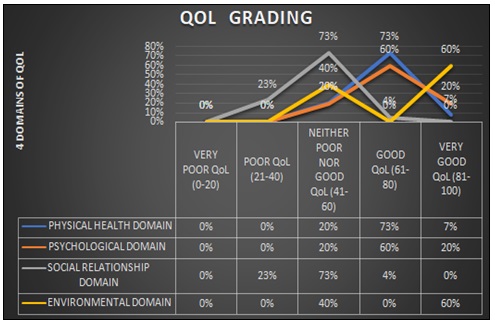
FIG. 1: QOL GRADING IN DIABETIC PATIENTS ACROSS FOUR DOMAINS
QoL grading in diabetic patients across four domains was illustrated in Fig. 1. Among the 30 diabetic patients, 73% (22) demonstrated Good QoL in physical health domain while 60% (18) reported Good QoL in psychological domain, 73% (22) reflected Moderate QoL in social relationship domain, 60% (18) patients showed Very Good QoL in environmental domain.
Group B -Asthma –QOL:
TABLE 4: DESCRIPTIVE CHARACTERISTICS OF ASTHMATIC PATIENTS (GROUP B)
| Variables | N (Frequency) | % (Percentage) |
| Age | ||
| Mean ± SD | 51 ± 13.52 | |
| Minimum Age | 19 | |
| Maximum Age | 77 | |
| Age Group | ||
| 16 -30 | 3 | 10% |
| 31 -40 | 4 | 14% |
| 41 -50 | 7 | 23% |
| 51 -60 | 8 | 27% |
| 61 -70 | 7 | 23% |
| 71 -80 | 1 | 3% |
| Gender | ||
| Male | 17 | 57% |
| Female | 13 | 43% |
| Education | ||
| Uneducated | 2 | 7% |
| Up to Higher Secondary | 22 | 73% |
| Graduate | 4 | 13% |
| Post Graduate | 2 | 7% |
| Duration of Asthma (Years) | ||
| Mean ± SD | 10.65 ± 14.48 | |
| Categories | ||
| <5 Yrs | 17 | 57% |
| 5-10 Yrs | 5 | 17% |
| 10-20 Yrs | 3 | 10% |
| >20 Yrs | 5 | 16% |
| Treatment Choice (Siddha and Allopathy) | ||
| Siddha Only | 17 | 57% |
| Both | 13 | 43% |
The mean age of 30 asthma participants was 51 ± 13.52 years, 57% were males, 73% had education up to higher secondary level and 44% were non-governmental employee. Most (64%) had no family history of asthma and 13% had a history of smoking. The majority (57%) were receiving siddha treatments exclusively. The mean duration of asthma was 10.65 ± 14.48 years, with 57% having a disease duration of less than five years.
TABLE 5: FOUR DOMAIN AVERAGE SCORES ACROSS DIFFERENT CHARACTERISTICS OF ASTHMATIC PATIENTS (GROUP B)
| Variables
|
Symptom domain | Activity Limitation | Emotional Function | Environmental Stimuli Domain | TSQM |
| Mean ± SD | Mean ± SD | Mean ± SD | Mean ± SD | Mean ± SD | |
| Age Groups | |||||
| 16 – 30 | 6.47 ± 0.75 | 6.56 ± 0.28 | 6.67 ± 0.57 | 6.43 ± 1.15 | 77.77± 1.73 |
| 31 – 40 | 6.30 ± 0.41 | 6.42 ± 0.42 | 5.92 ± 0.16 | 5.75 ± 0.50 | 77.08 ± 1.5 |
| 41 – 50 | 6.17 ± 0.75 | 6.36 ± 0.34 | 5.81 ± 0. 79 | 5.48 ± 1.06 | 75 ± 1.73 |
| 51 – 60 | 6.10 ± 0.72 | 6.09 ± 0.80 | 6.08 ± 0.70 | 6 ± 0.75 | 71.88 ± 2.74 |
| 61 – 70 | 6.37 ± 0.86 | 6.18 ± 1.07 | 5.71 ± 0.67 | 6.33 ± 0.78 | 75 |
| 70 – 80 | 6.20 | 6 | 6 | 7 | 75 |
| Gender | |||||
| Male | 6.38 ± 0.65 | 6.34 ± 0.57 | 6.16 ± 0.54 | 6.18 ± 0.88 | 75.5 ± 1.97 |
| Female | 6.08 ± 0.71 | 6.17 ± 0.83 | 5.72 ± 0.75 | 5.79 ± 0.87 | 73.72 ± 1.66 |
| Education | |||||
| Uneducated | 6. 20 ± 0.84 | 6.38 ± 0.53 | 5.17 ± 1.77 | 5.17 ± 1.17 | 75 |
| UP TO HSC | 6.21 ± 0.74 | 6.16 ± 0.75 | 5.97 ± 0.60 | 6 ± 0.87 | 74.25 ± 2.05 |
| Graduate | 6.25 ± 0.50 | 6.50 ± 0.35 | 6.08 ± 0.68 | 6.25 ± 0.95 | 75 |
| Post Graduate | 6.70 ± 0.42 | 6.69 ± 0.31 | 6.50 ± 0.70 | 6.50 ± 0.70 | 79.16 ± 2.12 |
| Duration of Asthma | |||||
| <5 Yrs | 6.39 ± 0.68 | 6.25 ± 0.79 | 6.02 ± 0.58 | 6.29 ± 0.68 | 74.02 ± 2.09 |
| 5 – 10 Yrs | 6.04 ± 0.59 | 6.20 ± 0.32 | 6 ± 1.10 | 5.67 ± 1.24 | 75 |
| 10 -20 Yrs | 5.27 ± 0.30 | 5.75 ± 0.75 | 5.44 ± 0.60 | 4.67 ± 0.57 | 72.22 ± 1.73 |
| >20 Yrs | 6.56 ± 0.43 | 6.70 ± 0.32 | 6.07 ± 0.59 | 6.20 ± 0.44 | 78.33 ± 1.64 |
| Treatment of Choice (Siddha And Allopathy) | |||||
| Siddha Only | 6.26 ± 0.65 | 6.41 ± 0.39 | 6.12 ± 0.67 | 6.02 ± 0.961 | 75.5 ± 1.66 |
| Both | 6.23 ± 0.74 | 6.08 ± 0.93 | 5.77 ± 0.64 | 6 ± 0.81 | 73.72 ± 2.06 |
| Siddha Treatment Duration | |||||
| 6 Months | 6.37 ± 0.65 | 6.34 ± 0.51 | 6.05 ± 0.58 | 6.07 ± 0.93 | 75.44 ± 2.11 |
| 1 Yr | 6.09 ± 0.87 | 5.89 ± 1.09 | 5.48 ± 0.69 | 6.14 ± 0.9 | 72.61 ± 1.46 |
| 1 – 5 Yrs | 6. 07 ± 0.50 | 6.67 ± 0.28 | 6.22 ± 0.69 | 5.67 ± 0.57 | 75 |
| >5 Yrs | 5.6 | 6.25 | 7 | 5 | 75 |
Values without SD represent single observations.
The mean score of all four domains was higher in those with the following characteristics; 16- 30 years, Males, postgraduates and those exclusively on siddha medication (This parallels the findings for diabetes, suggesting perceived benefits for Siddha-only treatment). Differences in mean scores were observed across strata of duration of illness and siddha treatment duration. The mean score of treatment satisfaction was higher in those with aged 16-30 years, males, post graduates, individuals with more than 20 years of illness duration, those exclusively on siddha medication and those undergoing siddha treatment for less than six months.
TABLE 6: MINI-AQLQ DOMAIN SCORES AMONG ASTHMATIC PATIENTS
| Domain Score | Symptoms Domain | Activity Limitation | Emotional Function | Environment Stimuli | TSQM |
| Mean ± SD | 6.25 ± 0.67
(Good QoL) |
6.27 ± 0.67
(Good QoL) |
5.96 ± 0.65
(Moderate QoL) |
6.01 ± 0.87
(Good QoL) |
74.72 ± 1.84
(Good Satisfaction) |
The highest average score of Mini-AQLQ was found in the activity limitation domain (6.27 ± 0.67) while the lowest average score was found in the emotional function domain (5.96 ± 0.65). Overall, the Asthma patients showed Good Satisfaction scores (74.72 ± 1.84) with their treatments.
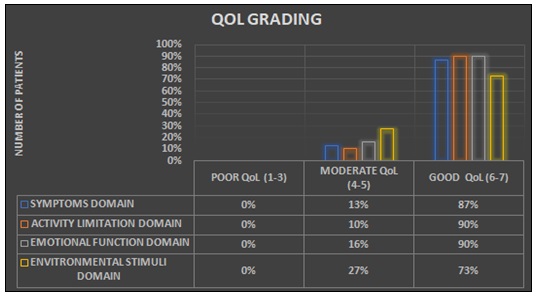
FIG. 2: QOL GRADING IN ASTHMATIC PATIENTS ACROSS FOUR DOMAINS
QoL grading in asthmatic patients across four domains was illustrated in Fig. 2. Among the 30 asthma patients, 87% (26) demonstrated Good QoL in symptoms domain while 90% (27) reported Good QoL in activity limitation domain, 83% (25) reflected Good QoL in emotional function domain. Additionally, 73% (22) showed Good QoL in environmental stimuli domain.
Group C-Hypertension – QOL:
TABLE 7: DESCRIPTIVE CHARACTERISTICS OF HYPERTENSIVE PATIENTS
| Variables | N (Frequency) | % (Percentage) |
| Age (Years) | ||
| Mean ± SD | 59.40 ± 11.02 | |
| Minimum Age | 35 | |
| Maximum Age | 81 | |
| Age Group | ||
| 31 -40 | 1 | 3% |
| 41 -50 | 7 | 23% |
| 51 -60 | 9 | 30% |
| 61 -70 | 7 | 24% |
| 70 -80 | 5 | 17% |
| >80 | 1 | 3% |
| Gender | ||
| Male | 18 | 60% |
| Female | 12 | 40% |
| Education | ||
| Uneducated | 15 | 50% |
| Upto Higher Secondary | 12 | 40% |
| Graduate | 1 | 3% |
| Post Graduate | 2 | 7% |
| Duration of Hypertension (Years) | ||
| Mean ± SD | 5.10 ± 4.57 | |
| Categories | ||
| <5 Yrs | 21 | 70% |
| 5-10 Yrs | 4 | 13% |
| 10-20 Yrs | 5 | 17% |
| Treatment of Choice (Siddha and Allopathy) | ||
| Siddha Only | 6 | 20% |
| Both | 24 | 80% |
| Blood Pressure Status | ||
| Controlled (˂140/90 mmHg) | 24 | 80% |
| Uncontrolled (≥140/90 mmHg) | 6 | 20% |
The mean age of the 30 hypertensive participants was 59.40 ± 11.03 years; 60% were males, 50% were uneducated and 43% were self-employed. Most (80%) had no family history of hypertension, and 14% had diabetes as a comorbidity. A majority (80%) were receiving both siddha and allopathic treatments. The mean duration of hypertension was 5.10 ± 4.57 years, with 70% having a disease duration of less than five years.
TABLE 8: FOUR DOMAIN AVERAGE SCORES ACROSS DIFFERENT CHARACTERISTICS OF HYPERTENSIVE PATIENTS
| Variables | Physical Health | Psychological Domain | Social Relationship | Environmental Domain | TSQM |
| Mean ± SD | Mean ± SD | Mean ± SD | Mean ± SD | Mean ± SD | |
| Age Groups | |||||
| 31 – 40 | 56 | 69 | 44 | 56 | 75 |
| 41 – 50 | 69 ± 4.89 | 72.43 ± 4.62 | 41.29 ± 7.18 | 63 | 76.97 ± 1.60 |
| 51 – 60 | 70.33 ± 9.31 | 72.33 ± 9.93 | 46 ± 11.69 | 63.44 ± 5.87 | 81.16 ± 3.38 |
| 61 – 70 | 67.29 ± 2.92 | 68.86 ± 7.22 | 47.43 ± 15.84 | 59.14 ± 5.21 | 77.38 ± 2.26 |
| 70 – 80 | 69 ± 4.24 | 72.60 ± 5.36 | 41.40 ± 5.81 | 58.80 ± 3.83 | 76.66 ± 1.34 |
| >80 | 56 | 56 | 44 | 56 | 69.44 |
| Gender | |||||
| Male | 69.28 ± 5.37 | 70.94 ± 5.59 | 45.61 ± 12.92 | 61 ± 3.89 | 77.47 ± 2.16 |
| Female | 66.42 ± 8.32 | 70.92 ± 10.10 | 42.42 ± 5.48 | 61.17 ± 6.17 | 78.69 ± 2.83 |
| Education | |||||
| Uneducated | 67.73 ±7.97 | 69.27 ±9.36 | 44.8 ± 7.48 | 61.53 ± 5.52 | 78.69 ± 2.96 |
| UP TO HSC | 68.5 ±3.09 | 73 ± 5.32 | 42.33 ± 10.83 | 60.08 ±3.60 | 77.08 ± 1.86 |
| Graduate | 56 | 69 | 44 | 56 | 75 |
| PG | 75 ±8.48 | 72 ± 4.24 | 53 ± 31.11 | 66 ± 4.24 | 79.16 ± 2.12 |
| Duration of Hypertension | |||||
| <5 YRS | 68.95 ± 7.39 | 71.52 ± 8.01 | 42.71 ± 9.47 | 61.9 ± 5.09 | 77.91 ± 2.47 |
| 5 – 10 YRS | 62.75 ± 5.31 | 65.75 ± 6.5 | 40.75 ± 6.5 | 57.75 ± 3.5 | 81.94 ± 3.31 |
| 10 -20 YRS | 69 | 72.6 ± 5.36 | 54 ± 13.69 | 60.2 ± 3.83 | 75 |
| Treatment of Choice (Siddha and Allopathy) | |||||
| Siddha Only | 69.83 ± 8.30 | 71.83 ± 8.63 | 43.83 ± 17.26 | 64 ± 2.44 | 77.30 ± 1.72 |
| Both | 67.71 ± 6.41 | 70.71 ± 7.45 | 44.46 ± 8.72 | 60.33 ± 5.03 | 78.11 ± 2.59 |
| Siddha Treatment Duration | |||||
| 6 Months | 68.86 ± 8.00 | 66.14 ± 7.26 | 58.71 ± 16.92 | 62 ± 5.74 | 77.38 ± 1.46 |
| 1 Yrs | 70 ± 10.91 | 74.17 ± 9.13 | 44 | 62.67 ± 6.94 | 79.16± 3.67 |
| 1-5 Yrs | 68.54 ± 2.96 | 73.15 ± 5.68 | 39.54 ± 7.12 | 61.38 ± 3.07 | 78.41 ± 2.45 |
| >5 Yrs | 62.75 ± 5.31 | 67.25 ± 8.01 | 44 | 56 | 75.69 ± 2.06 |
Values without SD represent single observations
The mean score of all four domains was higher in those with the following characteristics; 51-60 years, Males, postgraduates and those exclusively on siddha medication. Differences in mean scores were observed across strata of duration of illness and siddha treatment duration. The mean score of treatment satisfaction was higher among those with aged 51-60 years, females, post graduates, individuals with 5 to10 years illness duration, those on both allopathy and siddha medication and those undergoing siddha treatment for less than one year. Notably, patients with uncontrolled hypertension had comparatively lower satisfaction scores.
TABLE 9: WHOQOL-BREF DOMAIN MEAN SCORES AMONG HYPERTENSIVE PATIENTS
| Score | Physical Health | Psychological Domain | Social Relationship | Environment Domain | TSQM |
| Mean ±SD | 68.13 ± 6.73
(Good QoL) |
70.93 ± 7.56
(Good QoL) |
44.33 ± 10.58
(Moderate QoL) |
61.07 ± 4.84
(Good QoL) |
77.97 ± 2.42
(Very Good Satisfaction) |
The highest average score was found in the psychological domain (70.93 ± 7.56) while the lowest average score was found in the social relationship domain (44.33 ± 10.58). Overall, the Hypertensive patients showed Very Good Satisfaction scores (77.97 ± 2.42) with their treatments.
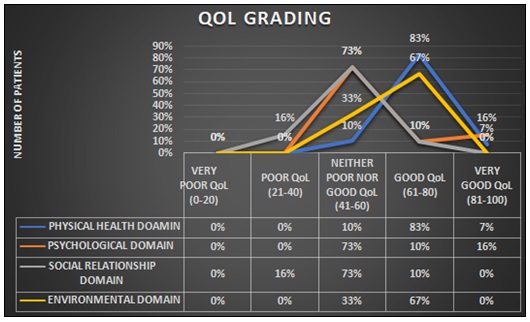
FIG. 3: QOL GRADING IN HYPERTENSIVE PATIENTS ACROSS FOUR DOMAINS
QOL grading in hypertensive patients across four domains was illustrated in Fig. 3. Among the 30 hypertensive patients, 83% (25) demonstrated Good QoL in physical health domain while 73% (22) reported Moderate QoL in both psychological and social relationship domains. Additionally, 67% (20) showed Good QoL in environmental domain.
Treatment Satisfaction (TSQM-9) Results:
TABLE 10: COMPARISON OF TREATMENT SATISFACTION RESPONSE IN THREE DOMAINS ACROSS ALL THE THREE GROUPS
| Domain | Group A (Diabetes)
Mean ± SD |
Group B (Asthma)
Mean ± SD |
Group C (Hypertension)
Mean ± SD |
| Effectiveness | 73.66 ± 0.41
(Good Satisfaction) |
75 ± 0.26
(Good Satisfaction) |
79.25 ± 0.37
(Very High Satisfaction) |
| Convenience | 74.25 ± 0.41
(Good Satisfaction) |
74.25 ± 0.18
(Good Satisfaction) |
75 ± 0.26
(Good Satisfaction) |
| Global Satisfaction | 77.5 ± 0.60
(Very High Satisfaction) |
75 ± 0.45
(Good Satisfaction) |
79.66 ± 0.49
(Very High Satisfaction) |
In Effectiveness domain, Hypertensive patients reported the highest level of satisfaction (79.25 ± 0.37) whereas, Diabetic and Asthma patients both reported Good Satisfaction, with scores of 73.66 ± 0.41 and 75 ± 0.26, respectively. In Convenience domain, Satisfaction levels were remarkably consistent across all three groups, with scores ranging from 74.25 to 75, all falling under the Good Satisfaction category. In Global Satisfaction domain, Hypertensive patients again showed the highest overall satisfaction with a score of 79.66 ± 0.49, Diabetic patients also reported Very High Satisfaction with a score of 77.5 ± 0.60, whereas Asthma patients showed Good Satisfaction at 75 ± 0.45.
DISCUSSION: This study provides valuable insights into the Quality of Life (QoL) and treatment satisfaction among patients with Diabetes Mellitus (Group A), Bronchial Asthma (Group B), and Systemic Hypertension (Group C) receiving Siddha interventions at the Special Outpatient Department (OPD) of Government Siddha Medical College and Hospital (GSMC), Palayamkottai. Direct comparison of quality-of-life scores across the three disease groups was not attempted because different validated instruments were used. However, treatment satisfaction was assessed uniformly using TSQM-9, which permitted descriptive comparison among the disease groups. Across diabetic and hypertensive groups, patients generally reported a Good Quality of Life in the Physical Health, Psychological, and Environmental domains. However, a consistent finding was a Moderate Quality of Life in the Social Relationship domain across these groups, suggesting this area may require further attention. Asthmatic patients generally reported Good Quality of Life in the Symptoms, Activity limitation, Environmental stimuli domains, whereas the Emotional Function domain showed a Moderate Quality of Life. This finding stands in positive contrast to some international studies on Type 2 Diabetes Mellitus, where patients frequently reported lower or poor QoL scores across physical, psychological, and environmental domains, highlighting broader impacts of the disease beyond physical health 3, 6, 18.
Factors such as age, gender, education, occupation, disease duration, family history, and treatment choice (Siddha only vs. Siddha and Allopathy) were found to influence QoL and satisfaction across all patient groups. Notably, younger patients (31-40 years for diabetes, 16-30 years for asthma) and those in the 51-60 age group for hypertension reported higher QoL and satisfaction. Males, postgraduates, and patients exclusively following Siddha treatment consistently showed higher QoL scores. Overall, patients managing these three chronic conditions are generally very satisfied with their treatments, particularly those with Hypertension, who showed both the effectiveness and their overall experience at the highest levels. While convenience is rated consistently well across the board. A critical observation was that uncontrolled diabetic and hypertensive patients showed lower or moderate responses to treatment satisfaction, highlighting a need for tailored interventions to improve their care. The study suggests that incorporating unique Siddha procedures like Thaarai, external therapies, varmam, and counselling could further report favorable QoL and satisfaction, particularly for patients with uncontrolled conditions.
Limitation: This cross-sectional study was conducted at a single point in time which limits the ability to compare pre- and post-treatment outcomes. Due to time constraints and chronic nature of non-communicable diseases, longitudinal data collection was not feasible. Additionally, the relatively small sample size (n = 90) may limit the generalizability of the findings. Conducting a large-scale cohort or prospective study in the future would provide more robust evidence and contribute to the continuous improvement of clinical services at our institution. Although both English and Tamil were used during questionnaire administration to facilitate participant understanding, formal linguistic validation and reliability assessment of the translated Mini-AQLQ and TSQM-9 questionnaires were not performed, which may have influenced the interpretation of patient-reported outcomes. Different QoL instruments were used for asthma and diabetic and hypertensive groups, which limits direct comparison across diseases. Uniform biochemical parameters such as HbA1c and standardized blood glucose measurements were not available for all diabetic participants. Similarly, asthma severity indices and complication profiles were not systematically recorded. These factors may have influenced the interpretation of clinical characteristics.
CONCLUSION: The present study showed that patients with Diabetes Mellitus, Bronchial Asthma, and Systemic Hypertension, attending the Special OPD of Government Siddha Medical College and Hospital, Palayamkottai generally reported favorable quality of life and treatment satisfaction scores. Thirty patients from each OPD, adhering to treatment for ≥6 months, were assessed. Diabetic patients showed Good QoL in environmental, psychological, and physical domains, with Moderate social relationship scores; satisfaction was Good. Asthma patients had Good QoL in symptoms, activity, and environmental domains, but Moderate emotional function; satisfaction remained Good. Hypertensives demonstrated Good QoL in psychological, physical, and environmental domains, with Moderate social relationships; treatment satisfaction was Very Good. Uncontrolled diabetic and hypertensive patients reported Moderate satisfaction, highlighting the need for focused interventions. Strengthening Siddha-specific procedures such as Thaarai, external therapies, varmam, and counselling, along with continuous patient feedback, is recommended to further improve patient- reported outcomes and service quality.
ACKNOWLEDGEMENT: The authors acknowledge the developers and respective organizations associated with the WHOQOL-BREF, Treatment Satisfaction Questionnaire for Medication (TSQM), and Mini Asthma Quality of Life Questionnaire (Mini-AQLQ) for developing standardized and validated assessment tools used in the present study. The authors are grateful to the patients and staff of Government Siddha Medical College Hospital, Palayamkottai, for their cooperation and support during the study.
CONFLICT OF INTEREST: The authors declare that there are no conflicts of interest regarding the publication of this article.
REFERENCES:
- World Health Organization: Noncommunicable diseases. Geneva: World Health Organization, 2023. Available from: https://www.who.int/news-room/fact-sheets/detail/noncommunicable-diseases.
- World Health Organization: Noncommunicable diseases in India. Geneva: World Health Organization, 2023. Available from: https://www.who.int/india/health-topics/noncommunicable-diseases.
- Abedini MR, Bijari B, Miri Z and ShakhsEmampour F: The quality of life of the patients with diabetes type 2 using EQ-5D-5L in Birjand. Health Qual Life Outcomes 2020; 18: 18.
- Al-Ghamdi MS, Al-Hassan AA and Al-Ghamdi AS: Quality of life in a sample of hypertensive patients attending primary health care facilities in Al-Khobar, Saudi Arabia. J Fam Community Med 2002; 9(1): 25-32.
- Ali R, Qureshi MA and Aamir IS: Assessment of quality of life in bronchial asthma patients. Cureus 2020; 12(10): 10845.
- Amin MF, Bhowmik B and Rouf R: Assessment of quality of life and its determinants in type 2 diabetes patients using the WHOQOL-BREF instrument in Bangladesh. BMC Endocr Disord 2022; 22: 162.
- Debnath P, Prakash A and Banerjee S: Quality of life and treatment satisfaction observed among Indians with diabetic foot ulcers undergoing Ayurvedic adjunct therapy. J Evid Based Complement Alternat Med 2015; 20(1): 13-19.
- Ha NT, Duy HT, Le NH, Khanal V and Moorin R: Quality of life among people living with hypertension in a rural Vietnam community. BMC Public Health 2014; 14: 833.
- John R, Muralidharan AR, Thomas N and Rajaratnam A: Evaluation of quality of life in type 2 Diabetes Mellitus patients using quality of life instrument for Indian diabetic patients: A cross-sectional study. J Midlife Health 2019; 10(2): 81-88.
- Kharaba Z, Omari S and Al-Zoubi NA: An assessment of quality of life in patients with asthma through physical, emotional, social and occupational aspects: A cross-sectional study. Front Public Health 2022; 10: 883784.
- Mishra SR, Sharma A and Bhandari PM: Depression and health-related quality of life among patients with type 2 Diabetes Mellitus: A cross-sectional study in Nepal. PLoS One 2015; 10: 0141385.
- Oluchi SE, Agboeze J and Anyanwu FC: Health-related quality of life measurements for diabetes: A systematic review. Int J Environ Res Public Health 2021; 18(17): 9245.
- Patil M, Hedaoo RP and Shah RP: Assessment of health-related quality of life among male patients with controlled and uncontrolled hypertension in semi-urban India. Inquiry 2023; 60: 469580231167010.
- Patil S, Patil Y and Patil SK: Assessment of quality of life in type 2 Diabetes Mellitus patients using World Health Organization quality of life-BREF questionnaire and appraisal of diabetes scale: A cross-sectional study. Ital J Med 2021; 15: 164-169.
- Puspasari S and Farera DR: Quality of life among patients with type 2 Diabetes Mellitus in outpatient department, general public hospital, West Java. IJCS 2021; 14: 897-906.
- Shimels T, Abebaw M and Bilal AI: Health-related quality of life of patients with type 2 Diabetes Mellitus and hypertension in Addis Ababa, Ethiopia. Ethiop J Health Sci 2022; 32(2): 381-392.
- Stanescu S, Kirby SE, Thomas M, Yardley L and Ainsworth B: A systematic review of psychological, physical health factors and quality of life in adult asthma. NPJ Prim Care Respir Med 2019; 29: 37.
- Trikkalinou A, Papazafiropoulou AK and Melidonis A: Type 2 diabetes and quality of life. World J Diabetes 2017; 8(4): 120-129.
- Tusa BS, Geremew BM and Tefera MA: Health-related quality of life and associated factors among adults with and without diabetes in Adama City, East Shewa, Ethiopia: Using generalized structural equation modeling. Health Qual Life Outcomes 2020; 18: 83.
How to cite this article:
Prakathi R, Janarthanan A, Preyadarsheni K and Chandran GS: Quality of life and treatment satisfaction among patients receiving siddha care in a special outpatient department: a cross-sectional study. Int J Pharm Sci & Res 2026; 17(10): 3079-91. doi: 10.13040/IJPSR.0975-8232.17(10).3079-91.
All © 2026 are reserved by International Journal of Pharmaceutical Sciences and Research. This Journal licensed under a Creative Commons Attribution-NonCommercial-ShareAlike 3.0 Unported License.
Article Information
21
3079-3091
853 KB
5
English
IJPSR
R. Prakathi *, A. Janarthanan, K. Preyadarsheni and G. Subash Chandran
Department of PG Pothu Maruthuvam, Government Siddha Medical College, Palayamkottai, Tirunelveli, Tamil Nadu, India.
prakathi131998@gmail.com
16 May 2026
10 June 2026
21 June 2026
10.13040/IJPSR.0975-8232.17(10).3079-91
01 October 2026
 Download