




REDEFINING BIOAVAILABILITY OF ANTIPSYCHOTICS IN SCHIZOPHRENIA THERAPY USING NANOSUSPENSION-BASED APPROACHES
HTML Full TextREDEFINING BIOAVAILABILITY OF ANTIPSYCHOTICS IN SCHIZOPHRENIA THERAPY USING NANOSUSPENSION-BASED APPROACHES
Pooja Gupta *, Aditya Narayan, Shruti Ajitkumar Patel, Sejal Vaghela, Priyanshi Patel and Falguni Jaiswal
Department of Pharmaceutics, Swaminarayan University, Ahmedabad, Gujarat, India.
ABSTRACT: Schizophrenia, a chronic neuropsychiatric disorder, requires long-term administration of antipsychotic drugs, many of which suffer from poor aqueous solubility and low oral bioavailability. These pharmacokinetic limitations often result in subtherapeutic exposure, variable patient responses, and an increased risk of non-compliance. Nanosuspension-based drug delivery has emerged as a promising strategy to overcome these challenges by enhancing the dissolution rate and systemic absorption of poorly water-soluble antipsychotics. This review explores recent advancements in nanosuspension technology, including top-down and bottom-up fabrication methods, surface modification strategies, and targeted delivery approaches. Emphasis is placed on the role of nanosuspensions in optimising the pharmacokinetic profiles of atypical antipsychotics such as risperidone, olanzapine, and quetiapine. Furthermore, we highlight preclinical and clinical data supporting their use, discuss regulatory considerations, and propose future directions for personalised nanosuspension-based schizophrenia therapy. Overall, nanosuspension formulations offer a transformative avenue for improving drug bioavailability, therapeutic efficacy, and patient adherence in schizophrenia management.
Keywords: Nanosuspension, Schizophrenia, Antipsychotics, Bioavailability enhancement, poorly soluble drugs, Nanotechnology
INTRODUCTION: Schizophrenia is a chronic and serious neuropsychiatric condition marked by abnormalities in perception, thoughts, emotions, and social interactions. The disease affects roughly 24 million individuals throughout the world and continues to be the major cause of disability among young people.
Schizophrenic patients typically experience positive symptoms, such as hallucinations and delusions, negative symptoms, for example, social isolation and affective flattening, and cognitive deficits, which may include difficulty focusing, remembering information, and planning actions.
Antipsychotics have been the gold standard treatment for schizophrenia until today; however, their efficacy is compromised by poor adherence, toxicity, and inadequate pharmacokinetics 1. For the last few decades, both conventional and atypical antipsychotic medications have proved successful in the control of psychosis. Nonetheless, numerous antipsychotic drugs present undesirable physicochemical and biopharmaceutical characteristics limiting their therapeutic potential. In particular, such widely used antipsychotic medicines as olanzapine, quetiapine, aripiprazole, lurasidone, ziprasidone, and zotepine lack adequate aqueous solubility and dissolution-limited absorption. These compounds mostly belong to the group of BCS Class II drugs because of low solubility and high permeability. Inability to dissolve rapidly may lead to poor bioavailability, irregular plasma drug levels, delayed action, and poor therapeutic response 2-3.
Apart from the solubility issues, another problem for many antipsychotics is their extensive first-pass effect, which further limits systemic bioavailability. For instance, olanzapine and quetiapine are extensively metabolised in the liver; aripiprazole displays dissolution-limited absorption as well as considerable pharmacokinetic variability. As a result, it may be necessary to administer an increased dosage or frequency, which may cause adverse events such as sedation, metabolic syndrome, weight gain, cardiovascular effects, and extrapyramidal symptoms. Therefore, the development of more effective drug delivery systems for antipsychotics remains an urgent necessity without compromising their biological efficacy 4.
Nanotechnology offers exciting prospects for improving poorly soluble drugs' performance by means of innovative drug delivery systems. In particular, nanosuspensions represent a simple, flexible, and effective way to improve drug dissolution rate and bioavailability. Nanosuspensions refer to submicron dispersions containing pure drug crystals or amorphous particles stabilised by surfactants or polymers. In contrast to liposomes, polymeric nanoparticles, solid lipid nanoparticles, nanostructured lipid carriers, and micelles, nanosuspensions do not involve encapsulation of the drug substance into carriers but consist of free particles suspended in a suspension vehicle. Consequently, this approach ensures extremely high drug loading levels while using minimal amounts of other ingredients 5-8. Advantages of nanosuspensions as therapeutic agents mainly lie in the reduction in particle size to the nanometre level. The basic premise is that reduced particle size increases surface area, leads to faster dissolution rates, and increases apparent saturation solubility according to the Noyes–Whitney and Ostwald–Freundlich equations. These benefits contribute together to improved absorption and systemic exposure of the active compound. Several studies have reported the ability of nanosuspensions to increase the dissolution rates, oral bioavailability, and pharmacokinetics efficiency of poorly soluble drugs. Additionally, there is an option to develop nanosuspensions to suit different routes of administration, such as oral, parenteral, ocular, pulmonary, or intranasal administration.
Studies in recent years have investigated the use of nanosuspensions as drug delivery systems for antipsychotic drugs to increase bioavailability, decrease pharmacokinetic variability, increase brain exposure, and develop alternative routes of administration. Despite the positive results obtained during preclinical testing and formulation development, several problems are still relevant, such as stability, large-scale production, regulatory requirements, safety, and translation into the clinic 9.
In other words, this narrative review aims to critically analyse the importance of the nanosuspension technique for enhancing the delivery of antipsychotics for schizophrenia treatment. Specifically, this review covers aspects such as formulations, modes of increasing bioavailability, physicochemical characteristics, delivery capabilities, safety aspects, limitations, and prospects concerning the application of nanosuspensions of antipsychotics for clinical applications 10.
Limitations of Conventional Antipsychotic Formulations: Several drugs that are used today in the treatment of schizophrenia have very low aqueous solubility and limited dissolution rates as their rate-controlling step. Examples include olanzapine, quetiapine, aripiprazole, ziprasidone, lurasidone, and several others, which are all BCS Class II drugs that have low solubility but high permeability. Lack of adequate solubility may lead to insufficient drug absorption and variability in plasma concentrations 11-12.
Moreover, the hepatic first-pass effect results in reduced systemic bioavailability. These factors often lead to increased dosages, which in turn cause various side effects like metabolism problems, drowsiness, and extrapyramidal reactions. One such promising strategy is the use of nanosuspensions. Nanosuspensions reduce the particle size of drugs to the nanometre scale, thus significantly increasing their surface area, rate of dissolution, and apparent saturation solubility while maintaining the unchanged molecular structure of the substance 13-15.
TABLE 1: BIOPHARMACEUTICAL LIMITATIONS OF COMMON ANTIPSYCHOTIC DRUGS
| Drug | Major Limitation | Potential Benefit of Nanosuspension |
| Olanzapine | Poor solubility, first-pass metabolism | Improved dissolution and absorption |
| Quetiapine | Extensive hepatic metabolism | Enhanced bioavailability |
| Aripiprazole | Dissolution-limited absorption | Improved systemic exposure |
| Lurasidone | Food-dependent absorption | Reduced variability |
| Ziprasidone | Poor aqueous solubility | Faster dissolution |
| Zotepine | Low oral bioavailability | Improved absorption |
Need for Bioavailability Enhancement: Enhancing the bioavailability of antipsychotic drugs is a key step towards maximising treatment effectiveness, decreasing dosing intervals, and reducing side effects. Nanotechnology-based drug delivery systems, specifically nanosuspensions, present a strong solution to this problem. Nanosuspensions are colloidal suspensions of sub-micron drug particles stabilised by surfactants or polymers in a water-based medium. They increase the surface area of poorly soluble drugs significantly, resulting in faster dissolution rates according to the Noyes–Whitney equation 16.
Aside from enhanced dissolution and absorption, nanosuspensions can be designed for targeted delivery, e.g., intranasal delivery for direct nose-to-brain delivery of drugs, avoiding the blood–brain barrier and first-pass metabolism. This is particularly useful in psychiatric treatment, where quick onset and CNS selectivity are critical. Moreover, nanosuspension formulations can be incorporated into a variety of multiple dosage forms such as oral, injectable, or inhalation systems, and thus offer flexibility in clinical use 17.
Ultimately, the application of nanosuspension technology in schizophrenia pharmacotherapy holds great promise for enhancing drug efficacy, tailoring therapy, and enhancing patient quality of life. Continuing progress in formulation science, surface engineering, and nanocarrier hybrid systems should drive the clinical translation of these emerging therapies into the near future 18.
Clinical Need for Enhanced Antipsychotic Delivery System: There are several antipsychotic agents available; however, obtaining a constant therapeutic effect from them in patients suffering from schizophrenia is difficult due to high interindividual differences associated with the pharmacokinetics of the drug and poor patient compliance. Several antipsychotics need to be used over an extended period; moreover, their concentrations in blood plasma experience variations owing to low aqueous solubility, irregular gastrointestinal uptake and extensive first-pass effect. These variations may have an impact on poor therapy results and potential side effects. Hence, developing a system of delivery for an antipsychotic medication that can provide efficient drug dissolution, bioavailability increase, dose standardisation, and alternative ways of drug delivery would be highly beneficial 19-20.
Review Methodology: The current manuscript is a narrative review that aims to assess the efficacy of the use of drug delivery based on nanosuspensions as an approach towards enhancing the bioavailability and improving the therapeutic effect of antipsychotic drugs for the treatment of schizophrenia.
Literature Search Strategy: Literature related to this topic was extensively searched across several electronic databases, including PubMed, Scopus, Web of Science, ScienceDirect, Google Scholar, and CrossRef. Literature covering January 2010 – March 2026 was selected through a systematic search process. Keywords and MeSH terms were utilised for conducting the literature search. Some of the key search terms include:
- Antipsychotic nanosuspension
- Schizophrenia AND nanosuspension
- Antipsychotic drugs
- Bioavailability enhancement and nanosuspension
- Risperidone nanosuspension
- Olanzapine nanosuspension
- Quetiapine nanosuspension
- Aripiprazole nanosuspension
- Brain delivery of antipsychotics
- Nanosuspension formulation
- Drug nanocrystals
- Intranasal delivery of antipsychotics
Inclusion Criteria: The following studies were included: original articles published in scientific journals, Articles dealing with nanosuspensions or nanocrystals of antipsychotic medications, research related to in-vitro, ex-vivo, in-vivo, pharmacokinetic, formulation development, and stability studies, Papers written in English and Research published from 2010 to 2026.
Exclusion Criteria: The following articles were excluded: Conference papers, editorials, letters, patents, Papers published not in English, Papers describing only nanosuspension content, and duplicate articles. Articles that did not contain enough formulation data.
Searching and Selection: In total, 348 studies were found by database searching. After duplicate removal, 276 articles were considered for title and abstract examination. Then, according to the relevance assessment and inclusion/exclusion criteria, 124 articles were chosen to be read in full-text version. As a result, 97 full-text articles were selected for further review and qualitative study.
Data Extraction: The relevant data, such as drug candidate, technique, particle size, PDI (polydispersity index), zeta potential, stabiliser system, dissolution characteristics, pharmacokinetics results, safety profile, and therapy issues, were obtained from selected articles and reviewed.
Nanosuspension Technology:
Principles and Advantages: Nanosuspensions are colloidal dispersions of pure drug particles between 100 and 1000 nanometres in size, stabilised with surfactants and/or polymers in a water medium. In contrast to other nanocarriers, which involve encapsulating the drug into a matrix or vesicle, nanosuspensions are made up of pure drug crystals that are dispersed homogeneously to avoid aggregation and preserve physical stability 21.
This technology is especially suited for drugs that are not very water-soluble (BCS Class II or IV), which make up a large percentage of newly synthesised pharmaceutical molecules. Nanosuspensions are designed to increase the rate of dissolution, enhance drug absorption, and ultimately systemic bioavailability, particularly when traditional formulation strategies do not provide therapeutic efficacy 22.
Mechanisms for Improving Solubility and Absorption: Nanosuspension technology takes advantage of several physicochemical principles to improve the solubility and bioavailability of poorly water-soluble drugs:
Increased Surface Area: Based on the Noyes–Whitney equation, decreasing particle size results in a tremendous increase in surface area, thus speeding up the rate of dissolution in biological fluids 23.
Increased Saturation Solubility: As a result of the higher surface free energy of nanosized particles, saturation solubility can be increased, leading to a greater concentration gradient and enhanced passive diffusion across biological membranes 24.
Increased Adhesion and Mucoadhesion: Nanosuspensions are more likely to adhere to mucosal surfaces (e.g., gastrointestinal lining or nasal mucosa), enhancing residence time and local absorption 25.
First-Pass Metabolism Avoidance (in Certain Routes): Alternative routes of administration like intranasal, buccal, or pulmonary delivery by means of nanosuspensions have the potential to avoid hepatic first-pass metabolism, providing improved bioavailability for drugs targeting the CNS, like antipsychotics 26.
Stabilised Pharmacokinetics: Through enhancement of solubility and dissolution characteristics, nanosuspensions can minimise variability in plasma levels of drugs and provide more predictable pharmacokinetic profiles 27.
Fabrication Techniques for Antipsychotic Nanosuspensions: Nanosuspension preparation is very important in attaining maximum particle size, stability, and drug release profile. The chosen technique may influence the drug's bioavailability, pharmacokinetics, and scale-up facility. The methods are mainly classified as top-down, bottom-up, and hybrid strategies. All techniques have their own strengths, weaknesses, and appropriateness depending on the drug's physicochemical properties.
Top-Down Approaches: Top-down methods consist of the mechanical breakdown of coarse drug particles into the nanometre size range through external energy. These are the most widely used and scalable processes among pharmaceutical industries 28.
High-Pressure Homogenization (HPH): HPH, a drug suspension is pumped through a thin gap under high pressure (as high as 1500 bar), resulting in particle collision, cavitation, and shear that decrease particle size. Example: HPH-prepared risperidone nanosuspensions have exhibited enhanced dissolution rates and increased drug concentrations in the brain in animal models. Advantages area scalable, reproducible, solventless process; both oral and parenteral use are suitable 29.
Media Milling (Nano-milling): The drug is milled in the presence of grinding media (most commonly zirconium beads) and stabilisers to avoid agglomeration in this process. Example: Wet media-milled olanzapine nanosuspensions have displayed enhanced oral bioavailability and less frequent dosing. Advantages are strong, economical, and appropriate for heat-labile drugs. Limitations include risk of contamination from milling media and longer processing times 30.
Bottom-Up Approaches: Bottom-up approaches include precipitation or crystallisation of drug particles from a supersaturated solution. The methods are founded on controlled nucleation and growth of nanocrystals 31.
Antisolvent Precipitation: The drug is dissolved in a water-miscible organic solvent and mixed quickly with an antisolvent (most often water with stabilisers), causing precipitation of nanocrystals. Example: Quetiapine nanosuspensions were successfully prepared through antisolvent precipitation with stabilisers such as poloxamers. Advantages include highly controllable particle formation and less energy demanding compared to top-down processes. Disadvantages are the need for controlled solvent removal and stabilisation, and the chance of uncontrolled crystal growth and aggregation 32.
Controlled Crystallisation Techniques: Applied in thermodynamically stable nanocrystals by fine-tuning temperature, pH, and solvent proportions during precipitation. Less practiced in industry because of the complexity of the formulation 33.
Hybrid Techniques: Hybrid methods take the advantages of both the top-down and bottom-up methods to overcome the shortcomings of either method. In general, a drug is precipitated (bottom-up) first and followed by mechanical size reduction (top-down) to obtain uniform nanocrystal size distribution and enhanced stability.
Precipitation Followed by Homogenization (Precipitation–HPH): This two-stage technique improves process efficiency with the generation of smaller particles and less mechanical stress. Example: Risperidone studies indicated that the hybrid approach resulted in higher saturation solubility and quicker onset of action, which is important for treating acute episodes of schizophrenia. Advantages are reduced energy requirements, improved final particle size control, and greater reproducibility. Disadvantages are that multi-step processing can be challenging for mass production 34.
Difference between Nanosuspensions and Other Types of Nanocarrier Systems: Nanosuspensions are a type of colloidal dispersion, which comprises only the pure drug dispersed as nanometre-scale crystalline or amorphous particles and stabilised by surfactant or polymer molecules suspended in an aqueous solution. In contrast to many nanocarrier-based systems, the drug molecules are not incorporated in the form of the carrier matrix; rather, they are present free in a nanoscale dispersion form. This property allows achieving extremely high levels of drug loading without using many other ingredients 35. Various nanotechnology-based drug delivery systems for antipsychotics include solid lipid nanoparticles (SLNs), nanostructured lipid carriers (NLCs), polymeric nanoparticles, PLGA nanoparticles, micelles, transferosomes, nano capsules, and cyclodextrin inclusion complexes. However, despite their possible benefits in improving the drug properties, they should be distinguished from the nanosuspensions since the latter are different in composition, method of drug loading, preparation procedure, and release profile 36-39.
TABLE 2: COMPARISON OF NANOSUSPENSIONS WITH OTHER NANOCARRIER SYSTEMS
| System | Drug Location | Carrier Required | Drug Loading | Main Advantage |
| Nanosuspension | Pure drug nanocrystals | No | Very High | Improved dissolution |
| SLN | Drug in lipid matrix | Yes | Moderate | Controlled release |
| NLC | Drug in mixed lipids | Yes | Moderate | Improved stability |
| PLGA Nanoparticle | Drug in polymer matrix | Yes | Moderate | Sustained release |
| Micelle | Drug in hydrophobic core | Yes | Low–Moderate | Solubilization |
| Transferosome | Drug in a deformable vesicle | Yes | Moderate | Skin permeation |
| Nanocapsule | Drug in polymer shell | Yes | Moderate | Drug protection |
These fabrication techniques provide a toolbox for tailoring antipsychotic nanosuspensions depending on the desired therapeutic outcome, drug characteristics, and route of administration. The choice of method ultimately depends on the balance between Efficacy, scalability, and regulatory compliance 40.
Case Studies on Specific Antipsychotics: Nanosuspension formulations have been extensively explored for various antipsychotic drugs to overcome limitations such as poor aqueous solubility, erratic absorption, and high first-pass metabolism. Below are selected case studies highlighting key findings and outcomes for commonly prescribed antipsychotics 41.
Risperidone:
Background: Risperidone is a second-generation antipsychotic employed in the treatment of schizophrenia, bipolar disorder, and irritability in autism. Risperidone is water insoluble with about 70% bioavailability and is metabolised in the liver to its active metabolite, 9-hydroxy risperidone 42.
Nanosuspension Results: Formulation techniques are high-pressure homogenization and precipitation ultrasonication methods. Major Findings is risperidone nanosuspension resulted in a 2–3 times increase in dissolution rate, enhanced absorption, and brain delivery in animal models 43. Clinical Implication: Enhanced onset of action and possibility of decreased dosing intervals in acute psychotic disorders 44.
Olanzapine: Olanzapine is a commonly prescribed atypical antipsychotic with limited oral bioavailability (~60%) because of poor water solubility and extensive first-pass metabolism.
Nanosuspension Results: Formulation Technique: Wet media milling and antisolvent precipitation 46-47.
Key Results: Investigations demonstrated a remarkable increase in saturation solubility and oral absorption, as well as prolonged plasma levels.
Additional Benefit: Potential to create intranasal olanzapine nanosuspensions for expedited CNS delivery and decreased systemic side effects 45-46.
Quetiapine Fumarate:
Background: Quetiapine is a second-generation antipsychotic approved for use in schizophrenia and bipolar disorder. It has low water solubility and is extensively metabolised in the liver 47.
Formulation Technique: Bottom-up antisolvent precipitation and hybrid nanoprecipitation–ultrasound techniques 48.
Key Results: Quetiapine nanosuspensions exhibited enhanced dissolution and permeability through intestinal barriers, reflecting an increased C_max and AUC in-vivo.
Therapeutic Potential: Could improve therapeutic potency with reduced dose-dependent side effects 49.
Aripiprazole:
Background: Aripiprazole is a partial agonist of dopamine D2 receptors with an unusual mechanism of action. Despite good membrane permeability, poor solubility hampers absorption.
Formulation Technique: Media milling and solvent evaporation-based methodologies.
Major Findings: Attained improved drug solubility and extended release for 24 hours, appropriate for long-term therapy.
Clinical Relevance: Provides the possibility of once-daily or long-acting injectable nanosuspension products 50-55.
TABLE 3: REPRESENTATIVE ANTIPSYCHOTIC NANOSUSPENSION FORMULATIONS REPORTED IN THE LITERATURE
| Drug | Preparation Method | Particle Size (nm) | PDI | Zeta Potential (mV) | Stabilizer | Major Findings | Pharmacokinetic/In-vivo Outcome |
| Risperidone | Nanoprecipitation | 215.56 ± 12.65 | NR | -19.84 ± 2.55 | Pluronic F127 | Significantly improved dissolution compared with the pure drug | Approximately a 2-fold increase in oral bioavailability in rabbits compared with marketed tablets |
| Aripiprazole | Nanoprecipitation/Homogenization based on acid–base neutralisation | 350 | 0.20 | NR | Optimized stabilizer system | Enhanced solubility and dissolution rate | Relative bioavailability 123.43% vs commercial tablet and 171.41% vs coarse suspension |
| Olanzapine | RESS/RESSAS nanosuspension process | 150–350 | NR | NR | PEG + SLS (best stability) | Significant increase in dissolution rate; stable nanosuspension after freeze-drying | PK data not reported. |
| Quetiapine Fumarate | Media milling | NR | NR | NR | NR | Developed a nanosuspension for enhancement of solubility and oral delivery of a BCS Class II drug | PK data not reported. |
Sustained Release and Nanosuspensions: First and foremost, the main reason why nanosuspensions were developed lies in the possibility of increasing the dissolution rate, saturation solubility, and bioavailability of poorly water-soluble drugs by reducing their particle size. In particular, a decrease in the particles' sizes will allow increasing the surface area of a substance significantly, which will accelerate the process of their dissolution and absorption. Thus, the use of nanosuspensions cannot be automatically associated with creating a sustained-release dosage form because usually, the opposite effect occurs. Namely, sustained and controlled drug delivery typically requires specific strategies related to depot systems, polymeric matrices, extended-action formulations, implants, liposomes, etc. Moreover, while some forms of nanosuspensions can have sustained release properties under particular conditions, this feature depends solely on the formulation and should not be considered inherent 56-59.
At the same time, physicochemical characteristics such as zeta potential impact only the colloid stability and particle aggregation, not the drug-release profile.
Hence, statements about sustained, extended release, prolonged action, and controlled drug delivery require appropriate proof from in-vitro and in-vivo release experiments 60.
Delivery to CNS and Intranasal Administration: Current Knowledge and Its Inadequacies: The intranasal route has been of great interest as a novel strategy for the administration of antipsychotic medications because of the extremely rich vasculature in the nasal cavity, along with the possible participation of olfactory and trigeminal nerves in the drug's transport. The use of nanosuspensions may help to enhance the drug's solubility and absorption 61- 62. Still, no certainty using the intranasal route automatically translates into successful nose-to-brain drug delivery. Proving the achievement of the nose-to-brain strategy will involve performing a series of pharmacokinetic studies with the assessment of such factors as the ratio of brain-to-plasma concentration of the drug, the efficiency of drug targeting (DTE%), the percentage of direct transport (DTP%), behaviour changes, and safety for the nasal mucosa. Even though some preclinical studies have shown higher brain levels of the drug after intranasal administration, the evidence in this respect is still insufficient and dependent on the drug formulation 63-65. All in all, antipsychotic nanosuspensions delivered through the nasal route present an interesting topic to explore further, although further studies are needed.
Pharmacokinetics and Pharmacodynamics: Nanosuspension drug delivery systems have a key function in adjusting the absorption, distribution, and duration of action of antipsychotic medication. Nanosuspensions enhance the physicochemical properties of antipsychotic drugs, which affects both pharmacokinetic (PK) parameters (i.e., Cmax, Tmax, AUC) and pharmacodynamic (PD) effects (e.g., symptom control and occupancy of receptors in the CNS) 66.
Absorption Enhancement: Poor solubility in water is a significant rate-limiting factor for the oral bioavailability of most antipsychotics (e.g., olanzapine, risperidone). Nanosuspensions address this by decreasing particle size, which enhances surface area and dissolution rate. Increasing saturation solubility results in an increased concentration gradient for passive diffusion 67. Increasing Mucoadhesionenables increased residence time in the gastrointestinal (GI) tract.
Pharmacokinetic Impact:
↑ Cmax (peak plasma level)
↓ Tmax (time to achieve peak levels)
↑ AUC (cumulative drug exposure)
↓ Intra- and inter-patient variability 68-69.
Pharmacodynamics Issues and Existing Evidence: The advantages that are being gained from nanosuspension technology are mainly focused on formulation issues, including poor solubility, poor dissolution, and inadequate bioavailability. Even though enhanced pharmacokinetic profiles could lead to better drug exposure at both systemic and tissue levels, pharmacodynamic responses cannot be determined just by achieving higher bioavailability. Issues like D2 receptor occupancy, modulation of 5-HT2A receptors, improvement of symptoms, avoidance of relapses, cognitive functioning, and extrapyramidal side effects must still be assessed separately 70. Currently available scientific evidence on antipsychotic nanosuspensions has been mostly derived from formulation studies, physicochemical analysis, dissolution experiments, and preliminary pharmacokinetics. Thus, any claim about better clinical performance, better symptom management, or reduced side effects of antipsychotics in nanosuspensions can only be regarded with caution 71-73.
CNS Targeting:
Delivery to the CNS and Intranasal Administration: The use of intranasal administration is increasingly gaining prominence as a novel method of delivery of antipsychotic drugs to the central nervous system. Intranasal administration does not necessarily mean that the drug will be transported from the nose directly to the brain. There must be supporting documentation to prove efficacy in terms of brain to plasma ratio, drug targeting efficiency (DTE), direct transport percentage (DTP), pharmacokinetics, bio-distribution, and behaviour 74-75. Presently, there is sufficient evidence to prove that intranasal nanosuspensions increase brain exposure to antipsychotic drugs; however, further clinical trials are necessary to prove their efficacy over conventional forms. Sustained release mechanisms are 76.
Illustrative Example: An intranasally administered risperidone nanosuspension in rats exhibited a 3-fold brain concentration increase over oral tablets, with prolonged plasma levels up to 24 hours. This equated to improved control of behaviour in rodent psychosis models at lower total doses 77.
Regulatory and Safety Considerations: The use of nanosuspensions has shown considerable promise in enhancing the bioavailability of poorly soluble antipsychotic drugs; several technical hurdles need to be overcome during the development process.
Particle Size Distribution and Physical Stability: Particle size distribution is an important characteristic of nanosuspensions as it has a direct effect on bioavailability and efficacy. Regulatory bodies typically require extensive particle analysis and assessment in terms of mean particle size, polydispersity index (PDI), and particle size distribution throughout the entire development process. Aggregation, crystal growth, and Ostwald ripening are some phenomena that can have negative effects on product quality 78.
Polymorphic Transformation and Crystalline Stability: Crystals in drug nanosuspensions are highly susceptible to transformation due to physical forces applied in particle size reduction processes such as wet milling and high-pressure homogenization. The phenomenon of polymorphic transformation affects the solubility, dissolution characteristics, stability, and bioavailability of drugs. Therefore, characterisation methods such as XRD, DSC, and FTIR should be employed during the formulation development process 79.
Stabiliser Selection and Toxicity: Stabilisers are instrumental in inhibiting aggregation and providing long-term nanosuspension stability. Poloxamer 188, Poloxamer 407, PVP, HPMC, and Tween 80 are common stabilising agents. Excessive amounts of surfactants or polymers, or improper selection, can induce toxicity and alter biological response. Hence, safety assessment of excipients is imperative when formulating nanosuspensions 80.
Residual Solvents: Organic solvents used for the synthesis of precipitated nanosuspensions need to be eliminated to reduce toxicity. Appropriate analytical techniques should be considered to ensure that the amount of residual solvent is below recommended maximum limits 81.
Sterility Criteria: For parenteral or nasal routes of administration, sterility is crucial. Processes should be performed under aseptic conditions to ensure that the product does not contain microorganisms, endotoxins, and other particulate contaminants. Proper sterilisation procedures should be chosen without adversely affecting particle and formulation properties 82.
Redispersibility and Stability Tests: Storage causes particle aggregation or sedimentation in nanosuspensions. It is hence essential to conduct tests for redispersibility to ascertain that the suspension is easily reversible. Stability should be assessed for changes in particle size, zeta potential, crystallinity, and solubility 83.
Evaluation of Neurotoxicity and Safety: With the possibility of increased exposure of drugs to the brain, a thorough safety evaluation of antipsychotic nanosuspensions is needed. The effects on neurotoxicity, neuroinflammation, oxidative stress, and tissue accumulation over time should be assessed appropriately in-vitro and in-vivo before any potential clinical usage 84.
TABLE 5: MAJOR REGULATORY AND SAFETY CONSIDERATIONS FOR ANTIPSYCHOTIC NANOSUSPENSIONS
| Aspect | Regulatory/Safety Concern |
| Particle size distribution | Affects dissolution, stability and bioavailability |
| Polymorphism | May alter drug performance |
| Stabilizer toxicity | Potential biological and safety concerns |
| Residual solvents | Toxicity risk if above limits |
| Sterility | Essential for parenteral and intranasal products |
| Redispersibility | Important for product usability |
| Long-term stability | Prevents aggregation and crystal growth |
| Neurotoxicity | Requires comprehensive evaluation |
| Scale-up | Manufacturing reproducibility challenges |
| GMP compliance | Required for commercialisation |
| Batch-to-batch reproducibility | Ensures consistent product quality |
Issues Relating to Up-Scale Production: Despite the successful development at the lab scale, upscaling nanosuspension fabrication can present several difficulties. Critical parameters for process optimisation include homogenization pressure, milling time, stabilisers' concentration, and batch sizes 85.
GMP Standards and Batch-to-Batch Consistency: Manufacturing nanosuspensions commercially involves adhering to certain GMP regulations. Achieving batch-to-batch reproducibility in terms of particle properties, dissolution rates, safety, and efficacy becomes mandatory. Advanced QbD concepts and process validation strategies might prove helpful in this respect 86-87. In conclusion, while the use of nanosuspensions holds many advantages in antipsychotic drug delivery systems, overcoming several barriers associated with regulation, safety, process design, and quality control can become crucial to success 88-89.
Stability, Scalability, and Excipient Safety: Physical stability is a critical parameter, as nanoparticles have a natural tendency to agglomerate due to high surface energy. Stabilisers (e.g., poloxamers, HPMC, PVP) and surfactants (e.g., Tween 80, SLS) are essential to prevent particle growth, sedimentation, and Ostwald ripening. Storage conditions (temperature, light, and pH) significantly affect formulation shelf life. Regulatory guidelines mandate stability testing under ICH conditions for determining product shelf-life and ensuring consistent performance 90-91.
Scalability Challenges: Top-down processes such as high-pressure homogenization and wet milling are scalable but demanding with respect to process parameter control, e.g., pressure, cycle time, and bead contamination. Bottom-up approaches include the use of solvents and solvent evaporation steps that could be problematic in terms of residual solvent toxicity and reproducibility of the process. Hybrid approaches need to show batch-to-batch reproducibility and could have difficulty securing standard operating procedures that are acceptable for regulatory purposes 92-95.
Excipient Safety: Regulatory bodies demand complete safety information on all inactive ingredients employed in nanosuspensions. GRAS (Generally Recognised as Safe) listing or listed excipient databases (e.g., FDA Inactive Ingredient Database) are usually referred toas Surfactants and polymers employed in CNS-directed nanosuspensions need to be non-toxic, non-irritating, and must not disrupt the blood–brain barrier or CNS homeostasis 96.
Regulatory Guidelines for Nanosuspensions in Neurotherapeutics: The regulatory environment for nanosuspensions continues to develop, particularly in the case of neurological or psychiatric drug delivery, where brain penetration, systemic safety, and long-term exposure become key considerations 97.
FDA and EMA Positions: Although there are no independent guidelines per se for nanosuspensions, both the FDA (U.S.) and EMA (Europe) offer frameworks under nanotechnology-based drug products. Nanosuspensions are assessed as traditional dosage forms, but with added attention to:
- Particle size distribution (D90, PDI)
- Surface charge (zeta potential)
- Dissolution enhancement[98]
Key Documents & Expectations:
FDA Guidance on Nanotechnology (2014): Stresses risk-based evaluations, with full disclosure of particle engineering practices and performance attributes.
ICH Q8–Q11 Guidelines: Relevant for formulation development, process control, and quality risk management of nanosuspensions.
EMA Reflection Paper (2013): Discusses nanomedicine product features, such as toxicology, biodistribution, and risk management 99.
Special Considerations for CNS Applications: Any nanoparticle destined for CNS delivery must undergo neurotoxicity tests. Preclinical studies would normally require in-vivo brain biodistribution, behavioural toxicology, and BBB integrity testing. Long-term neurobehavioral safety, immunogenicity, and accumulation risks must be taken into consideration, particularly for chronic schizophrenia drugs 100.
TABLE 6: EXAMPLES OF REGULATORY APPROVED NANOSUSPENSION/NANOCRYSTAL PRODUCTS (GENERAL)
| Product Name | Active Pharmaceutical Ingredient (API) | Indication | Route of Administration | Regulatory Status |
| Rapamune® | Sirolimus | Prevention of organ transplant rejection | Oral | FDA Approved |
| Tricor® | Fenofibrate | Hypertriglyceridemia and dyslipidemia | Oral | FDA Approved |
| Emend® | Aprepitant | Chemotherapy-induced nausea and vomiting | Intravenous | FDA Approved |
| Megace ES® | Megestrol Acetate | Anorexia and cachexia | Oral | FDA Approved |
| Zanaflex Capsules® | Tizanidine | Muscle spasticity | Oral | FDA Approved |
For successful clinical and commercial adoption of nanosuspension-based antipsychotics, formulation developers must focus on:
- Scientific rigour in physicochemical characterisation
- Early and continuous regulatory consultation
- Comprehensive safety and neurotoxicity profiling
- Scalable, GMP-compliant manufacturing processes
These factors ensure that nanosuspension technologies are not only effective but also regulatory-ready and patient-safe for real-world schizophrenia therapy 101.
Future Directions and Challenges: The technology of nanosuspensions has remained an interesting approach towards developing antipsychotic drugs with improved deliverability for years now. Future research is expected to revolve around optimising stability properties, scaling up production, designing efficient intranasal and extended-release systems, and implementing reliable methods of quality control. Modern technologies, such as artificial intelligence, machine learning, quality by design principles, and other advances in the field of process analysis, may prove useful in optimising formulations and managing manufacturing procedures. At the same time, they have not been tested extensively and thus should be used with great caution in practice. Personalised drug treatment, digital twins, and three-dimensional printing also have a great deal of potential for further pharmaceutical innovations. Despite that, such approaches still pose serious technical, regulatory, and economic issues that should be solved at the research level. All future advancements will require close collaboration between experts of different disciplines: formulation scientists, pharmacologists, engineers responsible for production, and many more. Translational research and appropriate regulation will become essential aspects in bringing antipsychotic nanosuspensions into practical use. To summarise, the technology under discussion provides promising opportunities but faces numerous challenges both in terms of science and business. As the therapeutic demands in schizophrenia evolve, the future of nanosuspension technology lies in personalisation, intelligent design, and patient-centric approaches. While nanosuspensions have already shown significant promise, several transformative innovations and ongoing challenges will shape their clinical and commercial trajectory 102.
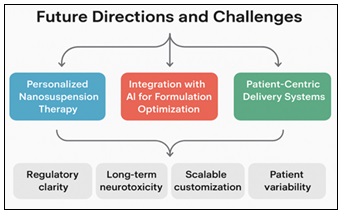
FIG. 1: FUTURE DIRECTIONS AND CHALLENGES
There is still a high potential in nanosuspension technology in improving the delivery of antipsychotics that are highly insoluble in water. The future research would focus on advancing formulations, refining the methods of production, increasing scalability, and ensuring quality control in order to advance clinical research. Formulation technology will continue evolving, thereby creating opportunities for advancing formulations and manufacturing of nanosuspensions. Moreover, QbD techniques and PATs may assist in controlling the quality attributes during formulation development and scale-up. Innovations, such as AI, machine learning, digital modelling, and 3D printing, are gaining momentum in pharmaceutical research. These technologies can be used for drug formulation optimisation, manufacturing process monitoring, and personalised medicines in the future.
Nevertheless, they require significant validation to be used in the development of antipsychotic nanosuspensions. Advances in this domain would hinge upon rigorous pharmacokinetics, toxicity, and clinical studies, as well as overcoming issues related to manufacturing and regulation. It will be crucial to focus more on translational research to assess if the positive results demonstrated by antipsychotic nanosuspensions in preclinical studies could eventually translate into a safe and efficacious therapy.
Nanosuspensions seem to be a highly promising means of enhancing the delivery of antipsychotics; nevertheless, much more work is needed before their long-term safety, efficacy, and practicality can be assessed 103.
Patient-Centric Delivery Systems: Modern schizophrenia treatment demands not just efficacy but also convenience and adherence. The future of nanosuspensions lies in formats and routes that minimise invasiveness while maximising therapeutic engagement 104.
Patient Benefits: Lower pill burden and better adherence, less stigma and improved quality of life, better therapeutic alliance and outcome monitoring 105.
Challenge:
Regulatory Clarity: There is a need for harmonised international guidelines dedicated to nanosuspension-based CNS treatments.
Long-term Neurotoxicity: Full safety information over extended use continues to be limited.
Scalable Customisation: Personalisation needs to be GMP and commercial batch-manufacturing-compatible.
Patient Variability: Knowledge about how disease subtype, comorbidities, and lifestyle influence nanosuspension performance. The future of nanosuspension-based antipsychotics is in precision, personalisation, and technology-driven innovation. With the addition of AI, adaptive delivery systems, and patient-specific formulations, these next-generation platforms have the potential to revolutionise schizophrenia management providing quicker relief, fewer side effects, and improved long-term control 106-107.
CONCLUSION: Nanosuspensions have shown great promise in formulating poorly soluble antipsychotic medications that are commonly used for the treatment of schizophrenia. Due to the extremely small size of particles, the use of nanosuspensions could increase the rate of drug dissolution and bioavailability and address important biopharmaceutical challenges related to the pharmacokinetics of certain antipsychotics. The research reviewed in the current article presents promising results in such aspects as formulation development, physicochemical properties of nanoparticles, dissolution rate, and pharmacokinetic performance.
In addition, the ability of nanosuspensions to deliver drugs via various administration routes (oral, parenteral, and intranasal) is worth noting. Despite all these benefits, there is still a lack of scientific data on the use of nanosuspensions for antipsychotics in humans. An improvement in dissolution rate and bioavailability does not prove any therapeutic superiority of the formulations tested in terms of effectiveness, pharmacodynamics, adverse reactions, and other factors. There are still several challenges that prevent antipsychotic nanosuspensions from being used in clinical practice effectively, namely issues of physical stability, scale-up and production processes, consistency between batches, regulations and regulatory affairs, safety considerations, and toxicity studies. It is also necessary to conduct more extensive long-term research into the safety of the nanoparticle formulations.
In conclusion, nanosuspensions have much potential as a drug delivery system in antipsychotic treatment. However, further research should be conducted to validate its efficacy, safety, and usefulness for routine use in the treatment of schizophrenia.
ACKNOWLEDGEMENTS: Nil
CONFLICTS OF INTEREST: Nil
REFRENCES:
- Jawahar N, Meyyanathan SN, Senthil V, Gowthamarajan K and Elango K: Studies on physico-chemical and pharmacokinetic properties of olanzapine through nanosuspension. J Pharm Sci Res 2013; 5(10): 196-201.
- Xu Y, Liu X, Lian R, Zheng S, Yin Z, Lu Y and Wu W: Enhanced dissolution and oral bioavailability of aripiprazole nanosuspensions prepared by nanoprecipitation/homogenization based on acid-base neutralization. Int J Pharm 2012; 438: 287-295.
- Patel HP, Chaudhari PS and Gandhi PA: Nose to brain delivery of tailored clozapine nanosuspension stabilized using TPGS. Int J Pharm 2021; 600: 120474.
- Tashan E, Karakucuk A and Celebi N: Optimization and in-vitro evaluation of ziprasidone nanosuspensions produced by a top-down approach. J Drug Deliv Sci Technol 2019; 52: 37-45.
- Aldeeb MM, Wilar G, Suhandi C, Mohammed AF, Mahmoud SA, Elamin KM and Wathoni N: Emerging trends in the application of nanosuspension-based biomaterials for anticancer drug delivery. International Journal of Nanomedicine 2025; 8587-607.
- Suo Z, Sun Q, Peng X, Zhang S, Gan N, Zhao L, Yuan N, Zhang Y and Li H: Lentinan as a natural stabilizer with bioactivities for preparation of drug–drug nanosuspensions. International Journal of Biological Macromolecules 2021; 184: 101-8.
- Salem HF and Kharshoum RM: Nanoprecipitation technique for preparation of sterically stabilized risperidone nanosuspension: In-vitro and in-vivo study. International Journal of Pharmacy and Pharmaceutical Sciences 2016; 8(5): 136-42.
- Pailla SR, Talluri S, Rangaraj N, Ramavath R, Challa VS, Doijad N and Sampathi S: Intranasal zotepine nanosuspension: Intended for improved brain distribution in rats. DARU J of Pharma Sciences 2019; 27(2): 541-56.
- Leng D, Chen H, Li G, Guo M, Zhu Z, Xu L and Wang Y: Development and comparison of intramuscularly long-acting paliperidone palmitate nanosuspensions with different particle size. International Journal of Pharmaceutics 2014 Sep 10; 472(1-2): 380-5.
- Nguyen HD, Ngo HV, Nguyen VH, Gil MC and Lee BJ: Roles of fatty acid chain length and enzyme-oriented drug controlled release from pH-triggering self-assembled fatty acid conjugated quetiapine nanosuspensions. International Journal of Nanomedicine 2023; 18: 7115-31.
- Nguyen HD, Ngo HV and Lee BJ: Novel pH-responsive structural rearrangement of myristic acid-conjugated quetiapine nanosuspension for enhanced long-acting delivery performance. Advanced Science 2024; 11(40): 2405200.
- Gol D, Thakkar S and Misra M: Nanocrystal-based drug delivery system of risperidone: Lyophilization and characterization. Drug Development and Industrial Pharmacy 2018; 44(9): 1458-66.
- Parmar K and Oza K: Increase in dissolution rate of zotepine via nanomilling process: Impact of dried nanocrystalline suspensions on bioavailability. AAPS Pharm Sci Tech 2022; 23(1): 1-12.
- Anup N, Thakkar S and Misra M: Formulation of olanzapine nanosuspension based orally disintegrating tablets (ODT): Comparative evaluation of lyophilization and electrospraying process as solidification techniques. Advanced Powder Technology 2018; 29(8): 1913-24.
- Muthu MS and Singh S: Poly (D,L-lactide) nanosuspensions of risperidone for parenteral delivery: Formulation and in-vitro evaluation. Current Drug Delivery 2009; 6(1): 62-8.
- Jacob S and Nair AB: An updated overview on therapeutic drug delivery using nanosuspension technology. Current Pharmaceutical Design 2018; 24(31): 3558-75.
- Rabinow BE: Nanosuspensions in drug delivery. Nature Reviews Drug Discovery 2004; 3(9): 785-96.
- Van Eerdenbrugh B, Van den Mooter G and Augustijns P: Top-down production of drug nanocrystals: Nanosuspension stabilization, miniaturization and transformation into solid products. International Journal of Pharmaceutics 2008; 364(1): 64-75.
- Van Eerdenbrugh B, Froyen L, Van Humbeeck J, Martens JA, Augustijns P and Van den Mooter G: Alternative matrix formers for nanosuspension solidification: Dissolution enhancement and solid-state characterization. International Journal of Pharmaceutics 2007; 338(1-2): 344-9.
- Sinha B, Staufenbiel S, Müller RH and Möschwitzer JP: A novel approach for submicron and nanosized drug delivery systems: Ultra-small nanocrystals. International Journal of Pharmaceutics 2021; 609: 121158.
- Keck CM and Müller RH: Drug nanocrystals of poorly soluble drugs produced by high-pressure homogenisation. European Journal of Pharmaceutics and Biopharmaceutics 2006; 62(1): 3-16.
- Müller RH, Jacobs C & Kayser O: Nanosuspensions as particulate drug formulations in therapy: Rationale for development and what we can expect for the future. Advanced Drug Delivery Reviews 2001; 47(1): 3-19.
- Agrawal YK & Patel VR: Nanosuspension: An approach to enhance solubility of drugs. Journal of Advanced Pharmaceutical Technology & Research 2011; 2(2): 81–87.
- Li M, Azad M, Davé R & Bilgili E: Nanomilling of drugs for bioavailability enhancement: A holistic formulation-process perspective. Pharmaceutics 2016; 8(2): 17.
- Patravale VB, Date AA & Kulkarni RM: Nanosuspensions: a promising drug delivery strategy. J of Pharmacy and Pharmacology 2004; 56(7): 827-840.
- Van Eerdenbrugh B, Van den Mooter G & Augustijns P: Top-down production of drug nanocrystals: Nanosuspension stabilization, product quality and prevention of mitotoxicity. International Journal of Pharmaceutics 2008; 353(1-2): 239-247.
- George M & Ghosh I: Identifying the correlation between drug/stabilizer properties and preparation methods of drug nanocrystals: A review. International Journal of Pharmaceutics 2013; 444(1-2): 142-154.
- Jacob S, Kather FS, Boddu SHS, Attimarad M & Nair AB: Nanosuspension innovations: Expanding horizons in drug delivery techniques. Pharmaceutics 2025; 17(1): 136.
- Verma S, Lan Y, Gokhale R & Burgess DJ: Quality by design approach to understanding the process of nanosuspension preparation via wet media milling. International Journal of Pharmaceutics 2011; 416(1): 329-338.
- Van Eerdenbrugh B, Vermant J, Martens JA, Froyen L, Van Humbeeck J, Augustijns P & Van den Mooter G: A screening study of surface-active polymers and surfactants for the stabilization of formulation nanosuspensions. Journal of Pharmaceutical Sciences 2010; 99(4): 1990-2007.
- Choi JY, Yoo JY, Kwak HS, Nam JS & Kim JW: Role of polymeric stabilizers in covalent or non-covalent modification of drug nanosuspensions. Journal of Controlled Release 2005; 108(1): 109-117.
- Wu L, Zhang J & Watanabe W: Physical and chemical stability of drug nanoparticles and nanosuspensions. Advanced Drug Delivery Reviews 2011; 63(6): 456-469.
- Deng Z, Chen X & Xu S: Solidification of nanosuspensions by freeze-drying and spray-drying processes. Powder Technology 2014; 253: 523-532.
- Shariare MH, Blagden N, de Matas M, Leusen J & York P: Influence of formulation parameters on crystallization parameters of nanosuspensions via anti-solvent precipitation. International Journal of Pharmaceutics 2012; 434(1-2): 76-84.
- Akour YA, Aljaberi A & Migdadi EM: Nanosuspensions: A literature review. Current Drug Research Reviews 2026; 18(1): e220126
- Aldeeb M, Wilar G, Suhandi C, Elamin K & Wathoni N: Nanosuspension-based drug delivery systems for topical applications. International Journal of Nanomedicine 2024; 19: 825–844.
- Taneja S, Shilpi S & Khatri K: Formulation and optimization of efavirenz nanosuspensions using the precipitation-ultrasonication technique for solubility enhancement. Artificial Cells, Nanomedicine, and Biotechnology 2015; 43(1): 1-7.
- Kayser O, Olbrich C, Yardley V, Kiderlen AF & Croft SL: Formulation of amphotericin B nanosuspensions for oral administration in Leishmaniasis. Antimicrobial Agents and Chemotherapy 2003; 47(3): 1051-1056.
- Pignatello R, Bucolo C, Ferrara P, Maltese A, Puleo A & Puglisi G: Eudragit RS100 nanosuspensions for the ophthalmic controlled delivery of flurbiprofen. European Journal of Pharmaceutical Sciences 2002; 16(1-2): 53-61.
- Ali HS, Khan S & Serajuddin AT: Preparation, characterization and in-vivo evaluation of fluticasone propionate nanosuspensions for pulmonary delivery. European Journal of Pharmaceutics and Biopharmaceutics 2011; 78(3): 301-308.
- Gigliobianco MR, Casadidio C, Censi R & Di Martino P: Nanocrystals of poorly soluble drugs: Drug bioavailability and physicochemical characterization. Pharmaceutics 2018; 10(3): 134.
- Xia CR, Gu ZY & Alkan-Onyuksel H: Intravenous formulation of a water-insoluble highly lipophilic antiviral agent using an engineered nanosuspension technique. International Journal of Pharmaceutics 2004; 271(1-2): 177-186.
- Ahuja M, Dhake AS, Sharma SK & Majumdar DK: Topical ocular delivery of NSAIDs using nanosuspension formats. Advanced Materials Letters 2010; 1(3): 185-194.
- Lai F, Pini E, Corrias F, Perricci A & Fadda AM: Formulation and characterization of tretinoin nanosuspensions for cutaneous application. AAPS Pharm Sci Tech 2013; 14(1): 346-354.
- Kesisoglou F, Panmai S & Wu Y: Nanosizing—oral formulation development and biopharmaceutical evaluation. Advanced Drug Delivery Reviews 2007; 59(7): 631-644.
- Merisko-Liversidge E & Liversidge GG: Nanosizing for oral and parenteral drug delivery: a perspective on formulating poorly-water soluble compounds using wet media milling technology. Advanced Drug Delivery Reviews 2011; 63(6): 427-440.
- Chen H, Khemtong C, Yang X, Chang X & Gao J: Nanonization strategies for poorly water-soluble drugs. Drug Discovery Today 2011; 16(7-8): 354-360.
- Date AA & Patravale VB: Current strategies for engineering drug nanoparticles. Current Opinion in Colloid & Interface Science 2004; 9(3-4): 222-235.
- Liversidge GG & Cundy KC: Particle size reduction for improvement of oral bioavailability of hydrophobic drugs: I. Absolute oral bioavailability of nanocrystalline danazol in beagle dogs. International Journal of Pharmaceutics 1995; 125(1): 91-97.
- Peltonen L & Hirvonen J: Drug nanocrystals–Versatile option for formulating poorly soluble materials. International Journal of Pharmaceutics 2018; 537(1-2): 73-83.
- Kocbek P, Baumgartner S & Kristl J: Preparation and evaluation of nanosuspensions for enhancing the dissolution of poorly soluble drugs. International Journal of Pharmaceutics 2006; 312(1-2): 179-186.
- Jinno J, Kamada N, Osaki M, Rohera BD & Payne AW: Effect of particle size reduction on dissolution and oral absorption of a poorly water-soluble drug, cilostazol, in beagle dogs. Journal of Controlled Release 2006; 111(1-2): 56-64.
- Salazar J, Ghanem A, Müller RH & Möschwitzer JP: Nanocrystals: comparison of the size reduction effectiveness of a novel combinative method with conventional top-down approaches. European Journal of Pharmaceutics and Biopharmaceutics 2012; 81(1): 82-90.
- Ali HSM, York P, Ali AMA & Blagden N: Hydrocortisone nanosuspensions for ophthalmic delivery: A comparative study between microfluidic nanoprecipitation and wet milling. Journal of Controlled Release 2011; 149(2): 175-181.
- Gao L, Zhang D & Chen M: Drug nanocrystals for the formulation of poorly soluble drugs and its application as a potential drug delivery system. Journal of Nanoparticle Research 2008; 10(5): 845-862.
- Wang Y, Zheng Y, Zhang L, Wang Q & Zhang D: Stability of nanosuspensions in drug delivery. Journal of Controlled Release 2013; 172(3): 1126-1141.
- Tuomela A, Hirvonen J & Peltonen L: Stabilizing agents for drug nanocrystals: effect on bioavailability. Pharmaceutics 2016; 8(2): 16.
- Kakran M, Sahoo NG, Tan IL & Li L: Preparation of nanoparticles of poorly water-soluble antioxidant curcumin by antisolvent precipitation methods. Journal of Nanoparticle Research 2012; 14(3): 757.
- Kasem OS, Hashim FM & Zaazou MH: Preparation and evaluation of dexamethasone nanosuspension for ocular delivery. International Journal of Pharmaceutical Sciences and Research 2012; 3(11): 4165.
- Ghosh I, Bose S, Vippagunta R & Harmon F: Nanosuspension for improving the bioavailability of a poorly soluble drug and screening of stabilizing agents to inhibit crystal growth. International Journal of Pharmaceutics 2011; 409(1-2): 260-268.
- Sigfridsson K, Forssén S, Holländer P, Skantze U & de Verdier J: A formulation comparison, using a solution and different nanosuspensions of a poorly soluble compound. European Journal of Pharmaceutics and Biopharmaceutics 2007; 67(2): 540-547.
- Erreira MD, Duarte J, Veiga F, Paiva-Santos AC & Pires PC: Nanosystems for Brain Targeting of Antipsychotic Drugs: An Update on the Most Promising Nanocarriers for Increased Bioavailability and Therapeutic Efficacy. Pharmaceutics 2023; 15(2): 678.
- Rathi R, Mehetre N, Goyal S, Singh I, Huanbutta K & Sangnim T: Advanced Drug Delivery Technologies for Enhancing Bioavailability and Efficacy of Risperidone. International Journal of Nanomedicine 2024; 19: 12871-12887.
- Singh S & Muthu MS: Preparation and Characterization of Nanoparticles Containing An Atypical Antipsychotic Agent. Nanomedicine 2007; 2: 233-240.
- Verma S, Gokhale R & Burgess DJ: A comparative study of top-down and bottom-up approaches for the preparation of micro/nanosuspensions. International Journal of Pharmaceutics 2009; 380(1-2): 216-222.
- Keck CM & Müller RH: Size analysis of submicron particles of pharmaceutical relevance: A review. International Journal of Pharmaceutics 2008; 355(1-2): 150-163.
- Lindfors L, Skantze P, Skantze U, Rasmusson M, Zackrisson A & Olsson U: Amorphous drug nanoparticles in aqueous suspensions with stable particle size or Controlled growth. Langmuir 2006; 22(3): 906-910.
- Van Eerdenbrugh B, Baird JA & Taylor LS: Crystallinity assessment of formulations containing drug nanocrystals: Comparison of different techniques. The AAPS Journal 2010; 12(4): 566-575.
- Xia D, Quan P, Piao H, Piao H, Sun S, Yin Y & Cui F: Preparation of pure drug nanoparticles by an eco-friendly self-assembly method. International Journal of Pharmaceutics 2010; 392(1-2): 240-247.
- Liu Y, Sun C, Sun J & Zhang T: Preparation, characterization, and in-vivo evaluation of a nitrendipine nanosuspension. International Journal of Pharmaceutics 2010; 398(1-2): 244-251.
- Zhang X, Guan J, Ni R, Li LC & Mao S: Preparation and evaluation of solid nanosuspensions of a poorly soluble drug in oral administration. European Journal of Pharmaceutics and Biopharmaceutics 2014; 86(3): 464-472.
- Yue PF, Li GX, Wan J, Yang M, Zhu WF & Wang CH: Process optimization, characterization, and evaluation of a curcumin nanosuspension stabilized by a natural protein. International Journal of Pharmaceutics 2013; 441(1-2): 35-44.
- Wu W, Lu Y & Qi J: Oral delivery of nanocrystals: Challenges and opportunities. Journal of Controlled Release 2013; 172(3): 1126-1141.
- Wang Z, Li M & Davé R: Influence of process parameters on the preparation of surfactant-free drug nanocrystals by wet media milling. Advanced Powder Technology 2015; 26(3): 967-975.
- Lu Y, Wang Y & Qi J: Formulation design and manufacturing of nanocrystals for oral bioavailability enhancement. Current Pharmaceutical Design 2014; 20(3): 323-336.
- Merisko-Liversidge EM & Liversidge GG: Drug nanoparticles for formulation of poorly soluble compounds. Toxicologic Pathology 2008; 36(1): 43-48.
- Shariare MH, de Matas M & York P: Effect of polymorphism on the production of nanosuspensions using high-pressure homogenization. International Journal of Pharmaceutics 2012; 426(1-2): 272-278.
- Sarnes A, Kovalainen M, Häkkinen MR, Laaksonen M, Herfindal L & Peltonen L: Nanocrystals for precise pulmonary drug delivery: Evaluation of processing parameters. Industrial & Engineering Chemistry Research 2014; 53(38): 14753-14760.
- Kumar BS & Singh SK: Formulating poorly water-soluble anti-inflammatory agents using customized high-shear homogenization approaches. Drug Development and Industrial Pharmacy 2016; 42(5): 780-791.
- Leng D, Chen H & Li G: Continuous production of drug nanosuspensions using microfluidics-assisted technology. Chemical Engineering Journal 2015; 270: 312-322.
- Hecq J, Siepmann F, Amighi K & Siepmann J: Development and evaluation of nanocrystals for systemic intravenous targeting of potent low-solubility chemotherapeutics. Journal of Controlled Release 2005; 110(1): 51-62.
- Zhao YX, Hua HY & Chang M: Nanocrystals in topical ophthalmic drug delivery: Enhancing ocular retention and transcorneal permeation. AAPS Pharm Sci Tech 2013; 14(4): 1210-1219.
- Dong Y, Ng WK, Shen S, Kim S & Tan RB: Solid state characterization of nanocrystalline pharmaceutical suspensions upon spray-drying stabilization. Powder Technology 2011; 212(1): 242-249.
- Shegokar R, Al Shaal L & Müller RH: Production of nevirapine nanosuspensions by high pressure homogenization: Characterization and toxicity studies. Pharmazie 2011; 66(7): 482-489.
- Baert L, van 't Klooster G, Dries W, François M, Wouters A, Basstanie E & Meuldermans W: Development of a long-acting injectable formulation with nanoparticles of paliperidone palmitate. International Journal of Pharmaceutics 2009; 375(1-2): 73-82.
- Darville N, van Heeswijk J, Vynckier A, De Meester M, Vandervoort J, Annaert P & Van den Mooter G: Macrophage uptake and processing of paliperidone palmitate nanocrystals. Journal of Controlled Release 2014; 195: 115-126.
- Darville N, van Heeswijk J, Vynckier A, De Meester M, Vandervoort J, Annaert P & Van den Mooter G: Intramuscular administration of paliperidone palmitate nanocrystals: In-vivo dissolution and tissue response. European Journal of Pharmaceutics and Biopharmaceutics 2014; 88(3): 734-744.
- Turncliff RZ, Hard ML, Du Y, Sadler BM, Risinger RC & Wehr A: Pharmacokinetics of aripiprazole lauroxil, a novel long-acting injectable intramuscular formulation of aripiprazole, in healthy subjects. Clinical Therapeutics 2015; 37(7): 1533-1545.
- D'Souza S, Faraj JA, Giovagnoli S & DeLuca PP: Formulation and characterization of risperidone LAI formulations. Journal of Controlled Release 2013; 168(3): 3.
- Lu S Yu PP, He JH, Zhang SS, Xia YL, Zhang WL and Liu JP: Enhanced dissolution and oral bioavailability of lurasidone hydrochloride nanosuspensions prepared by antisolvent precipitation-ultrasonication method. RSC Advances 2016; 6(54): 49052-49059.
- Mohammed AA and Abd Alhammid SN: Preparation, characterization and in vitro evaluation of clozapine nanosuspension. Iraqi Journal of Pharmaceutical Sciences 2024; 33(1): 43-56.
- Kumar AR: Development and evaluation of lurasidone hydrochloride nanosuspension incorporated orally disintegrating tablets. Asian Journal of Pharmaceutics. 2017; 11(4): 873-881.
- Kakran M, Sahoo NG and Li L: Fabrication of drug nanoparticles by anti-solvent precipitation method for enhanced drug dissolution. Powder Technology 2012; 223: 59-64.
- Zhang D, Tan T, Gao L, Zhao W and Wang P: Preparation of azithromycin nanosuspensions by high pressure homogenization and its physicochemical characterization studies. DDIP 2007; 33(5): 569-575.
- Mauludin R, Müller RH and Keck CM: Development of an oral rutin nanocrystal formulation. International Journal of Pharmaceutics 2009; 370(1-2): 202-209.
- Gao L, Zhang D, Wang M, Zheng T and Wang S: Studies on formulation and evaluation of oridonin nanosuspensions. International Journal of Pharmaceutics 2007; 355(1-2): 321-327.
- Hu J, Johnston KP and Williams RO: Nanoparticle engineering processes for enhancing the dissolution rates of poorly water-soluble drugs. Drug Development and Industrial Pharmacy 2004; 30(3): 233-245.
- Müller RH and Peters K: Nanosuspensions for the formulation of poorly soluble drugs: Preparation and characterization. International Journal of Pharmaceutics 1998; 160(2): 229-237.
- Xia D, Quan P, Piao H, Sun S, Yin Y and Cui F: Preparation of stable nitrendipine nanosuspensions using the precipitation-ultrasonication method. AAPS Pharm Sci Tech 2010; 11(3): 1526-1533.
- Liu Y, Wang L, Zhao Y, He M and Zhang X: Preparation and characterization of baicalein nanosuspensions for dissolution enhancement. Drug Development and Industrial Pharmacy 2011; 37(4): 438-444.
- Yue PF, Yuan HL, Li XY, Yang M and Zhu WF: Preparation and characterization of itraconazole nanosuspensions by precipitation-homogenization method. Drug Development and Industrial Pharmacy 2009; 35(5): 628-635.
- Boraey MA, Hoe S, Sharif H, Miller DP and Lechuga-Ballesteros D: Improvement of the dissolution rate of fenofibrate by nanosuspension formulation. Drug Development and Industrial Pharmacy 2013; 39(10): 1569-1579.
- Shah SU, Shah KU, Rehman AU and Khan GM: Investigating the effect of production techniques on megestrol acetate nanosuspensions. AAPS Pharm Sci Tech 2011; 12(3): 857-864.
- Jacobs C, Kayser O and Müller RH: Nanosuspensions as a new approach for formulation of poorly soluble drugs. Pharmaceutical Research 2001; 18(2): 189-194.
- Ganta S, Paxton JW, Baguley BC and Garg S: Formulation and pharmacokinetic evaluation of paclitaxel nanosuspensions. International Journal of Pharmaceutics 2009; 367(1-2): 179-186.
- Wang Y, Zheng Y, Zhang L, Wang Q and Zhang D: Stability studies of drug nanocrystals and nanosuspensions. J of Cont Rele 2013; 172(3): 1126-1141.
- Radtke M and Müller RH: Nanostructured lipid carriers: The new generation of lipid drug carriers. New Drugs 2001; 2(1): 48–52.
How to cite this article:
Gupta P, Narayan A, Patel SA, Vaghela S, Patel P and Jaiswal F: “Redefining bioavailability of antipsychotics in schizophrenia therapy using nanosuspension-based approaches”. Int J Pharm Sci & Res 2026; 17(10): 2851-66. doi: 10.13040/IJPSR.0975-8232.17(10).2851-66.
All © 2026 are reserved by International Journal of Pharmaceutical Sciences and Research. This Journal licensed under a Creative Commons Attribution-NonCommercial-ShareAlike 3.0 Unported License.
Article Information
4
2851-2866
727 KB
7
English
IJPSR
Pooja Gupta *, Aditya Narayan, Shruti Ajitkumar Patel, Sejal Vaghela, Priyanshi Patel and Falguni Jaiswal
Department of Pharmaceutics, Swaminarayan University, Ahmedabad, Gujarat, India.
poojagupta200212@gmail.com
26 May 2026
10 June 2026
20 June 2026
10.13040/IJPSR.0975-8232.17(10).2851-66
01 October 2026
 Download