




SOLID DISPERSIONS FOR SUBLINGUAL DRUG DELIVERY: AN UNDEREXPLORED STRATEGY FOR RAPID ONSET AND IMPROVED BIOAVAILABILITY
HTML Full TextSOLID DISPERSIONS FOR SUBLINGUAL DRUG DELIVERY: AN UNDEREXPLORED STRATEGY FOR RAPID ONSET AND IMPROVED BIOAVAILABILITY
Sakshi Rai * and Arti Majumdar
IPS Academy College of Pharmacy, Rajendra Nagar, A. B. Road, Indore, Madhya Pradesh, India.
ABSTRACT: Rapid, reliable sublingual medication absorption is nevertheless hampered by poor water solubility and sluggish breakdown. However, by employing hydrophilic carriers to disperse the drug with limited water solubility in the hydrophilic matrix, improving the wettability and rate of dissolution and raising the bioavailability of drug with limited aqueous solubility, solid dispersion technology can effectively overcome these obstacles. In particular, solid dispersions will be critically assessed in relation to sublingual drug delivery methods in this review of the literature, focusing on the physiological attributes of the sublingual mucosa, the classifications and evolution of solid dispersion systems, the types of drugs that are suitable for solid dispersions, carrier selection, and drug release mechanisms. The review will also discuss solid dispersions for the enhancement of dissolution rate, reduce doses, provide a means of masking taste and providing a uniform release of drug. Recent developments associated with synthetic, natural, and modified hydrophilic carriers will also be summarized. Some of the major challenges associated with solid dispersions will also be highlighted, including physical stability issues, scale-up challenges, interindividual variability, and regulatory challenges. Future opportunities, including personalized medicine and the use of artificial intelligence to develop formulations, will also be addressed.
Keywords: Amorphous solid dispersion, sublingual drug delivery, dissolution enhancement, hydrophilic carriers, sublingual mucosa, bioavailability enhancement, Polymers
INTRODUCTION: Sublingual drug delivery system improved bioavailability by providing fast onset of action. In sublingual route of administration, the disintegrates rapidly and bypass gastrointestinal degradation and first pass hepatic metabolism, making it suitable for drugs requiring immediate therapeutic action 1.
Nonetheless, for active pharmaceutical ingredients that have low solubility in water, the substantial barrier to sublingual delivery occurs because of the need for rapid drug dissolution from saliva prior to being absorbed through the oral mucosa. Therefore, developing new methods of enhancing or improving solubility will help ensure that active drugs reach adequate concentrations when administered sublingually 2.
There are various methods to improve solubility such as- physical modification, chemical modification for the drug release and other techniques 3. Solid dispersion is the highly effective and widely used technique to improve solubility and of poorly water-soluble drugs. This can be defined as the molecular mixture of hydrophobic drug in hydrophilic carries 4. The combination of solid dispersions and sublingual formulations is an attractive method for providing a rapid release and/or increased bioavailability of a drug.
MATERIAL AND METHOD: A systematic literature search was conducted to identified peer-reviewed studies related to solid dispersions and sublingual drug delivery systems.
Electronic databases including PubMed, ScienceDirect, Google Scholar, and Web of Science were searched for articles published in English. Keywords such as solid dispersion, sublingual drug delivery, solubility enhancement, polymers were used alone and in combination. In order to capture recent developments in the field, the research was restricted to articles published in the last 20 years (2005-2025).
Physiological Consideration of Sublingual Mucosa: The sublingual mucosa is a type of tissue in the mouth that has characteristics that make it easy to absorb medications quickly into the bloodstream and distribute them throughout the body 5, 6. Because the sublingual area contains many blood vessels, any drugs that are absorbed will be taken up right away into the body's systemic circulation and avoid passing through the liver where they would be first metabolized; thus, the bioavailability is greater, and the effect of the drug occurs more quickly. The Saliva's neutral pH (around 6.0-7.0) allows for easy absorption of drugs that have the right lipid solubility and are not ionized. However, these factors also have limited volumes and constant flows of saliva, which limits how long the medication can stay in the mouth 6, 7. Drug after administration via sublingual delivery, will have a much more rapid and systemic response compared with longer acting via the GIT 8.
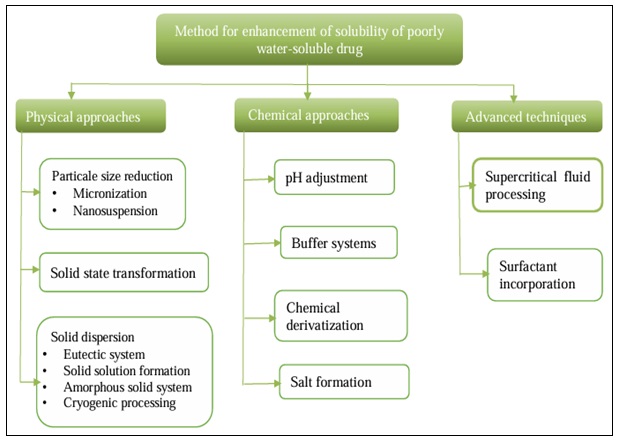
FIG. 1: METHOD FOR ENHANCEMENT OF SOLUBILITY OF POORLY WATER-SOLUBLE DRUG
Solid Dispersion: Concept and Classification: The solid dispersion is a solid-state system that includes one or more poorly soluble drugs in water (hydrophilic) in an inert carrier. There are many ways to prepare this type of drug formulation; the most common way is by molecularly dispersing the drug into this carrier. Drugs can be either amorphous or crystalline within this formulation 10.
Solid Dispersion Classification 12, 13: There are two ways to categories solid dispersion:
- Based on the drug's molecular structure and physical state.
- Based on the carrier system's generation-wise development.
Classification According to the Physical Form of the Incorporated Drug:
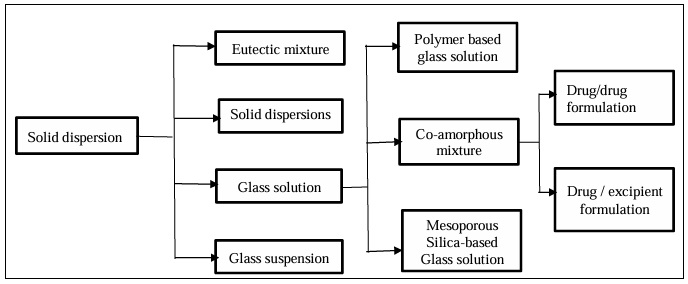
FIG. 2: CATEGORIZATION OF SOLID DISPERSION SYSTEM ACCORDING TO THE DRUG PHYSICAL CHARACTERISTICS
Eutectic Mixtures: A eutectic mix is combination of a drug that is made up of its carrier. The two substances will blend at a certain temperature to form a solid solution, and once cooled, they separate and crystalize as two different solids 10, 13, 14.
Solid Dispersion: Systems that fall under this category encompass drugs being distributed throughout a carrier using different solid forms as a result of how the drug was developed/formulated, these can be polymer- based glass solutions and co-amorphous systems 4, 10. Glass solution Glass solutions are amorphous and homogeneous systems, wherein a drug is dispersed through molecular diffusion inside the base (carrier) matrix of glass. Although thermodynamically unstable, glass solutions have a stable kinetic (viscosity) matrix that supports the physical and chemical integrity of the drug over time 4, 15.
Polymer-Based Glass Solutions: A glass solution that is made from a polymer (or other materials) contains the drug uniformly distributed throughout the carrier, in this case, a polymer carrier; hence it is classified as a single- phase system 13, 16.
Co-amorphous Mixtures: This system made up of two low-molecular-weight components that form a homogeneous amorphous phase 17.
Co-Amorphous Drug-Drug Systems: In this system, two medications use intermolecular interactions like ionic or hydrogen bonding to stabilise one another in the amorphous form 17, 18.
Drug-excipients Co-amorphous System: In this system the drug is stabilized in the amorphous form by a low molecular weight excipients improving physical stability and dissolution behavior 15, 17.
Mesoporous Silica-Based Glass Solutions: In this system the drug is constricted within the pores of mesoporous silica in an amorphous or non crystalline state. Physical constriction reduce recrystallization and enhance dissolution 19, 20.
Glass Suspensions: This system consists of amorphous or crystalline drug particles which are dispersed within an amorphous carrier matrix. Unlike glass solutions, the drug is not fully molecularly dispersed 4, 16.
Classification Based on the Generation Wise Evolution of Carrier System:
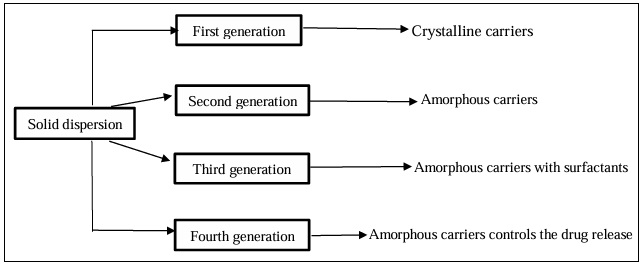
FIG. 3: CLASSIFICATION OF SOLID DISPERSION BASED ON THE GENERATION WISE EVOLUTION OF CARRIER SYSTEM
First Generation Solid Dispersions System: Urea, in addition to sugars, can be used to create solid dispersion systems for uric acid (UA). First- generation solid dispersion systems are created from crystalline carriers, including eutectic mixtures and crystalline solid solutions. Typically, they improve the dissolution behavior of the drug as well as the dispersion matrix 4, 10, 14.
Second Generation Solid Dispersions System: Second generation solid dispersions are formulated using amorphous polymer-based carriers like Amorphous Polyvinylpyrrolidone (PVP), Amorphous Polyethylene Glycol (PEG) and Amorphous Hydroxypropyl Methylcellulose (HPMC) 12, 13, 16.
Third Generation Solid Dispersions System: Surfactants-active agents and self-emulsifying excipients are combined with polymeric carriers to create third generations delivery system. Surfactants increase the wettability of delivery system, prevent recrystallization of drugs, and enhance the dissolution characteristics of drugs 21, 22, 23.
Fourth Generation Solid Dispersions System: Functional carriers are used to create fourth-generation solid dispersions that provide both solubility improvement and targeted or sustained release of drugs. These systems can improve the kinetics of dissolution as well as the pharmacokinetics of the drug in the body, allowing for the use of solid dispersions in modern drug delivery methods 24, 25.
Relationship of Solid Dispersion in Sublingual Formulation: Solid dispersion technology is a successful formulation method to assist with the development of sublingual therapeutic delivery platform, especially for drug exhibiting limited aqueous solubility. Because of the advantages of using the sublingual route, such as reduced time to achieve therapeutic effect and increased absorption (due to bypassing liver first-pass metabolism), there are also significant limitations associated with poor aqueous solubility and slow dissolving rate for many drugs. Solid dispersion provides a means to overcome both of these limitations by dispersing the active pharmaceutical ingredient within a hydrophilic polymer, thus enabling enhanced dissolution, absorption, and overall therapeutic effectiveness 21, 22, 25.
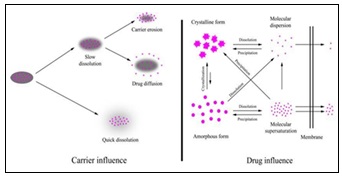
FIG. 4: SCHEMATIC REPRESENTATION OF THE ROLE OF SOLID DISPERSION IN SUBLINGUAL DRUG DELIVE
Dissolution Enhancement: The main benefit of solid dispersion systems for sublingual formulations is that they enhance the dissolution rate of the drug. By turning the drug from crystalline to amorphous, the drug's lattice energy is reduced and the drug's surface area increased, thus making it easier to wet and dissolve quickly when mixed with saliva. Additionally, hydrophilic polymeric carriers, including polyethylene glycol, polyvinylpyrrolidone, and hydroxypropyl methylcellulose, assist in supersaturating the drug and keeping the drug from recrystallizing back into its crystalline state. For sublingually delivered drugs, rapid dissolution is even more important because of how quickly the drug is removed from the oral cavity 22, 24, 25.
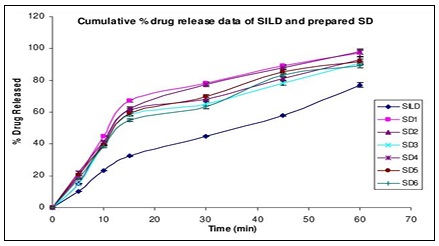
FIG. 5: COMPARATIVE DISSOLUTION PROFILES OF PURE DRUG AND SOLID DISPERSION FORMULATION
Dose Reduction: Solid dispersion systems have improved drug dissolution rates and enhanced drug permeability through the mucosa, allowing for improved dosing efficacy while minimizing risks associated with using higher doses. These systems improve bioavailability. Lower doses of active components can give an equal or greater pharmacological effect compared to larger doses 22, 24, 26.
Taste Masking: For patients who take sublingual medications, taste masking is important because it aids in patient compliance. The solid dispersion systems used in these types of medications have been shown to mask the bad taste associated with most medicines, especially those that are bitter or irritating in nature, by trapping the drug molecules in either the polymer matrix or molecularly dispersing them so that they do not come into direct contact with the taste receptors on the tongue 23.
Uniform Drug Release: Solid dispersion technology can be used to produce a uniform dispersion of drugs throughout the carrier material and allows consistent and reliable drug delivery. Solid dispersions prevent the occurrence of dose dumping and thus provide predictable pharmacokinetic profiles and consistent availability of the drug to the sublingual mucosa. Uniform drug delivery also provides consistent efficacy and safety in sublingual formulations 21, 24.
Drug Release Mechanism from Solid Dispersion: A carrier system, through a series of physical and chemical processes working in conjunction, causes the release of drugs. When in contact with biological fluids, hydrophilic carriers are quickly wetted and hydrated; therefore, making drug–medium interaction more efficient and allowing release to begin 10, 25. Depending on the type of carrier used, it is possible for the carrier completely to disintegrate or, alter the structure of the carrier and form a hydrated polymeric matrix, thus exposing the drug to the dissolution medium 26. The drug then starts to dissolve from the surface of the carrier; because the carrier alters the form and characteristics of the drug, it will dissolve more quickly than pure crystalline solids because of decreased particle size, increased surface area, increased wettability, and in some instances the presence of the drug in amorphous form. In the case of swellable carriers or matrix forming carriers, drug molecules diffuse through the hydrated polymer; in the case of erodible carriers, drug release will be determined by gradual erosion of the polymer over time 21, 22.
Carriers used in Solid Dispersion The formulation of solid dispersions can be attributed to the choice of carriers (or excipients), which can possess hydrophilic (variable solubility in water), hydrophobic (limited solubility in water), or hydro swellable (water soluble) properties depending on their composition 27. Carrier attributes will define the rate at which drug molecules are released from the solid dispersion, i.e., the carrier may act as a release retardant or as a release-enhancer. Furthermore, dissolution rates of drug molecules will vary as a result of carrier properties or attributes 28.
The following standards should be used when choosing a carrier:
- It should dissolve in a range of solvents.
- It should be pharmacologically inert, inexpensive, and non-toxic.
- It ought to be heat-stable.
The medicine and it should be chemically compatible. In the case of solid dispersions formulated with solvent-based processes (spray drying, co- precipitation), it was found that these solid dispersions exhibited better chemical stability compared to that of solid dispersions produced using fusion (hot melt extrusion, KinetiSol® dispersing technology) processes 29. Hydro-philic carriers are classified according to their origin for use in solid dispersions. Table 1 shows list of synthetic hydrophilic carriers.
TABLE 1: SYNTHETIC POLYMER SYSTEMS APPLIED IN SOLID DISPERSION FORMULATION
| S. no. | Polymer matrix | Model drug | Processing technique | Performance summary |
| 1 | Pectin-poly (vinyl pyrrolidone) system 30 | Curcumin | Spray-assisted drying | Marked enhancement in dissolution behavior |
| 2 | Palm stearin-derived polyester amide (PSPEA) 31 | Mefenamic acid | Fusion -based preparation | Improved solubility and drug release profile |
| 3 | Eudragit E/ Plasdone S/ Soluplus blend 32 | Theobromine | Hot-melt extrusion/ freeze drying/ supercritical processing | Enhanced dissolution characteristics |
| 4 | Poly(2-ethyl-2-oxazoline) 33 | Glipizide | Solent removal technique | Approx..2-3-fold increase in solubility observed |
| 5 | Poloxamer-TPGS blend 34 | Febuxostat | Solvent removal approach | Nearly twofold increase in drug release compared to pure compound |
| 6 | Dextrin matrix 35 | Micronized amlodipine | Spray drying | Enhanced systemic availability observed |
| 7 | Poloxamer 188&407 36 | Boswellic acid | Kneading/solvent evaporation | Improved solubility of poorly water-soluble drug |
| 8 | Poloxamer 188 37 | Losartan potassium | Melt method | Faster dissolution profile achieved |
| 9 | Mannitol carrier 38 | Diazepam | Spray drying | Noticeable improvement in dissolution behavior |
| 10 | Brij 35-pluronic F127 system 39 | Progesterone | Solvent evaporation | Approx.. 20-fold rise in aqueous solubility |
| 11 | Compritol 888 ATO 40 | Metformin HCL | Solvent removal technique | Developed controlled-release solid dispersion |
| 12 | Gelucire-sorbitol blend 41 | Ritonavir | Melt/ solvent evaporation | Enhanced drug released characteristics |
| 13 | Eudragit S100 42 | Berberine HCL | Solvent evaporation | Improved therapeutic performance |
| 14 | CMC-sodium alginate blend 43 | Praziquantel | Solvent evaporation | Increased solubility profile |
| 15 | HPMC-PVA-PEG graft copolymer 44 | Kaempferia parviflora extract | Solvent evaporation | Suitable carrier for herbal dispersion system |
| 16 | Sodium acetate 45 | Docetaxel | Freeze drying | Improved dissolution leading to better bioavailability |
| 17 | Tocopheryl PEG 1000 succinate (TPGS) 46 | Dutasteride | Solvent evaporation | Enhanced dissolution and oral absorption |
| 18 | Soluplus 48 | Telmisartan /dutasteride | Hot melt extrusion/ spry drying/ solvent evaporation | Significant improvement in solubility compared to pure drug |
| 19 | PVP-VA64/PVP-HPMC blends 49 | Dronedarone HCL | Solvent evaporation | Improved dissolution behavior and aqueous solubility |
| 20 | Urea-based system 50 | Rofecoxib | Fusion method | Reduce mean dissolution time with faster drug release |
| 21 | Polyvinylpyrrolidone (PVP) 51 | Oxcarbazepine | Spray drying | Enhanced solubility characteristics |
| 22 | PVP (various grades) 52 | Celecoxib | Spray drying | increased dissolution rate observed |
| 23 | PEG6000 with poloxamer 407 53 | Rebamipide | Spray drying | Increased solubility and drug release |
| 24 | PEG-PVP combinations 54, 55 | Flurbiprofen | Solvent evaporation/spray drying | Improved dissolution profile |
| 25 | PVP K -series (K12/k17/k30) 56 | Chlortetracycline HCL | Solvent evaporation | Enhanced release depending on polymer ratio |
| 26 | Polyethylene oxide (PEO) 57 | Griseofulvin | Solvent removal technique | Higher dissolution and improved wettability |
| 27 | Polyvinylpyrrolidone (PVP) 58 | Oleanolic acid | Evaporation assisted technique | Marked increase in dissolution efficiency |
| 28 | Polyethylene glycol4000[59] | Glipizide | Microwave-assisted dispersion | Enhanced drug release compared to conventional system |
| 29 | Polyoxymethylene 40 stearate 60 | Cyclosporine A | Melt-based processing | Drug release reached 99% within 12 hours |
| 30 | PEG4000/6000 61, 62 | Glipizide / Gliclazide | Fusion technique/microwave-assisted dispersion | Improved solubility with increased dissolution rate |
In recent times, plant-derived polymers have gained popularity for their ability to be used in many ways in the pharmaceutical industry, and additionally, they are typically more readily available, easier to use, and provided with a greater number of environmentally sustainable options than synthetic products. The majority of polysaccharides are produced from plant material that is harvested from the seeds, fruits, or incisions on the trunks of plants as a result of metabolic processes occurring in the plants (natural gums) 63. Various natural hydrophilic carriers used till date are given in Table 2.
TABLE 2: NATURAL POLYMER-BASED CARRIERS INVESTIGATED FOR SOLID DISPERSION SYSTEM
| S. no. | Natural polymer source | Drug incorporated | Solid dispersion approach | Observed effect |
| 1 | Sericin 64 | Felodipine, meloxicam, lornoxicam | Spray drying/ball milling | Significant solubility enhancement |
| 2 | Extract of Vigna radiate 65 | Clopidogrel bisulphate | Solvent evaporation | Maximum release -96% in optimized batch |
| 3 | Soyabean seed polymer 66 | Pioglitazone HCL | Not specified | Notable increase in drug solubility |
| 4 | Gelatin 50PS 67 | Multi-component pharmaceutical formulation | Freeze drying technique | Demonstrated suitability as carrier for lyophilized dispersions |
| 5 | Neem gum 68 | Atorvastatin | Solvent evaporation/kneading | Improved solubility , bioavailability |
| 6 | Daucus carota extract 69 | Ambroxol | Solvent evaporation/kneading | Better release compared to conventional method |
| 7 | Water soluble gelatin & egg albumin 70 | Nifedipine | Kneading method | Increased wettability and dissolution rate |
| 8 | Oleaster-based blend (with MCC & crospovidone) 71 | Ibuprofen | Co-grinding | Increased drug release potential |
| 9 | Caffeine-assisted system 72 | Celecoxib | Solubilization method | Improved solubility and dissolution profile |
| 10 | Aegle marmelos gum 73 | Atorvastatin calcium | Microwave fusion/freeze drying | Faster dissolution compared to conventional preparation |
| 11 | Arginine complex system 74 | Simvastatin | Freeze drying | Marked solubility rise observed I acidic and basic media |
| 12 | Alginate polymer 75 | Lovastatin, indomethacin | Solvent removal technique | Improved dissolution behavior with better stability |
| 13 | Flaeagnus angustifolia blend 76 | Piroxicam | Co-grinding | Increased dissolution rate |
| 14 | Chitosan derivatives 77, 78 | Abietic acid/ Tanshinone IIA | Solvent evaporation | Noticeable improvement in solubility and dissolution |
| 15 | Skimmed milk carrier 79 | Simvastatin | Lyophilization | Enhanced cumulative drug release |
| 16 | Sodium alginate matrix 80 | Telmisartan | Grinding approach | High release achieved with optimized polymer ratio |
| 17 | Tamarind seed polysaccharide 81 | Clopidogrel bisulfate | Co-grinding/kneading | Maximum release approximately 96% in optimized formulation |
Limitations, modifications to gum polysaccharides can be accomplished through physical and chemical processes. Physical modification involves warming with dry heat, use of microwaves, and exposure to ultraviolet and gamma radiation. Chemical modifications include carboxymethylation and carboxymethylation, which involves adding new functional groups to the polymer backbone (e.g., replacing the free OH groups) to enhance the solubility of drugs in water. Overall, when natural gum polysaccharides are modified using heat or processed into the aqueous state, their properties (e.g., viscosity, density, swelling index, moisture-retention capacity, and flow properties) change, resulting in improved performance compared with unmodified gum polysaccharides. In addition, increased hydrophilicity due to carboxymethylation of natural gum polysaccharides enhances drug solubility in aqueous systems 82. Various modified hydrophilic carriers and semi synthetic carriers used are shown in Table 3 and Table 4.
TABLE 3: EXAMPLE OF MODIFIED NATURAL POLYMERS EMPLOYED IN SOLID DISPERSION SYSTEM
| S. no. | Modified carrier | Drug incorporated | Preparation technique | Result obtained |
| 1 | Modified hupugum 83 | Clopidogrel bisulfate | Gel incorporation technique | Significant improvement in solubility |
| 2 | Treated fenugreek seed polymer 84 | Simvastatin | Co-precipitation method | Solubility enhancing and stabilizing carrier |
| 3 | Modified locust bean gum/guar gum 85 | Glibenclamide | Solvent evaporation technique | Better dispersion characteristics observed |
| 4 | Modified xanthan gum 86 | Pioglitazone HCL | Kneading process | Improved cumulative drug release performance |
| 5 | Processed guar gum 87 | simvastatin | Microwave-assisted solid solid dispersion | Higher drug release compared to reference product |
| 6 | Modified LBG (locust bean gum) 88 | Lovastatin | Kneading/spray drying/ solvent evaporation | Increased dissolution behavior |
| 7 | Modified guar gum blend 89 | Licofelone | Co-grinding approach | Improved dissolution efficiency |
| 8 | Treated karaya polymer 90 | Nimodipine | Co-grinding/kneading technique | Enhanced dissolution profile |
| 9 | Modified karaya gum 91 | Glimepiride | Solvent evaporation method | Enhanced aqueous solubility |
TABLE 4: EXAMPLE OF SEMI-SYNTHETIC POLYMER CARRIERS UTILIZED IN SOLID DISPERSION FORMULATION
| S. no. | Polymer combination | Drug | Technique used | Observed effect |
| 1 | HPMC-based system (E5LV) 92,95 | Raloxifene, Irbesartan | Fusion/ spray drying | Improved solubility and dissolution characteristics |
| 2 | HPMC-silica ternary ASD 93 | Indomethacin | Hot melt extrusion | Enhanced release profile and stability |
| 3 | Chito-oligosaccharide 94 | Hesperidin | Spray drying | Increased solubility with added antioxidant benefit |
| 4 | EC-HPMC matrix 96 | Hydrochlorothiazide | Solvent evaporation | Improved dissolution performance |
Advantages of Solid Dispersion:
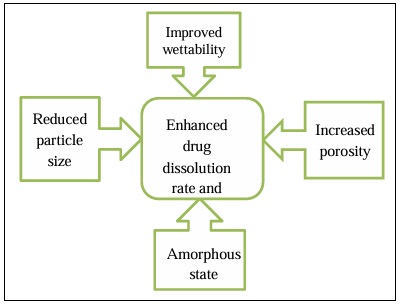
FIG. 6: ADVANTAGES OF SOLID DISPERSION
Future Prospects and Research Gaps: There are still multiple issues that need to be addressed in the development of solid dispersions for the sublingual route of administration. These include scientific, technological, and regulatory concerns. In order to bring the laboratory-based accomplishments to the clinic, it will be necessary to overcome some of these challenges 97, 98.
Personalized Therapy: A potential future avenue within Solid Dispersions research will be the creation of a personalized sublingual delivery system. Between individuals, there are often large differences in the amounts of saliva present, mucosal permeability, metabolic rate, and overall health, all of which affect how quickly drugs enter into the bloodstream after being delivered sublingually and their effectiveness at producing desired effects 97.
- Pediatric and geriatric populations
- Patients requiring rapid titration of dose
- Drugs with narrow therapeutic windows 98
AI Based Formulation Design: Artificial Intelligence (AI) and Machine Learning (ML) provide many possibilities to enhance the ability to develop solid dispersions. Additionally, traditional methods for formulating solid dispersion formulations mostly rely on Trial & Error processes that take a lot of time and resources. AI-Based models can 99.
- Predict optimal drug-carrier combinations.
- Estimate miscibility, stability, and dissolution behaviour.
- Optimize polymer selection and drug loading.
- Reduce experimental workload and development time 100, 101.
Regulatory Gaps: Regulatory uncertainty remains a major challenge in the development and approval of solid dispersion based sublingual formulation. While solid dispersions are widely studied, clear regulatory guidelines regarding characterization, stability assessment, and quality control are still evolving 102.
- Lack of standardized methods for evaluating amorphous stability.
- Absence of specific guidance on dissolution testing for sublingual formulations.
- Limited clarity on bioequivalence requirements for rapidly acting dosage forms.
CONCLUSION: Through solid dispersion technology, medicinal researchers are able to enhance solubility, rate of dissolution and bioavailability of many poorly soluble drugs by implementing this method. When the method is applied to sublingual delivery systems, there are added benefits such as faster release of medication, quicker onset of action, decreased dose and increased compliance from patients. The most important factors for producing sublingual preparations with enhanced efficiency are choosing the best carrier(s) and optimizing the relationship between drug(s) and their carrier(s). Also, there are no clear regulatory directions for these products, which limits their use. Significant variability between individuals has created another gap in research, and further exploration of individualized dosage forms also warrants testing. Overcoming the obstacles that currently limit the development of Solid Dispersions for use in clinical situations will ultimately create a pathway for increasing the benefits of solid dispersion for sublingual delivery in the future.
ACKNOWLEDGEMENT: Nil
CONFLICTS OF INTEREST: Nil
REFERENCES:
- Shojaei AH: Buccal and sublingual drug delivery systems. J Pharm Sci 1998; 87(1): 1–13.
- Vasconcelos T, Sarmento B and Costa P: Solid dispersions as strategy to improve oral bioavailability of poor water soluble drugs. Drug Discovery Today 2007; 12(23–24).
- Tekade AR and Yadav JN: A review on solid dispersion and carriers used therein for solubility enhancement of poorly water soluble drugs. Adv Pharm Bull 2020; 10(3): 359-369.
- Vasconcelos T, Sarmento B and Costa P: Solid dispersions as strategy to improve oral bioavailability of poor water soluble drugs. Drug Discov Today 2007; 12(23–24): 1068–1075.
- Patel VF, Liu F and Brown MB: Advances in oral transmucosal drug delivery. J Control Release 2011; 153(2): 106–116.
- Squier CA and Wertz PW: Structure and function of the oral mucosa and implications for drug delivery. Adv Drug Deliv Rev 1993; 12(1–2): 13–24.
- Aungst BJ: Absorption enhancers: applications and advances. AAPS J 2012; 14(1): 10–18.
- Pather SI, Rathbone MJ, and Şenel S: Current status and future prospects of buccal drug delivery systems. Expert Opin Drug Deliv 2008; 5(5): 531–542.
- Savjani KT, Gajjar AK and Savjani JK: Drug solubility: importance and enhancement technique. ISRN Pharm 2012; 2012: 195727.
- Chiou WL and Riegelman S: Pharmaceutical application of solid dispersion system. J Pharm Sci 1971; 60(9): 1281-302.
- Shejul AA, Deshmane S and Biyani K: Modified natural carrier in solid dispersion for enhancement of solubility of poorly water soluble drugs. J Drug Deliv Ther 2014; 4(4): 111-6.
- Leuner C and Dressman J: Improving drug solubility for oral delivery using solid dispersions. Eur J Pharm Biopharm 2000; 50(1): 47–60.
- Craig DQM: The mechanisms of drug release from solid dispersions in water-soluble polymers. Int J Pharm 2002; 231(2): 131–144.
- Sekiguchi K and Obi N: Studies on absorption of eutectic mixtures. Chem Pharm Bull 1961.
- Löbmann K, Laitinen R, Grohganz H, Gordon KC, Rades T and Strachan CJ: Co-amorphous drug systems: Enhanced physical stability and dissolution rate of poorly soluble drugs. International Journal of Pharmaceutics 2016; 453(1): 1–9.
- Hancock BC and Zografi G: Characteristics and significance of the amorphous state. J Pharm Sci 1997; 86(1): 1–12.
- Dengale SJ, Grohganz H, Rades T and Löbmann K: Co-amorphous systems: A review. Eur J Pharm Sci 2015; 72: 43–60.
- Jensen KT, Larsen FH, Cornett C, Löbmann K, Rades T and Grohganz H: Drug–drug co-amorphous systems. Mol Pharm 2014; 11(8): 2475–2482.
- Vallet-Regí M, Rámila A, del Real RP and Pérez-Pariente J: A new property of MCM-41: drug delivery system. Chem Mater 2001; 13(2): 308–311.
- Hu Y, Zhi Z, Zhao Q, Wu C, Zhao P and Jiang H: 3D cubic mesoporous silica microsphere as a carrier for poorly soluble drug. Adv Drug Deliv Rev 2012; 64(8): 806–821.
- Vo CL-N, Park C and Lee BJ: Current trends in solid dispersions. European Journal of Pharmaceutics and Biopharmaceutics 2013; 85(3): 799–813.
- Baghel S, Cathcart H and O’Reilly NJ: Solid dispersion technology: a strategy to improve the bioavailability of poorly soluble drugs. J Pharm Sci 2016.
- Kapoor B, Gupta R, Gulati M, Singh SK, Khursheed R and Gupta M: Self-emulsifying drug delivery systems: formulation strategies and applications. Drug Dev Ind Pharm 2012.
- Shah S, Maddineni S, Lu J and Repka MA: Fourth-generation solid dispersions. Pharmaceutics 2014; 6(4).
- Dhirendra K, Lewis S, Udupa N and Atin K: Solid dispersions: a review. Pak J Pharm Sci 2009; 22(2).
- Siepmann J and Peppas NA: Modeling of drug release from delivery systems based on hydroxypropyl methylcellulose matrices. Adv Drug Deliv Rev 2001; 48(2–3): 139–157.
- Shahi SR, Khan A, Bhalerao P and Ade P: A review on formulation aspects of solid dispersions. Eur J Pharm Med Res 2017; 4(12): 148-60.
- Singh N and Sarangi MK: Solid dispersion-a novel approach for enhancement of bioavailability of poorly soluble drugs in oral drug delivery system. Glob J Pharm Pharm Sci 2017; 3(2): 1-8.
- Huang S and Williams RO: 3rd. Effects of the preparation process on the properties of amorphous solid dispersions. AAPS Pharm Sci Tech 2018; 19(5): 1971-84.
- Gaikwad D, Shewale R, Patil V, Mali D, Gaikwad U and Jadhav N: Enhancement in in-vitro anti-angiogenesis activity and cytotoxicity in lung cancer cell by pectin-PVP based curcumin particulates. Int J Biol Macromol 2017; 104(Pt A): 656-64.
- Wong WS, Lee CS, Er HM, Lim WH and Wong SF: Biocompatible palm stearin-based polyesteramide as polymer carrier for solid dispersion. J Appl Polym Sci 2018; 135(8): 45892.
- Pinho LAG, Lima SGB, Malaquias LFB, de Pires FQ, Sá-Barreto LL and Cardozo-Filho L: Improvements of theobromine pharmaceutical properties using solid dispersions prepared with newfound technologies. Chem Eng Res Des 2018; 132: 1193-201.
- Fael H, Ràfols C and Demirel AL: Poly(2-ethyl-2-oxazoline) as an alternative to poly (vinylpyrrolidone) in solid dispersions for solubility and dissolution rate enhancement of drugs. J Pharm Sci 2018; 107(9): 2428-38.
- Sheng X, Tang J, Bao J, Shi X and Su W: Enhancement of in-vitro dissolution and in-vivo performance/oral absorption of FEB-poloxamer-TPGS solid dispersion. J Drug Deliv Sci Technol 2018; 46: 408-15.
- Jang DJ, Sim T and Oh E: Formulation and optimization of spray-dried amlodipine solid dispersion for enhanced oral absorption. Drug Dev Ind Pharm 2013; 39(7): 1133-41.
- Tambe A and Pandita N: Enhanced solubility and drug release profile of boswellic acid using a poloxamer-based solid dispersion technique. JDDST 2018; 44: 172 80.
- Tran HT, Park JB, Hong KH, Choi HG, Han HK and Lee J: Preparation and characterization of pH-independent sustained release tablet containing solid dispersion granules of a poorly water-soluble drug. Int J Pharm 2011; 415(1 2): 83-8.
- Kauppinen A, Broekhuis J, Grasmeijer N, Tonnis W, Ketolainen J and Frijlink HW: Efficient production of solid dispersions by spray drying solutions of high solid content using a 3-fluid nozzle. Eur J Pharm Biopharm 2018; 123: 50 8.
- Hassan AS, Soliman GM, El-Mahdy MM and El-Gindy GEA: Solubilization and enhancement of ex-vivo vaginal delivery of progesterone using solid dispersions, inclusion complexes and micellar solubilization. Curr Drug Deliv 2018; 15(1): 110-21.
- Jagdale S, Patil S, Kuchekar B and Chabukswar A: Preparation and characterization of Metformin hydrochloride - Compritol 888 ATO solid dispersion. J Young Pharm 2011; 3(3): 197-204.
- Sinha S, Ali M, Baboota S, Ahuja A, Kumar A and Ali J: Solid dispersion as an approach for bioavailability enhancement of poorly water-soluble drug ritonavir. AAPS Pharm Sci Tech 2010; 11(2): 518-27.
- Guo S, Wang G, Wu T, Bai F, Xu J and Zhang X. Solid dispersion of berberine hydrochloride and Eudragit® S100: formulation, physicochemical characterization and cytotoxicity evaluation. J Drug Deliv Sci Technol 2017; 40: 21 7.
- Marques CSF, Rezende P, Andrade LN, Mendes TMF, Allegretti SM and Bani C: Solid dispersion of praziquantel enhanced solubility and improve the efficacy of the schistosomiasis treatment. J Drug Deliv Sci Technol 2018; 45: 124-34.
- Weerapol Y, Tubtimsri S, Jansakul C and Sriamornsak P: Improved dissolution of Kaempferia parviflora extract for oral administration by preparing solid dispersion via solvent evaporation. Asian J Pharm Sci 2017; 12(2): 124-33.
- Ngo AN, Thomas D, Murowchick J, Ayon NJ, Jaiswal A and Youan BC: Engineering fast dissolving sodium acetate mediated crystalline solid dispersion of docetaxel. Int J Pharm 2018; 545(1-2): 329-41.
- Choi JS, Lee SE, Jang WS, Byeon JC and Park JS: Solid dispersion of dutasteride using the solvent evaporation method: approaches to improve dissolution rate and oral bioavailability in rats. Mater Sci Eng C Mater Biol Appl 2018; 90: 387-96.
- Enose AA, Dasan P, Sivaramakrishanan H and Kakkar V: Formulation, characterization and pharmacokinetic evaluation of telmisartan solid dispersions. J Mol Pharm Org Process Res 2016; 4(1): 131.
- Parikh A, Kathawala K, Tan CC, Garg S and Zhou XF: Self nanomicellizing solid dispersion of edaravone: part I - oral bioavailability improvement. Drug Des Devel Ther 2018; 12: 2051-69.
- Jung HJ, Han SD and Kang MJ: Enhanced dissolution rate of dronedarone hydrochloride via preparation of solid dispersion using vinylpyrrolidone-vinyl acetate copolymer (Kollidone® VA 64). Bull Korean Chem Soc 2015; 36(9): 2320 4.
- Liu C, Desai KGH, Liu C and Park HJ: Enhancement of dissolution rate of rofecoxib using solid dispersions with urea. Drug Dev Res 2004; 63(4): 181-9.
- Motallae S, Taheri A and Homayouni A: Preparation and characterization of solid dispersions of celecoxib obtained by spray-drying ethanolic suspensions containing PVP-K30 or isomalt. J Drug Deliv Sci Technol 2018; 46: 188-96.
- Shin KH, Lee HJ, Ha ES, Sim WY, Kim MS and Cho CW: Improvement of dissolution rate of oxcarbazepine using surface-modified solid dispersion with vinylpyrrolidone vinyl acetate copolymer and sucrose laurate. Bull Korean Chem Soc 2018; 39(8): 995-8.
- Motallae S, Taheri A and Homayouni A: Preparation and characterization of solid dispersions of celecoxib obtained by spray-drying ethanolic suspensions containing PVP-K30 or isomalt. J Drug Deliv Sci Technol 2018; 46: 188-96.
- Tung NT, Park CW, Oh TO, Kim JY, Ha JM and Rhee YS: Formulation of solid dispersion of rebamipide evaluated in a rat model for improved bioavailability and efficacy. J Pharm Pharmacol 2011; 63(12): 1539-47.
- Daravath B, Naveen C, Vemula SK and Tadikonda RR: Solubility and dissolution enhancement of flurbiprofen by solid dispersion using hydrophilic carriers. Braz J Pharm Sci 2018; 53(4): 00010.
- Apiwongngam J, Limwikrant W, Jintapattanakit A and Jaturanpinyo M: Enhanced supersaturation of chlortetracycline hydrochloride by amorphous solid dispersion. J Drug Deliv Sci Technol 2018; 47: 417-26.
- Stachurek I and Pielichowski K: Preparation and thermal characterization of poly(ethylene oxide)/griseofulvin solid dispersions for biomedical applications. J Appl Polym Sci 2009; 111(4): 1690-6.
- Wang W, Cui C, Li M, Zhang Z and Lv H: Study of a novel disintegrable oleanolic acid-polyvinylpolypyrrolidone solid dispersion. Drug Dev Ind Pharm 2017; 43(7): 1178-85.
- Isaac J, Kaity S, Ganguly S and Ghosh A: Microwave-induced solid dispersion technology to improve bioavailability of glipizide. J Pharm Pharmacol 2013; 65(2): 219-29.
- Liu C, Wu J, Shi B, Zhang Y, Gao T and Pei Y: Enhancing the bioavailability of cyclosporine a using solid dispersion containing polyoxyethylene (40) stearate. Drug Dev Ind Pharm 2006; 32(1): 115-23.
- Patil MP and Gaikwad NJ: Preparation and characterization of gliclazide-polyethylene glycol 4000 solid dispersions. Acta Pharm 2009; 59(1): 57-65.
- Maurya D, Belgamwar V and Tekade A: Microwave induced solubility enhancement of poorly water-soluble atorvastatin calcium. J Pharm Pharmacol 2010; 62(11): 1599-606.
- Puri V, Sharma P and Nagpal M: An Update on some recent solubility enhancers as pharmaceutical excipients. J Pharm Technol Res Manag 2016; 4(1): 45-62.
- Salunkhe NH, Jadhav NR, More HN and Jadhav AD: Screening of drug-sericin solid dispersions for improved solubility and dissolution. IJBM 2018; 107(Pt B): 1683 91.
- Sawale R, Deshmane S and Biyani K: Preparation and characterization of clopidogrel bisulfate solid dispersion using Vigna radiata extract as a natural drug carrier. Asian J Pharm 2016; 10(2): 108-12.
- Deshmane SV and Biyani KR: Evaluation of hot water extracted polysaccharides from soybean seeds ASA drug carrier. International Journal of Drug Formulation and Research 2014; 5(3): 60-6.
- Pas T, Vergauwen B and Van den Mooter G: Exploring the feasibility of the use of biopolymers as a carrier in the formulation of amorphous solid dispersions - Part I: Gelatin. Int J Pharm 2018; 535(1-2): 47-58.
- Rodde MS, Divase GT, Devkar TB, Tekade AR. Solubility and bioavailability enhancement of poorly aqueous soluble atorvastatin: in-vitro, ex-vivo, and in-vivo studies. Biomed Res Int 2014; 2014: 463895.
- Deshmane S, Deshmane S, Shelke S and Biyani K: Enhancement of solubility and bioavailability of ambrisentan by solid dispersion using Daucus carota as a drug carrier: formulation, characterization, in-vitro, and in-vivo study. Drug Dev Ind Pharm 2018; 44(6): 1001-11.
- Acartürk F, Kişlal Ö and Çelebi N: The effect of some natural polymers on the solubility and dissolution characteristics of nifedipine. Int J Pharm 1992; 85(1-3): 1-6.
- Mohammadi G, Barzegar-Jalali M, Valizadeh H, Nazemiyeh H, Barzegar-Jalali A and Siahi Shadbad MR: Reciprocal powered time model for release kinetic analysis of ibuprofen solid dispersions in oleaster powder, microcrystalline cellulose and crospovidone. J Pharm Pharm Sci 2010; 13(2): 152-61.
- Shakeel F and Faisal MS: Caffeine: a potential complexing agent for solubility and dissolution enhancement of celecoxib. Pharm Biol 2010; 48(1): 113-5.
- Ratnaparkhi MP and Chaudhari PD: Solubility enhancement of poorly water soluble drug using natural carrier. Int J Life Sci Pharma Res 2017; 7(3): 9-18.
- Meor Mohd Affandi MMR, Tripathy M and Abdul Majeed AB: Arginine complexes with simvastatin: apparent solubility, in-vitro dissolution and solid state characterization. Curr Drug Deliv 2018; 15(1): 77-86.
- Guan J, Liu Q, Zhang X, Zhang Y, Chokshi R and Wu H: Alginate as a potential diphase solid dispersion carrier with enhanced drug dissolution and improved storage stability. Eur J Pharm Sci 2018; 114: 346-55.
- Liu QY, Zhang ZH, Jin X, Jiang YR and Jia XB: Enhanced dissolution and oral bioavailability of tanshinone IIA base by solid dispersion system with low-molecular-weight chitosan. J Pharm Pharmacol 2013; 65(6): 839-46.
- Cuzzucoli Crucitti V, Migneco LM, Piozzi A, Taresco V, Garnett M and Argent RH: Intermolecular interaction and solid state characterization of abietic acid/chitosan solid dispersions possessing antimicrobial and antioxidant properties. Eur J Pharm Biopharm 2018; 125: 114-23.
- Liu QY, Zhang ZH, Jin X, Jiang YR and Jia XB: Enhanced dissolution and oral bioavailability of tanshinone IIA base by solid dispersion system with low-molecular-weight chitosan.
- Sonar PA, Behera AL, Banerjee SK, Gaikwad DD and Harer SL: Preparation and characterization of Simvastatin solid dispersion using skimmed milk. Drug Dev Ind Pharm 2015; 41(1): 22-7.
- Borba PAA, Pinotti M, de Campos CEM, Pezzini BR and Stulzer HK: Sodium alginate as a potential carrier in solid dispersion formulations to enhance dissolution rate and apparent water solubility of BCS II drugs. Carbohydr Polym 2016; 137: 350-9.
- Satle A and Agrawal S: Solubility enhancement potential of tamarind seed polysaccharide as pharmaceutical excipient. Int J Pharm Biol Sci Arch 2012; 3(3): 456-9.
- Prajapati VD, Jani GK, Moradiya NG and Randeria NP: Pharmaceutical applications of various natural gums, mucilages and their modified forms. Carbohydr Polym 2013; 92(2): 1685-99.
- Shejul A, Deshmane S and Biyani K: Modification and physical characterization of hupu gum as a carrier in solid dispersion containing clopidogrel bisulphate. Am J Pharm Health Res 2014; 2(7): 228-36.
- Sav AK, Fule R, Moravkar K and Amin PD: Modified Fenugreek gum for solubility and dissolution rate enhancement of simvastatin. World J Pharm Pharm Sci 2013; 2(5): 4019-29.
- Sharma J, Nagpal M and Arora S: Glibenclamide solubility enhancement by modified natural carriers using the solid dispersion technique. Farmacia 2012; 60(6): 822-38.
- Deshmane S, Shingne N, Sheikh AA, Shingne P and Biyani K: Solubility enhancement of pioglitazone HCl using plain and modified xanthan gum in solid dispersion. Inventi Impact: Novel Excipients 2015; 2: 42-7.
- Salappa A, Jaychandran E, Srinivasa Rao D and Kushare S: Solubility enhancement of poorly water soluble drug Simvastatin by solid dispersion technique using natural polymer Guar gum. J Chem Pharm Sci 2015; 8(3): 547-57.
- Patel M, Tekade A, Gattani S and Surana S: Solubility enhancement of lovastatin by modified locust bean gum using solid dispersion techniques. AAPS Pharm Sci Tech 2008; 9(4): 1262-9.
- Shah V, Patel D, Mane S and Upadhyay U: Solubility and dissolution rate enhancement of licofelone by using modified Guar gum. Int J Pharmtech Res 2010; 2(3): 1847-54.
- Murali Mohan Babu GV, Prasad Ch D and Ramana Murthy KV: Evaluation of modified gum karaya as carrier for the dissolution enhancement of poorly water-soluble drug nimodipine. Int J Pharm 2002; 234(1-2): 1-17.
- Nagpal M, Rajera R, Nagpal K, Rakha P, Singh S and Mishra D: Dissolution enhancement of glimepiride using modified gum karaya as a carrier. Int J Pharm Investig 2012; 2(1): 42-7.
- Patil PH, Belgamwar VS, Patil PR and Surana SJ: Enhancement of solubility and dissolution rate of poorly water soluble raloxifene using microwave induced fusion method. Braz J Pharm Sci 2013; 49(3): 571-8.
- Hanada M, Jermain SV, Lu X, Su Y and Williams RO: 3rd. Predicting physical stability of ternary amorphous solid dispersions using specific mechanical energy in a hot melt extrusion process. Int J Pharm 2018; 548(1): 571-85.
- Cao R, Zhao Y, Zhou Z and Zhao X: Enhancement of the water solubility and antioxidant activity of hesperidin by chitooligosaccharide. J Sci Food Agric 2018; 98(6): 2422-7.
- Boghra RJ, Kothawade PC, Belgamwar VS, Nerkar PP, Tekade AR and Surana SJ: Solubility, dissolution rate and bioavailability enhancement of irbesartan by solid dispersion technique. Chem Pharm Bull (Tokyo) 2011; 59(4): 438-41.
- Ganesan P, Soundararajan R, Shanmugam U and Ramu V: Development, characterization and solubility enhancement of comparative dissolution study of second generation of solid dispersions and microspheres for poorly water soluble drug. Asian Journal of Pharmaceutical Sciences 2015; 10(5): 433-41.
- Ventola CL. The promise of personalized medicine. Pharm Ther 2017; 42(3): 171–175.
- Preis M, Pein M and Breitkreutz J: Development of sublingual dosage forms for special patient populations. Int J Pharm 2012; 435(2): 240–246.
- Paul S, Maji R and Dey S: Artificial intelligence in pharmaceutical product development. AAPS Pharm Sci Tech 2021; 22(6): 1–14.
- Grisoni F and Consonni V: Machine learning applications in drug formulation design. Drug Discov Today 2019; 24(10): 2047–2056.
- Ferreira AP and Freitas AA: Challenges and limitations of machine learning in pharmaceutical sciences. Pharmaceutics 2020; 12(7): 1–20.
- FDA. Guidance for Industry: Dissolution Testing of Immediate Release Solid Oral Dosage Forms. US Food and Drug Administration 1997.
How to cite this article:
Rai S and Majumdar A: Solid dispersions for sublingual drug delivery: an underexplored strategy for rapid onset and improved bioavailability. Int J Pharm Sci & Res 2026; 17(10): 2949-61. doi: 10.13040/IJPSR.0975-8232.17(10).2949-61.
All © 2026 are reserved by International Journal of Pharmaceutical Sciences and Research. This Journal licensed under a Creative Commons Attribution-NonCommercial-ShareAlike 3.0 Unported License.
Article Information
10
2949-2961
822 KB
4
English
IJPSR
Sakshi Rai * and Arti Majumdar
IPS Academy College of Pharmacy, Rajendra Nagar, A. B. Road, Indore, Madhya Pradesh, India.
rais24135@gmail.com
20 April 2026
21 May 2026
10 June 2026
10.13040/IJPSR.0975-8232.17(10).2949-61
01 October 2026
 Download