




THERAPEUTIC ROLE OF VITEXAGNUS-CASTUS PCOS AND HORMONAL DYSREGULATION: A REVIEW
HTML Full TextTHERAPEUTIC ROLE OF VITEXAGNUS-CASTUS PCOS AND HORMONAL DYSREGULATION: A REVIEW
Richa Srivastava * and Deepa Singh
Amity Institute of Pharmacy, Amity University Uttar Pradesh Lucknow Campus, Lucknow, Uttar Pradesh, India.
ABSTRACT: Polycystic Ovary Syndrome (PCOS) is a prevalent endocrine disorder characterized by hormonal imbalance, ovarian dysfunction, and metabolic complications, significantly impacting women’s reproductive health and quality of life. It is mainly characterized by hyperandrogenism, menstrual irregularities, and hormonal dysfunctions, which canlead to infertility and metabolic difficulties such as type 2 diabetes. Even though traditional pharmacological treatments such as oral contraceptives and insulin-sensitizing agents are effective, they are usually associated with side effects and long-term complications. Phytotherapeutics have emerged as promising adjuncts in PCOS management. Vitex agnus-castus (chaste tree), is a medicinal plant traditionally used to treat reproductive disorders. Its bioactive constituents, particularly diterpenes, influence prolactin secretion and restore luteinizing hormone balance, thereby improving ovulatory function and alleviating symptoms such as menstrual irregularities, acne, and infertility. Recent evidence highlights its role in enhancing progesterone levels and supporting follicular maturation, positioning Vitex agnus-castus as a natural therapeutic candidate in PCOS care. This manuscript explores the pharmacological mechanisms, formulation strategies, and clinical relevance of Vitex agnus-castus within the broader framework of lifestyle disorder management, underscoring its potential to complement modern pharmaceutics in achieving patient-centric, sustainable outcomes.
Keywords: Polycystic Ovary Syndrome (PCOS), Hyperandrogenism, Phytotherapeutics, Vitex agnus-castus (Chaste tree)
INTRODUCTION: Polycystic Ovarian Syndrome (PCOS) is a multifaceted endocrine and metabolic disorder that predominantly affects women of reproductive age, with a global prevalence estimated between 6–20%. Clinically, PCOS is diagnosed by prolonged menstrual cycles exceeding 35 days and fewer than 10 cycles annually, accompanied by symptoms such as acne, obesity, alopecia, hypertension, and irregular menstruation.
The hormonal imbalances underlying PCOS particularly hyperandrogenism and disrupted gonadotropin secretion contribute to infertility and increase the risk of chronic metabolic conditions, including type 2 diabetes. Management of PCOS typically involves lifestyle interventions, pharmacological therapies, and, in some cases, surgical procedures.
Conventional medications such as metformin, clomiphene citrate, tamoxifen, and oral contraceptives remain widely used, though their long-term application is often limited by adverse effects. This has prompted growing interest in herbal therapeutics as adjunctive strategies, especially for mild presentations. Among these, Vitex agnus-castus (chaste tree berry) is notable as one of the oldest botanical remedies for female infertility and menstrual irregularities. Its phytoconstituents interact with dopamine, opioid, and estrogen receptors, lowering prolactin levels and modulating luteinizing hormone secretion, thereby restoring estrogen progesterone balance through regulation of the hypothalamic pituitary ovarian axis. Recent advances in reproductive endocrinology have highlighted kisspeptin, a hypothalamic neuropeptide that governs GnRH release and plays a pivotal role in puberty, ovulation, and lactation. Modulating kisspeptin signaling is emerging as a promising therapeutic approach for PCOS. Identifying the genetic and molecular targets influenced by Vitex agnus-castus could further refine treatment strategies and expand its clinical relevance. Despite its therapeutic potential, reported adverse effects including headache, nausea, gastrointestinal disturbances, acne, pruritus, and menstrual irregularities necessitate careful monitoring. Moreover, its ovarian-stimulating properties contraindicate use during pregnancy due to the risk of miscarriage. This review aims to critically examine the therapeutic role of Vitex agnus-castus in PCOS management, focusing on its phytoconstituent profile, mechanisms of hormonal regulation, preclinical and clinical evidence, and future prospects for integration into patient-centred treatment paradigms 1-5.
PCOS (Polycystic Ovary Syndrome) - Pathophysiology and Clinical Manifestation: Polycystic Ovary Syndrome (PCOS) is a common multifactorial endocrine and metabolic disorder among reproductive-age female with a worldwide occurrence rate ranging between 4-21 per cent depending on the diagnostic criteria. PCOS exhibits hyperandrogenism, ovulatory dysfunction, and polycystic ovarian morphology, most of the time, expressed by insulin resistance, metabolic abnormalities, and reproductive dysfunction 6.
Pathophysiology and Hormonal Dysregulation: The hormonal imbalance along the hypothalamic-pituitary-ovarian (HPO) axis is the feature of PCOS:
Neuroendocrine Change: GnRH pulse frequency increases in PCOS women, resulting in a subsequent surge of LH/FSH ratio and subsequently exciting androgen production in the ovarian theca cells, and disrupting normal folliculogenesis.
Hyperandrogenism: Hyperandrogenism is the increased quantity of androgens, predominantly testosterone, due to intrinsic ovarian steroidogenic disequilibrium and gives rise to medical appearances such as hirsutism, acne, and alopecia 7.
Insulin Resistance: A large proportion of PCOS women are insulin resistant, irrespective of obesity, which predisposes them to hyperandrogenism by dipping the formation of hepatic sex hormone-binding globulin (SHBG) and enhancing androgen availability.
The outcome of this complex interaction of endocrine processes is anovulation or oligo-ovulation, a disorderly menstrual cycle and, as a result, malfunction and infertility of reproductive processes 8.
Clinical Manifestations:
Women with PCOS Normally Exhibit:
- Menstrual abnormalities and anovulation.
- Hyperandrogenic (e.g. hirsutism, acne)
- Metabolic, e.g. insulin resistance and dyslipidemia.
- Subfertility and infertility.
- Cardiometabolic long-term effects include type 2 diabetes and cardiovascular disease 9, 10.
Vitex agnus-castus (VAC) – Biology and Clinical Intervention: Vitex agnus-castus fruit having a high in dietary fiber, Sorbitol and arabinos were the major soluble sugars and the principal macro element is potassium and calcium and the micro element is iron and zinc it also 41 volatile compounds. If decoction was done then it has phenols, flavonoids, flavanols, tannins, diterpenoids, iridoids, volatile oils, essential fatty acids and Orthobenzidiol content 11, 12. It shows antioxidant activity, DNA protection power, antibacterial, antifungal 13, 14, analgesic, anti-inflammatory, diuretics and gastroprotective activity 15. It has medicinal properties that help in the treatment of several diseases 16.
Many medicinal belongs to the families like Rosaceae, Asteraceae, and Lamiaceae. And the best method to prepare the compound or substance used for medicinal purposes is decoction and infusion 17.
VAC was used to treat several alignments and is still widely used. It belongs to the Lamiaceae family 18. It is generally safe, and thus this is a very popular choice for research. It is widely grown on the riverside of the Mediterranean, Central Asian and South European regions. Every part of this plant has medicinal properties 19. And the most widely used part is dried fruit, which is already ripe. According to various studies, it was observed that VAC have several beneficial effects in disorders associated with females, such as menstrual pain and spasmodic dysmenorrhea 20. It also has an effect on Eye Disease, Snake Bite, Scorpion String, rheumatoid, swelling, acne, and stomach-ache 21.
Due to its antioxidant property, it shows a significant effect in the treatment of diabetes mellitus, cancer Neurodegenerative cardiovascular disorders. It is often associated with after effects like skin issues, Headaches, diarrhea, vertigo, and palpitations. But these effects are temporary, it disappears after stopping their use 22.
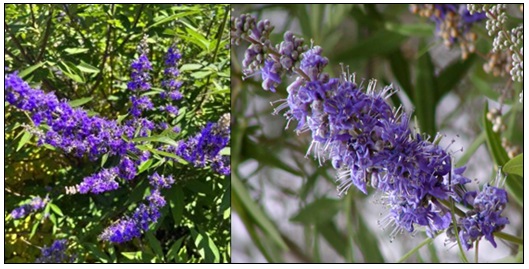
FIG. 1: ARIEAL VIEW OF VITEX AGNUS-CASTUS (CHASTE TREE)
Biological Activity of VAC: The pharmaceutical industry is working on various forms of extraction of the plant active metabolites to convert them into a drug Vitex agnus-castus L. fruits are conventionally used in consumption as food to increase the volume of milk and to treat flatulence and diarrhea and cyclical mastalgia, menopause, acne, fertility issues, severe premenstrual syndrome and other menstrual disorders (amenia, dysmenorrhea) 23, 25.
TABLE 1: MAJOR PHYTOCONSTITUENTS PRESENT IN VAC AND ITS PHARMACOLOGICAL ACTION
| S. no. | Phytochemicals | Major Constituent | Parts of plants | Pharmacological action | Ref. |
| 1. | Diterpenoids | Rotundifuran, Vitexilactone, Clerodadienol, clerodadienone | Fruits (berries) | Dopaminergic activity, reduces prolactin secretion and regulates the HPO axis | (24) |
| 2. | Flavonoids | Casticin, Apigenin, Luteolin, Penduletin, isovitexin | Fruits and leaves | Antioxidant, anti- inflammatory and hormone modulating effects | (26) |
| 3. | Iridoid glycosides | Agnuside, aucubin, Eurostoside | Fruits | Marker compounds used for extract standardization, anti-inflammatory,and hepatoprotective properties | (27) |
| 4. | Phenolic Compounds | Chlorogenic acid, p-hydroxybenzoic acid | Fruits | Antioxidant activity and protection against oxidative stress | (28) |
| 5. | Essential oils | 1,8-Cineole, sabinene, Limonene, α-Pinene | Fruits | Aromatic compounds with mild antimicrobial and therapeutic effect | (29) |
| 6. | Fatty Acids | Linolenic acid, Oleic acid, Palmitic acid | Seeds | Contribute to anti-inflammatory and metabolic regulatory activity. | (30) |
TABLE 2: CLINICAL INTERVENTION FOR VITEX AGNUS-CASTUS
| S. no. | Agent | MOA | NCT |
| 1. | Agnucaston Tablets
|
A Clinical Trial to Evaluate the Efficacy and Safety of Agnucaston Tablets in the Treatment of Premenstrual Syndrome (PMS) (ACT-RCT-C 01) | NCT00672607
(31) |
| 2. | Vitex agnus-castus BNO 1095 (20 mg) | Efficacy of Vitex agnus-castus BNO 1095 (20 mg) in Women with Primary Dysmenorrhea | NCT06211049
(32, 33) |
| 3. | Vitex agnus-castus Extract | Possibilities of Phytomedicine in Monotherapy of Benign Breast Diseases | NCT05717894
(34) |
Mechanism of action of Vitex agnus-castus: Vitex has the ability to influence the discharge of different hormones in the body. The level of the hormone was tested in animals based on the treatment with vitex, which confirmed its role. It influences the activity of the hypothalamic kisspeptin, adrenocorticotropic hormone of the pituitary, TSH, prolactin, FSH, LH and other peripheral hormones and is accompanying with a broad range of physiological processes such as metabolism, immunity, etc 35.
Research indicates that vitex suppresses the discharge of pituitary hormones such as prolactin, gonadotropin and testosterone by interacting with the dopamine-2 receptors, and thereafter its down-regulation begins in the pituitary gland.
Vitex is also analgesic, and it can be achieved by stimulating endogenous opioids, muscarinic and acetyl cholinergic nerve system receptors. The phytoconstituents that mediate the analgesic activity include apigenin, 3-methylkaempferol, luteolin and casticin that interact with delta and mu opioid receptors 26.
In in-vitro experiments, the actions of vitex flavonoids, casticin, quercetagetin and isovitexin on the oestrogen beta receptor have been demonstrated and consequently prevent age-related osteoporosis, neurodegenerative diseases, and stroke.
It also possesses anti-inflammatory properties, and this is the reason why it has anti-cancer 36. Isoflavone such as casticin also prevents inflammation by suppressing the transcription factors NFkB, Akt and mitogen-activated protein kinase (MAPK) pathways, lymphocytes proliferation and expression of inflammation protein cytokines 37. It has been observed in-vivo and in-vitro that it possesses anti-oxidant properties in the inhibition of the oxygen enzyme (lipoxygenase) and proinflammatory transcription factor NFkB induced by the reactive oxygen species. And based on this, it is suggested that it is useful in treating obesity, liver steatosis, lung injuries and other inflammation. It further induces oxidative enzymes, Heme oxygenase-1 and NADPH oxidase, to cause oxidative stress to cultured cancer cells.
This implies that it has the cancer cell apoptosis and death property. It also enhances nuclear apoptosis that is related to DNA fragmentation, and accumulation of promoters of cytoplasmic/ mitochondrial apoptotic protein, and reduces the level of anti-apoptotic protein, as it was proved by additional in vitro experiments on cancer 38.
Vitex molecules have the ability to hinder the progress of cancer cells through the blocking of the G2 to the M stage of mitosis. This mitotic arrest might be facilitated by the alteration of intracellular ATP and p38 MAP kinase pathway, the increase in mitosis-inhibitory PI3/Akt pathway and the decrease in cyclin B, the master regulator of mitosis 3.
This reveals its overall impact in the body and its response to various forms of disease or disorder, or its involvement in other diseases.
Mechanism of Action on the Female Reproductive System:
Estrogenic and Dopaminergic Action: Vitex constituents combine with dopamine D2 receptors and may influence the prolactin release, but some phytochemicals possess low affinity as estrogens and may be used as a factor in reinstating hormonal balance in endocrine reproductive disorders.
Effect on Gonadotropins and Prolactin: Vitex may cause reduced prolactin and alter patterns of gonadotropin release, which may enhance menstrual regularity, both in preclinical and clinical studies 39.
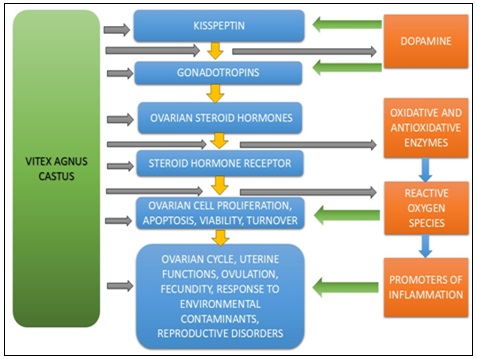
FIG. 2: TARGET SITE OF VITEX AGNUS-CASTUS 3
Vitex agnus-castus in PCOS: Vitex agnus-castus (chaste tree or chasteberry) is a conventional botanical agent which is gaining interest in the modulatory action on hormonal pathways implicated in PCOS: HPO Axis Modulation: The existence of experimental models of PCOS has indicated that Vitex extract can regulate the expression of the hypothalamic kisspeptin (KISS-1) gene, and thereby potentially induce a normalization of GnRH, FSH and progesterone elevation and LH and testosterone decrease. Vitex constituents combine with dopamine D2 receptors and may influence the prolactin release, but some phytochemicals possess low affinity as estrogens and may be used as a factor in reinstating hormonal balance in endocrine reproductive disorders. Vitex may cause reduced prolactin and alter patterns of gonadotropin release, which may enhance menstrual regularity, both in preclinical and clinical studies 4.
TABLE 3: VITEX AGNUS- CASTUS ON HORMONAL IMBALANCE
| Sr. no. | Target | Species | Character of influence | Ref. |
| 1. | Fecundity | Mice, Women | Stimulation | (9,40-42) |
| 2. | Uterine growth | Rat, Mice | Stimulation | (40) |
| 3. | Sexual behaviour | Women | Stimulation | (43) |
| 4. | Release of progesterone and estradiol | Pig, women | Simulation and Inhibition | (9, 44-47) |
| 5. | Release of kisspeptin | Women | Stimulation | (9, 41) |
| 6. | Release of FSH and LH | Women | Stimulation | (9, 41) |
| 7. | Proliferation of ovarian cells | Pig | Stimulation | (47) |
| 8. | Apoptosis of ovarian cells | Pig | Stimulation | (46) |
| 9. | Viability of ovarian cells | Pig | Stimulation | (46) |
Safety, Dosage and Toxicology: Vitex agnus-castus has been reported extensively as a well-tolerated herbal medicine in situations where it has been administered through recommended therapeutic doses. Regulatory assessments and clinical studies show that the most frequently stated adverse effects are minor and transient like gastrointestinal discomfort, headache, pruritus, dizziness, acne and mild skin effects such as urticaria, rash, and swelling of the face. The adverse effects are of a mild nature and no serious organ toxicity is to be seen in clinical application 48. The data of non-clinical studies indicate that VAC activates the hypothalamus and pituitary gland and then interacts with the dopaminergic receptor of the anterior pituitary gland and causes the destruction of prolactin secretion in-vivo and in-vitro. Appropriate non clinical research on VAC is not done yet. As far as little data on the toxicology was available, it was discovered that VAC leads to liver toxicity in two repeated-dose toxicity studies in an animal model. It was also found that the VAC fruit extract could influence lactation 49.
Typical dosage Standardized Vitex agnus-castus extracts are usually used in a dose of 20-40mg of dried fruit extract per day depending on the formulation and indication. Extract standardization is closely associated with clinical efficacy and safety, especially with regard to active diterpenes that cause dopaminergic activity. Vitex agnus-castus can be used with such drugs since its dopamine-mediated inhibition of prolactin can be affected by dopamine agonists, antagonists, and by some hormonal drugs. The patients under antipsychotic medications, hormonal contraceptives, or hormone replacement therapy should therefore be taken with caution. It is also considered not to be safe during pregnancy and lactation as there is a lack of safety data on its use 50. Observational studies and clinical information over a long period have indicated that Vitex agnus-castus is safely administered during multiple menstrual cycles, and its use is well-tolerated by patients and is associated with few side effects. Nevertheless, the importance of the long-term clinical trials developed properly, especially in the population of PCOS, has been repeatedly reiterated in recent articles 51, 52.
Comparison with Conventional Therapies: The current management of polycystic ovary syndrome (PCOS) involves combined oral contraceptives (COCs), insulin sensitizing drugs (metaformin) and anti-androgens, ovulation agents (clomiphene citrate or letrozole), and dopamine agonists when hyperprolactinemia occurs. Although these pharmacological treatments are useful in management of symptoms, they may have some adverse effects, metabolic issues and be intolerated by the patient after some period of use. In this regard, Vitex agnus-castus has been considered as Phyto therapeutic alternative or adjunct because of its neuroendocrine-modulating and favourable safety profile.
Comparison with Dopamine Agonists: Bromocryptine and cabergoline are dopamine agonists that are commonly used to treat hyperprolactinemia, which can be one of the causes of menstrual abnormalities and ovulatory dysfunction in PCOS. Recent mechanistic and clinical data demonstrates that Vitex agnus-castus has a dopaminergic effect through interaction with the dopamine D2 receptors in the anterior pituitary, and leads to diminished prolactin secretion. Recent clinical reviews also confirm that Vitex agnus-castus has a clinical role to play in mild hyperprolactinemia and functional luteal phase defects 3, 37.
Vitex preparations are usually linked to less severe and less frequent adverse effects in contrast to synthetic dopamine agonists, which could cause nausea, dizziness, hypotension, and gastrointestinal disorders. Though no head-to-head randomized trials that are large in scale and directly compare Vitex to dopamine agonists are present, the existing evidence indicates that Vitex can be used as a milder option in patients with mild prolactin elevation or intolerance to traditional dopamine agonists 3, 26.
Comparison with Combined Oral Contraceptives; Combined oral contraceptives should continue to be brought in as the first-line action in the regulation of the menstrual cycle and decrease hyperandrogenic symptoms in PCOS. They do so by inhibiting ovulation and reducing ovarian androgen. Nevertheless, there are concerns about the risk of thromboembolism, changes in metabolism, mood fluctuation and the long-term hormonal inhibition 3, 37. Conversely, Vitex without agnus-castus does not suppress the ovulation but seems to regulate the hypothalamic-pituitary-ovarian (HPO) axis by attenuating the effect of dopaminergic and endocrine-regulating pathways by action and applicability on ovulation prevention is not possible in those cases when COCs are needed. In its place, it can be regarded in women who want to have control over their cycle without suppressed hormones 49, 51.
Comparison with Insulin-Sensitizing Agents: Metformin is also commonly employed as a form of PCOS management of insulin resistance and metabolic dysfunction. Its action is mainly directed at glucose metabolism and the insulin sensitivity instead of direct neuroendocrine control. Conversely, Vitex agnus-castus has a major consequence on the secretion of pituitary prolactin and gonadotropin balance through the action of the dopaminergic systems. Presently, there are no strong comparative studies done between Vitex and metformin. Thus, Vitex can be more suitable as an adjunctive treatment in women when their major concerns are irregular menstruation, luteal insufficiency, or minor endocrine disproportions, and not severe metabolic dysfunctions 3, 15, 37.
Comparison with Ovulation Induction Agents: Clomiphene citrate and letrozole are still considered as first-line treatments of ovulation induction in infertile PCOS patients. These drugs directly induce the development of the follicles by the modulation of oestrogen receptors, or by inhibition of aromatase. In comparison, Vitex agnus-castus could indirectly promote ovulatory, by regulating the amount of prolactin and enhancing the sufficiency of luteal phases. Although there is mechanistic plausibility, there is no existing evidence to replace the conventional protocols of ovulation induction with Vitex in infertile patients with anovulatory infertility. Rather, Vitex can complement women with mild cases of ovulatory dysfunction or the luteal phase abnormalities 3, 26.
Advantages and Limitations Compared with Conventional Therapies: Vitex agnus-castus has favorable tolerability profile compared to conventional pharmacotherapy, with most adverse effects reported as mild gastrointestinal effects, headache, acne or temporary menstrual effects. Its natural source of plants and endocrine-controlling effect might render it to be used in the long term in a few patients who are in search of non-synthetic forms of therapy. Nevertheless, the limitations exist even with the good mechanistic and clinical evidence. They consist of heterogeneity of extract standardization, inconsistency in study design, relatively small sample size, and limited large-scale randomized controlled trials that directly compare Vitex agnus-castus to standard first-line PCOS therapies until more impregnable comparative evidence is provided 3, 15, 51.
TABLE 4: COMPARISON OF VITEX AGNUS-CASTUS WITH CONVENTIONAL THERAPIES IN PCOS AND HORMONAL DYSREGULATION
| Parameter | VAC | Dopamine agonist | Combined Oral Contraceptive (COCs) | Metformin | Ovulation-Induced Agents | Ref. |
| Primary mechanism | Dopamine D2 receptor modulation, decreased prolactin, HPO axis regulation | Direct dopamine agonism D2 | Suppresses ovulation, decreases ovarian androgen production | Improve insulin sensitivity, decrease hepatic glucose production | Oestrogen receptor modulation or aromatase inhibition | (3, 37) |
| Target Level | Pituitary HPO axis | Pituitary | Ovarian hypothalamic feedback | Peripheral metabolic pathways | Ovarian follicular stimulation | (3, 37) |
| Effect on prolactin | Mild moderate reduction | Strong reduction | No direct effect | No direct effect | No direct effect | (3, 26) |
| Effect on menstrual regulation | Improves cycle regularity in mild dysfunction | Effective if prolactin related | Highly effective cycle control | Indirect improvement | Induces ovulation | (3, 37, 51) |
| Effect on androgen | Indirect modulation | Minimal | Significant reduction | Modest reduction | Minimal direct effect | (3, 26) |
| Ovulation | Supports physiologic ovulation | Restores if prolactin mediated | Suppressed | May improve | Direct induction | (3, 26) |
| Metabolic benefit | Limited evidence | None | May worsen metabolic profile in some cases | Strong metabolic benefit | None | (3, 37) |
| Common adverse effects | Mild GI upset, headache, acne | Nausea, dizziness, hypotension | Weight gain, thromboembolic risk | GI disturbance, B12 deficiency | Hot flashes, ovarian hyperstimulation | (37, 39) |
| Contraceptive effect | No | No | Yes | No | No | (49) |
| Best clinical use | Mild hormonal imbalance, luteal defects, preference for phytotherapy | hyperprolactinemia | Menstrual control and androgen suppression | Insulin resistance | Anovulatory infertility | (3, 37, 49, 51) |
CONCLUSION: Vitex agnus-castus has appeared as a promising herbal agent in the management of polycystic ovary syndrome (PCOS) and hormonal dysregulation. Its principal mode of action is dopaminergic modulation at anterior pituitary level, which leads to reduced prolactin secretion and following regularization of the hypothalamic–pituitary–ovarian (HPO) axis. And this leads to improved menstrual cycle, increased luteal phase function, and maintained ovulation. Clinical evidence suggests its beneficial properties in women. Plant-based interventions often suggest an alternative and tolerable option when compared with traditional pharmacotherapies such as dopamine agonists, combined oral contraceptives, metformin, and ovulation-inducing agents. However, it is usually appropriate for mild to moderate endocrine disturbances rather than severe metabolic or infertility-driven PCOS cases.
The current evidence is still limited and lacks large-scale randomized controlled trials that directly establish Vitex as first-line therapy. Future research should focus on establishing well-designed multicenter trials, standardized dosing regimens, and long-term safety profile to evaluate its definitive clinical positioning. Research should also focus on the other mechanism of action expect dopaminergic such as insulin resistance, inflammatory etc. Long term safety study should also be taken in consideration, drug- drug interaction, combination therapies or maybe in combination with conventional therapies. In conclusion, Vitex agnus-castus represents a potentially valuable adjunct or complementary therapy in the integrative management of PCOS and hormonal imbalance. While it should not replace evidence-based traditional treatments in complex or severe cases, it offers a biologically plausible and generally well-tolerated option within personalized and patient-centered reproductive care strategies.
ACKNOWLEDGEMENTS: Nil
Author Contributions: D. S. Wrote main draft; R. S. project administrator, supervised, reviewed and edited. Both authors are duly acknowledged in publication.
CONFLICT OF INTERESTS: The authors have declared no possible conflicts of interest with respect to the review, authorship, and/or publication of this article.
REFERENCES:
- Hechtman L: 209 - Polycystic Ovary Syndrome (PCOS). In: Pizzorno JE, Murray MT, editors. Textbook of Natural Medicine (Fifth Edition). St. Louis (MO): Churchill Livingstone 2020; 1694-706.e7.
- Saul S: Effects of Vitex agnes-castus on hormonal imbalances in Polycystic Ovary Syndrome. International Journal of Basic & Clinical Pharmacology 2017; 6(8): 2051-5.
- Sirotkin AV: Effects, Mechanisms of Action and Application of Vitex agnus-castus for Improvement of Health and Female Reproduction. Phytotherapy Research: PTR 2025; 39(3): 1484-93.
- Feyzollahi Z, Mohseni Kouchesfehani H, Jalali H, Eslimi-Esfahani D and Sheikh Hosseini A: Effect of Vitex agnus-castus ethanolic extract on hypothalamic KISS-1 gene expression in a rat model of polycystic ovary syndrome. Avicenna Journal of Phytomedicine 2021; 11(3): 292-301.
- Hechtman L: 184 - Infertility, Female. In: Pizzorno JE, Murray MT, editors. Textbook of Natural Medicine (Fifth Edition). St. Louis (MO): Churchill Livingstone 2020; 1431-52.e7.
- Dunaif A: Perspectives in polycystic ovary syndrome: from hair to eternity. The Journal of Clinical Endocrinology & Metabolism 2016; 101(3): 759-68.
- Sadeghi HM, Adeli I, Calina D, Docea AO, Mousavi T and Daniali M: Polycystic ovary syndrome: a comprehensive review of pathogenesis, management, and Drug Repurposing 2022; 23(2): 583.
- Szkodziak P, Szkodziak F, Trzeciak K, Woźniak S, Mlynarczyk M and Paszkowski TJSR: Insulin resistance in polycystic ovary syndrome phenotypes and the vicious cycle model in its etiology 2025; 15(1): 42649.
- Manouchehri A, Abbaszadeh S, Ahmadi M, Nejad FK, Bahmani M and Dastyar NJJAR: Polycystic ovaries and herbal remedies: A Systematic Review 2023; 27(1): 85.
- Hossein-Rashidi B and Nemati MJJOHM: Effects of Vitex agnus-castus extract on the secretory function of pituitary-gonadal axis and pregnancy rate in patients with premature ovarian aging (POA) 2017; 10: 24-30.
- Habbab A, Sekkoum K, Belboukhari N, Cheriti A and Y Aboul-Enein HJCBC: Essential oil chemical composition of Vitex agnus-castus L. from Southern-West Algeria and its Antimicrobial Activity 2016; 12(1): 51-60.
- Hamza AH, AlBishri WM and Alfaris MHJAPJOR: Effect of Vitex agnus-castus plant extract on polycystic ovary syndrome complications in experimental rat model 2019; 8(2): 63-9.
- Keikha N, Shafaghat M, Mousavia SM, Moudi M and Keshavarzi FJCMM: Antifungal effects of ethanolic and aqueous extracts of Vitex agnus-castus against vaginal isolates of Candida albicans2018; 4(1): 1.
- Yilar M, Bayan Y and Onaran AJNBHACN: Chemical composition and antifungal effects of Vitex agnus-castus L. and Myrtus communis L. plants 2016; 44(2): 466-71.
- Zeqiri A, Dermaku-Sopjani M and Sopjani MJBMJBLL: The mechanisms underlying the role of Vitex agnus-castus in Mastalgia 2022; 123(12).
- Goncalves R, Ayres VF, Carvalho CE, Souza MG, Guimaraes AC and Correa GM: Chemical composition and antibacterial activity of the essential oil of Vitex agnus-castus L.(Lamiaceae) 2017; 89: 2825-32.
- Karaköse MJPD: An ethnobotanical study of medicinal plants in Güce district, north-eastern Turkey. 2022; 44(6): 577-97.
- Das N, Salgueiro AC, Choudhury DR, Mandal SK, Logesh R and Hassan MM: Traditional uses, phytochemistry, and pharmacology of genus Vitex (Lamiaceae) 2022; 36(2): 571-671.
- Niroumand MC, Heydarpour F and Farzaei MHJPR: Pharmacological and therapeutic effects of Vitex agnus-castus L.: A Review 2018; 12(23).
- Rafieian-Kopaei M and Movahedi MJEP: Systematic review of premenstrual, postmenstrual and infertility disorders of Vitex agnus castus 2017; 9(1): 3685.
- Habbab A, Sekkoum K, Belboukhari N, Cheriti A and Y Aboul-Enein HJCBC: Analgesic and anti-inflammatory effects of essential oils of Vitex agnuscastus L. from South-West of Algeria 2017; 13(2): 165-9.
- Boujbiha MA, Chahdoura H, Adouni K, Ziani BEC, Snoussi M and Chakroun Y: Wild Vitex agnus-castus L.: Phytochemical Characterization, Acute Toxicity, and Bioactive Properties 2023; 28(13): 5096.
- Certo G, Costa R, D’Angelo V, Russo M, Albergamo A and Dugo G: Anti-angiogenic activity and phytochemical screening of fruit fractions from Vitex agnus-castus 2017; 31(24): 2850-6.
- Grigory Vasilievich Adamov TDR, Olga Leonidovna Saybel, Tamara Darizhapovna Dargaeva, Andrey Nikolaevich Tsitsilin and Dmitry Olegovich Bokov: Vitex agnus-castus: Botanical features and area, chemical composition of fruit, pharmacological properties, and medicinal uses %J Journal of Applied Pharmaceutical Science 2022; 3: 034–44.
- Souto EB, Durazzo A, Nazhand A, Lucarini M, Zaccardelli M and Souto SB: Vitex agnus-castus L.: Main Features and Nutraceutical Perspectives 2020; 11(7): 761.
- Puglia LT, Lowry J and Tamagno G: Vitex agnus castus effects on hyperprolactinaemia 2023; 14.
- Kırmızıbekmez H and Demir D: Iridoid Glycosides and Phenolic Compounds from the Flowers of Vitex agnus-castus 2016; 99(7): 518-22.
- Berrani A, Marmouzi I, Bouyahya A, Kharbach M, El Hamdani M and El Jemli M: Phenolic compound analysis and pharmacological screening of Vitex agnus-castus Functional Parts 2021; 2021(1): 6695311.
- Karakoti H, Mahawer SK, Tewari M, Kumar R, Prakash O and de Oliveira MS: Phytochemical profile, in vitro bioactivity evaluation, in-silico molecular docking and ADMET study of essential oils of three Vitex species grown in Tarai Region of Uttarakhand 2022; 11(10): 1911.
- Al-Otibi FO, Alrumaizan GI and Alharbi RIJBCM: therapies. Evaluation of anticandidal activities and phytochemical examination of extracts prepared from Vitex agnus-castus: a possible alternative in treating candidiasis infections 2022; 22(1): 69.
- Medicine NLO: A Clinical Trial to Evaluate the Efficacy and Safety of Agnucaston Tablets in the Treatment of Premenstrual Syndrome (PMS) (ACT-RCT-C 01): National Library of Medicine; 2009 [Available from: https://clinicaltrials.gov/study/NCT00672607?term=NCT00672607&rank=1.
- Röhrl J, Werz O, Ammendola A and Künstle GJCP: Vitex agnus-castus dry extract BNO 1095 (Agnucaston®) inhibits uterine hyper-contractions and inflammation in experimental models for primary dysmenorrhea. 2016; 2(1): 20.
- Medicine NLO: Efficacy of Vitex agnus-castus BNO 1095 (20 mg) in Women With Primary Dysmenorrhea: National Library of Medicine; 2025 [Available from: https://clinicaltrials.gov/study/NCT06211049?term=NCT06211049&rank=1.
- Medicine NLO: Possibilities of Phytomedicine in Monotherapy of Benign Breast Diseases: National Library of Medicine; 2023 [Available from: https://clinicaltrials.gov/study/NCT05717894?term=NCT05717894&rank=1.
- Aurel Zeqiri MD-S and Mentor Sopjani: The mechanisms underlying the role of Vitex agnus-castus in mastalgia. Bratislava Medical Journal 2022; 123(12): 913–918. 2022; 123(12): 6.
- Kour M, Madom Anantharaya VN, Bhat KMR, Chakraborti S and Kodavanji BJJOYP: Effect of Vitex agnus extract on MNU induced mammary tumor of Sprague Dawley Rats 2017; 9(3): 367.
- Reinhardt JK, Schertler L, Bussmann H, Sellner M, Smiesko M and Boonen G: Vitex agnus castus Extract Ze 440: Diterpene and Triterpene’s Interactions with Dopamine D2 Receptor 2024; 25(21): 11456.
- Sopjani M, Murati V, Mataj-Berisha D, Xuan NT, Faggio C and Rifati-Nixha A: Vitex agnus-castus in Menopause: Phytochemistry, Mechanistic Insights, Clinical Applications, and Safety Perspectives. Phytotherapy Research: PTR 2026.
- Teede HJ, Misso ML, Costello MF, Dokras A, Laven J and Moran L: Recommendations from the international evidence-based guideline for the assessment and management of polycystic ovary syndrome†‡. Human Reproduction 2018; 33(9): 1602-18.
- Ahangarpour A, Najimi SA and Farbood Y: Effects of Vitex agnus-castus fruit on sex hormones and antioxidant indices in a d-galactose-induced aging female mouse model 2016; 79(11): 589-96.
- Mona A, Socolov D, Fawzy A, Covali R, Crauciuc E and Catalina S: Treatments in patients with polycystic ovary syndrome and effects on kisspeptin serum levels 2022; 17(4): 799.
- Antoine E, Chirila S, Teodorescu CJM. A patented blend consisting of a combination of Vitex agnus-castus extract, Lepidium meyenii (maca) extract and active folate, a nutritional supplement for improving fertility in women 2019; 14(3): 274.
- Zohreh A, Robabeh A, Peiman A, Hamid NS and Zakiyeh AJJOE: Promotion h. Vitagnus an estrogen-riched herbal remedy used in sexual dysfunction: A Randomized Clinical Trial 2023; 12(1): 268.
- Sirotkin AV, Macejková M, Tarko A, Fabova Z, Alwasel S and Harrath AHJES: Buckwheat, rooibos, and vitex extracts can mitigate adverse effects of xylene on ovarian cells in-vitro 2021; 28(6): 7431-9.
- Sirotkin AV, Macejkova M, Tarko A, Fabova Z, Alrezaki A and Alwasel S: Effects of benzene on gilts ovarian cell functions alone and in combination with buckwheat, rooibos, and vitex 2021; 28(3): 3434-44.
- Sirotkin AV, Macejková M, Tarko A, Fabova Z and Harrath AHJRIDA: Can some food/medicinal plants directly affect porcine ovarian granulosa cells and mitigate the toxic effect of toluene? 2023; 58(11): 1595-603.
- Sirotkin AV, Radosová M, Tarko A, Fabova Z, Martín-García I and Alonso FJN: Abatement of the stimulatory effect of copper nanoparticles supported on titania on ovarian cell functions by some plants and phytochemicals 2020; 10(9): 1859.
- Naseri R, Farnia V, Yazdchi K, Alikhani M, Basanj B and Salemi SJKJOFM: Comparison of Vitex agnus-castus extracts with placebo in reducing menopausal symptoms: a randomized double-blind study 2019; 40(6): 362.
- Flemisch S and Wiesner JJEMA: Assessment report on Vitex agnus-castus L., fructus 2018; 44: 1-45.
- Izzo AA, Hoon‐Kim S, Radhakrishnan R and Williamson EMJPR: A critical approach to evaluating clinical efficacy, adverse events and drug interactions of herbal remedies 2016; 30(5): 691-700.
- Höller M, Steindl H, Abramov-Sommariva D, Kleemann J, Loleit A and Abels C: Use of Vitex agnus-castus in patients with menstrual cycle disorders: a single-center retrospective longitudinal cohort study 2024; 309(5): 2089-98.
- Satapathy T, Rathi D and Sahu P: Synergistic Amelioration of Imidacloprid-Induced Infertility by Vitex agnus-castus and Nigella sativa in Female Rats. Mechanistic Evid of Horm and Reprod Restoration 2025.
How to cite this article:
Singh D and Srivastava R: Therapeutic role of Vitexagnus castusin PCOS and hormonal dysregulation: a review. Int J Pharm Sci & Res 2026; 17(9): 2564-73. doi: 10.13040/IJPSR.0975-8232.17(9).2564-73.
All © 2026 are reserved by International Journal of Pharmaceutical Sciences and Research. This Journal licensed under a Creative Commons Attribution-NonCommercial-ShareAlike 3.0 Unported License.
Article Information
2
2564-2573
1034 KB
6
English
IJPSR
Richa Srivastava * and Deepa Singh
Amity Institute of Pharmacy, Amity University Uttar Pradesh Lucknow Campus, Lucknow, Uttar Pradesh, India.
rsrivastava1@lko.amity.edu
22 March 2026
23 April 2026
26 April 2026
10.13040/IJPSR.0975-8232.17(9).2564-73
01 September 2026
 Download