




UNLOCKING NATURE’S POWER: A DECADE OF MEDICINAL PLANTS REVOLUTIONIZING CANCER THERAPY
HTML Full TextUNLOCKING NATURE'S POWER: A DECADE OF MEDICINAL PLANTS REVOLUTIONIZING CANCER THERAPY
Sanjana Chourasiya, Anamika Singh *, Shivani Jain, Sapna Malviya and Anil Kharia
Modern Institute of Pharmaceutical Sciences, Alwasa, Behind Rewti Range, Indore, Madhya Pradesh, India.
ABSTRACT: Cancer is a severe global health burden, responsible for significant morbidity and mortality globally. Despite breakthroughs in traditional therapies including chemotherapy, radiation, and surgery, these methods are frequently associated with side effects, drug resistance, and limited selectivity. In recent years, medicinal plants have received increased interest as a source of bioactive chemicals with potential anticancer properties. The current analysis conducts a comprehensive evaluation of medicinal plants published between 2014 and 2024 for their anticancer potential. A structured literature search was carried out utilizing major databases, with papers chosen based on established inclusion and exclusion criteria. The review focuses on the mechanisms of action, level of evidence, and translational significance of plant-derived chemicals. The findings suggest that a wide range of medicinal plants have anticancer action via mechanisms such as apoptosis induction, cell growth suppression, signalling pathway modification, and antioxidant properties. However, the bulk of studies focus on in-vitro and preclinical models, with only a few well-designed clinical trials. In conclusion, while medicinal plants represent a promising alternative approach in cancer therapy, further study is needed to address issues of standardization, safety, and clinical validation.
Keywords: Medicinal plants, Anticancer activity, Phytochemicals, Apoptosis, Cancer therapy, Natural products
INTRODUCTION: Cancer is one of the leading causes of sickness and death globally, and it is a major public health issue compounded by population growth, age, and lifestyle changes. In 2026, it is anticipated that over 2.1 million new cancer cases would be diagnosed in the United States alone, with over 626,000 fatalities 2. Although traditional therapy approaches have improved patient outcomes, with a historic 70% five-year survival rate for all malignancies combined, they are typically accompanied by significant limits like as systemic toxicity and the development of multidrug resistance.
As a result, there is an increasing interest in natural goods, particularly medicinal herbs, which have been used for millennia and contain bioactive compounds 5, 41. Phytochemicals such as alkaloids, flavonoids, terpenoids, and phenolic compounds have a variety of pharmacological effects, including anti-inflammatory and anti-proliferative activities 33, 34.
Several plant-derived compounds, such as paclitaxel and vincristine, have been effectively incorporated into modern oncology, although clinical translation of newer candidates remains restricted. Significant challenges remain, including extraction procedure standardization, toxicity assessment, pharmacokinetics, and regulatory approval 46, 49. This study aims to objectively evaluate medicinal plants described in the last decade, with a focus on their mechanisms of action and translational potential.
Review Methodology: This review was planned and methodical in order to provide a full and unbiased assessment of medicinal plants having anticancer effects. A complete literature search was carried out using electronic databases such as PubMed, Scopus, Web of Science, and Google Scholar. The search method combined phrases such as "medicinal plants," "anticancer activity," "phytochemicals," "natural products in cancer therapy," and "herbal medicine oncology" using Boolean operators. To meet the journal's criteria for current relevance, the review focused on publications published during the recent decade (2016-2026). Inclusion criteria included experimental research demonstrating anticancer activity in-vitro, in-vivo, or in clinical settings, as well as studies examining the molecular processes of plant-derived compounds. Research with insufficient methodological information, non-English publications, and papers that predate the given time range were removed. Data were collected and analyzed based on plant species, active compounds, cancer type, experimental model, and anticipated mechanisms of action to establish a key analytical framework rather than just a descriptive one.
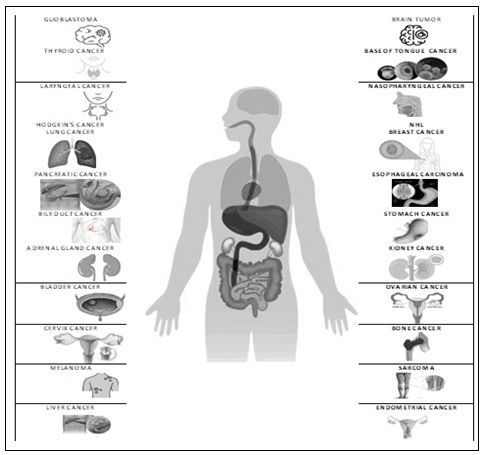
FIG. 1: COMMON TYPES OF CANCER 51
General Mechanisms of Anticancer Action: Herbal remedies have anticancer effects through a number of molecular and cellular mechanisms 20, 31. One of the key techniques is to induce apoptosis, which is a programmed cell death process that eliminates faulty cells through both intrinsic and extrinsic mechanisms including mitochondrial dysfunction and caspase activation 6, 32. Another important mechanism is the generation of reactive oxygen species (ROS), which induces oxidative stress and selective cytotoxicity in cancer cells 7, 27. Furthermore, plant-derived compounds can inhibit tumor cell growth by arresting the cell cycle at certain checkpoints, such as the G1/S or G2/M stages 9, 34. Phytochemicals alter signalling pathways such as MAPK, EGFR, VEGF, Ras/Raf, and NF-κB, affecting cell survival, angiogenesis, and metastasis 8, 16. Some chemicals, such as those found in pomegranate and green tea have anti-angiogenic and anti-metastatic properties, which inhibit tumor development and spread 11, 33.
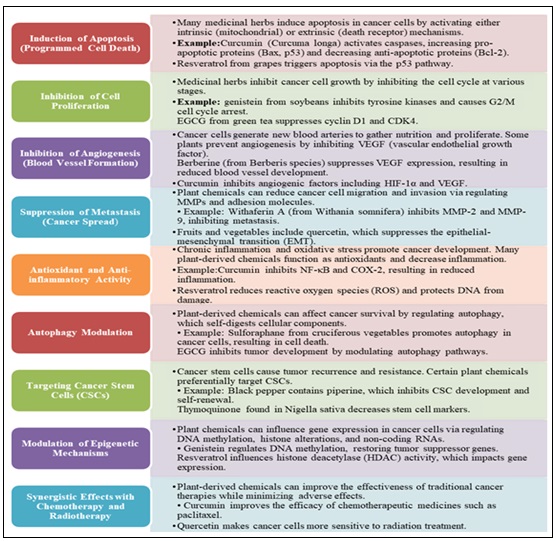
FIG. 2: GENERAL MECHANISM OF ACTIONS OF HERBAL PLANTS POSSESSING ANTICANCER ACTIVITY
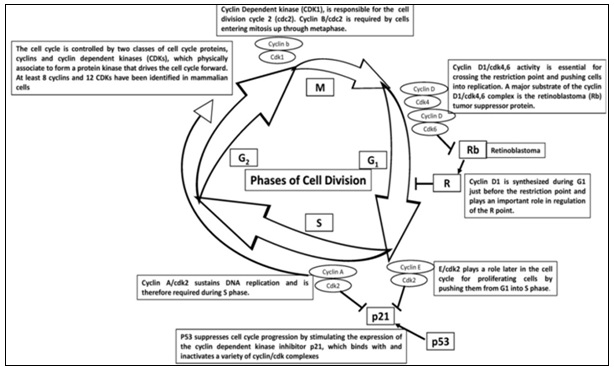
FIG. 3: PHASES OF CELL DIVISION 51
Advantages and Limitations of Herbal Drugs: Medicinal herbs have various advantages as possible anticancer medicines because of their natural origin and multi-targeted mechanisms of action. They are widely available and have long been used in a variety of medical systems. Certain phytochemicals have demonstrated a favorable safety profile in preclinical models and may mitigate the systemic toxicity of conventional chemotherapeutics when used in synergistic combinations. However, clinical safety remains contingent upon rigorous standardization of dosage and extraction protocols 3, 31, 34. However, these advantages should be viewed with caution. The safety and efficacy of herbal medications are greatly reliant on dosage, extraction processes, and formulation. Lack of standardization frequently leads to variability in active ingredients, which can impair repeatability and therapeutic outcomes 46. Furthermore, inadequate clinical validation and insufficient data on pharmacokinetics and toxicity pose considerable barriers to their clinical implementation 42, 50. So, therefore, medicinal plants should be considered as complementary approaches as complementary approaches rather than direct replacements for current medications until robust and well-controlled clinical evidence is forthcoming 41.
Scientific Classification of Selected Medicinal Plants:
TABLE 1: SCIENTIFIC/TAXONOMICAL CLASSIFICATION OF SELECTED MEDICINAL PLANTS
| S. no. | Scientific Name (Italic) | Family | Common Name | Part Used | Reference |
| 1 | Bauhinia racemosa Lam. | Fabaceae | Bidi leaf tree | Leaves | [11] |
| 2 | Abutilon indicum (L.) Sweet | Malvaceae | Indian mallow | Leaves | [12] |
| 3 | Aglaia roxburghiana Miq. | Meliaceae | Aglaia | Leaves | [13] |
| 4 | Cocculus hirsutus (L.) Diels | Menispermaceae | Broom creeper | Leaves | [17] |
| 5 | Hyptis suaveolens (L.) Poit. | Lamiaceae | Bush mint | Leaves | [22] |
| 6 | Tetrastigma serrulatum Planch. | Vitaceae | Wild grape | Leaves | [27] |
| 7 | Thespesia populnea (L.) Sol. ex Corrêa | Malvaceae | Portia tree | Leaves | [28] |
| 8 | Ajuga bracteosa Wall. ex Benth. | Lamiaceae | Bugleweed | Whole plant | [14] |
| 9 | Coix lacryma-jobi L. | Poaceae | Job’s tears | Seeds | [18] |
| 10 | Luffa cylindrica (L.) M. Roem. | Cucurbitaceae | Sponge gourd | Fruit | [23] |
| 11 | Caesalpinia pulcherrima (L.) Sw. | Fabaceae | Peacock flower | Leaves | [15] |
| 12 | Semecarpus anacardium L. f. | Anacardiaceae | Marking nut | Nuts | [25] |
| 13 | Symplocos racemosa Roxb. | Symplocaceae | Lodhra | Bark | [26] |
| 14 | Rhus succedanea L. | Anacardiaceae | Wax tree | Leaves | [24] |
| 15 | Camellia sinensis (L.) Kuntze | Theaceae | Green tea | Leaves | [16] |
| 16 | Crocus sativus L. | Iridaceae | Saffron | Stigma | [20] |
| 17 | Azadirachta indica A. Juss. | Meliaceae | Neem | Leaves | [3] |
| 18 | Curcuma longa L. | Zingiberaceae | Turmeric | Rhizome | [29] |
Medicinal Plants with Anticancer Activity: A wide variety of medicinal plants have been evaluated for their anticancer properties. To reduce redundancy and improve analytical clarity, these plants can be classified according to their primary modes of action and amount of scientific proof.
Plants Inducing Apoptosis via Oxidative Stress: A substantial amount of medicinal plants exhibit anticancer action by inducing oxidative stress and apoptosis. Bauhinia racemosa, Abutilon indicum, and Aglaia roxburghiana have been shown to have strong cytotoxic effects on a variety of cancer cell lines, principally through enhanced reactive oxygen species (ROS) formation and mitochondrial-mediated apoptosis 11-13. Similarly, Cocculus hirsutus, Hyptis suaveolens, Tetrastigma serrulatum, and Thespesia populnea have antiproliferative properties linked to oxidative stress-mediated pathways 17, 22, 27, 28. Furthermore, widely studied medicinal plants such as Azadirachta indica and Curcuma longa have demonstrated significant anticancer activity via apoptosis induction and regulation of important intracellular signaling pathways 3, 29.
However, it is important to emphasize that the majority of these findings are based on in-vitro experimental models, with little validation in-vivo or clinical research. Further research is needed to determine the translational significance and therapeutic application of these plant-derived chemicals in cancer treatment 41.
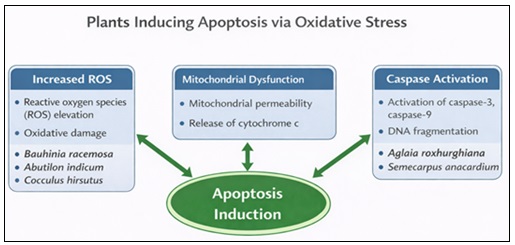
FIG. 4: COMPILED MODE OF ACTION OF SELECTED MEDICINAL PLANTS INDUCING APOPTOSIS VIA OXIDATIVE STRESS
Plants Targeting Cell Cycle Regulation and Proliferation: Several herbs for medicinal purposes slow cancer growth by disrupting cell cycle control and decreasing tumor cell proliferation. Ajuga bracteosa, Coix lacryma-jobi, and Luffa cylindrica have been shown to stop cell cycle progression and reduce proliferation in several cancer cell lines 14, 18, 23. Furthermore, Withania somnifera and Tinospora cordifolia have strong antiproliferative effect by modulating cyclins, cyclin-dependent kinases (CDKs), and tumor suppressor proteins, which regulate important checkpoints in the cell cycle 31, 33. These plants are also said to have immunomodulatory capabilities, which may add to their overall anticancer potential 34. However, the majority of these findings come from preclinical studies, and there is little clinical evidence to substantiate their therapeutic efficacy. Therefore, more well-designed in-vivo and clinical investigations are required to validate these findings.
Plants with In-vivo Anticancer Evidence: Compared to in-vitro research, some medicinal plants have shown anticancer action in animal models, offering stronger evidence for their therapeutic potential. Caesalpinia pulcherrima and Semecarpus anacardium have been found in experimental models to inhibit tumors and improve survival rates 15, 25. Similarly, Symplocos racemosa and Rhus succedanea have anticancer properties mediated by antioxidant activity and apoptotic induction 26, 24. Furthermore, Catharanthus roseus, a well-known source of anticancer alkaloids like vincristine and vinblastine, is a successful example of plant-derived drug research with clinical applications 3, 39. Although these findings are encouraging, most research is limited to preclinical models. Therefore, additional well-designed clinical studies are required to establish the safety, efficacy, and therapeutic relevance of these plant-derived medicines in human cancer treatment 41.
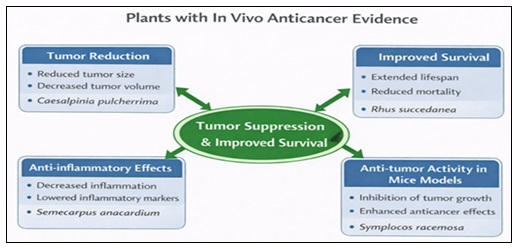
FIG. 5: COMPILED MODE OF ACTION OF SELECTED MEDICINAL PLANTS WITH IN-VIVO EVIDENCE
Plants with Clinical or Translational Evidence: Only a few medicinal plants investigated have shown significant clinical or translational relevance. Camellia sinensis (green tea) has been widely studied, and its bioactive constituent epigallocatechin gallate (EGCG) demonstrates antioxidant, anti-angiogenic, and antiproliferative properties across several cancer models 16, 32. Similarly, Crocus sativus (saffron) has shown promising anticancer activity, with compounds like crocin showing efficacy in both experimental models and limited clinical studies 20. Furthermore, Taxus brevifolia, the source of paclitaxel, and Podophyllum hexandrum, the source of podophyllotoxin derivatives, are well-known instances of effective translation of plant-derived compounds into therapeutically useful anticancer medicines 3, 39.
Despite these developments, the number of well-designed, large-scale clinical trials assessing plant-derived anticancer medicines is still low. As a result, additional thorough clinical studies are required to prove their safety, effectiveness, and therapeutic relevance in oncology treatment 41.
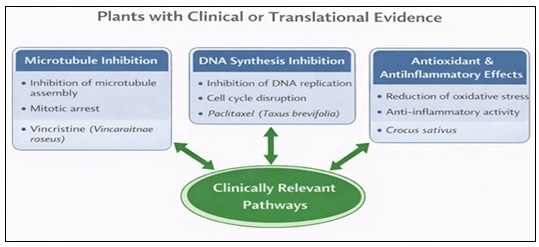
FIG. 6: COMPILED MODE OF ACTION OF CLINICALLY RELEVANT PATHWAYS IN PLANT-DERIVED MEDICINES
TABLE 2: ANTICANCER ACTIVITY OF SELECTED MEDICINAL PLANTS WITH MECHANISM AND LEVEL OF EVIDENCE
| S. no. | Plant Name | Family | Major Active Constituents | Cancer Type / Model | Key Mechanism | Evidence Level | Ref. |
| 1 | Bauhinia racemosa | Fabaceae | Flavonoids, tannins, β-sitosterol | Cervical, MCF-7, HepG2 | ROS-mediated apoptosis | In-vitro | [11] |
| 2 | Abutilon indicum | Malvaceae | Alkaloids, flavonoids, glycosides | Lung, breast cancer cells | Antiproliferative activity | In-vitro | [12] |
| 3 | Aglaia roxburghiana | Meliaceae | Sesquiterpenoids, triterpenoids | HepG2, MCF-7 | Cytotoxicity, apoptosis | In-vitro | [13] |
| 4 | Ajuga bracteosa | Lamiaceae | Terpenoids, flavonoids | Liver, lung, breast cancer | Cell cycle arrest, tumor inhibition | In-vitro / In-vivo | [14] |
| 5 | Caesalpinia pulcherrima | Fabaceae | Flavonoids, tannins | Breast cancer (MCF-7) | Cytotoxic, apoptosis | In-vitro | [15] |
| 6 | Camellia sinensis | Theaceae | Catechins (EGCG), flavonoids | Lung, breast, prostate | Anti-angiogenic, antiproliferative | In-vitro / Clinical | [16] |
| 7 | Cocculus hirsutus | Menispermaceae | Alkaloids, glycosides | Multiple cancer cell lines | Cytotoxic activity | In-vitro | [17] |
| 8 | Coix lacryma-jobi | Poaceae | Coixenolide, polyphenols | Lung, colon cancer | Cell growth inhibition | In-vitro / In-vivo | [18] |
| 9 | Corchorus aestuans | Malvaceae | β-sitosterol, cardenolides | Breast, colon, liver cancer | Cytotoxic, metabolic modulation | In-vitro | [19] |
| 10 | Crocus sativus | Iridaceae | Crocin, terpenes | Breast, ovarian, liver | Anti-metastatic, apoptosis | In-vivo / Clinical | [20] |
| 11 | Heliotropium indicum | Boraginaceae | Pyrrolizidine alkaloids | Breast, cervical cancer | Cytotoxic activity | In-vitro | [21] |
| 12 | Hyptis suaveolens | Lamiaceae | Terpenoids, cineole | Breast, colorectal cancer | Antiproliferative | In-vitro | [22] |
| 13 | Luffa cylindrica | Cucurbitaceae | Flavonoids, triterpenes | Breast, colon cancer | Cytotoxic, apoptosis | In-vitro | [23] |
| 14 | Rhus succedanea | Anacardiaceae | Fisetin, tannins | Lung, breast, colon | Antioxidant, apoptosis | In-vitro | [24] |
| 15 | Semecarpus anacardium | Anacardiaceae | Polyphenols, flavonoids | Leukemia, breast cancer | Cytotoxic, apoptosis | In-vitro / In-vivo | [25] |
| 16 | Symplocos racemosa | Symplocaceae | Triterpenoids, lignans | Ovarian, breast cancer | Cytotoxic, anti-inflammatory | In-vitro | [26] |
| 17 | Tetrastigma serrulatum | Vitaceae | Flavonoids, alkaloids | Liver, breast, leukemia | Antiproliferative | In-vitro | [27] |
| 18 | Thespesia populnea | Malvaceae | Gossypol, flavonoids | Liver, breast cancer | Cytotoxic, anti-inflammatory | In-vitro | [28] |
Challenges and Future Perspectives: The clinical development of plant-derived anticancer medicines poses major pharmacological and regulatory challenges. One major difficulty is a lack of phytochemical consistency; variances caused by geographical and extraction variables result in unpredictable therapeutic effects and impede standardized dosage. Furthermore, many powerful phytochemicals have poor pharmacokinetic characteristics, including limited water solubility and fast systemic clearance, leading to inadequate bioavailability.
Scientific care is essential when it comes to safety; the notion of intrinsic safety is called into question by dangers of systemic toxicity and negative drug-herb interactions. Current research is largely focused on exploratory in vitro data, emphasizing the importance of high-quality in-vivo investigations and multicenter clinical trials. Future research should focus on nanotechnology-based delivery methods that improve the stability and target specificity of plant-derived medicines. Such methodical development is required for regulatory clearance and effective validation of natural compounds as oncology treatments.
CONCLUSION: Medicinal plants encompass a large number of bioactive metabolites that have been shown to have strong antineoplastic activity in a variety of experimental settings. Evidence gathered over the last decade suggests that these phytochemicals influence fundamental molecular drivers of carcinogenesis, such as the induction of programmed cell death (apoptosis), the suppression of abnormal cell proliferation, and the attenuation of dysregulated intracellular signaling cascades. However, a comprehensive examination of the present literature indicates that the great majority of existing evidence is generated from in-vitro and preclinical models, with a continued lack of well-validated, large-scale clinical studies to support definite therapeutic uses in human cancer.
Despite major advances in pharmacotechnical techniques, particularly the creation of nanotechnology-based delivery systems and the investigation of synergistic combination regimens with traditional chemotherapeutics, significant impediments to clinical translation remain. Critical issues include a lack of substantial phytochemical standardization, variations in dose across various extracts, poor pharmacokinetic profiles, and the need for more complete safety and toxicity studies. Furthermore, negotiating the complicated environment of regulatory approval remains a considerable barrier to the incorporation of these medications into routine clinical practice.
As a result, future research efforts must emphasize the design of robust clinical trials, the development of uniform extraction and formulation processes, and the implementation of detailed mechanistic validation at the molecular and genomic levels. Establishing the definitive therapeutic value of medicinal plants in cancer requires a multidisciplinary, evidence-based approach that successfully blends ethnomedicinal knowledge with modern molecular biology and clinical research. In conclusion, while botanical agents show great promise as cancer treatment adjuncts, their successful incorporation into clinical oncology necessitates rigorous scientific validation, methodical developmental protocols, and a shift from exploratory observations to standardized clinical evidence.
ACKNOWLEDGEMENT: I am thankful to Modern Institutes of pharmaceutical Sciences Indore. There is no funding.
CONFLICT OF INTEREST: There is no conflict of interest.
REFERENCES:
- Bray F, Ferlay J and Soerjomataram I: Global cancer statistics 2020: GLOBOCAN estimates of incidence and mortality worldwide for 36 cancers in 185 countries. CA: A Cancer Journal for Clinicians 2021; 71(3): 209–249.
- Sung H, Ferlay J and Siegel RL: Global cancer statistics 2022: GLOBOCAN estimates of incidence and mortality worldwide for 36 cancers in 185 countries. CA: A Cancer Journal for Clinicians 2023; 73(1): 17–48.
- Newman DJ and Cragg GM: Natural products as sources of new drugs over the nearly four decades from 01/1981 to 09/2019. Journal of Natural Products 2020; 83(3): 770–803.
- Greenwell M and Rahman PKSM: Medicinal plants: Their use in anticancer treatment. International Journal of Pharmaceutical Sciences and Research 2015; 6(10): 4103–4112.
- Cragg GM and Pezzuto JM: Natural products as a vital source for the discovery of cancer chemotherapeutic and chemopreventive agents. Medical Principles and Practice 2016; 25(2): 41–59.
- Fulda S and Debatin KM: Extrinsic and intrinsic apoptosis pathways in anticancer therapy. Oncogene 2006; 25(34): 4798–4811.
- Trachootham D, Alexandre J and Huang P: Targeting cancer cells by ROS-mediated mechanisms: a radical therapeutic approach? Nature Reviews Drug Discovery 2009; 8(7): 579–591.
- Aggarwal BB: Inflammation and cancer: how hot is the link? Biochemical Pharmacology 2006; 72(11): 1605–1621.
- Hanahan D and Weinberg RA: Hallmarks of cancer: the next generation. Cell 2011; 144(5): 646–674.
- Vander Heiden MG, Cantley LC and Thompson CB: Understanding the Warburg effect: the metabolic requirements of cell proliferation. Science 2009; 324(5930): 1029–1033.
- Halder S: In-vitro cytotoxic activity of Bauhinia racemosa Lam. on human cancer cell lines. Journal of Pharmacognosy and Phytochemistry 2020; 9(4): 12-18.
- Dharuman A: Evaluation of antiproliferative activity of Abutilon indicum (L.) Sweet. International Journal of Botany Studies 2021; 6(3): 152-156.
- Dapat E: Cytotoxic activity of Aglaia roxburghiana against MCF-7 and HepG2 cells. Pharmacology online 2016; 2: 78-84.
- Rubnawaz S: Ajuga bracteosa: A review of its traditional uses, phytochemistry, and pharmacology. Journal of Ethnopharmacology 2021; 272: 113936.
- Ubhenin AE: Cytotoxic and apoptotic effects of Caesalpinia pulcherrima in MCF-7 cells. Natural Product Research 2024; 38(2): 310-315.
- Yang CS and Wang X: Cancer prevention by tea: Animal studies, molecular mechanisms and human relevance. Nature Reviews Cancer 2016; 16(4): 231-244.
- Thavamani BS: Pharmacognostical and Pharmacology of Cocculus hirsutus - A Review. International Journal of Phytomedicine 2014; 6(1): 1-12.
- Kim SH: Coix lacryma-jobi L. inhibits cell growth and induces apoptosis in human lung cancer cells. Journal of Medicinal Food 2019; 22(8): 821-827.
- Al-Snafi AE: The chemical constituents and pharmacological effects of Corchorus aestuans. IOSR Journal of Pharmacy 2016; 6(7): 108-116.
- Zeenat K: Potential of Crocus sativus L. (Saffron) and its constituents in cancer management. Journal of Pharmacy and Bioallied Sciences 2020; 12(3): 215-222.
- Sarkar C: Therapeutic potential of Heliotropium indicum: A comprehensive review. Journal of Herbmed Pharmacology 2021; 10(3): 280-290.
- Almeida-Bezerra JW: Phytochemical characterization and antioxidant activity of Hyptis suaveolens (L.) Poit. Biocatalysis and Agricultural Biotechnology 2022; 43: 102434.
- Al-Snafi AE: The chemical constituents and pharmacological effects of Luffa cylindrica. IOSR Journal of Pharmacy 2019; 9(4): 20-33.
- Gabr S: Anticancer activity of Rhus succedanea against various cancer cell lines. Journal of King Saud University - Science 2021; 33(4): 101412.
- Deepak M: Semecarpus anacardium L.f.: A review of its traditional uses, phytochemistry and pharmacology. Journal of Ethnopharmacology 2021; 275: 114077.
- Vijayabaskaran M: In-vitro cytotoxic activity of Symplocos racemosa bark on human cancer cell lines. International Journal of Drug Discovery 2010; 2(1): 27-30.
- Zhang L: Tetrastigma serrulatum extracts induce apoptosis in liver cancer cells via ROS generation. Frontiers in Pharmacology 2022; 13: 854045.
- Vijayabaskaran M: Cytotoxic activity of Thespesia populnea on human cell lines. International Journal of Pharm Tech Research 2010; 2(2): 1341-1343.
- Gupta SC: Therapeutic roles of curcumin: lessons learned from clinical trials. Cancer Letters 2013; 332(2): 1-12.
- Subramaniam D: Resveratrol and its analogs: defense against cancer. Annals of the New York Academy of Sciences 2015; 1348(1): 1-12.
- Prasad S: Targeting cancer with natural compounds: Review of the last decade. Biotechnology Advances 2012; 30(6): 1506-1528.
- Pan MH: Molecular mechanisms for cancer chemoprevention by anti-inflammatory phytochemicals. Journal of Agricultural and Food Chemistry 2011; 59(3): 531-541.
- Shanmugam MK: The role of phytochemicals in the prevention and treatment of cancer. Pharmacological Research 2016; 107: 206-224.
- Bishayee A: Cancer prevention and therapy with dietary phytochemicals. Cancer Prevention Research 2012; 5(1): 27-47.
- Liu RH: Health-promoting components of fruits and vegetables in the diet. Advances in Nutrition 2013; 4(3): 384-392.
- Efferth T and Koch E: Complex interactions of plant extracts with drug transporters and metabolic enzymes. Cancer Treatment Reviews 2011; 37(6): 417-424.
- Patwardhan B: Ayurveda and drug discovery. Journal of Ethnopharmacology 2004; 100(1-2): 50-52.
- Balunas MJ and Kinghorn AD: Drug discovery from environmental sources. Life Sciences 2005; 78(5): 431-441.
- Harvey AL: The re-emergence of natural products for drug discovery in the genomics era. Nature Reviews Drug Discovery 2015; 14(2): 111-129.
- Atanasov AG: Discovery and resupply of pharmacologically active natural products. Biotechnology Advances 2015; 33(8): 1582-1614.
- Choudhari AS: Phytochemicals in cancer treatment: From preclinical studies to clinical practice. Frontiers in Pharmacology 2020; 11: 1394.
- Anand P: Bioavailability of curcumin: problems and promises. Molecular Pharmaceutics 2007; 4(6): 807-818.
- Yallapu MM: Nanotechnology in cancer therapy: drug delivery and imaging. Current Drug Metabolism 2012; 13(1): 59-69.
- Peer D: Nanocarriers as an emerging platform for cancer therapy. Nature Nanotechnology 2007; 2(12): 751-760.
- Sanna V: Nano-targeted drug delivery systems in cancer therapy. Current Medicinal Chemistry 2014; 21(37): 4238-4248.
- Singh S: Challenges in the standardization and toxicity evaluation of herbal drugs. Journal of Ethnopharmacology 2010; 128(1): 1-5.
- World Health Organization. WHO traditional medicine strategy: 2014-2023. Geneva: World Health Organization 2013; 1-76.
- European Medicines Agency. Guideline on quality of herbal medicinal products. EMA/CPMP/QWP/2819/00 2017; 1-18.
- U.S. Food and Drug Administration. Botanical drug development: Guidance for industry. Center for Drug Evaluation and Research (CDER) 2016; 1-31.
- Ekor M: The growing use of herbal medicines: issues relating to adverse reactions and challenges in monitoring safety. Frontiers in Pharmacology 2014; 4: 177.
- Malviya S and Malviya N: Medicinal plants and cancer chemoprevention. 1st Editors CRC Press 2023. https://doi.org/10.1201/9781003251712.
How to cite this article:
Chourasiya S, Singh A, Jain S, Malviya S and Kharia A: Unlocking nature's power: a decade of medicinal plants revolutionizing cancer therapy. Int J Pharm Sci & Res 2026; 17(8): 2342-50. doi: 10.13040/IJPSR.0975-8232.17(8).2342-50.
All © 2026 are reserved by International Journal of Pharmaceutical Sciences and Research. This Journal licensed under a Creative Commons Attribution-NonCommercial-ShareAlike 3.0 Unported License.
Article Information
8
2342-2350
1561 KB
356
English
IJPSR
Sanjana Chourasiya, Anamika Singh *, Shivani Jain, Sapna Malviya and Anil Kharia
Modern Institute of Pharmaceutical Sciences, Alwasa, Behind Rewti Range, Indore, Madhya Pradesh, India.
anamika.mips@gmail.com
19 March 2026
05 June 2026
19 June 2026
10.13040/IJPSR.0975-8232.17(8).2342-50
01 August 2026
 Download